
Growing up in the 1970s was a whole different world, filled with activities that seem almost unbelievable by today’s standards. Boomers found ways to have a blast without smartphones, streaming services, or social media.
From backyard games that would make today’s parents cringe to gadgets that seem ancient now, the ’70s were packed with one-of-a-kind fun. Get ready to discover 15 things that defined a generation and left Gen Z completely in the dark.
1. Lawn Darts (Jarts)
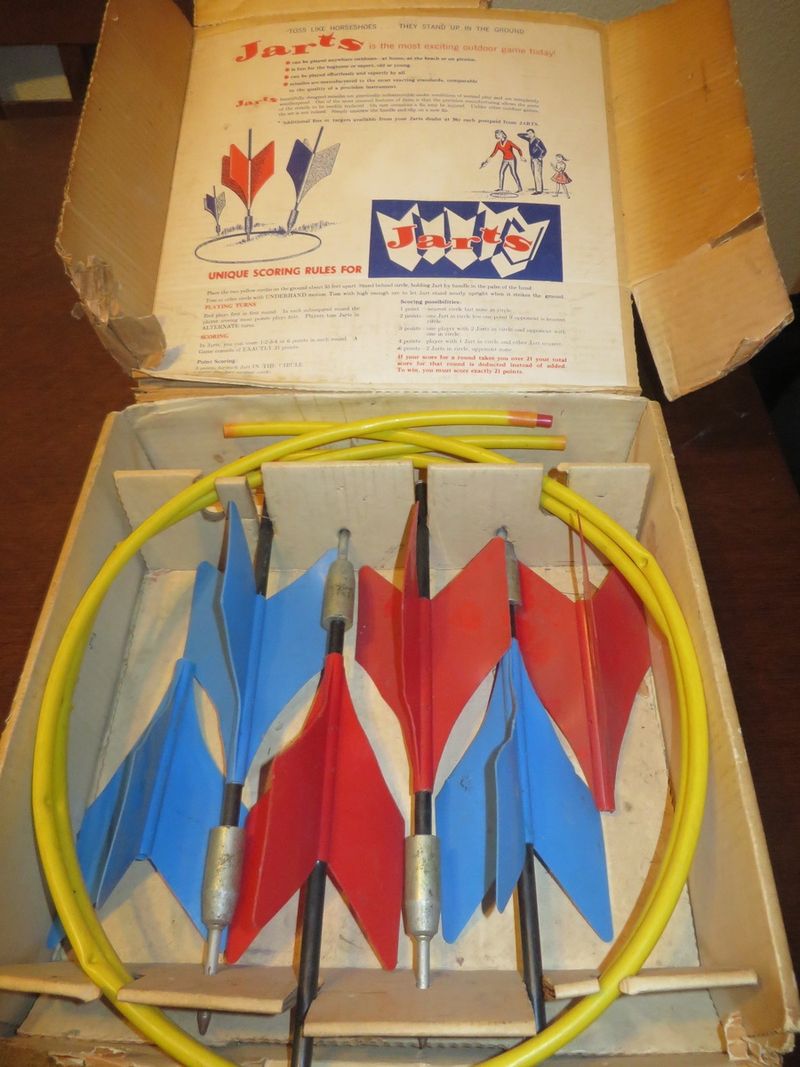
Imagine tossing heavy, metal-tipped spears across your backyard with zero adult supervision. That was lawn darts, also called Jarts, and kids in the ’70s absolutely loved them.
The goal was simple: land your dart closest to a plastic ring on the ground.
What sounds like a recipe for disaster was just a regular Tuesday afternoon back then. The U.S. government eventually banned them in 1988 after serious injuries were reported.
Gen Z will never know the thrill of this backyard chaos.
2. CB Radio Conversations
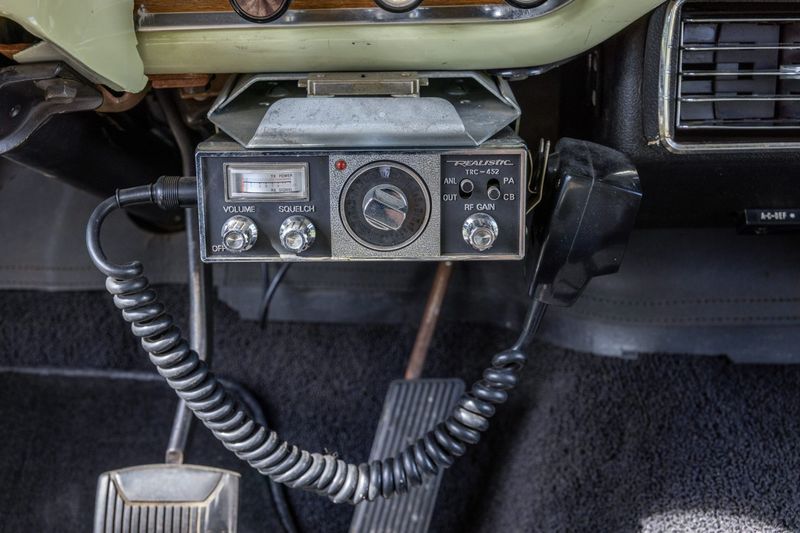
Long before group chats and social media, Boomers were connecting with total strangers using CB radios. Everyone had a cool call sign like “Rubber Duck” or “Nighthawk,” and chatting on the airwaves felt like being part of a secret club.
Truckers made CB radios famous, but regular folks caught on fast. The 1977 movie “Smokey and the Bandit” made CB culture a full-on craze.
Picking up a random voice from miles away was genuinely exciting in a way no Wi-Fi signal can replicate.
3. Roller Disco Nights
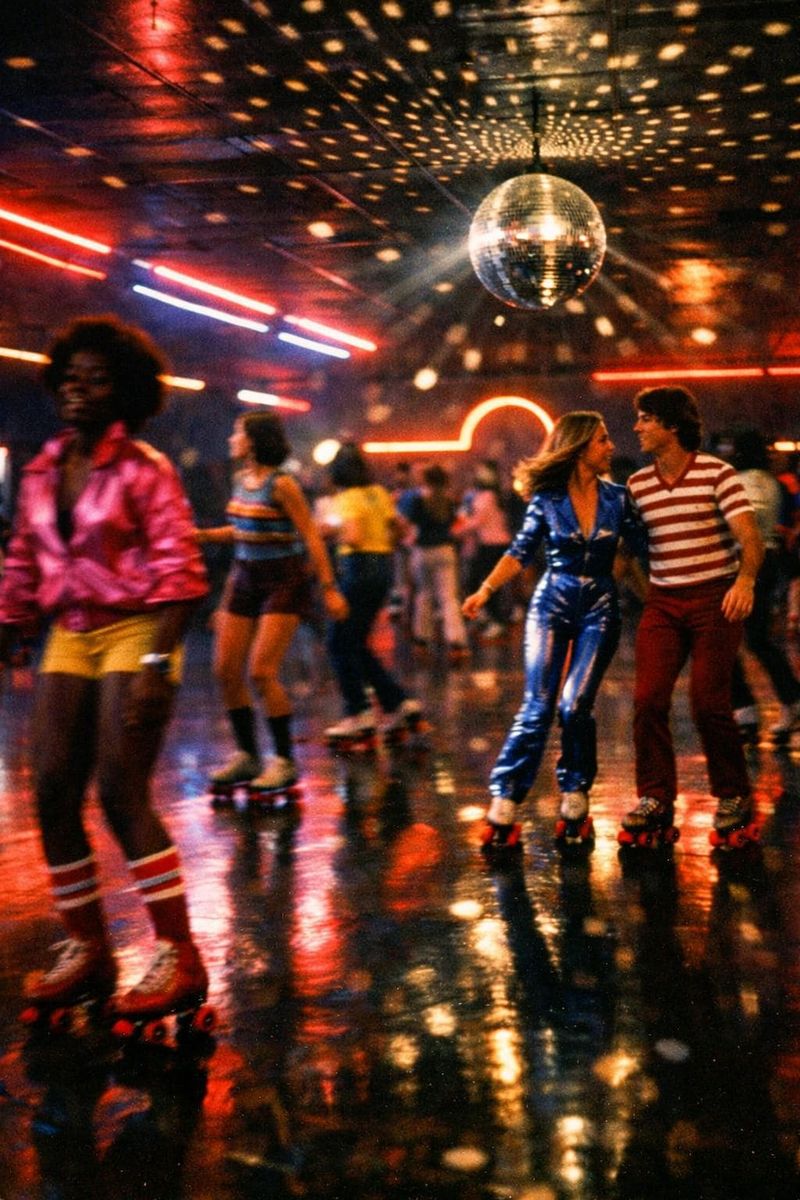
Roller skating and disco music collided in the ’70s to create one of the most gloriously over-the-top activities ever invented. Rinks were packed with people in short shorts, polyester shirts, and platform skates, all grooving under a spinning disco ball.
It was part sport, part dance party, and entirely unforgettable. Songs by Donna Summer and the Bee Gees blasted through the speakers while skaters showed off their moves.
Nothing today quite captures that same wild, carefree energy on wheels.
4. Pet Rocks
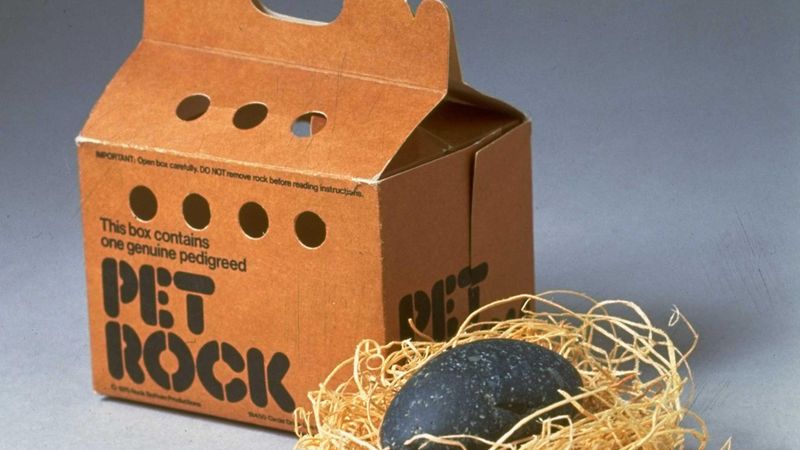
Someone in 1975 convinced millions of Americans to spend $3.95 on an ordinary rock, and it became one of the biggest fad crazes in history. Gary Dahl, the inventor, even wrote a care manual explaining how to teach your rock to “sit” and “stay.”
Pet Rocks came packaged in little cardboard boxes with air holes, just like a real pet carrier. Dahl became a millionaire within months.
It sounds ridiculous now, but at the time, everyone just had to have one.
5. Recording Mix Tapes From the Radio
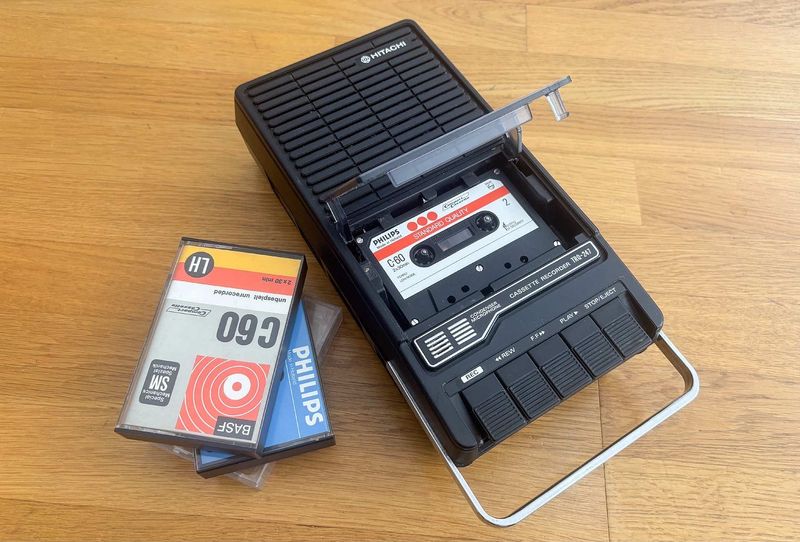
Before playlists existed, making a mix tape was an art form that required serious patience and lightning-fast reflexes. You would sit next to your radio with a blank cassette loaded, waiting for your favorite song to come on, then slam the record button before the DJ talked over it.
Sometimes you nailed it. Sometimes you got half a song and a commercial.
Either way, that tape felt like pure gold. Gen Z streams anything instantly, but they missed the joy of earning your music one song at a time.
6. Cruising the Strip
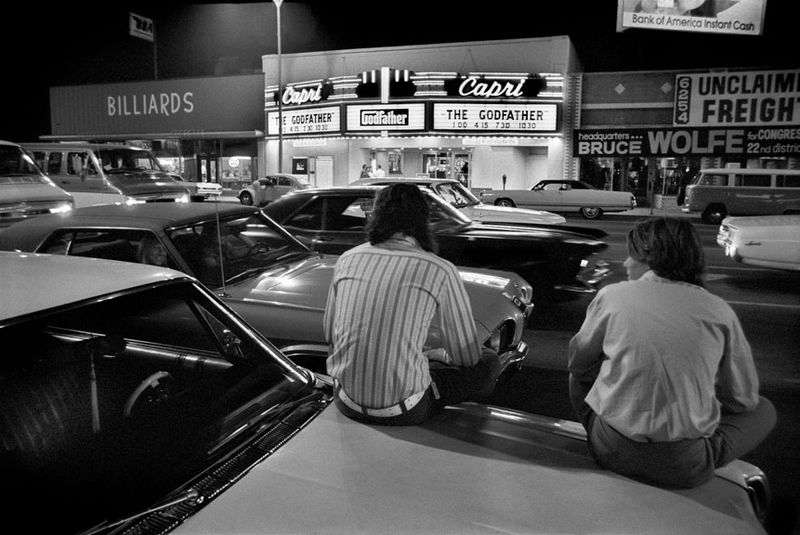
Friday night entertainment in the ’70s could be as simple as driving up and down Main Street over and over again. No destination, no plan, just cruising with the windows down and the radio cranked up.
Teens would honk at friends, show off their cars, and sometimes pull into a drive-in for a soda. It was a social scene on wheels, completely free and endlessly fun.
Today that same stretch of road is probably a strip mall, and the magic is long gone.
7. Playing Pong at the Arcade
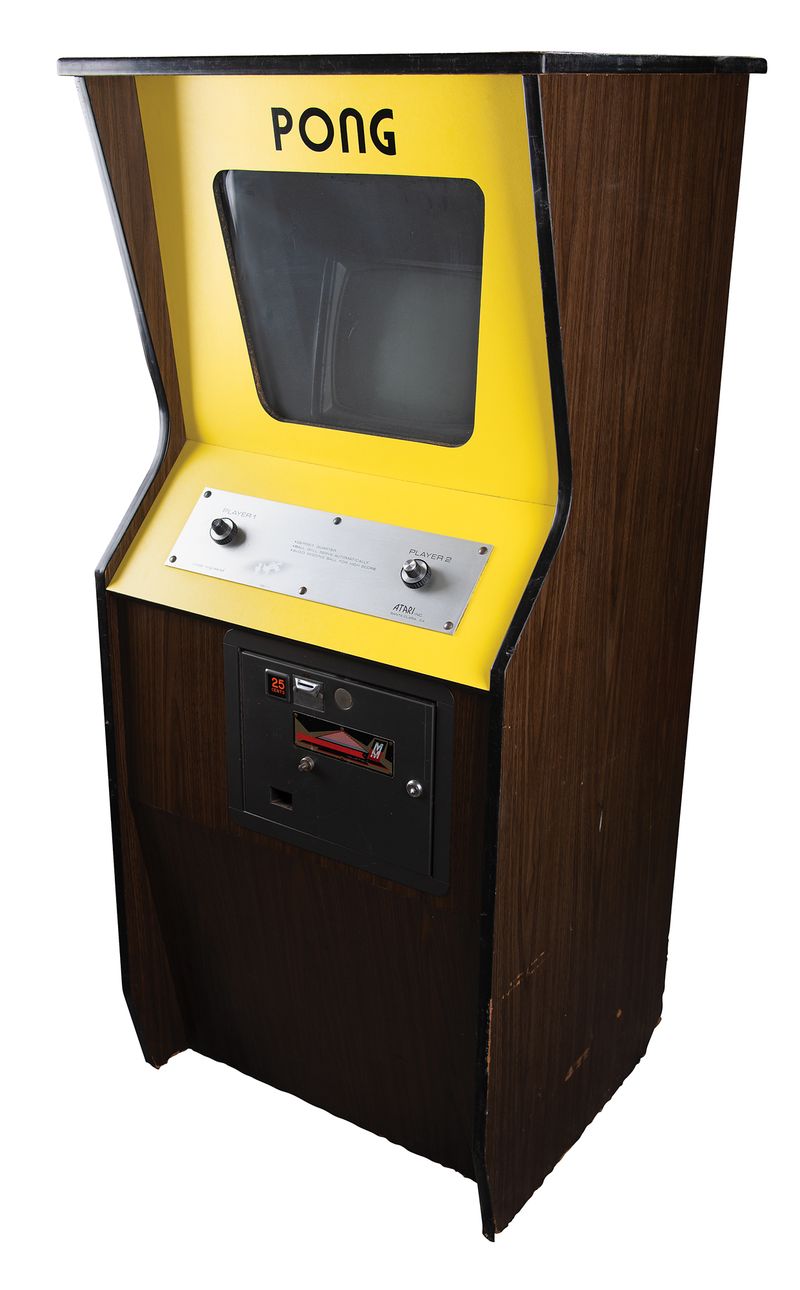
Two rectangles and a bouncing dot sounds laughably simple, but Pong was absolutely revolutionary when it arrived in 1972. Arcades buzzed with the sound of that electronic blip, and players crowded around the cabinet like it was the most amazing thing on Earth.
Atari later brought it home, and families gathered around the TV to play together. Compared to today’s ultra-realistic games, Pong looks like a screensaver.
But for Boomers, it was the spark that ignited an entire gaming revolution nobody saw coming.
8. Ant Farms
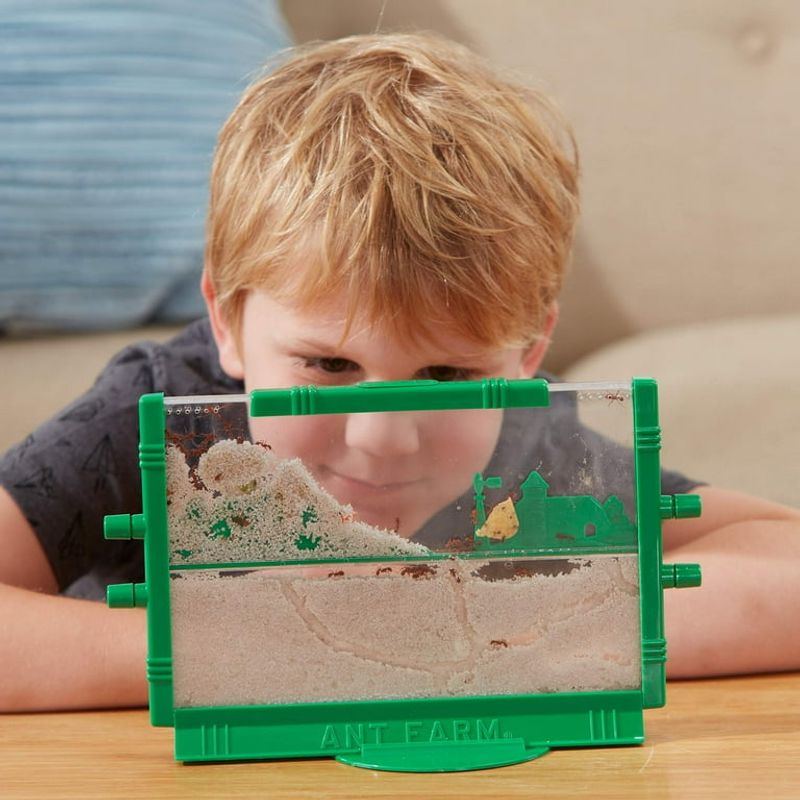
Watching tiny ants dig tunnels through sand for hours was genuinely captivating to kids in the ’70s, mostly because there were so few other options. Ant farms came in flat plastic frames so you could see every tunnel and chamber the ants carved out.
Uncle Milton’s Ant Farm was the gold standard, and kids sent away for live ants through the mail. It taught patience and observation in a way that no screen ever could.
Today, a kid handed an ant farm would probably just Google it instead.
9. Fondue Parties
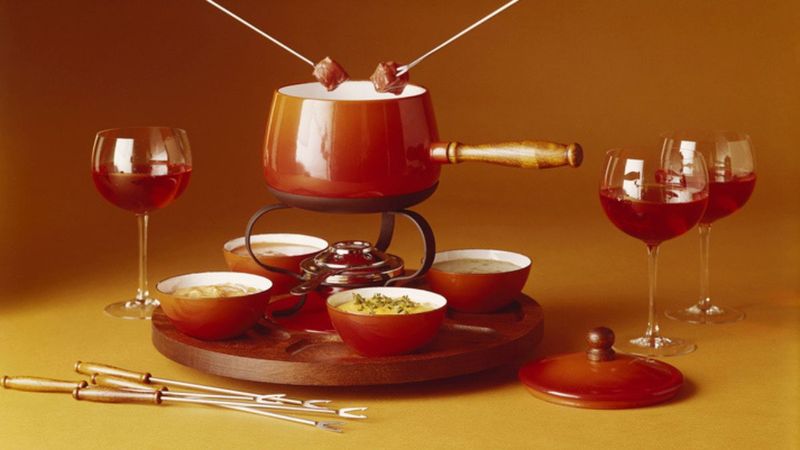
Nothing said “sophisticated ’70s adult” quite like gathering around a bubbling pot of melted cheese with long metal skewers. Fondue sets were a staple wedding gift, and hosting a fondue party meant you had officially arrived as a cool grown-up.
Cheese fondue was the classic choice, but chocolate fondue for dessert was equally popular. The communal nature of the meal made conversation easy and laughter inevitable.
Fondue is making a small comeback today, but it will never carry that same groovy, avocado-green kitchen energy it had back then.
10. Drive-In Movie Theaters
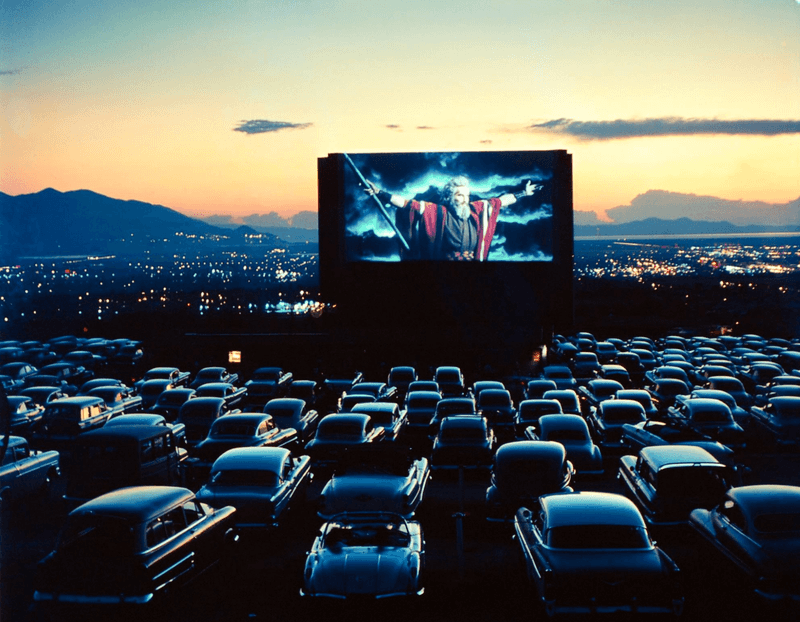
Packing the whole family into a station wagon, hanging a tiny speaker on the car window, and watching a movie under the stars was a genuine weekly ritual for many ’70s families. Drive-ins were affordable, social, and magical in a way that indoor theaters simply could not match.
Couples snuggled in the back seat while kids ran around in pajamas on the grass. At peak popularity, there were over 4,000 drive-ins across America.
Today fewer than 300 remain, and the firefly-lit experience Boomers remember is mostly just a warm memory.
11. Super 8 Home Movies
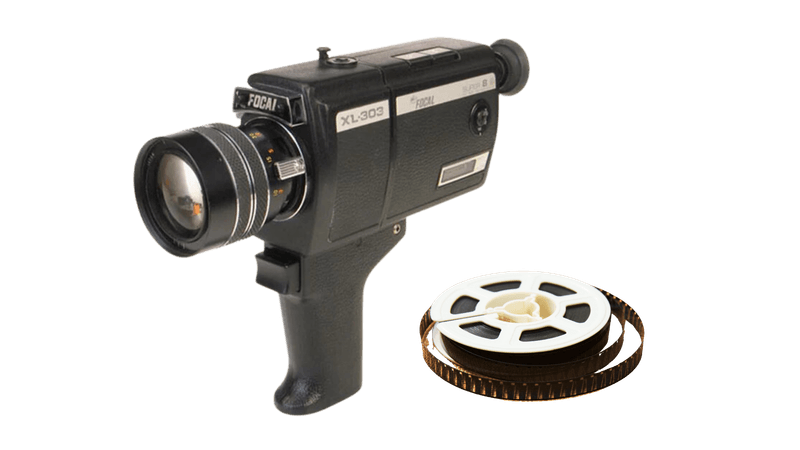
Before camcorders and smartphones made filming effortless, families used Super 8 cameras to capture life’s big moments on actual film. The footage was grainy, silent, and often a little shaky, but it felt incredibly precious because every second of film cost real money.
After the roll was finished, you mailed it away for developing and waited weeks to see your footage. Watching home movies meant setting up a projector and a screen in the living room.
That whole ritual of anticipation and togetherness is something digital convenience quietly erased.
12. View-Master Reels
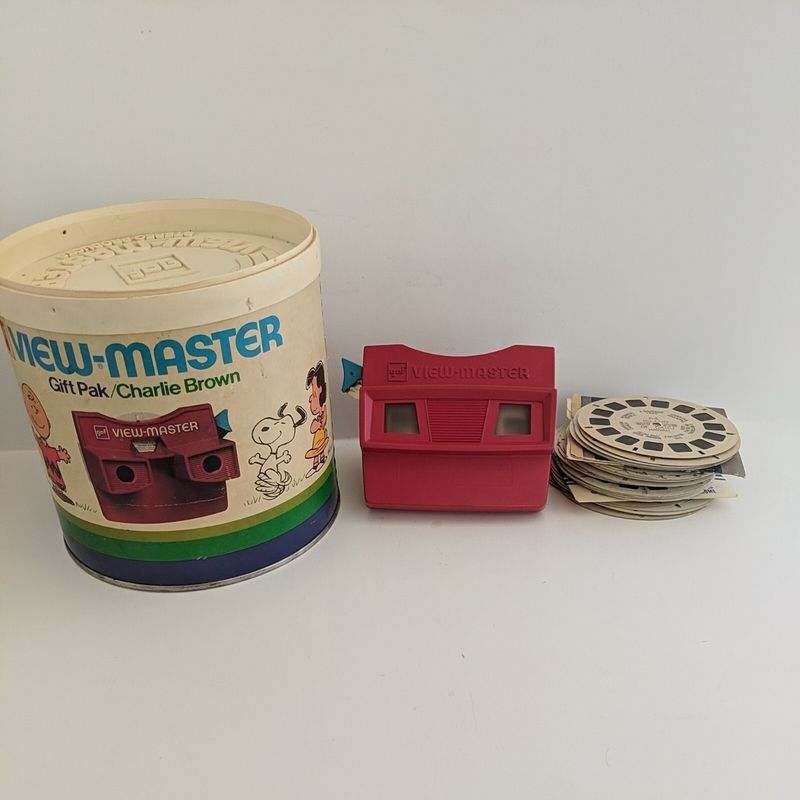
Click. A new world appeared.
The View-Master was a plastic stereoscope that used cardboard reels loaded with tiny photo slides to create stunning 3D images for kids and adults alike.
Reels covered everything from nature scenes and space exploration to TV shows like “Gilligan’s Island” and “Star Trek.” Getting a new reel pack felt like receiving a tiny movie theater you could hold in your hands. Gen Z has VR headsets, but there was something wonderfully simple about pressing that lever and watching a new image pop into view.
13. 8-Track Tape Players
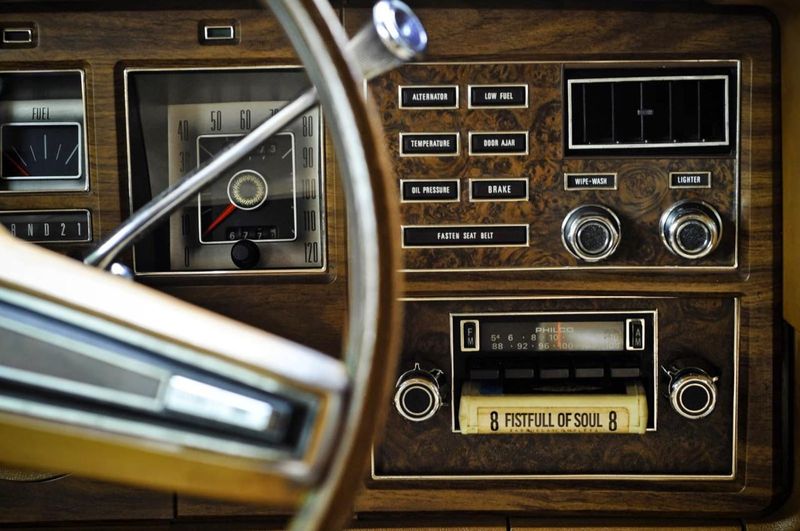
Before cassettes took over, the 8-track tape was how Boomers listened to music on the go, especially in their cars. The cartridges were chunky plastic bricks, and the players clicked loudly when switching between the four program tracks mid-song.
That awkward mid-song click became such a familiar quirk that nobody even questioned it. Artists like Led Zeppelin and Fleetwood Mac sounded pretty great coming through those tinny car speakers.
It was clunky, imperfect, and completely beloved by an entire generation of music fans.
14. Hoppity Hops
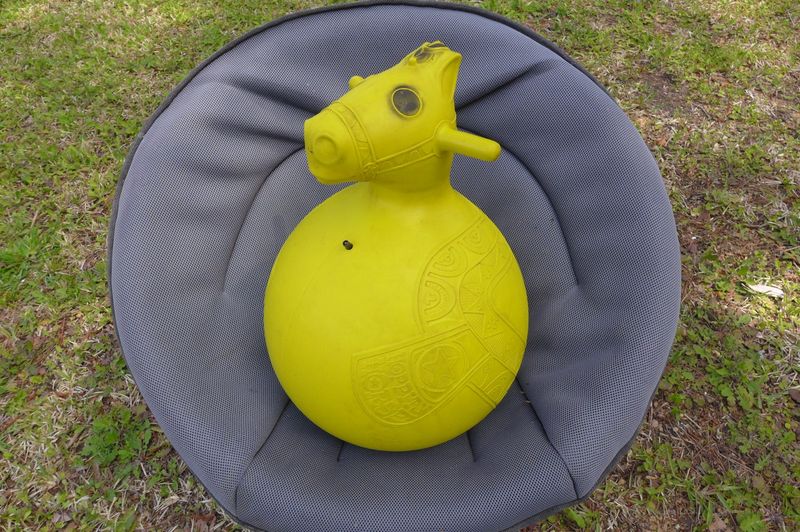
Bouncing around the backyard on a giant inflatable ball with two handle “ears” was pure, unfiltered joy for ’70s kids. Hoppity Hops, sometimes called Hop Balls, came in bright colors and required absolutely zero instructions or batteries.
Kids would race each other across the yard, crash into things, and laugh until their sides hurt. The whole point was to bounce as wildly as possible.
No app, no screen, no Wi-Fi required. Just air, rubber, and the kind of unbothered outdoor fun that seems almost revolutionary by today’s standards.
15. Macrame and Craft Kits
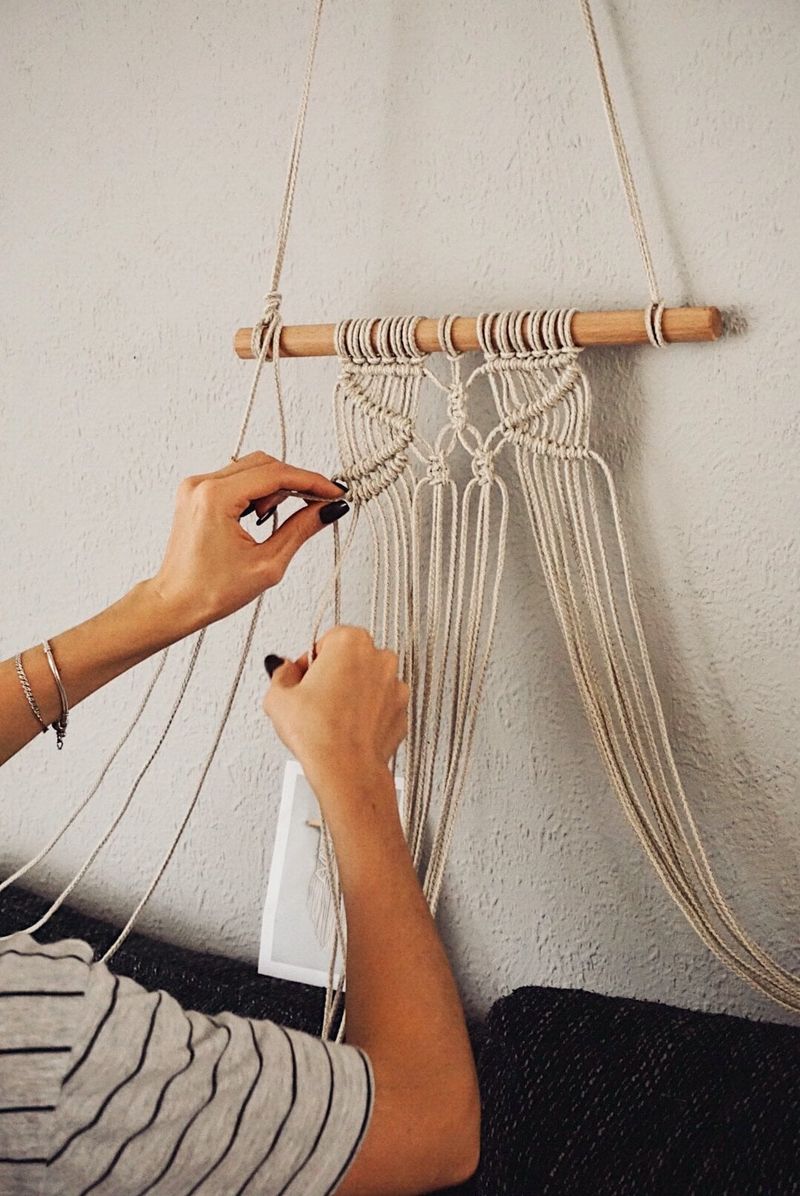
Knotting thick rope into wall hangings, plant holders, and jewelry was one of the most popular creative hobbies of the entire decade. Macrame kits were sold everywhere, and nearly every ’70s home had at least one knotted creation hanging on the wall or holding a fern in the corner.
It required no electricity, no Wi-Fi, and no special skills beyond patience and a good knot tutorial. The meditative rhythm of tying knots was surprisingly satisfying.
Today macrame has a small craft revival, but it will never match the shag-carpet-and-lava-lamp era that made it legendary.