
Some movies were so far ahead of their time that audiences simply weren’t ready for them. Whether they flopped at the box office or flew under the radar, these films tackled ideas that would take decades to fully appreciate.
From dystopian futures to corporate satire, they predicted trends in technology, culture, and society long before the rest of the world caught on. Get ready to rediscover some seriously underrated cinematic gems.
1. Metropolis (1927)
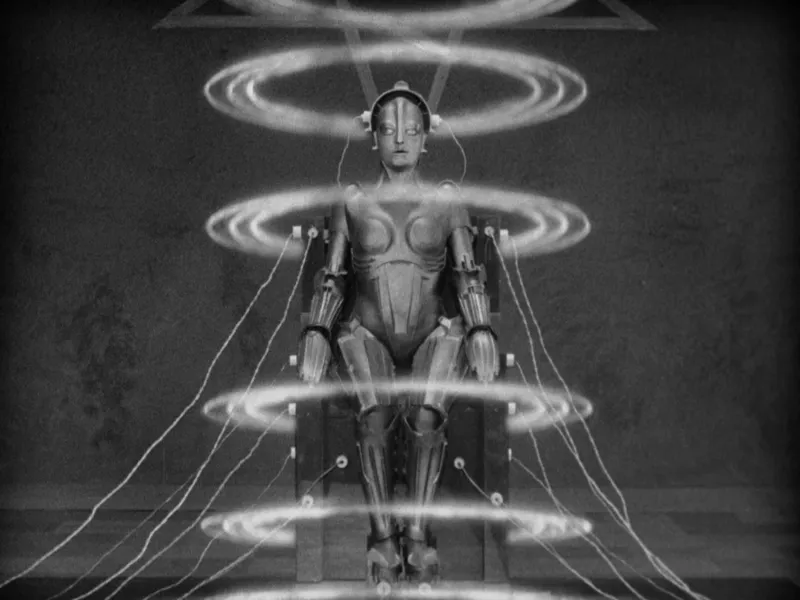
Long before Star Wars or Blade Runner imagined futuristic cities, Fritz Lang’s Metropolis painted a jaw-dropping vision of a world divided between the ultra-rich and the suffering poor. The towering skylines and underground worker colonies feel eerily familiar even today.
Made nearly 100 years ago, this silent German film used groundbreaking special effects that stunned audiences worldwide. Its themes of class inequality and the dangers of unchecked technology remain shockingly relevant in modern society.
2. Blade Runner (1982)
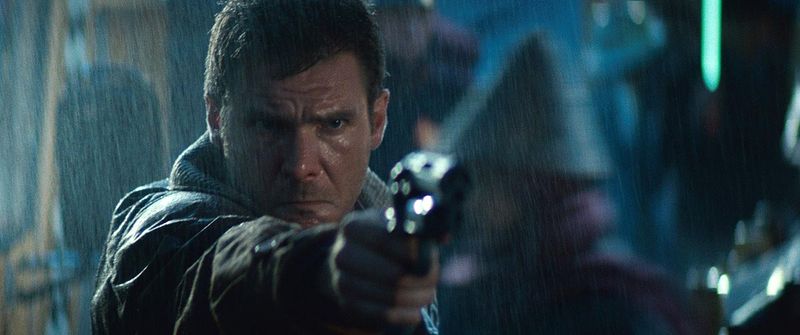
When Ridley Scott’s Blade Runner hit theaters in 1982, audiences were confused and critics were divided. Nobody quite knew what to make of a film that asked whether artificial beings could have souls.
It bombed at the box office but quietly became one of cinema’s most influential masterpieces. Its questions about identity, humanity, and what it means to be alive feel more urgent now than ever, especially as AI technology continues to evolve rapidly.
3. The Truman Show (1998)
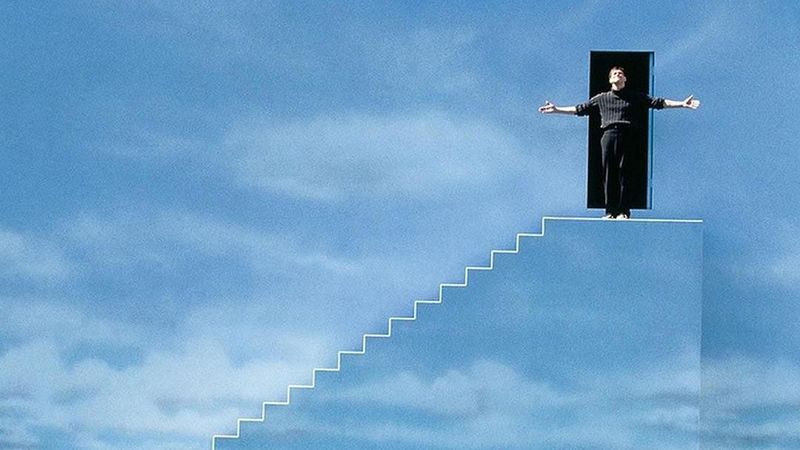
Before reality TV became a global obsession, The Truman Show imagined a world where one man’s entire life was broadcast without his knowledge. Jim Carrey delivered a career-defining performance that many audiences underestimated at the time.
The film raised deep questions about privacy, media manipulation, and whether we can trust the world around us. Watching it today feels almost prophetic, especially given how social media has blurred the lines between real life and performance.
4. Harrison Bergeron (1995)
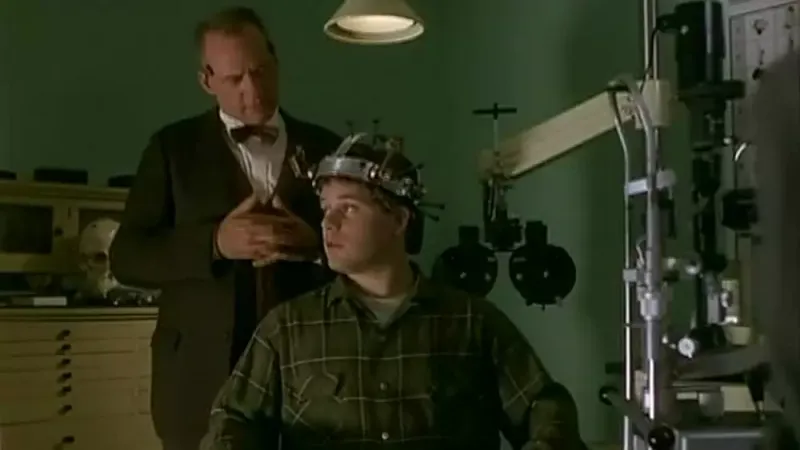
Based on Kurt Vonnegut’s chilling short story, Harrison Bergeron imagines a 2081 America where everyone is forced to be equal by wearing devices that literally weigh down their strengths. Smart people wear headsets that interrupt their thoughts.
Strong people wear heavy weights.
It sounds absurd, but the story cuts deep as a warning about what happens when governments prioritize uniformity over individual freedom. This underrated gem deserves far more attention than it ever received.
5. 1984 (1984)
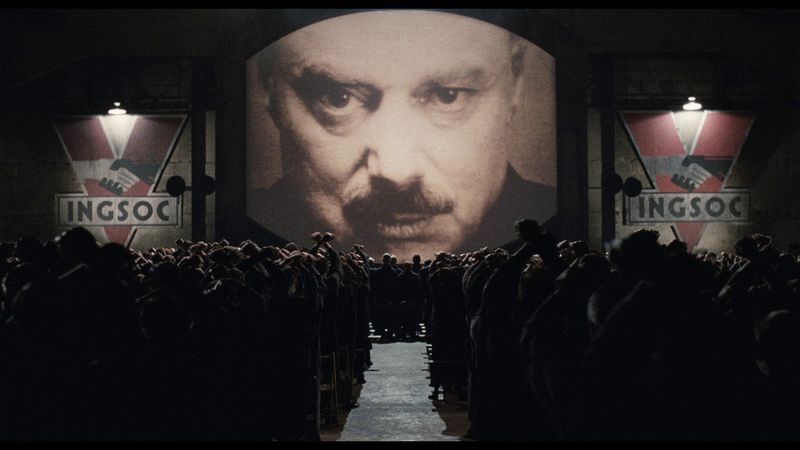
George Orwell wrote his novel as a warning, and the 1984 film adaptation brought that warning to life with haunting precision. Big Brother watching your every move, history being rewritten daily, and even your private thoughts being considered crimes.
Audiences at the time weren’t quite sure how to receive it, but the film has aged into something terrifyingly relevant. Surveillance culture, fake news, and government overreach make this story feel less like fiction every passing year.
6. Gattaca (1997)
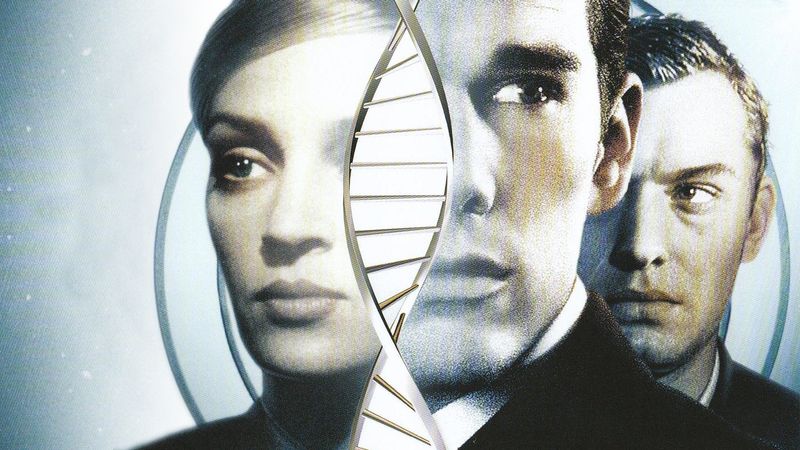
Gattaca arrived in theaters just as scientists were beginning to map the human genome, making its story feel uncomfortably close to reality. The film imagines a future where your DNA determines your job, your worth, and your entire future before you even take your first steps.
Ethan Hawke plays a man born “naturally” in a world that worships genetic perfection. It is a quiet, elegant film about determination, discrimination, and what truly makes us human.
7. Office Space (1999)
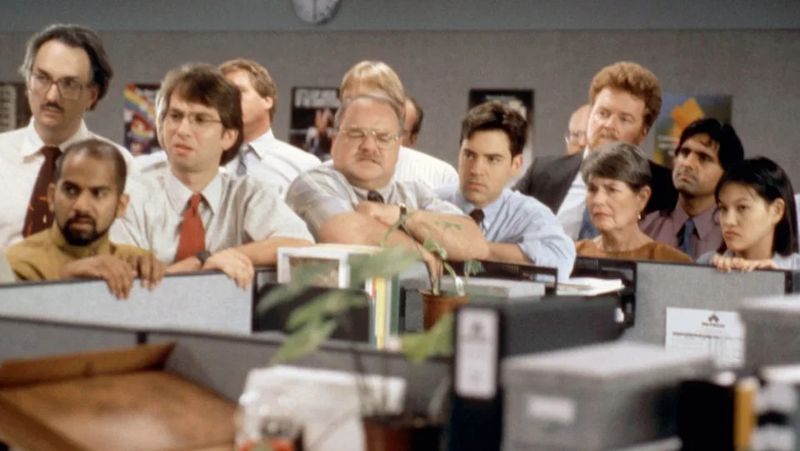
Mike Judge clearly had a grudge against cubicle culture when he made Office Space, and honestly, who could blame him? The film flopped hard in theaters but exploded on DVD because every office worker on the planet recognized themselves in it.
Lazy bosses, pointless meetings, soul-crushing repetition, and the quiet fantasy of just walking away from it all — the film nailed the modern workplace with painful accuracy. It only gets funnier and sadder the older you get.
8. Fight Club (1999)
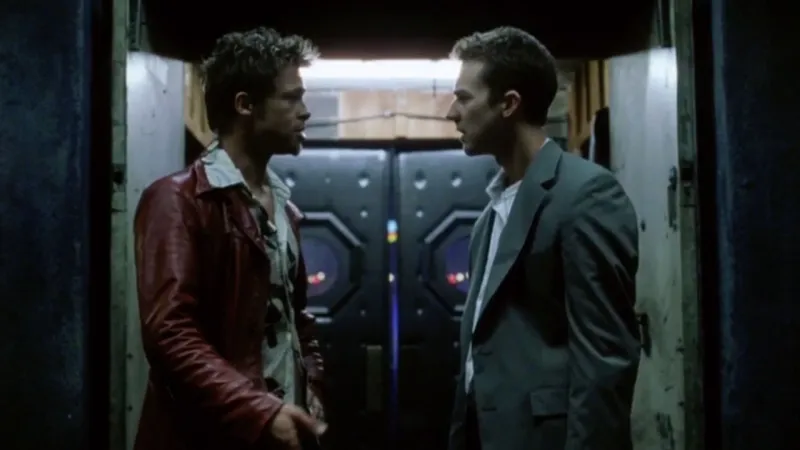
Fight Club hit theaters and left many critics scratching their heads. It was too violent, too weird, and too nihilistic for mainstream audiences in 1999.
The studio barely broke even on it.
Then something strange happened — people kept talking about it. Year after year, new fans discovered its razor-sharp critique of consumerism and toxic masculinity.
Today it sits firmly among the most discussed films of its era, a slow-burn classic that rewards multiple viewings.
9. Donnie Darko (2001)
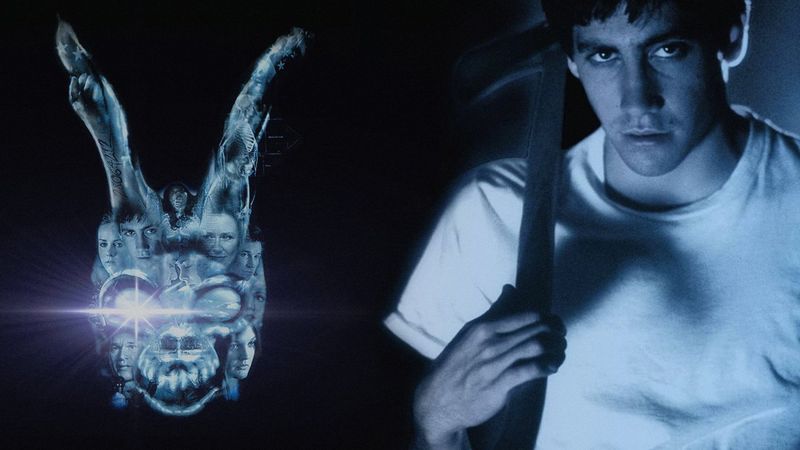
Donnie Darko earned just $517,000 during its entire theatrical run, which is a number so small it barely covers the catering budget of most Hollywood films. Director Richard Kelly had crafted something genuinely strange and original, and the world just wasn’t ready.
A troubled teenager, a creepy man in a rabbit suit, and a mysterious countdown to the end of the world — it sounds wild because it is. Today it holds a passionate cult following and remains endlessly debated.
10. The Big Lebowski (1998)
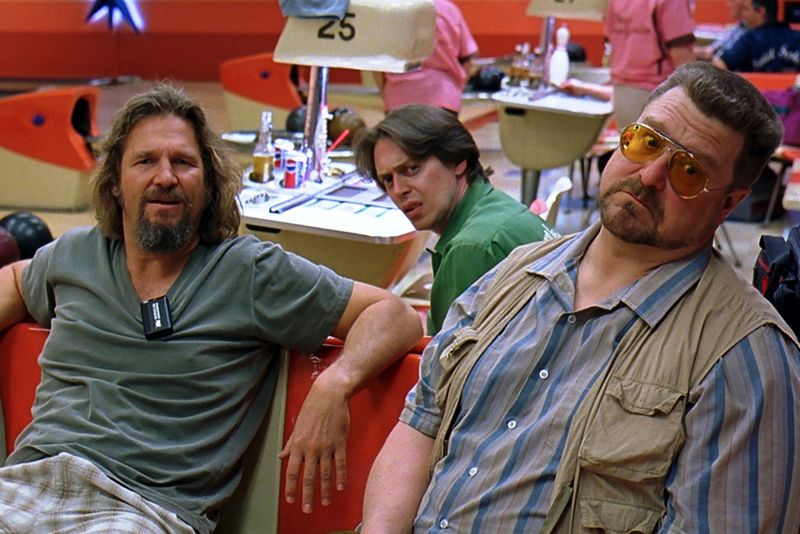
When the Coen Brothers released The Big Lebowski, critics shrugged and audiences mostly stayed home. It barely made back its budget domestically and confused people who expected a straightforward crime comedy.
Nobody could have predicted that “The Dude” would become one of cinema’s most beloved characters. Annual Lebowski Fest events, a religion called Dudeism, and endless merchandise later — this film about a man who just wants his rug back somehow became a cultural institution.
11. Dazed and Confused (1993)
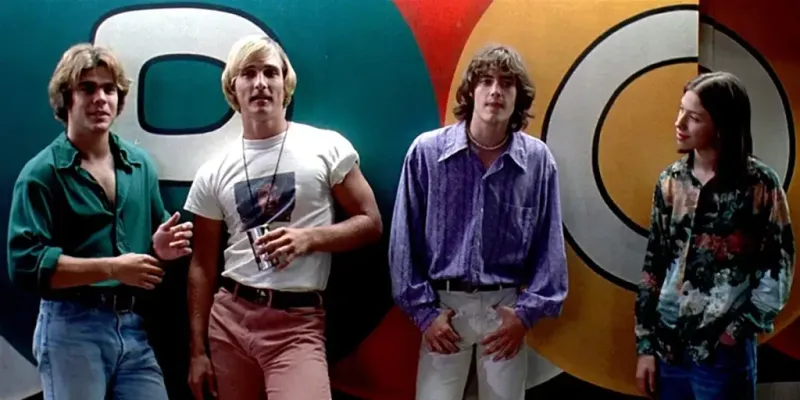
Richard Linklater’s love letter to the last day of school in 1976 barely cracked $8 million at the box office. Studios weren’t sure how to market a film with no real plot and a cast of unknowns — including a very young Matthew McConaughey.
What it captured, though, was something timeless: the bittersweet feeling of being young and free, even if just for one afternoon. Decades later, it remains the definitive coming-of-age film for anyone who survived high school.
12. It’s a Wonderful Life (1946)
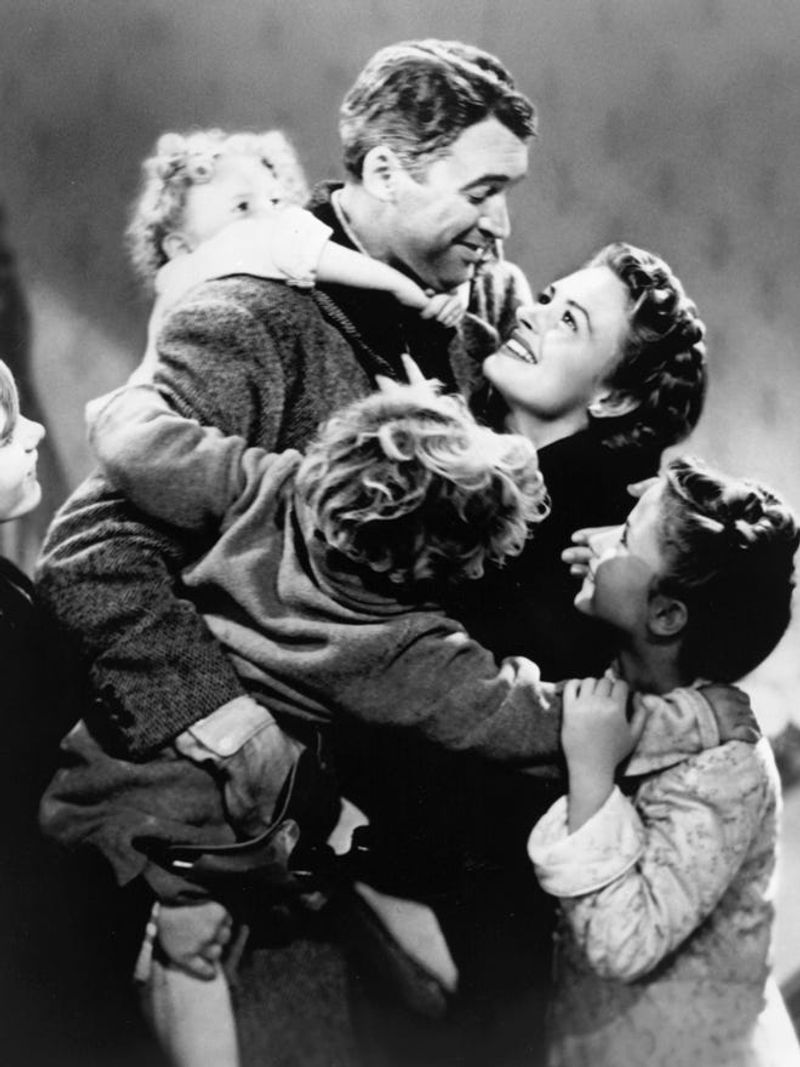
Hard to believe now, but It’s a Wonderful Life was considered a box-office flop when it was released. Frank Capra’s heartfelt story about a man who gets to see what the world would look like without him was largely ignored at the Academy Awards too.
It only became the beloved holiday classic we know today after its copyright lapsed and TV stations started airing it constantly. Sometimes the world needs a second chance to recognize something truly special.
13. Who Framed Roger Rabbit (1988)
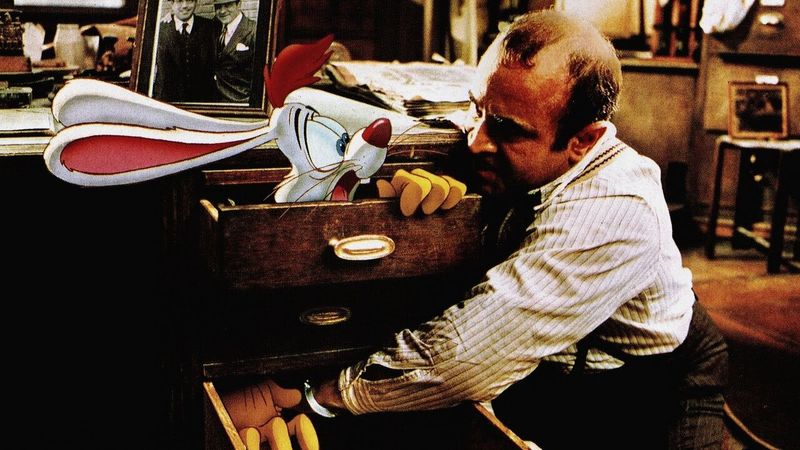
Few films have ever pulled off something as technically daring as Who Framed Roger Rabbit. Blending live-action and hand-drawn animation seamlessly in 1988 required engineering solutions that had never been attempted at that scale before.
Director Robert Zemeckis and animator Richard Williams created something that genuinely changed what movies could do. The film essentially rebooted public interest in animation and paved the way for Disney’s golden renaissance throughout the early 1990s.
A true technical marvel.
14. Some Like It Hot (1959)
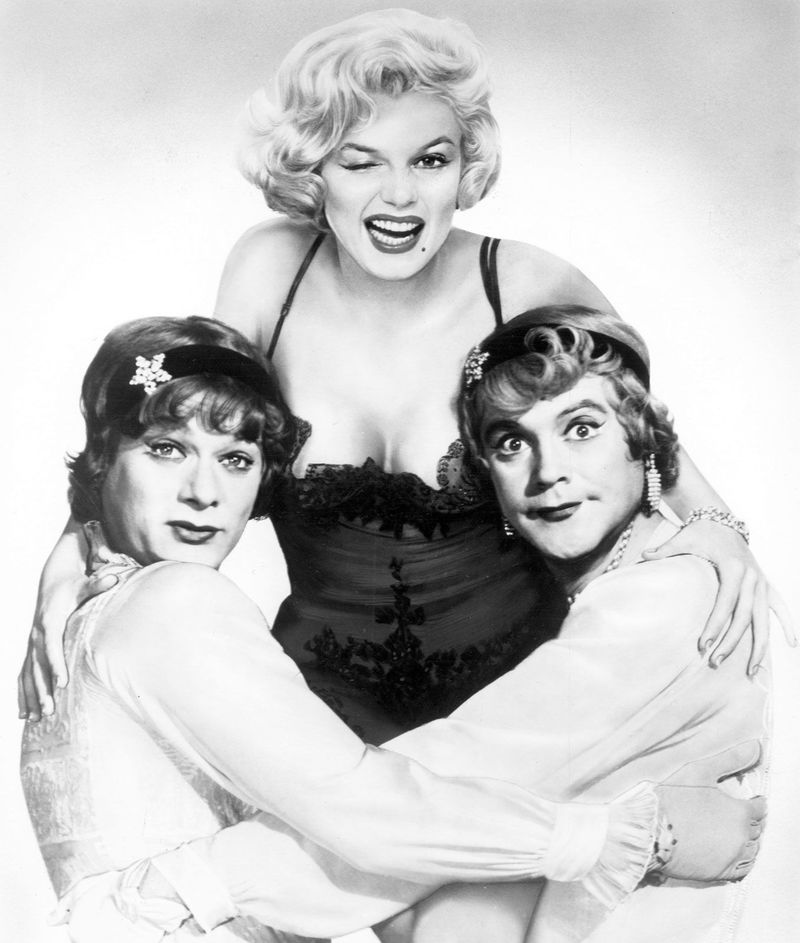
Billy Wilder’s screwball comedy was considered scandalous in 1959, and some censors actually tried to block its release. Two men disguising themselves as women to escape gangsters — and one of them nearly marrying a millionaire — was pushing serious boundaries for the era.
What feels like breezy fun today was genuinely groundbreaking in how openly it played with gender identity and sexuality. The film’s final line remains one of the most quoted in Hollywood history for good reason.
15. Tron (1982)
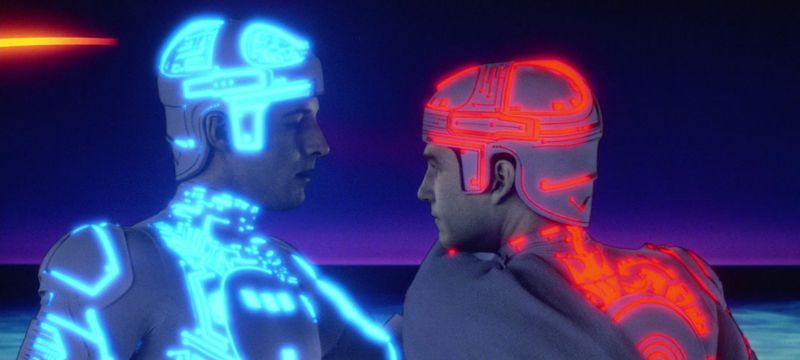
Tron was so far ahead of its time that the Academy Awards actually disqualified it from the visual effects category because they considered using computers to be “cheating.” Let that sink in for a moment.
The film imagined people trapped inside a virtual world ruled by a tyrannical program decades before The Matrix made that concept mainstream. It was largely dismissed in 1982 but slowly built a devoted following that eventually earned it a sequel nearly 30 years later.
16. Requiem for a Heavyweight (1962)
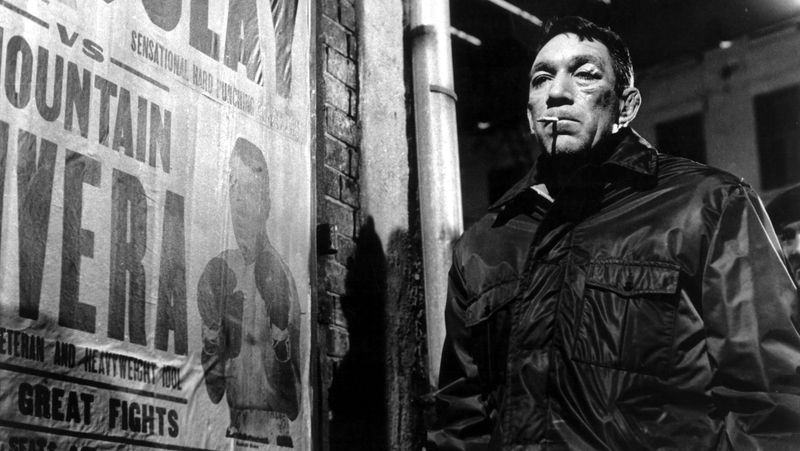
Rod Serling, the genius behind The Twilight Zone, wrote this deeply human story about Mountain Rivera, a punch-drunk boxer forced to confront the end of his fighting career. Anthony Quinn delivers a performance so raw and honest it still hits like a jab to the chest.
For 1962, the film was remarkably modern in how it handled mental health, exploitation, and the loneliness of aging athletes. It deserves a place alongside the greatest sports dramas ever put on screen.
17. The Long Goodbye (1973)
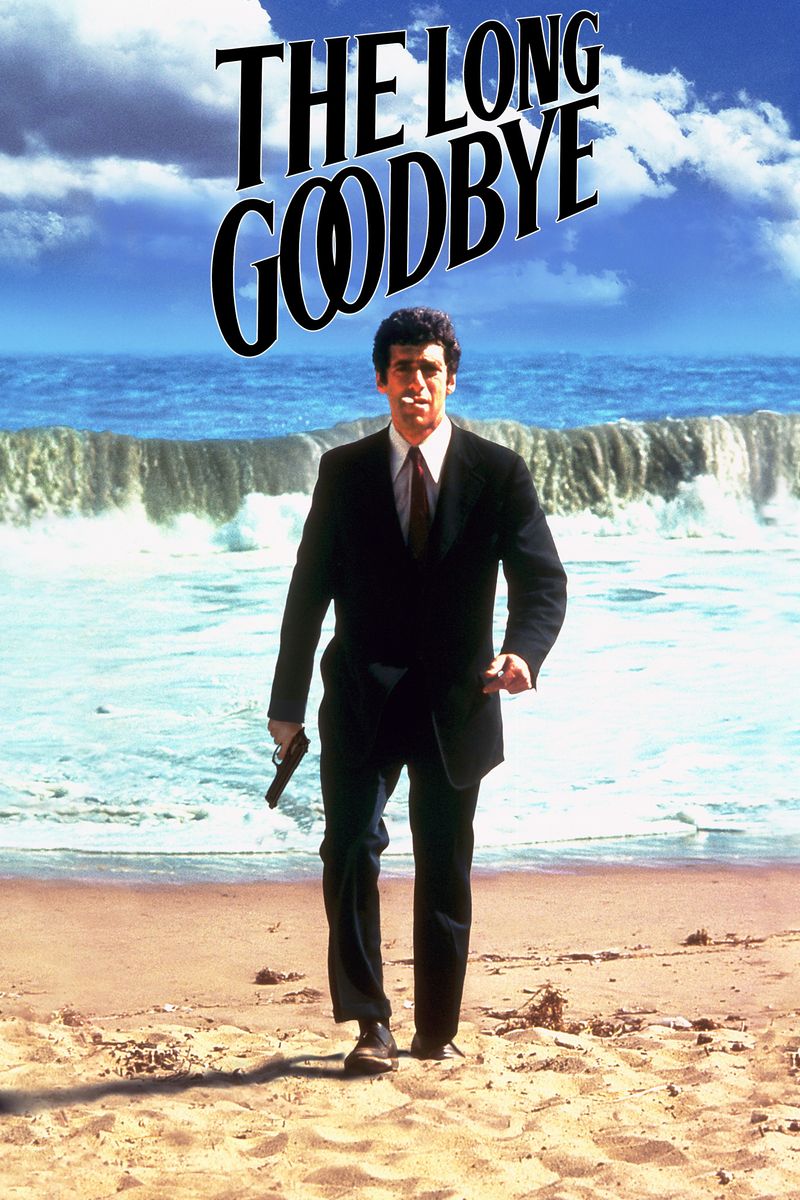
Robert Altman took Raymond Chandler’s legendary detective Philip Marlowe and dropped him into 1970s Los Angeles, where he stumbles through the story looking perpetually confused and slightly out of place. Elliott Gould plays him as a mumbling, cat-loving misfit — and it is absolutely brilliant.
Critics loved it, but general audiences mostly ignored it. The film’s loose, improvisational style felt strange compared to slick Hollywood thrillers.
Revisit it today and you will find a wickedly funny, surprisingly moving neo-noir masterpiece.