
The words you choose at work say a lot about who you are as a professional. Even small, everyday phrases can accidentally send the wrong message to your boss, coworkers, or clients.
Some casual expressions that feel totally normal in conversation can actually make you sound unsure, unhelpful, or even disrespectful. Knowing which phrases to avoid can help you communicate with more confidence and earn greater respect in the workplace.
1. “You Guys”

Calling a mixed group “you guys” might feel totally natural, but it can unintentionally leave some people feeling excluded. As workplaces move toward more inclusive language, this phrase is being replaced with options like “everyone,” “team,” or “folks.”
Making a small adjustment to how you address a group shows awareness and respect. It signals that you value every person in the room, regardless of gender.
2. “No Problem”
Saying “no problem” after completing a task sounds friendly, but it can backfire. The phrase subtly implies the request was a burden or inconvenience, even if that was never your intention.
A simple swap like “happy to help” or “of course” keeps the tone warm and professional. These alternatives confirm your willingness without accidentally suggesting the task was a hassle.
3. “To Be Honest With You”

Phrases like “to be honest with you” or “to tell you the truth” might seem harmless, but they raise an awkward question: were you being dishonest before? Colleagues may start to wonder about the reliability of your past statements.
Transparency should be a constant, not something you announce. Skipping these lead-ins keeps your communication direct and builds steady trust with the people around you.
4. “That’s Impossible”

Shutting down an idea with “that’s impossible” or “there’s nothing I can do” sends a loud message: you’ve stopped looking for solutions. Even when a situation is genuinely tough, this response can make you seem closed-minded or unhelpful.
Try reframing with something like “let me look into our options.” It shows initiative and a problem-solving mindset that colleagues and managers genuinely appreciate.
5. Overusing the Word “Just”
“Just checking in,” “just a quick question,” “I just wanted to say” — that little word “just” shrinks the importance of whatever follows it. It can make you sound apologetic for taking up space, which quietly chips away at your credibility.
Drop the word “just” from your emails and conversations and watch how much stronger your messages become. Your ideas deserve to stand on their own without a built-in apology.
6. “That Meeting Really Sucked”

Venting about a meeting in blunt terms might feel satisfying in the moment, but it reflects poorly on your professionalism. Complaining without offering any constructive feedback shows a lack of ownership over the work environment.
If a meeting truly felt unproductive, address it through the right channels. Suggesting improvements or speaking to a manager directly is far more effective than grumbling in the break room.
7. “Not Sure If You Saw My Last Email”

This follow-up phrase might feel polite, but many recipients read it as passive-aggressive. It can come across as a subtle accusation that they ignored you, which rarely goes over well.
Instead, try a direct approach: restate your request briefly and ask if they need any additional information. A straightforward follow-up respects their time and keeps the conversation productive rather than creating unnecessary tension.
8. Using Curse Words

Profanity at work is one of the fastest ways to damage your professional image. Even in casual office cultures, dropping curse words can offend clients, embarrass colleagues, and signal poor emotional regulation.
No matter how relaxed the workplace vibe feels, keeping your language clean shows maturity and self-control. The people who advance in their careers tend to be those who communicate clearly and respectfully, even under pressure.
9. “I Have Too Much to Do”

Announcing that you have too much on your plate might feel honest, but it can make others question your ability to manage your workload. It may suggest poor time management or an inability to set boundaries effectively.
A better move is to have a calm, specific conversation about priorities with your manager. Explaining what you can realistically handle shows professionalism and self-awareness rather than helplessness.
10. “I’ll Try”

When someone asks if you can complete a task and you respond with “I’ll try,” it signals doubt before you’ve even started. It sounds half-hearted and leaves the other person wondering whether they can count on you.
Swapping it for “I’ll get it done” or “I’ll have it ready by Friday” shows commitment. Specific, confident language builds trust and tells your team that you take your responsibilities seriously.
11. “That’s Not My Job”
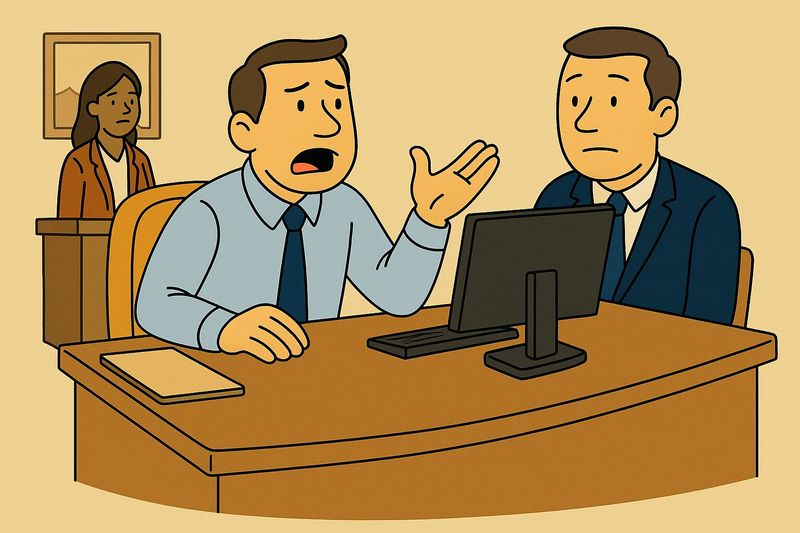
Few phrases kill team spirit faster than “that’s not my responsibility.” Even if something genuinely falls outside your job description, saying so bluntly makes you seem rigid and unwilling to collaborate.
A much better response is to acknowledge the need and offer to help find the right person. Showing flexibility and a helpful attitude can open doors professionally and make you someone others genuinely enjoy working with.
12. “I Don’t Have Time for This”

Telling someone you don’t have time for them is a quick way to damage a working relationship. It signals that their request isn’t valued, which can create real tension and resentment over time.
Even when you are genuinely swamped, offer an alternative: “I can’t look at this right now, but can we connect tomorrow morning?” That small shift keeps the relationship intact while still respecting your own schedule.
13. “I Don’t See the Point of This”

Questioning the purpose of a task out loud, especially in front of others, can make you seem resistant to change and difficult to work with. It also signals that you may not trust your team’s or manager’s judgment.
Curiosity is a much stronger tool than skepticism. If you genuinely don’t understand the goal, ask a thoughtful question instead. “Can you help me understand the objective?” opens a conversation rather than shutting one down.
14. “Just Tell Me What to Do”

This phrase waves a red flag about initiative. Managers want employees who think critically and bring ideas to the table, not ones who wait to be told every step to take.
Even when you feel uncertain, try proposing a plan first: “Here’s how I was thinking of approaching this — does that sound right?” Showing that you’ve thought things through builds confidence in your abilities and makes you stand out positively.
15. “It’s Not Fair”

Workplace situations can genuinely feel unequal sometimes, but responding with “it’s not fair” tends to come across as immature. It focuses on feelings rather than solutions and can make you seem difficult to manage.
Channeling that frustration into a professional conversation is far more powerful. Presenting your concerns calmly and backed by facts shows emotional maturity and earns far more respect than venting about what seems unfair.
16. “I Think” or “I Feel Like”

Starting every statement with “I think” or “I feel like” quietly undermines your own authority. These phrases make solid ideas sound like guesses, and they can cause others to take your input less seriously.
Replace them with direct statements: instead of “I feel like this could work,” say “this approach will work because…” Confidence in your delivery signals confidence in your expertise, and people respond to that in a big way.
17. “This Is Probably a Dumb Question”

Prefacing your questions with self-deprecating warnings like “this might be stupid, but…” does your credibility no favors. You’ve already planted doubt before anyone hears your actual point.
Every workplace question that helps you do your job better is a smart one. Ask with confidence: “I want to make sure I understand this correctly…” That framing shows you care about accuracy, not that you’re unsure of yourself.
Own your curiosity.
18. Using “Always” or “Never”

Absolute words like “always” and “never” are almost always inaccurate — and yes, that’s intentional irony. Using them in workplace conversations can make you sound reactionary and can easily be disproven, which is embarrassing.
“This process often causes delays” lands far better than “this process never works.” Precise language makes your feedback more credible and harder to dismiss. Colleagues and managers are more likely to take measured observations seriously.
19. Over-Apologizing

Apologizing constantly for minor things — like asking a question or sending an email — quietly signals insecurity. Phrases like “sorry to bother you” or “sorry for asking” can make others question your confidence over time.
Save apologies for situations that genuinely warrant them. When you do apologize, mean it and move forward.
Replacing constant sorry’s with assertive, direct communication helps you come across as capable, calm, and sure of yourself.
20. “I Don’t Know” With No Follow-Up

Everyone hits a knowledge gap sometimes, and that is completely fine. The problem is leaving “I don’t know” hanging in the air with no effort to help or find an answer — that’s when it starts to sound unprofessional.
A simple addition transforms the phrase entirely: “I don’t know off the top of my head, but I’ll find out and get back to you by end of day.” That response shows accountability and a proactive mindset employers truly value.