
Marriage has changed a lot over the decades, and many old-school rules that once seemed perfectly normal now feel completely out of date. From who pays the bills to who makes the big decisions, couples today are rewriting the rulebook in ways their grandparents never imagined.
Modern partnerships are built on equality, communication, and mutual respect rather than tradition alone. If you’ve ever wondered which old rules are finally getting tossed out, keep reading.
1. Rigid Gender Roles

Picture a husband cooking dinner while his wife fixes a leaky faucet. That image would have shocked people just a few decades ago.
Today, couples are ditching the idea that men must earn money while women keep the house running.
Sharing responsibilities based on skills and availability, rather than gender, leads to a more balanced and satisfying relationship. Modern couples thrive when both partners pull equal weight.
2. Husbands Having the Final Say

For much of history, the husband’s word was basically law at home. Major decisions about money, housing, and family were his to make, whether his wife agreed or not.
That kind of one-sided power dynamic created a lot of quiet resentment over time.
Today’s couples believe both voices deserve equal weight. Shared decision-making leads to better outcomes and builds stronger trust between partners who feel genuinely heard and respected.
3. Marriage as a Financial Arrangement

Centuries ago, women often married simply to survive economically. Without property rights or career opportunities, a husband was essentially a financial lifeline.
Thankfully, that transactional view of marriage has largely faded away.
Modern couples see marriage as a romantic and practical partnership where both people bring financial value. Women today build careers, manage investments, and support households independently.
Marriage is now a choice born from love rather than economic necessity.
4. Never Disagreeing in Public

Old etiquette books practically demanded that wives never contradict their husbands in front of others. Keeping up appearances mattered more than honest communication, which left a lot of frustration bottled up behind closed doors.
Healthy disagreement, handled respectfully, actually strengthens relationships. Modern couples know that pretending to always agree is exhausting and dishonest.
Speaking up, even publicly, shows mutual respect and models healthy communication for everyone around them.
5. Marrying by a Certain Age
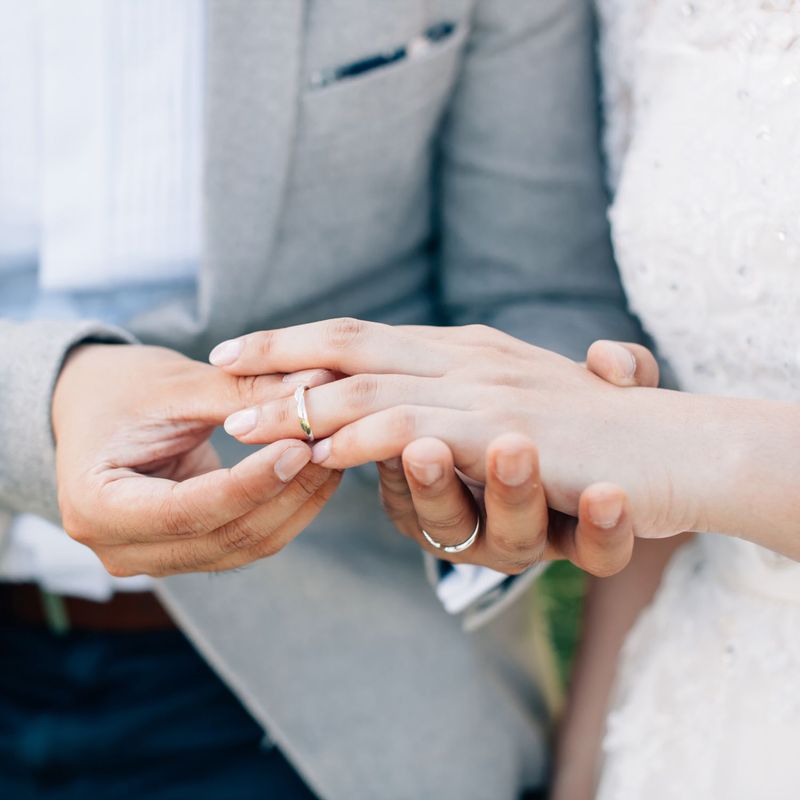
Back in the day, if you weren’t married by your mid-twenties, people started whispering. Women especially felt enormous pressure to “settle down” before society deemed them too old to attract a good partner.
That deadline has been firmly thrown out the window. People today are marrying later, after building careers, exploring the world, and truly understanding themselves.
Readiness matters far more than hitting some arbitrary age milestone somebody else invented.
6. Women Quitting Jobs After Marriage
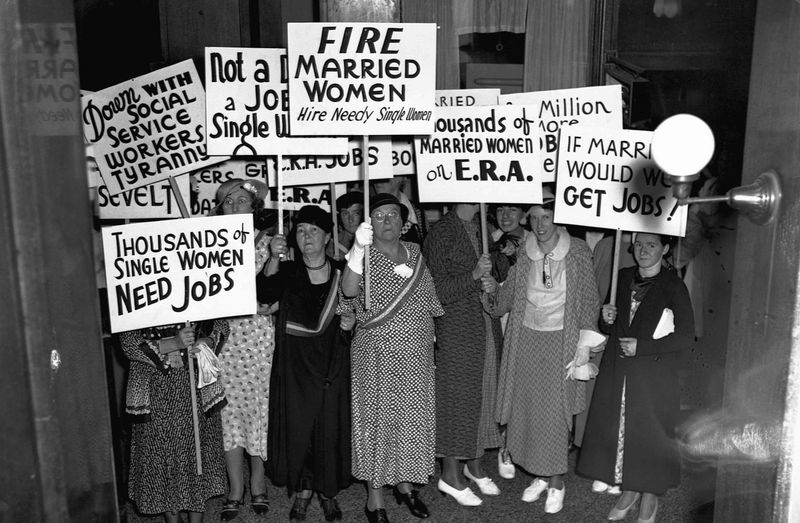
Not long ago, a woman handing in her resignation after the wedding was simply expected. Her new full-time job was being a wife, and keeping her career was sometimes seen as a sign she didn’t take marriage seriously enough.
Dual-income households are now the norm, and for good reason. Two incomes mean greater financial security and more life choices for the whole family.
A woman’s career is something to celebrate, not sacrifice at the altar.
7. Wives Sacrificing Their Own Interests

Some old-school couples operated on a simple unspoken rule: her schedule revolved around his. His hobbies, his social circle, and his preferences came first, and she quietly adjusted her own desires to fit around them.
Modern relationships champion individual growth alongside shared life. Couples today actively encourage each other’s passions, friendships, and personal space.
A partner who has their own rich inner life actually brings more energy and joy to the relationship itself.
8. Keeping Finances Secret

Financial secrecy used to be surprisingly common in marriages. Sometimes one partner controlled all the money without explanation.
Other times, spending was hidden to avoid conflict, which ironically created bigger problems down the road.
Transparency about money is now considered a cornerstone of a healthy marriage. Many couples maintain joint accounts for shared expenses while keeping some personal spending money too.
Open financial conversations reduce stress and build the kind of deep trust that holds relationships together.
9. Prenups Are Only for the Wealthy or Distrustful

Prenuptial agreements used to carry a stigma. Asking for one supposedly meant you were already planning the divorce or that you didn’t truly trust your partner.
Only movie stars and billionaires bothered with them, or so the thinking went.
Today, prenups are seen as smart, practical tools for any couple. They open honest conversations about debt, inheritance, and financial expectations before the wedding.
Planning ahead doesn’t signal doubt; it signals maturity and clear-headed communication.
10. Love Alone Is Enough to Sustain a Marriage

Romantic movies love the idea that true love conquers everything automatically. No effort required, just feel the feelings and the rest takes care of itself.
Real couples know that fairy tale skips a few important chapters.
Strong marriages are built through continuous effort, honest communication, and a willingness to grow together. Couples therapy, conflict resolution skills, and regular emotional check-ins are tools smart couples use proudly.
Love is the foundation, but consistent effort is what keeps the house standing.
11. Men Must Never Show Emotion

“Boys don’t cry” was practically a parenting motto for generations. Men were expected to project strength at all times, especially in marriage, where showing feelings was sometimes seen as weakness or instability.
Modern relationships thrive on emotional honesty from both partners. When men feel safe expressing fear, sadness, or vulnerability, couples build deeper intimacy and understanding.
Emotional intelligence isn’t a soft skill anymore; it’s recognized as one of the strongest qualities a partner can bring to a marriage.
12. Men Must Always Make the First Move

For decades, the romantic script was rigid: man spots woman, man pursues woman, woman waits. Any deviation from that formula was considered awkward at best and scandalous at worst.
Women who expressed interest first were often judged harshly.
That script has been happily retired. Anyone can make the first move today, and most people find it refreshing when they do.
Mutual interest expressed freely and naturally leads to more authentic connections than a one-sided chase ever could.
13. The Wedding Is Only the Bride’s Day

Traditionally, weddings were almost entirely centered on the bride. She picked the flowers, the cake, the venue, and the color scheme, while the groom basically showed up and tried not to trip over his own feet at the altar.
Weddings today are genuine joint projects. Both partners share opinions, make choices, and personalize the celebration to reflect who they are as a couple.
When both people feel invested in the day, it becomes a true celebration of their shared story.
14. Living Together Before Marriage Is Shameful

Not long ago, moving in together before marriage was considered scandalous, especially for women. Families disapproved, neighbors gossiped, and some religious communities treated it as a serious moral failure worth public shame.
Cohabitation before marriage is now widely accepted as a normal and practical step in many relationships. Living together helps couples understand each other’s daily habits, financial styles, and communication patterns before making a lifelong commitment.
For many, it’s simply a smart way to prepare.
15. Serial Monogamy Is Something to Be Ashamed Of

Older generations often viewed divorce or remarriage with heavy judgment. The idea was simple: you married once, you stayed married, and anything else reflected personal failure or moral weakness.
That attitude caused a lot of people to stay in deeply unhappy situations.
Today, people understand that relationships evolve and sometimes end, and that starting over isn’t a failure. Serial monogamy, meaning a series of committed exclusive relationships over a lifetime, is recognized as a valid and healthy pattern for many people.