
Marriage is supposed to be a partnership, but when things get really tough, it can start to feel more like a burden than a blessing. Over time, constant stress, conflict, and unmet needs can quietly drain you until you have nothing left to give.
Marital burnout is real, and it sneaks up on you before you even realize what’s happening. Knowing the signs is the first step toward making a change.
1. You Feel Emotionally Empty Most of the Time

There is a hollow, heavy feeling that settles in your chest when emotional exhaustion takes over. You go through the motions of daily life, but nothing feels meaningful anymore.
Even small tasks feel like climbing a mountain.
This kind of depletion is different from just having a bad day. When your relationship constantly takes more than it gives, your emotional reserves eventually hit zero.
Recognizing this emptiness is a powerful first step toward reclaiming your sense of self.
2. Picking Fights Over the Smallest Things

When burnout sets in, your patience shrinks to almost nothing. Suddenly, a sock left on the floor or a tone of voice can trigger a full-blown argument.
The real frustration is not about the small stuff at all.
Unresolved tension and emotional overload get redirected into everyday moments. Studies show that chronic stress in relationships raises irritability significantly.
If you notice constant bickering replacing real conversations, your marriage may be pushing you past your breaking point.
3. You Have Stopped Being Curious About Your Partner

Remember when you wanted to know everything about this person? Their dreams, their fears, their random thoughts?
That curiosity fading is one of the quieter signs of burnout, and it can feel unsettling once you notice it.
Emotional disconnection often shows up as indifference before it shows up as conflict. You stop asking questions.
Conversations shrink to logistics like schedules and grocery lists. Rebuilding curiosity about your partner is actually one of the most effective tools therapists recommend for reconnecting.
4. Daydreaming About a Life Without Your Spouse

Everybody has fleeting “what if” thoughts, but when fantasies about leaving your marriage become a daily escape, something deeper is going on. These daydreams are your mind searching for relief from a situation that feels unbearable.
Regularly imagining life on your own, or with someone else entirely, is a sign that your current reality feels more like a trap than a choice. This does not automatically mean divorce is the answer, but it is a signal worth taking seriously and exploring with a counselor.
5. Physical Symptoms That Won’t Go Away

Burnout does not just live in your mind. It moves into your body, showing up as headaches, stomach problems, muscle tension, or insomnia that just will not quit.
Chronic relationship stress keeps your nervous system stuck in overdrive.
Research links long-term marital unhappiness to higher blood pressure, weakened immunity, and even increased heart disease risk. If your doctor cannot find a clear physical cause for your symptoms, your marriage might be the culprit.
Your body often speaks the truth before your brain is ready to admit it.
6. Intimacy Feels Like a Distant Memory

Physical and emotional closeness does not disappear overnight. It erodes slowly, and then one day you realize months have passed without a real hug, a meaningful conversation, or any genuine warmth between you two.
Diminished intimacy is both a symptom and a cause of marital burnout. The less connected you feel, the harder it becomes to bridge that gap.
Many couples find that naming this shift openly, rather than avoiding it, is the uncomfortable but necessary starting point for rebuilding closeness together.
7. Carrying the Entire Emotional Weight Alone

Feeling like the only one keeping the household, the relationship, and the family together is utterly exhausting. When one partner shoulders all the planning, problem-solving, and emotional labor, resentment builds fast.
This unbalanced dynamic is sometimes called the “invisible load,” and it is a major driver of burnout. Many people in this position describe feeling more like a single parent than a spouse.
Addressing the imbalance directly, even when it is an uncomfortable conversation, is essential for the relationship to survive long-term.
8. Hopelessness Has Replaced Hope
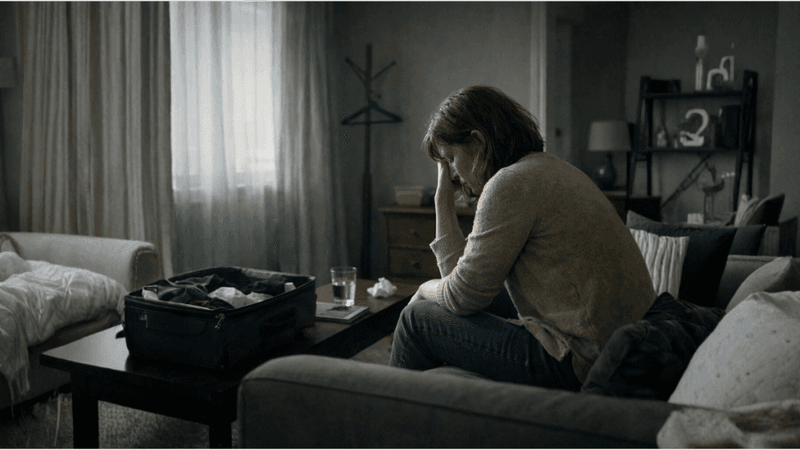
There was a time when you believed things could get better. Now that belief feels naive.
A creeping sense of “what is the point?” settles in and makes even trying feel pointless. Hopelessness is one of burnout’s most dangerous signs.
When you stop believing the relationship can improve, motivation to work on it disappears entirely. Therapists note that hopelessness in marriage often responds well to structured intervention, even when it feels permanent.
Reaching out for professional help at this stage can genuinely shift the direction of things.
9. You Have Lost Track of Who You Are

Somewhere along the way, your hobbies disappeared. Your friendships thinned out.
You stopped doing the things that made you feel like yourself. Marriage can quietly absorb your identity if you are not careful.
Losing yourself in a difficult relationship is more common than most people admit. When your sense of self becomes entirely tied to your role as a spouse, burnout follows closely.
Reconnecting with your own interests, values, and friendships is not selfish. It is actually one of the healthiest things you can do for both yourself and the relationship.
10. Avoiding Your Partner Has Become a Habit

When home starts to feel like somewhere you dread going, that is a glaring red flag. Staying late at work, running extra errands, or hiding in a different room are all ways people unconsciously create distance from a painful relationship.
Avoidance is a coping mechanism, but it also deepens the disconnection over time. The silence and space might feel like relief in the short term, but it is actually accelerating the breakdown.
Noticing this pattern is important because avoidance rarely solves the underlying issues causing the burnout.
11. Your Marriage Feels Like Just Another Chore

When your relationship starts showing up on your mental to-do list right next to “pay bills” and “fix the leaky faucet,” something has gone seriously wrong. Marriage should feel like a connection, not an obligation.
Viewing your spouse as just another responsibility is a textbook sign of cynicism born from burnout. Couples therapists often describe this as the shift from “us” to “me versus this task.” Catching this mindset early and intentionally choosing small moments of genuine connection can interrupt the downward spiral before it becomes irreversible.
12. Constant Worry About the Relationship Clouds Everything

Your mind keeps circling back to the same problems, the same arguments, the same unresolved tension. Even when you are at work, with friends, or trying to relax, the worry follows you everywhere like a shadow.
Chronic mental preoccupation with relationship problems is both a sign and a consequence of marital burnout. It disrupts sleep, kills concentration, and chips away at your overall happiness.
Journaling, therapy, or even setting a specific “worry window” each day can help contain the mental spiral and give your exhausted mind some breathing room.
13. Self-Care Has Completely Fallen Off Your Radar

When did you last do something just for yourself? Not for the kids, not for the house, not to keep the peace, but genuinely for you?
If you are struggling to answer that, it is a sign your own well-being has been sidelined for too long.
Neglecting self-care is both a symptom and an accelerator of burnout. Empty emotional reserves make everything harder, including the work of repairing a strained marriage.
Even small acts like a walk outside, a quiet meal, or an hour of reading can begin to restore what exhaustion has taken away.
14. Your Health and Happiness Are Quietly Declining
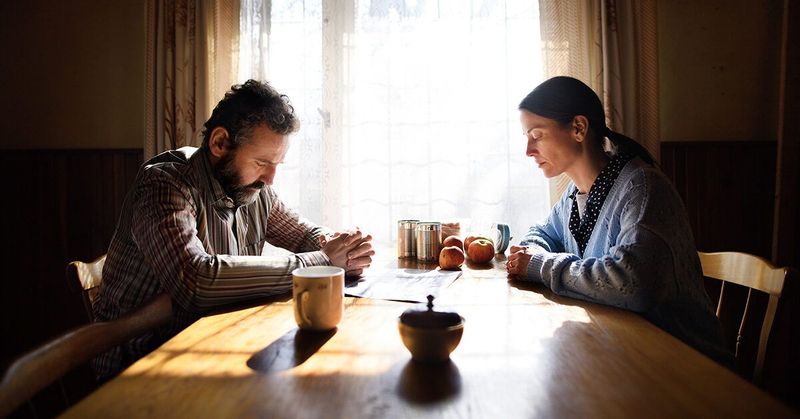
Research is clear on this one: long-term unhappy marriages take a measurable toll on your physical and mental health. Lower self-esteem, higher rates of depression and anxiety, and even increased risk of heart problems have all been linked to staying in a chronically difficult relationship.
This is not meant to scare you but to validate what your body might already be telling you. Declining health and happiness are not just side effects.
They are serious warning signs. Prioritizing your well-being, whatever that looks like, is never something to feel guilty about.
15. You Feel Overwhelmed Instead of Supported

Marriage is supposed to be a team effort. When it stops feeling that way, every responsibility feels twice as heavy.
The person who was meant to be your safe harbor starts to feel like another source of stress instead.
Feeling overwhelmed rather than supported by your partner signals a serious breakdown in the “we” of the relationship. Couples who tackle life as individuals rather than partners report significantly higher burnout rates.
Rebuilding that team mentality, even through small daily gestures of support, can slowly shift the dynamic back toward something that actually feels sustainable.