
Heavy metal has produced some of the most powerful and passionate musicians the world has ever seen. Rolling Stone, one of the most respected music publications around, has honored many of these artists across multiple lists celebrating the greatest guitarists, bassists, singers, and bands of all time.
From the dark riffs of Black Sabbath to the thunderous drumming of Metallica, these musicians shaped a genre that millions of fans love. Get ready to meet the legends who made metal what it is today.
1. Tony Iommi – The Architect of Heavy Metal
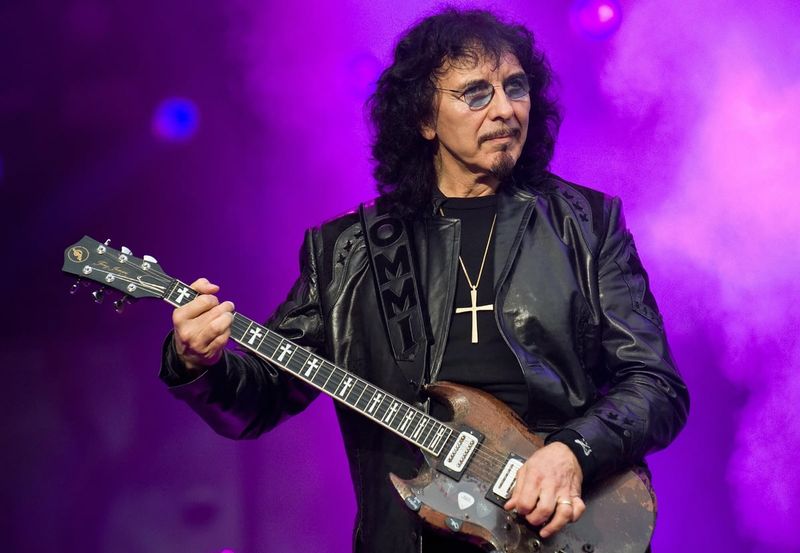
Losing the tips of two fingers in a factory accident could have ended most guitar careers, but Tony Iommi turned that tragedy into a superpower. He invented an entirely new playing style using homemade fingertip prosthetics, tuning his guitar lower to ease the pain.
Rolling Stone credits Black Sabbath with literally inventing heavy metal, making Iommi the genre’s founding architect.
Without his dark, crushing riffs, the entire landscape of rock music might look completely different today.
2. Ozzy Osbourne – The Prince of Darkness
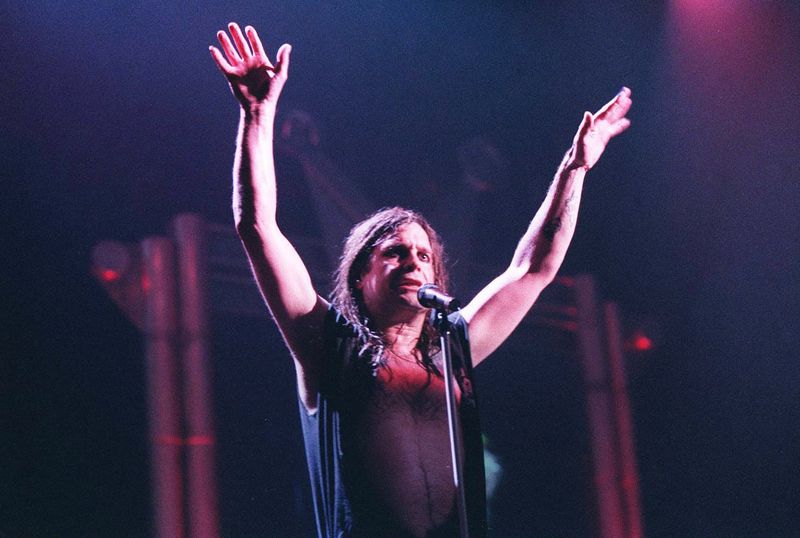
Few rock personalities are as instantly recognizable as Ozzy Osbourne, a man who helped co-found Black Sabbath and then launched one of the most successful solo careers in metal history. Rolling Stone included him in their prestigious “200 Greatest Singers of All Time” list, proving his voice carries serious weight beyond just shock value.
His wild stage antics and haunting vocal style made him a cultural icon that even non-metal fans recognize worldwide.
3. Geezer Butler – The Bass Visionary
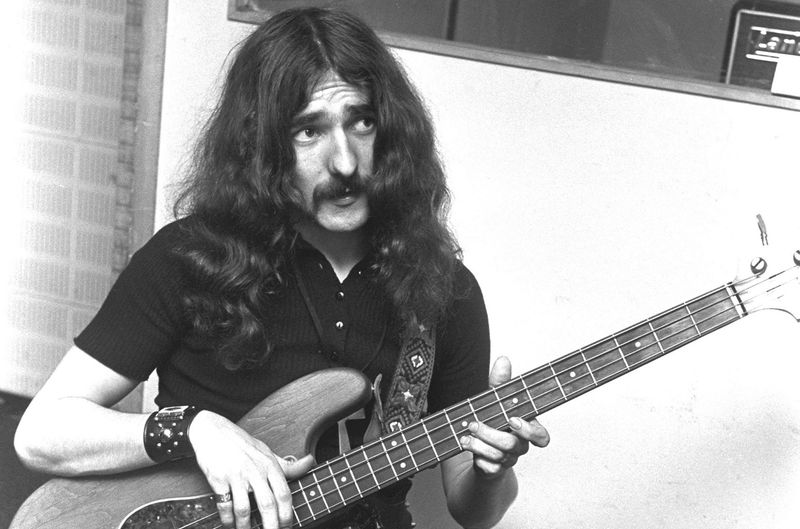
Most people talk about guitar when they discuss heavy metal, but Geezer Butler proved that the bass could be just as menacing and melodic. Rolling Stone ranked him number 21 on their “50 Greatest Bassists” list, a massive achievement that reflects his transformative impact on the instrument.
His dark, rumbling basslines gave Black Sabbath its signature doom-and-gloom foundation. Butler also wrote many of the band’s most iconic and haunting lyrics, making him a double creative threat.
4. Bill Ward – The Heartbeat of Sabbath
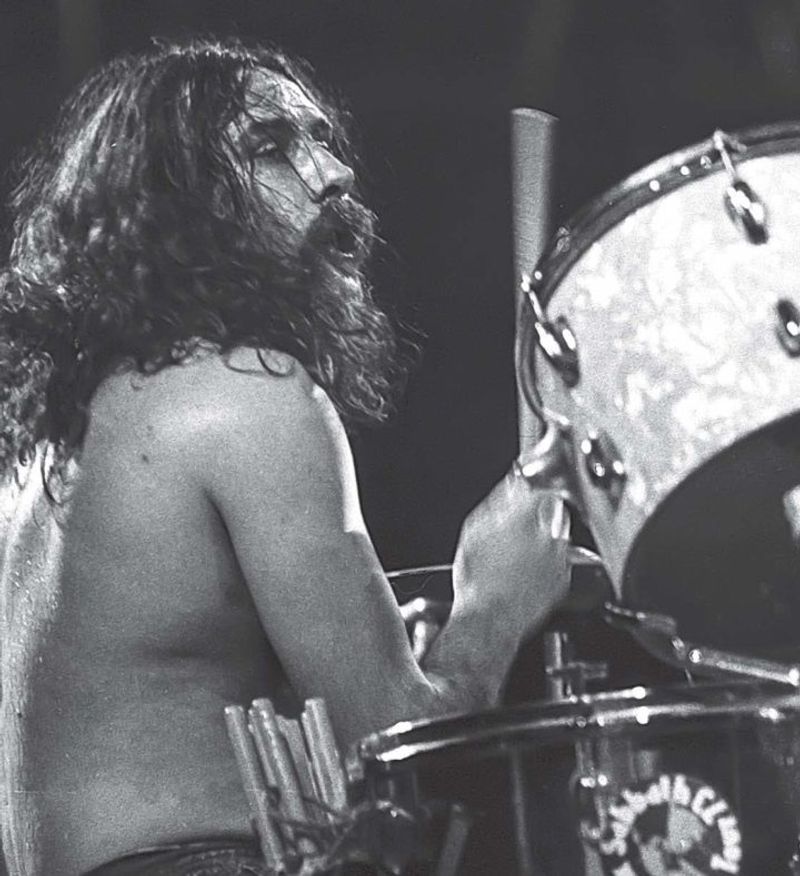
Behind every crushing Black Sabbath riff was the thunderous drumming of Bill Ward, whose jazz-influenced style gave the band a surprisingly dynamic and unpredictable rhythmic pulse. Rolling Stone credits Black Sabbath as the band that started the entire heavy metal scene, meaning Ward’s drums helped ignite a musical revolution.
His ability to swing hard one moment and pound relentlessly the next made him one of the most underrated drummers in rock history. Ward was truly the band’s backbone.
5. James Hetfield – Rhythm Guitar Royalty
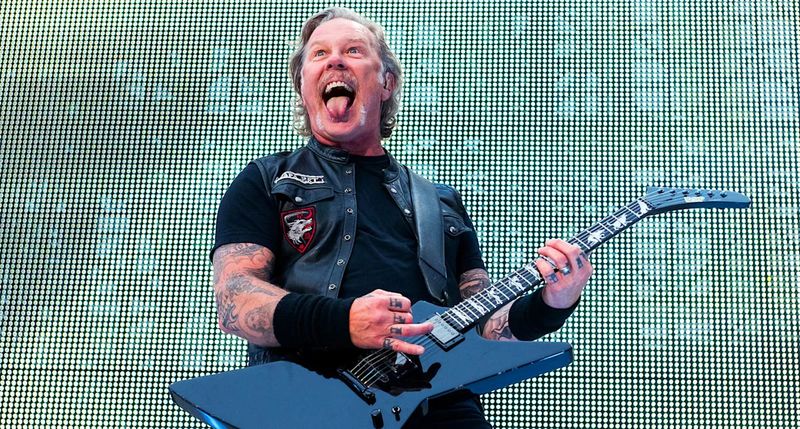
James Hetfield’s aggressive downstroke picking technique is one of the most copied and admired skills in all of heavy metal. He and Kirk Hammett share the 23rd spot on Rolling Stone’s “250 Greatest Guitarists of All Time” list, a remarkable honor for two members of the same band.
Beyond his guitar work, Hetfield’s commanding vocals and intense stage presence turned Metallica into one of the most powerful live acts on the planet. His rhythm playing alone changed the genre forever.
6. Kirk Hammett – The Solo Sorcerer
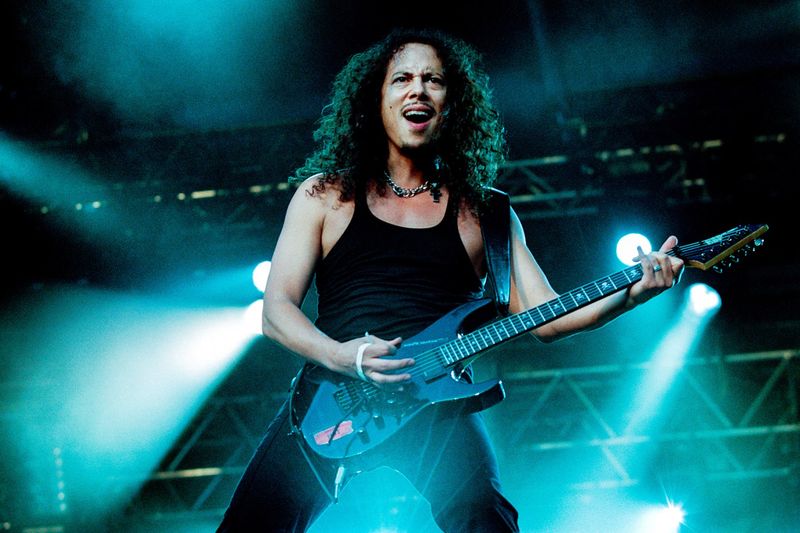
Kirk Hammett’s wah-drenched solos have been the soundtrack to countless air guitar moments for metal fans across generations. Sharing the 23rd spot on Rolling Stone’s “250 Greatest Guitarists” list with James Hetfield, he represents one half of one of the most celebrated guitar partnerships in music history.
From the haunting intro of “One” to the face-melting solo in “Master of Puppets,” Hammett’s lead work gave Metallica its emotional and explosive musical identity that fans still celebrate today.
7. Lars Ulrich – The Metal Metronome
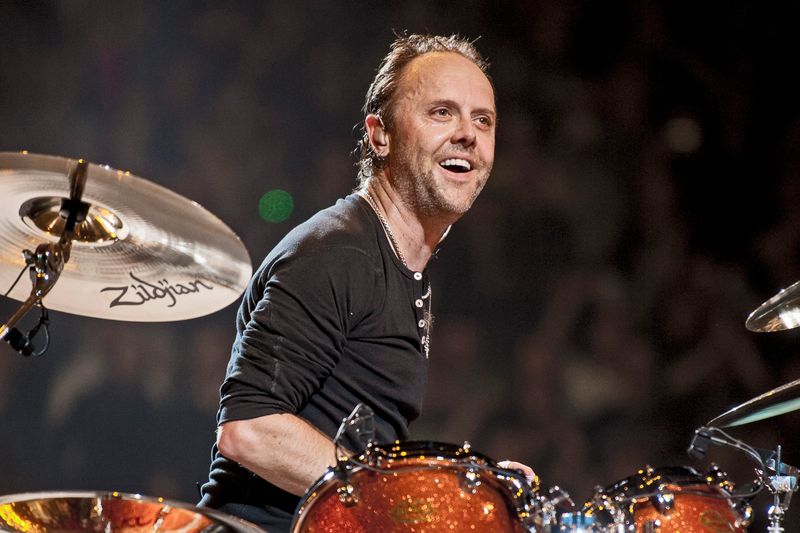
Lars Ulrich didn’t just play drums for Metallica — he helped design the blueprint for what a major metal band could look and sound like. Rolling Stone called Metallica “the biggest metal band in history,” and Ulrich’s precise, powerful drumming is a huge reason why.
He also co-founded the band and played a major role in shaping its sound and direction from the very beginning. His relentless drive and musical ambition pushed Metallica from underground thrash heroes to global superstars.
8. K.K. Downing – Judas Priest’s Flash and Fury
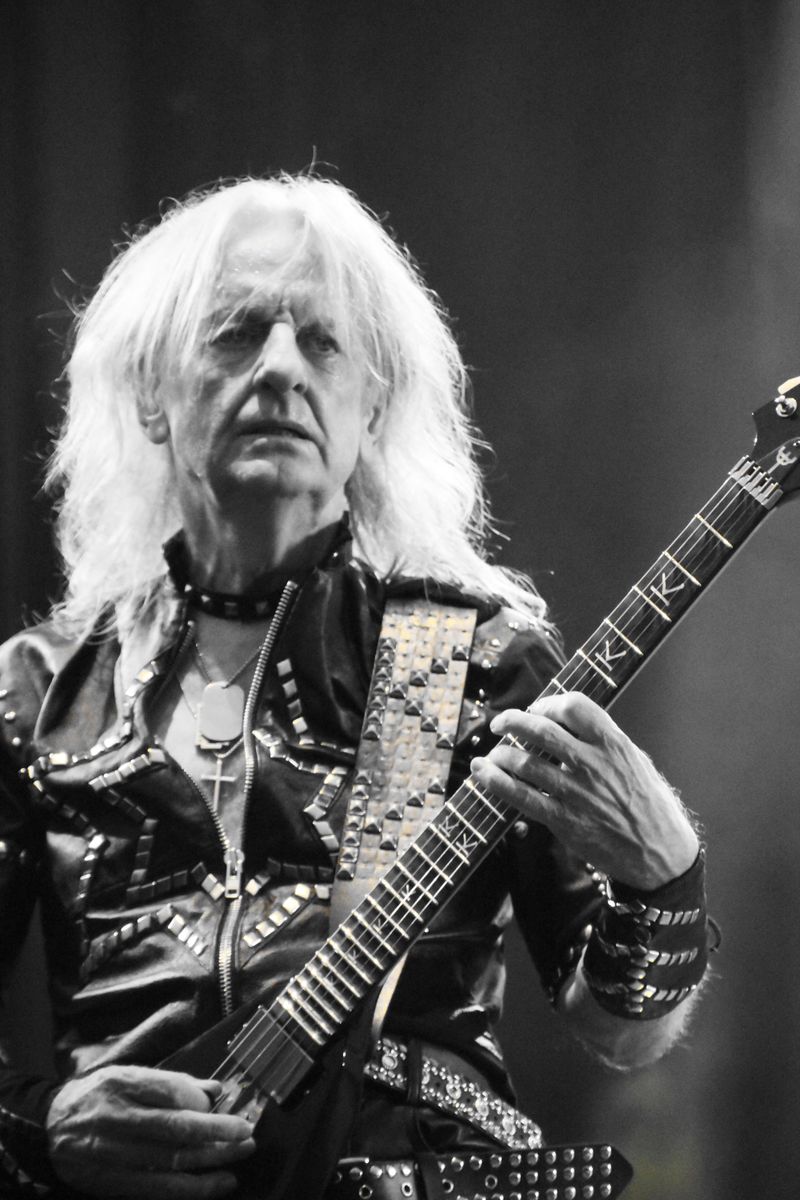
Leather, studs, and a Flying V guitar — K.K. Downing helped create the visual and sonic identity of heavy metal as we know it.
Rolling Stone ranked him at number 219 on their legendary “250 Greatest Guitarists” list, honoring his flash and fury as one half of Judas Priest’s twin-guitar attack.
His aggressive, high-energy playing style influenced countless metal guitarists who followed. Downing and Glenn Tipton together built one of the most recognizable guitar sounds in rock and metal history.
9. Glenn Tipton – Precision and Power in Metal
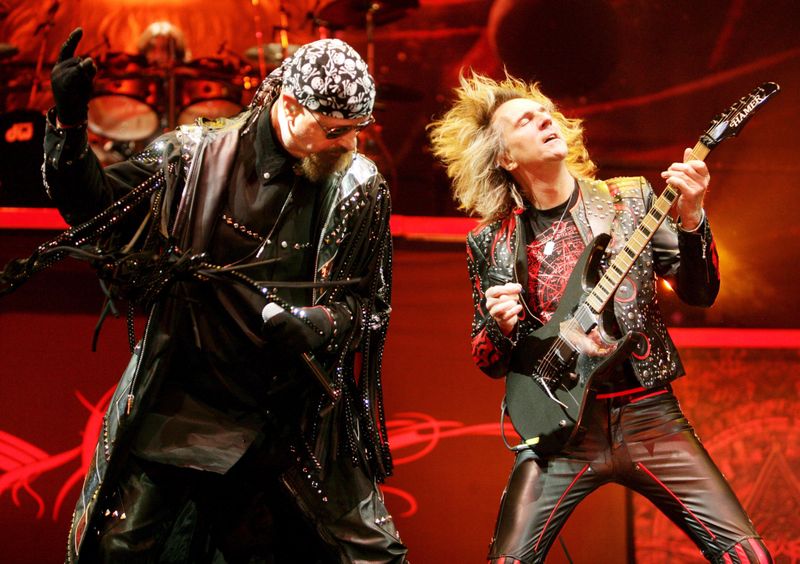
While K.K. Downing brought the flash, Glenn Tipton brought the precision — and together they made Judas Priest one of the greatest guitar duos in rock history.
Rolling Stone placed Tipton at number 219 on their “250 Greatest Guitarists” list, recognizing his technical skill and powerful tone.
Tipton also contributed heavily to songwriting, crafting metal anthems that have stood the test of time. His structured, melodic approach balanced Downing’s wilder playing style and gave Judas Priest its polished yet fierce sound.
10. Rob Halford – The Metal God
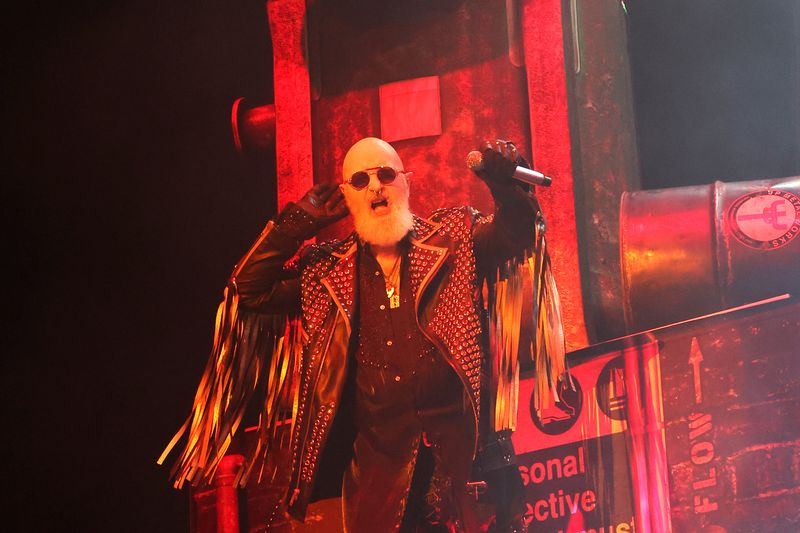
Rob Halford’s voice can soar to operatic heights one moment and drop to a bone-shaking growl the next — a range that has made him the gold standard for metal vocalists everywhere. Rolling Stone included him among the best rock and metal singers in their “200 Greatest Singers of All Time” list.
Nicknamed “The Metal God” by fans worldwide, Halford brought theatrical intensity and raw vocal power to Judas Priest that elevated the entire genre. His influence on metal singing is simply immeasurable.
11. Dimebag Darrell – Southern Swagger Meets Crushing Metal
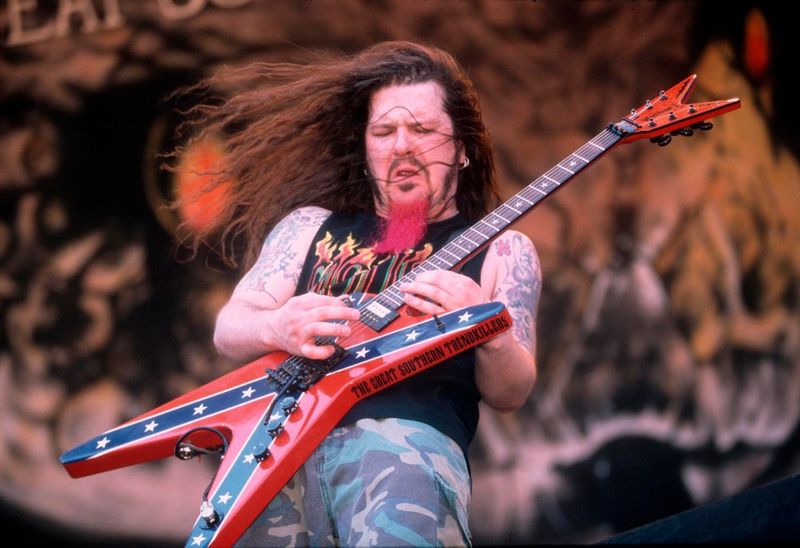
Dimebag Darrell had a way of making a guitar sound like a weapon and a musical instrument at the same time — brutal, melodic, and completely his own. Rolling Stone placed him at number 131 on their “250 Greatest Guitarists” list, celebrating his unique fusion of Southern swagger and crushing metal force.
His riffs on albums like “Vulgar Display of Power” redefined what heavy music could feel like in the 1990s. Pantera’s ferocity was largely built around Dimebag’s unforgettable guitar sound.
12. Vinnie Paul – The Groove Machine Behind Pantera
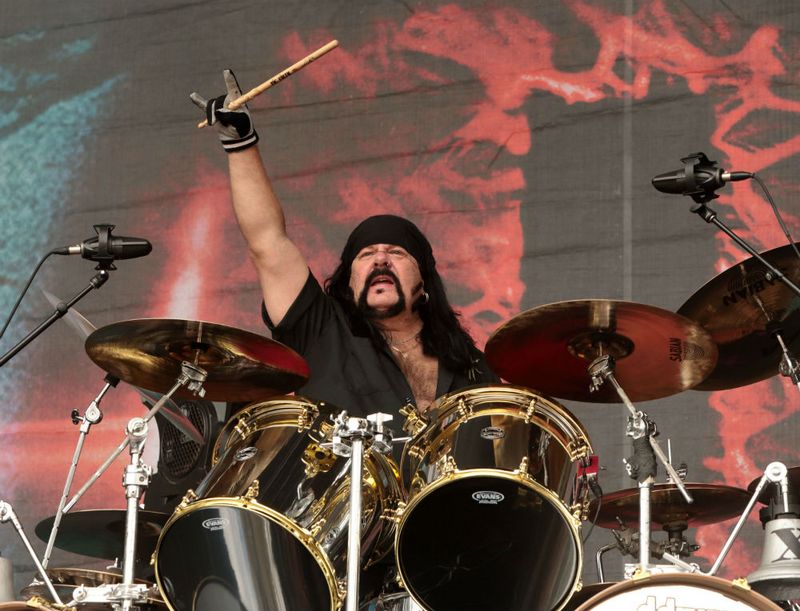
Groove-heavy, thunderously loud, and always locked in — Vinnie Paul brought a rhythmic ferocity to Pantera that gave the band its unmistakable punch. Albums like “Cowboys from Hell” and “Vulgar Display of Power” are cited by Rolling Stone as landmark 1990s metal records, and Paul’s drumming is a huge part of why they hit so hard.
He and brother Dimebag Darrell formed one of the tightest rhythm sections in metal history, creating a foundation that was as heavy as it was groovy.
13. Randy Rhoads – Classical Genius Meets Raw Metal Power
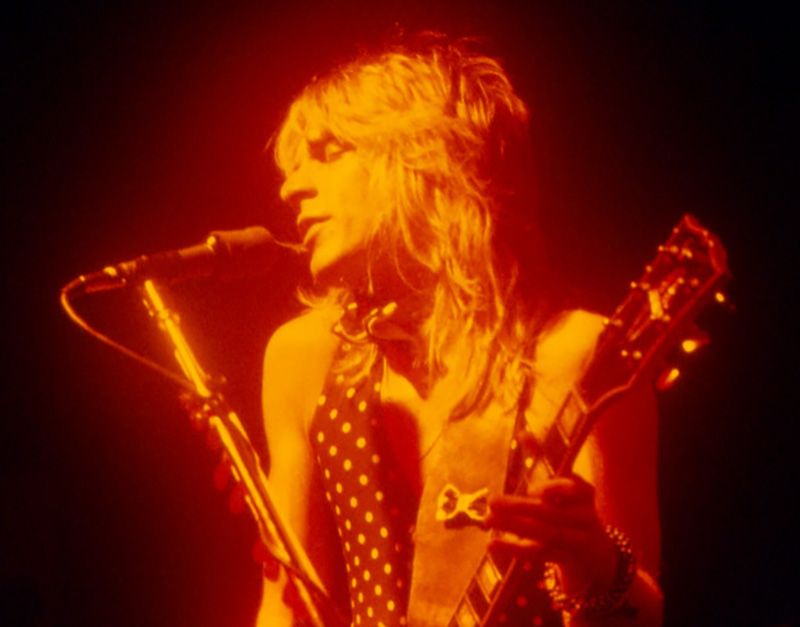
Randy Rhoads only recorded two albums with Ozzy Osbourne before his tragic death at age 25, yet his legacy towers over the entire metal guitar world. Rolling Stone ranked him 21st on their “250 Greatest Guitarists” list, honoring his brilliant fusion of classical music training with raw, explosive metal energy.
His intricate fingerpicking, Bach-inspired arrangements, and fierce shredding were decades ahead of their time. Even today, guitarists study his solos like music students study classical compositions in school.
14. Eddie Van Halen – The Guitarist Who Changed Everything
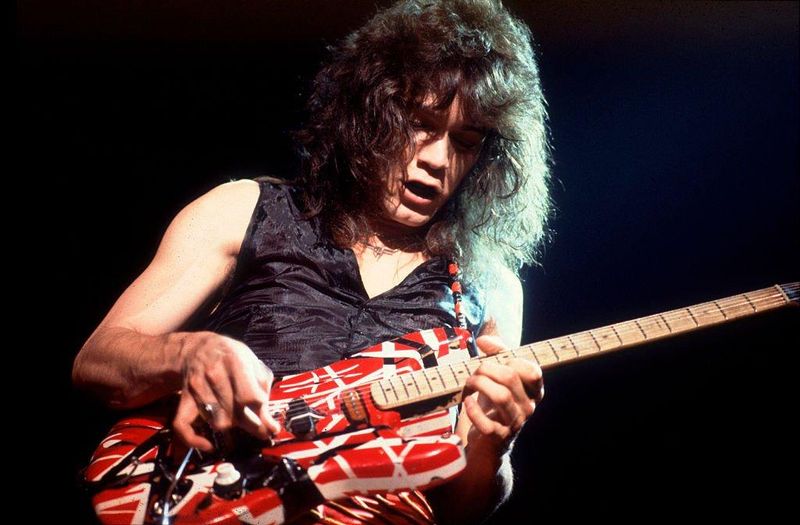
When Eddie Van Halen unleashed his “Eruption” solo on the world in 1978, jaws dropped and guitar players everywhere scrambled to figure out what they had just heard. Rolling Stone included him in their list of “The 12 Best Metal Musicians of All Time,” recognizing his revolutionary two-handed tapping technique and boundless creativity.
His playing was so advanced that it inspired an entirely new generation of guitarists. Eddie didn’t just raise the bar — he completely redefined what was possible on a six-string instrument.
15. Ronnie James Dio – The Voice of a Fantasy World
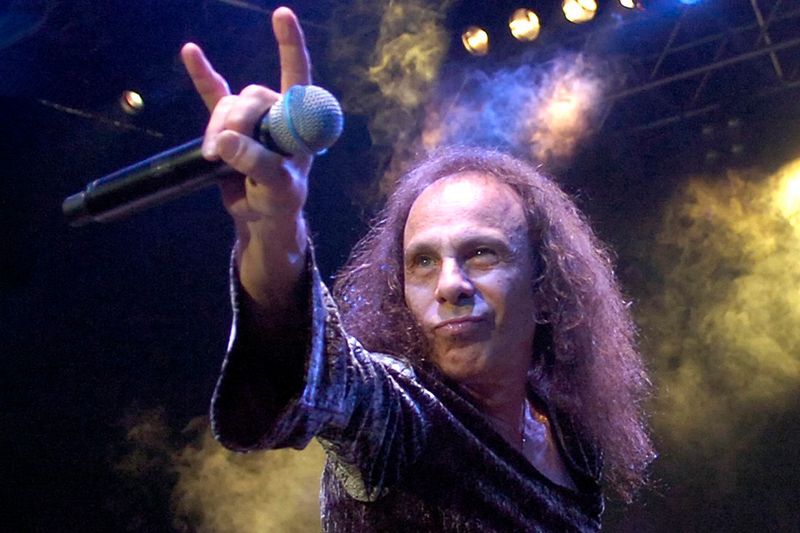
Ronnie James Dio sang about dragons, warriors, and dark magic with such conviction that you actually believed every single word. Rolling Stone recognized him among the greatest rock and metal singers in their “200 Greatest Singers of All Time” list, a well-deserved nod to one of the most powerful voices in music.
He also popularized the famous “devil horns” hand gesture at concerts. Whether fronting Rainbow, Black Sabbath, or his own band Dio, his voice remained absolutely breathtaking throughout his entire career.
16. John Bonham – The Drummer Every Metal Band Reveres
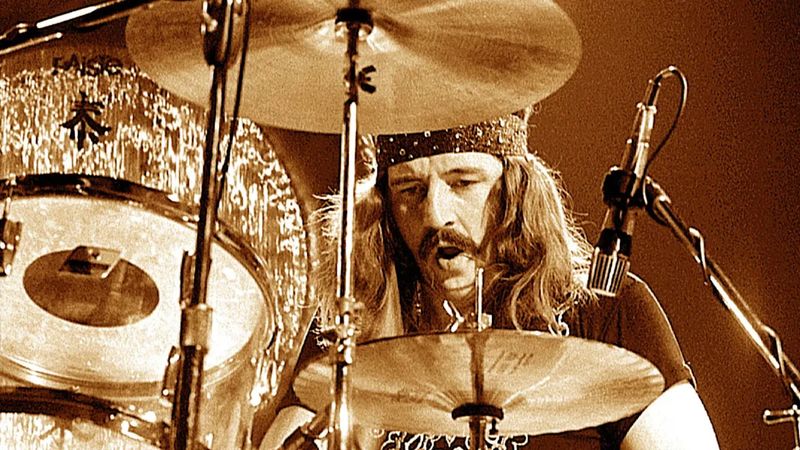
John Bonham hit drums with a ferocity and feel that no one has quite matched before or since, and virtually every heavy metal drummer that came after him grew up worshipping at his altar. Rolling Stone notes that “Led Zeppelin II” had a massive and direct influence on the development of heavy metal music.
His thunderous kick drum and swinging groove gave Led Zeppelin its earth-shaking power. “Moby Dick,” his legendary live drum solo, remains one of the greatest percussion showcases in all of rock history.
17. Jimmy Page – The Father of Hard Rock
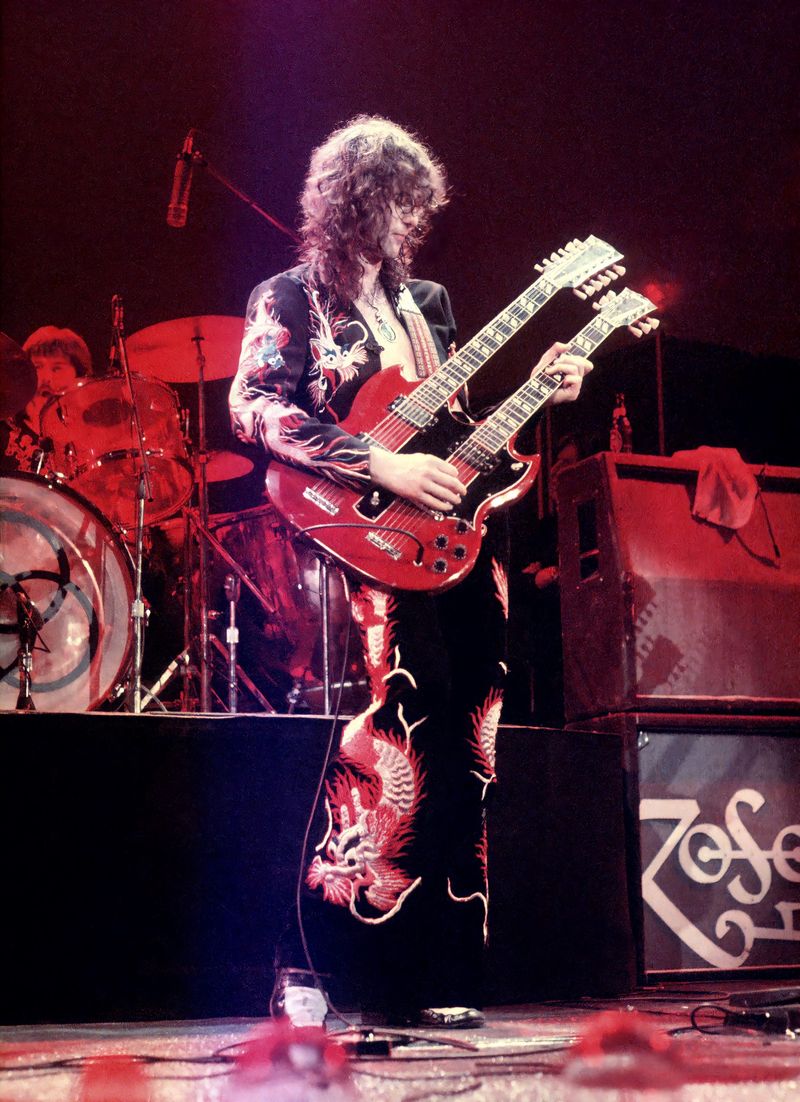
Jimmy Page built riffs that felt like earthquakes and melodies that felt like dreams, often within the same song. Known as the “Father of Hard Rock,” his groundbreaking work with Led Zeppelin laid the sonic foundation that heavy metal bands have been building on ever since.
Rolling Stone has honored his enormous legacy across multiple lists celebrating the greatest musicians of all time. From the mystical acoustics of “Babe I’m Gonna Leave You” to the crushing stomp of “Whole Lotta Love,” Page’s guitar genius has no equal.
18. Kerry King – Slayer’s Razor-Wire Riff Master
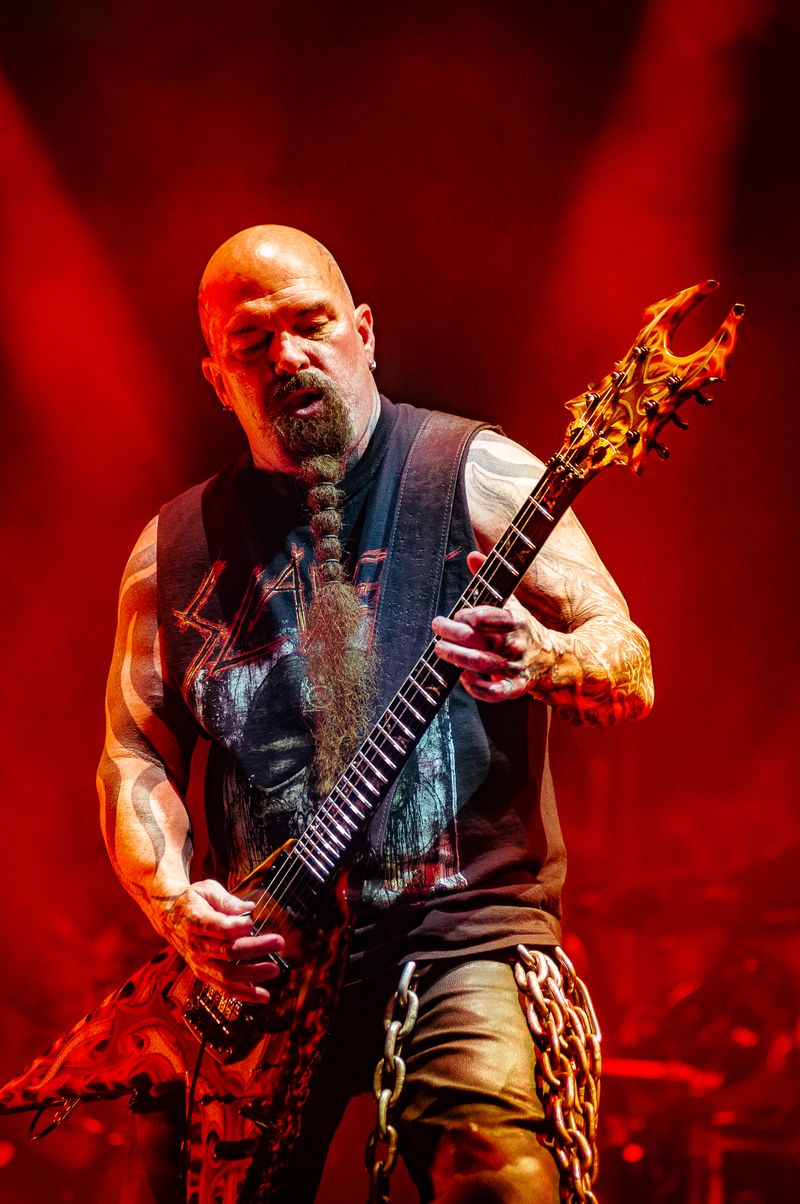
Kerry King’s guitar playing sounds like a chainsaw in the best possible way — fast, aggressive, and absolutely relentless from the first note to the last. As a founding member of Slayer, he helped create one of the most feared and respected bands in thrash metal history, earning Rolling Stone’s recognition among “The 12 Best Metal Musicians of All Time.”
His atonal, chaotic solos and brutal rhythm playing helped define the thrash metal genre in the 1980s. Slayer’s impact on extreme music worldwide is impossible to overstate.
19. Tom Araya – Slayer’s Screaming Sonic Force
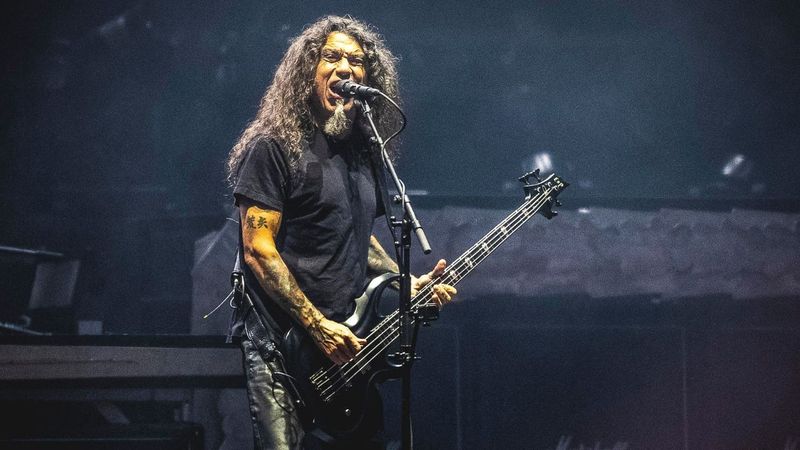
Tom Araya screamed, growled, and bellowed his way through some of the most intense and controversial songs in rock history, all while holding down the bass for one of metal’s most extreme bands. Rolling Stone honored Slayer among “The 12 Best Metal Musicians of All Time,” and Araya’s ferocious vocal delivery is central to that legacy.
Albums like “Reign in Blood” and “South of Heaven” pushed the limits of what heavy music could be. Araya’s bass playing and stage energy made Slayer a truly unstoppable live force.