
Some books seem almost impossible to turn into movies. Maybe the story is too weird, too complex, or too deep to capture on a screen.
But filmmakers have proven time and again that even the toughest books can become unforgettable films. Here are 19 incredible movies that took on seemingly unfilmable books and pulled it off brilliantly.
1. A Clockwork Orange (1971)
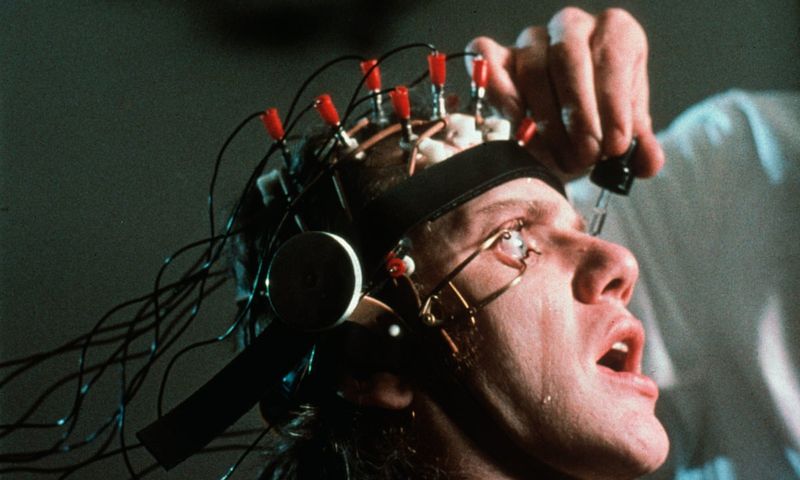
Stanley Kubrick took Anthony Burgess’s 1962 novel and turned it into one of cinema’s most daring films. The book was packed with extreme violence and a made-up street language called Nadsat, which made many publishers nervous.
Kubrick softened some of the brutality while keeping the story’s sharp critique of free will and government control. The result was a film that shocked audiences but also made them think deeply about society and human nature.
2. Cloud Atlas (2012)
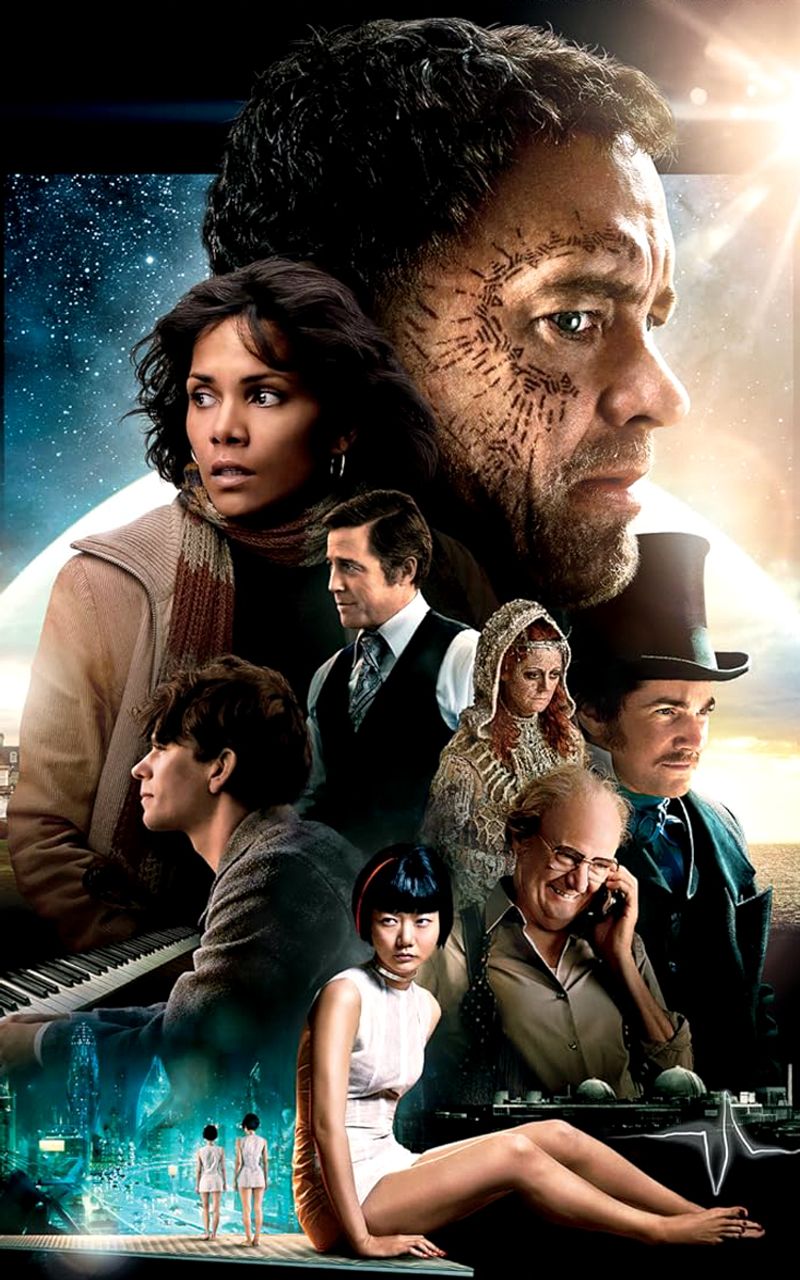
David Mitchell’s novel weaves together six separate stories across different centuries, which made Hollywood studios very hesitant to even try adapting it. The Wachowskis found a bold solution by cutting between all six timelines simultaneously rather than telling each story one at a time.
That editing choice created an emotional rhythm that the book couldn’t quite replicate. Audiences felt the stories pulse together like a heartbeat, making connections that felt genuinely moving and surprisingly easy to follow.
3. Crash (1996)
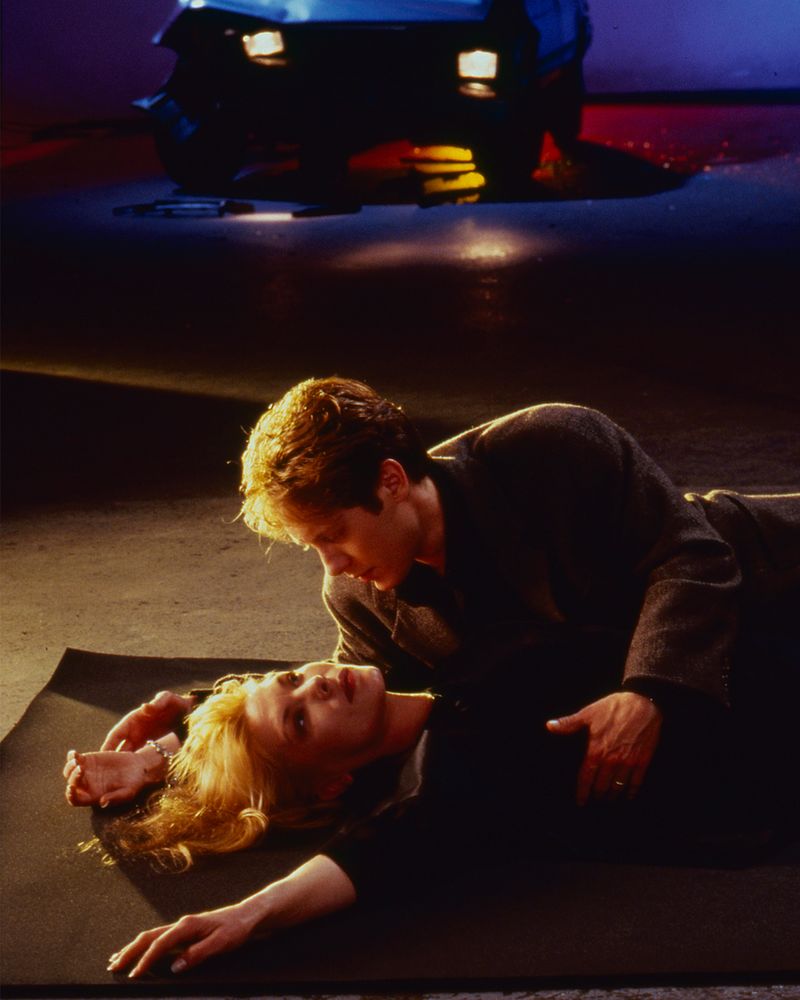
J.G. Ballard’s novel about people who find disturbing meaning in car accidents was widely considered too provocative and explicit to ever reach mainstream audiences.
David Cronenberg proved otherwise by leaning fully into the discomfort rather than running from it.
The film earned a cult following precisely because it refused to apologize for its strange subject matter. Critics debated it fiercely, which is exactly what Ballard’s original text always intended to spark in its readers.
4. The Lord of the Rings Trilogy (2001-2003)
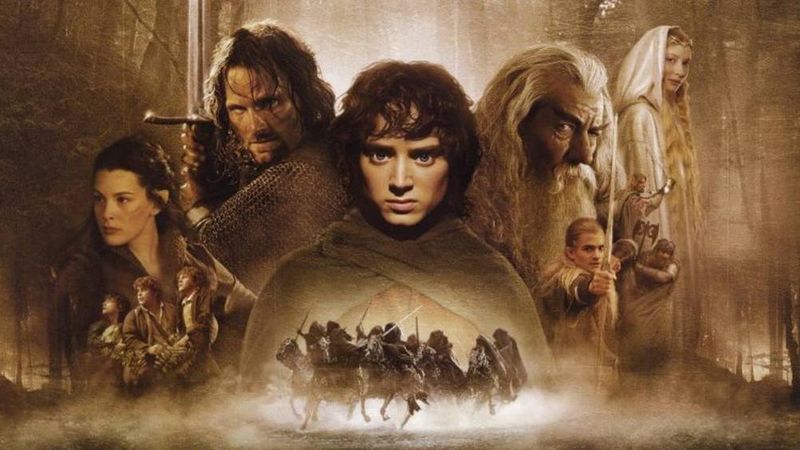
Tolkien’s trilogy is legendary for its jaw-dropping detail, from invented languages to entire histories of fictional races. For decades, filmmakers avoided it because the sheer scale seemed impossible to recreate on screen without losing what made the books magical.
Peter Jackson spent years preparing every detail, and the results were breathtaking. The trilogy swept award ceremonies, introduced millions of new fans to Middle-earth, and remains the gold standard for fantasy film adaptations around the world.
5. Blade Runner (1982)
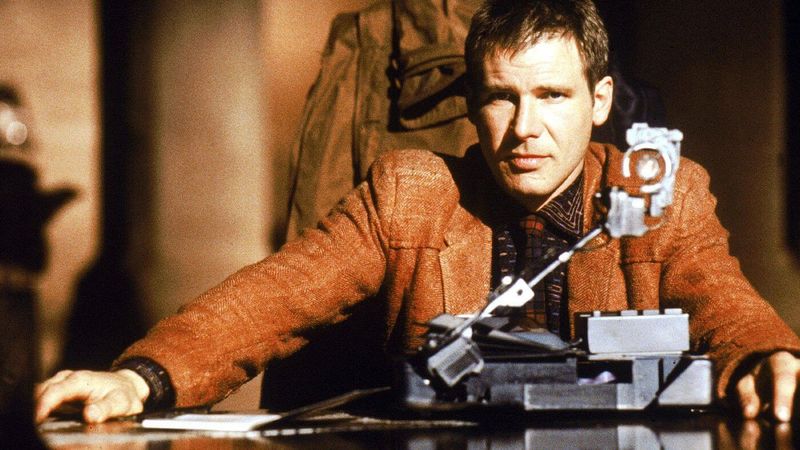
Philip K. Dick’s novel “Do Androids Dream of Electric Sheep?” asked a haunting question: what does it truly mean to be human?
Ridley Scott transformed that philosophical puzzle into a rain-soaked, neon-lit vision of the future that became one of cinema’s most iconic images.
The film stripped away some of the novel’s stranger subplots but kept its emotional core intact. Both the 1982 original and the 2049 sequel are celebrated as proof that challenging sci-fi ideas can thrive on the big screen.
6. Life of Pi (2012)
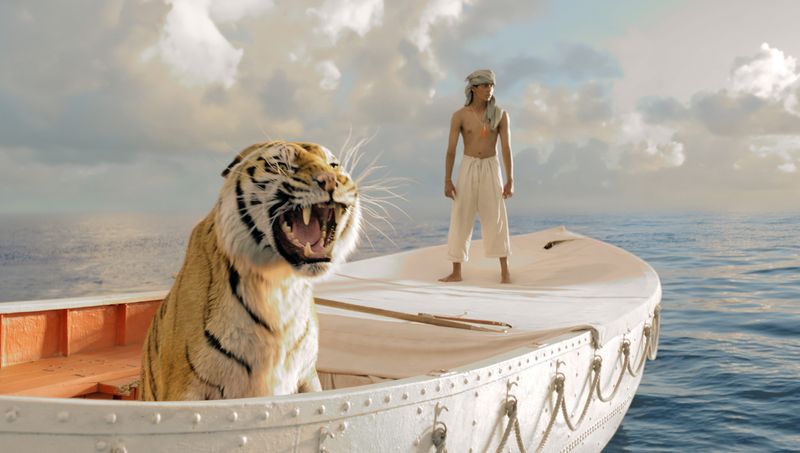
For years, publishers and producers called Yann Martel’s novel unfilmable. A boy stranded on a boat with a Bengal tiger, surrounded by philosophical questions about God and survival, seemed impossible to visualize without feeling hollow or silly.
Ang Lee proved everyone wrong by using groundbreaking 3-D technology and spectacular visual effects to create something genuinely spiritual. The film won four Academy Awards and showed that a story’s emotional depth can actually grow stronger when brought to life visually.
7. Naked Lunch (1991)
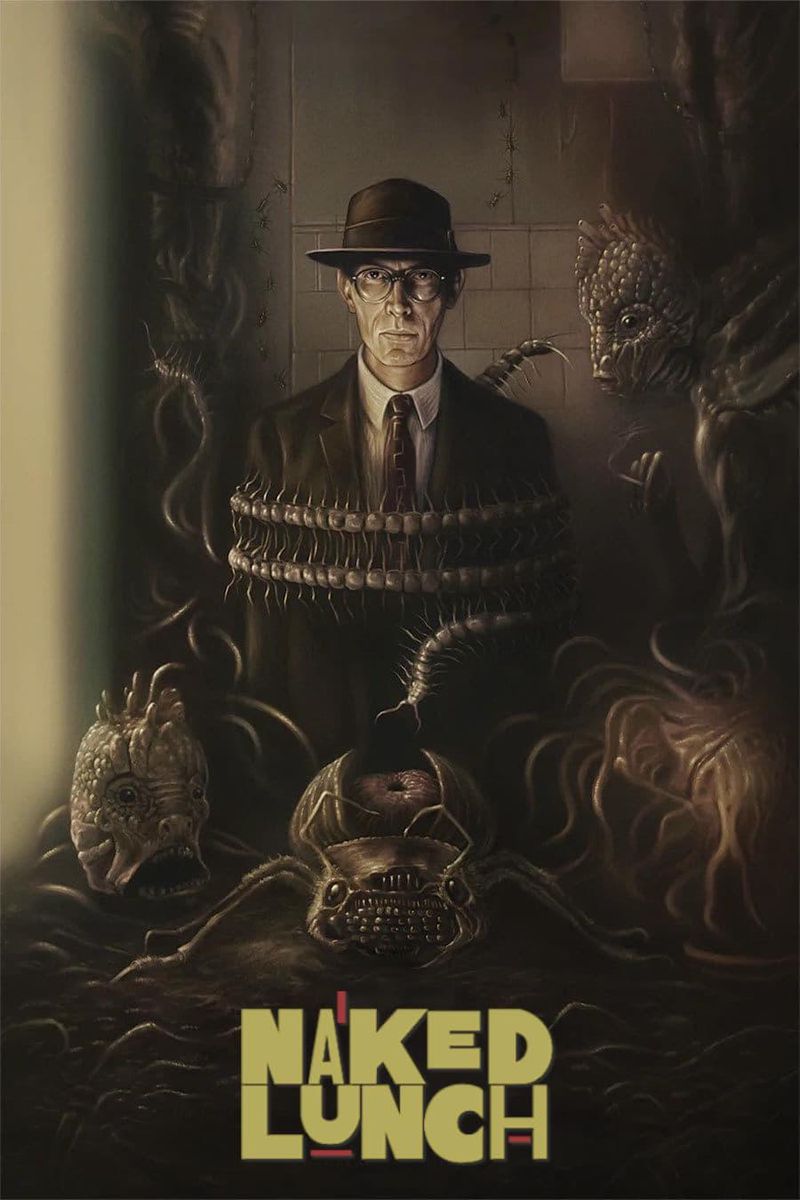
William S. Burroughs wrote “Naked Lunch” by cutting up pages of text and rearranging them randomly, which meant there was essentially no plot to follow.
Most filmmakers took one look at it and quietly walked away.
David Cronenberg was brave enough to treat the adaptation as a fever dream rather than a straightforward story. By blending fragments of the text with Burroughs’ own biography, he created a film that feels authentically chaotic, strange, and weirdly faithful to the spirit of the original.
8. Orlando (1992)
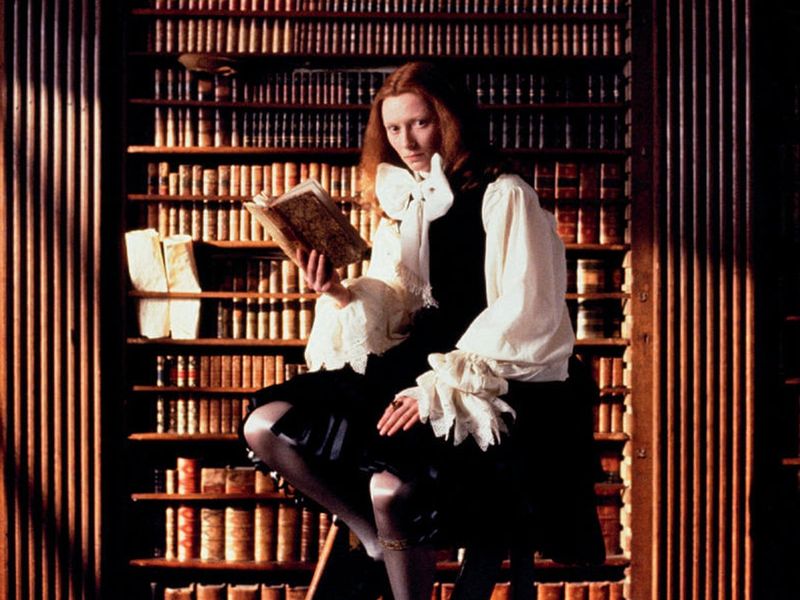
Virginia Woolf wrote a character who lives for 400 years and changes gender along the way, which sounds more like a riddle than a movie pitch. Sally Potter tackled the challenge head-on, trusting Tilda Swinton to carry the entire weight of the story.
Swinton’s performance was extraordinary, bringing warmth and wit to a role that could have easily felt cold or abstract. The film became a beloved celebration of identity and time that felt as playful and alive as Woolf’s original prose.
9. The Call of Cthulhu (2005)
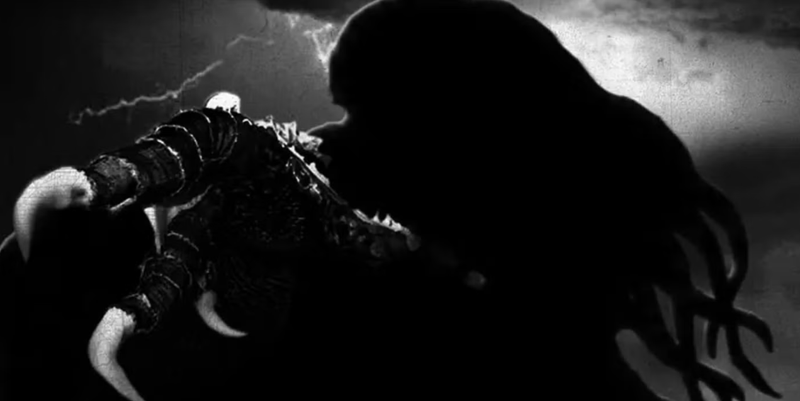
H.P. Lovecraft described his cosmic monster Cthulhu as something the human mind literally cannot comprehend, which makes filming it a genuine paradox.
The 2005 adaptation solved this brilliantly by shooting the entire film in silent movie style, using a technique called Mythoscope.
By mimicking the look and feel of 1920s cinema, the filmmakers gave Lovecraft’s story exactly the eerie, timeless quality it needed. Fans of the original story praised it as one of the most faithful Lovecraft adaptations ever made.
10. Dune (2021)
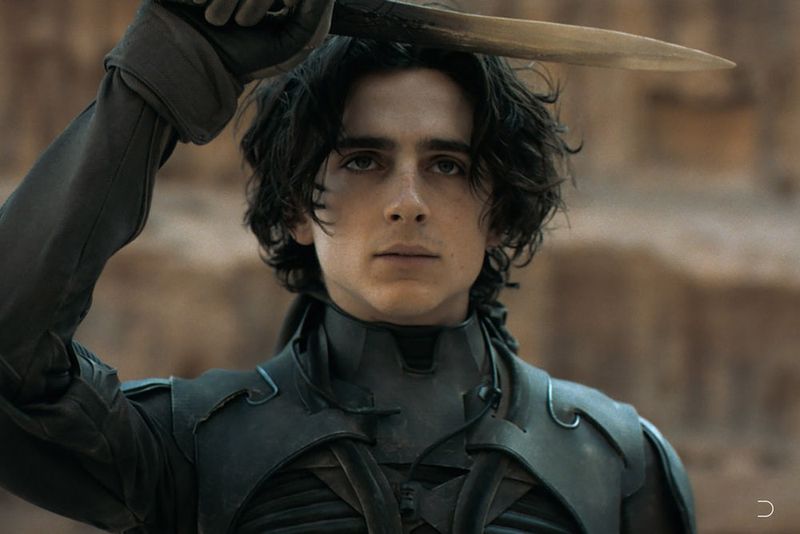
Frank Herbert packed his 1965 novel with politics, ecology, religion, and prophecy so dense that even dedicated readers sometimes struggle to keep up. David Lynch’s 1984 attempt had its admirers but left many feeling overwhelmed and confused by the material.
Denis Villeneuve’s 2021 version broke the story into parts and gave each element room to breathe. The result was a visually staggering, emotionally gripping epic that finally made Herbert’s complex universe feel accessible and thrilling to a whole new generation.
11. The Man Who Killed Don Quixote (2018)
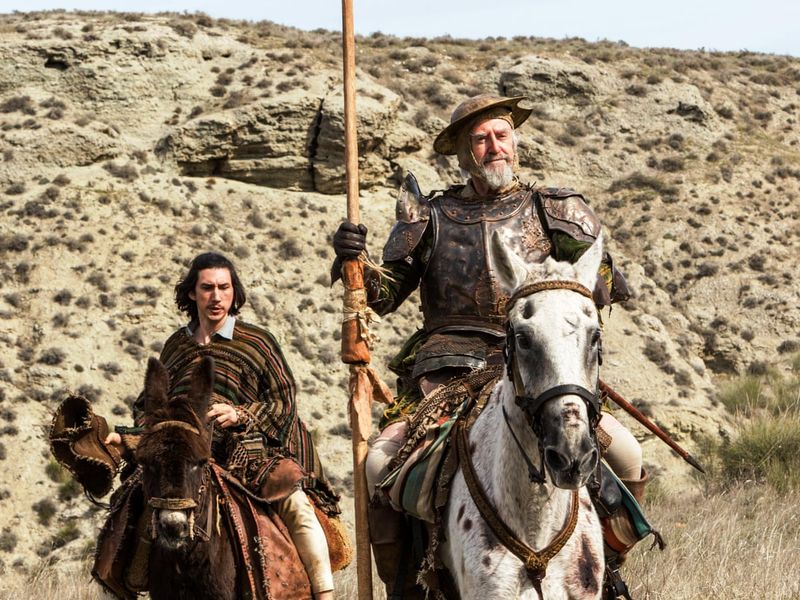
Terry Gilliam spent 30 years trying to bring Cervantes’ 17th-century classic to the screen, surviving floods, injuries, lawsuits, and a complete production collapse that became its own documentary. The journey was almost as quixotic as the story itself.
When the film finally arrived in 2018, it carried all the bruises of that long struggle and wore them proudly. Gilliam turned the chaos of adaptation into part of the film’s charm, making a movie that honors Cervantes’ spirit of stubborn, beautiful, glorious foolishness.
12. American Psycho (2000)
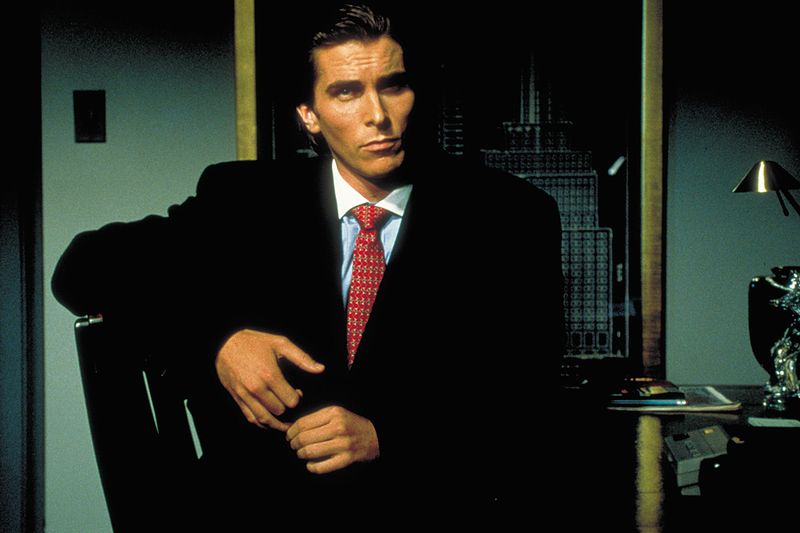
Bret Easton Ellis wrote a satire so graphic and so relentlessly dark that many publishers refused to release it, and several actresses turned down the lead role before the film even began shooting. Getting this one made was a small miracle.
Mary Harron’s direction found the black comedy hiding inside all the horror, and Christian Bale’s performance became instantly iconic. The film nailed Ellis’s brutal takedown of 1980s greed and male vanity without losing either the laughs or the dread.
13. A Scanner Darkly (2006)
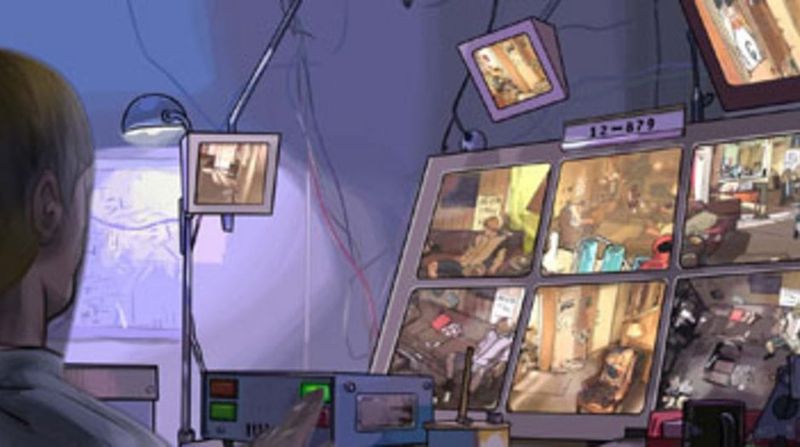
Philip K. Dick wrote about drug addiction and identity loss in ways that blur the line between reality and hallucination, which makes straightforward live-action filming feel like completely the wrong tool for the job.
Richard Linklater’s decision to use rotoscope animation, where real footage is painted over frame by frame, was a stroke of genius. The shimmering, unstable visuals perfectly mirrored the characters’ fractured sense of reality, making the film feel like you’re watching someone’s mind slowly come apart at the seams.
14. Inherent Vice (2014)
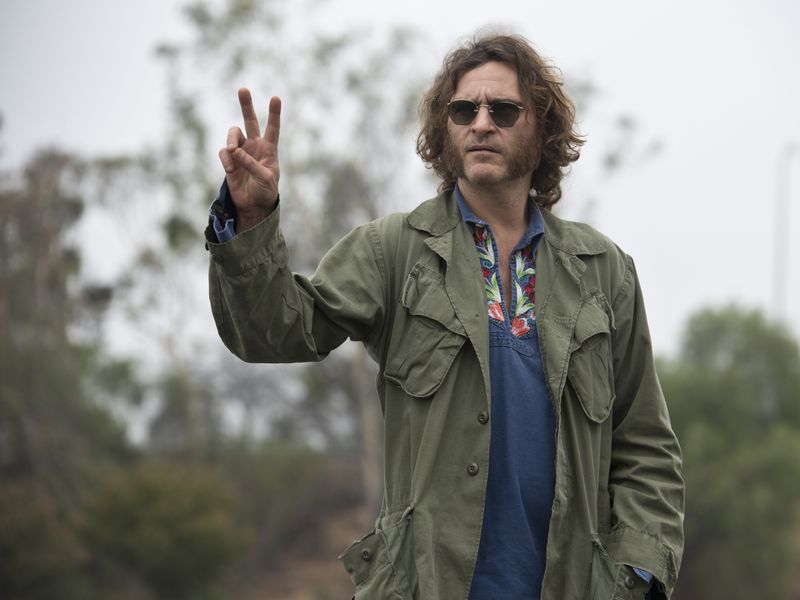
Thomas Pynchon is famous for writing novels that feel like elaborate mazes, and “Inherent Vice” is no exception. Its plot twists so many times that even attentive readers sometimes lose track of what is actually happening and who is responsible for what.
Paul Thomas Anderson embraced the confusion rather than trying to untangle it, letting the hazy, paranoid atmosphere become the point of the whole exercise. Joaquin Phoenix’s shambling performance anchored the chaos beautifully, earning the film widespread critical admiration.
15. A Cock and Bull Story (2005)
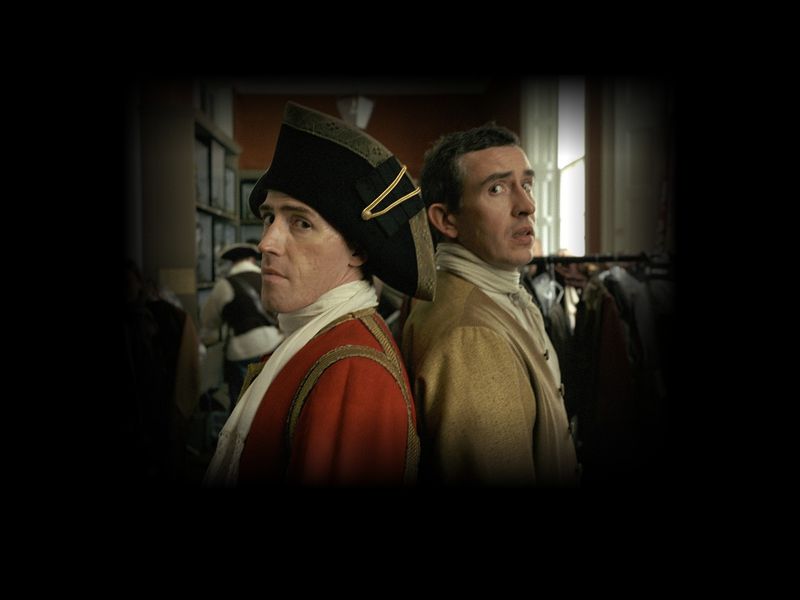
Laurence Sterne’s 18th-century novel “Tristram Shandy” is one of the most deliberately unruly books ever written, full of digressions, blank pages, and a narrator who never quite gets around to telling his own story.
Michael Winterbottom’s film adapted the chaos by making a movie about the making of the movie, which sounds confusing but works hilariously well. Steve Coogan and Rob Brydon play exaggerated versions of themselves, turning the impossibility of the source material into the film’s greatest running joke.
16. The Shawshank Redemption (1994)
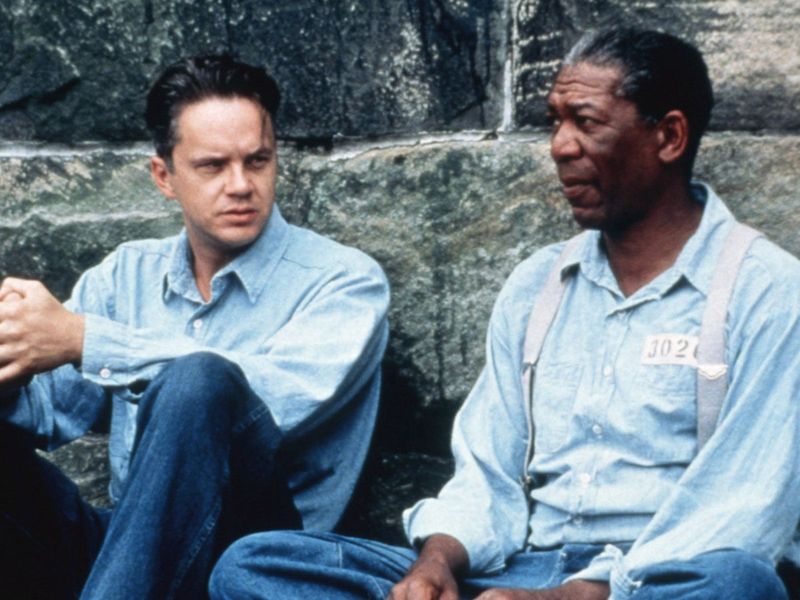
Stephen King himself reportedly had doubts about whether his novella “Rita Hayworth and the Shawshank Redemption” had enough material for a full feature film. It was a short, quiet story about hope and friendship, not exactly typical blockbuster material.
Frank Darabont expanded the characters and deepened the relationships while keeping King’s emotional core completely intact. The film flopped at the box office but found its audience on home video, eventually climbing to the top of IMDb’s all-time greatest films list.
17. The Shining (1980)
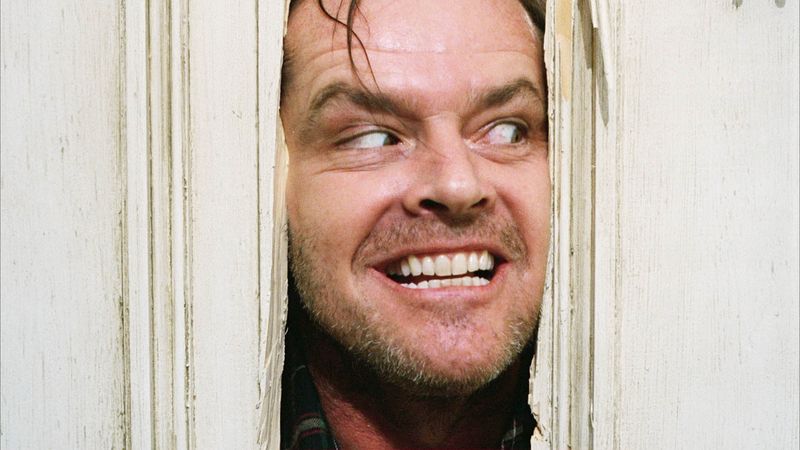
Stephen King famously disliked Stanley Kubrick’s adaptation of his novel, feeling that it drained the emotional warmth from his characters and missed the book’s central theme about alcoholism and family destruction. It’s one of the most famous author-director disagreements in film history.
Audiences and critics, however, disagreed with King. Kubrick’s icy, geometric vision of psychological horror turned the film into a masterpiece that gets studied in film schools around the world, proving that a great adaptation doesn’t always have to be a faithful one.
18. Never Let Me Go (2010)
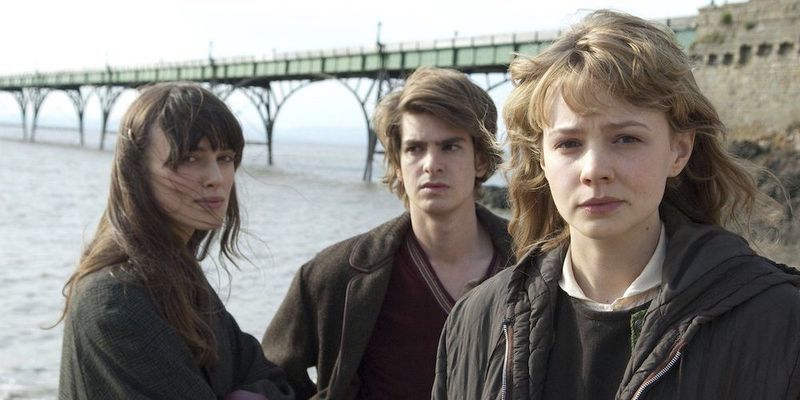
Kazuo Ishiguro builds his dystopian world so slowly and quietly that readers sometimes don’t fully realize how dark the story is until they’re already deep inside it. That restrained, almost whispering style is notoriously hard to translate into a visual medium.
Mark Romanek’s film honored that subtlety completely, letting the horror creep in at the edges rather than announcing itself loudly. Carey Mulligan, Keira Knightley, and Andrew Garfield delivered performances so understated and heartbreaking that the film’s emotional impact hit like a slow, unavoidable wave.
19. The Handmaiden (2016)
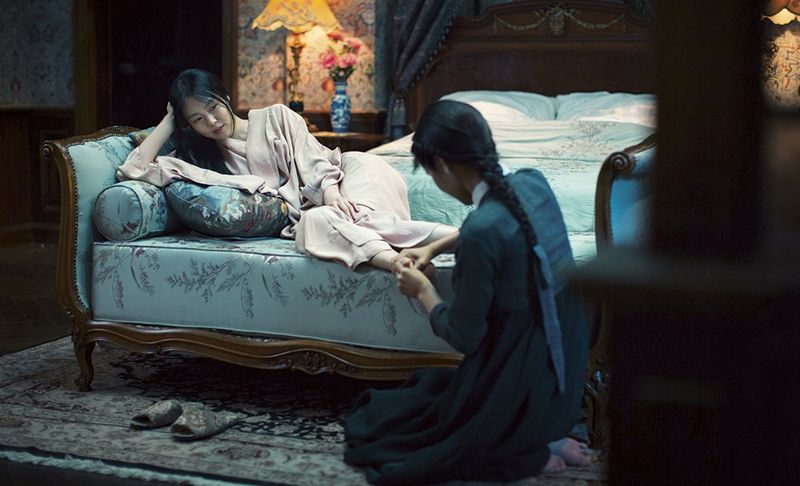
Sarah Waters’ novel “Fingersmith” is a Victorian thriller packed with identity switches, betrayals, and twists so sharp they leave readers genuinely breathless. Adapting it faithfully seemed like a puzzle with too many moving pieces.
Park Chan-wook relocated the story from Victorian England to 1930s Japanese-occupied Korea, which sounds like a huge risk but turned out to be a masterstroke. The new setting added layers of colonial tension and cultural complexity that made the story even richer, producing one of the most acclaimed films of the decade.