
Fame and music can make someone look like they have it all together, but behind the spotlight, many legendary artists faced serious personal struggles. From addiction and legal trouble to mental health crises, the offstage lives of some of the world’s most celebrated musicians tell a very different story.
Understanding these challenges reminds us that talent and success don’t always protect someone from pain. Their stories are both cautionary and deeply human.
1. Kurt Cobain
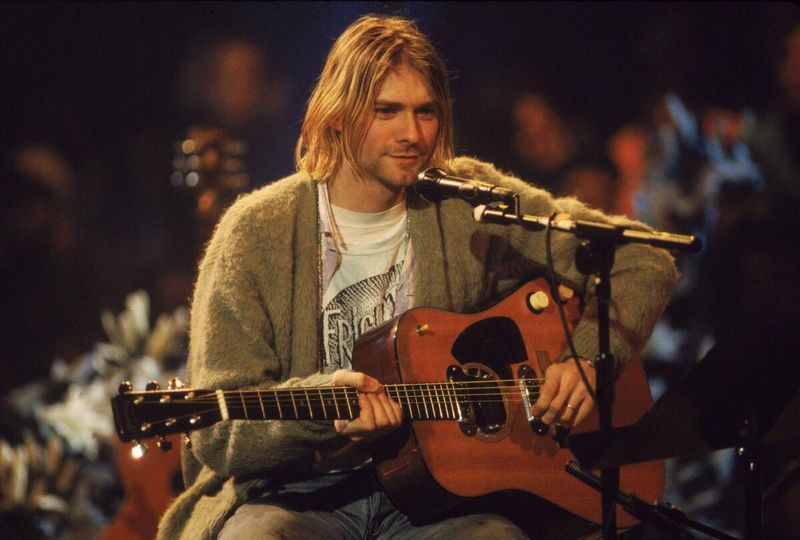
Behind the roaring crowds and chart-topping albums, Kurt Cobain was quietly falling apart. The Nirvana frontman battled severe depression and a crippling heroin addiction that forced the band to cancel concerts and worried everyone around him.
His troubled home life started early, running away from home multiple times as a teenager. His relationship with his wife was often described as toxic and chaotic.
Cobain died by suicide in 1994 at just 27 years old, leaving behind a legacy shadowed by heartbreak.
2. Ozzy Osbourne
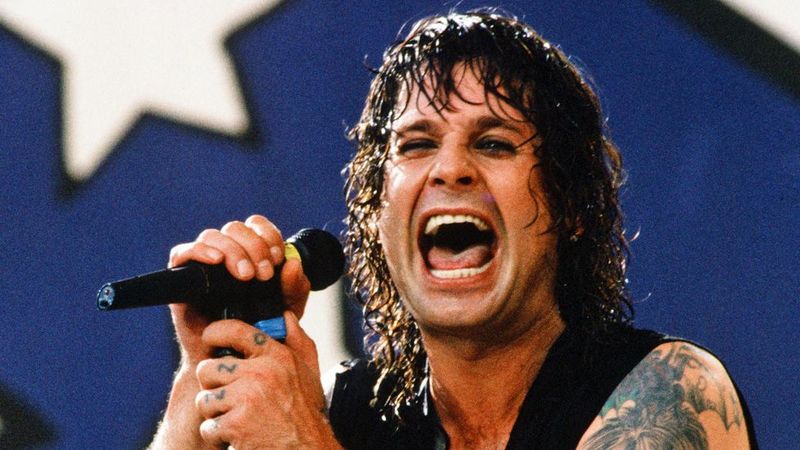
Ozzy Osbourne built a career on shock value, but his wildest moments weren’t always planned. His alcohol and drug abuse became so severe that he was actually fired from Black Sabbath, the band he helped make famous.
Offstage antics like biting the head off a live dove and urinating on the Alamo monument made headlines for all the wrong reasons. Perhaps surprisingly, Ozzy has admitted he suffers from crippling stage fright, proving there was deep insecurity hiding beneath the chaos.
3. Michael Jackson
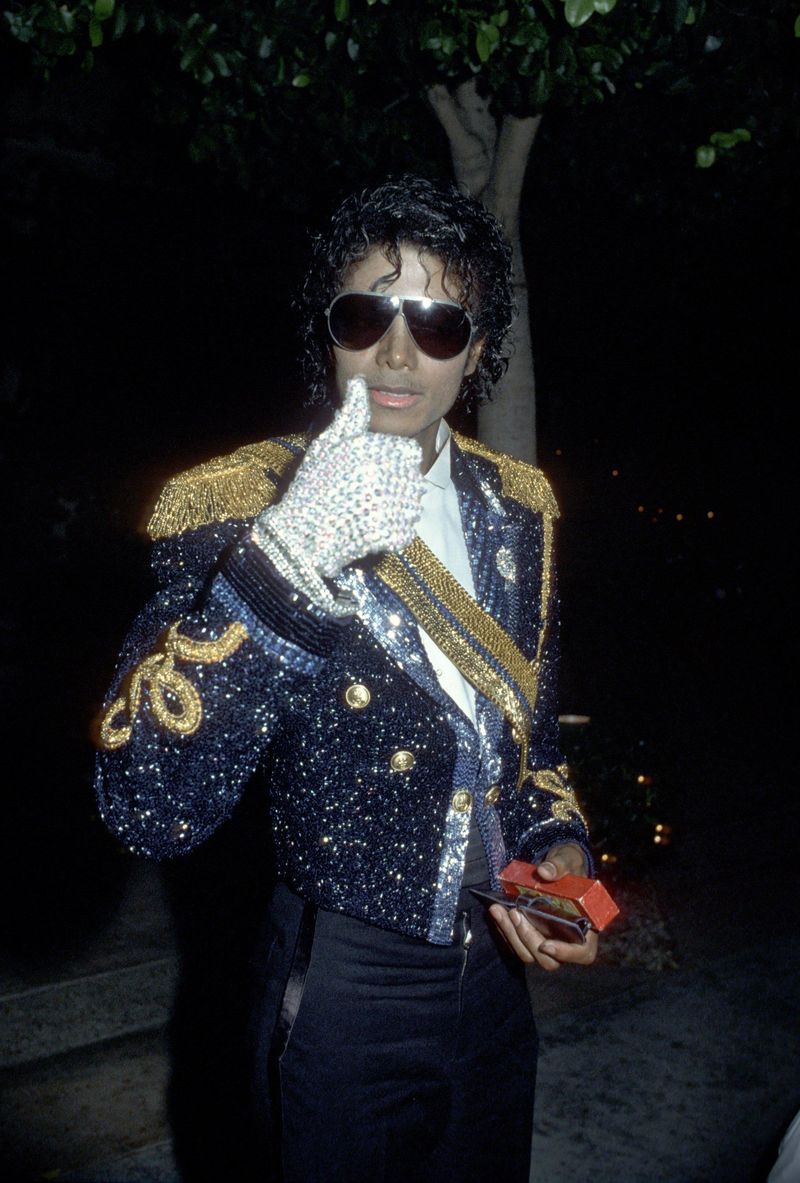
Michael Jackson was the undisputed King of Pop, but his offstage life was anything but a celebration. For decades, he faced serious child abuse allegations, repeated legal battles, and relentless media scrutiny that took a massive toll on his well-being.
His use of prescription medications grew increasingly concerning over the years. Even after his death in 2009, the world remains sharply divided over his legacy.
His story is a stark reminder that superstardom can come with an incredibly heavy price.
4. Sid Vicious
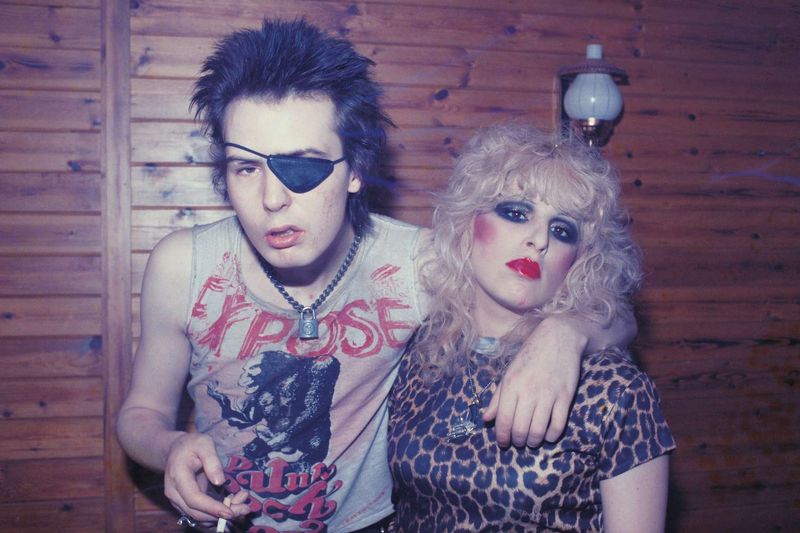
Sid Vicious of the Sex Pistols was the living, breathing symbol of punk’s self-destructive spirit. His relationship with girlfriend Nancy Spungen was volatile and dangerous, fueled heavily by their shared heroin addiction.
When Nancy was found stabbed to death in their New York hotel room, Sid was charged with her murder. He never stood trial.
He died of a heroin overdose at just 20 years old, closing the book on one of rock history’s most tragic and chaotic lives.
5. Axl Rose
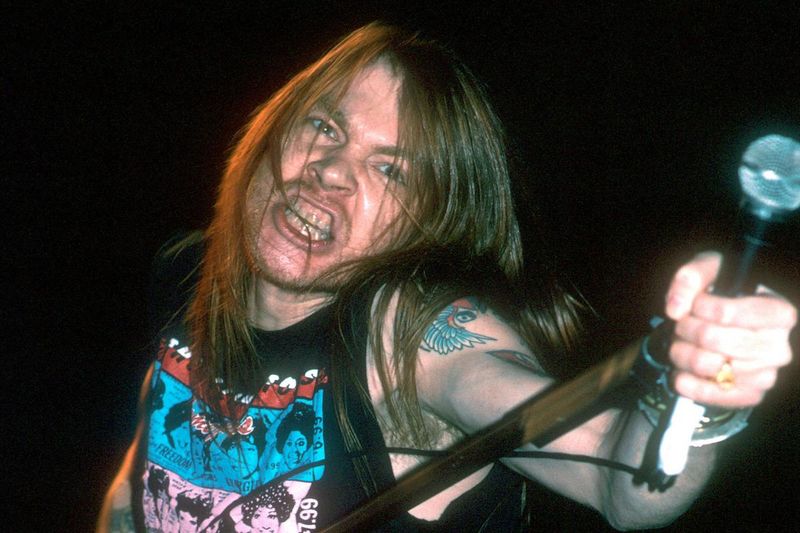
Few rock frontmen have stirred up as much offstage drama as Axl Rose. The Guns N’ Roses singer was known for showing up late to concerts, sometimes by hours, and occasionally not appearing at all, leaving fans furious and venues in chaos.
His most notorious moment came during the 1991 Riverport Riot, when he jumped into the audience during a show. Rose also faced heavy criticism over offensive lyrics in the song “One in a Million,” which many labeled homophobic and racist.
6. Amy Winehouse
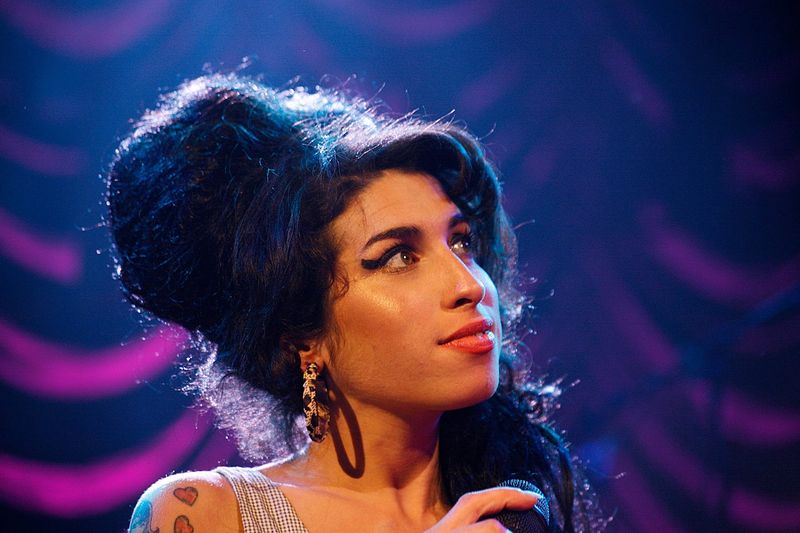
Amy Winehouse had one of the most soulful voices of her generation, but her personal life was unraveling at the same pace as her career was rising. Her struggles with alcohol and drug abuse played out very publicly, with erratic performances and concerning public appearances making headlines regularly.
Her album “Back to Black” spoke directly about heartbreak and self-destruction, almost like a warning sign. Tragically, Amy died of alcohol poisoning in 2011 at just 27 years old, joining the infamous 27 Club.
7. Jimi Hendrix
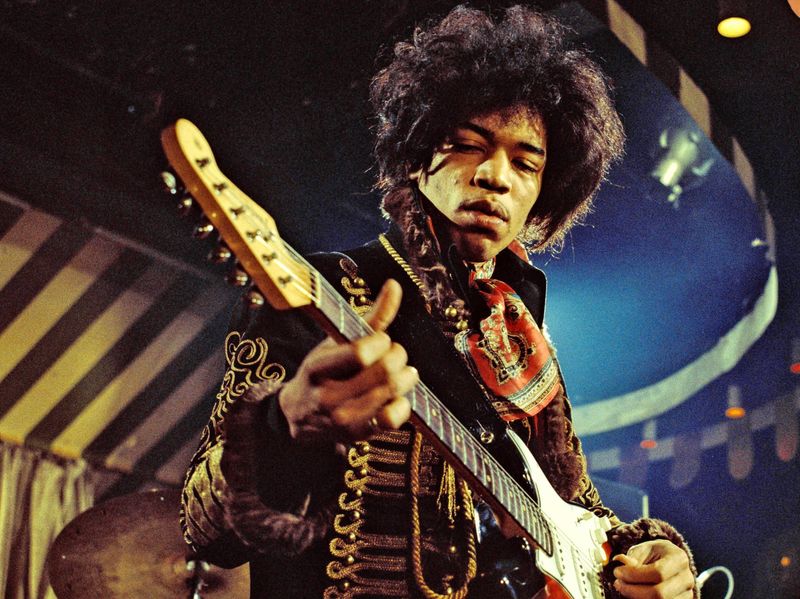
Jimi Hendrix redefined what a guitar could do, but the pressure of overnight superstardom quickly became suffocating. He often expressed feeling trapped by fan expectations and exploited by the music industry, leaving him emotionally isolated despite being surrounded by people.
Drug use became a way to cope with the noise of fame. Hendrix died at 27 in 1970, suffocating in his own vomit after mixing alcohol and sleeping pills.
His genius was undeniable, but the machine of fame chewed him up fast.
8. Janis Joplin
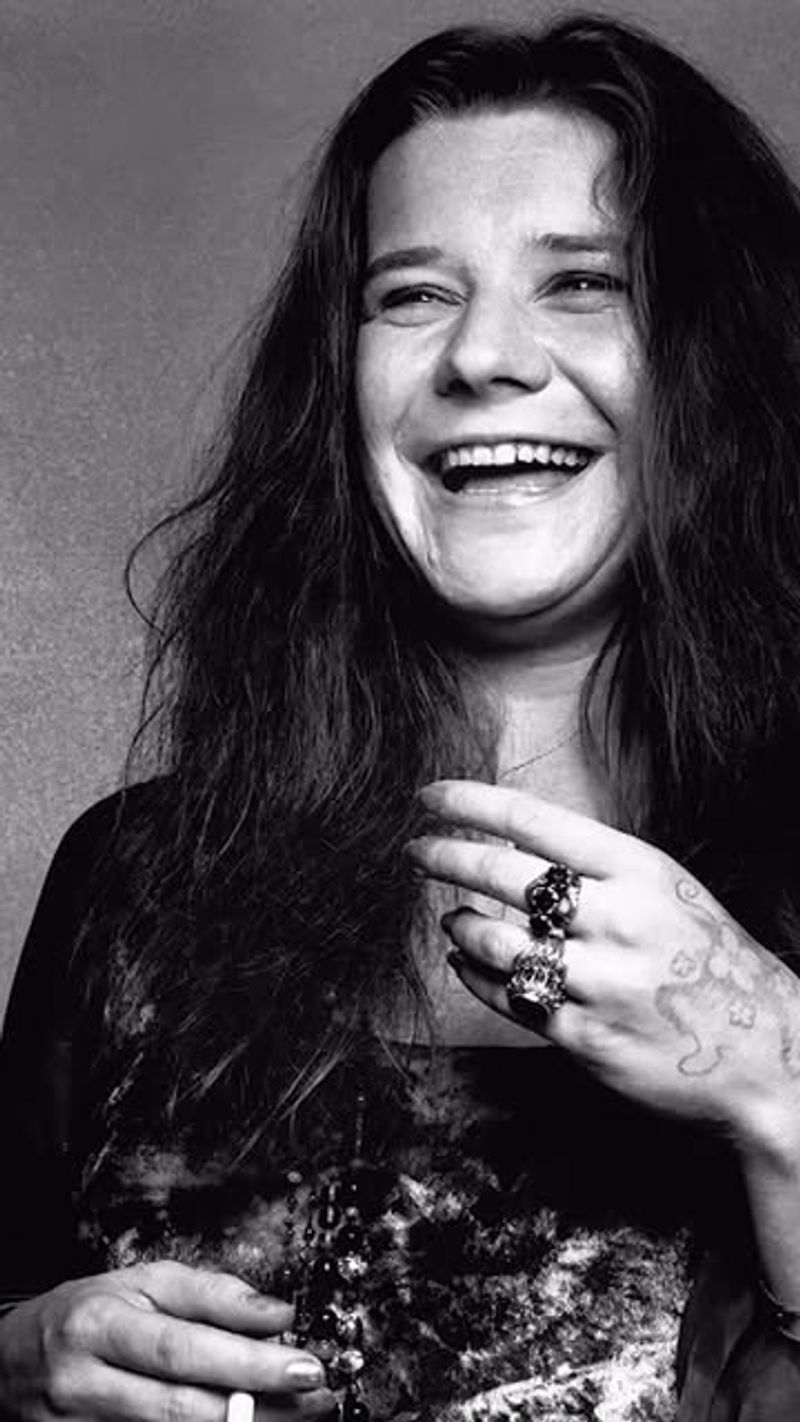
Janis Joplin sang about pain with a rawness that felt almost too real, and unfortunately, her personal life mirrored every note. Behind her electrifying performances was someone who struggled deeply with loneliness, low self-esteem, and serious alcohol and drug dependency from a young age.
Friends described her as someone who desperately wanted to be loved but kept self-sabotaging. She died of a heroin overdose in October 1970 at just 27 years old, just weeks after Jimi Hendrix passed away under similar circumstances.
9. Elvis Presley
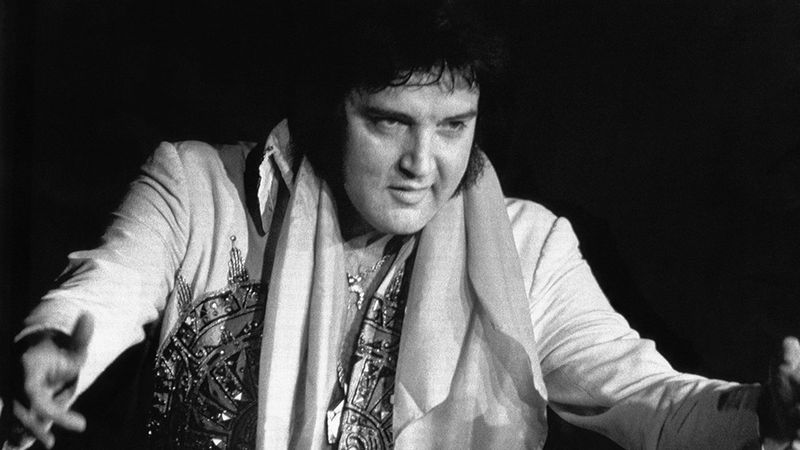
Elvis Presley was the King of Rock and Roll, but the king had some serious demons. His dependence on prescription medications grew dramatically during the 1970s, with doctors reportedly prescribing him thousands of pills over just a few years.
His personal life also raised eyebrows. He met his future wife Priscilla Beaulieu when she was only 14 years old, a fact that has drawn increasing scrutiny in recent years.
Elvis died in 1977 at 42, his health completely broken by years of pharmaceutical abuse.
10. Marilyn Manson
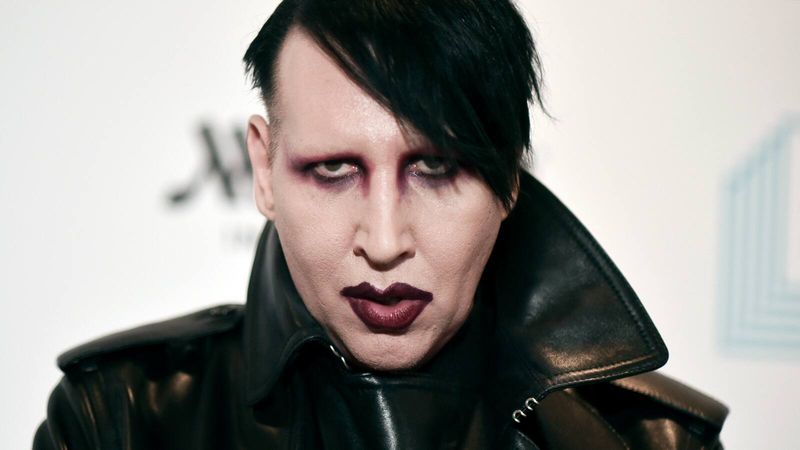
Marilyn Manson built his entire brand around controversy, but the allegations that emerged decades into his career were far more serious than any stage act. Multiple women came forward with abuse allegations, leading to lawsuits that significantly damaged his public image and career.
Back in the 1990s, conservative groups blamed his music for corrupting youth, and he faced unfair scrutiny after the 1999 Columbine tragedy despite zero evidence linking him to the event. His story shows how a dark persona can sometimes mask even darker realities.
11. James Brown
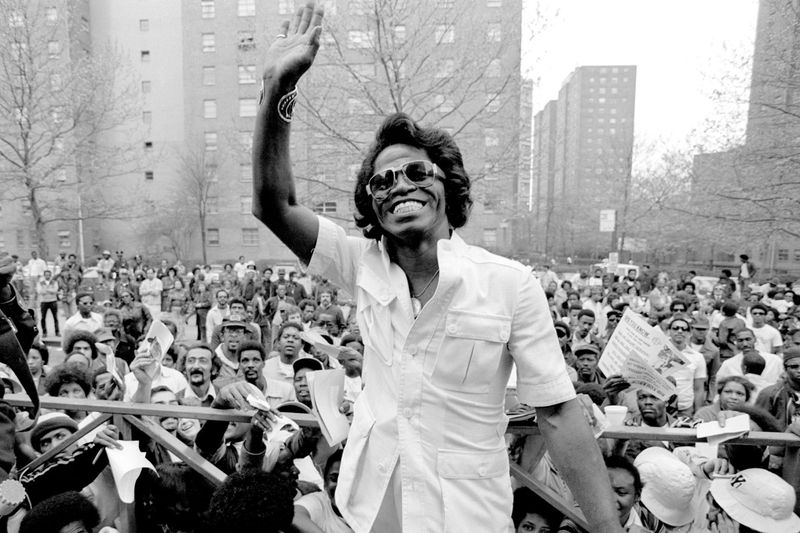
James Brown earned the title “Godfather of Soul” through electrifying performances and groundbreaking music, but offstage, his behavior was deeply troubling. He faced multiple arrests throughout his life, including a wild high-speed police chase across state lines in 1988 that ended with him being shot at by officers.
Allegations of domestic violence followed him for years, painting a painful contrast to his larger-than-life public image. Brown’s personal story is a complicated mix of extraordinary talent and serious, hard-to-ignore personal failures.
12. John Lennon
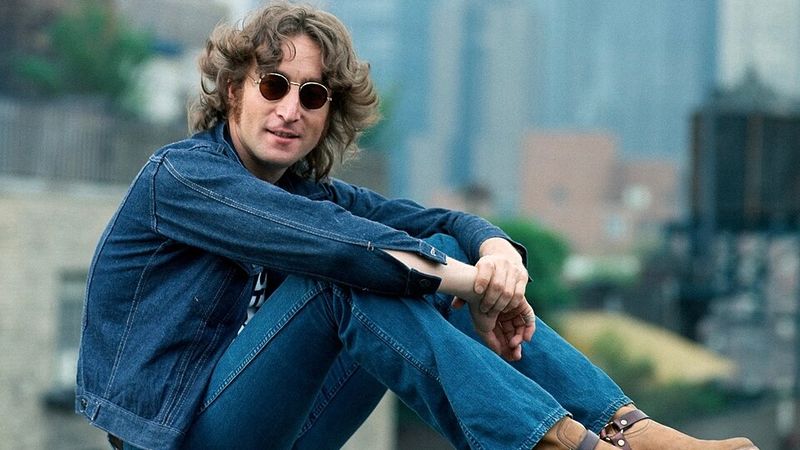
John Lennon preached peace and love to the world, but he openly admitted that his private life told a much messier story. He acknowledged being physically violent in early relationships, a confession that shocked many fans who idolized his message of nonviolence.
He was also emotionally distant from his son Julian for much of the boy’s childhood, something Lennon expressed deep regret about later in life. Credit goes to him for publicly owning his mistakes, though the damage to those closest to him was very real.
13. Johnny Cash
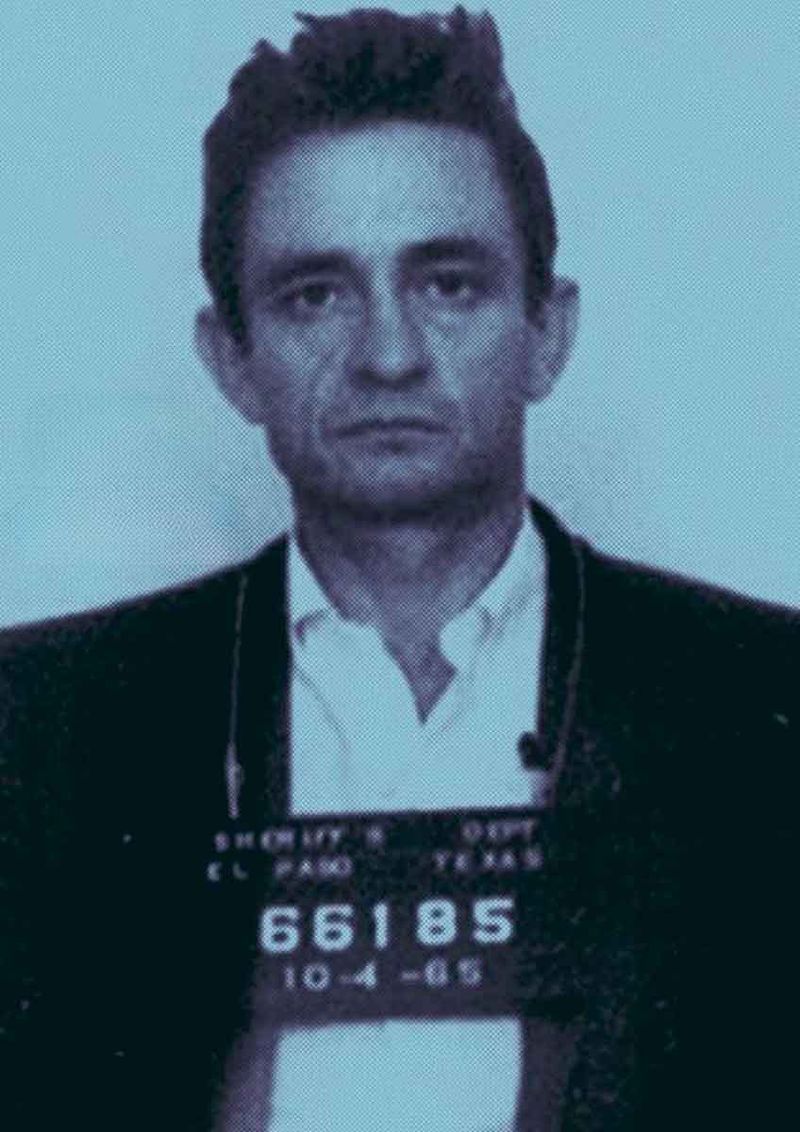
Johnny Cash’s deep voice and outlaw image made him a country legend, but behind that cool exterior was a man fighting a fierce battle with addiction. During the 1960s, his dependency on amphetamines and barbiturates became so severe that his first marriage collapsed and many of his shows were canceled or performed poorly.
He was even arrested for smuggling pills across the Mexican border. Cash eventually found his way back through faith and the support of June Carter, but the road there was brutal and costly.
14. Vince Neil
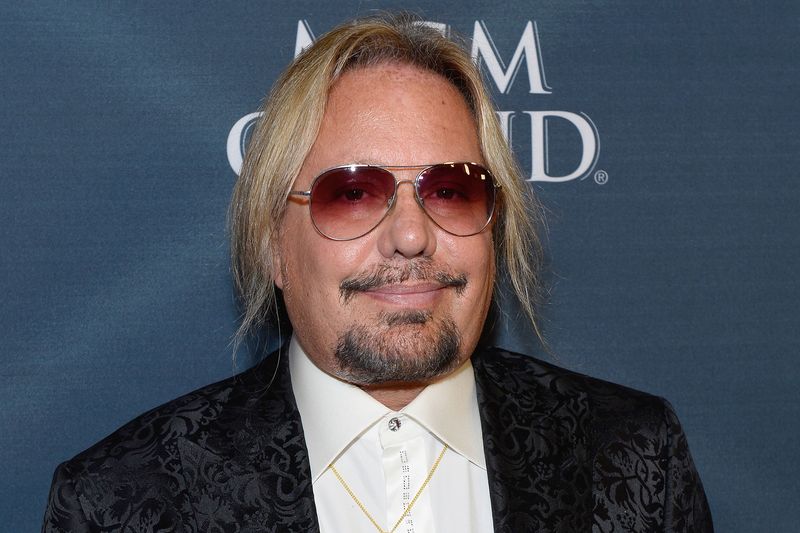
Vince Neil of Motley Crue lived the rock star lifestyle to a dangerous extreme. His long-term alcohol and drug dependency led to frequent arrests for driving under the influence and public brawls that kept him in legal hot water for years.
His most devastating moment came in 1984 when he drove drunk and crashed, killing Hanoi Rocks drummer Razzle and injuring two other people. Neil served only 30 days in jail, a sentence widely criticized as shockingly lenient given the deadly consequences of his actions.
15. Britney Spears
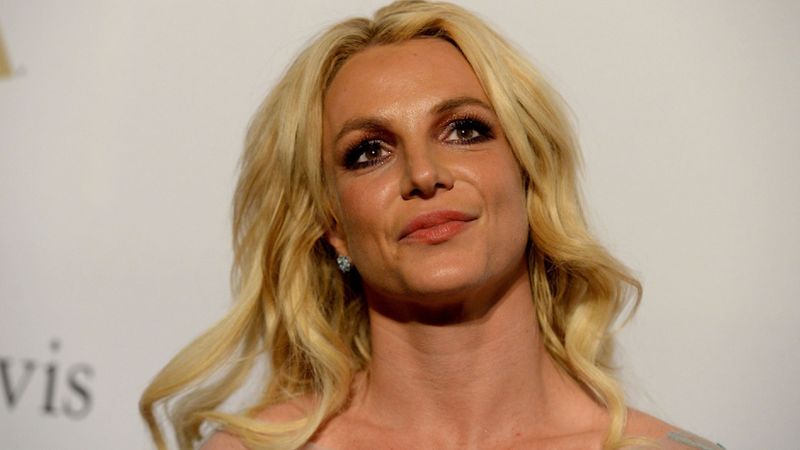
Britney Spears was one of the biggest pop stars on the planet, but by 2007 her very public mental health crisis had the whole world watching in concern. In 2008, a court placed her under a conservatorship, handing her father legal control over her finances, career, and personal decisions.
That arrangement lasted 13 long years and sparked the global FreeBritney movement. The conservatorship was finally dissolved in 2021, giving Britney back her freedom and shining a much-needed spotlight on how the entertainment industry can fail vulnerable artists.