
More older couples than ever before are choosing to end their marriages, a trend often called “gray divorce.” Studies show that while overall divorce rates have stabilized, divorces among people over 50 have nearly doubled in recent decades. Many factors push long-term couples toward this major life change, from personal growth to financial stress.
Understanding these reasons can help us better support the people in our lives going through this transition.
1. Desire for Personal Fulfillment

After spending decades focused on family and career, many older adults wake up one day and ask themselves, “Is this really the life I wanted?” That question can be powerful enough to change everything. Personal fulfillment becomes a top priority in the second half of life.
When a marriage no longer supports individual happiness or growth, separation starts to feel like the healthier choice. People in their 50s and 60s often feel they still have enough time to build a more meaningful life.
2. Longer Life Expectancy

People are living longer than ever before, and that changes how they think about unhappy relationships. Spending 20 or 30 more years in a marriage that feels empty is a tough pill to swallow.
With better health and longer lifespans, older adults feel less pressure to “stick it out.”
Rather than settling, many choose to use their remaining years chasing joy and connection. Longevity has quietly become one of the biggest motivators behind gray divorce.
3. Reduced Social Stigma Around Divorce

Not too long ago, divorce carried a heavy social stigma, especially for older couples. Neighbors would whisper, family members would judge, and many stayed in unhappy marriages just to avoid the shame.
Thankfully, attitudes have shifted dramatically over the past few decades.
Society is far more accepting of divorce at any age today. That change in cultural attitude has given many older adults the courage to finally walk away from relationships that stopped working long ago.
4. Financial Independence, Especially Among Women

For much of history, financial dependence kept many women locked in unhappy marriages. Walking away simply was not a realistic option when one partner controlled all the money.
That dynamic has changed significantly as more women have built their own careers and savings.
Financial independence gives people real choices. When a woman no longer relies on her spouse to pay the bills, leaving an unfulfilling relationship becomes a genuine possibility rather than a distant dream.
Economic freedom is quietly reshaping marriage statistics.
5. Empty Nest Syndrome
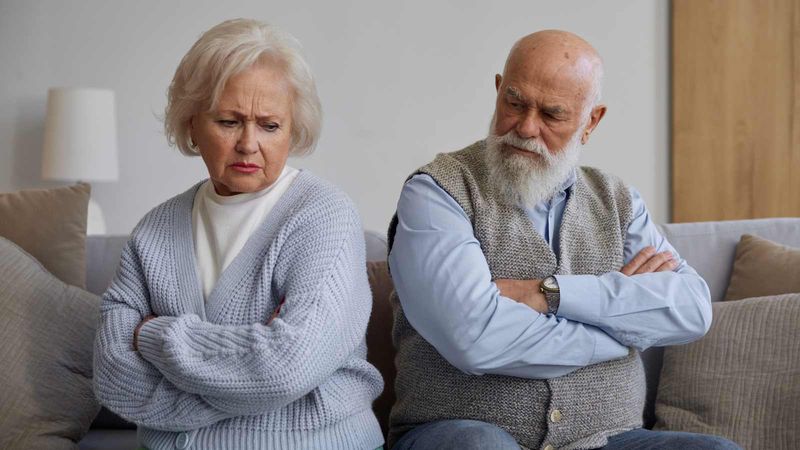
Raising kids together gives couples a shared mission, a constant source of conversation, and a reason to stay focused on the same goals. But when the last child moves out, that structure disappears overnight.
Some couples realize they have little left in common once the parenting chapter closes.
Empty nest syndrome can expose cracks that were always there but never fully visible. Without children filling the house with noise and activity, the silence between two people can speak volumes about where a marriage truly stands.
6. Growing Apart Over the Years

Two people who once shared every dream can slowly drift into completely different directions over 20 or 30 years. Interests change, values evolve, and personal goals shift in ways that are hard to predict when you are young and in love.
Growing apart is one of the most common and quietly painful reasons behind gray divorce.
There is no single dramatic moment, just years of slow distance. Eventually, some couples look across the dinner table and realize they are living as roommates rather than partners.
7. Lack of Emotional Connection
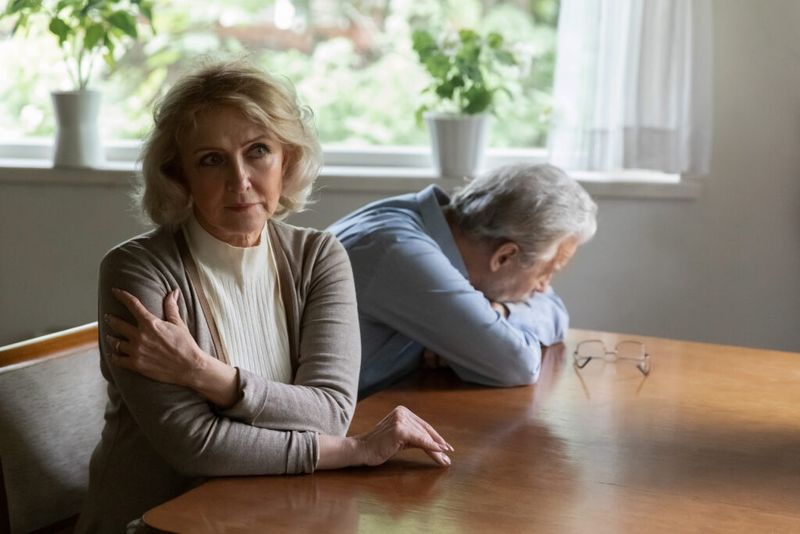
A marriage without emotional intimacy can feel lonelier than being single. Over time, some couples stop truly talking, stop sharing their fears, and stop supporting each other in meaningful ways.
That slow erosion of connection is one of the hardest things to recover from.
Many older adults reach a point where they crave real emotional depth and decide their current relationship cannot provide it. Feeling unseen or unheard by a life partner is a pain that quietly builds until it simply cannot be ignored anymore.
8. Unresolved Conflicts and Communication Breakdown

Every couple argues, but some disagreements never get fully resolved. When conflicts pile up over decades without being addressed, resentment builds like pressure in a sealed container.
Eventually, something gives. Decades of poor communication or emotional neglect can push a relationship past the point of repair.
Many older couples quietly carry years of unspoken frustrations. By the time they consider separation, the emotional damage has often been accumulating for a very long time, making reconciliation feel more like wishful thinking than a real possibility.
9. Infidelity
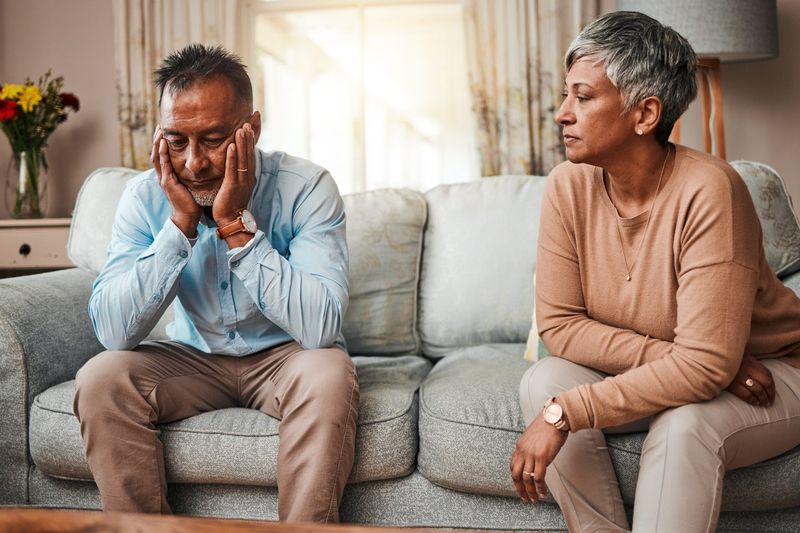
Cheating does not stop being a marriage-ender just because a couple has been together for decades. In fact, some affairs happen precisely because one partner is searching for excitement, emotional connection, or validation they feel is missing at home.
Infidelity remains one of the most common reasons older couples split up.
Discovering a betrayal after 30 years of marriage can be uniquely devastating. The sense of wasted time and broken trust often makes forgiveness feel impossible, pushing many toward separation rather than reconciliation.
10. Financial Disagreements
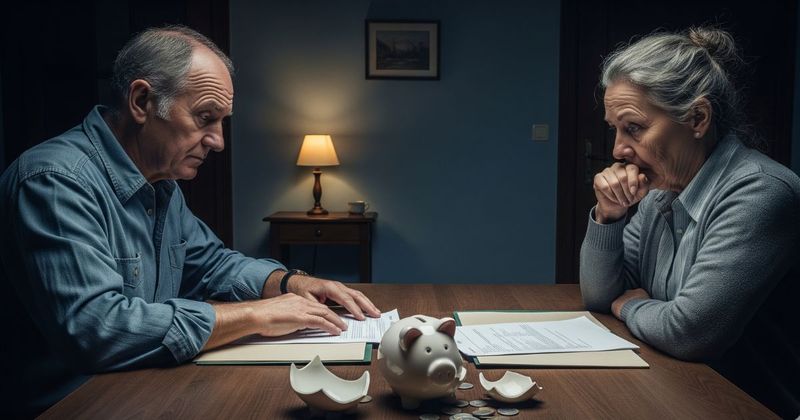
Money arguments are tough at any age, but they get especially complicated as couples approach retirement. Disagreements over spending, saving, debt, or how to fund retirement can quickly turn into major sources of tension.
When two people have fundamentally different relationships with money, long-term harmony becomes very difficult.
Some couples manage financial differences for years until the stakes get higher. The pressure of planning for a fixed income in retirement can bring simmering money conflicts to a full boil, sometimes pushing couples toward separation.
11. Health Changes or Serious Illness

Chronic illness or a serious health diagnosis can completely reshape a marriage. One partner may become a full-time caregiver, which is physically and emotionally exhausting.
When caregiving responsibilities feel unbalanced or unwanted, the relationship can strain under the weight of it all.
Interestingly, surviving a serious illness can also push someone in the opposite direction. A brush with mortality often sparks a deep desire to reassess life choices, and for some, that reassessment leads to the conclusion that their marriage no longer fits who they are becoming.
12. Too Much Time Together in Retirement
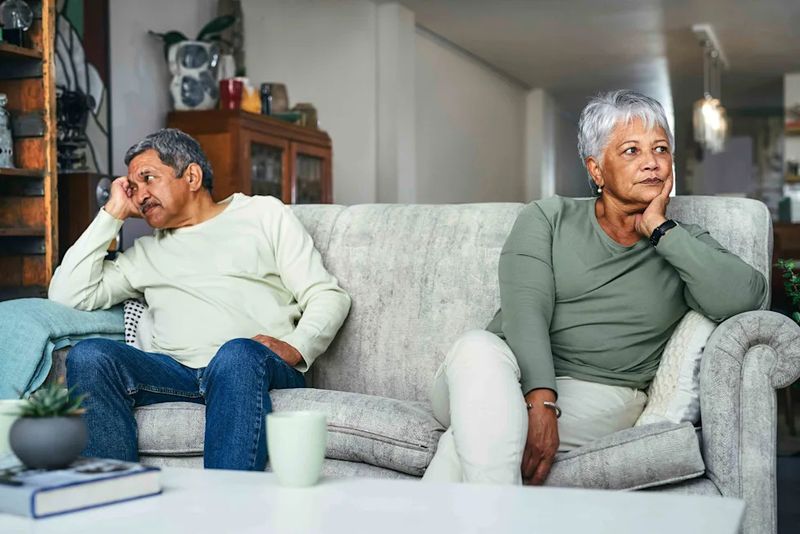
Retirement sounds like a dream until you and your spouse are suddenly home together 24 hours a day, seven days a week. Couples who previously had separate careers and daily routines may discover they actually clash when their worlds fully merge.
Spending too much time together can reveal incompatibilities that work schedules once kept hidden.
Some partners genuinely need personal space to feel happy and grounded. When retirement removes that breathing room, frustration can build quickly, and what once seemed like a solid marriage suddenly feels suffocating.
13. Midlife Crisis
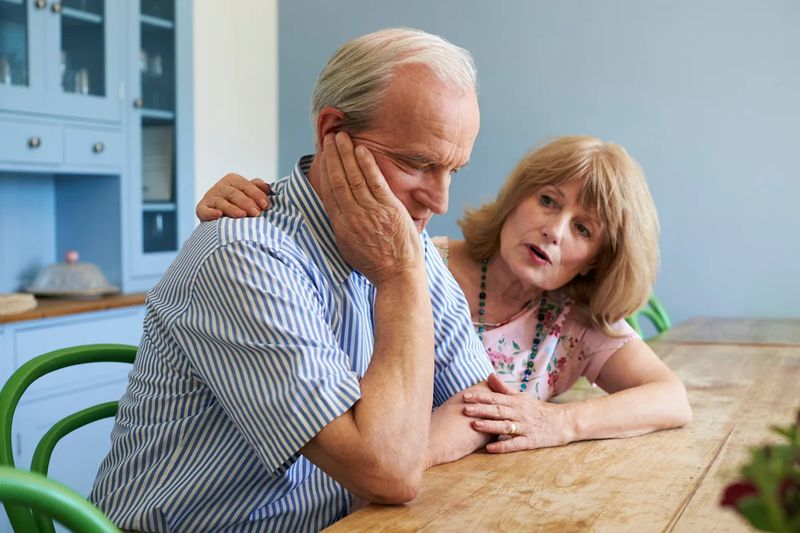
A midlife crisis is not just a punchline about sports cars and younger companions. For many people, it represents a genuine and sometimes painful reckoning with time, identity, and unfulfilled dreams.
When one spouse goes through this kind of internal shift, it can completely destabilize a marriage.
The person experiencing the crisis may suddenly want a totally different life, one their current partner cannot or will not share. That gap between who you are and who you want to become can grow wide enough to end even a long marriage.
14. Fixing Past Regrets

Some people married young because of family pressure, cultural expectations, or a fear of being alone. They may have stayed in that marriage for decades, quietly wondering what life could have looked like if they had chosen differently.
Eventually, the weight of those regrets becomes too heavy to carry.
Choosing to separate later in life can feel like reclaiming a lost chapter. For many older adults, gray divorce is less about escaping someone and more about finally giving themselves permission to live the life they always imagined for themselves.
15. One Partner Resists Personal Growth

When one partner is hungry for growth and the other is perfectly content staying exactly the same, the gap between them can become impossible to bridge. One person signs up for classes, makes new friends, and chases new experiences while the other digs deeper into comfortable routines.
That imbalance creates a slow but steady pull in opposite directions.
Over time, the growing partner may feel held back or unsupported. Feeling like your own spouse is an anchor rather than a sail can quietly erode even the most affectionate relationships.
16. Changed Expectations of Marriage

Decades ago, marriage was largely about security, stability, and social standing. Today, people expect their marriages to also provide deep emotional connection, mutual respect, and personal encouragement.
That shift in expectations has raised the bar significantly for what a satisfying marriage looks like.
Older couples who married under the old model may find their relationship no longer meets modern standards of fulfillment. When a marriage built on practicality lacks the emotional richness people now crave, separation can start to feel like the most honest path forward.
17. Differing Retirement Timelines

Age gaps or different career paths can mean one partner retires years before the other. That timing difference creates a lifestyle mismatch that is harder to manage than it sounds.
One person is traveling and sleeping in while the other is still grinding through Monday morning meetings.
Misaligned retirement timelines can breed resentment and loneliness on both sides. The retired spouse may feel abandoned, while the working one feels pressured.
Without thoughtful planning and honest communication, this kind of imbalance can quietly push a couple toward separation.
18. Boredom and Routine Stagnation

After years of the same routines, the same conversations, and the same weekend plans, some couples find themselves utterly bored with their shared life. Boredom in a long-term marriage is more common than people like to admit, and it can be surprisingly corrosive over time.
When one partner craves adventure and the other resists any change, the tension is real.
Feeling stuck in a monotonous loop with no end in sight can make separation feel like a breath of fresh air. Sometimes people do not leave a bad marriage.
They leave a boring one.
19. Desire for Independence

Some older adults simply want to live life entirely on their own terms, and that desire does not disappear just because they have been married for 30 years. Retirement can amplify this longing, offering a new chapter with fewer obligations and more freedom to choose how each day unfolds.
When one partner craves independence and the other needs constant togetherness, the tension can become exhausting. For some, the most loving and honest thing they can do is acknowledge that they are better apart, each free to build the solo life they have quietly dreamed about.