
A name is more than just a label — it can shape how the world sees you. Many famous men throughout history have swapped their birth names for something that felt more fitting, more marketable, or more meaningful.
Whether driven by career ambitions, personal identity, or a fresh start, these name changes often played a huge role in their success. Get ready to discover the surprising stories behind some of the most iconic names you know.
1. Sir Michael Caine
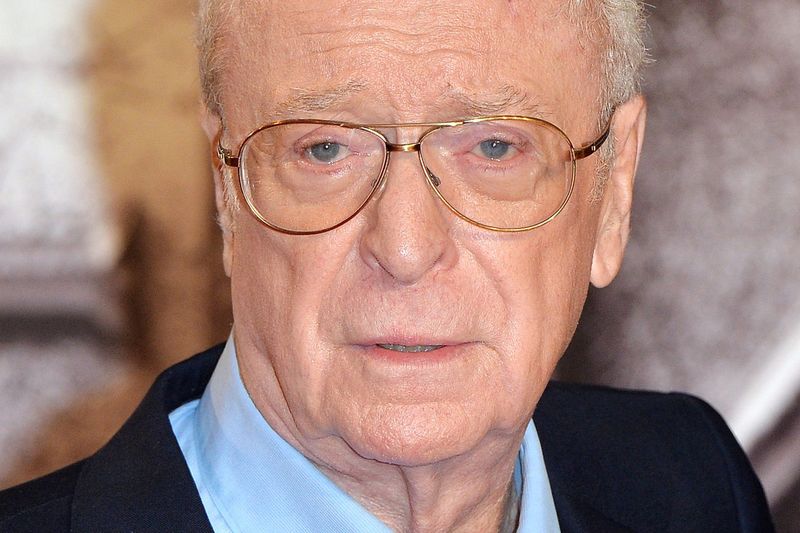
Standing at a phone booth one day, a young actor named Maurice Micklewhite spotted a poster for “The Caine Mutiny” and made a split-second decision that would define his career. He became Michael Caine on the spot.
Years later, airport security kept flagging him because his passport said something completely different from his famous name.
That awkward mismatch finally pushed him to make it official. He legally adopted the name Michael Caine for good.
2. Cary Grant
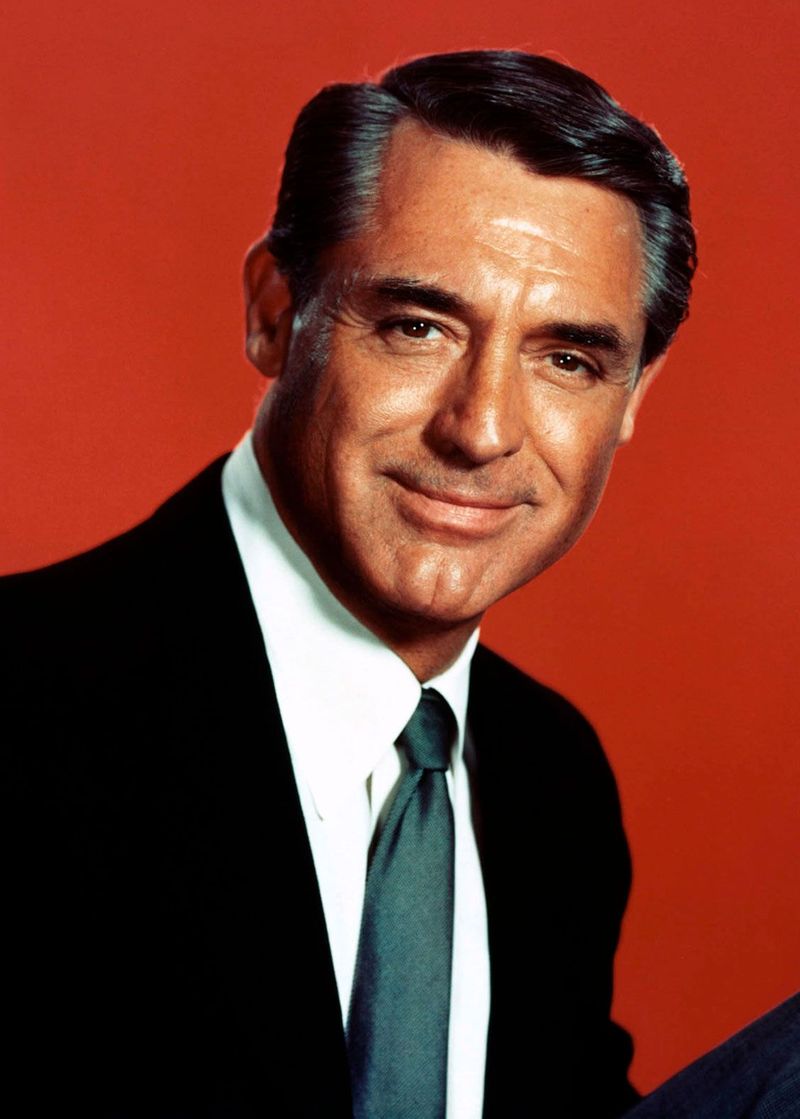
Hollywood executives took one look at “Archie Leach” and shook their heads. The name sounded too British and not nearly polished enough for a leading man.
So the studio handed him a list of possible surnames, and “Grant” made the final cut.
His first name came from a Broadway character named Cary Lockwood. The result was a name that felt smooth, confident, and undeniably cinematic — perfectly matching the screen legend he was becoming.
3. Bob Dylan
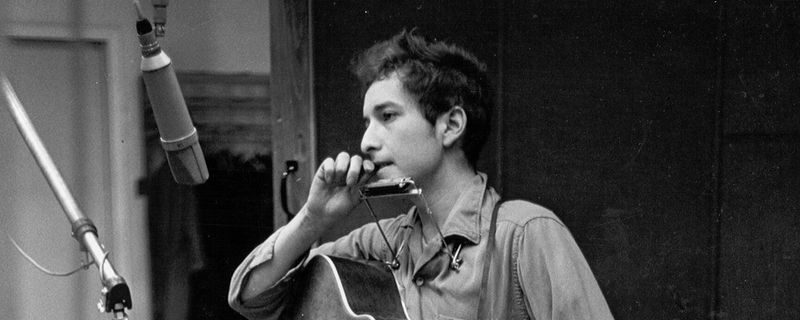
Robert Allen Zimmerman had a gift for words, but his birth name did not exactly roll off the tongue for a folk music poster. “Bob Zimmerman” felt too ordinary, too rooted in a background he was quietly stepping away from. He wanted something that carried weight and mystery.
Inspired by the poet Dylan Thomas, he became Bob Dylan. The new name felt artistic and free — a perfect match for the voice that would change American music forever.
4. Ralph Lauren
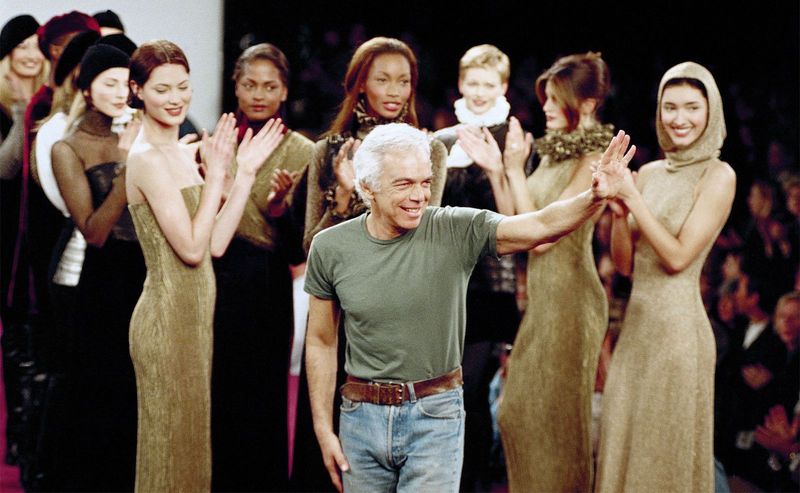
At just 16 years old, Ralph Lipschitz was already dealing with the cruel side of school hallways. His last name made him a target for teasing, and he had enough.
Some cousins had already changed their name to Lawrence, which gave him the idea to find something better.
He landed on “Lauren” — clean, elegant, and easy to say. That simple teenage decision would one day be stitched onto some of the most recognized fashion labels in the world.
5. Sir Ben Kingsley
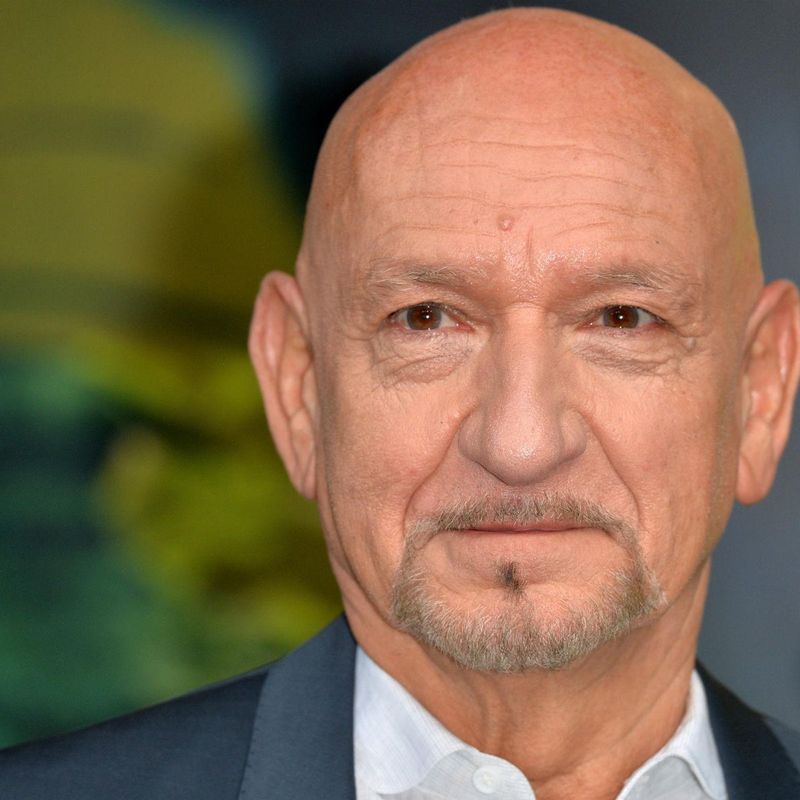
Born Krishna Pandit Bhanji, this acclaimed actor faced a tough reality in mid-20th century Britain. He worried that an Indian name would close doors before he even had a chance to audition.
The entertainment industry at the time was not exactly welcoming to names that stood out as foreign.
He turned to his family history for a solution. His grandfather, a spice trader, had been nicknamed “King Clove,” and from that, Kingsley was born — a quiet tribute hidden inside a stage name.
6. Kirk Douglas
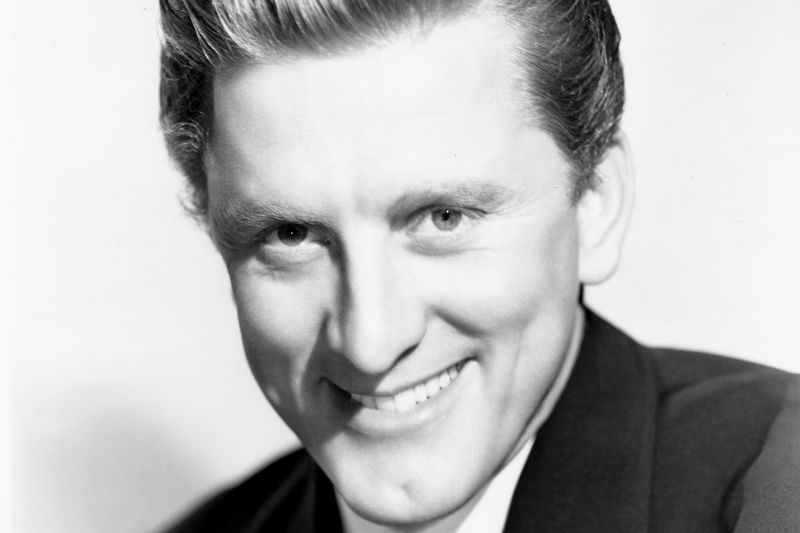
“Issur Danielovitch” was the name on his birth certificate, and Kirk Douglas himself admitted it felt too unwieldy and too obviously Jewish for Hollywood at the time. Anti-Semitism in the film industry was a real and damaging force, and he was not willing to let his name become a barrier.
Kirk Douglas had a sharp, punchy sound that matched his on-screen intensity. It was a calculated reinvention — and it worked, launching one of Hollywood’s most enduring careers.
7. Rock Hudson
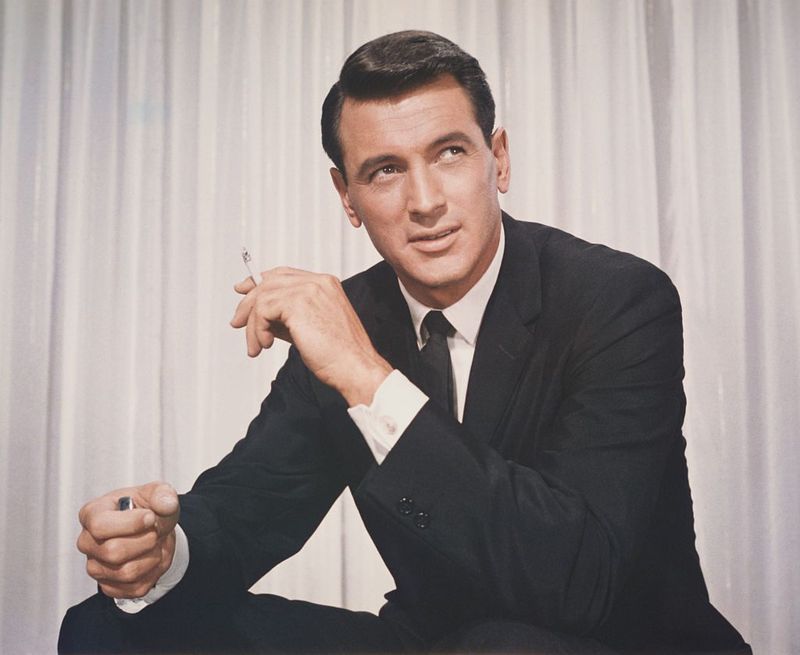
Leroy Harold Scherer Jr. never actually chose his own stage name — his talent scout, Henry Willson, made that call for him. Willson had a habit of crafting bold, masculine names for his clients, and “Rock Hudson” fit his formula perfectly. “Rock” came from the Rock of Gibraltar, and “Hudson” from the Hudson River.
Hudson reportedly was not thrilled about it. Still, the name stuck, and so did the stardom that followed him through decades of classic Hollywood films.
8. Vin Diesel
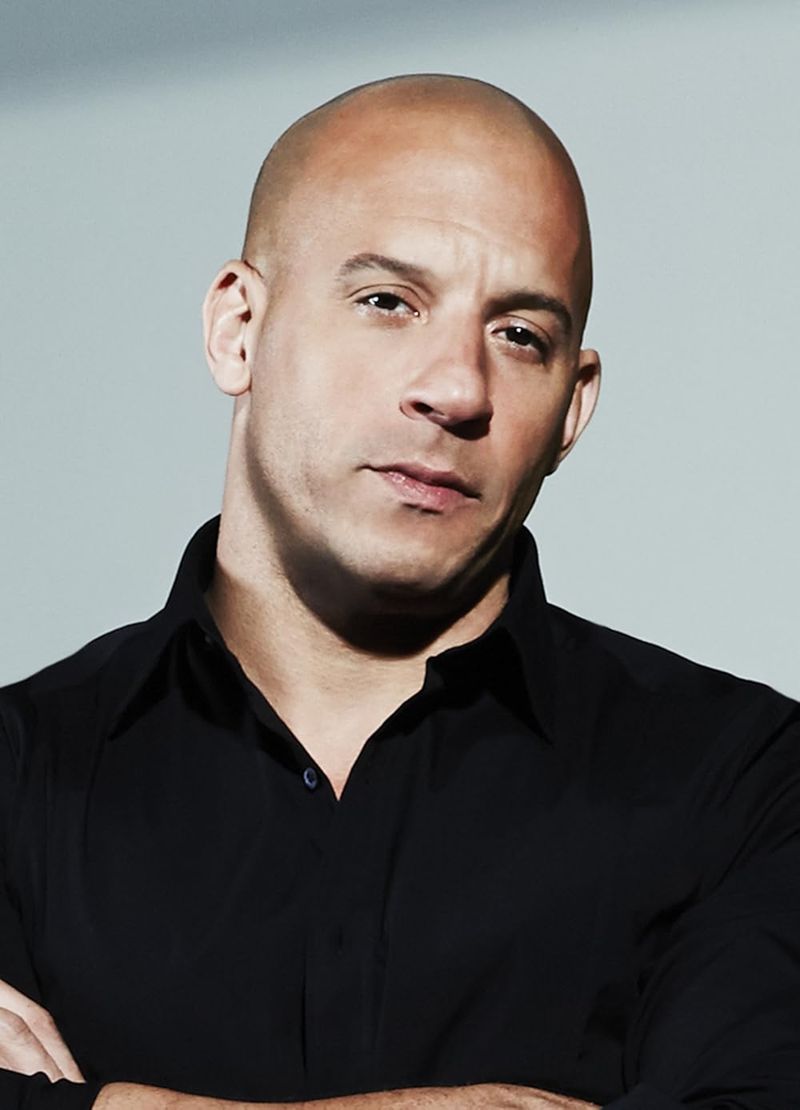
Long before blockbuster films, Mark Sinclair Vincent was working the doors at New York nightclubs as a bouncer. Using real names in that world was not always smart, so fictitious ones became the norm.
His friends had already started calling him “Diesel” because of his seemingly endless energy.
He trimmed “Vincent” down to “Vin” and paired it with the nickname. The result was punchy, memorable, and cool — a name that somehow perfectly matched the action-hero persona he would later build on screen.
9. Freddie Mercury
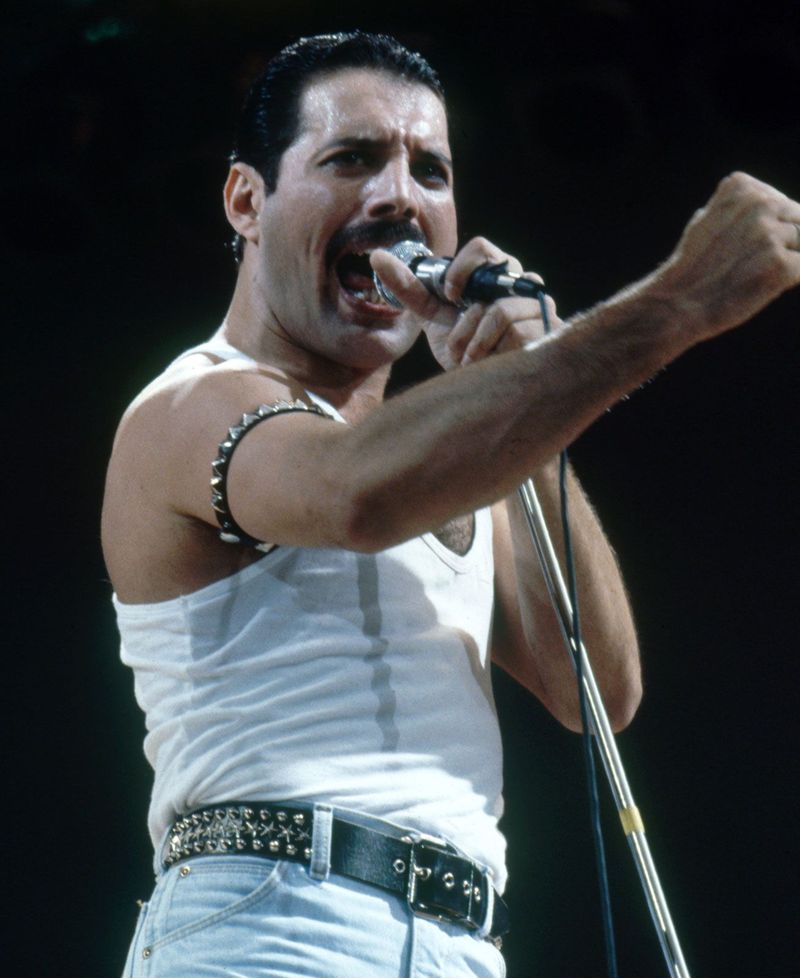
Farrokh Bulsara arrived in England from Zanzibar with enormous talent and a burning desire to rock. He had already picked up the nickname “Freddie” at boarding school, and it had stuck naturally.
What he needed was a last name that crackled with the same energy as his music.
He found it in his own lyrics — “Mercury” appeared in the Queen song “My Fairy King.” Some also believe the change helped him blend into rock’s predominantly white identity at the time.
10. Charlie Sheen
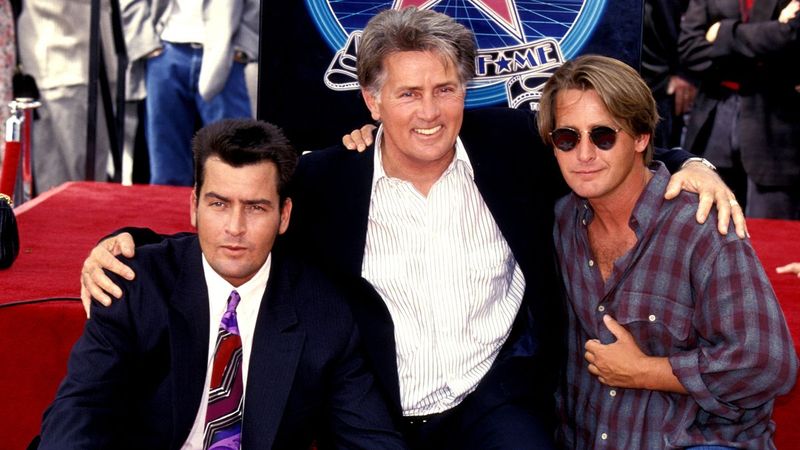
Carlos Estevez grew up watching his father, Martin Sheen, navigate Hollywood with a stage name, and the lesson was not lost on him. The entertainment industry had a history of sidelining Latin surnames, and he was not willing to test those odds.
Taking his father’s stage name as his own last name felt like a natural move.
He also switched “Carlos” to “Charlie” to avoid mix-ups with a relative at family events. A practical fix with surprisingly major career implications.
11. Jamie Foxx
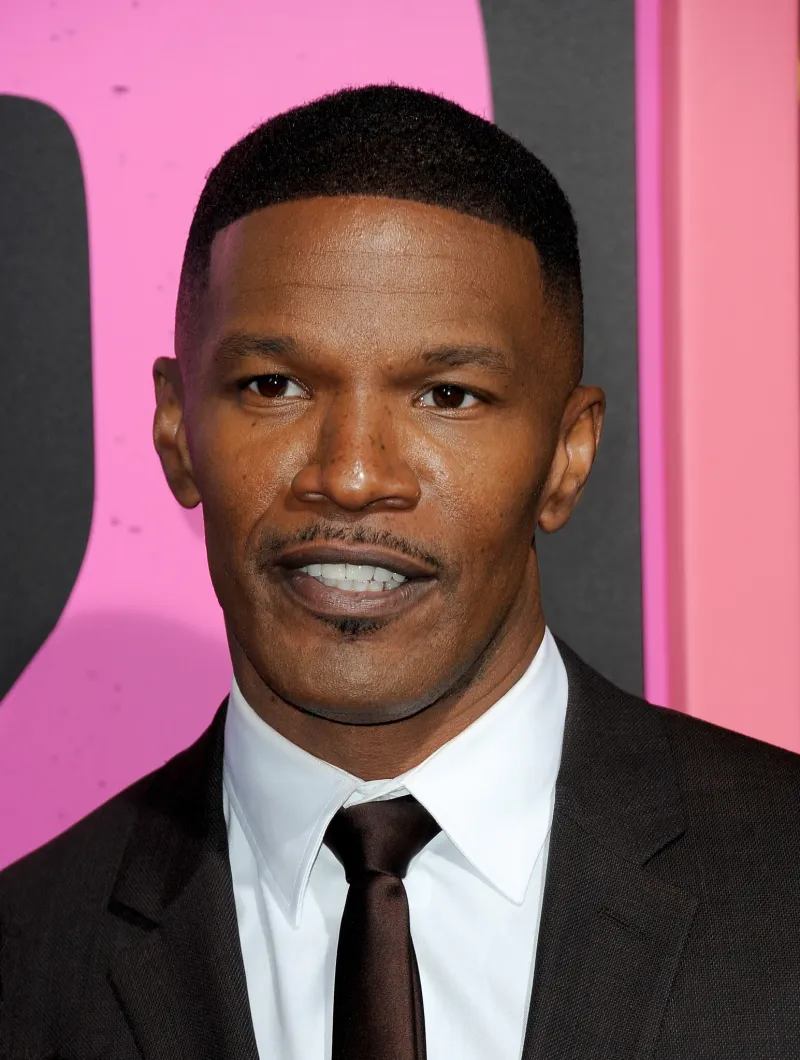
Eric Marlon Bishop Jr. cracked the comedy club system with a clever observation: female comedians often got called to perform earlier in the night. So he picked a gender-neutral name to game the lineup. “Jamie” fit that bill perfectly — it could belong to anyone.
For the last name, he looked to one of his all-time favorite stand-up legends, Redd Foxx, and added an extra “x” as a personal twist. A small strategic move that helped launch a massive career in both comedy and film.
12. Calvin Harris
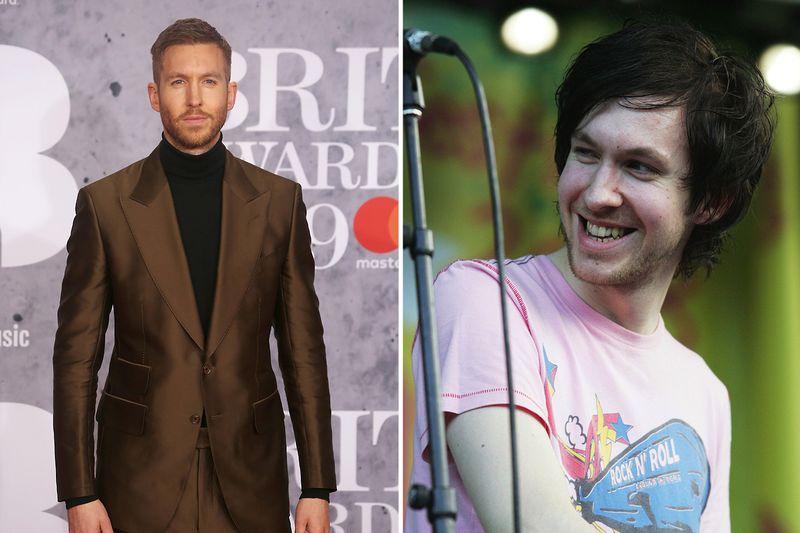
Adam Wiles was making soul music in Scotland and had a feeling his real name might send the wrong message to listeners. He wanted the music to speak first, without people making assumptions about who was behind it.
So he crafted a name that felt deliberately racially ambiguous.
“Calvin Harris” could belong to almost anyone, which was exactly the point. He later admitted the strategy openly in interviews.
Today, that name belongs to one of the highest-earning DJs on the planet.
13. Nicolas Cage
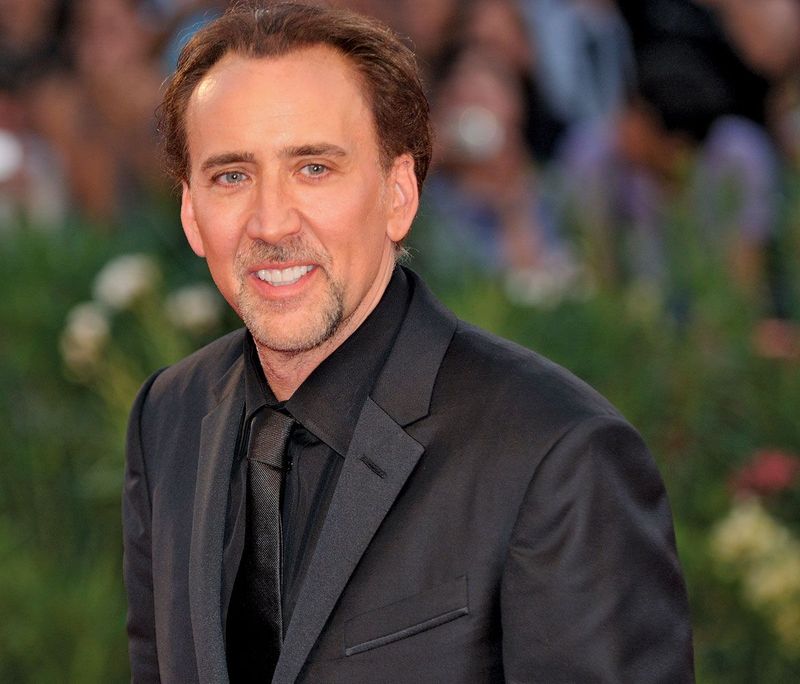
Growing up as Nicolas Coppola meant living in the shadow of a very famous last name — his uncle was Francis Ford Coppola, director of The Godfather. Nicolas wanted to earn his place in Hollywood on his own terms, not ride on family connections.
The pressure of that name felt like a ceiling, not a foundation.
He chose “Cage” partly inspired by Marvel comic character Luke Cage. The switch gave him creative freedom and a distinct identity that was entirely his own.
14. Elton John
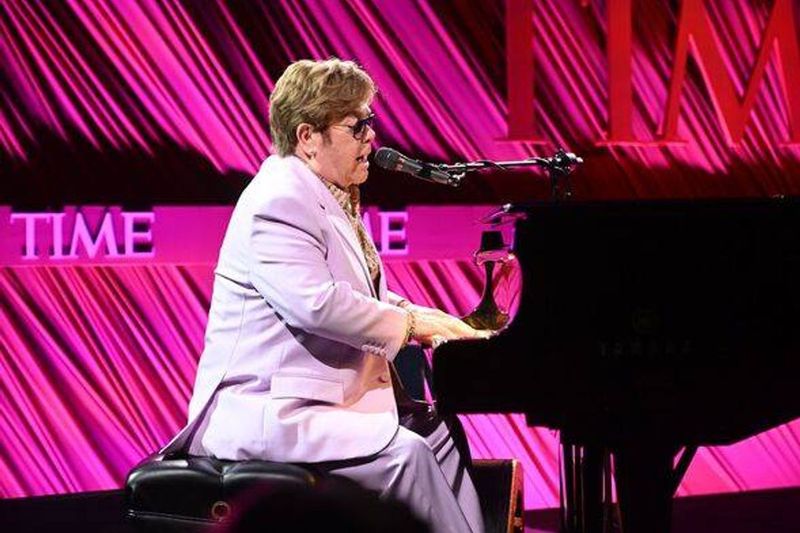
Reginald Dwight knew that name was never going on a marquee. Playing in the band Bluesology, he was surrounded by musicians whose names felt bigger than his.
Saxophonist Elton Dean and frontman Long John Baldry became his unlikely naming inspiration — he borrowed one name from each.
“Elton John” had flair and a certain swagger that “Reginald Dwight” simply could not match. Complicated family dynamics also made distancing himself from his birth name feel personally important, not just professionally smart.
15. Mark Twain
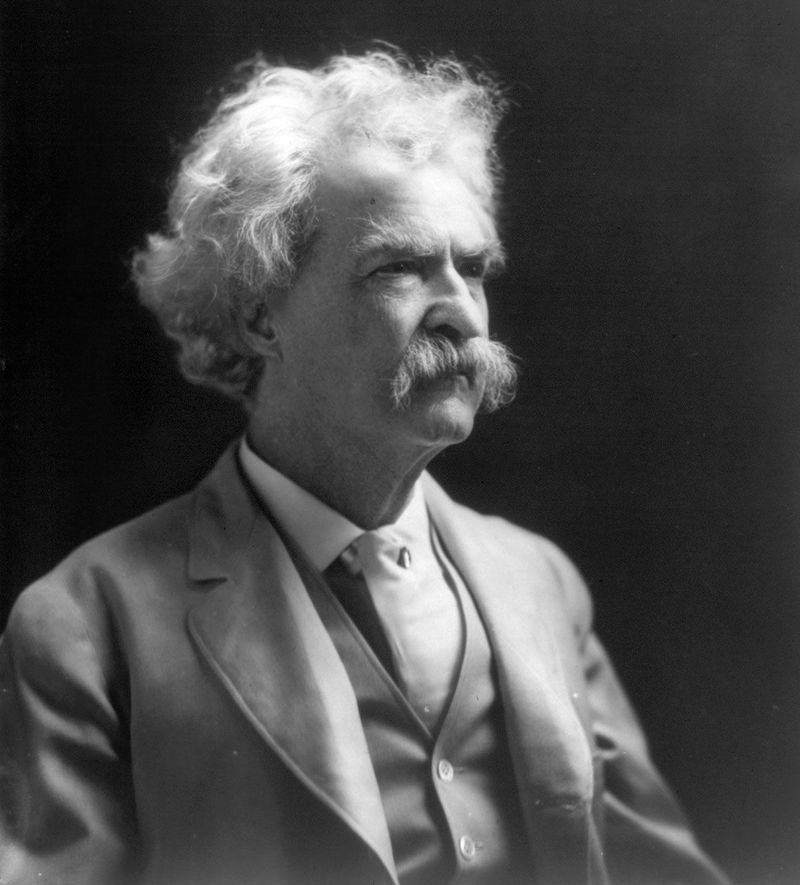
Samuel Langhorne Clemens had opinions — sharp, satirical, sometimes scandalous ones — and he knew putting his real name on them could cause trouble for his family. A pen name offered protection and freedom at the same time.
He was not hiding; he was being careful.
“Mark Twain” was a term used by Mississippi riverboat crews, meaning two fathoms deep — safe water for navigation. It was a nod to his river days and a name that carried working-class American grit in every syllable.
16. George Orwell
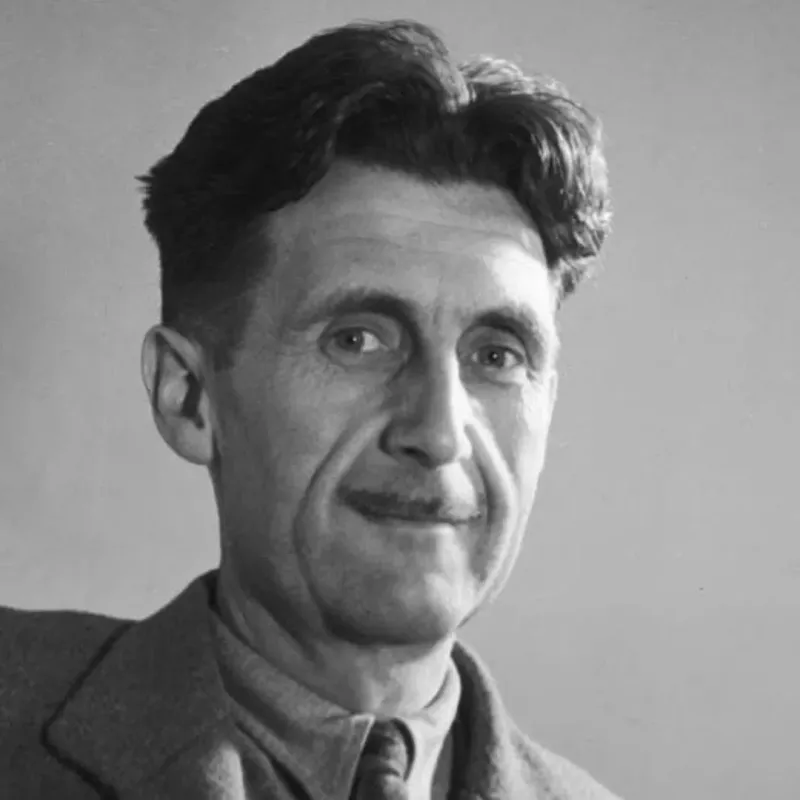
Eric Arthur Blair was about to publish a raw, unflinching account of poverty in Paris and London — and he was worried. The book’s gritty content felt like it could embarrass his family, especially his parents.
A pen name would let the work exist without dragging his relatives into the spotlight.
He chose “George” after England’s patron saint, and “Orwell” after a beloved river he had sailed. The name quietly declared his love for England while keeping his family comfortably out of the conversation.
17. Muhammad Ali
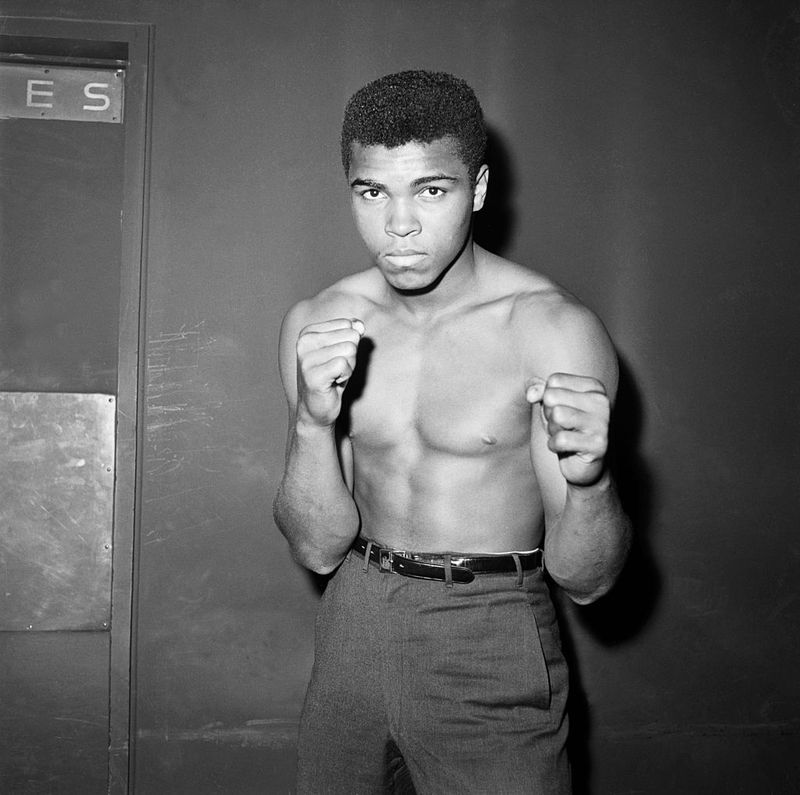
“Cassius Clay is a slave name. I didn’t choose it and I don’t want it.” Those were his words, and he meant every one of them.
After converting to Islam in 1964, he rejected the name he had been born with as a symbol of an identity imposed by the history of slavery in America.
Muhammad Ali meant “one worthy of praise” — a name he chose for himself, on his own terms. That act of renaming was as powerful as any punch he ever threw.
18. Metta World Peace
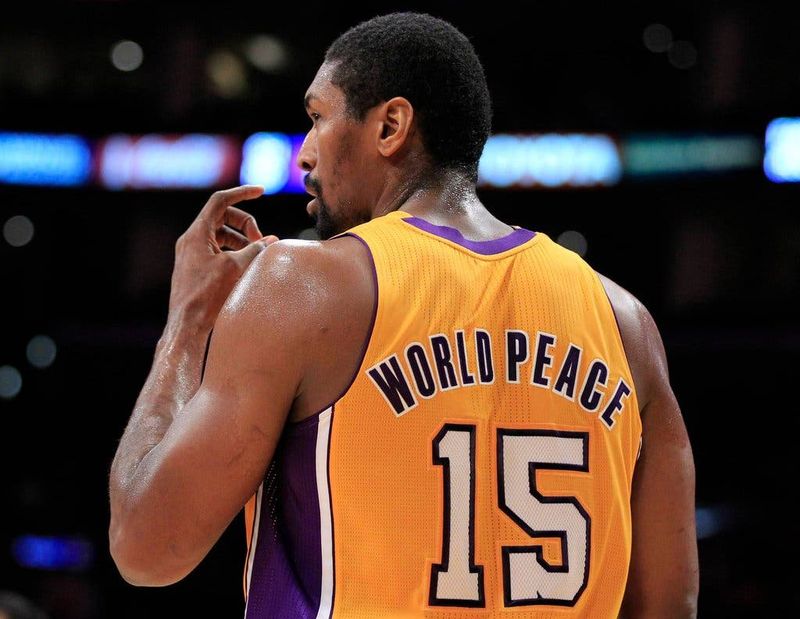
Ron Artest had a reputation for chaos on the basketball court — technical fouls, suspensions, and one of the most infamous brawls in NBA history. By 2011, he was ready to turn a new page, and he did it in the most public way possible: legally changing his name to Metta World Peace.
“Metta” is a Buddhist concept rooted in loving-kindness. He later updated his name again to Metta Sandiford-Artest, honoring his family while holding onto the peaceful intention behind his reinvention.
19. Malcolm X
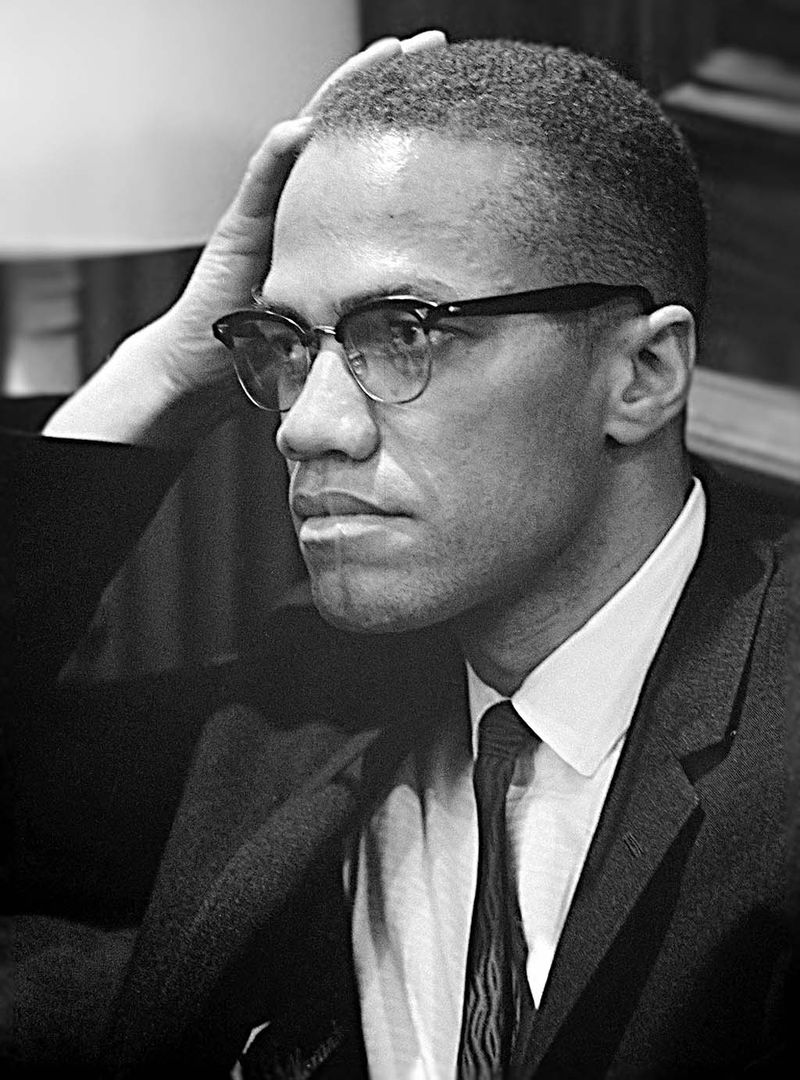
Malcolm Little dropped his last name and replaced it with “X” — and that single letter carried enormous meaning. He saw “Little” as a name inherited through slavery, assigned to his ancestors by people who owned them.
Keeping it felt like accepting a history that was never truly his.
The “X” represented the African family name he could never know, erased by generations of oppression. It was a bold, public rejection of that legacy and a declaration that his identity belonged to him alone.