
Marriage rates in the U.S. have been dropping for decades, and single men are feeling the financial squeeze more than many people realize. Without a partner to share bills, savings, and life’s unexpected costs, solo living comes with a serious price tag.
From higher housing costs to retirement gaps, the money challenges facing single men are very real. Here’s a closer look at what’s actually happening and why it matters.
1. Earning Less Than Partnered Men

Numbers don’t lie — unpartnered men had median earnings of $35,600 in 2019, while partnered men earned a median of $57,000. That’s a gap of over $21,000 every single year.
Research even shows married men earn around 26% more than their unmarried twin brothers, suggesting marriage itself boosts income. Without that boost, single men start every year already behind the financial curve.
2. Paying the “Singles Tax” on Housing

Renting alone is shockingly expensive. Solo renters pay over $10,000 more per year than those who share a home with someone else — that’s money that simply evaporates.
Single men devote roughly 36% of their monthly income to housing, compared to about 31% for married couples. Over time, that extra 5% difference quietly drains thousands from savings that could have gone toward a future.
3. Shouldering All Utility Bills Alone

Electricity, water, gas, internet — these bills don’t shrink just because only one person lives in a home. Fixed utility costs stay roughly the same whether one or two people share a space.
Married couples split these expenses down the middle, making each person’s share much more manageable. Single men pay every cent alone, which means a bigger chunk of each paycheck disappears before discretionary spending even begins.
4. No Second Income as a Safety Net

Life throws curveballs — job loss, car repairs, medical bills. Married couples can lean on a second income when things go sideways, giving them a built-in financial cushion that single men simply don’t have.
Studies confirm that single people’s expenses are more volatile because there’s no within-household risk-sharing. For single men, one bad month can quickly spiral into serious debt without a partner’s paycheck to stabilize things.
5. Lifetime Costs Exceeding $1 Million More

Here’s a jaw-dropping reality: some financial analyses estimate that unmarried individuals could pay over $1 million more than married counterparts across their lifetimes. That’s not a typo.
When you stack up higher housing costs, taxes, healthcare, and missing out on shared savings year after year, the numbers compound fast. For many single men, this lifetime disadvantage quietly shapes every major financial decision they’ll ever make.
6. Healthcare Premiums Paid Solo

As of 2026, the average monthly health insurance premium for a 40-year-old single man without a subsidy runs about $560 per month. That’s $6,720 a year — just for coverage, before any actual medical bills.
Married couples can often share employer-sponsored plans at lower per-person costs. Single men carry that full premium weight alone every month, making healthcare one of the most painful ongoing expenses in the solo budget.
7. Retirement Savings Gaps Without a Partner

The American retirement system was basically built for couples. Married people can access a spouse’s pension, share Social Security benefits, and pool retirement savings — advantages single men don’t get.
Married couples are also more likely to have established 401(k) or IRA accounts. Single men must fund retirement entirely on their own income, which is already stretched thin by solo living costs, making long-term financial security much harder to build.
8. Higher Healthcare Costs in Retirement

Retirement healthcare costs are brutal for single men. A single person turning 65 in 2023 may need roughly $157,500 saved after taxes just to cover healthcare expenses throughout retirement.
Married couples can spread those costs and support each other through health challenges, reducing per-person financial strain. Flying solo means every prescription, procedure, and premium comes entirely out of one person’s retirement nest egg — shrinking it faster than most people plan for.
9. Paying Higher Taxes as a Single Filer
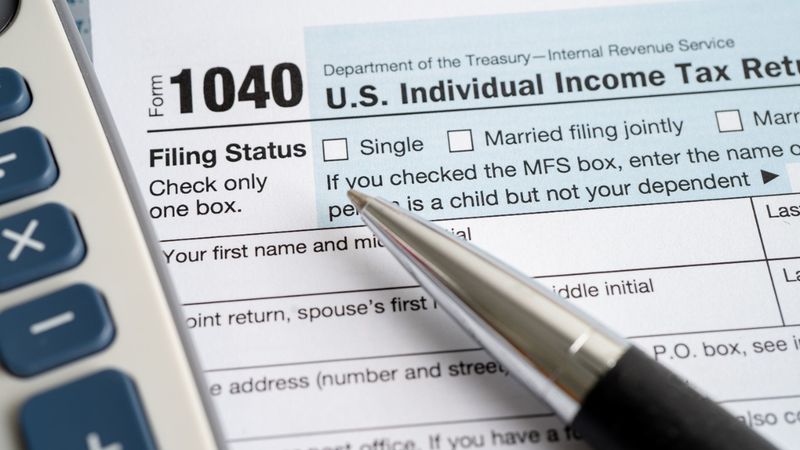
The U.S. tax code quietly favors married couples. Joint filers get lower tax rates, a higher standard deduction, and access to tax credits that single men simply can’t claim.
This structural disadvantage means single men often hand over a larger percentage of their income to the government each year. Over a career, those extra tax dollars add up to tens of thousands of dollars that married couples get to keep and invest instead.
10. Spending More on Food Without Sharing Costs

Buying groceries for one is surprisingly inefficient. Bulk deals, family-sized portions, and meal planning become harder when you’re cooking and eating alone — and food waste adds up quickly.
Married couples split grocery bills and can take advantage of bulk buying at lower per-serving costs. Single men often pay premium prices for smaller portions or end up throwing away spoiled food, quietly inflating their monthly food budgets in ways that are easy to overlook.
11. Lower Likelihood of Being Employed or Economically Independent

Research shows that unpartnered men are less likely to be employed or economically independent compared to partnered men. The gap has actually widened since 1990, making the trend more concerning over time.
Marriage often creates built-in motivation and accountability around work and financial goals. Without that structure, some single men find it harder to stay on track professionally, which compounds income challenges and makes climbing out of financial strain even more difficult.
12. Manufacturing Job Losses Hitting Single Men Hardest

The decline of American manufacturing hit blue-collar men especially hard. Fewer factory jobs, lower wages, and reduced opportunities have pushed many working-class men further from financial stability — and further from marriage.
Social scientists have connected declining earnings directly to falling marriage rates among middle- and lower-income men. It’s a painful cycle: fewer good-paying jobs make men less likely to marry, and staying single makes their financial situation even harder to improve over time.
13. Missing Out on Shared Savings and Investments
Two incomes invested together grow far faster than one. Married couples can double their contributions to savings accounts, retirement funds, and investment portfolios, building wealth at a pace single men struggle to match.
Single men tend to save less overall, and without a partner encouraging shared financial goals, it’s easy for savings habits to slip. Over decades, the compounding difference in wealth accumulation between married and single men becomes enormous and increasingly difficult to close.
14. Higher Monthly Living Expenses Across the Board

Monthly expenses for a single person in the U.S. can run between $4,641 and $4,716 per month. That’s a significant number when only one paycheck is covering everything.
Married couples share transportation, subscriptions, household supplies, and dozens of other recurring costs. For single men, every line item on the budget is 100% their responsibility.
There’s no splitting the car insurance, the streaming services, or the home maintenance bills — it all lands squarely on one person.
15. Reduced Motivation to Build Wealth Alone

Building wealth is easier when you have someone to build it with. Studies suggest that married men are more motivated to increase earnings, advance careers, and stick to financial plans — partly because they’re working toward shared goals.
Without a partner to plan a future with, some single men find it harder to stay financially motivated. The absence of shared dreams like buying a home or saving for a family can quietly reduce the drive to push harder financially.
16. Communication and Subscription Costs With No One to Split Them

Phone plans, streaming services, internet packages — these costs are designed to be shared. Family plans and bundle deals offer significant savings that single men largely can’t access on their own.
Paying full price for individual plans month after month adds hundreds of dollars annually to the single man’s budget. It’s one of those small but persistent financial disadvantages that rarely gets talked about, yet quietly chips away at disposable income over time.
17. Less Education and Lower Earnings Creating a Downward Spiral
Less educated men who remain unmarried face a particularly tough financial reality. Without a college degree, earning potential is already limited — and staying single means none of those earnings get supplemented by a partner’s income.
This creates a compounding disadvantage: lower education leads to lower pay, which reduces marriage prospects, which in turn keeps income lower. For many men caught in this cycle, escaping financial strain without structural support feels nearly impossible without deliberate intervention.
18. Greater Financial Vulnerability During Economic Downturns

When recessions hit, single men take the full blow without a financial partner to share the weight. Job losses, market downturns, and rising prices are significantly harder to absorb on a single income.
Married couples can cut back together, rely on each other’s income temporarily, or adjust household spending as a team. Single men face these economic storms alone, which means savings drain faster and recovery takes longer — sometimes setting them back by years of financial progress.
19. Difficulty Affording Homeownership Solo

Homeownership is one of the most powerful wealth-building tools available — but buying a house alone is genuinely tough. Down payments, mortgage approvals, and monthly payments are all easier to manage with two incomes behind them.
Married couples can combine savings and qualify for larger loans, giving them access to better properties and building equity faster. Single men often get priced out of desirable markets entirely, forcing them to rent longer and miss out on decades of home equity growth.
20. Social Spending Pressures That Drain Budgets

Single life often comes with higher social spending. Dating costs, going out with friends, and maintaining an active social life to combat loneliness can quietly drain a single man’s budget month after month.
Married men tend to socialize in less expensive ways and have a built-in companion at home. Single men may spend more on entertainment, dating apps, restaurants, and social events just to stay connected — expenses that feel necessary but add serious pressure to an already stretched solo budget.