
Breakfast gets a lot of hype as the most important meal of the day, but not everything on the morning menu deserves a spot on your plate. Some popular breakfast foods are packed with sugar, refined carbs, and unhealthy fats that can leave you feeling tired and hungry before lunchtime even rolls around.
Knowing which foods to limit can make a real difference in your energy, mood, and overall health. Here are 18 breakfast foods that are often worth a second thought.
1. Sugary or Highly Refined Cereals
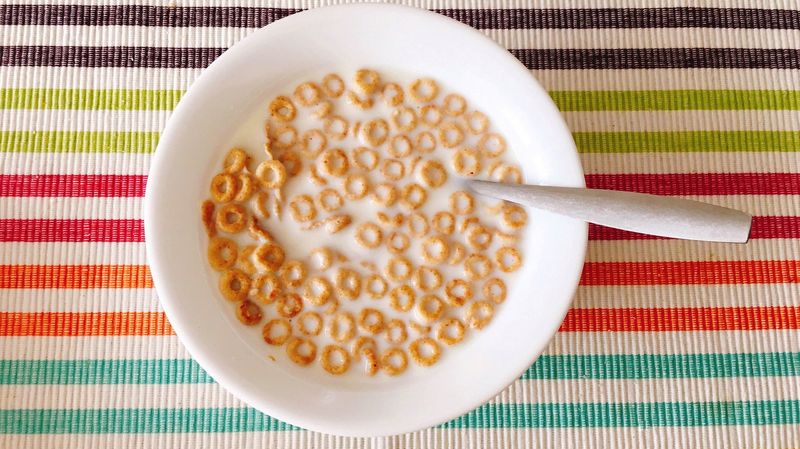
That colorful cereal might look fun in the bowl, but many popular brands pack more sugar into one serving than a glazed donut. Without enough fiber or protein, your body burns through it fast, sending blood sugar soaring and then crashing hard.
That crash brings back hunger, irritability, and low energy before the morning is even over. Some brands exceed half of the daily recommended sugar intake for women in just one bowl.
2. Pancakes and Waffles

Weekend mornings and pancake stacks go together like syrup and butter, but that combination is exactly the problem. Refined white flour, sugary syrup, and a generous slab of butter create a breakfast that is high in calories and low in anything that keeps you full.
Protein and fiber are nearly absent here, meaning hunger returns quickly. Swapping to whole-grain versions with fresh fruit can make a big difference without sacrificing the fun.
3. Breakfast Pastries

Donuts, cinnamon rolls, and toaster pastries are hard to resist, especially when they smell incredible fresh out of the oven or toaster. The reality is these treats are loaded with refined flour, added sugar, and unhealthy fats while offering almost zero protein or fiber.
Eating them regularly can contribute to weight gain and raise cardiovascular risks over time. They make a fine occasional treat, but leaning on them daily is a recipe for energy crashes.
4. Processed Breakfast Meats

Bacon sizzling in a pan is one of the most iconic morning smells, but processed breakfast meats like bacon, sausage, and ham carry some serious nutritional baggage. They are loaded with saturated fat, sodium, and often contain nitrates and nitrites that have been linked to higher risks of certain cancers.
High sodium content can also push blood pressure in the wrong direction. Enjoying these occasionally is fine, but making them a daily staple is worth reconsidering.
5. Sweetened Low-Fat Yogurt
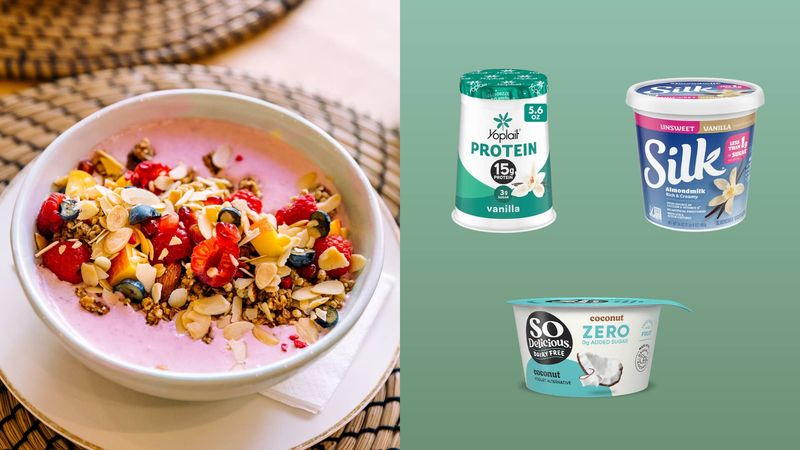
Low-fat yogurt sounds like a smart, healthy choice, but flip the container around and the sugar content can be genuinely shocking. Manufacturers often add large amounts of sugar to make up for the flavor lost when fat is removed, which can spike blood sugar just as fast as a candy bar.
Those added sugars can cancel out the benefits of protein and probiotics. Plain Greek yogurt with fresh fruit is a much smarter swap that still tastes great.
6. Commercial Fruit Juice

Fruit juice feels virtuous at breakfast, almost like drinking a piece of fruit, but that comparison does not hold up well. Commercial varieties are frequently loaded with added sugars and stripped of the fiber that makes whole fruit so beneficial and filling.
Without fiber, the natural and added sugars hit the bloodstream quickly, causing a rapid spike and eventual crash. Eating a whole orange instead of drinking its juice gives your body far more nutritional value per calorie.
7. Store-Bought Muffins
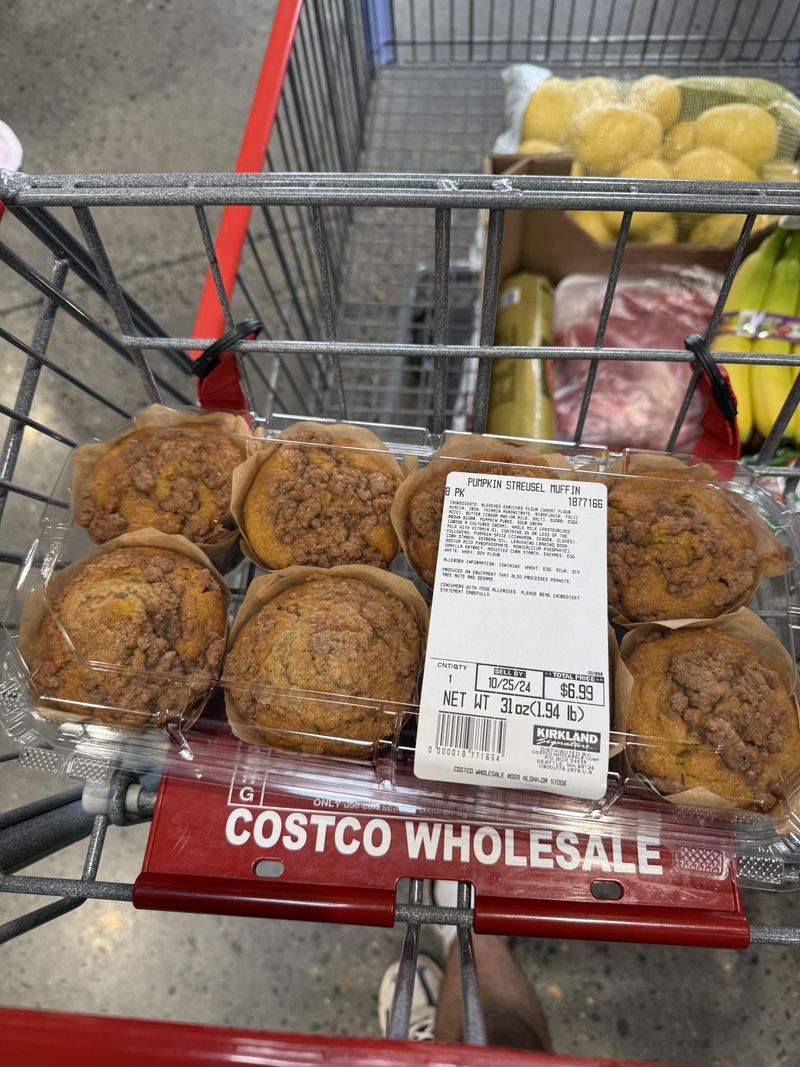
Muffins wear a healthy disguise surprisingly well, often sitting right next to the fruit bowl at coffee shops as if they belong there. A large store-bought muffin can pack nearly 400 calories, made mostly from refined white flour, oil, and heaps of added sugar.
Protein and fiber are nearly nonexistent, making that muffin closer to cake than a nutritious meal. Baking your own at home with oat flour and less sugar gives you far more control over what you are actually eating.
8. Breakfast Bars and Granola Bars
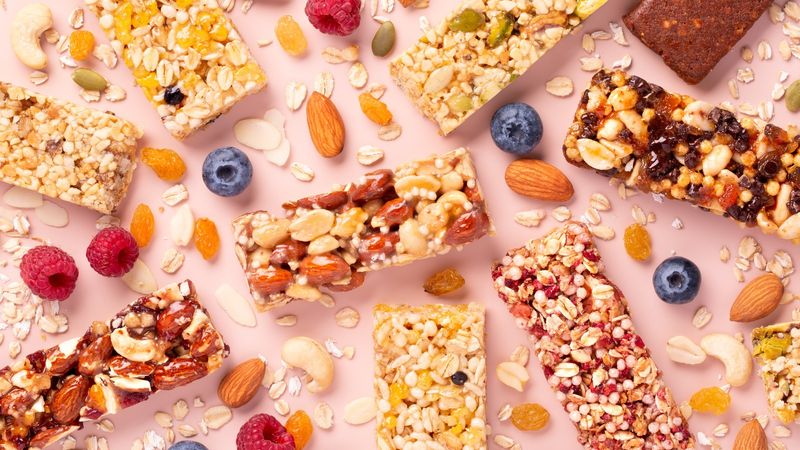
Grab-and-go breakfast bars seem like the perfect solution for busy mornings, but many of them are essentially candy bars wearing a health halo. High amounts of added sugar and unhealthy fats are common, while protein and fiber tend to be low enough to leave you hungry within an hour.
The energy crash that follows can make mid-morning concentration difficult. Reading the nutrition label carefully before buying is the best way to avoid the worst offenders on the shelf.
9. Sugary Coffee Drinks

A flavored latte or mocha can feel like a morning reward, but some of those drinks contain more added sugar in a single cup than the American Heart Association recommends for an entire day. Syrups, whipped cream, and flavored sauces pile on quickly without you even realizing it.
Liquid sugar does not trigger the same fullness signals as food, so the calories barely register. Choosing a plain coffee or unsweetened latte saves significant sugar with almost no sacrifice in enjoyment.
10. Refined White Bagels

Bagels have a loyal fanbase, and honestly, they are delicious. But a standard refined white bagel is essentially several slices of white bread compressed into one dense ring, delivering a heavy load of simple carbohydrates with very little fiber or protein to slow things down.
Add a generous layer of full-fat cream cheese and saturated fat climbs sharply too. Choosing a smaller whole-grain bagel with a lighter topping is an easy upgrade that still satisfies the craving.
11. Buttered White Toast

Toast is one of the simplest breakfasts around, but white bread offers very little beyond refined carbohydrates and a satisfying crunch. Nutrients and fiber are stripped away during processing, meaning blood sugar rises quickly after eating it.
When margarine is used instead of butter, things can get worse because many margarines contain trans fats, widely considered the most harmful type of dietary fat. Switching to whole-grain bread with nut butter adds fiber, protein, and a much steadier energy release throughout the morning.
12. Hash Brown Patties

Crispy hash browns are undeniably satisfying, but the patty version served at fast-food restaurants is typically deep-fried in oil, creating a combination of calories, fat, and refined carbohydrates that adds up fast. A single patty can contribute a surprising chunk of your daily fat intake before 9 a.m.
They also offer almost nothing in terms of vitamins, fiber, or protein. Roasting diced potatoes at home with a little olive oil and seasoning gives you a much more balanced potato fix.
13. Biscuits and Gravy

Biscuits and gravy is a beloved comfort food across the American South, and there is real nostalgia baked into every bite. Nutritionally, though, this dish is a heavy hitter in all the wrong ways, combining refined white flour biscuits with gravy made from high-fat sausage and cream.
The sodium content is also notably high, and the fat load can cause digestive discomfort for many people. Saving this one for special occasions rather than regular mornings is a reasonable approach.
14. Premade Bottled Smoothies
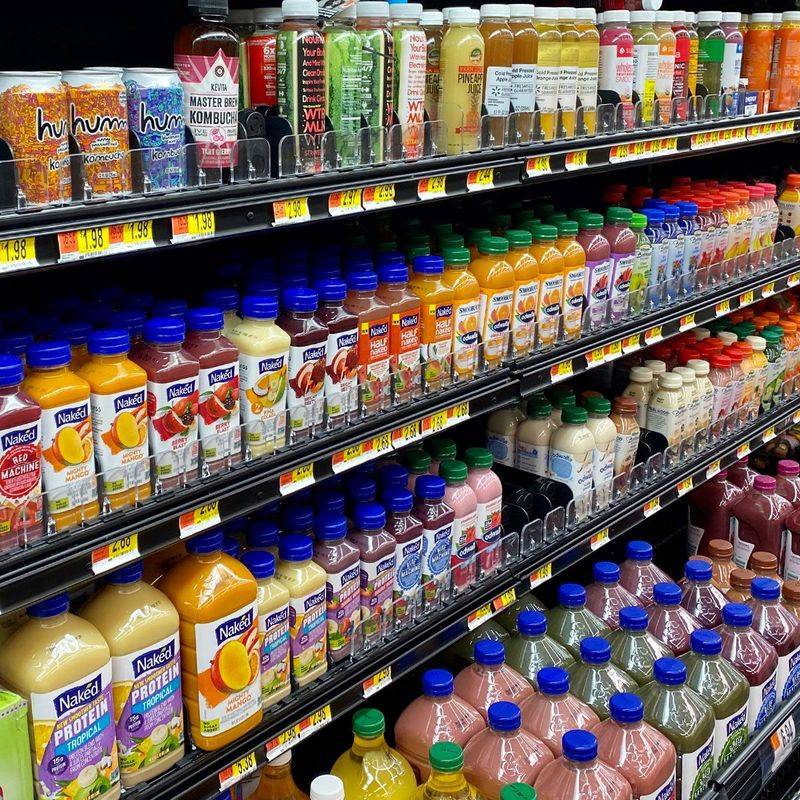
Smoothies made with whole fruits and vegetables at home can be genuinely nutritious, but the bottled versions sold in stores often tell a very different story. Many premade smoothies are loaded with added sugars and fruit concentrates, and the blending process destroys most of the fiber that whole fruits provide.
Without fiber, those sugars hit your system fast. Some bottles also contain multiple servings, meaning people unknowingly drink double the sugar they expected in one sitting.
15. Fast-Food Breakfast Items

Convenience is the whole appeal of fast-food breakfast, and on hectic mornings, that drive-through line can feel like a lifesaver. The trade-off, though, is a meal typically high in calories, saturated fat, sodium, and refined carbohydrates, often all at once in one tidy wrapper.
Regularly starting the day this way can quietly add up to significant long-term health consequences. Prepping simple breakfasts like overnight oats or hard-boiled eggs ahead of time eliminates the need for the drive-through entirely.
16. Flavored Non-Dairy Creamers
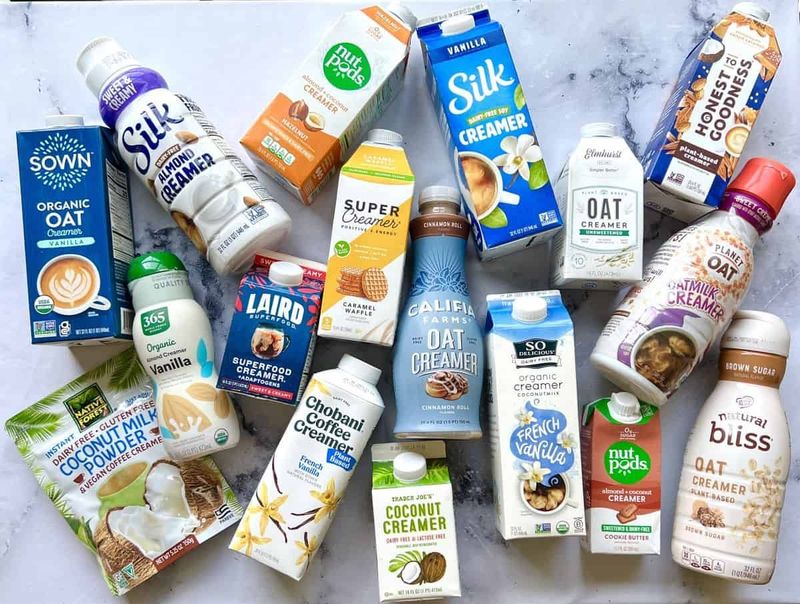
Flavored non-dairy creamers have become a coffee staple for millions of people, but the ingredient list on many popular brands is worth a close look. Partially hydrogenated oils, which are a source of artificial trans fats, show up in some varieties alongside added sugar and artificial sweeteners.
Trans fats are directly linked to increased risk of heart attack and stroke. Opting for a small splash of real milk or an unsweetened plant-based alternative is a simple swap with meaningful long-term benefits.
17. Flavored Instant Oatmeal Packets
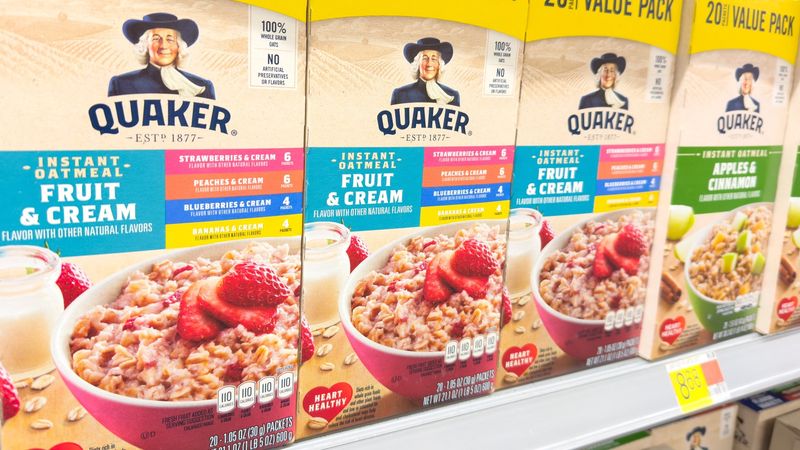
Plain oatmeal is genuinely one of the best breakfast choices you can make, so it seems like the flavored instant packets would be just as good. Surprisingly, many of those convenient packets come loaded with added sugars and artificial flavorings that push the glycemic index much higher than plain oats.
That sugar content turns a slow-burning breakfast into a fast-burning one. Cooking plain rolled oats and adding a drizzle of honey and fresh fruit gives you all the convenience with far better nutrition.
18. Gluten-Free Packaged Breakfast Foods
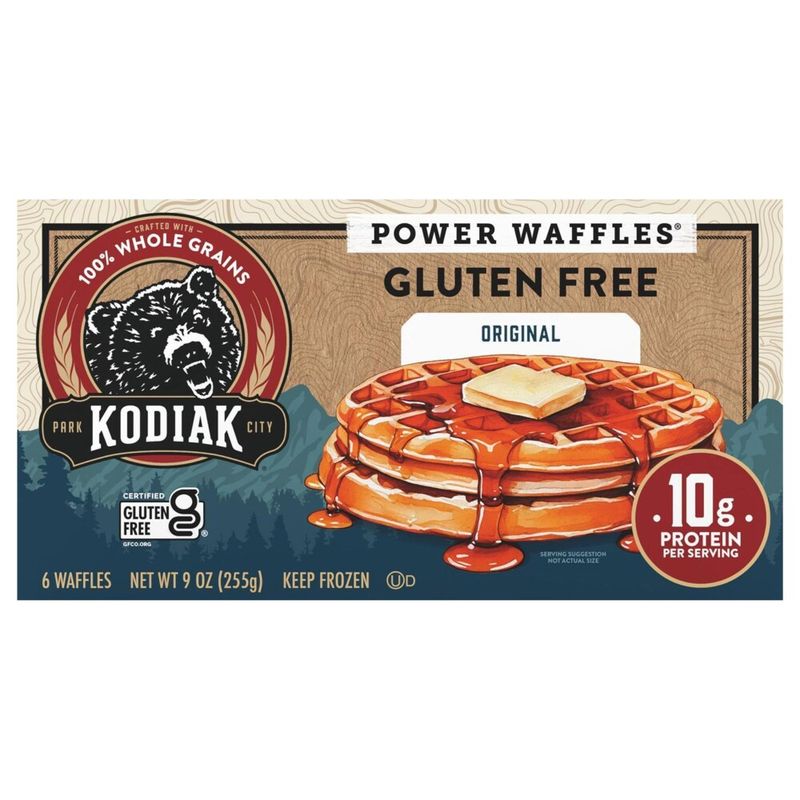
Gluten-free labels have a way of making products feel automatically healthier, but that assumption can backfire at breakfast. Many packaged gluten-free pancakes, muffins, and cereals are made with flours like rice or tapioca that spike blood sugar even faster than regular wheat flour does.
They often contain more added sugar than their gluten-containing counterparts and still lack meaningful protein or fiber. People without celiac disease or gluten sensitivity rarely benefit nutritionally from choosing these products over whole-food alternatives.