
Looney Tunes has been making people laugh for nearly a century, but there is a lot more to these classic cartoons than meets the eye. From surprising origin stories to behind-the-scenes secrets, the history of Looney Tunes is packed with fascinating details.
Whether you grew up watching Bugs Bunny or just love a good cartoon, these facts are sure to change the way you see your favorite animated characters.
1. Looney Tunes Was Built Around Music
Long before Bugs Bunny became a household name, Looney Tunes had a very different mission. The series was originally created to showcase musical compositions that Warner Bros. owned, weaving popular songs from their catalog right into the animated shorts.
Music was not just background noise – it was the whole point. This makes Looney Tunes one of the few cartoon series born from a music library rather than a storytelling idea.
2. Silly Symphonies Sparked the Whole Idea
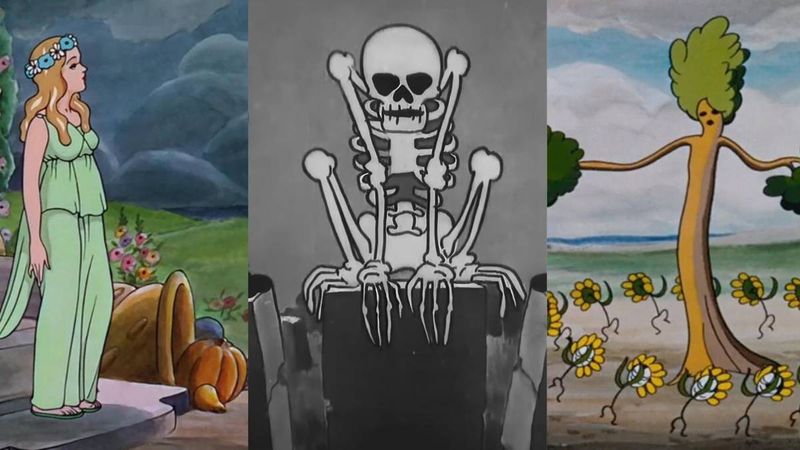
Walt Disney’s “Silly Symphonies” series was so successful that it caught the attention of Warner Bros. executives almost immediately. Both “Looney Tunes” and its sister series “Merrie Melodies” were directly inspired by that Disney concept.
Warner Bros. essentially saw what Disney was doing and decided to create their own musical cartoon brand. Friendly competition in Hollywood has always pushed creativity forward, and this rivalry gave the world two beloved animation legacies.
3. The Very First Short Featured a Character Named Bosko
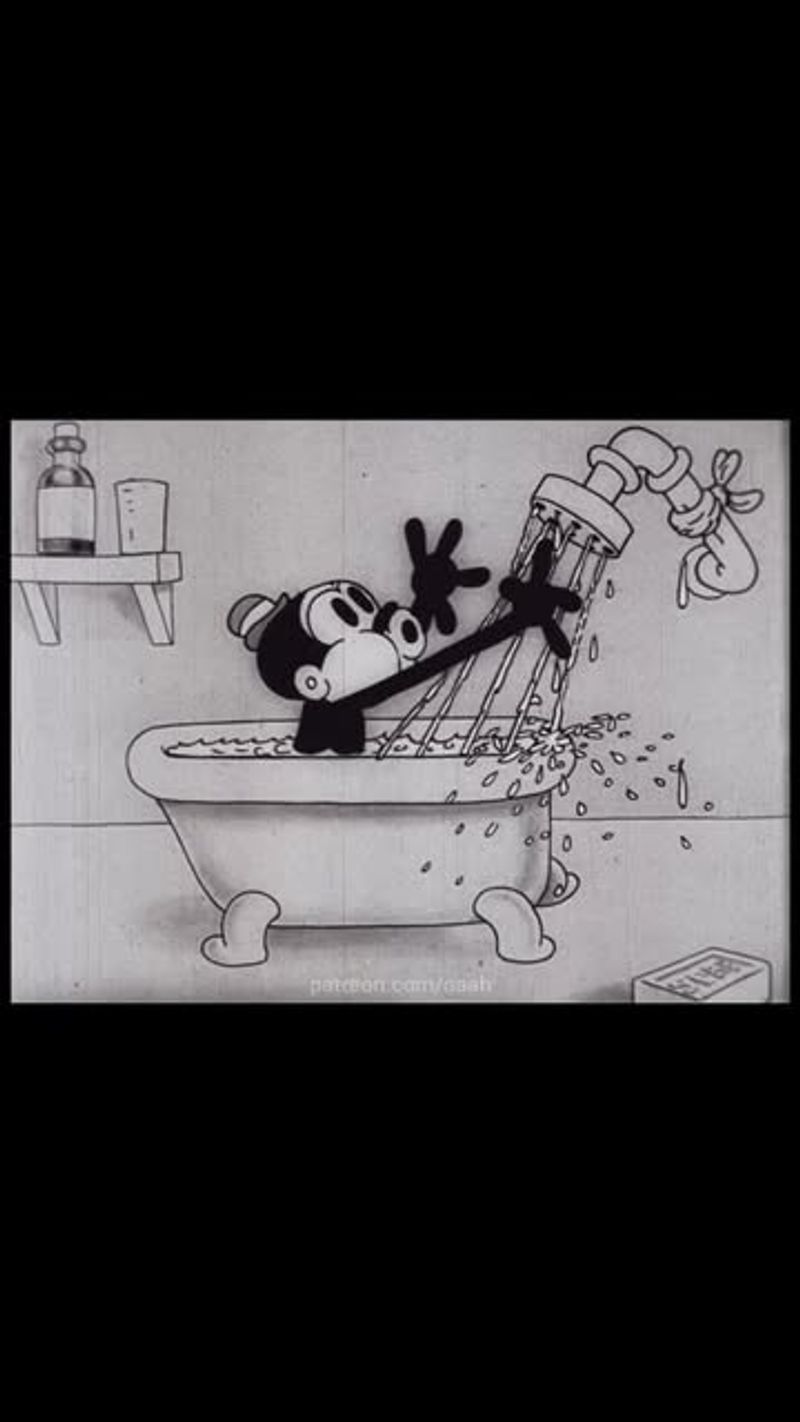
Back in May 1930, a quirky little cartoon called “Sinkin’ in the Bathtub” hit movie screens across America. That short introduced audiences to Bosko, the very first recurring character in the Looney Tunes universe.
Bosko was a cheerful, rubbery character with a musical personality that fit the series perfectly. Few fans today recognize his name, but without him, none of the iconic characters we love might have ever existed.
4. A Budget Fight Led to the Creation of Buddy
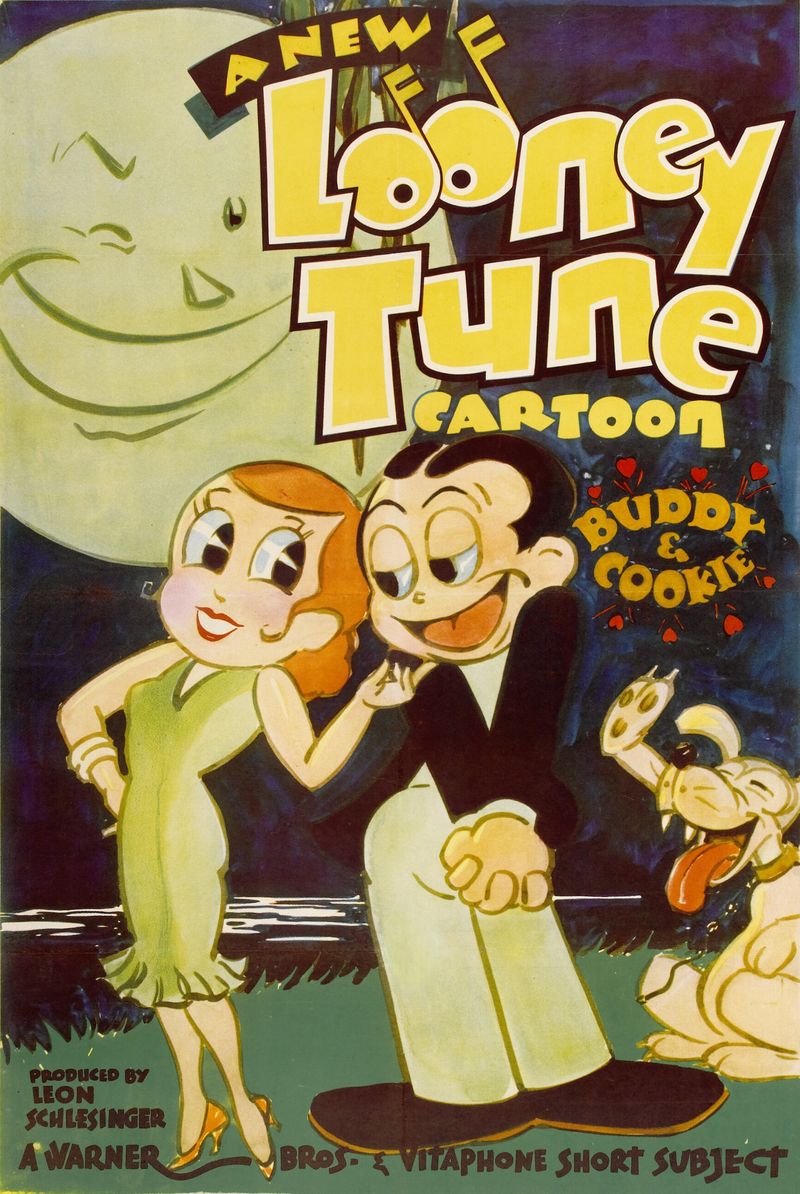
When the original animators behind Bosko had a falling out with Warner Bros. over budget disagreements, they walked out and took the rights to Bosko with them. That left the studio scrambling to fill the gap.
Their solution was Buddy, a bland replacement character who never quite clicked with audiences. Fans and critics alike found him forgettable, and he is often called the least popular character in Looney Tunes history.
Sometimes a bad hire teaches you exactly what you need.
5. Porky Pig Was the First Real Star
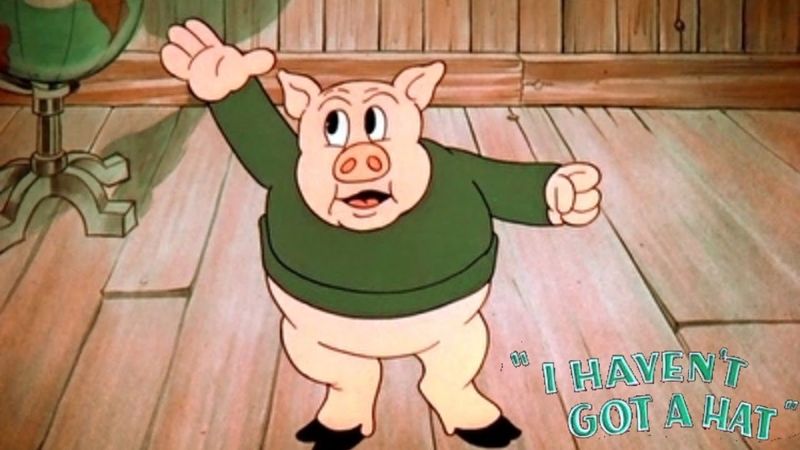
Before Daffy Duck or Bugs Bunny stole the spotlight, there was Porky Pig. He made his debut in the 1935 short “I Haven’t Got a Hat” and quickly became the breakout star that Looney Tunes desperately needed after the Buddy era.
Audiences loved his nervous charm and relatable personality. Porky proved that animated characters did not need to be flashy or loud to win hearts – sometimes a shy, stuttering pig is all it takes.
6. Porky’s Stutter Was Originally Real
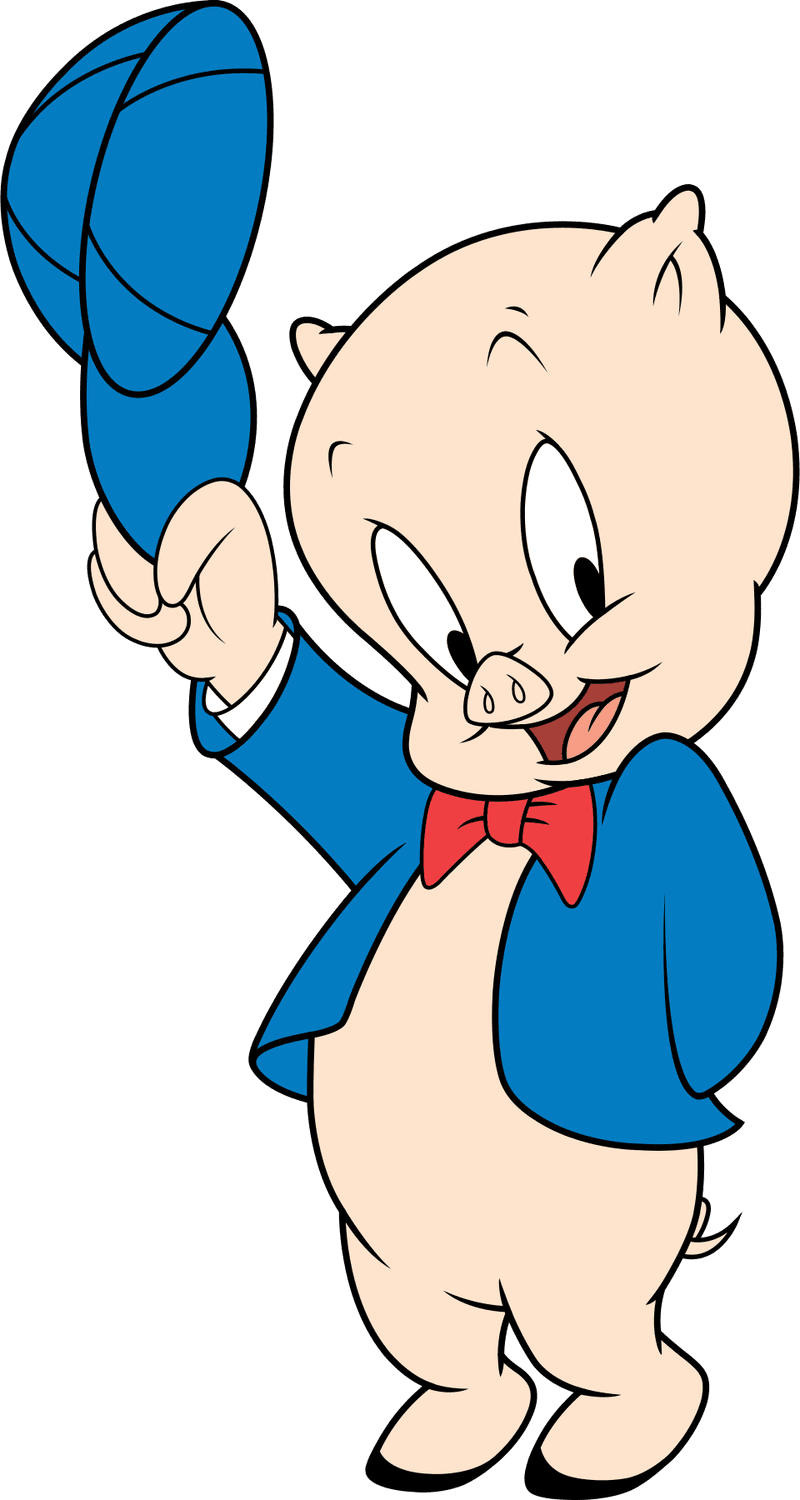
Here is something that might surprise you: Porky Pig’s famous stutter was not invented by a writer. His very first voice actor, Joe Dougherty, had an actual stutter in real life, and it carried straight into the recording booth.
While charming on screen, the real stutter made recording sessions extremely long and expensive. Eventually, the studio replaced Dougherty with Mel Blanc, who could mimic the stutter on command and finish sessions in a fraction of the time.
7. The Studio Was Nicknamed Termite Terrace
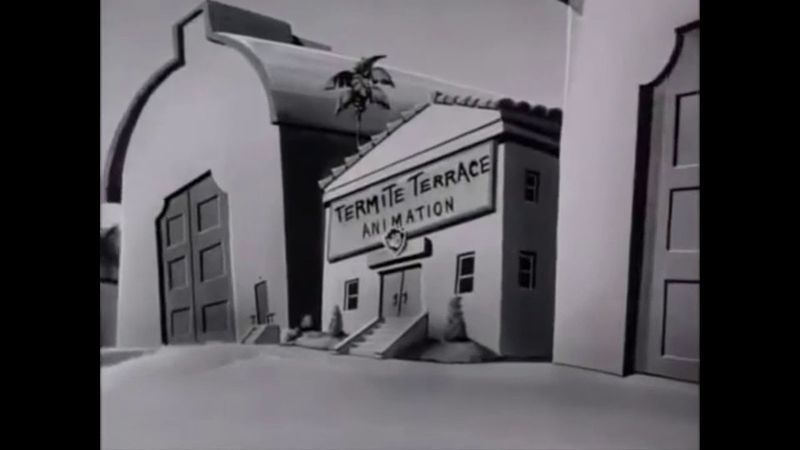
The place where some of the most beloved cartoons in history were created was anything but glamorous. Warner Bros.’ animation studio earned the unflattering nickname “Termite Terrace” because the building was in rough shape – and yes, actual termites were part of the problem.
Despite the humble conditions, the creative energy inside that building was electric. The animators who worked there produced legendary characters that have lasted nearly a century, proving that great art does not require a fancy workspace.
8. Mel Blanc Voiced Almost Every Major Character
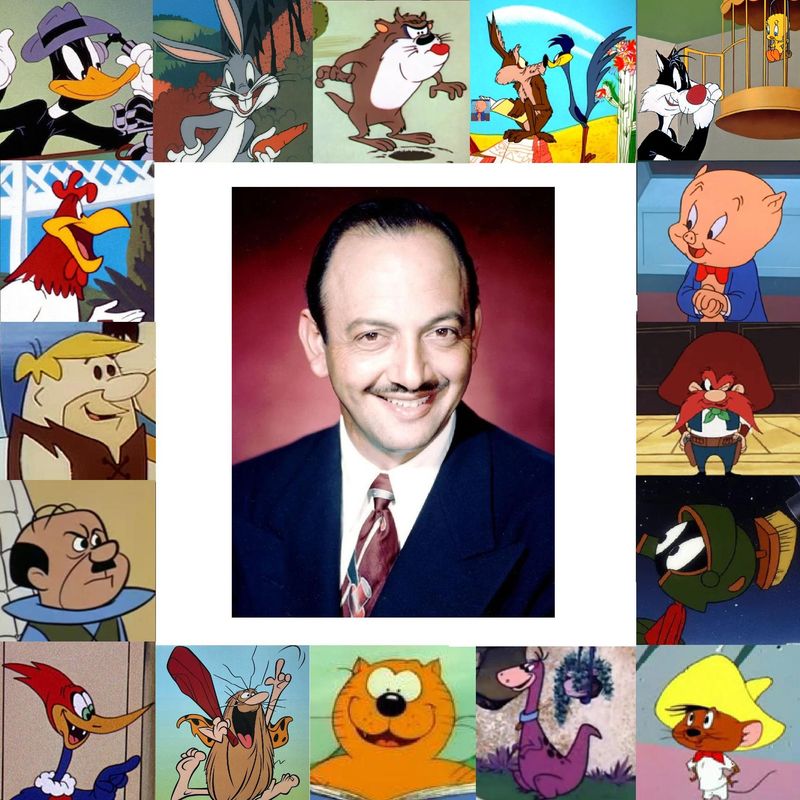
Mel Blanc is one of the most talented voice actors who ever lived. Known as “The Man of a Thousand Voices,” he provided the voices for nearly all the major Looney Tunes characters from 1936 until his death in 1989.
Bugs Bunny, Daffy Duck, Porky Pig, Tweety, Sylvester – Blanc voiced them all. The sheer range he brought to each character made them feel completely different, even though one man was behind them all.
9. Mel Blanc’s Gravestone Has a Famous Last Line
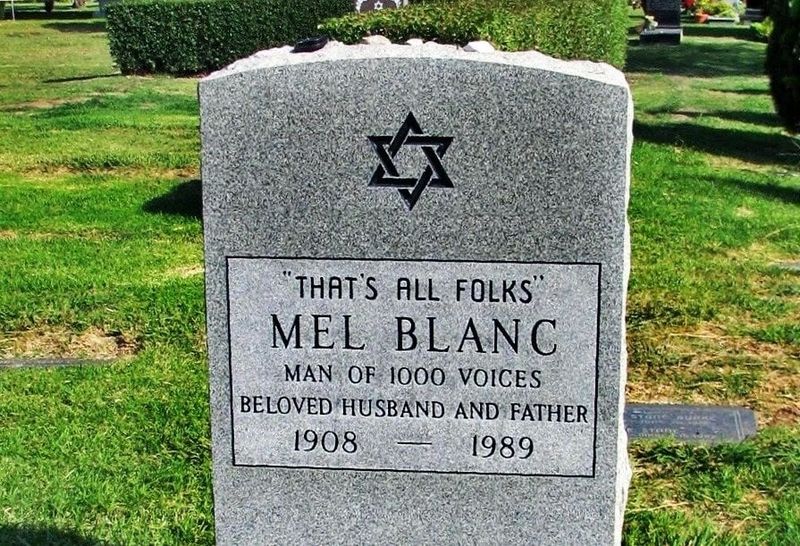
When Mel Blanc passed away in 1989, his legacy was honored in the most fitting way possible. His gravestone is inscribed with the iconic Looney Tunes closing line: “THAT’S ALL FOLKS.”
It is a touching tribute that captures his entire career in just three words. Fans who visit the grave often smile through their tears, because the inscription feels exactly like something Blanc himself would have chosen.
Few people get to sign off on life quite so perfectly.
10. Bugs Bunny’s Personality Was Locked In During 1940
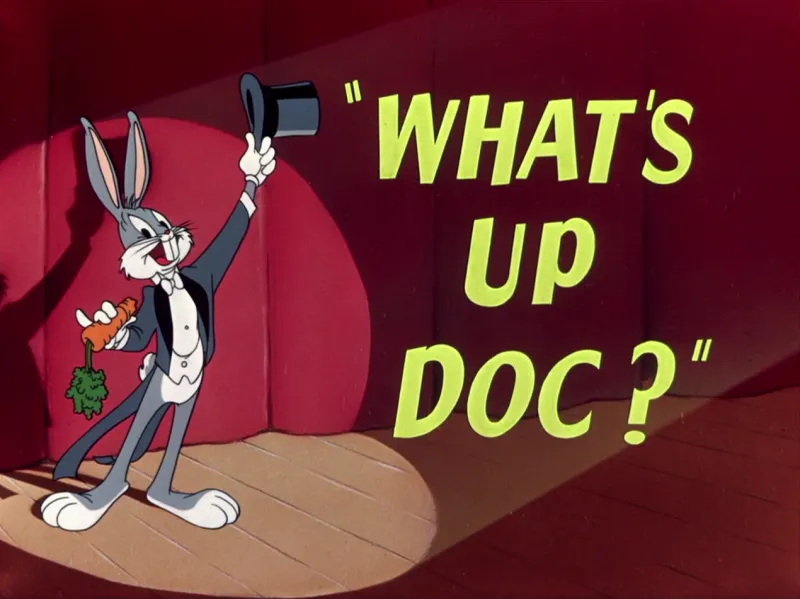
Bugs Bunny appeared in earlier shorts, but his full personality did not click into place until the 1940 short “A Wild Hare.” That is where his Brooklyn accent, his cool confidence, and his now-legendary catchphrase “What’s up, Doc?” all came together for the first time.
Before that short, Bugs felt unfinished. “A Wild Hare” is widely considered the true birth of the Bugs Bunny we know today, and it remains one of the most important cartoons ever made.
11. Bugs Bunny Has a Star on the Hollywood Walk of Fame
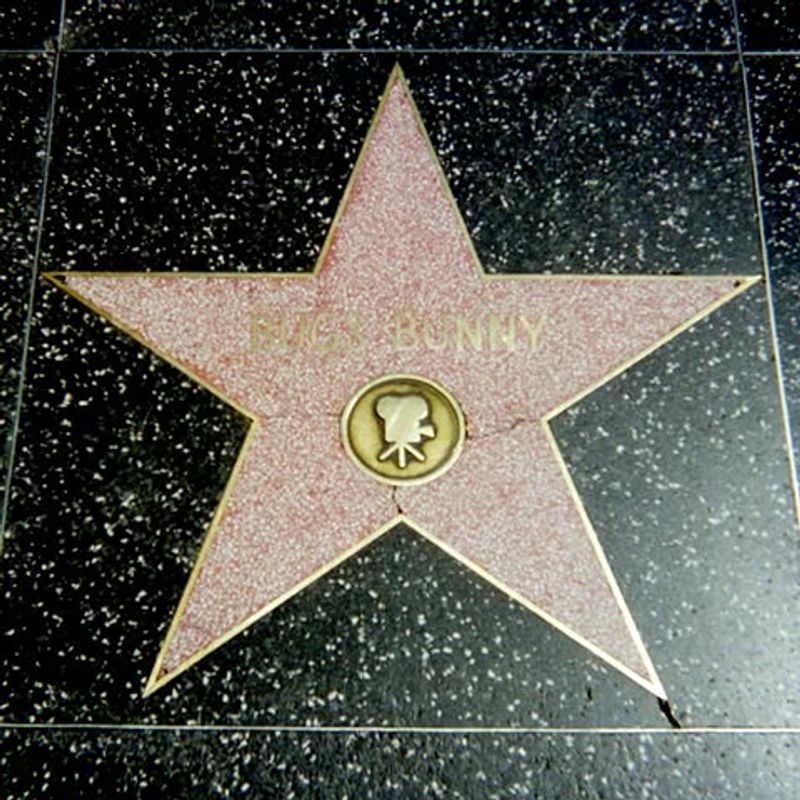
Not many cartoon characters can claim the same honor as real Hollywood legends, but Bugs Bunny is one of them. He holds a star on the Hollywood Walk of Fame, a recognition usually reserved for human entertainers.
On top of that, Bugs is recognized as the 9th-most portrayed film personality in the world. That puts him ahead of plenty of real actors.
For a cartoon rabbit who loves carrots, that is a pretty remarkable achievement.
12. Bugs Bunny Changed the Meaning of the Word Nimrod
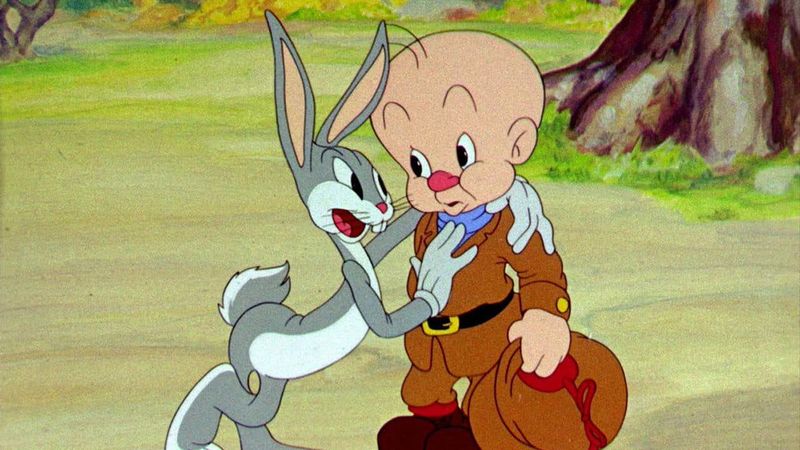
Words can change meaning over time, and Bugs Bunny accidentally caused one of the most famous shifts in modern slang. In multiple cartoons, Bugs sarcastically called the bumbling Elmer Fudd a “nimrod” – even though the word originally meant a mighty, skilled hunter from biblical lore.
Younger generations who grew up watching those cartoons absorbed the sarcastic meaning instead of the original one. Today, most people use “nimrod” to mean a foolish or incompetent person, all thanks to a wise-cracking rabbit.
13. Taz Only Appeared in Five Theatrical Shorts
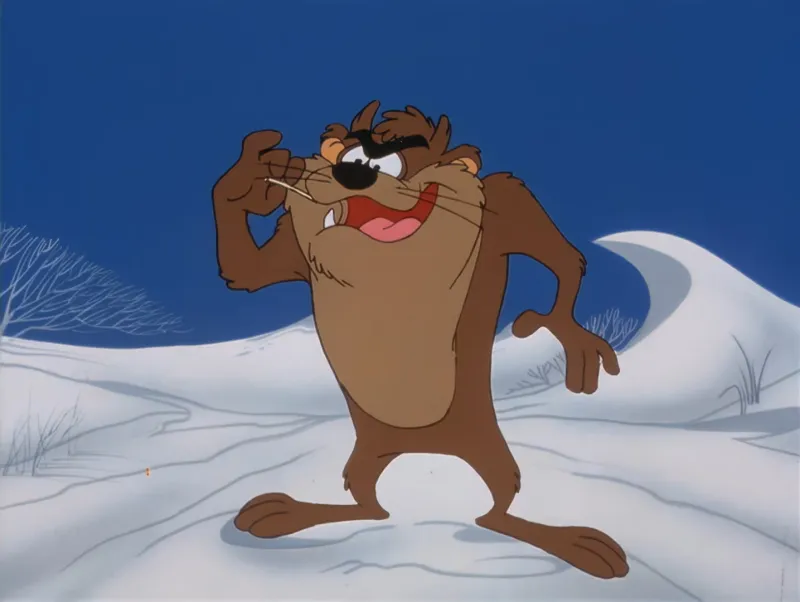
Taz the Tasmanian Devil has one of the most recognizable faces in cartoon history, which makes this fact all the more surprising. During the entire original run of Looney Tunes theatrical shorts, Taz appeared in only five films.
That is an incredibly small number for such an iconic character. His massive popularity came largely from merchandise and later TV appearances rather than screen time.
Sometimes all it takes is a spinning, growling first impression to make a permanent mark.
14. Tweety Bird Was Originally Featherless
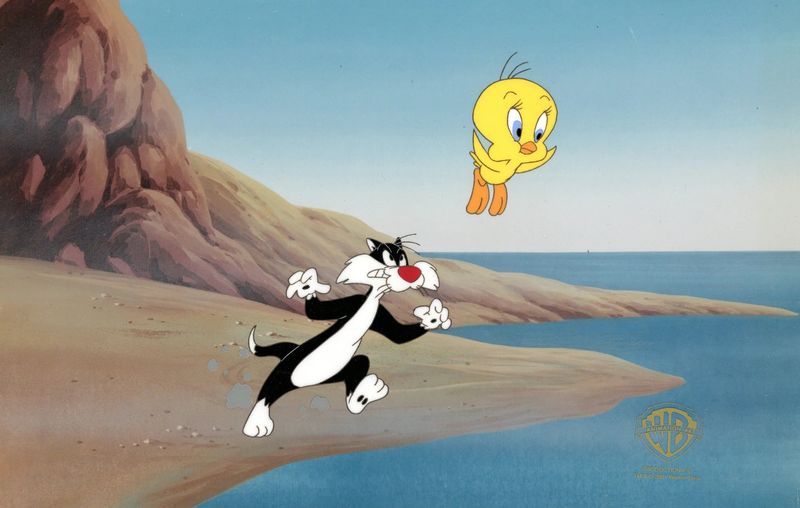
Tweety Bird’s original design was a lot more controversial than the fluffy yellow canary fans know today. The character was first drawn without any feathers at all, showing bare pink skin underneath.
Censors were not happy about it, arguing that a naked bird was inappropriate. Canary feathers were added to satisfy the complaint, which also gave Tweety that signature bright yellow look.
It is funny to think that a censor’s objection accidentally created one of the most iconic color schemes in cartoon history.
15. Wile E. Coyote Cartoons Had Official Rules
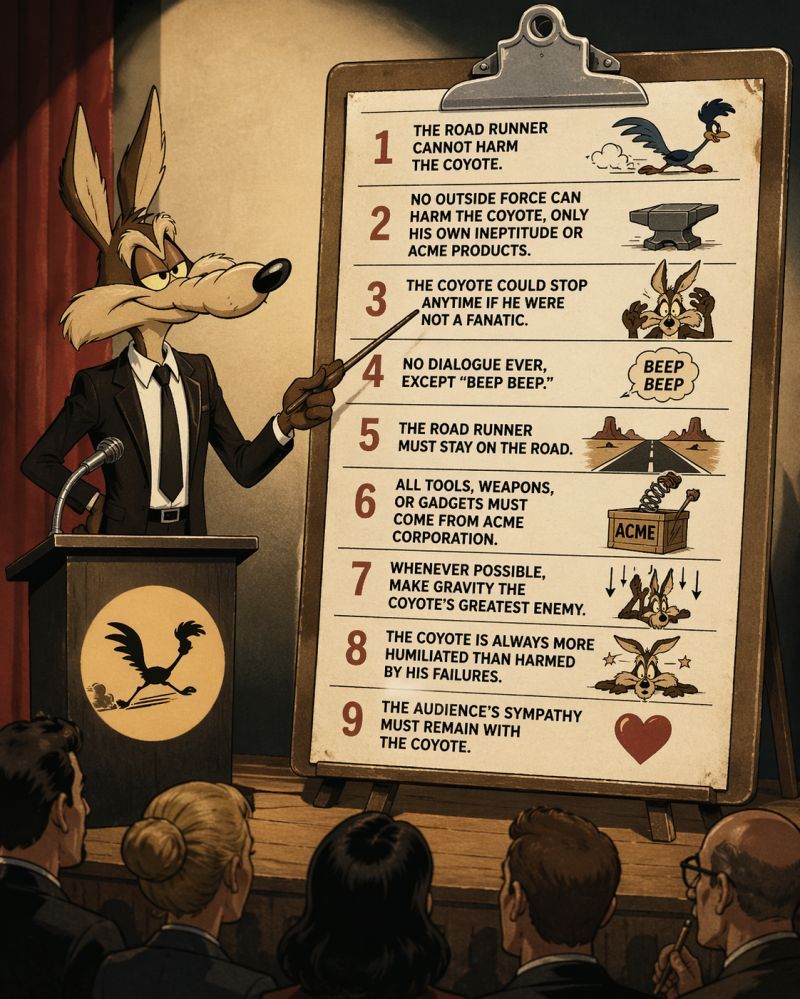
Chuck Jones, the creative genius behind Wile E. Coyote and Road Runner, did not just wing it.
He established a strict set of rules that every cartoon in the series had to follow.
The Road Runner could never leave the road. The Coyote could only be defeated by his own ACME products.
And gravity could only affect Wile E. after he noticed he was in trouble. These rules gave the cartoons a consistent, almost poetic rhythm that made each one satisfying to watch.
16. Looney Tunes Has Won Multiple Academy Awards
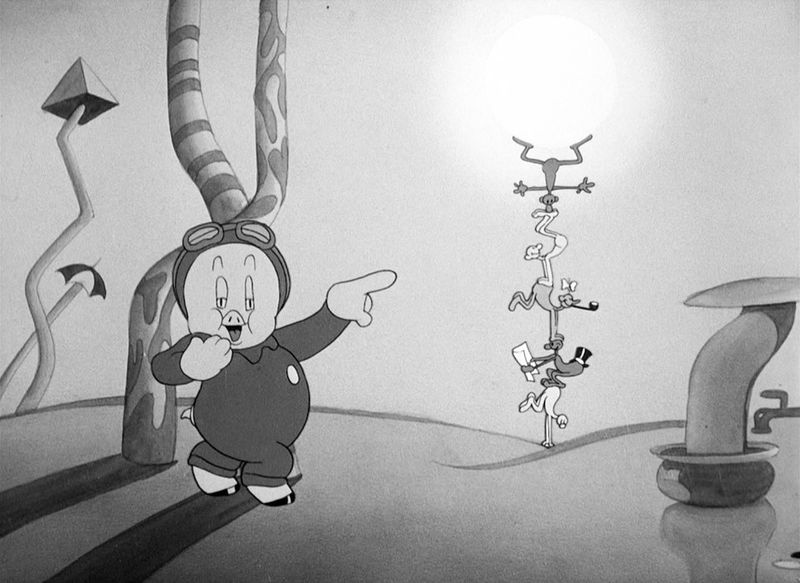
Looney Tunes was not just popular – it was award-winning. The series picked up multiple Academy Awards for Best Short Subject in the Cartoon category over the years, cementing its place as a genuinely respected art form.
One standout short, “Porky in Wackyland” from 1938, was later inducted into the National Film Registry for being culturally significant. That honor places it alongside some of the most important films ever made in American cinema history.
17. Warner Bros. Demanded Equal Screen Time in Who Framed Roger Rabbit
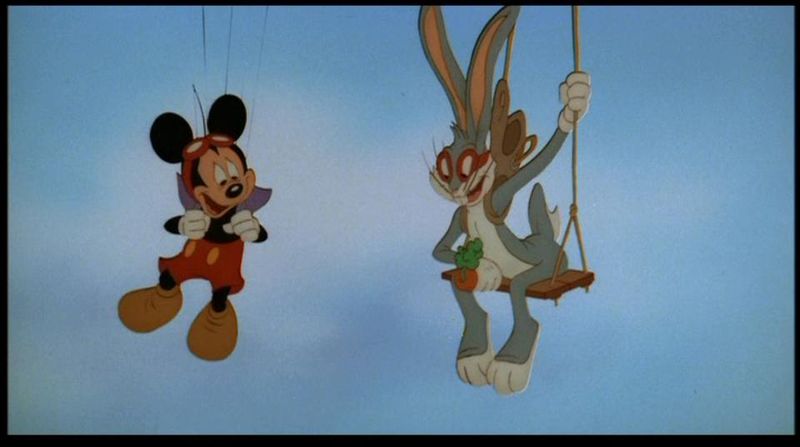
When “Who Framed Roger Rabbit” was in production, Warner Bros. was not about to let their beloved characters play second fiddle to Mickey Mouse. The studio inserted a contractual requirement that ensured their characters received equal screen time and equal importance compared to Disney’s characters.
That is why you see Bugs Bunny and Daffy Duck sharing scenes with Mickey and Donald. The behind-the-scenes negotiation was just as entertaining as the movie itself, in its own corporate way.
18. Early Cartoons Were Made for Adult Audiences
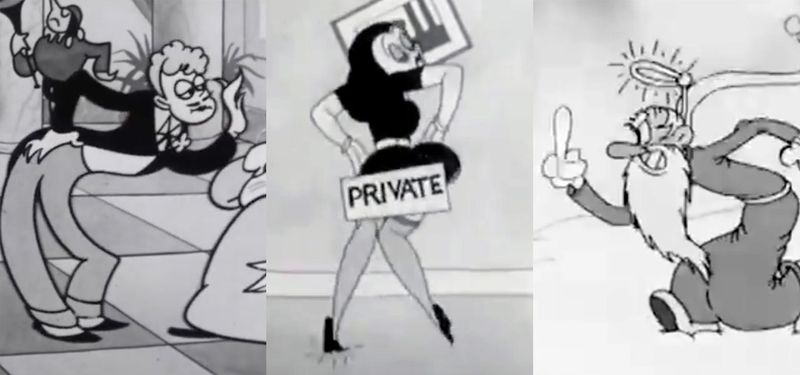
Many people assume cartoons were always made for kids, but early Looney Tunes shorts were screened in movie theaters before adult feature films. The humor was written with grown-ups in mind, including references to drinking, smoking, and more uninhibited slapstick violence.
When the cartoons eventually moved to television, many of those moments were edited out or censored entirely. What kids watched on Saturday mornings was actually a tamed-down version of cartoons that adults had originally enjoyed at the cinema.
19. The Road Runner’s Beep Beep Was a Happy Accident
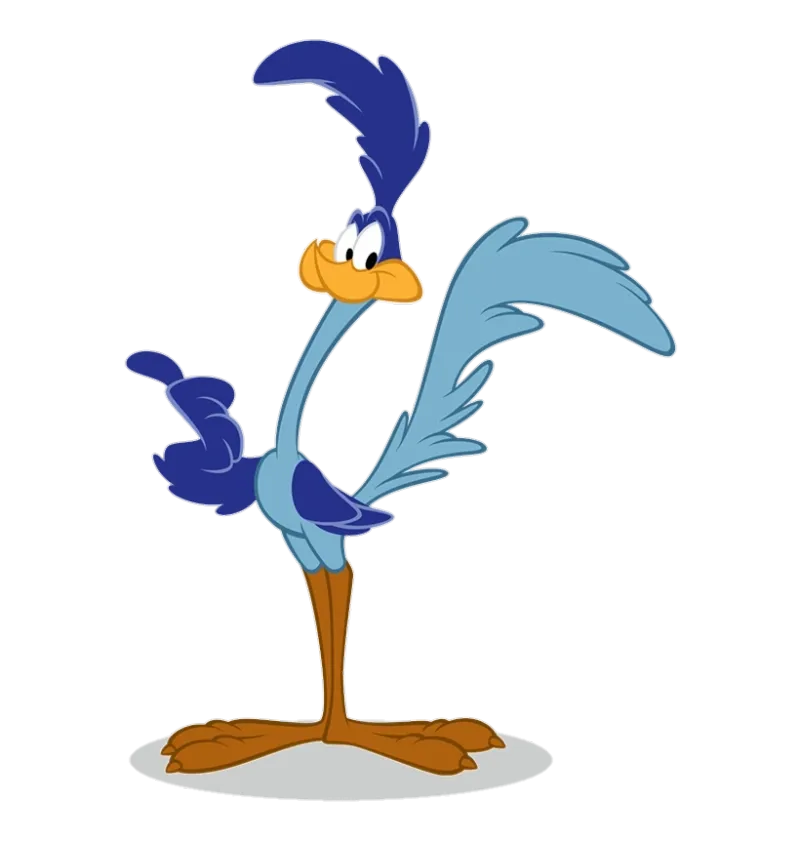
That unforgettable “beep beep” sound did not come from a sound effects library or a trained voice actor. It was improvised by Warner Bros. background artist Paul Julian, who used the noise to warn coworkers to move out of the way while he pushed a painting cart through studio hallways.
Someone heard it and thought it was perfect for the Road Runner. Julian never expected to contribute one of the most recognizable sounds in cartoon history just by trying not to bump into people.