
Not every great movie gets the love it deserves right away. Some films crash at the box office, leaving studios disappointed and audiences confused, only to rise from the ashes years later as beloved classics.
From sci-fi masterpieces to holiday staples, these movies prove that a slow start doesn’t mean the story is over. Sometimes, the world just needs a little time to catch up.
1. Blade Runner (1982)
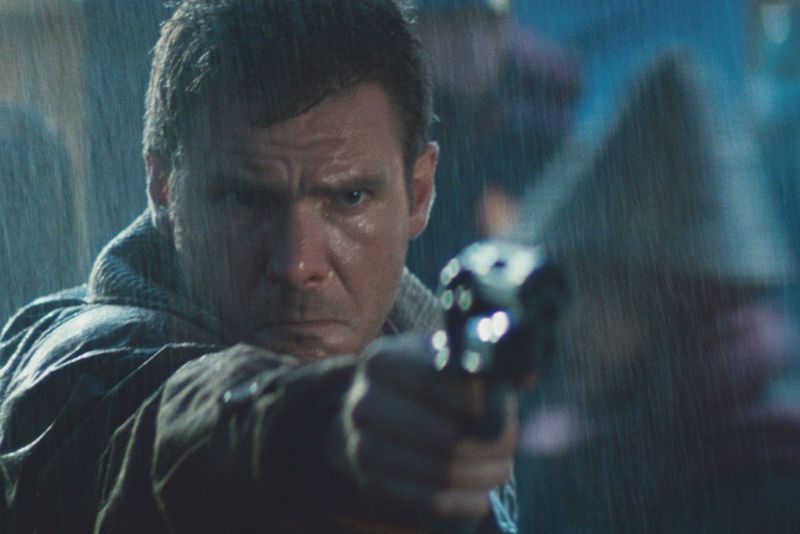
Imagine earning barely $5 million more than your production budget and being called a disappointment. That was Blade Runner’s harsh reality in 1982.
Competing against E.T. and Star Trek II, it barely made a ripple at the box office.
Over time, audiences discovered its stunning visuals and deep questions about what it means to be human. Today, it’s called the most influential science fiction film ever made and a foundational cyberpunk text.
2. The Rocky Horror Picture Show (1975)
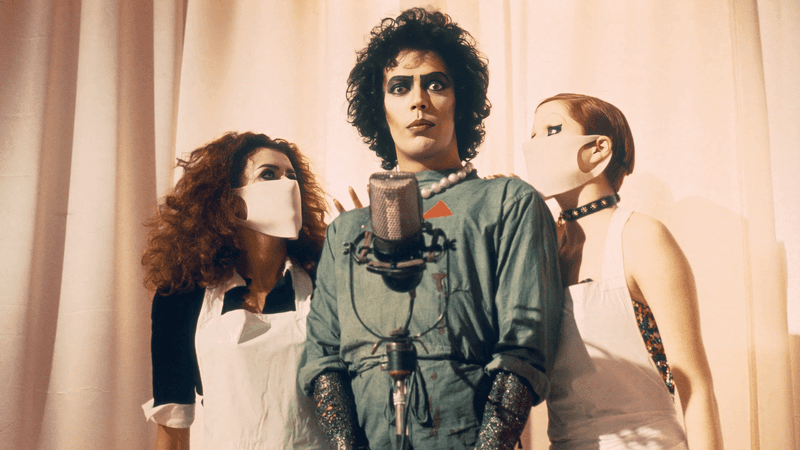
Few films have inspired audiences to dress up, sing along, and throw toast at a movie screen. Rocky Horror bombed completely when it first opened, leaving theaters empty and studios scratching their heads.
Word spread slowly but powerfully through midnight screenings, home video, and TV airings. Decades later, it remains one of the most beloved cult films ever made, with fans still performing alongside it in theaters worldwide.
3. Fight Club (1999)
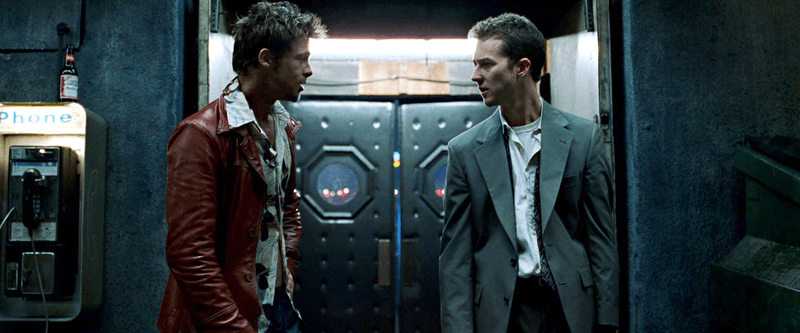
The first rule of Fight Club? Apparently, nobody talked about it at the box office.
Its domestic take was a slim $37 million, largely because misleading marketing sold it as a pure action film rather than the sharp social commentary it truly was.
When the DVD dropped, everything changed. Fight Club made another $100 million on home video, and critics rushed to revisit it.
It’s now a defining film of Generation X pop culture.
4. The Shawshank Redemption (1994)
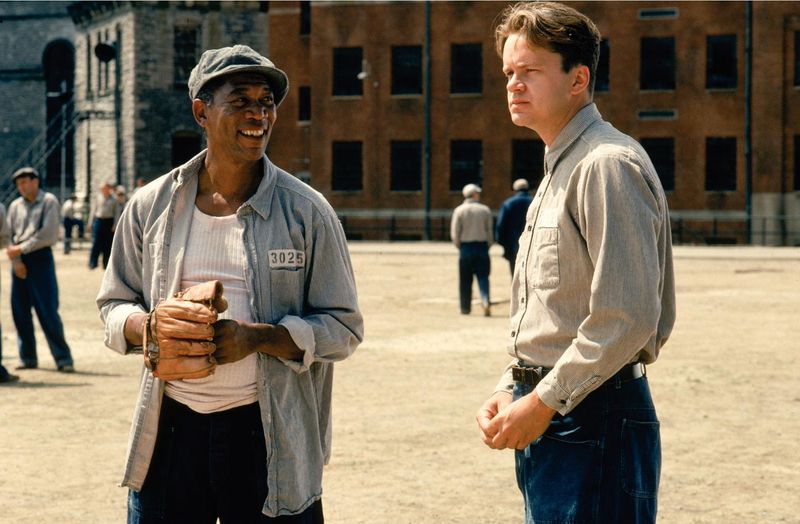
On its opening weekend, The Shawshank Redemption earned less than $1 million. Sandwiched between Pulp Fiction and Forrest Gump, it barely got noticed, and its unusual title confused casual moviegoers even further.
Home video gave it a second life. People passed the tape around, recommended it to friends, and suddenly everyone had seen it.
It climbed all the way to the top of IMDb’s Top 250, where it has held firm ever since.
5. Donnie Darko (2001)
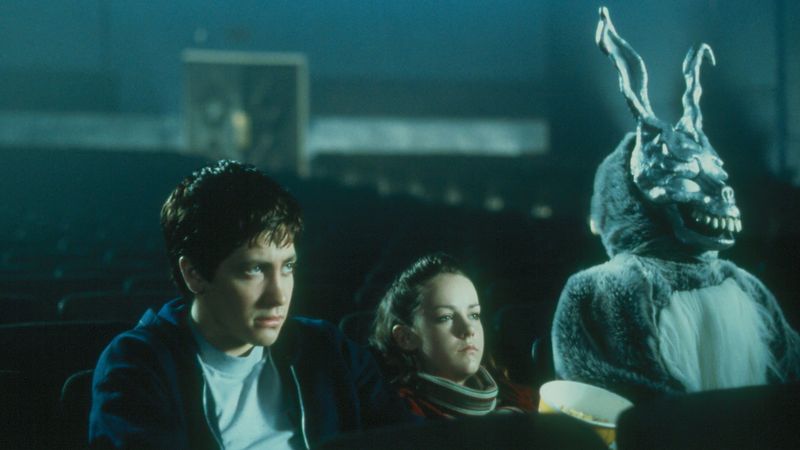
Only $518,000 at the domestic box office. For a film as ambitious and strange as Donnie Darko, that number felt almost poetic.
Released just weeks after September 11, 2001, its dark themes hit theaters at the worst possible time.
College students discovered it on DVD and couldn’t stop talking about it. The mysterious time-travel plot, the haunting rabbit, and Jake Gyllenhaal’s performance turned it into a cult phenomenon that still sparks heated debates today.
6. Scott Pilgrim vs. the World (2010)
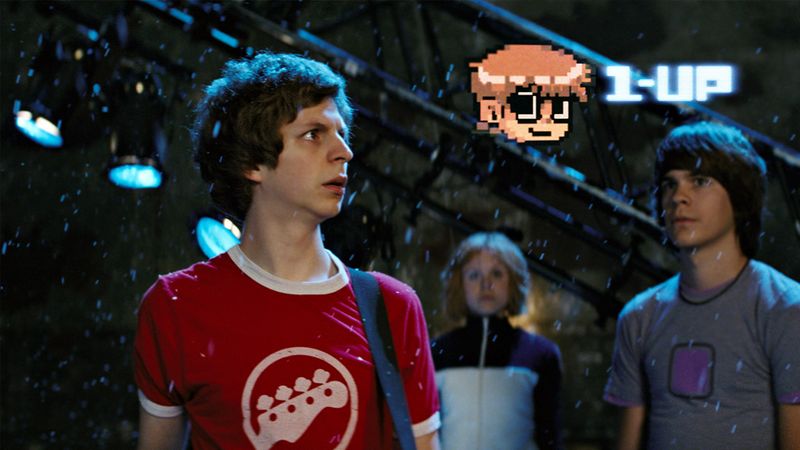
Scott Pilgrim vs. the World is basically a love letter to video games, comic books, and indie music all rolled into one film. Studios expected a hit.
Instead, it flopped hard, failing to connect with mainstream audiences who weren’t quite ready for its hyper-stylized format.
Younger fans found it on streaming and home video and absolutely lost their minds over it. Its quirky humor and jaw-dropping visual creativity earned it a fiercely loyal fanbase that grows bigger every year.
7. Hocus Pocus (1993)
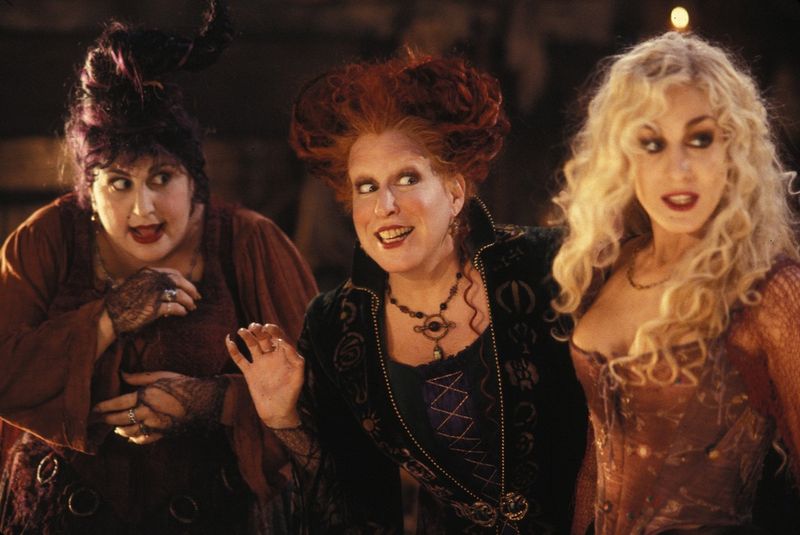
Back in 1993, Hocus Pocus opened in July and confused everyone. Critics shrugged, and audiences stayed home.
A Halloween movie released in summer? Nobody quite knew what to do with it.
Disney Channel saved it. Annual Halloween airings introduced the film to new generations of kids who fell completely in love with the Sanderson sisters.
By the 2010s, it had become one of the most-watched Halloween movies of all time, earning a sequel in 2022.
8. Mulholland Drive (2001)
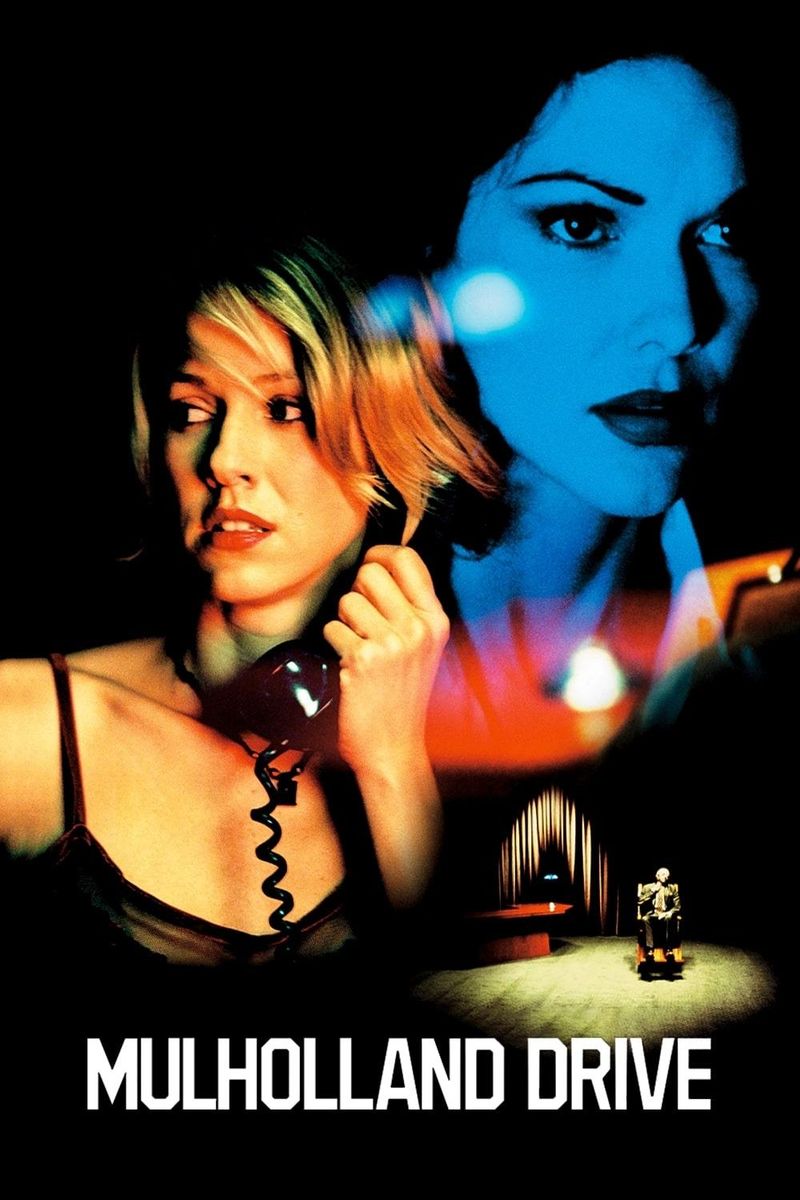
David Lynch doesn’t make easy movies, and Mulholland Drive is no exception. Grossing just $20 million on a $15 million budget, it puzzled audiences who expected a straightforward thriller and instead got one of cinema’s most hypnotic mysteries.
Film critics and scholars kept returning to it, peeling back its layers. By the 2022 Sight and Sound poll, it had climbed to eighth place among the greatest films ever made, a remarkable reversal of fortune from its quiet theatrical run.
9. The Iron Giant (1999)
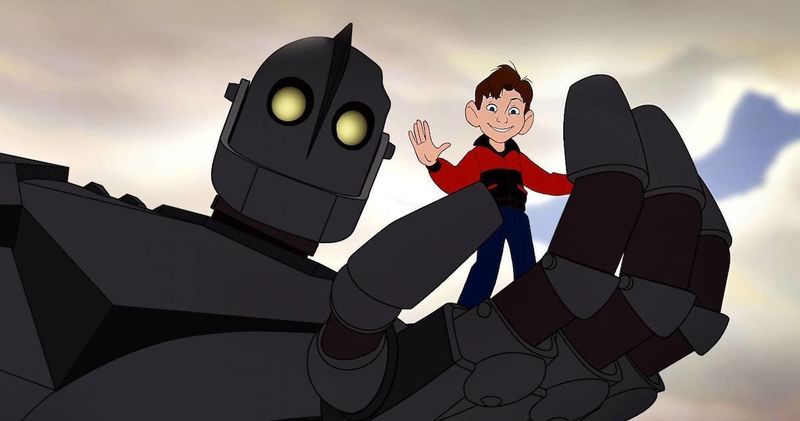
Warner Bros. barely advertised The Iron Giant, and the results showed. It opened in ninth place with around $5 million, a heartbreaking result for a film that critics were already calling a masterpiece of animation.
Parents who found it on VHS shared it with their kids, who grew up and shared it with their own children. Its message about identity, sacrifice, and choosing who you want to be has made it one of the most emotionally resonant animated films ever created.
10. The Thing (1982)
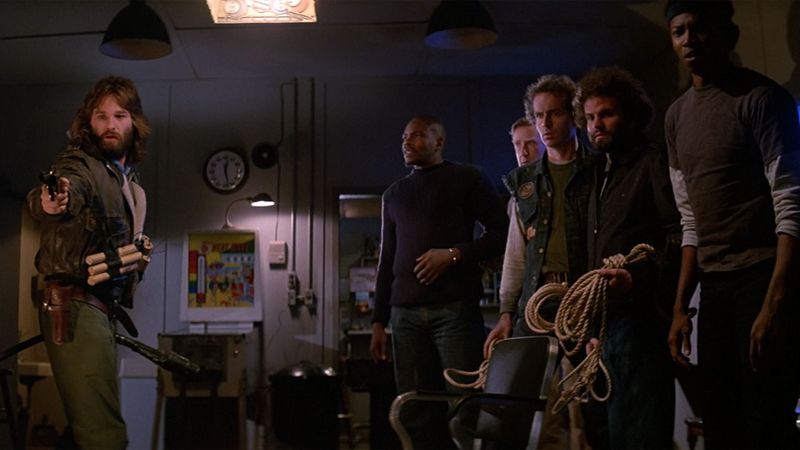
John Carpenter’s The Thing was practically booed out of theaters in 1982. Critics hated its gory special effects, and audiences chose the warmth of E.T. over its icy, paranoid horror.
It made roughly $19 million worldwide against a $14 million budget.
Horror fans gradually recognized what Carpenter had actually made. The practical creature effects, the suffocating tension, and the ambiguous ending slowly earned it a legendary reputation.
It’s now considered one of the greatest horror films ever produced.
11. Office Space (1999)
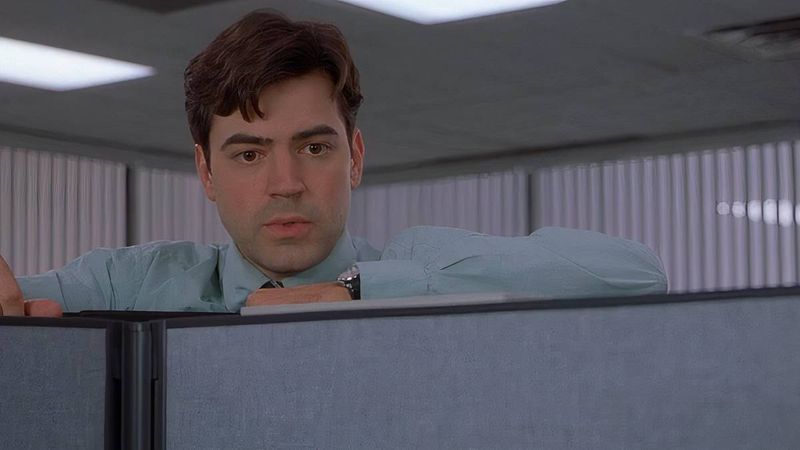
Office Space made just $12.2 million at the box office, barely covering its $10 million budget and leaving 20th Century Fox with a loss after marketing expenses. A misguided ad campaign made it look like a generic workplace comedy.
Then DVD happened. Anyone who had ever suffered through a soul-crushing cubicle job immediately recognized themselves on screen.
It became one of the best-selling comedy DVDs of its era, making an extra $7.6 million and cementing its status as a workplace satire masterpiece.
12. Big Trouble in Little China (1986)
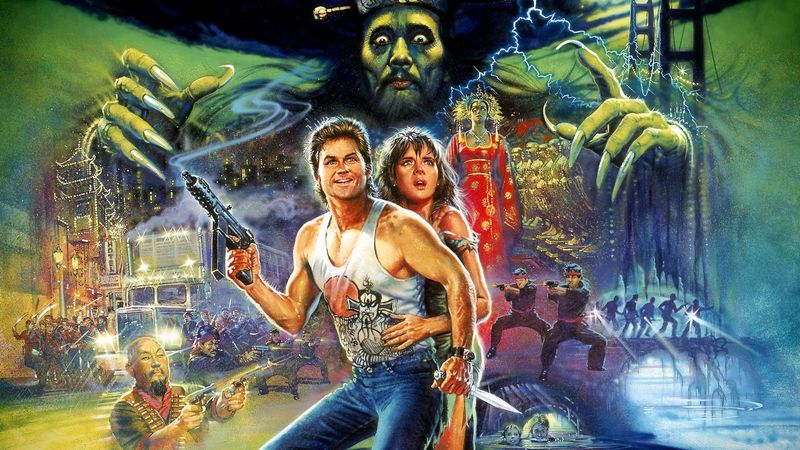
Kurt Russell strutting around thinking he’s the hero when he’s basically the sidekick is the whole charm of Big Trouble in Little China. Rushed into production after Highlander took its original director, the film earned just $11.1 million against a $25 million budget.
Home video audiences ate it up. Its wild blend of action, comedy, and Chinese mythology felt unlike anything else from the 1980s.
Today it stands as one of the decade’s most rewatchable and quotable cult favorites.
13. Citizen Kane (1941)
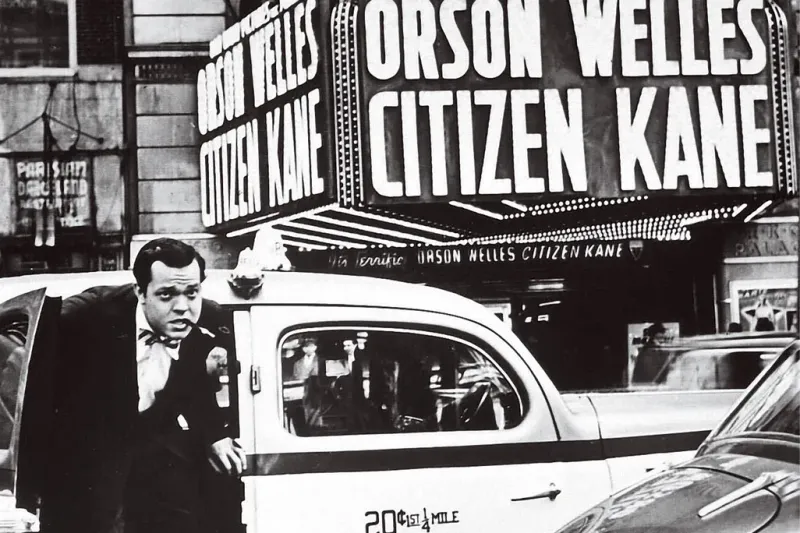
Citizen Kane lost around $160,000 when it first released in 1941, a significant sum for the era. Powerful newspaper tycoon William Randolph Hearst, on whom the main character was based, reportedly pressured theaters to avoid screening it, damaging its early reach considerably.
Decades of film scholars, directors, and critics revisited it and declared it a revelation. Its innovative camera techniques and nonlinear storytelling rewrote the rulebook for filmmaking.
It is now frequently called the single greatest film ever made.
14. Willy Wonka and the Chocolate Factory (1971)
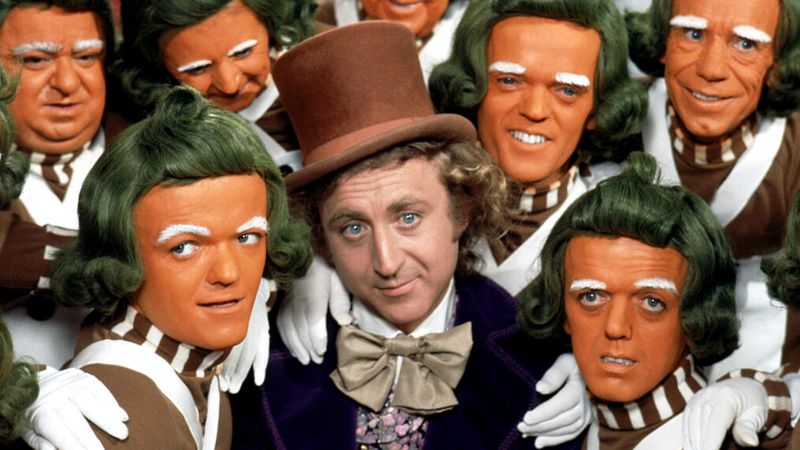
Gene Wilder’s unsettling charm made Willy Wonka a character unlike any other in children’s cinema. Yet the film barely cleared its $3 million budget upon release, with parents reportedly hesitant about its dark undertones and strange dream-logic sequences.
Television syndication changed everything. Kids growing up in the late 1970s and 1980s watched it repeatedly during school holidays until every song and line was memorized.
Today it’s considered an essential, irreplaceable piece of childhood entertainment that no remake has managed to replace.
15. It’s a Wonderful Life (1946)
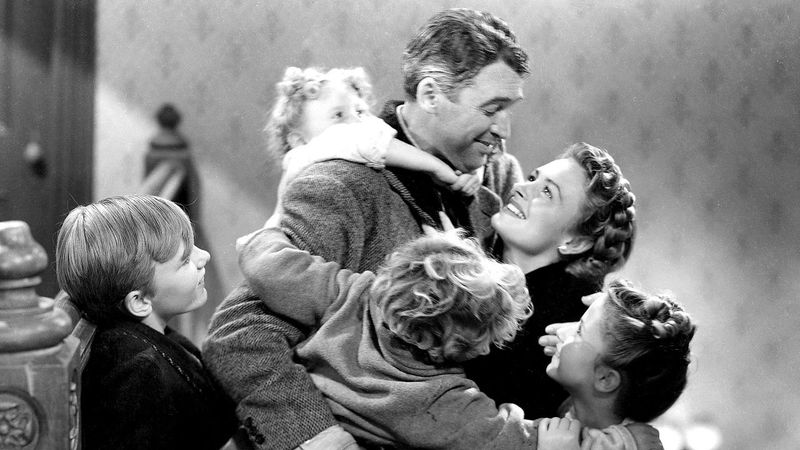
Frank Capra’s production company nearly went bankrupt over this film. It’s a Wonderful Life scraped back its $3.18 million budget with just $3.3 million in ticket sales, and after advertising and distribution costs, it was firmly in the red.
When its copyright lapsed in the 1970s, TV stations began airing it for free every Christmas. Families gathered around the screen year after year, and it slowly became the definitive holiday film.
Now it feels impossible to imagine December without it.
16. The Wizard of Oz (1939)
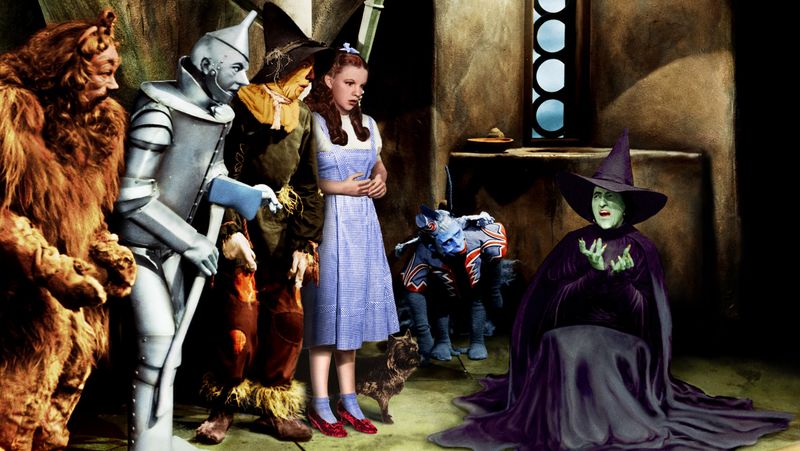
At $2.78 million, The Wizard of Oz was the second most expensive film ever made at the time of its release. It grossed only $3 million on its initial run, and MGM didn’t fully recoup its investment until a full decade later in 1949.
Everything shifted when it began airing on television in the late 1950s. Entire families watched together, season after season.
It is now recognized as the most widely watched film in human history, a staggering legacy for a movie that once lost money.
17. Children of Men (2006)
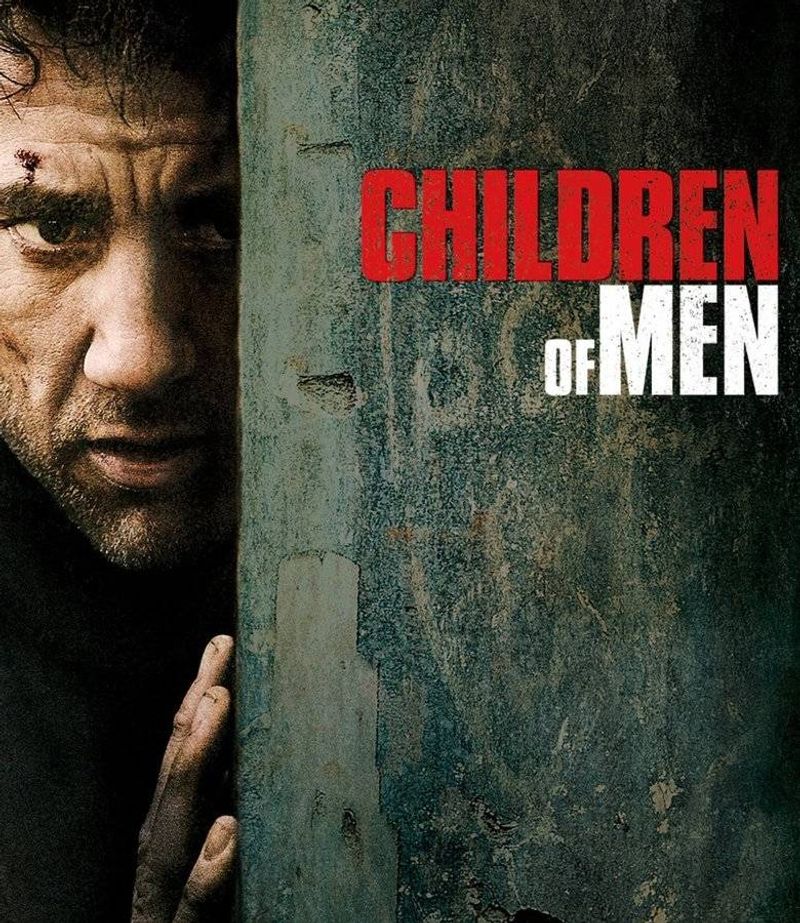
Alfonso Cuaron’s long, unbroken tracking shots through war zones are now studied in film schools around the world. Back in 2006, though, audiences weren’t ready.
With a $76 million budget and only $70 million in worldwide returns, it was officially a flop.
As the years passed and the world began to resemble its bleak vision of refugee crises and authoritarian surveillance, the film felt less like fiction and more like prophecy. Critics now hail it as one of cinema’s most urgent masterpieces.
18. Clue (1985)
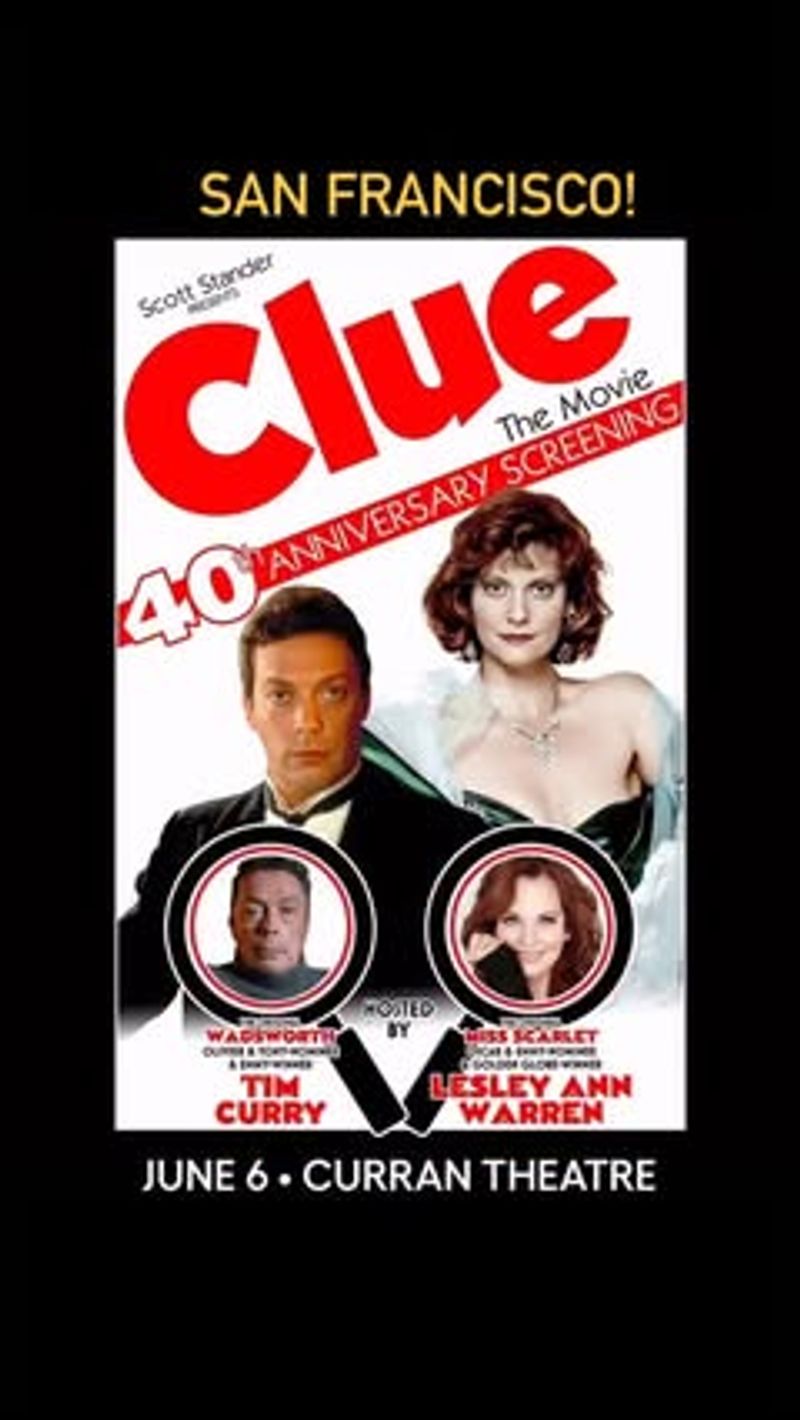
Paramount tried something genuinely wild with Clue: releasing three different endings in three different theaters, hoping audiences would visit multiple times to see them all. The gimmick didn’t work.
The film made just $14.6 million against a $15 million budget.
Comedy fans discovered it on cable and VHS and fell for its rapid-fire jokes and delightfully hammy performances. Tim Curry’s frantic, scene-stealing turn alone is worth repeated viewings.
Today Clue is a beloved comedy classic with a cult following that campaigns for a sequel regularly.
19. The Big Lebowski (1998)
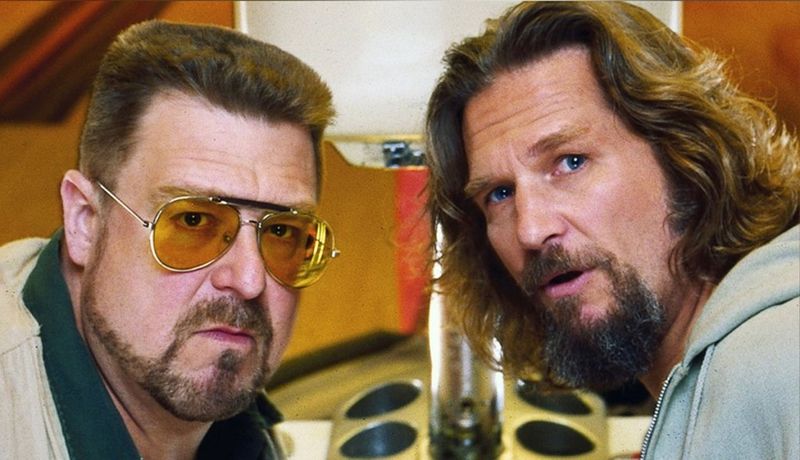
The Dude abides, but theaters didn’t exactly show him much love. The Big Lebowski made just under $20 million domestically, a number that cleared its $15 million budget but left the Coen Brothers and Universal far from satisfied given the film’s ambitions.
Video rental stores turned it into a phenomenon. Its oddball characters, shaggy mystery plot, and quotable dialogue made it the perfect repeat-watch film.
An annual fan festival called Lebowski Fest even launched in 2002, proving its cultural footprint was anything but small.