
Marriage is supposed to be a partnership built on love, trust, and connection. But sometimes, things start to fall apart so quietly that you barely notice until the damage runs deep.
Many couples miss the early warning signs because they look nothing like the dramatic fights shown in movies. Knowing what to watch for can make all the difference between saving your marriage and losing it for good.
1. Your Conversations Have Become Dangerously Shallow

Remember when you and your spouse could talk for hours about everything and nothing? When conversations shrink down to grocery lists and schedule reminders, something important has quietly slipped away.
Meaningful communication is the heartbeat of a healthy marriage. Once it fades into surface-level small talk, emotional distance starts growing fast.
You might not even notice it happening day by day, but over time, the silence between you begins to feel louder than any argument ever could.
2. Spending Time Together Feels Like a Chore

When date nights start feeling like obligations rather than something you look forward to, that is a painful shift worth paying attention to. Most people do not realize this is happening until they catch themselves secretly relieved when plans get canceled.
Genuine enjoyment of each other’s company is a cornerstone of any strong relationship. Losing that spark does not always mean a dramatic blowup happened.
Sometimes it just quietly disappears, replaced by indifference and a growing preference for being alone.
3. Physical Affection Has Nearly Disappeared

A simple touch on the shoulder, a goodnight kiss, holding hands while walking — these small gestures carry enormous emotional weight in a marriage. When they quietly vanish, it often signals that something deeper is breaking down beneath the surface.
Physical closeness is not just about romance. It is about feeling safe and connected with your partner.
Researchers have found that a drop in everyday affection often mirrors a drop in emotional intimacy. Both tend to fade together, and both are hard to get back once gone.
4. Arguments Keep Circling the Same Issues

Every couple argues. But when the same fights play on repeat like a broken record, with no real resolution in sight, resentment quietly piles up like unpaid bills.
You end up fighting about the fight more than the actual problem.
Psychologist John Gottman found that how couples argue matters far more than how often they argue. When both partners dig in to win instead of working together to understand, it stops being a disagreement and starts being a pattern that slowly erodes trust and goodwill.
5. Eye-Rolling and Contempt Have Crept In

Few things sting quite like being mocked or belittled by the one person who is supposed to have your back. Eye-rolling, sarcastic jabs, and dismissive sighs might seem minor, but they carry a heavy message: I do not respect you.
Gottman famously labeled contempt as the single biggest predictor of divorce. When a partner starts treating the other with scorn rather than care, it signals that admiration has eroded completely.
No relationship can sustain itself long-term without a foundation of basic mutual respect.
6. You Talk to Everyone Except Each Other

There is a quiet red flag that many people overlook: when your best friend, coworker, or sibling knows more about your marriage struggles than your actual spouse does. Turning outward for emotional support is natural, but it becomes a warning sign when your partner is the last person you want to open up to.
Healthy marriages thrive when partners feel safe being vulnerable with each other first. Once that safety disappears, outside relationships gradually fill the emotional gap, pulling the two of you further apart without either of you fully realizing it.
7. Stonewalling Has Become a Default Response

Shutting down completely during conflict — going silent, leaving the room, or staring blankly — is called stonewalling. It might look like calm on the outside, but it sends a deeply hurtful message to the other person: you are not worth engaging with right now.
Stonewalling usually shows up when someone feels emotionally overwhelmed. But used repeatedly, it poisons communication.
The partner on the receiving end often feels invisible and unheard, which breeds resentment fast. Over time, both people stop trying altogether, and the silence becomes permanent.
8. Making Small Efforts Feels Exhausting

When picking up your spouse’s favorite snack from the store or remembering to text them during the day starts feeling like a mountain to climb, something has shifted. Small acts of love should feel natural, not like a burden you have to force yourself to carry.
Emotional exhaustion in a marriage often builds so gradually that neither partner notices until it is severe. When the motivation to show up for each other disappears, it usually means the emotional tank is running on empty — and has been for a while.
9. Secretive Behavior Around Phones and Devices

Suddenly adding new passwords, tilting screens away, or tensing up when a partner glances at a phone are behaviors that rarely come from nowhere. They plant seeds of suspicion that are incredibly hard to uproot once they take hold.
Privacy is healthy and normal in any relationship. But secrecy is a different animal entirely.
When one partner starts hiding digital activity that was never hidden before, trust begins to crack. Even if nothing serious is happening, the behavior itself changes the emotional climate of the marriage in lasting ways.
10. You Find Yourself Daydreaming About Life Without Them

Occasionally wondering “what if” is something almost everyone does. But when those thoughts become frequent fantasies about how much happier, freer, or lighter life might feel without your spouse, it is a signal your mind and heart are preparing for something.
This kind of mental escape often means the relationship has stopped meeting core emotional needs. It does not always mean the marriage is over, but it does mean something is seriously wrong.
Acknowledging those feelings honestly — rather than burying them — is the first real step toward addressing what is missing.
11. Financial Secrets Are Being Kept

Money fights are common in marriages, but financial deception is a different and more dangerous beast. Hiding purchases, secret accounts, or major financial decisions from a spouse is a form of betrayal that can shake a marriage to its foundation just as hard as emotional infidelity.
Financial transparency builds trust, and financial secrecy destroys it. When one partner starts making significant money moves without telling the other, it often reflects a deeper desire for independence or control.
Either way, it signals a breakdown in the partnership that defines a healthy marriage.
12. Empathy for Your Partner Has Gone Cold

Early in a relationship, most people feel their partner’s pain almost like their own. So when your spouse comes home stressed or heartbroken and you find yourself feeling nothing — or worse, mildly annoyed — that emotional numbness is worth taking seriously.
Empathy is the glue that holds couples together through hard seasons. Without it, partners begin to feel like strangers sharing a roof.
Losing the ability or desire to step into your spouse’s emotional experience is one of the quietest but most devastating signs that real disconnection has taken root.
13. Laughter and Lightness Have Left the Relationship

Shared laughter is one of the most underrated ingredients in a strong marriage. When was the last time you and your partner genuinely cracked each other up?
If you are struggling to remember, that is worth paying attention to.
Couples who have lost their playfulness often describe feeling like they are living with a roommate rather than a life partner. The absence of joy does not mean you hate each other.
It often just means you have drifted so far apart that the warmth you once shared no longer reaches either of you.
14. One Partner Is Consistently Checked Out

Indifference is often more damaging to a marriage than anger. At least anger means someone still cares enough to react.
When one partner consistently shows zero interest in conversations, plans, or their spouse’s feelings, it suggests an emotional exit has already begun.
Checked-out behavior can look like zoning out during conversations, forgetting things your spouse told you, or showing no curiosity about their day. It is not always intentional, but it is always hurtful.
Over time, the partner who is being ignored begins to wonder if they even matter anymore.
15. Counseling Tried But Nothing Has Changed

Seeking marriage counseling is a courageous step, and it deserves real credit. But sometimes, even after multiple sessions, nothing meaningfully shifts.
One or both partners may go through the motions without truly committing to the work required for change.
Therapy only works when both people genuinely want to repair the relationship. If sessions end without progress and the same painful patterns keep repeating, it may reflect a deeper unwillingness to change.
That is one of the most honest and heartbreaking signs that a marriage may be reaching its breaking point.
16. Persistent Unhappiness That Never Lifts
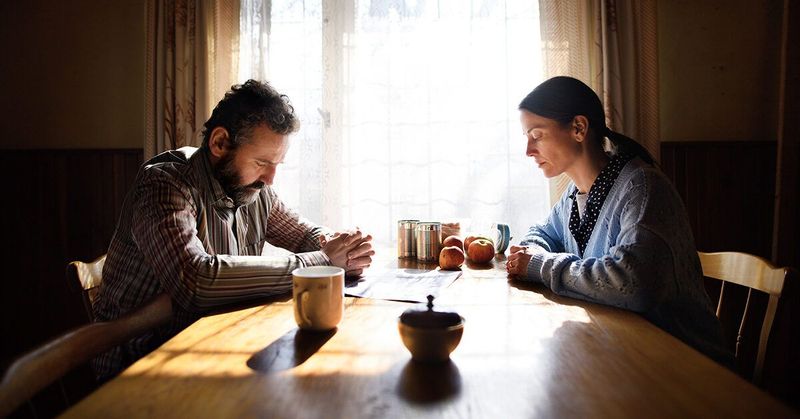
Feeling unhappy occasionally is part of life. But carrying a heavy, chronic sadness that seems tied directly to your marriage is a different experience altogether.
Many people normalize this feeling for years because they are afraid of what acknowledging it might mean.
Long-term marital distress has real effects on mental health, including increased anxiety, depression, and emotional fatigue. When the relationship that is supposed to be your safe harbor consistently makes you feel worse rather than better, your mind and body are sending you a message that deserves a compassionate, honest response.
17. The Bad Moments Are Starting to Outweigh the Good

Every marriage has rough patches. But there is a tipping point when the painful, frustrating, or lonely moments start happening far more often than the happy ones.
When that scale tips and stays tipped, something fundamental has changed in the relationship.
Couples who thrive tend to have significantly more positive interactions than negative ones — research suggests a ratio of around five good moments to every one difficult one. When negativity consistently dominates, it rewires how both partners see the relationship and each other, making recovery feel increasingly out of reach.