
Long before hashtags and viral posts, women in the 1950s were quietly — and sometimes loudly — rewriting the rules. While TV commercials showed smiling housewives in aprons, real women were launching careers, leading protests, and breaking records.
The gap between the image society sold and the lives women actually lived was enormous. These 19 stories prove that bold, fearless women have always existed.
1. Challenging Traditional Gender Roles in the Workforce
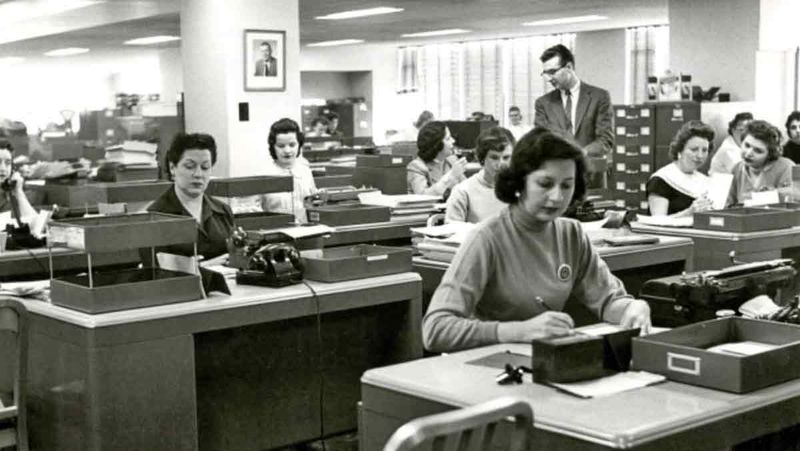
Not every woman in the 1950s was content to stay home and bake casseroles. Despite enormous social pressure, a growing number of women entered factories, offices, and classrooms, driven by both economic need and personal ambition.
They filled labor shortages in healthcare, manufacturing, and education. Every woman who clocked in for a shift was quietly pushing back against the idea that her only purpose was to keep the house spotless and dinner warm.
2. Rosa Parks and the Spark That Changed History
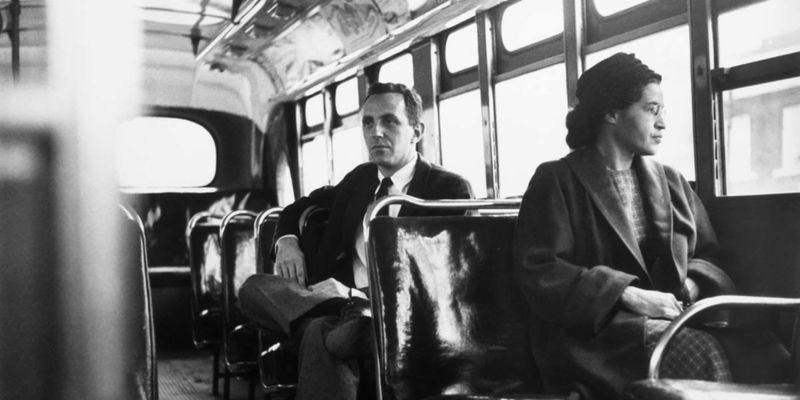
On December 1, 1955, Rosa Parks refused to give up her bus seat to a white passenger — and that single act of courage ignited the Montgomery Bus Boycott. Her refusal was not spontaneous; it was rooted in years of activism and a deep commitment to justice.
Women like Rosa Parks, Fannie Lou Hamer, and Ella Baker were the backbone of the Civil Rights Movement, organizing communities and demanding change long before the cameras arrived.
3. Women Scientists Who Quietly Reshaped the World
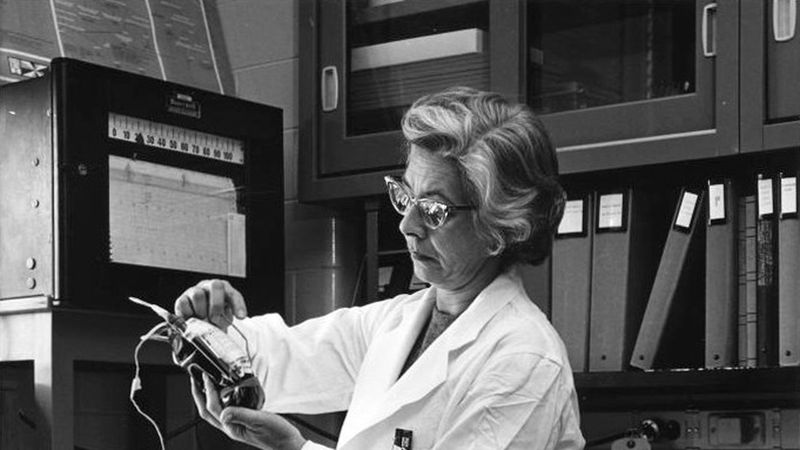
Grace Hopper completed the first compiler in 1952. Katherine Johnson began calculating spaceflight trajectories at NASA in 1953.
Rosalind Franklin captured the X-ray image that unlocked DNA’s structure. These women did not just participate in science — they advanced it.
Marie Tharp co-created the first map of the North Atlantic ocean floor in 1957. Each discovery happened without a single tweet or Instagram post, powered only by brilliance and stubborn determination.
4. Lucille Ball: The Woman Who Ran Hollywood
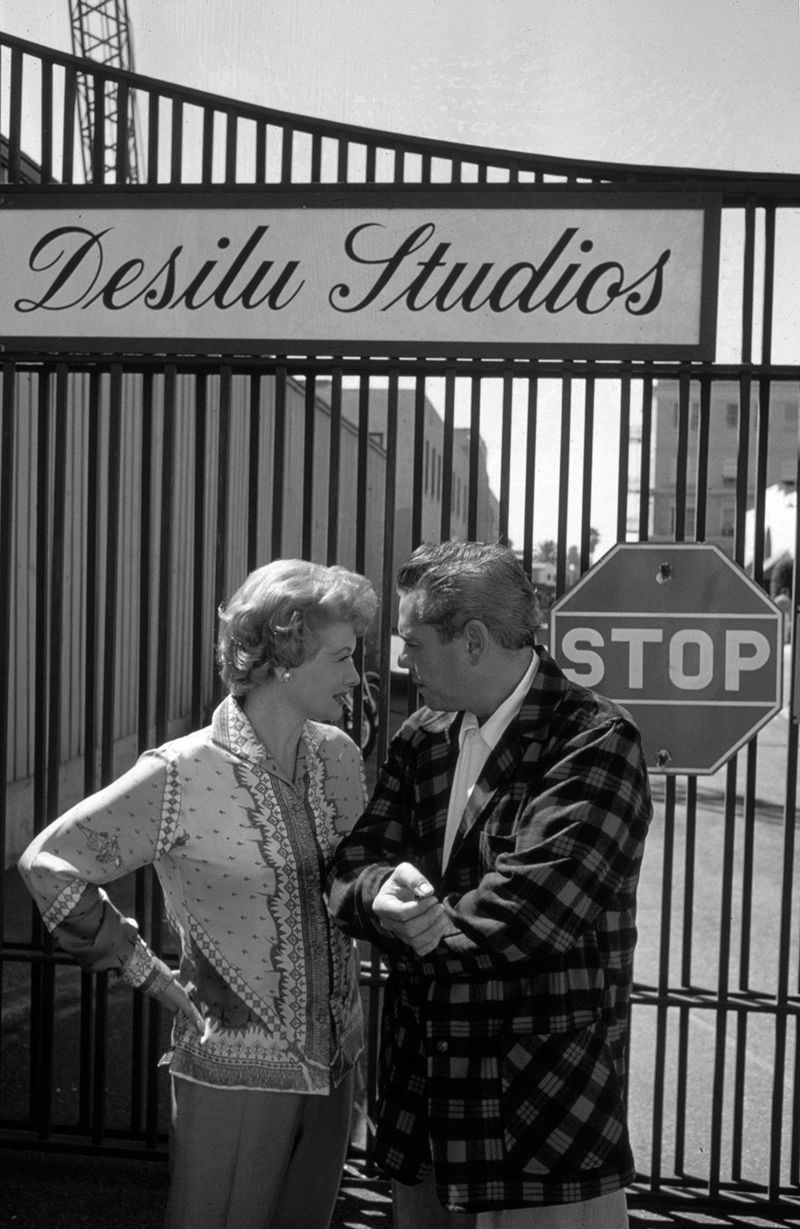
Most people remember Lucille Ball as the zany redhead stumbling through chocolate factories on screen. Far fewer know that by 1956 she had become the first woman to run a major television studio, Desilu Productions.
She negotiated deals, greenlit shows, and managed budgets in a boardroom full of men who underestimated her at every turn. Lucy did not just make America laugh — she fundamentally changed who got to hold power in Hollywood.
5. Black Female Singers Who Invented Rock and Roll
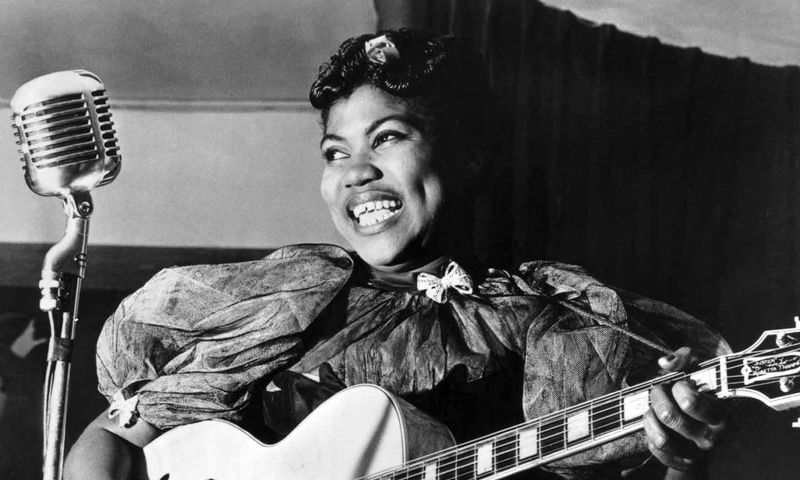
Sister Rosetta Tharpe was shredding electric guitar and blending gospel with blues long before anyone called it rock and roll — earning her the title Godmother of Rock and Roll. Alongside Dinah Washington, Ella Fitzgerald, Mahalia Jackson, and LaVern Baker, she helped define American music for generations.
Etta James and Nina Simone also launched careers during this decade. These women did not just sing songs; they built entire musical landscapes from the ground up.
6. Fighting for Equal Pay Before It Was Trendy
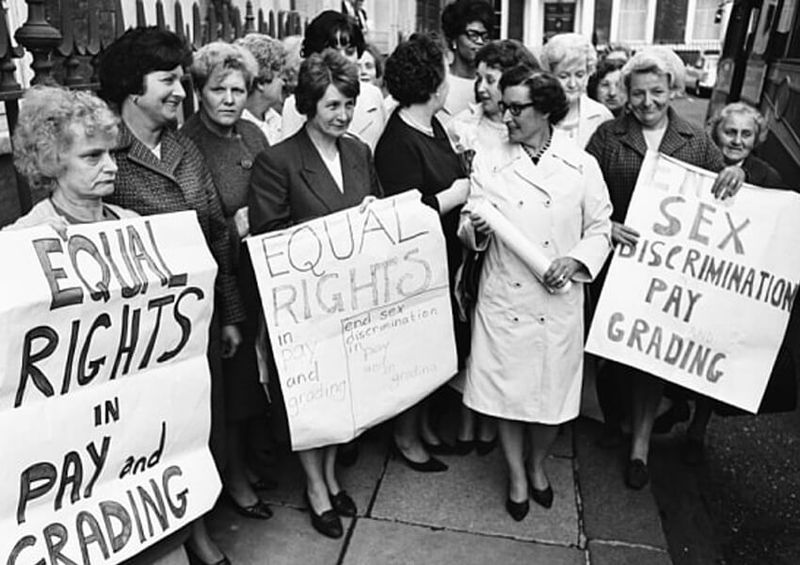
Equal pay was not a social media campaign in the 1950s — it was a hard-fought battle waged in union halls, courtrooms, and legislative chambers. Women campaigned tirelessly throughout the decade, winning early victories in teaching and civil service roles by the early 1960s.
Many women in gender-segregated jobs were still excluded from these gains, but their persistence planted the seeds for every equal pay law that followed. Progress was slow, but it was real.
7. Coco Chanel and the Rebellion Hidden in Fashion
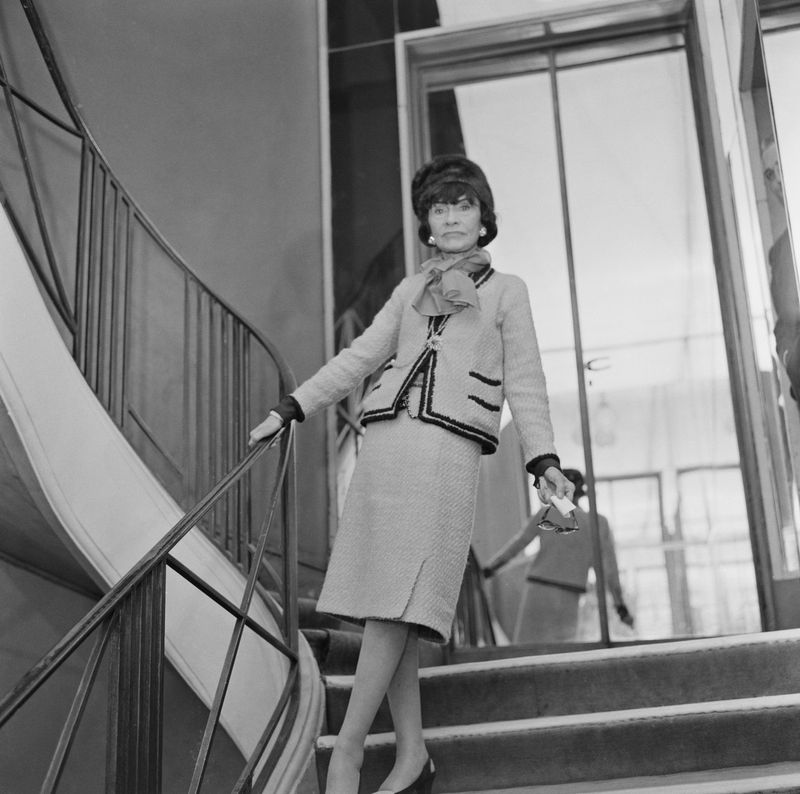
While Christian Dior was cinching waists and pushing corsets back into fashion, Coco Chanel was doing the opposite. She championed women’s suits, the little black dress, and designs inspired by menswear — clothing that let women move freely and look effortlessly powerful.
Young women also grabbed denim jeans as a symbol of rebellion, pairing them with leather jackets and attitude. Fashion in the 1950s was a quiet battlefield, and plenty of women chose comfort and freedom over conformity.
8. The Secret Shift in Attitudes Toward Women’s Sexuality
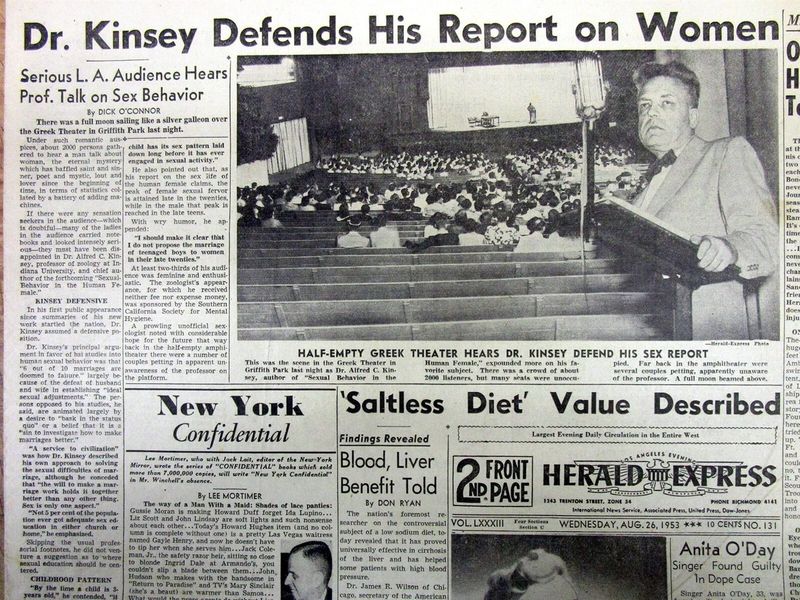
Dr. Alfred Kinsey’s 1954 report on female sexual behavior dropped like a bombshell, revealing that women’s private lives looked nothing like the conservative ideal being sold on television. Premarital sex and personal autonomy were far more common than anyone publicly admitted.
Colleges quietly began discussing contraceptives, and a slow cultural shift was underway. Women were privately living on their own terms, even when public expectations demanded something entirely different from them.
9. Choosing Singlehood as a Radical Act

Marriage was not the universal goal it appeared to be. Some women in the 1950s deliberately chose to stay single, building careers, friendships, and independent lives on their own terms.
Popular culture occasionally portrayed single women as glamorous and self-sufficient, even as employers and landlords discriminated against them.
Choosing independence over a ring was a quiet but powerful rebellion. These women helped lay the groundwork for the feminist movement that would fully bloom just a decade later.
10. College Was About More Than Finding a Husband
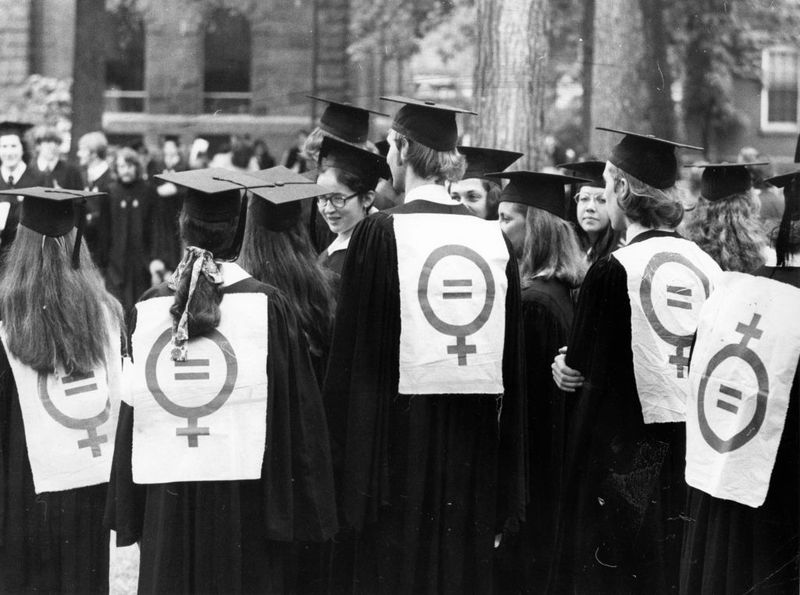
The stereotype that women attended college only to earn a so-called MRS degree never told the full story. Many pursued degrees in chemistry, law, journalism, and medicine with serious career ambitions, even when professors and admissions offices tried to limit their access.
Quotas existed at some schools, and job opportunities were frustratingly narrow after graduation. Still, women showed up, studied hard, and refused to let anyone convince them that education was wasted on a future homemaker.
11. Marion Donovan Invented the Disposable Diaper — And Got Rejected First
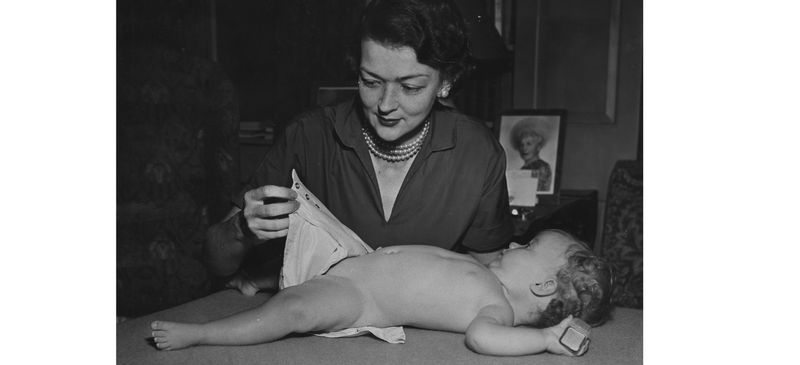
Marion Donovan had a problem — waterproof diaper covers did not exist yet — so she made one herself using a shower curtain. She then invented the first disposable diaper in 1951 and tried to sell her idea to major manufacturers.
They all said no.
Undeterred, she sold directly to retailers and became wildly successful. Her story is a perfect example of a 1950s woman who heard “no,” shrugged, and found another door to walk through.
12. Arlene Pieper Ran a Marathon Before Women Were “Allowed” To
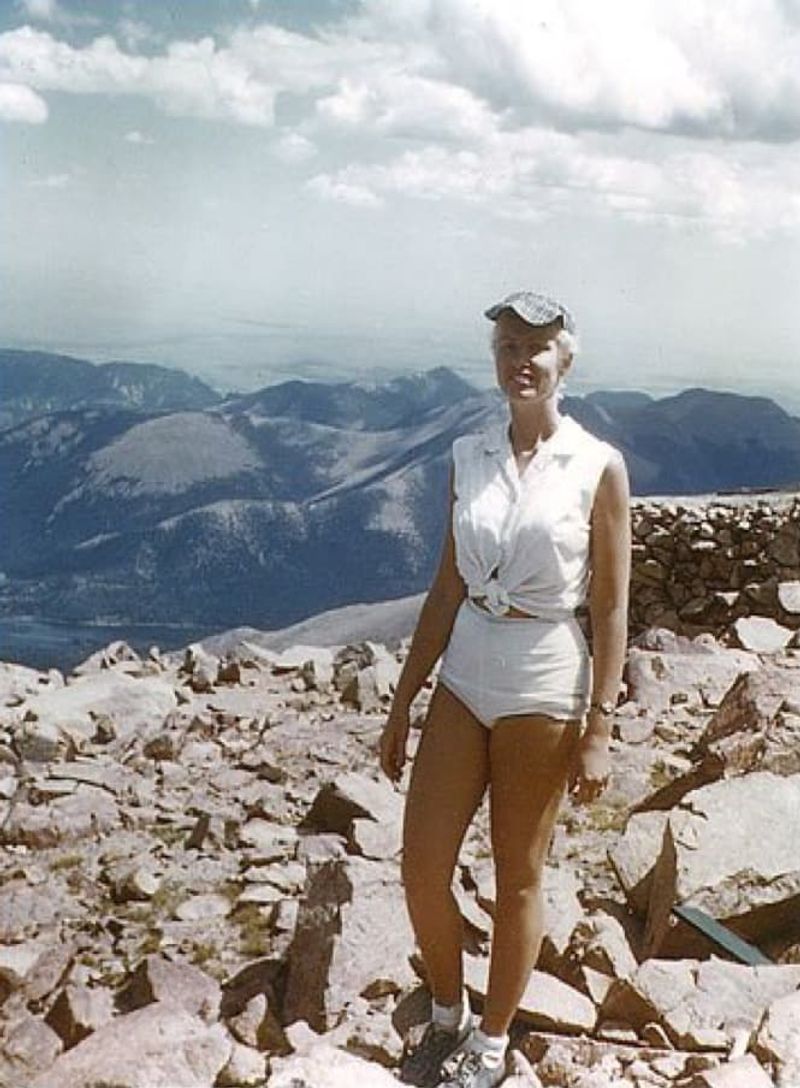
In 1959, Arlene Pieper became the first woman to officially complete a marathon in the United States, finishing the grueling Pikes Peak Marathon in Colorado. Women were widely discouraged from long-distance running at the time, with doctors claiming it was physically dangerous for them.
Pieper simply laced up her shoes and ran anyway. Her finish line crossing was a quiet earthquake — proof that the limits placed on women’s bodies were invented by people who had never watched a woman run a mountain.
13. Eleanor Roosevelt Turned Influence Into Political Action
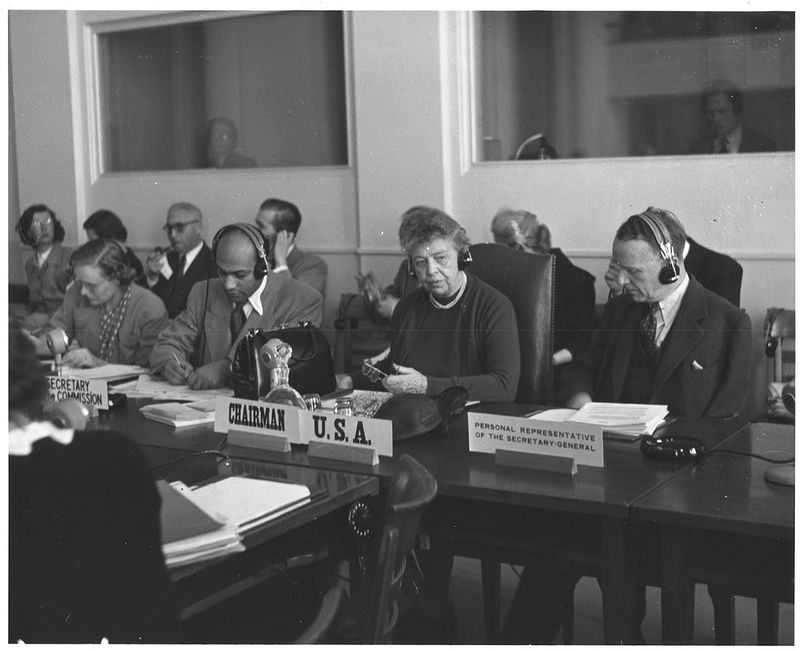
Eleanor Roosevelt refused to become a quiet former First Lady after leaving the White House. Throughout the 1950s, she chaired the UN Commission on Human Rights, wrote her syndicated newspaper column, and spoke out boldly on civil rights, poverty, and women’s equality.
President Eisenhower also appointed women to prominent government roles, including Oveta Culp Hobby to his Cabinet. Eleanor showed an entire generation that a woman’s influence did not have to shrink when the spotlight moved on.
14. Lesbian Women Who Built Community in the Shadows
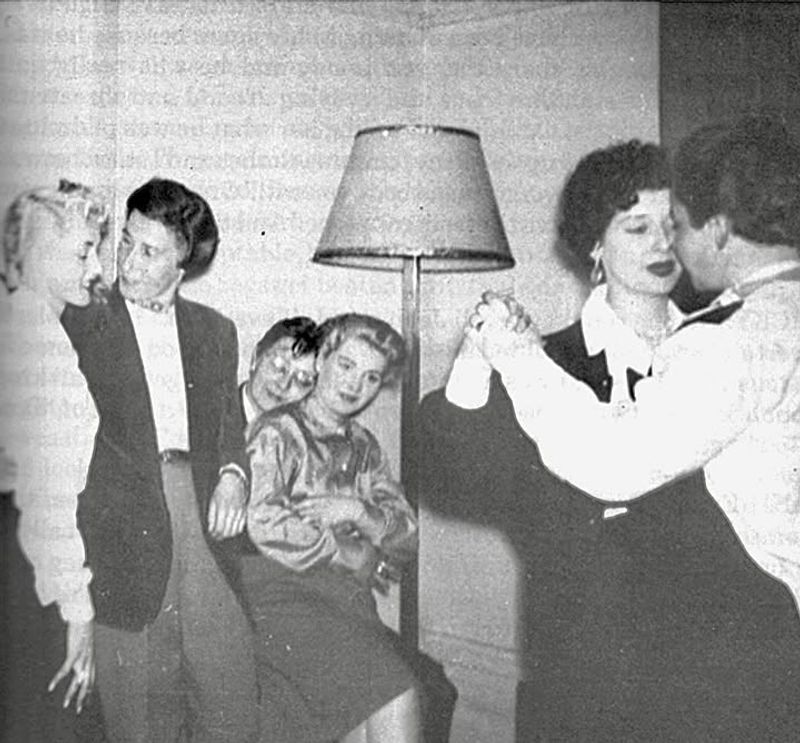
After World War II, gay communities — including lesbian women — quietly formed in cities across America. Lesbian bars became essential gathering spaces where women could explore their identities, find community, and simply exist without pretending to be someone else.
Attending these spaces carried real risks, including police raids and social exposure. Yet women showed up anyway, building bonds and identities that mainstream society refused to acknowledge.
Their courage helped lay the foundation for the LGBTQ+ rights movement.
15. Chien-Shiung Wu Broke Physics and Barely Got Credit
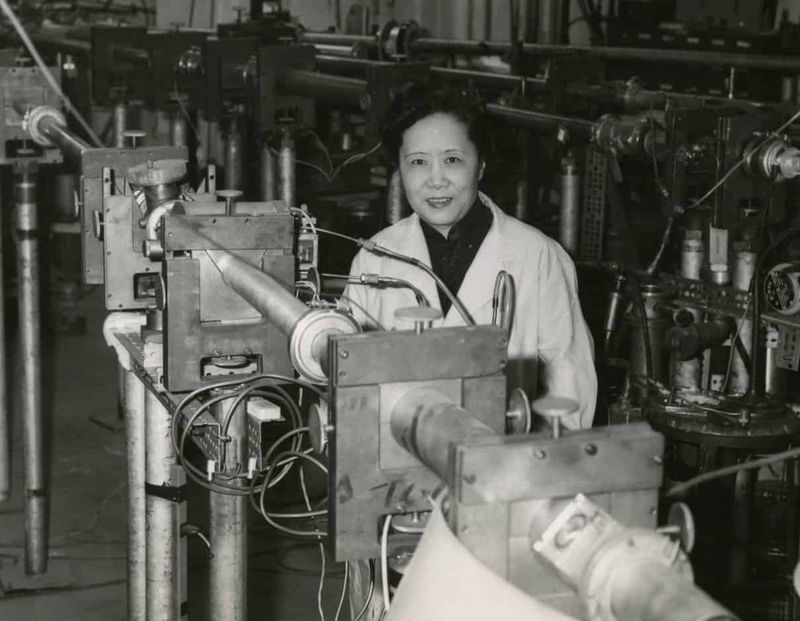
In 1956, physicist Chien-Shiung Wu designed and conducted an experiment that overturned one of the most fundamental assumptions in physics — that the laws of nature are perfectly symmetrical. Her Wu experiment proved that parity could be violated in weak interaction, reshaping how scientists understood the universe.
Two male colleagues won the Nobel Prize for the theoretical prediction her experiment confirmed. Wu was overlooked for the prize, but her work remains one of the most important physics experiments of the 20th century.
16. Fighting Back Against Domestic Violence With No Legal Safety Net
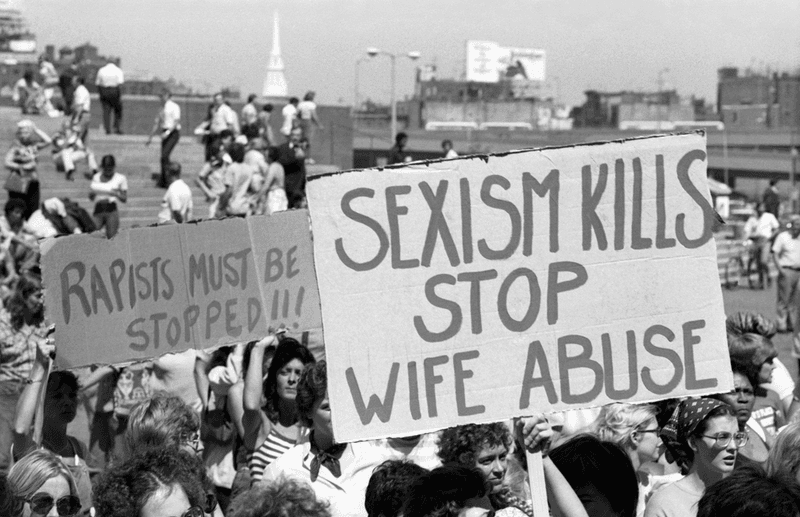
Domestic violence was rarely discussed publicly in the 1950s, and the legal system offered women almost no protection. Abortion was illegal in most states, birth control was difficult to access, and women had little financial independence to escape dangerous situations.
Yet women quietly organized, sought help from churches and community groups, and pushed for change through grassroots networks. Their struggles were largely invisible to the public eye, but they were building the very foundation for future reproductive rights and domestic violence protections.
17. Billie Holiday Used Music as a Weapon Against Injustice
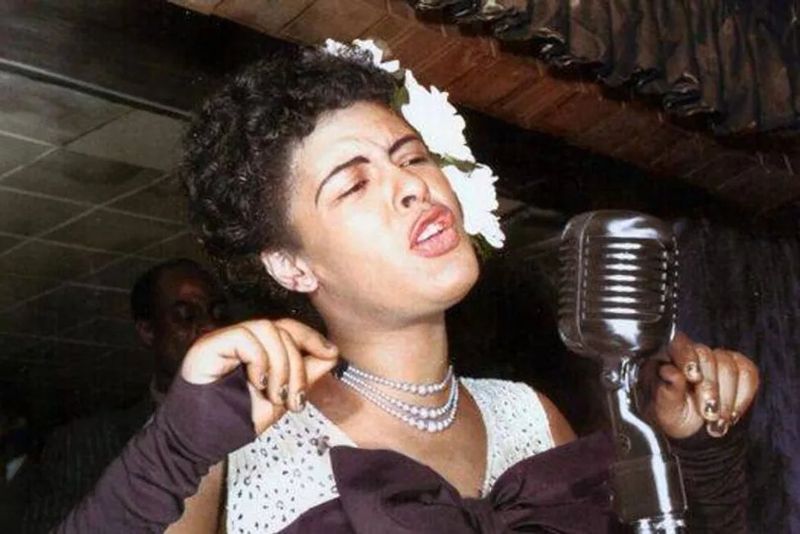
“Strange Fruit” was not just a song — it was an act of defiance. Billie Holiday’s haunting ballad about the lynching of Black Americans made audiences confront a horror that polite society preferred to ignore.
Singing it took real courage, as it drew threats and government surveillance.
Holiday used her voice as a form of social commentary when few platforms existed for Black women to speak truth publicly. Her artistry proved that music could carry the weight of an entire movement.
18. Rejecting the Happy Homemaker Myth
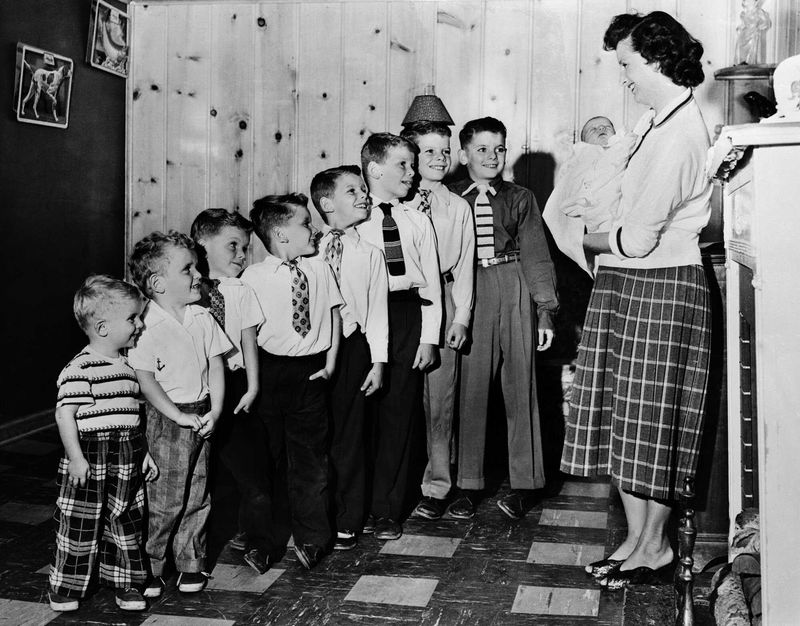
Magazines and television worked overtime selling the image of the cheerful, fulfilled housewife — but not every woman was buying it. Beneath the polished surface, a quiet restlessness was growing.
Women felt the gap between what they were told to want and what they actually wanted.
That discontent would eventually fuel the second-wave feminist movement of the 1960s and 70s. Betty Friedan would later name it “the problem that has no name,” but women were already feeling it, long before anyone gave it a label.
19. Writing and Publishing Bold Ideas Without a Platform
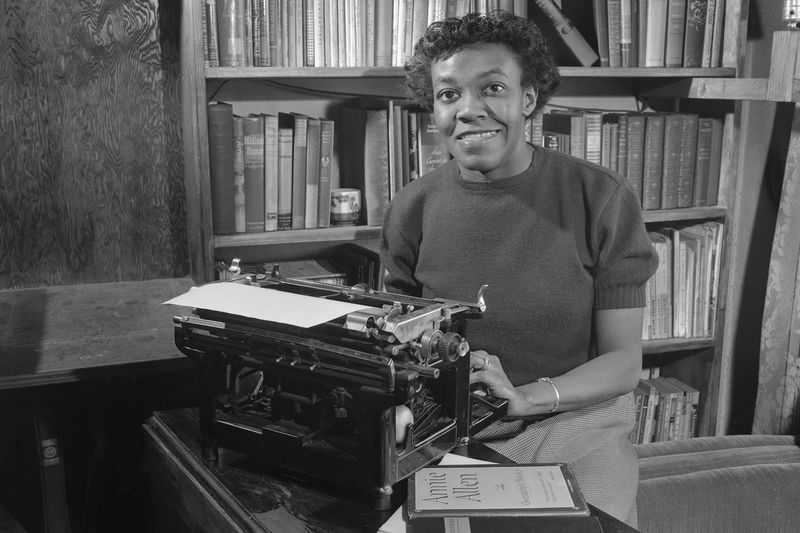
Without blogs, podcasts, or social media, 1950s women who had something to say turned to typewriters, self-published pamphlets, union newsletters, and letters to newspaper editors. Some wrote novels and essays that quietly challenged the status quo from bookstore shelves.
Writers like Lorraine Hansberry, whose play “A Raisin in the Sun” debuted in 1959, used storytelling to expose racial and gender inequality with unflinching honesty. Words were their megaphone, and they used every page they could get their hands on.