
Some musicians know exactly when to walk away, leaving fans wanting more rather than overstaying their welcome. Stepping back at the height of fame takes incredible courage, especially when the crowds are still cheering and the hits keep coming.
From rock legends to electronic pioneers, these artists made the bold choice to exit on their own terms. Their stories remind us that sometimes the greatest move a musician can make is simply knowing when to stop.
1. David Bowie
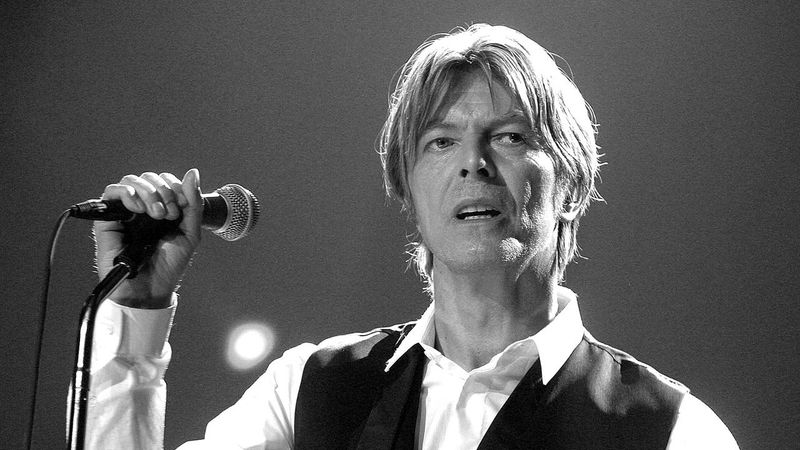
Two days before his death in January 2016, David Bowie released “Blackstar” on his 69th birthday, a hauntingly beautiful album that critics instantly called a masterpiece. It became his first-ever number-one album on the US Billboard 200 chart.
Many fans later realized the album was his intentional farewell gift to the world. Bowie managed something almost impossible: he left music at its absolute peak, making his final statement one of the most celebrated in rock history.
2. Daft Punk
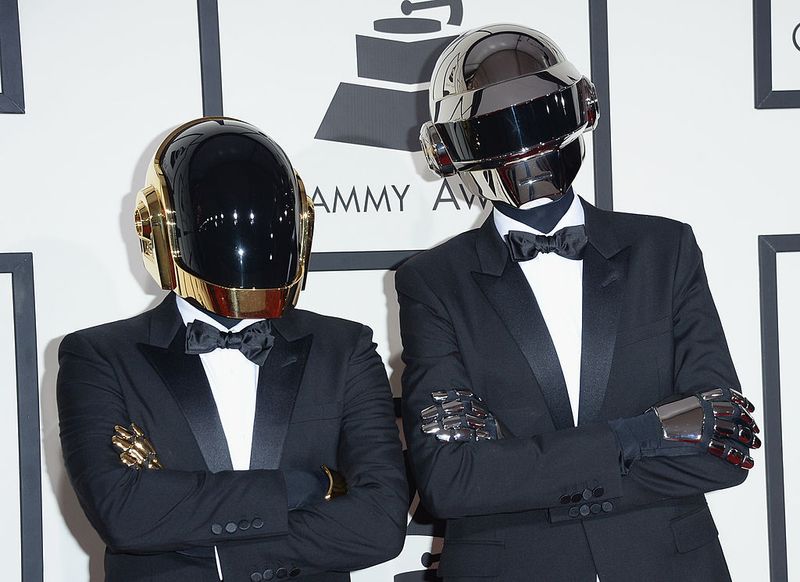
After nearly 30 years of reshaping electronic music, the French duo Daft Punk dropped a simple eight-minute video called “Epilogue” in February 2021 and quietly walked away forever. No drama, no farewell tour, just a cinematic goodbye.
Their 2013 album “Random Access Memories” had already won Grammy Album of the Year, cementing their legendary status. Walking away while their influence was still massive showed a rare kind of artistic confidence that few musicians ever manage.
3. Led Zeppelin
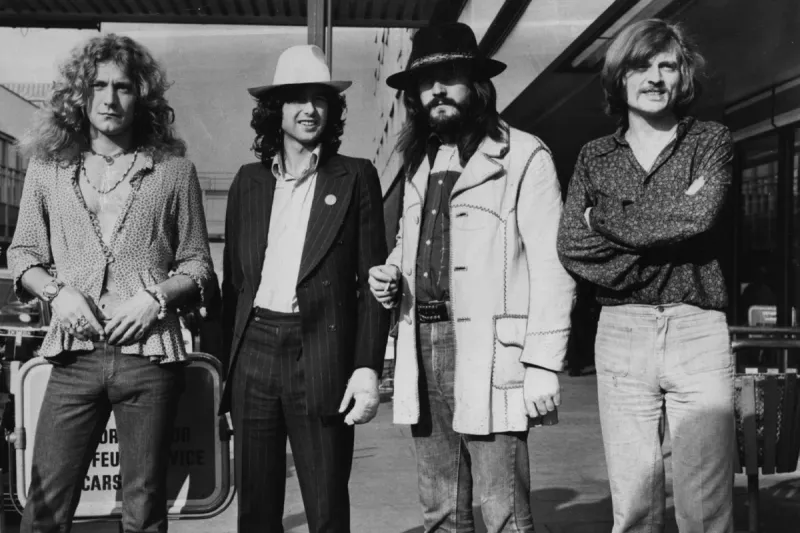
When drummer John Bonham passed away in September 1980, the remaining members of Led Zeppelin made a decision that surprised the entire music world: they disbanded immediately, stating the band simply could not continue without him.
At that point, Zeppelin were still one of the biggest rock acts on the planet. Their catalog was untouchable, their concerts legendary.
Choosing loyalty over legacy dollars, they preserved their reputation by refusing to replace Bonham and carry on.
4. Avicii
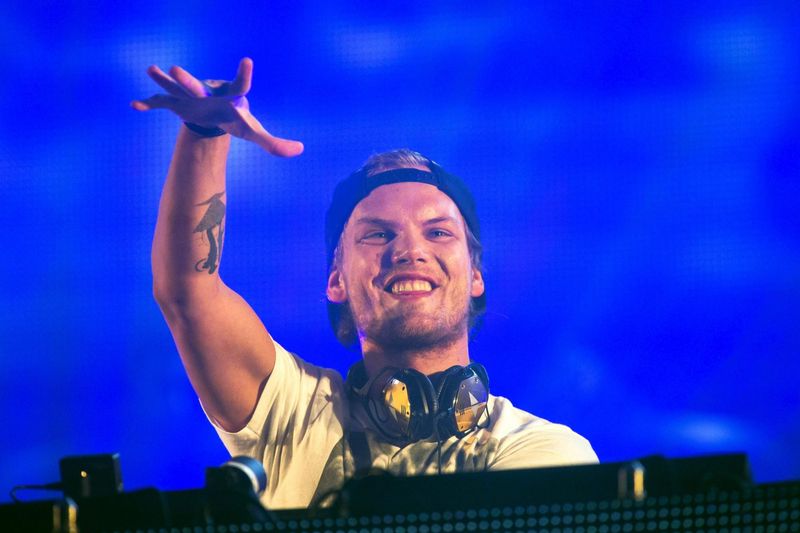
At just 26 years old, Swedish DJ and producer Avicii announced his retirement from touring in March 2016, shocking the EDM world. Hits like “Levels” and “Wake Me Up” had made him one of the most recognized names in music worldwide.
He stepped back not from failure but from exhaustion, openly discussing health struggles that came with relentless touring. His courage in prioritizing his well-being over his career inspired conversations about mental health in the music industry long before it became a mainstream topic.
5. Phil Collins
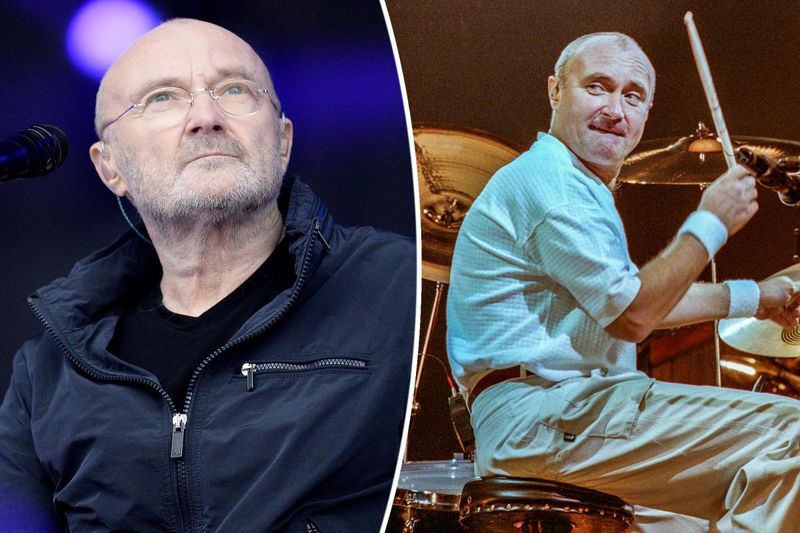
Phil Collins announced his retirement from music in 2011, pointing to nerve damage in his hands that made drumming nearly impossible and a strong desire to be present for his children. For a man whose drumming defined an era, this was a deeply personal sacrifice.
As both a solo artist and Genesis member, Collins had racked up decades of chart-topping success. He later returned for reunion tours, but that first retirement showed real self-awareness about prioritizing what truly matters beyond platinum records.
6. Bill Withers
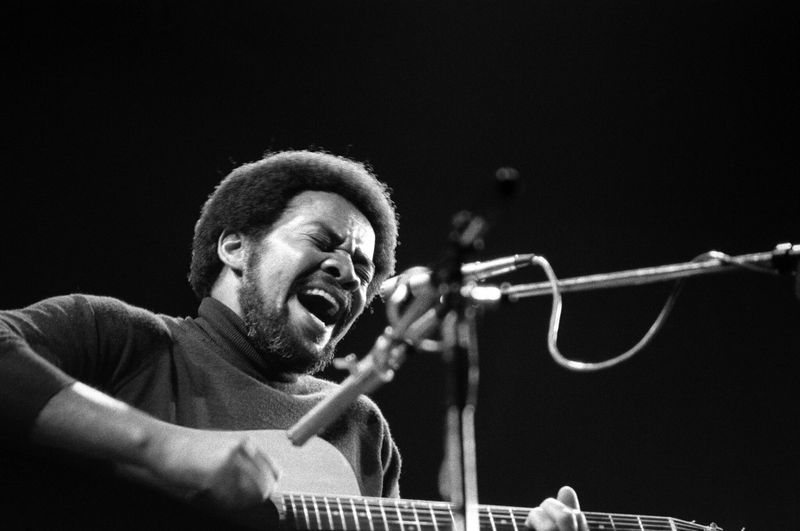
“Ain’t No Sunshine,” “Lean on Me,” “Use Me” – Bill Withers packed more timeless classics into a short career than most artists manage in a lifetime. By the mid-1980s, frustrated with how the music industry operated, he simply walked away and never looked back.
What makes his exit remarkable is how complete it was. No comeback tours, no greatest-hits cash grabs.
He lived quietly and contentedly, confident his music would outlast any trend. That kind of peace is genuinely rare in the entertainment world.
7. Grace Slick
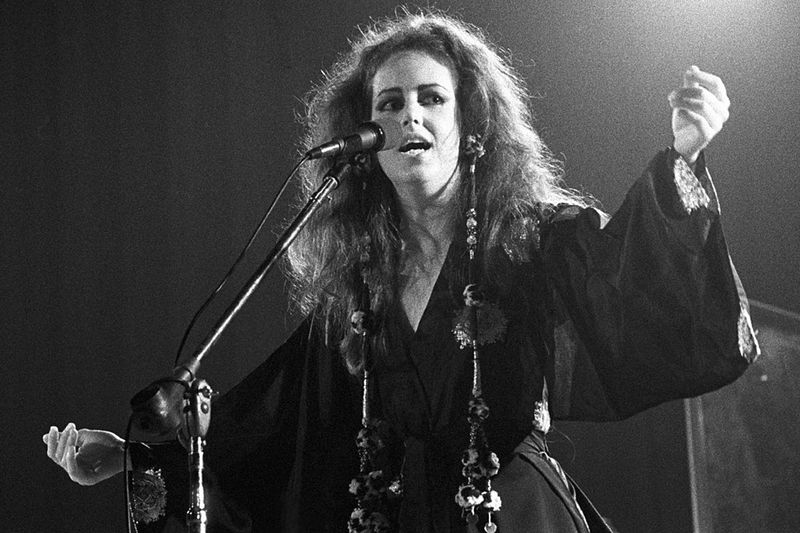
Grace Slick, the powerhouse voice behind Jefferson Airplane and Starship, retired from music in 1990 after nearly three decades of performing. Her reasoning was blunt and unforgettable: she famously declared that rock and rollers over 50 look ridiculous and should simply stop.
That kind of candid self-awareness is almost unheard of in an industry built on ego. Slick chose dignity over nostalgia, stepping away while her voice and legacy were still celebrated, refusing to become a caricature of her former self.
8. Syd Barrett
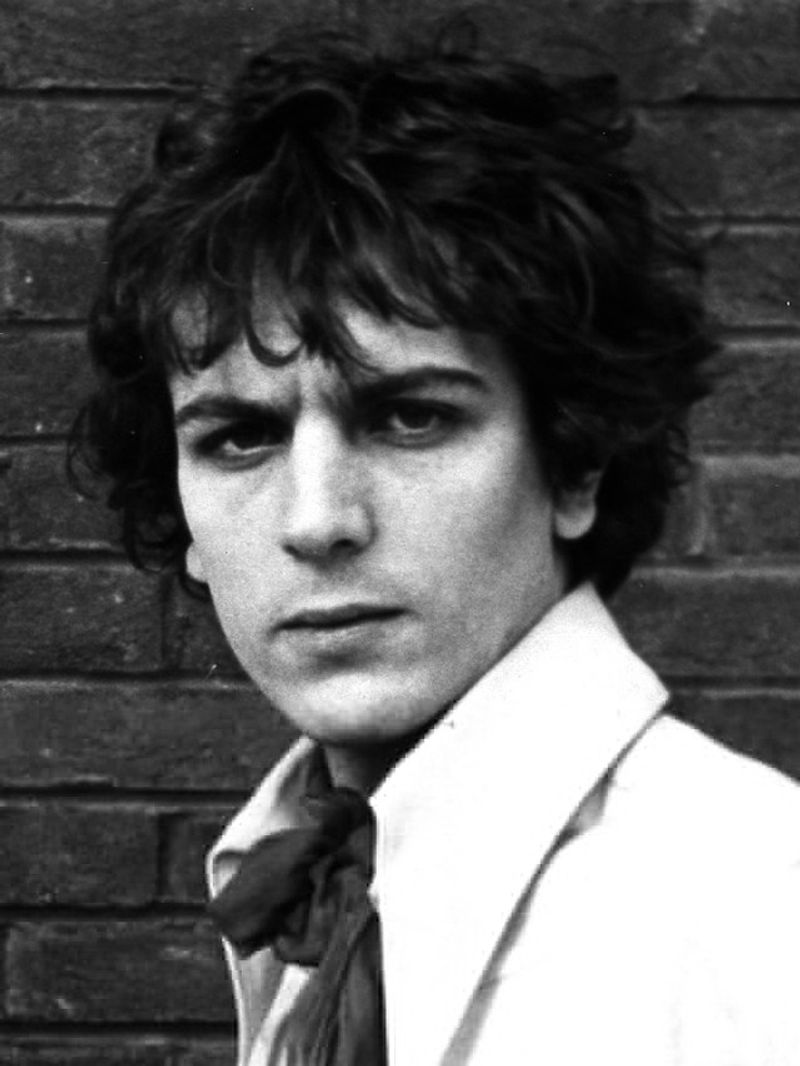
Before Roger Waters and David Gilmour became the faces of Pink Floyd, Syd Barrett was the band’s visionary genius. His debut album “The Piper at the Gates of Dawn” was a psychedelic landmark, released in 1967 at the height of the Summer of Love.
Sadly, Barrett’s departure in 1968 was driven by mental health struggles rather than choice. Still, he left at the band’s creative peak, and his influence echoed through every Pink Floyd album that followed, making him one of music’s most haunting what-ifs.
9. Lauryn Hill

“The Miseducation of Lauryn Hill” arrived in 1998 like a thunderclap, winning five Grammy Awards and changing the landscape of hip-hop and R&B forever. Then, almost immediately, Hill retreated from the spotlight, citing depression and a growing distaste for the music industry machine.
Her absence became almost as legendary as the album itself. Fans have spent decades hoping for a proper follow-up that never came.
Her decision to protect her mental health over her career was radical in 1998 and still resonates powerfully today.
10. The Police
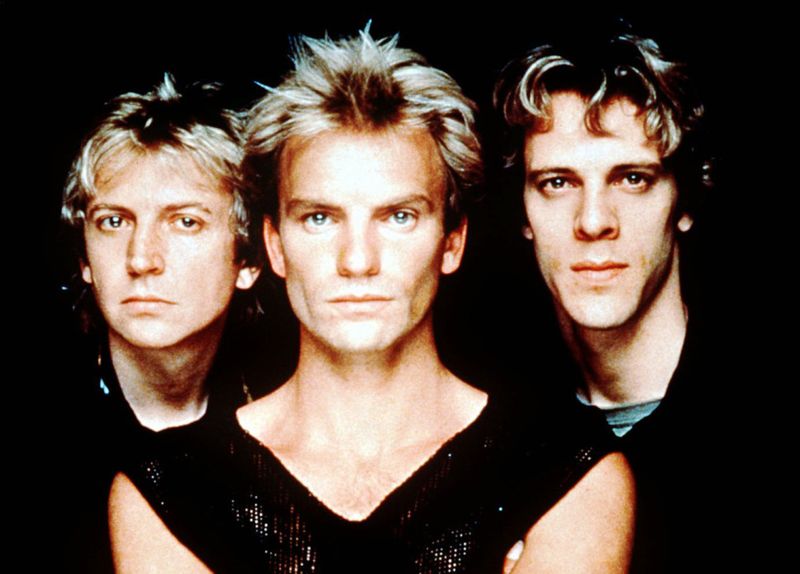
“Synchronicity” in 1983 turned The Police into undeniable global superstars. Songs like “Every Breath You Take” dominated radio worldwide, and the album became one of the best-selling records of that decade.
Then the band quietly dissolved, each member moving toward solo careers.
Sting, Copeland, and Summers all thrived apart, but the band’s decision to stop while at the absolute top gave their legacy a clean, powerful ending. There was no slow decline, no desperate reinvention.
Just an iconic catalog left perfectly intact for generations to discover.
11. Garth Brooks
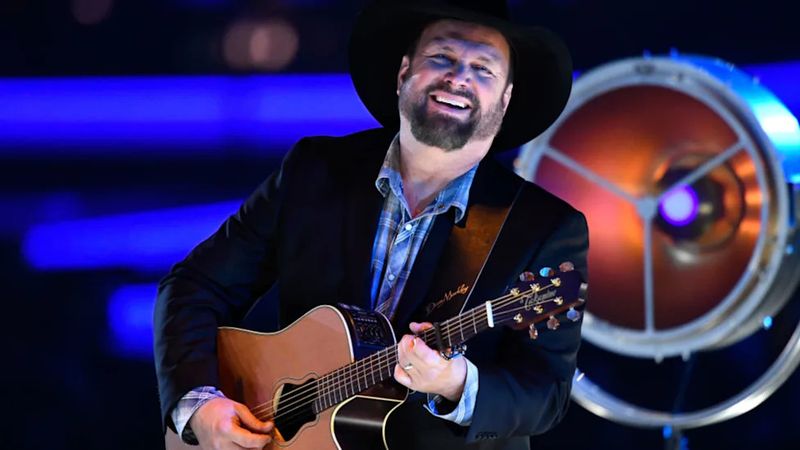
In 2001, Garth Brooks was still selling out arenas and dominating country charts when he shocked everyone by announcing his retirement to raise his three daughters. No artist in country music history had sold more albums, and he walked away from all of it voluntarily.
That sacrifice said everything about his priorities. Brooks returned to performing years later, but his original retirement stands as one of the most selfless exits in music history.
He proved that family can genuinely outweigh fame, even at the very top.
12. George Strait
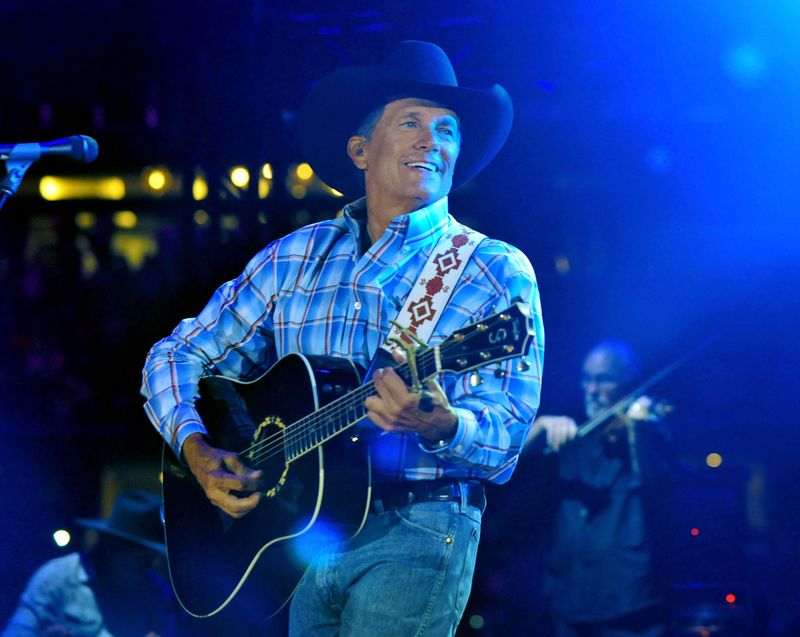
George Strait quietly holds a record that almost no one else can touch: more number-one singles than any other artist in recorded music history. When his massive “The Cowboy Rides Away” farewell tour wrapped up in 2014, he stepped back from full-time touring with his reputation completely spotless.
There was no awkward decline, no desperate comeback single chasing trends. Strait simply decided his time on the road was done and honored that decision with grace.
Fans packed stadiums knowing they were witnessing something genuinely historic and final.
13. Glenn Gould
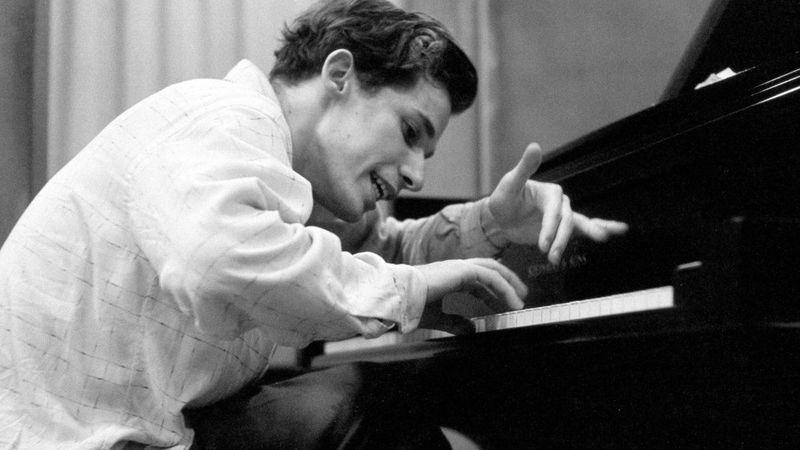
At 32, Glenn Gould was already considered one of the greatest classical pianists who ever lived. In 1964, he abruptly stopped performing live concerts entirely, announcing he preferred the precision of the recording studio over the unpredictable nature of live performance.
His reasoning was almost philosophical: he believed the concert hall created an unhealthy relationship between performer and audience. By retreating to the studio, Gould produced some of the most celebrated recordings in classical music history, proving that stepping back can sometimes produce the greatest work of all.
14. Cat Stevens (Yusuf Islam)
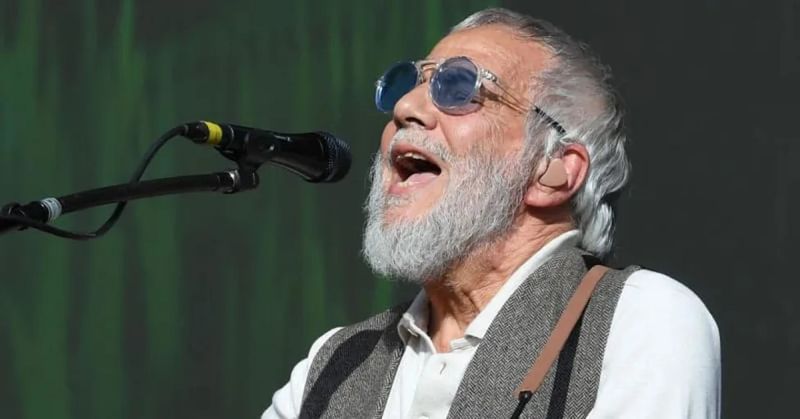
Few career exits are as dramatic or sincere as Cat Stevens walking away from global pop stardom in the late 1970s after converting to Islam. Albums like “Tea for the Tillerman” had made him one of the most beloved singer-songwriters of his generation.
He donated his musical earnings to charity and devoted himself entirely to faith and education. It was not a breakdown or a burnout but a genuine spiritual calling.
Decades later, he eventually returned to music as Yusuf Islam, but his original exit remains one of music’s most principled departures.
15. Peter Green
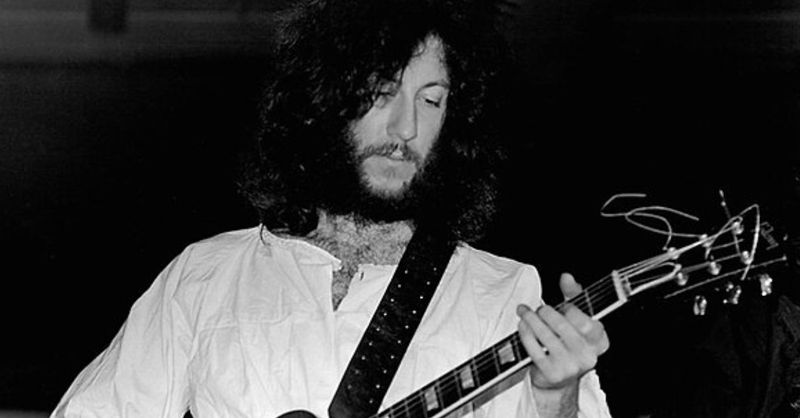
Before Fleetwood Mac became a pop phenomenon, Peter Green was its soul. Widely regarded as one of Britain’s finest blues guitarists, Green co-founded the band and guided their early sound with stunning skill.
His 1970 departure came just as the band was gaining serious international momentum.
Mental health struggles, intensified by drug use and spiritual searching, pushed Green away from music entirely. His exit was heartbreaking but preserved something important: the memory of a guitarist at his absolute creative peak, untarnished by a long decline that never came.
16. John Deacon
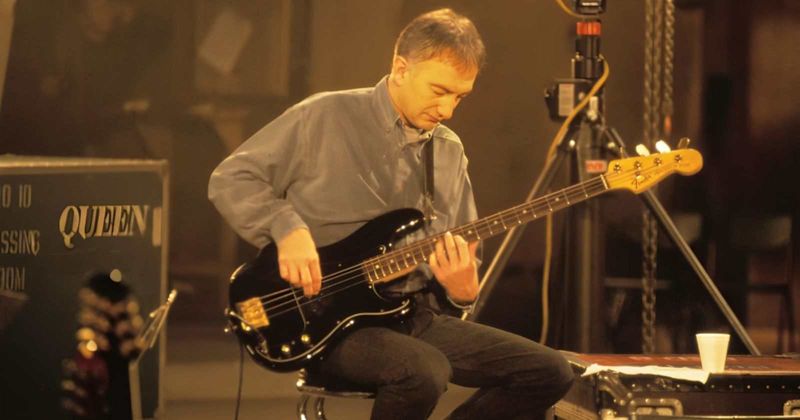
When Freddie Mercury died in November 1991, John Deacon quietly decided his own musical journey was over too. As Queen’s bassist, he had co-written some of the band’s most beloved songs, including “Another One Bites the Dust” and “I Want to Break Free.”
Unlike his bandmates, Deacon declined every invitation to participate in Queen reunions or new projects. He retreated entirely from public life and has remained there ever since.
His loyalty to Mercury’s memory over commercial opportunity remains one of the most quietly dignified acts in rock history.
17. Paul Simonon
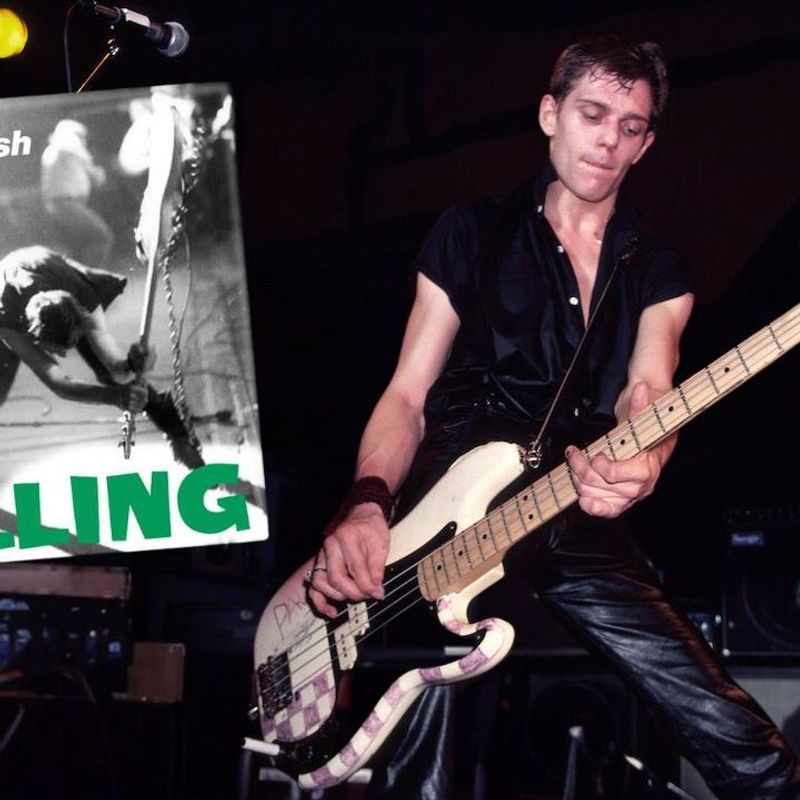
The Clash were punk royalty, and Paul Simonon was their coolest member, the bassist whose smashed guitar became one of rock photography’s most iconic images. When the band dissolved in the early 1980s, Simonon walked away from performing and picked up a paintbrush instead.
His transition into visual art was not a fallback plan but a genuine passion he pursued with serious dedication. That pivot took real courage, trading rock stardom for the quiet discipline of painting.
His artwork has since been exhibited internationally, proving that reinvention can be just as bold as any stage exit.
18. Cindy Birdsong
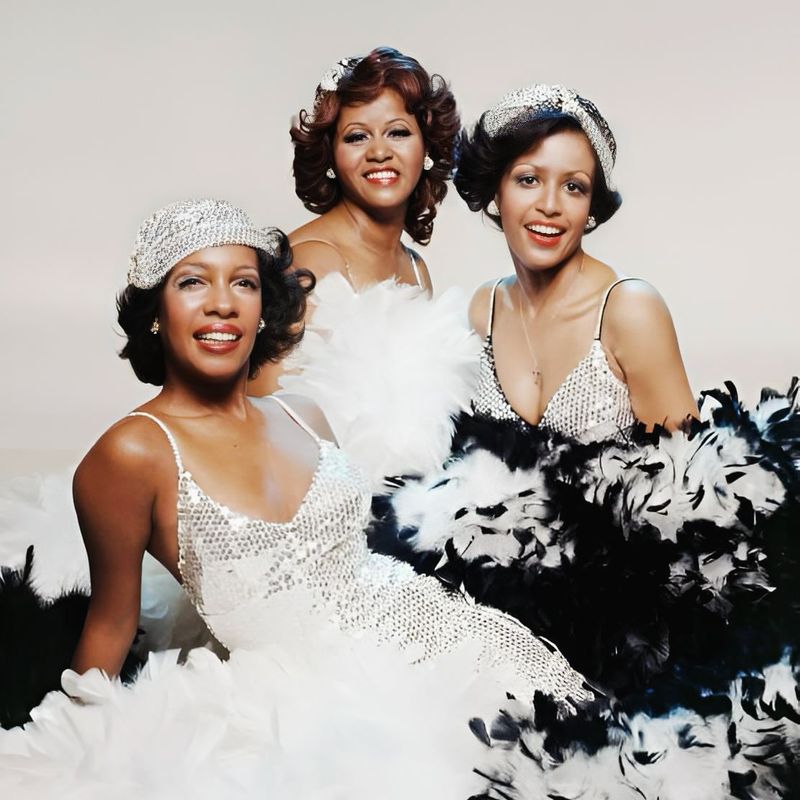
Cindy Birdsong joined The Supremes in 1967, stepping into one of the most high-pressure roles in Motown history. She held her place in one of the world’s most famous girl groups through the early 1970s, a time when the Supremes were still a massive cultural force.
Eventually, Birdsong followed a completely different calling: she left music to become a nurse. Trading sequined gowns for scrubs might seem surprising, but it reflected exactly who she was beyond the spotlight.
Her story is a quiet reminder that fame does not have to define a person’s entire life.
19. Fred Neil
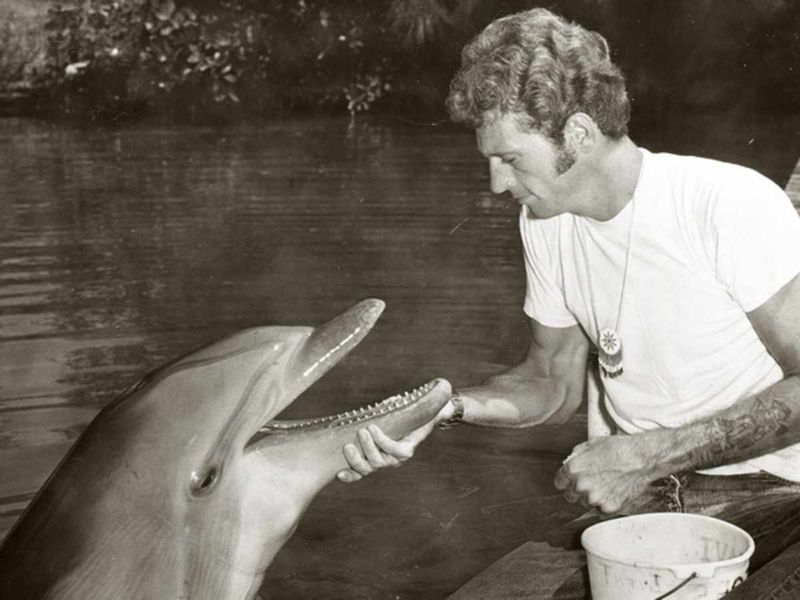
Fred Neil wrote “Everybody’s Talkin’,” the song Harry Nilsson made famous in “Midnight Cowboy,” and helped build the foundations of folk-rock in the 1960s. Yet by around 1970, Neil had largely turned his back on the music world for something he cared about even more: dolphins.
He co-founded the Dolphin Research Project in Florida and spent the rest of his life advocating for marine mammals. Fame simply mattered less to him than purpose.
His story stands as one of the most genuinely unusual and admirable exits in the history of American music.