
Marriage takes daily effort from both partners, and sometimes the most damaging habits are the ones that sneak up slowly. Small, repeated behaviors can chip away at trust, love, and connection without either person realizing what is happening.
Understanding these habits is the first step toward protecting your relationship before the damage goes too deep.
1. Refusing to Apologize or Take Responsibility

Some husbands would rather win an argument than save their marriage. When a husband refuses to say “I’m sorry” or admit he made a mistake, his wife stops feeling heard or respected.
Over time, unresolved conflicts pile up like unpaid bills. The resentment grows quietly until small disagreements feel like major battles.
Learning to own your mistakes is not weakness; it is one of the strongest things a husband can do for his marriage.
2. Keeping Secrets and Financial Dishonesty

Trust is the foundation every healthy marriage is built on, and secrets are like termites eating away at that foundation. Hiding money problems, debt, or secret spending from a spouse creates a wall that is very hard to tear down later.
Financial dishonesty does not have to be dramatic to be destructive. Even small hidden purchases or undisclosed accounts can make a wife feel like she married a stranger.
Honesty about money is non-negotiable in a strong partnership.
3. Consistent Selfishness and Taking Her for Granted

Nobody wants to feel invisible in their own home. When a husband consistently puts his own comfort, hobbies, or needs first without checking in on his wife, she slowly stops feeling like a partner and starts feeling like a convenience.
Gratitude costs nothing but means everything. A simple “thank you” or a moment of genuine appreciation can shift the entire energy of a marriage.
Recognizing your wife’s efforts keeps the connection alive and the resentment from quietly building up.
4. Comparing His Wife to Other Women

Few things sting quite like being compared unfavorably to someone else by the person who promised to love you. Whether it happens in public or at home, comparing a wife to other women plants seeds of insecurity that grow fast and spread wide.
A husband might think these comments are harmless or even motivating, but they rarely land that way. They quietly signal that his wife is not enough.
Choosing to celebrate your wife rather than compare her builds lasting security in a marriage.
5. Untreated or Unacknowledged Addictions

An addiction does not just affect the person struggling with it; it moves into the marriage like an uninvited roommate who never leaves. Whether it involves alcohol, gambling, social media, or anything else, the habit starts pulling attention, money, and emotional energy away from the relationship.
Denial makes everything worse. A husband who refuses to acknowledge a problem leaves his wife feeling helpless and alone.
Seeking help is not just about personal health; it is a direct act of love toward the marriage itself.
6. Neglecting Quality Time Together

Being in the same room does not automatically count as being present. Many couples drift apart not because of big dramatic events but because they stopped genuinely connecting on a daily basis.
Quality time means putting the phone down, making eye contact, and actually engaging. Even thirty minutes of focused attention can do wonders for a marriage.
Husbands who assume that living together is enough often wake up one day surprised by how far apart they have grown from their wives.
7. Blaming, Criticizing, and Name-Calling

Words carry weight, and harsh ones leave marks that do not fade quickly. A husband who regularly blames his wife for problems, picks apart her choices, or uses cruel nicknames is slowly chipping away at her self-worth.
Research from relationship experts consistently shows that criticism is one of the top predictors of divorce. Healthy disagreement looks nothing like personal attacks.
Couples who learn to address issues without attacking each other build a level of emotional safety that makes the marriage genuinely strong.
8. Refusing to Help Around the House
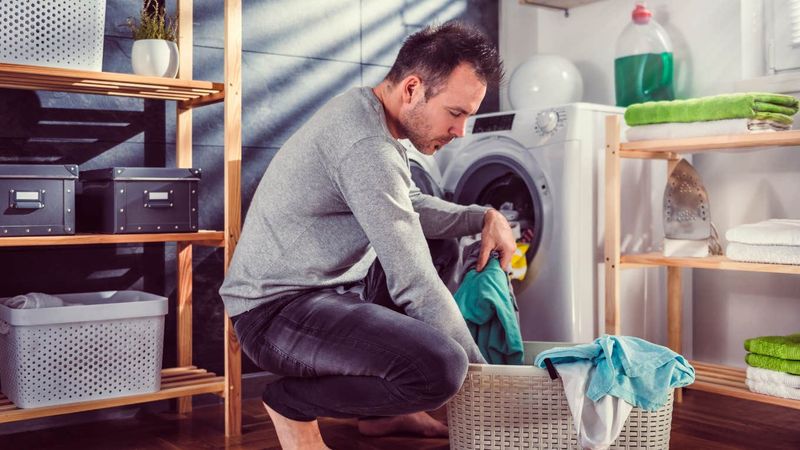
Chores might seem like a boring topic, but they are one of the most common sources of marital tension. When a husband treats household responsibilities as his wife’s job alone, she stops feeling like a partner and starts feeling like hired help.
Sharing the load is about respect as much as it is about fairness. Studies show that couples who split household duties more evenly report higher satisfaction in their marriages.
Picking up a mop or doing the dishes is a small act that sends a big message.
9. Withdrawing Affection and Emotional Intimacy

Physical and emotional closeness are like oxygen for a marriage. When a husband pulls back from hugging, touching, or even having meaningful conversations, his wife can feel rejected without a single harsh word being spoken.
Sometimes withdrawal happens gradually, almost invisibly. A husband may not even realize he has been emotionally checked out for months.
Rebuilding intimacy starts with small intentional gestures, a warm hug, a real conversation, a moment of eye contact that says “I still choose you.”
10. Poor Communication and Stonewalling

Stonewalling, the act of shutting completely down during conflict, is one of the most damaging communication patterns in marriage. When a husband goes silent, leaves the room, or refuses to engage, his wife is left talking to a wall and feeling utterly alone.
Healthy communication does not mean never getting upset. It means staying in the conversation even when it is uncomfortable.
Husbands who learn to express feelings calmly, listen actively, and avoid the “you always” and “you never” traps give their marriages a real fighting chance.
11. Using Control and Intimidation

Control in a marriage rarely starts with something obvious. It often creeps in through small behaviors: deciding where the family goes, who the wife spends time with, or how money gets spent, all without real discussion.
Intimidation and manipulation are not signs of strength; they are signs of deep insecurity. A husband who uses fear or pressure to get his way is not leading his family; he is damaging it.
Mutual respect and shared decision-making are what actually hold a marriage together long-term.
12. Devaluing His Wife and the Relationship

Subtle disrespect can be just as harmful as outright cruelty. Eye rolls, dismissive sighs, sarcastic comments, or failing to acknowledge a wife’s achievements all send the same message: she does not matter much.
Public put-downs are especially damaging because they humiliate a wife in front of others, making it harder for her to brush the behavior off. A marriage thrives when both partners actively champion each other.
Choosing to speak well of your wife, both privately and publicly, is a habit worth building.
13. Emotional Detachment and Checked-Out Syndrome

Some husbands are physically present but emotionally somewhere else entirely. This kind of invisible absence, sometimes called “miserable husband syndrome,” happens when a man feels burned out, trapped, or resentful but never talks about it.
Instead of addressing his feelings, he withdraws, becomes irritable, or quietly blames his family for his unhappiness. His wife senses the distance but cannot identify the source.
Breaking this cycle requires a husband to get honest about what he is feeling before the emotional gap becomes impossible to close.
14. Overlooking the Small Gestures and Milestones

Big romantic gestures get all the attention, but it is actually the small daily moments that build or break a marriage. Forgetting anniversaries, failing to notice when a wife does something thoughtful, or not greeting her warmly when she walks through the door all add up.
Over time, feeling unseen in the small moments creates a deep emotional distance. A quick “I noticed” or “that meant a lot” can do more for a marriage than an expensive vacation.
Paying attention to the little things is one of the easiest and most powerful habits a husband can build.
15. Constantly Prioritizing Personal Needs Over the Partnership

Every person needs individual time and space, that part is healthy. The problem starts when a husband’s hobbies, friends, or personal goals consistently come before the needs of the marriage and family.
A wife who repeatedly comes last on her husband’s priority list eventually stops asking to be first. Resentment builds quietly until one day the relationship feels more like a roommate situation than a partnership.
Balancing personal fulfillment with genuine investment in the marriage is what keeps both partners feeling valued and connected.