
Independent horror films have always punched above their weight, delivering genuine scares without massive Hollywood budgets. Made by passionate filmmakers with bold ideas, these movies often push boundaries in ways big studios never dare.
From creepy found footage to slow-burn psychological nightmares, indie horror has shaped the entire genre. Get ready to explore the films that proved you don’t need a big budget to terrify an audience.
1. Night of the Living Dead (1968)
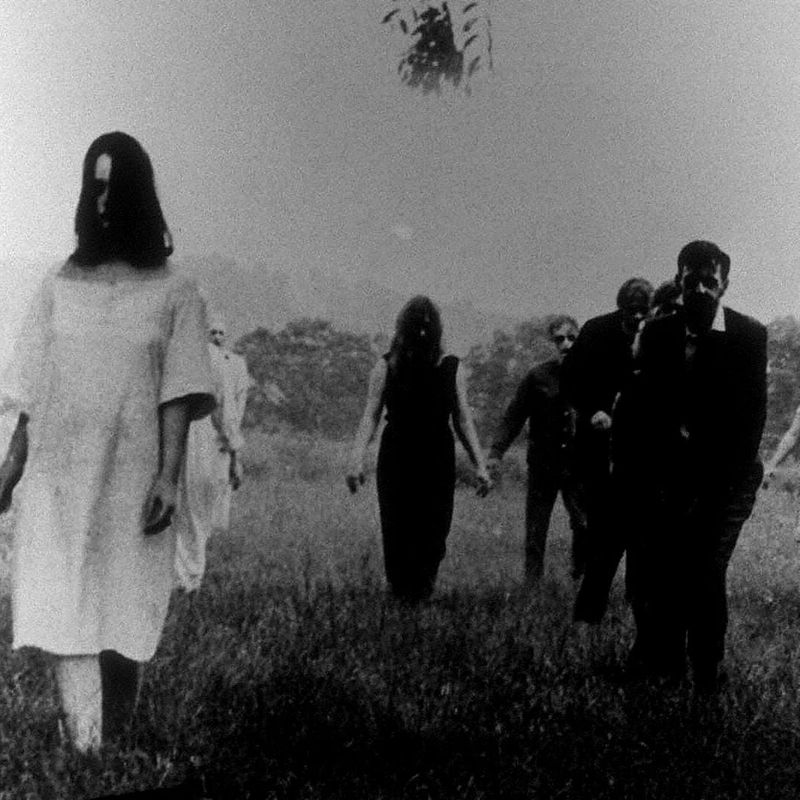
Before zombies were everywhere, George Romero changed horror forever with this low-budget masterpiece. Shot in black and white for under $115,000, it turned a group of strangers trapped in a farmhouse into something unforgettable.
Romero packed the film with sharp social commentary about race and authority that still hits hard today.
The practical effects were simple but terrifying, proving that creativity beats cash every time. Few films have left a bigger mark on horror history.
2. The Texas Chain Saw Massacre (1974)
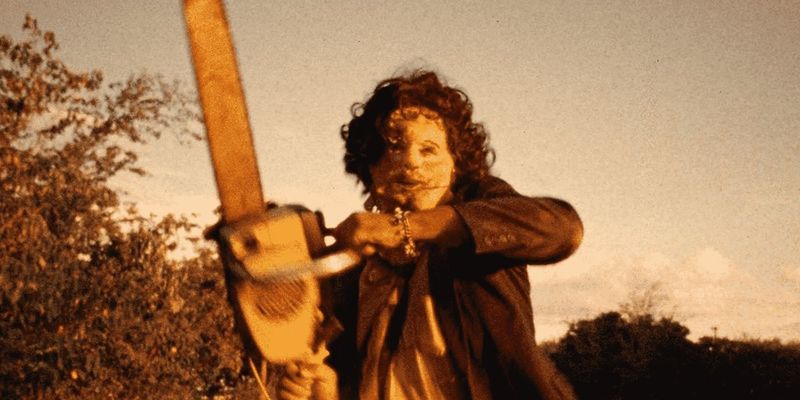
Tobe Hooper made audiences squirm with this raw, relentless film that felt almost uncomfortably real. Shot on a shoestring budget in the sweltering Texas heat, the cast and crew suffered through grueling conditions that somehow made the fear feel authentic.
The film introduced the world to Leatherface, one of horror’s most iconic villains.
It also helped define the slasher genre and gave birth to the “final girl” trope that countless movies would borrow for decades.
3. Halloween (1978)
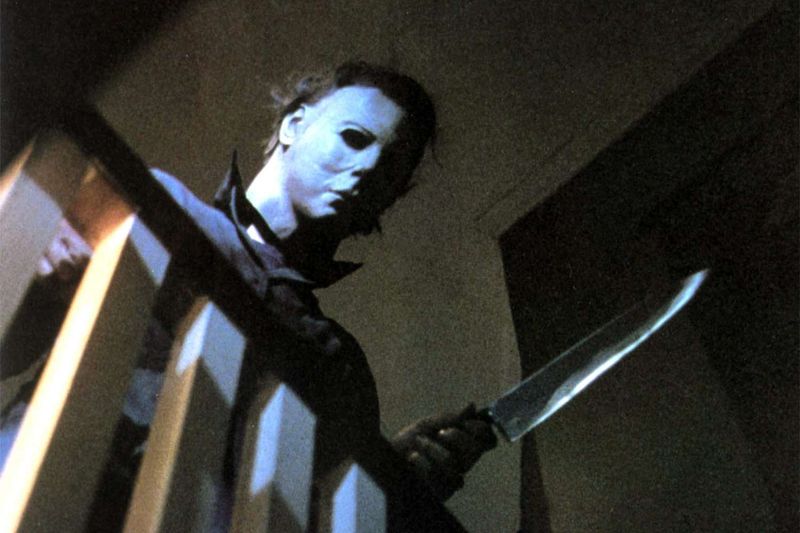
John Carpenter made this iconic thriller for roughly $300,000, and it went on to earn over $70 million worldwide. That kind of return is almost unheard of, and it happened because the film was genuinely terrifying.
Michael Myers, with his blank white mask and silent menace, became the blueprint for slasher movie villains.
Carpenter also composed the spine-chilling score himself, proving that one talented filmmaker can wear many hats and still scare millions of people.
4. The Evil Dead (1981)
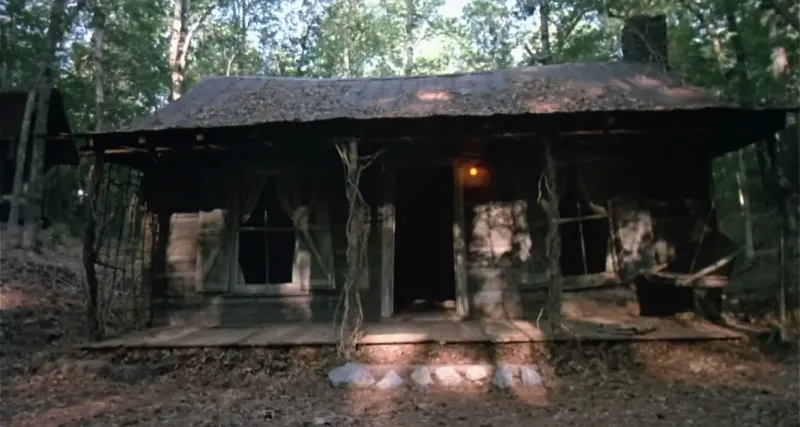
Sam Raimi was just 21 years old when he started making this film, borrowing money from dentists and local investors to fund his wild vision. What came out was a chaotic, energetic, cabin-in-the-woods nightmare that nobody expected.
Bruce Campbell’s performance as Ash became legendary, and the movie launched both of their careers into the stratosphere.
The inventive camera tricks Raimi used on a tiny budget are still studied in film schools today as examples of pure creative problem-solving.
5. The Blair Witch Project (1999)
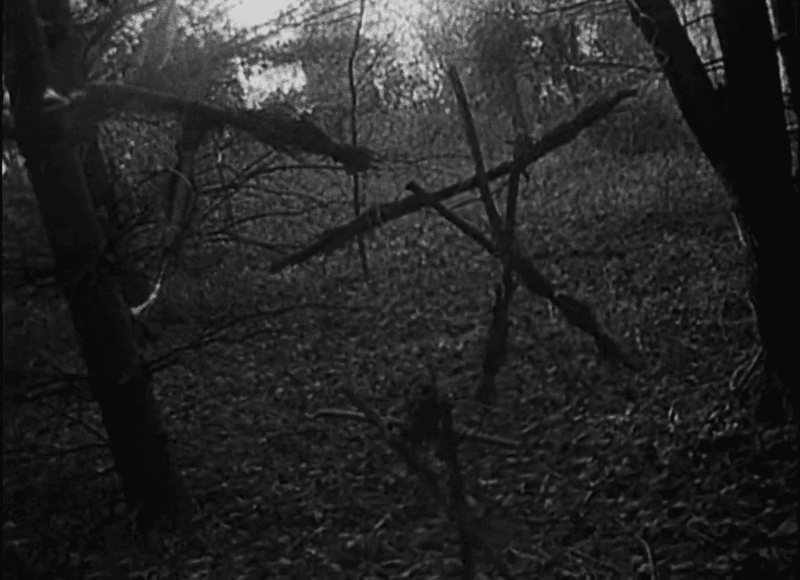
Made for around $60,000 and marketed like it was real, this film tricked audiences into believing three student filmmakers had actually vanished in the woods. The viral marketing campaign was years ahead of its time, flooding the internet with fake missing persons reports and fake documentary clips.
People genuinely argued about whether it was real.
The shaky handheld footage and improvised dialogue created a suffocating sense of dread. It remains one of the most profitable films ever made relative to its budget.
6. Saw (2004)
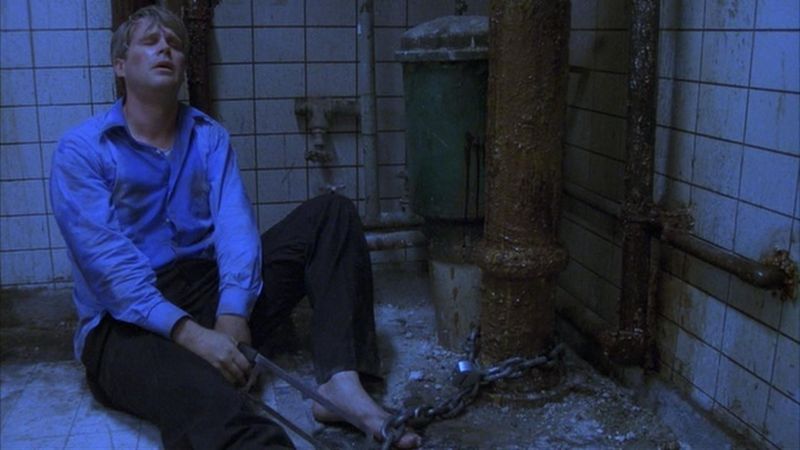
James Wan and Leigh Whannell wrote this script while nearly broke, shooting the original short film for almost nothing just to prove the concept worked. The full feature was made for $1.2 million and earned over $100 million at the box office.
That twist ending had audiences gasping and rewinding in disbelief.
Saw launched one of horror’s biggest franchises, but the original still stands as a tight, clever thriller that relied on psychological tension more than anything else.
7. Paranormal Activity (2007)
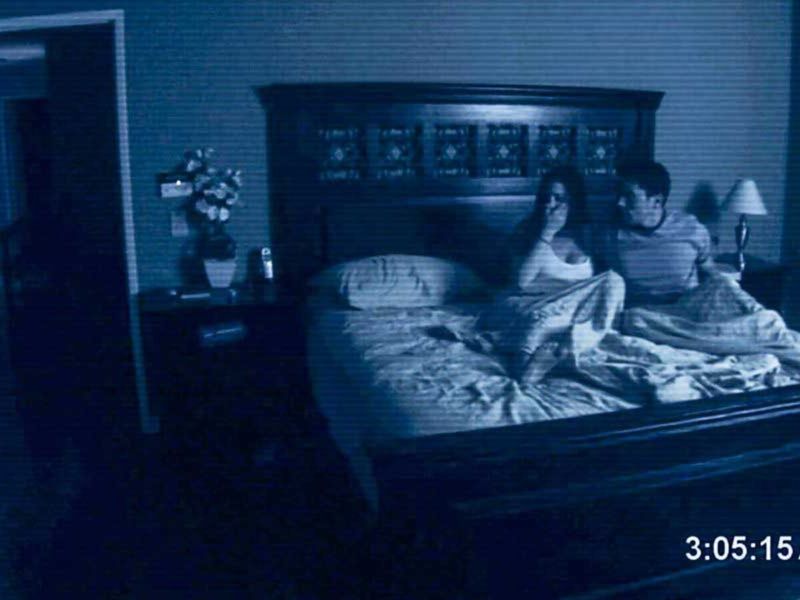
Oren Peli filmed this movie inside his own house for around $15,000, using consumer-grade cameras and letting the story unfold through static night-vision footage. DreamWorks picked it up and turned it into a phenomenon, eventually earning over $193 million worldwide.
The genius was in what you couldn’t see.
Audiences leaned forward trying to spot the danger lurking at the edges of each frame. Few horror films have weaponized silence and stillness quite so effectively as this one did.
8. [REC] (2007)
![[REC] (2007)](https://onyourjourney.co.uk/wp-content/uploads/2026/05/Paranormal-Activity-2007.webp)
Spanish directors Jaume Balaguero and Paco Plaza created one of the most terrifying found-footage films ever made, set entirely inside a quarantined Barcelona apartment building. A TV reporter and her cameraman follow firefighters into what quickly becomes a nightmare.
The claustrophobic setting makes every corner feel like a threat.
What separates this from other found-footage films is its relentless pacing and the genuine sense of panic the cast brings. The final scene is genuinely one of horror’s scariest moments.
9. Let the Right One In (2008)
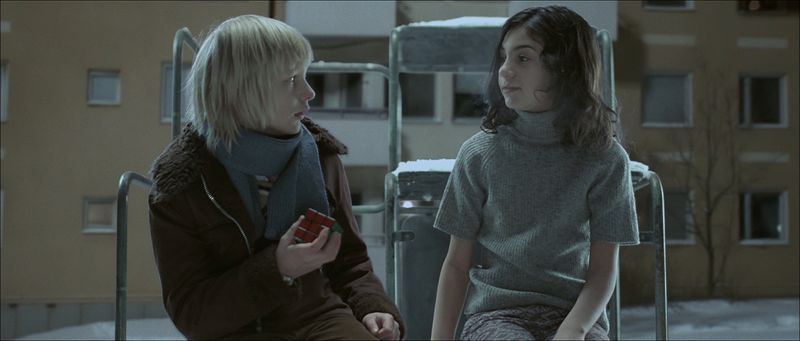
This Swedish vampire film is nothing like the flashy, action-packed vampire stories Hollywood usually tells. Director Tomas Alfredson built a quiet, deeply emotional story about loneliness, friendship, and survival set against a frozen Swedish winter.
Twelve-year-old Oskar befriends Eli, his mysterious new neighbor, and the bond between them is both heartwarming and deeply unsettling.
The film proves horror can be tender without losing its bite. Few monster movies have ever felt this genuinely human at their core.
10. The House of the Devil (2009)
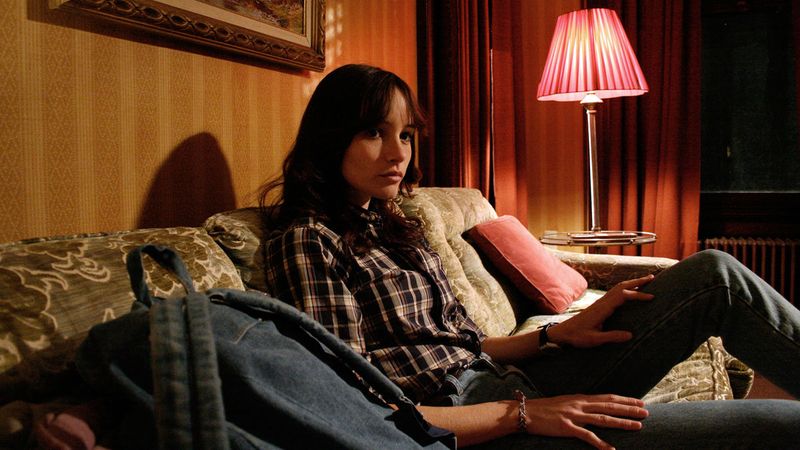
Ti West made this film look and feel exactly like a horror movie from 1983, right down to the grainy film stock and slow, creeping tension. A college student takes a babysitting job at a creepy old house and spends most of the film just… waiting.
That waiting is the horror, and West uses it brilliantly.
Most modern horror rushes to the scares, but this one trusts the audience to feel the dread building. Patience pays off spectacularly by the final act.
11. The Babadook (2014)
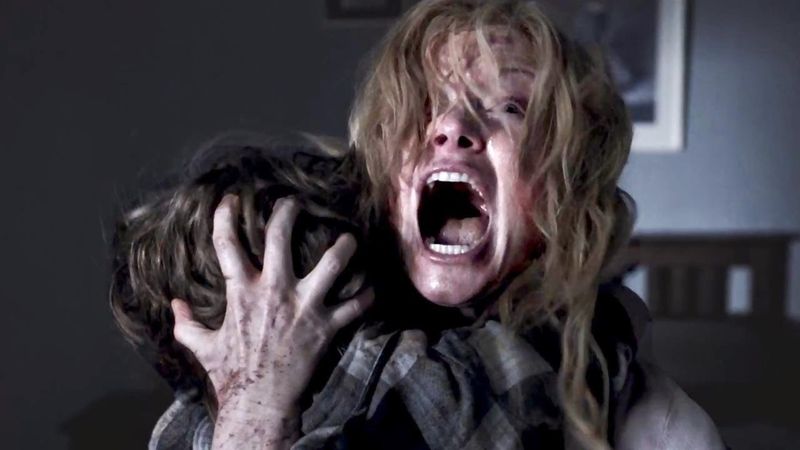
Jennifer Kent’s debut feature is one of the most emotionally devastating horror films ever made, using a terrifying storybook monster to explore grief and the crushing weight of single parenthood. Amelia, still mourning her husband’s death, struggles to connect with her troubled young son Samuel as something dark creeps into their home.
Made for just $2 million, it stunned critics at Sundance. Essie Davis delivers a raw, extraordinary performance that anchors every scare with genuine human pain.
12. It Follows (2014)
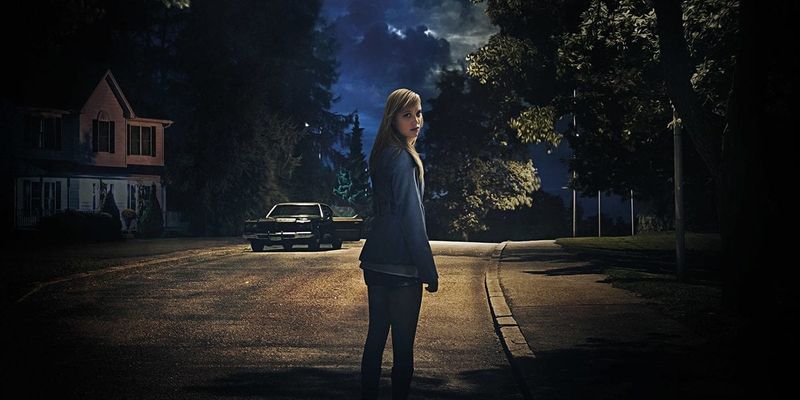
David Robert Mitchell built this film around one of the most unsettling premises in recent horror history: a supernatural entity that slowly follows you wherever you go after being passed to you through a sexual encounter. The creature never runs.
It just walks, relentlessly, always getting closer. That concept alone is enough to keep you up at night.
The synth-heavy score and wide, open suburban shots give the film a dreamlike dread. It feels timeless, like a nightmare you can’t quite shake.
13. The Witch (2015)
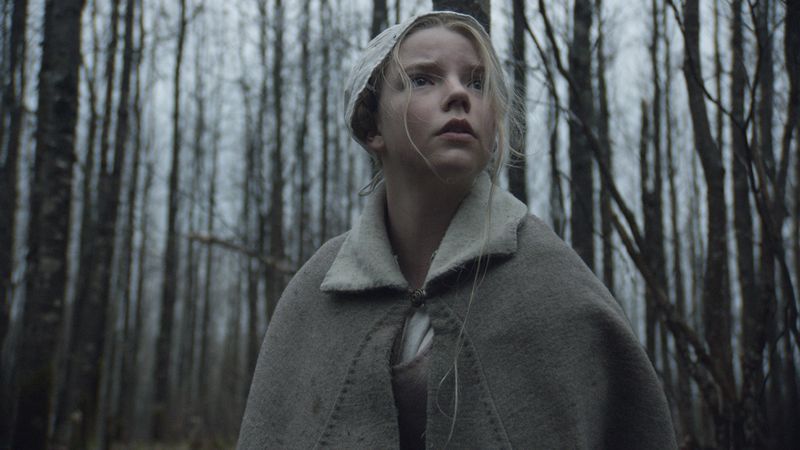
Robert Eggers spent four years researching 17th-century New England before filming a single frame, and that obsessive dedication shows in every detail. The dialogue is pulled directly from historical documents, the costumes are painstakingly accurate, and the forest at the edge of the farm feels genuinely ancient and evil.
There are no cheap jump scares here.
The horror grows from paranoia, religion, and family tension. Anya Taylor-Joy announced herself as a major talent in her breakout role as Thomasin.
14. Green Room (2015)
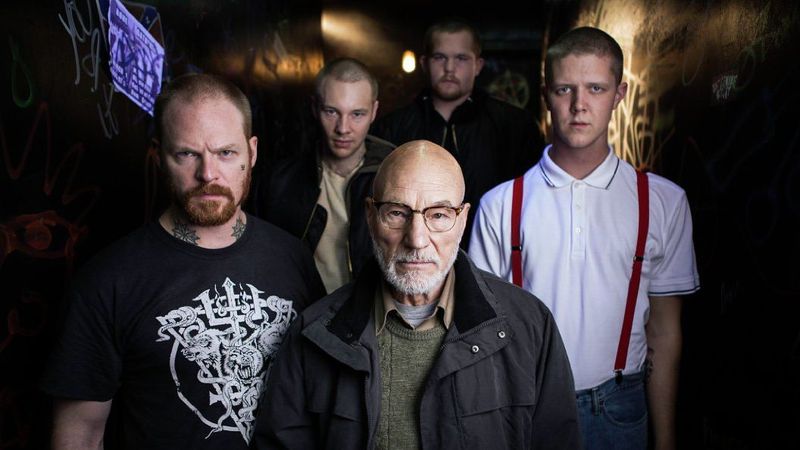
Jeremy Saulnier’s film drops a struggling punk band into the worst gig of their lives when they witness something they shouldn’t at a neo-Nazi bar. What follows is a brutal, claustrophobic siege thriller that never lets up.
Patrick Stewart plays the villain with chilling, understated menace that makes him scarier than any monster.
The film is grimy, fast, and unflinching. Anton Yelchin leads the cast with a performance full of raw, desperate energy that makes every moment feel horribly real.
15. The Invitation (2015)
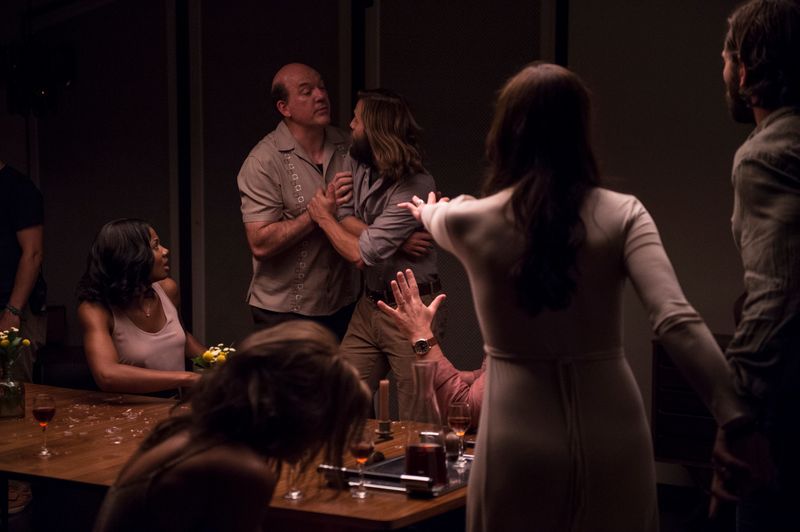
Karyn Kusama’s slow-burn thriller works because it makes you question everything you’re watching, right alongside the main character. Will attends a dinner party hosted by his ex-wife and her new partner, and something feels deeply off from the moment he arrives.
The film weaponizes social awkwardness and grief to create a suffocating sense of unease.
You keep second-guessing whether Will is paranoid or perceptive. That ambiguity is the engine that drives the story straight into its shocking, unforgettable finale.
16. Get Out (2017)
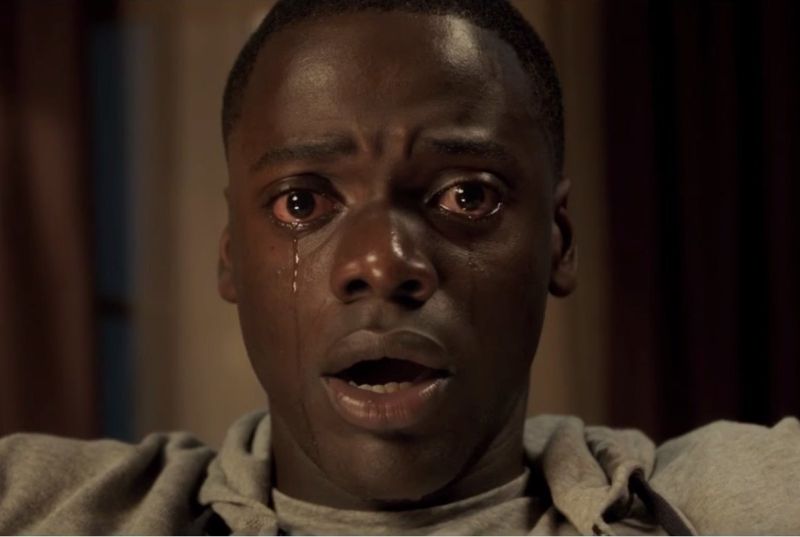
Jordan Peele wrote and directed this film as a first-time feature director, and it went on to win the Academy Award for Best Original Screenplay. That alone tells you something remarkable happened here.
Chris visits his white girlfriend’s family for a weekend and slowly realizes the cheerful suburban setting hides something horrifying underneath.
The film uses horror to dissect racism with surgical precision. It earned over $255 million worldwide on a $4.5 million budget, making it one of indie horror’s greatest success stories.
17. Hereditary (2018)
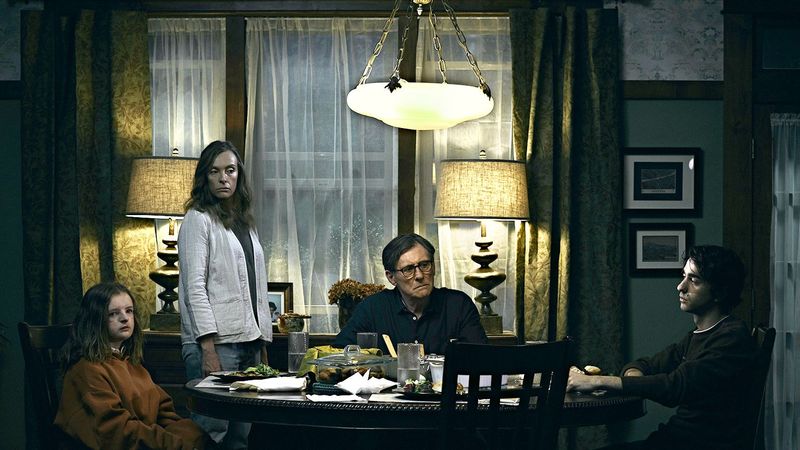
Ari Aster’s debut feature hits like a freight train, beginning as a devastating family grief drama before morphing into something truly nightmarish. Toni Collette gives one of the greatest horror performances ever committed to film, portraying a mother unraveling under the weight of loss and dark family secrets.
The film does not ease you in gently.
Every frame feels carefully constructed to maximize discomfort. By the time the horror fully reveals itself, you’re already too emotionally invested to look away.
18. A Girl Walks Home Alone at Night (2014)
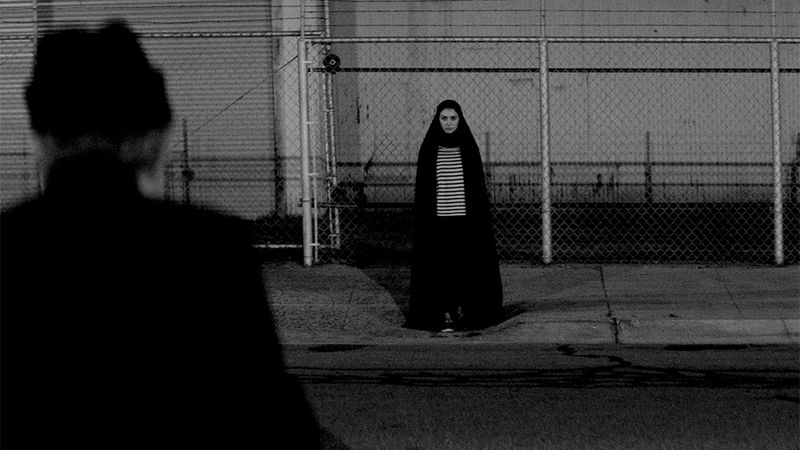
Ana Lily Amirpour called this film an Iranian vampire spaghetti western, and that description barely scratches the surface of how original it truly is. Shot in gorgeous black and white with an all-Arab cast, the film follows a solitary vampire who haunts a fictional Iranian ghost town and preys on men who harm women.
The mood is hypnotic, the soundtrack is eclectic, and the imagery is stunning. Amirpour arrived as a filmmaker with a fully formed and utterly distinctive vision.