
Every generation grows up with habits that feel completely normal at the time. But as the world changes, some of those routines start to slow people down or create unnecessary friction with others.
Baby Boomers built many of their habits in a very different era, and while those habits made sense then, holding onto all of them today can make life harder than it needs to be. Letting go of a few old patterns might just open the door to a simpler, more connected life.
1. Relying on Phone Calls for Everything

Phone calls used to be the gold standard of communication, but times have shifted dramatically. Younger people often find unexpected calls stressful or intrusive, especially during work hours.
A quick text or message app gets answers faster and lets both parties respond on their own schedule.
Switching to texting or messaging apps does not mean losing warmth or connection. It just means speaking the language people actually use today.
2. Keeping a Landline Phone at Home

There was a time when a home phone number was as essential as a home address. Today, most households have quietly unplugged their landlines without missing a beat.
Mobile phones handle calls, texts, video chats, and emergencies far more efficiently than any wall-mounted device ever could.
Holding onto a landline often means paying a monthly bill for something that rings maybe once a week. Letting it go is surprisingly freeing.
3. Writing Handwritten Notes for Routine Messages
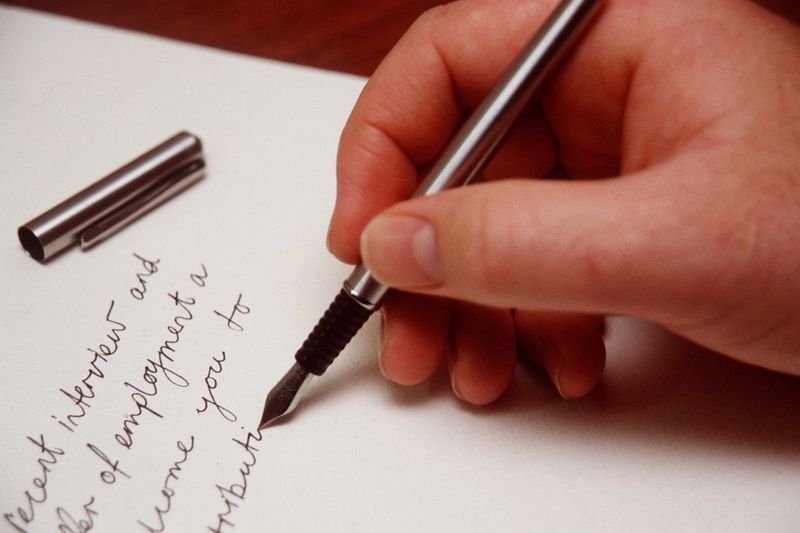
Handwritten notes carry a certain charm, and for special occasions like birthdays or thank-you cards, they still shine. However, using pen and paper for everyday communication like grocery reminders, appointment confirmations, or work updates adds unnecessary steps in a world built around instant messaging.
Email and messaging apps deliver information in seconds and keep everything searchable. Save the handwritten touch for moments that truly deserve that personal flair.
4. Clipping Paper Coupons from Newspapers
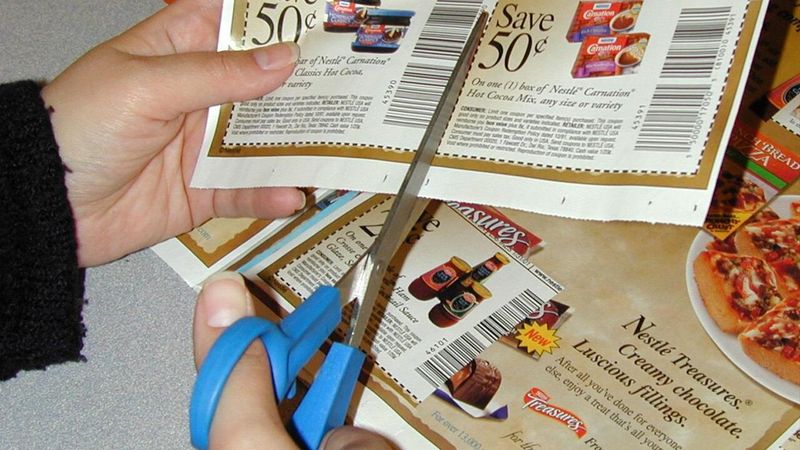
Few things feel as satisfying as snipping a coupon and watching the register total drop. But hunting through Sunday papers and organizing little slips of paper takes real time and effort.
Digital coupon apps like Honey, Rakuten, and store loyalty apps do the same job automatically, often finding better deals.
Most grocery and retail apps apply discounts at checkout with zero scissors required. The savings are still real, but the process is far less messy.
5. Using Cash for Almost Every Purchase

Cash has its place, but reaching for a wallet full of bills for every coffee, grocery run, or gas station stop slows things down considerably. Digital wallets, tap-to-pay cards, and mobile payment apps complete transactions in seconds while automatically tracking spending.
Beyond convenience, going cashless also reduces the risk of carrying large amounts of money. Most places today accept cards or digital payments without hesitation, making the transition smoother than expected.
6. Manually Balancing a Checkbook
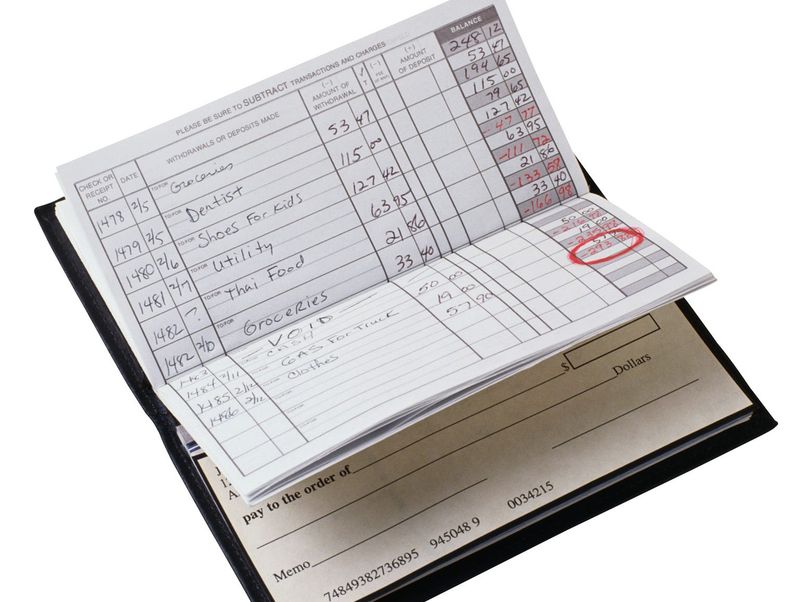
Balancing a checkbook was once a monthly ritual that kept finances in check, and it required real discipline. Online banking now shows real-time balances, transaction histories, and even spending breakdowns without picking up a pen.
Most banks also offer automatic alerts when balances drop or unusual charges appear.
Spending an hour reconciling numbers by hand when an app does it instantly is one habit worth releasing. Financial clarity has never been more accessible.
7. Developing Film and Keeping Physical Photo Albums
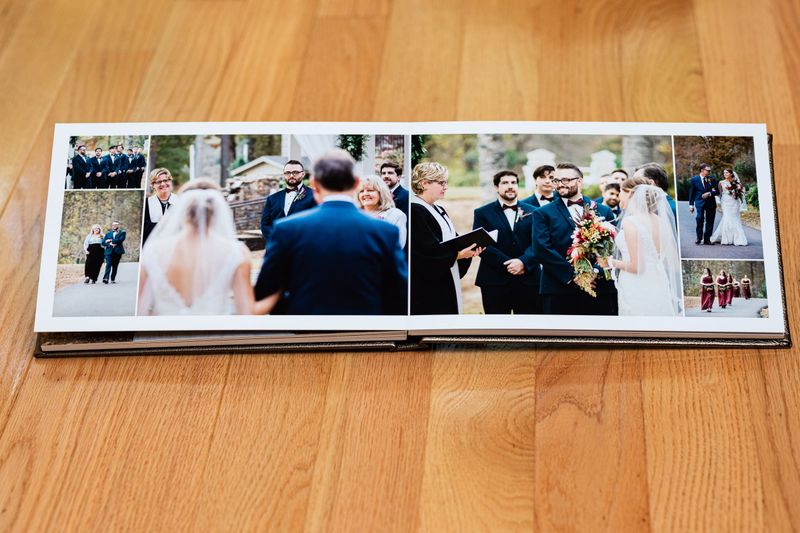
There is something undeniably nostalgic about holding a printed photograph, but developing rolls of film and storing dozens of bulky albums takes up serious space. Cloud storage services like Google Photos and iCloud back up thousands of images instantly and make sharing with family effortless.
Digital photos never fade, never get water damaged, and never need a dedicated shelf. For truly special shots, online printing services can still produce beautiful physical copies on demand.
8. Wearing Pantyhose as a Daily Wardrobe Staple

For decades, pantyhose were considered a non-negotiable part of polished, professional dressing for women. Modern fashion has largely moved on, embracing bare legs, tights, or comfortable leggings without any loss of style or credibility.
Dress codes across workplaces and social settings have relaxed considerably since the pantyhose era peaked.
Comfort-forward fashion is not a sign of letting standards slip. Choosing what feels good while still looking put-together is a completely reasonable update to any wardrobe.
9. Sticking Exclusively to Analog Watches
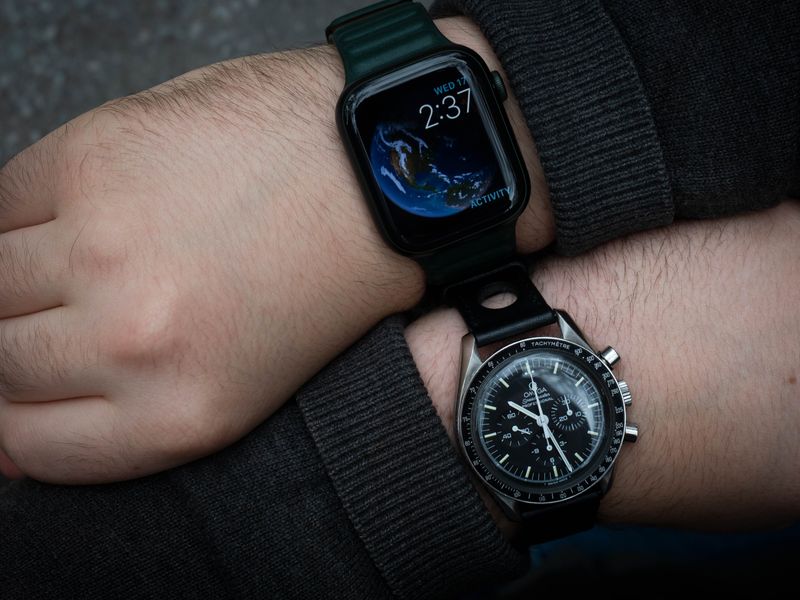
Analog watches are beautiful objects with real craftsmanship behind them, and nobody is suggesting they disappear entirely. But for everyday use, smartwatches offer a remarkable range of features that go well beyond telling time.
Heart rate monitoring, step counting, sleep tracking, and instant message notifications all live on the wrist.
Many smartwatches also look sleek and stylish today, far from the clunky gadgets of earlier years. Trying one for a week tends to convert even the most devoted analog fans.
10. Depending on Paper Maps for Navigation
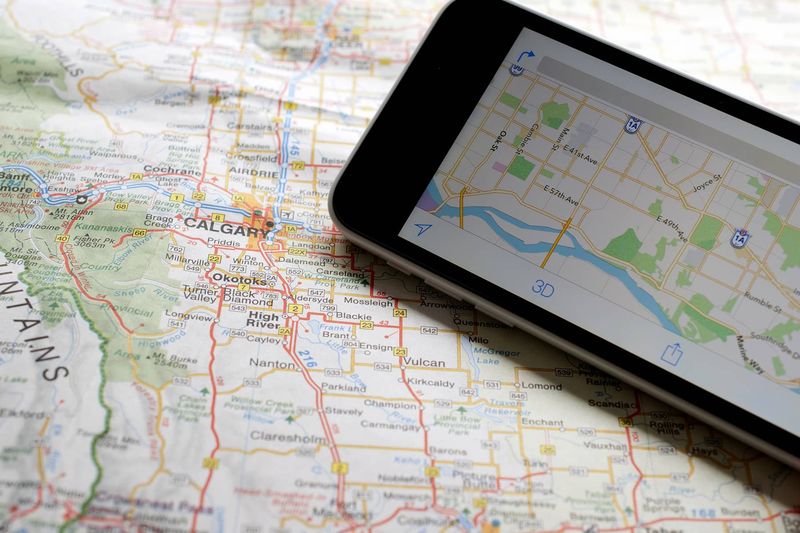
Unfolding a paper map in the middle of a road trip while trying to figure out which way is north is a special kind of frustration. GPS apps like Google Maps and Waze provide turn-by-turn directions, live traffic updates, and estimated arrival times in real time.
They even reroute automatically when roads are closed or backed up.
Paper maps are great conversation pieces and backup tools for extreme situations. For everyday navigation, though, the smartphone wins every single time.
11. Avoiding Apps and Digital Tools in Daily Life

Keeping digital tools at arm’s length might feel like maintaining independence, but it often just creates extra work. Scheduling apps, reminder tools, budgeting platforms, and health trackers are designed to reduce mental load, not increase it.
Millions of people use them daily to stay organized without feeling overwhelmed.
Starting small with one app, like a simple calendar or a weather tool, builds confidence quickly. Most apps are far more user-friendly than they look from the outside.
12. Insisting on In-Person Service for Everything

Walking into a branch to deposit a check or calling a customer service line for every question made sense before digital platforms existed. Today, banking apps, telehealth services, and online support portals handle most tasks faster and without the wait.
Many services now operate entirely online with excellent results.
Holding out for face-to-face interaction for routine tasks often means longer waits and limited hours. Embracing self-service digital tools puts more control directly in the user’s hands.
13. Treating the 9-to-5 Schedule as Sacred

The traditional 9-to-5 workday was built around factory floors and office buildings where physical presence was essential. Remote work, flexible scheduling, and results-based performance have redefined what productive work actually looks like.
Many companies now measure output over hours clocked, and productivity often improves with that shift.
Pressuring younger colleagues to match a rigid schedule can create unnecessary tension and reduce morale. Flexibility is not laziness, it is often just a smarter way to work.
14. Glorifying Overwork as a Badge of Honor
Working long hours, skipping vacations, and bragging about never taking sick days used to signal dedication and toughness. Research now consistently links chronic overwork to serious health problems including heart disease, anxiety, and burnout.
Younger generations have pushed back hard on this culture, and the data backs them up.
Resting is not a weakness. Protecting personal time and energy is a form of self-respect that also tends to make people better, more focused workers in the long run.
15. Romanticizing Struggle as Character Building

Stories about walking miles to school or working three jobs to survive can carry real wisdom, but framing suffering as something people simply need to endure dismisses the value of mental health support. Struggling is not a virtue in itself, and suggesting otherwise puts unfair pressure on people who are already dealing with real challenges.
Empathy goes further than tough-love speeches. Acknowledging someone’s difficulty without turning it into a life lesson creates far stronger connections.
16. Staying in Unhappy Marriages Out of Obligation

Generations were taught that marriage was a lifelong commitment to honor no matter what, even when the relationship became deeply unhappy or even harmful. Modern understanding of relationships emphasizes mutual respect, emotional health, and personal fulfillment as non-negotiable foundations.
Staying purely out of obligation rarely benefits either partner long-term.
Choosing happiness is not selfish. Whether that means rebuilding a marriage with professional help or walking away, prioritizing emotional well-being is a legitimate and courageous choice.
17. Offering Unsolicited Advice Constantly
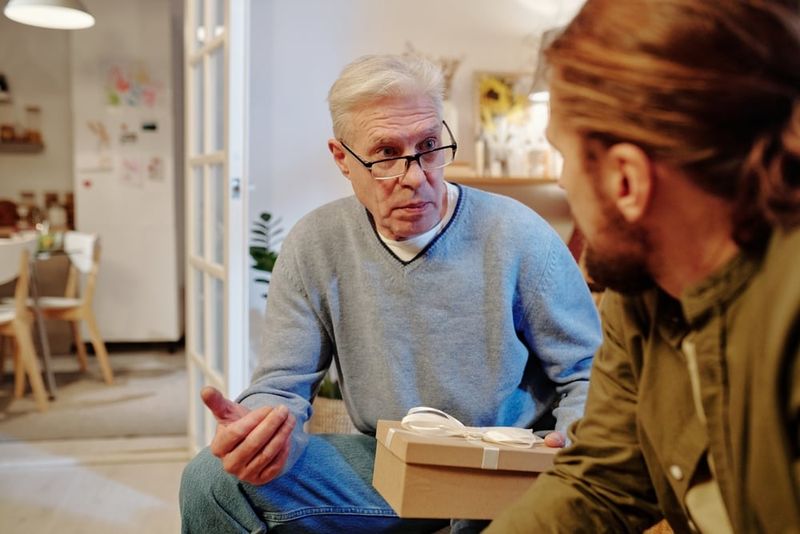
Well-meaning advice offered without being asked can land very differently than intended. Even when the intention is pure care and experience, unsolicited guidance often feels like criticism or a lack of trust in the other person’s judgment.
Younger adults especially tend to interpret it as condescending rather than helpful.
A simple question like, would you like my thoughts on this, changes everything. Waiting to be asked shows respect and makes advice far more likely to actually be heard and appreciated.
18. Dismissing Feelings with “You’ll Be Fine”

Phrases like you’ll be fine, toughen up, or others have it worse were once meant to encourage resilience. In practice, they shut down conversations and leave people feeling unheard.
Emotional validation does not require having all the answers, it just requires genuinely acknowledging that someone’s feelings are real and understandable.
Saying something like that sounds really hard goes a long way. Small shifts in language build trust and open the door to honest, meaningful conversations.
19. Accumulating Belongings and Resisting Decluttering

A lifetime of collecting things, saving items just in case, and holding onto objects for sentimental reasons can quietly turn a home into an obstacle course. Decluttering is not about throwing away memories, it is about making space for comfort and ease in daily living.
Many people report feeling genuinely lighter after a good clear-out.
Donation centers, family handoffs, and online marketplaces make it easy to give belongings a second life. Letting go of excess stuff often turns out to feel far better than holding on ever did.