
Staying close to your kids takes more than just being in the same house. Many parents unknowingly fall into habits that slowly push their children away, making it harder to build a real, lasting bond.
These patterns can chip away at trust and emotional connection over time. Recognizing these habits is the first step toward becoming the parent your child truly needs.
1. Being Emotionally Unavailable

You can be in the same room as your child and still feel miles away. Emotional unavailability happens when parents are physically there but mentally checked out, failing to acknowledge feelings or respond warmly to their child’s needs.
Kids who feel emotionally unseen start to shut down. Over time, they stop sharing their thoughts because they expect to be ignored.
Building closeness means putting down distractions and truly showing up for your child, heart and mind included.
2. Constant Criticism and Comparison

Nobody thrives under a constant spotlight of judgment. When parents regularly point out flaws, compare their child to siblings or classmates, or critique every choice, it chips away at a child’s confidence in a deep and lasting way.
Children who grow up hearing “why can’t you be more like…” often build walls to protect themselves from that sting. Encouragement and honest, kind feedback go much further than criticism ever will in keeping the relationship strong.
3. Helicopter Parenting and Over-Control
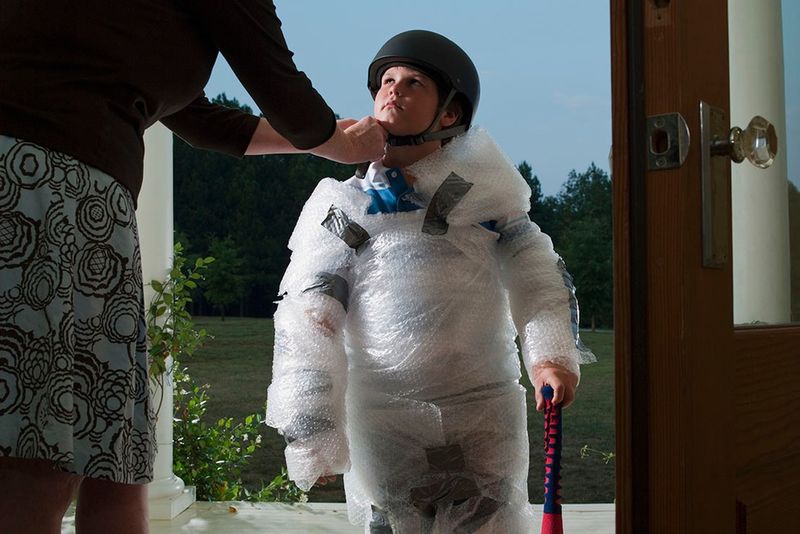
Watching out for your child is natural, but there is a fine line between caring and controlling. Helicopter parenting means hovering over every decision, leaving kids with no room to breathe, think, or figure things out on their own.
When children are never trusted to handle anything independently, they start to feel suffocated rather than supported. Stepping back and allowing age-appropriate choices actually builds trust and strengthens the parent-child bond more than constant supervision ever could.
4. Ignoring a Child’s Boundaries

Privacy is not just a teenage obsession. It is a genuine human need, and children of all ages deserve to have their personal space respected.
Parents who show up unannounced, read private messages, or meddle in personal matters often do so with good intentions.
But the result is resentment, not closeness. Kids who feel their boundaries are constantly crossed learn to hide things rather than share them openly.
Respecting boundaries actually opens more doors to honest communication than invading them ever could.
5. Half-Listening During Conversations

There is a big difference between hearing your child and actually listening to them. Half-listening, looking at your phone mid-conversation, or jumping in to offer solutions before your child finishes talking sends a clear message: what you say does not matter here.
Children pick up on this quickly and stop bringing their problems or stories to you. Real listening means full eye contact, patience, and genuine curiosity about what your child is sharing.
That simple habit builds more trust than almost anything else.
6. Making Love Feel Conditional

Love that comes with strings attached is one of the most confusing things a child can experience. When affection is only given after a good grade, a win on the field, or perfect behavior, kids quickly learn to perform for approval rather than feel genuinely loved.
This creates anxiety and a deep fear of failure. Children need to know they are loved on their worst days just as much as their best.
Unconditional warmth is the foundation every close parent-child relationship is built on.
7. Inconsistent Rules and Discipline

Kids actually feel safer when they know what to expect. Inconsistent rules, where something is fine one day and punishable the next, create a confusing environment that erodes trust over time.
Children start to feel like they are walking on eggshells.
Inconsistency can also make discipline feel unfair or even random, which breeds resentment rather than respect. Agreeing on clear, steady boundaries and following through consistently helps children feel secure, respected, and far more likely to stay connected with their parents.
8. Yelling and Harsh Discipline

Raising your voice might feel like the fastest way to get results, but frequent yelling does serious damage to a child’s sense of safety. When home becomes a place of fear rather than comfort, children emotionally withdraw to protect themselves.
Research consistently shows that harsh discipline increases anxiety and weakens the parent-child bond over time. Kids who are regularly yelled at often grow into adults who struggle to communicate openly.
Calm, firm responses teach far more effectively and keep the relationship intact.
9. Modeling Unhealthy Behaviors

Children are watching everything, even when you think they are not. Parents who display toxic communication, dishonesty, or poor conflict resolution are quietly teaching those same patterns to their kids without saying a single word about it.
Monkey see, monkey do is not just a nursery rhyme. It is a parenting reality.
When children grow up mimicking unhealthy habits they learned at home, it strains their future relationships and their bond with you. Modeling kindness and healthy communication is one of the most powerful parenting tools available.
10. Failing to Make Quality Time

Busy schedules are a real challenge, but consistently choosing work, screens, or social commitments over uninterrupted time with your child sends a message that sticks. Kids do not need expensive outings; they need your undivided attention.
Even twenty minutes of genuine, phone-free connection each day can make a child feel valued and seen. Parents who keep pushing quality time to “later” often find that, as their child grows up, the emotional distance between them grows too.
Time is the one thing you cannot get back.
11. Gaslighting or Dismissing Feelings

“You are overreacting” and “that never happened” are phrases that can quietly do enormous damage. When parents dismiss, minimize, or twist a child’s experiences, they teach their child not to trust their own emotions or perceptions.
Gaslighting does not always look dramatic. Sometimes it is as simple as saying “you are fine” when a child is clearly not.
Children who are consistently told their feelings are wrong eventually stop expressing them altogether. Validating emotions, even when you disagree, keeps communication honest and the relationship healthy.
12. Taking Independence as Rejection

Growing up means growing apart, at least a little. When a child starts wanting more independence, some parents interpret it as rejection and respond with guilt or withdrawal, which only pushes the child further away.
A teenager wanting space is developmentally healthy, not a sign that you have failed as a parent. The trick is to stay available without being clingy.
Parents who cheer on their child’s independence while keeping the door open for connection often end up with a much stronger long-term relationship than those who resist the natural process of growing up.
13. Using Guilt Trips and Emotional Manipulation

“After everything I have done for you” is a sentence many children dread hearing. Guilt trips might feel like an effective tool in the moment, but they are actually a form of emotional manipulation that slowly poisons the relationship.
Children raised on guilt learn to make decisions based on fear of disappointing rather than their own values and judgment. Over time, they start avoiding conversations with the parent who uses these tactics.
Honest, respectful communication builds far stronger bonds than emotional pressure ever will.
14. Over-Rescuing and Not Allowing Failure

Jumping in to fix every problem your child faces might feel like great parenting, but it actually robs them of something valuable: the chance to learn. Kids who are never allowed to struggle, fail, or figure things out develop little confidence in their own abilities.
Over time, over-rescued children may become dependent, anxious, or resentful of their parents. Letting your child stumble, and then being there to support them through it, teaches resilience and shows that you believe in their ability to handle life on their own terms.
15. High Levels of Parental Conflict

Kids should never feel like they have to pick a side. When parents fight frequently, especially in front of their children or by pulling them into the argument, it shakes a child’s sense of safety right down to the core.
Children caught in the middle of parental conflict often experience anxiety, guilt, and emotional exhaustion. They may pull away from both parents to protect themselves from the tension.
Keeping adult disagreements away from children and modeling respectful conflict resolution is one of the most loving things parents can do.
16. Disrespecting a Child’s Partner

Few things drive an adult child away faster than feeling like they have to defend the person they love every time they visit home. When parents are dismissive, rude, or openly critical of their child’s romantic partner, they force an impossible choice.
Most young adults will choose their partner, and the parent loses the relationship. Even if you have concerns, expressing them with respect and restraint goes a long way.
Showing genuine effort to understand and welcome your child’s partner keeps the door open rather than slamming it shut.
17. Putting Excessive Pressure on Performance

Achievement matters, but when it becomes the main way a child earns your pride and attention, something important gets lost. Kids who grow up under constant performance pressure often feel like their worth is tied entirely to their results, not who they are as a person.
They start hiding failures instead of talking about them, afraid of disappointing you. That silence grows into distance.
Celebrating effort alongside achievement, and making it clear that you love the child behind the grade, creates a relationship where they feel safe enough to be honest with you.