
Some phrases you say every day might be giving away your age without you even realizing it. Words and expressions carry history, and the ones passed down through families or neighborhoods can feel totally normal to you but completely foreign to younger generations.
Whether you picked them up from a grandparent or just absorbed them over time, these old-school sayings are a fun window into the past. See how many of these sound familiar.
1. Don’t Get Your Knickers in a Twist
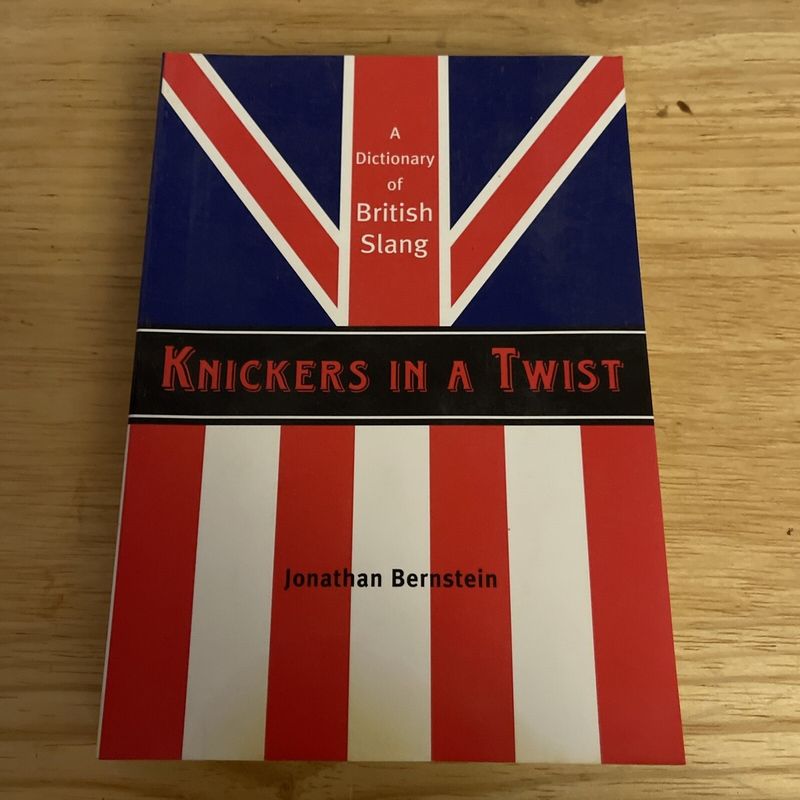
Picture telling a stressed-out friend to calm down, and instead of saying “relax,” you blurt out this gem. “Don’t get your knickers in a twist” is a playful, old-fashioned way to tell someone they are overreacting. It has a lighthearted ring to it that modern phrases just cannot match.
Popular in British and older American circles, the phrase has a charming, almost theatrical quality. Younger people might raise an eyebrow, but anyone who grew up hearing it knows exactly what it means.
2. Mad as a Hatter

Long before Alice in Wonderland made this phrase famous, real hat makers in the 18th and 19th centuries were known for erratic behavior caused by mercury exposure used in felt production. “Mad as a hatter” described someone genuinely eccentric, not just quirky.
Today, calling someone a “hatter” sounds almost poetic. It carries a nostalgic warmth that blunt modern insults lack.
If this phrase rolls off your tongue naturally, you likely grew up around some wonderfully old-school storytellers.
3. Heavens to Betsy!
Nobody knows exactly who Betsy was, but generations of people have called on her name in moments of shock. “Heavens to Betsy!” is an exclamation that sounds endearingly dramatic, like something straight out of a black-and-white TV show. It is the kind of phrase that makes younger listeners do a double-take.
There is something genuinely charming about it. Saying it today feels almost theatrical, but for those who grew up hearing it, it just means something truly surprised you.
4. A Stitch in Time Saves Nine
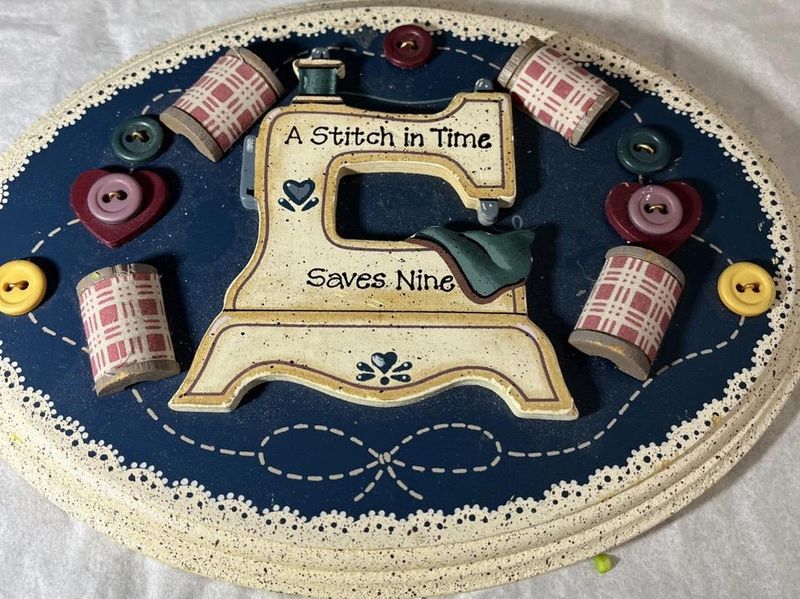
Fix a small problem now, or deal with a much bigger one later. That is the entire wisdom of this centuries-old proverb packed into seven words. “A stitch in time saves nine” was practical advice in an era when clothing was expensive and mending was a real daily skill.
The saying still holds up today, even if most people no longer literally sew their own clothes. Dropping this phrase in conversation instantly signals that someone raised you with old-fashioned, practical wisdom.
5. Don’t Take Any Wooden Nickels
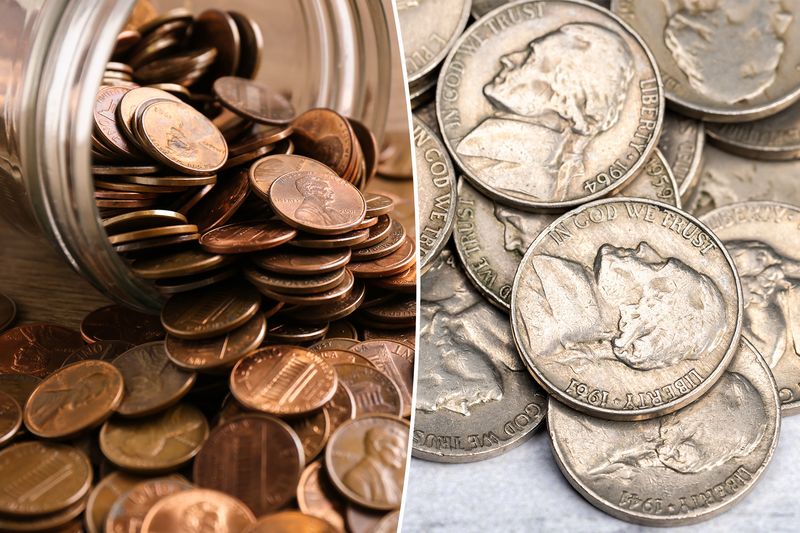
Back when wooden tokens occasionally circulated as unofficial currency, this farewell phrase was genuinely useful advice. “Don’t take any wooden nickels” meant watch out for tricks and do not let anyone fool you. It was the era’s version of “stay safe and be smart.”
Today it sounds hilariously quirky, but the warmth behind it is real. Grandparents said it as a loving send-off.
If someone in your life used to say this as you walked out the door, you had a truly old-school upbringing.
6. Hold Your Horses

Before traffic lights, crosswalks, or car horns, people actually had to physically stop horses from moving. “Hold your horses” was a literal command before it became a figure of speech meaning slow down or wait a moment.
What makes this phrase so telling is how naturally it still slips out. Someone who grew up in a household full of older relatives probably heard this constantly.
It has a no-nonsense, slightly impatient charm that modern slang just cannot replicate.
7. Well, I’ll Be a Monkey’s Uncle!
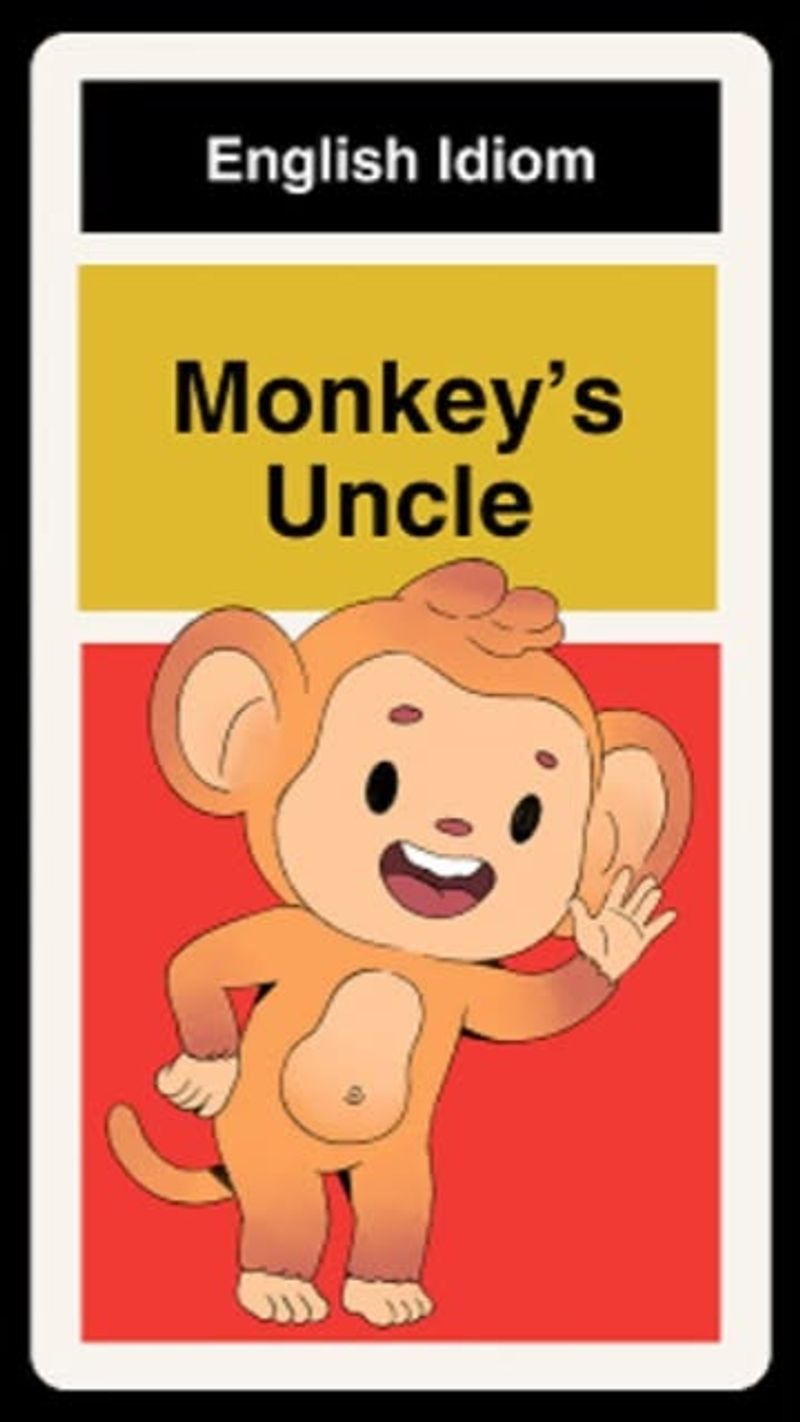
This wonderfully over-the-top expression of disbelief has roots in the debate over Darwin’s theory of evolution in the 1800s. Skeptics used it sarcastically, saying they would sooner be related to a monkey than believe such a thing.
Over time, it became a general exclamation of pure surprise.
Hearing someone say this today is like finding a vintage postcard in a junk drawer. It is unexpected, a little funny, and deeply nostalgic.
Anyone still using it earned their old-soul credentials.
8. You’ll Catch More Flies with Honey Than Vinegar
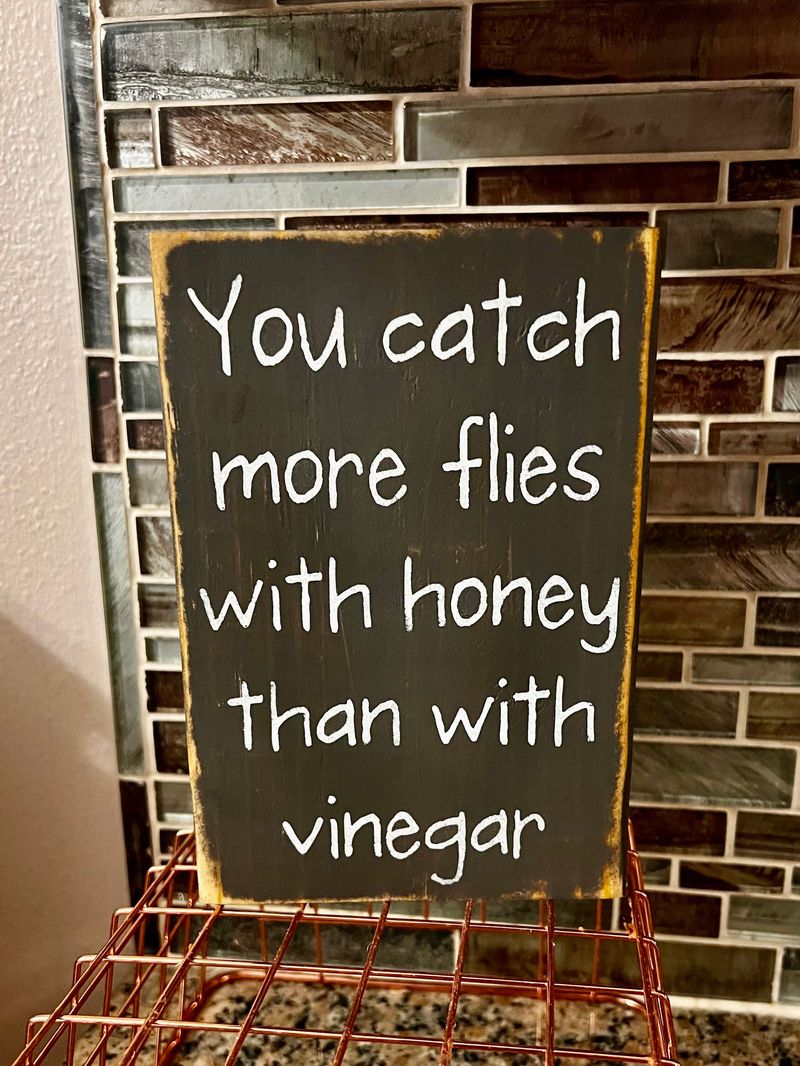
Kindness works better than harshness. That is the timeless lesson packed into this old proverb.
Whether you were dealing with a stubborn teacher, a difficult neighbor, or a tricky situation, older generations reached for this saying as their go-to advice.
It is surprisingly wise and completely practical. The imagery is a little odd when you think about it too hard, but the message lands every time.
If your parents or grandparents said this regularly, they were passing down old-school emotional intelligence.
9. I’m Plum Tuckered Out
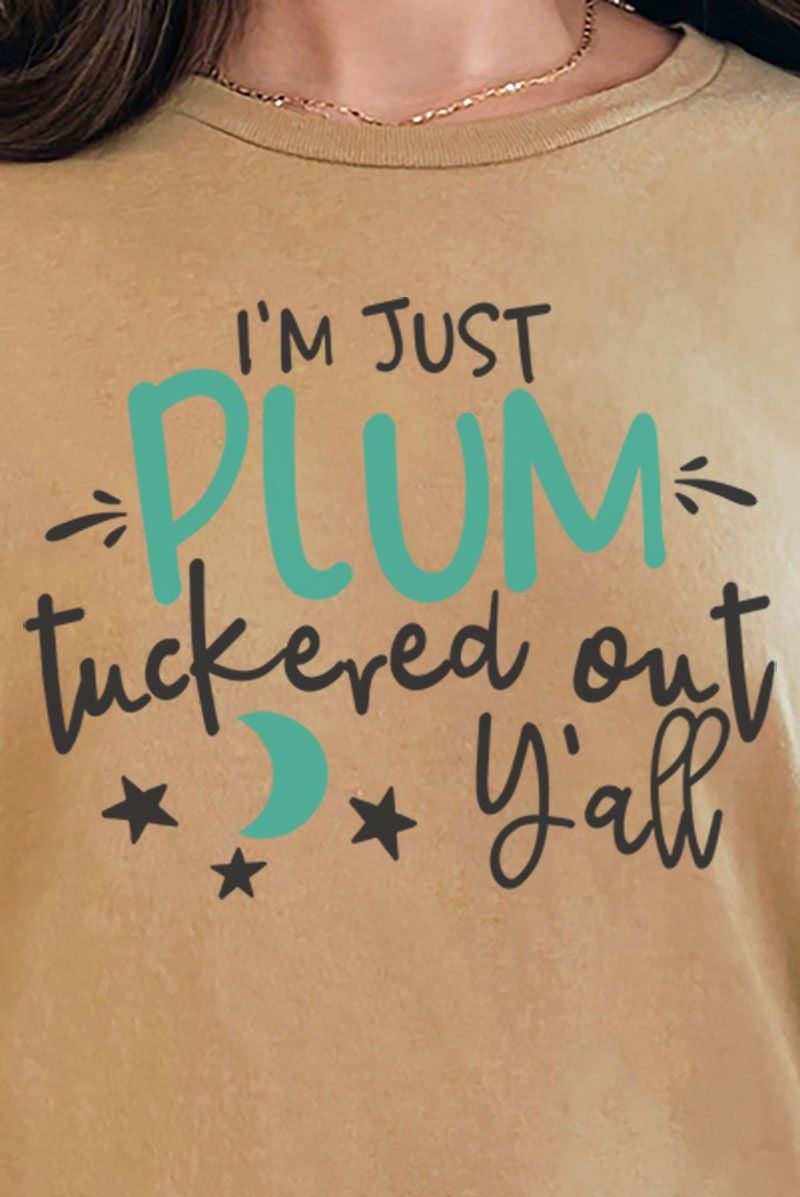
After a long day of hard work, sometimes “tired” just does not cut it. “Plum tuckered out” captures a bone-deep, total exhaustion that feels almost poetic. “Plum” here means completely or absolutely, and “tuckered” is an old term for worn out.
This phrase has a wonderfully rural, down-home quality. You can almost picture someone saying it after a full day of farm chores.
If it is in your vocabulary, someone in your life had deep roots in old American folk speech.
10. The Bee’s Knees and The Cat’s Pajamas
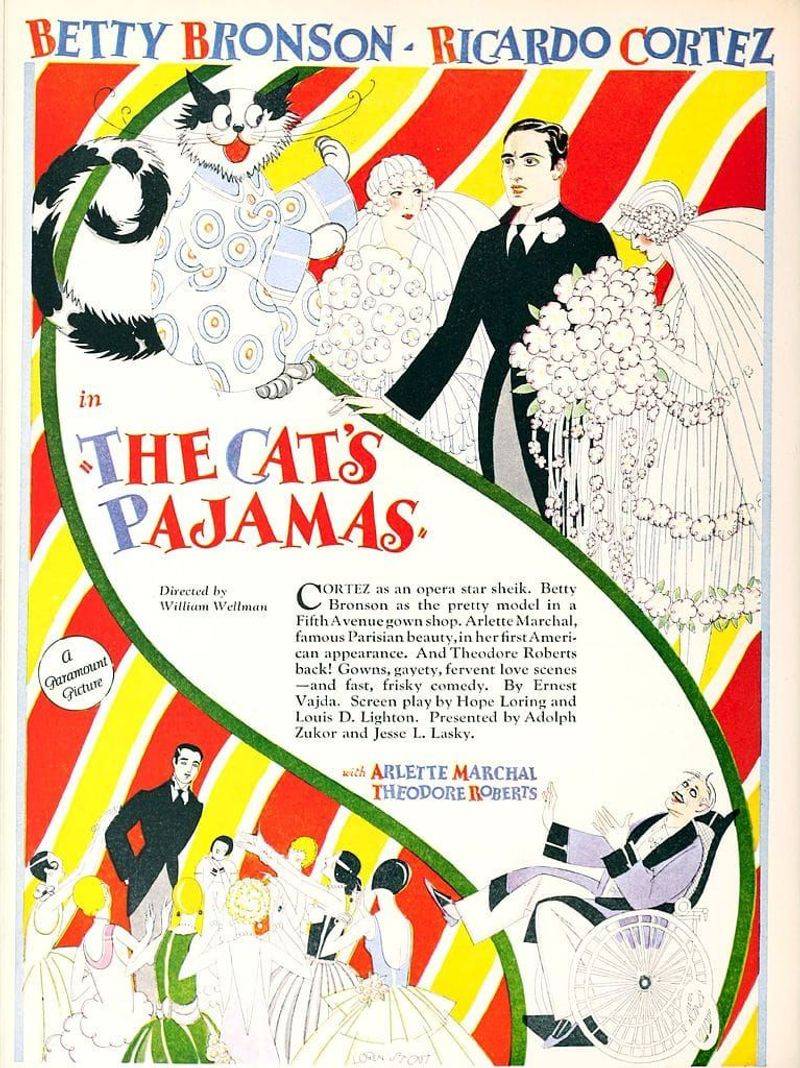
The roaring 1920s were wild for slang, and these two phrases were among the era’s most beloved. Both meant something or someone was absolutely top-notch, the best of the best.
Nobody is entirely sure why bee knees or cat pajamas became symbols of excellence, but the phrases stuck around for decades.
Using either one today earns you instant retro points. They carry the fizzy, carefree energy of a decade that loved to celebrate style and fun in the most creative ways possible.
11. Put a Sock in It
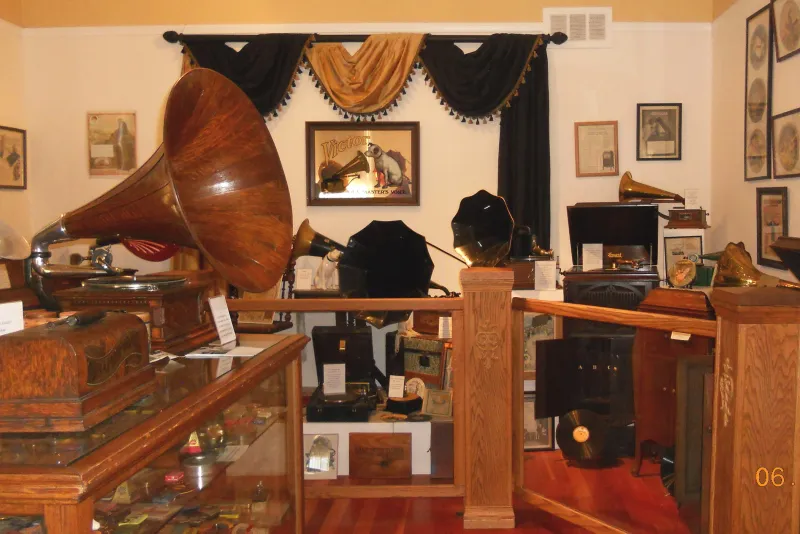
Early gramophones had no volume knobs, so people sometimes stuffed socks into the horn to quiet the sound. That practical trick may have inspired this sassy phrase meaning “be quiet.” Whether or not that origin story is accurate, it adds a delightfully absurd layer to a familiar expression.
It is a step up from simply saying “shush” and carries just enough attitude to make the message stick. Anyone who grew up hearing this knows it was not said gently.
12. It’s Raining Cats and Dogs
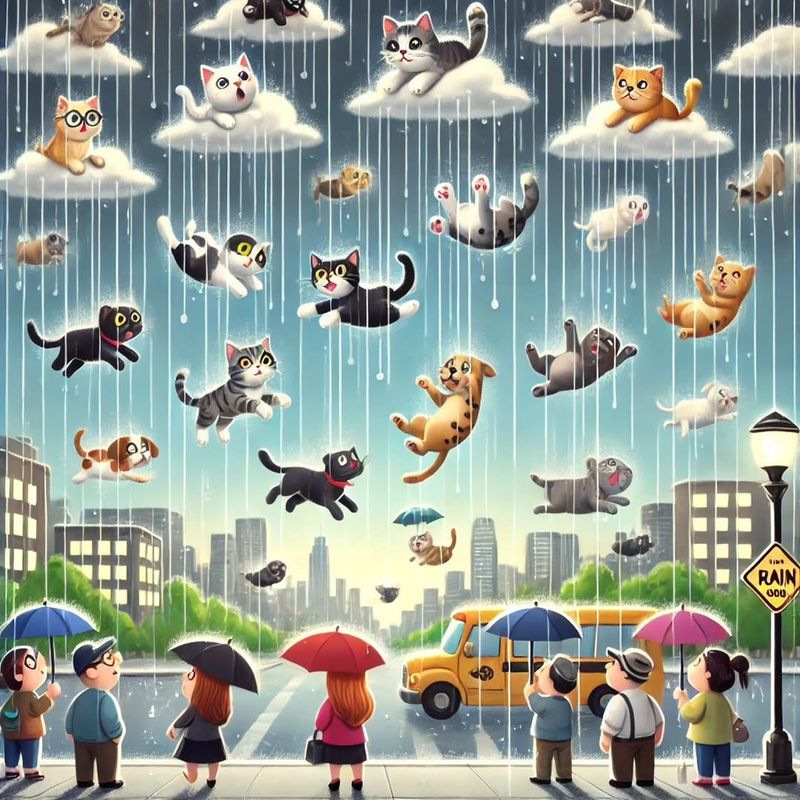
Heavy rain has inspired colorful language across centuries, but this phrase takes the crown for sheer strangeness. Nobody is dropping cats and dogs from the sky, yet this expression for a serious downpour has survived for hundreds of years without anyone questioning it much.
Younger generations might find it funny or confusing, but for those who grew up with it, it is simply how you describe a really soaking rain. Its longevity says a lot about how deeply language gets passed down through families.
13. I’ll Be There in a Jiffy
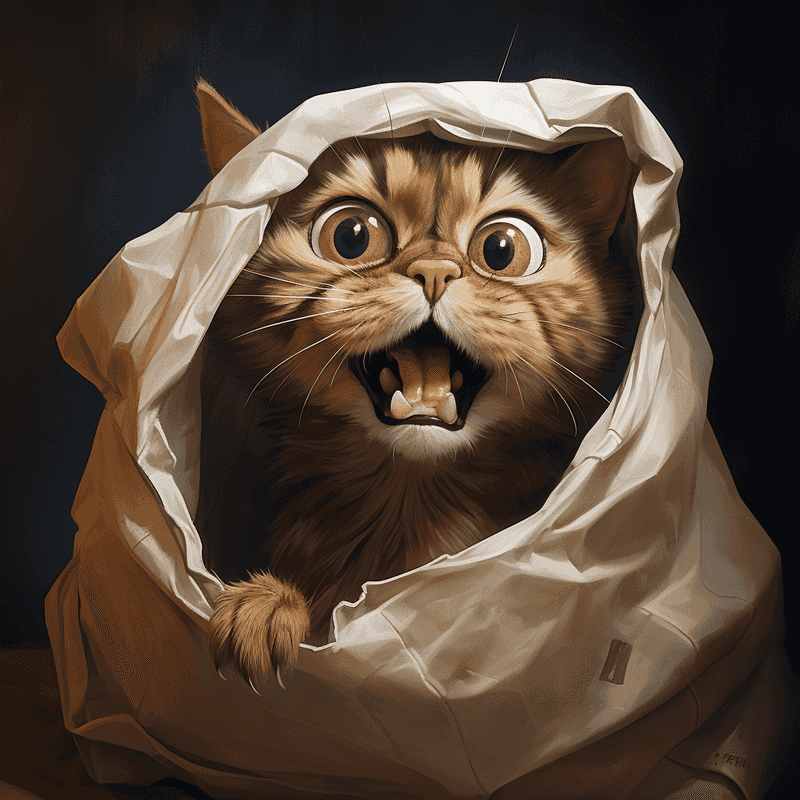
A “jiffy” is not a real unit of time, but it perfectly captures the idea of something happening very soon. The word itself dates back centuries and has a snappy, optimistic sound to it.
Saying you will be somewhere “in a jiffy” suggests enthusiasm along with speed.
Modern speakers tend to say “in a sec” or “on my way,” but “jiffy” has a warmth those phrases lack. If it is still part of your everyday vocabulary, you probably grew up in a household that valued old-fashioned cheerfulness.
14. Sound Like a Broken Record
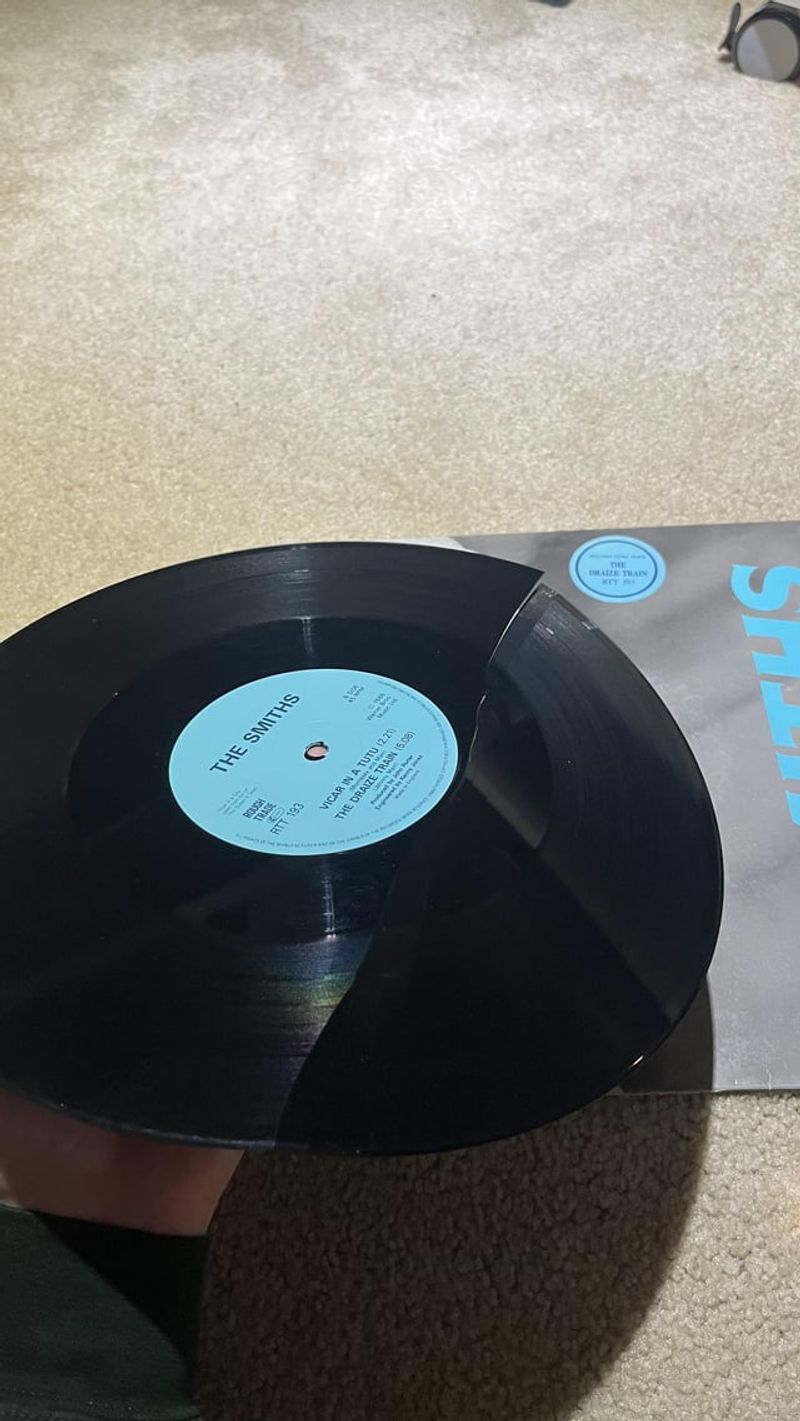
Before streaming services and digital audio, music lived on vinyl records. A scratch in the groove would cause the needle to skip and repeat the same second of sound over and over, endlessly.
That frustrating experience gave birth to this phrase for someone who keeps repeating themselves.
For anyone under 25, the reference can feel totally abstract. But for those who actually owned record players, the image is vivid and instantly relatable.
It is one of the clearest generational phrases on this entire list.
15. Dial a Phone Number
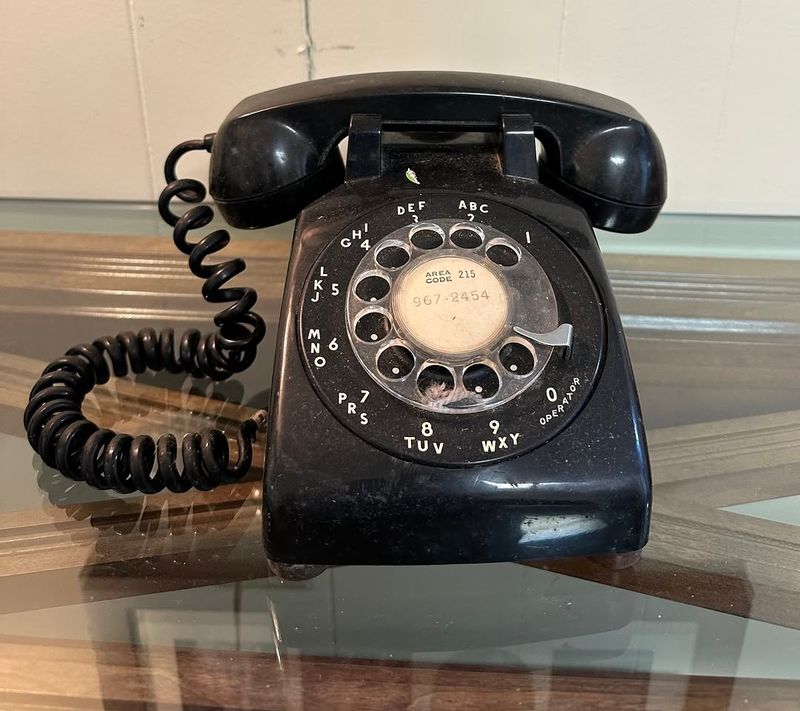
Rotary phones required users to physically insert a finger into a numbered hole and rotate the dial to place a call. That mechanical action is where the word “dial” comes from in everyday speech.
Today, smartphones have no dials at all, yet people still say they are dialing a number.
It is a linguistic fossil, a word that outlived the object that inspired it. Younger users might never question it, but anyone who actually used a rotary phone carries a small piece of history in their vocabulary.
16. Hang Up the Phone
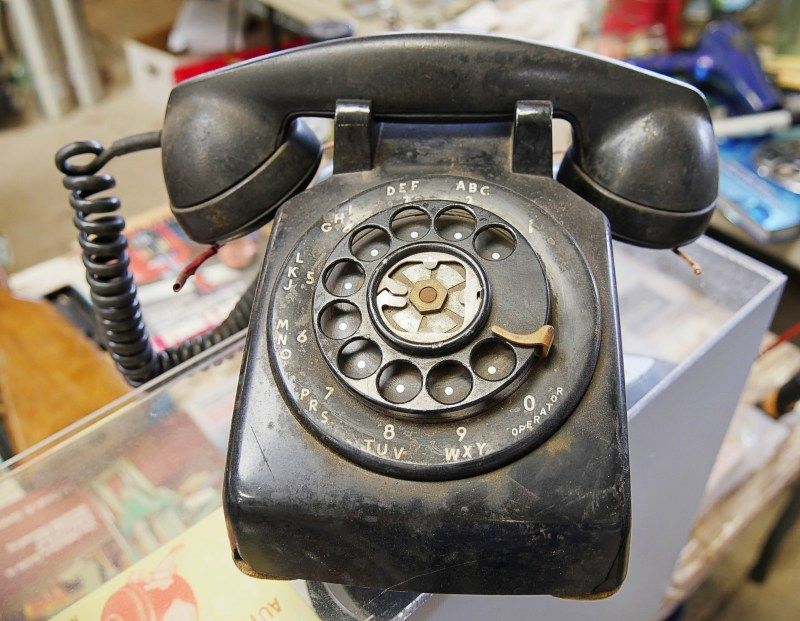
Ending a phone call once meant physically lifting a heavy receiver off a hook and then placing it back when finished. That act of hanging the receiver back in its cradle is where “hang up” comes from.
The phrase stuck around long after touch-tone phones and then smartphones replaced the original design.
Nobody hangs anything up on a modern smartphone, yet the phrase feels completely natural. It is a small, everyday reminder of how language holds onto the past even when technology has completely moved on.