
Europe has given the world some of the most beloved and mouthwatering cakes ever created. From the chocolate-glazed Sacher Torte of Vienna to the creamy layers of Italy’s Tiramisu, each cake carries a rich history and a flavor all its own.
Whether you have a weakness for fruity, creamy, or chocolatey treats, there is a European classic waiting to win you over. Get ready to explore 18 iconic cakes that have stood the test of time and continue to delight sweet lovers everywhere.
1. Sacher Torte (Austria)
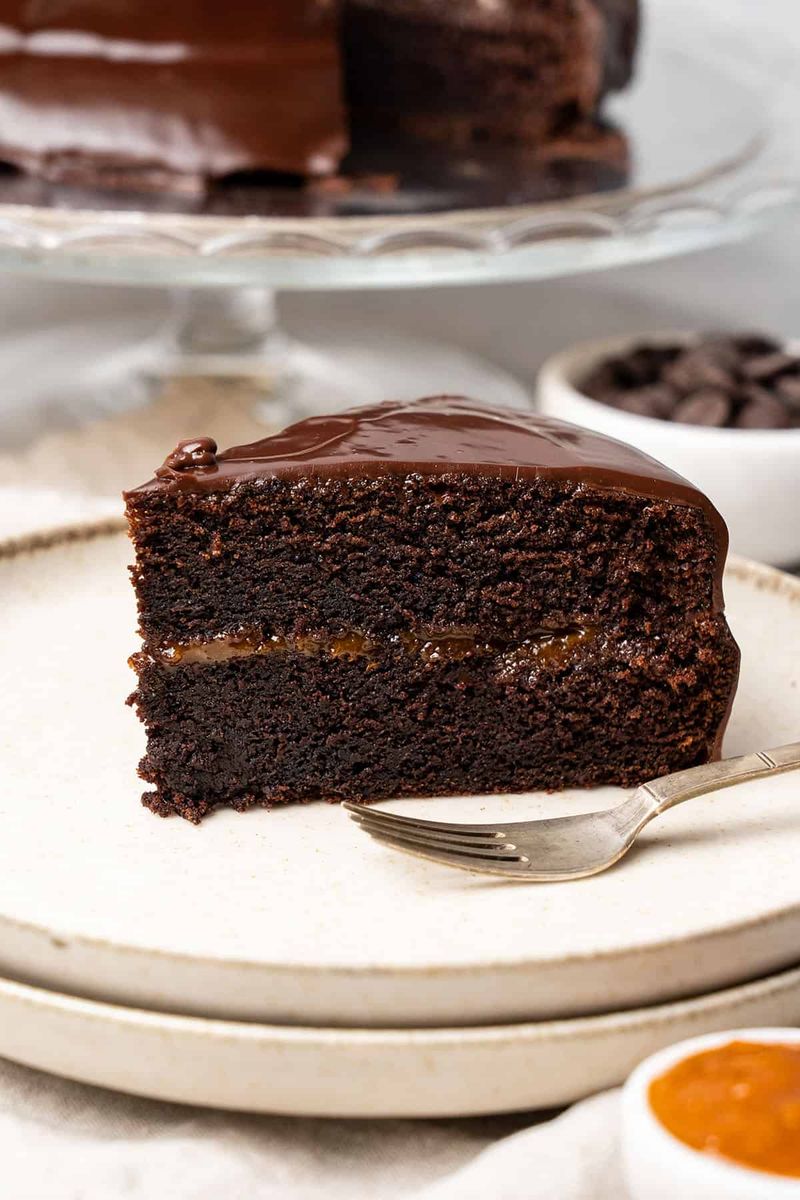
Born from the hands of a 16-year-old apprentice chef in 1832, the Sacher Torte is one of the most celebrated chocolate cakes in the world. Franz Sacher created it for an Austrian prince, and his recipe has been thrilling taste buds ever since.
Two dense chocolate sponge layers are sandwiched with apricot jam and wrapped in a smooth dark chocolate glaze. Hotel Sacher in Vienna still produces around 360,000 of these trademark cakes every single year.
2. Black Forest Cake (Germany)
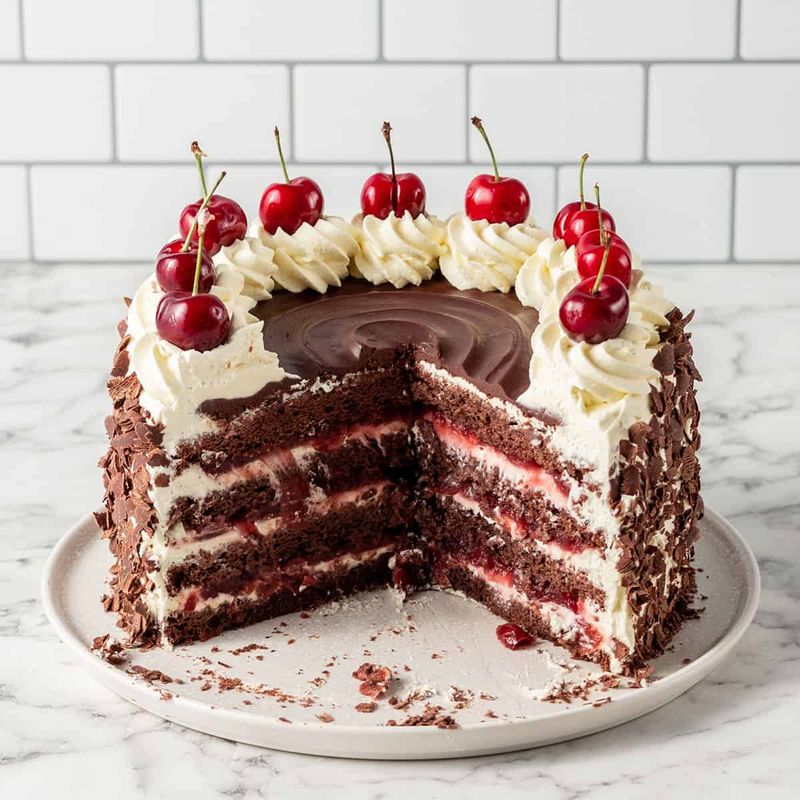
Few cakes command attention quite like Germany’s Schwarzwälder Kirschtorte. Its dramatic layers of chocolate sponge, whipped cream, and cherries make it as stunning to look at as it is delicious to eat.
Pastry chef Josef Keller is often credited with creating an early version back in 1915. The European Commission even stepped in to protect this iconic cake in 2013, requiring that authentic versions use Kirsch made from Black Forest cherries.
3. Tiramisu (Italy)
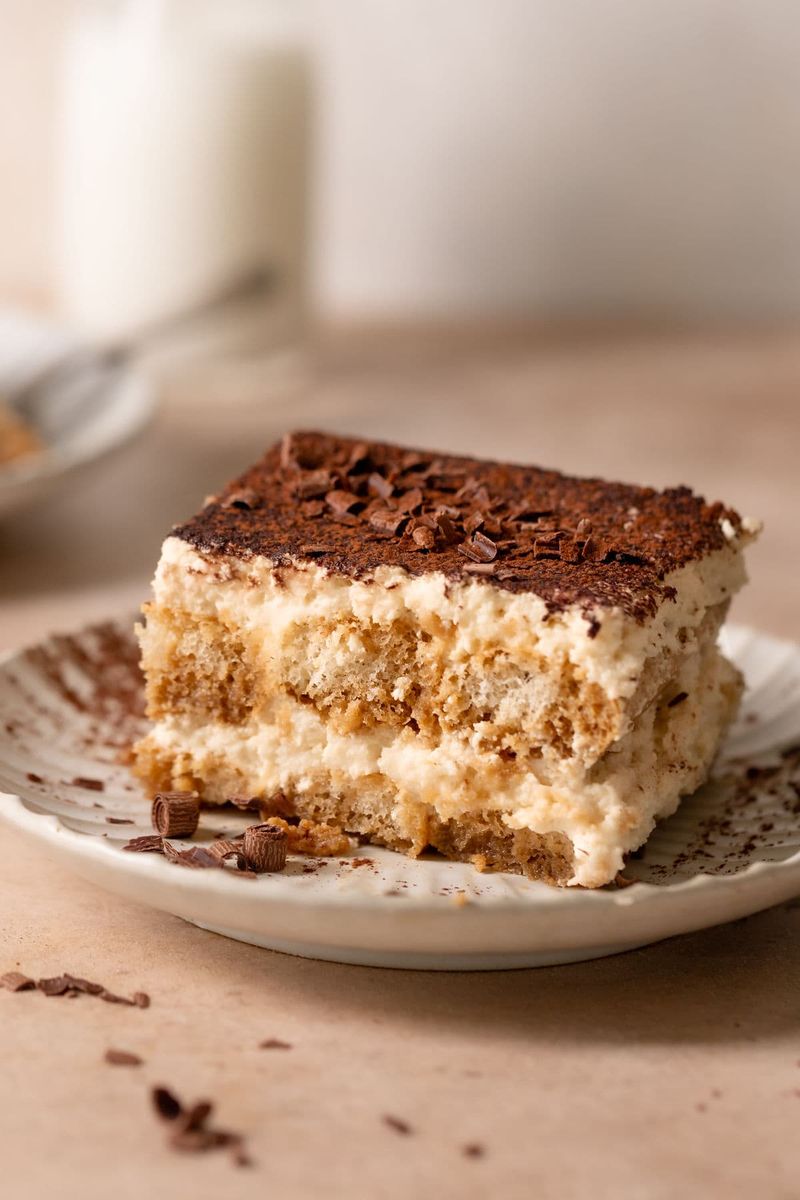
Tiramisu literally means “pick me up” in Italian, and one bite of this dreamy dessert will tell you exactly why. Coffee-soaked ladyfingers layered with velvety mascarpone cream make it an irresistible treat any time of day.
Believed to have originated in northeastern Italy during the late 1960s or early 1970s, this dessert carries a cheerful spirit in every forkful. A dusting of cocoa powder on top gives it that classic, slightly bitter finishing touch.
4. Pastel de Nata (Portugal)
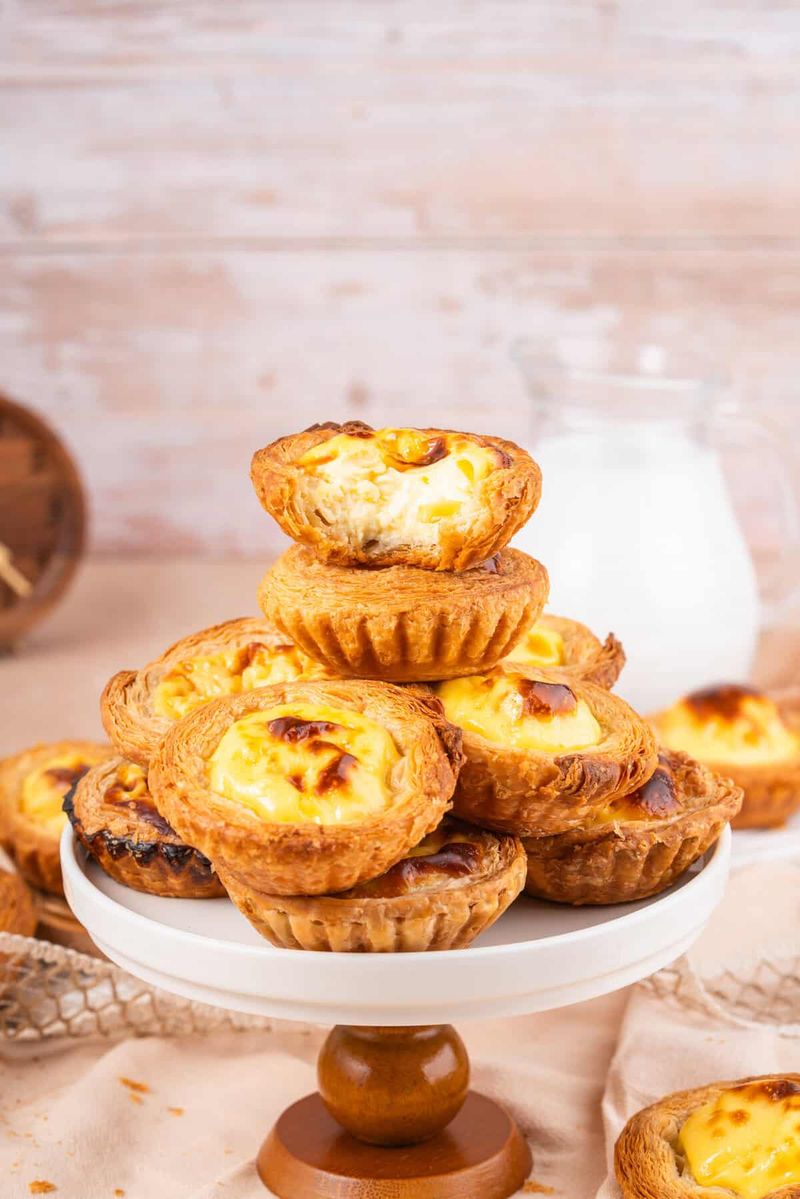
Monks at the Jerónimos Monastery in Lisbon created these little gems before the 18th century, using leftover egg yolks from their laundry-starching routine. Talk about a happy accident in the kitchen!
Pastel de Nata features a shatteringly crisp puff pastry shell filled with rich, slightly caramelized egg custard. The original recipe has been produced at Fábrica de Pastéis de Belém since 1837 and remains one of Portugal’s most treasured culinary exports.
5. Dobos Torte (Hungary)
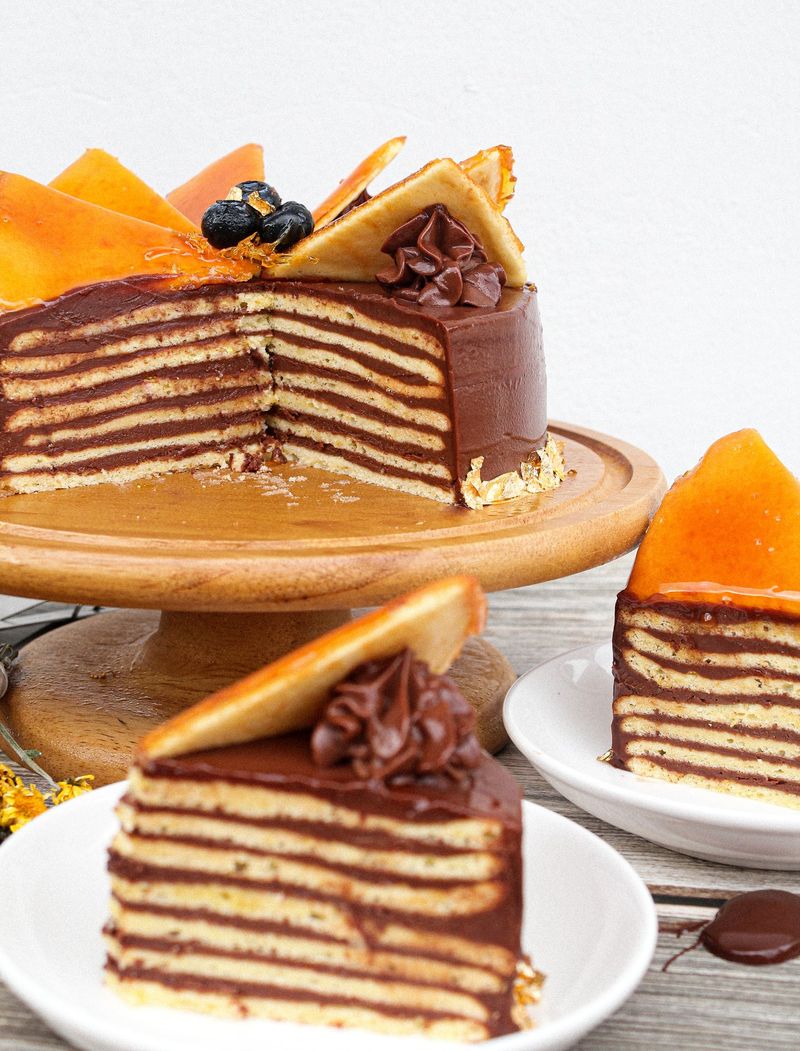
Hungarian chef József C. Dobos introduced this show-stopping cake at the National General Exhibition of Budapest in 1885, and audiences were immediately captivated.
The caramel top alone is enough to make any dessert lover stop and stare.
Thin sponge layers are stacked high with rich chocolate buttercream, then crowned with a layer of hard, amber caramel. Dobos even donated his recipe to a pastry guild in 1906 to protect it from poor imitations.
6. Panettone (Italy)
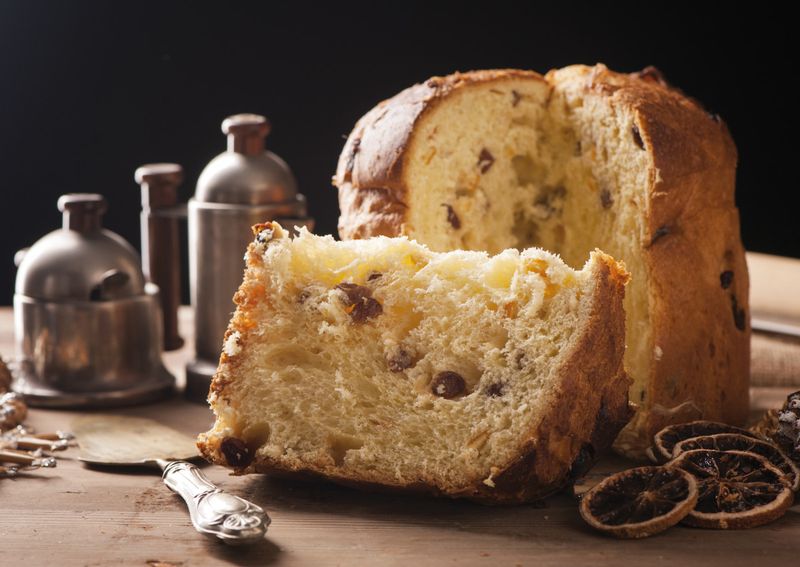
Every Christmas in Italy, the smell of Panettone baking signals that the holiday season has truly arrived. This tall, dome-shaped sweet bread from Milan is a labor of love, requiring days of slow fermentation before it ever reaches the oven.
Butter, eggs, raisins, and candied citrus peel give it a rich, fragrant flavor. After baking, Panettone is actually hung upside down to cool, which keeps its airy structure from collapsing under its own delicious weight.
7. Trifle (England)
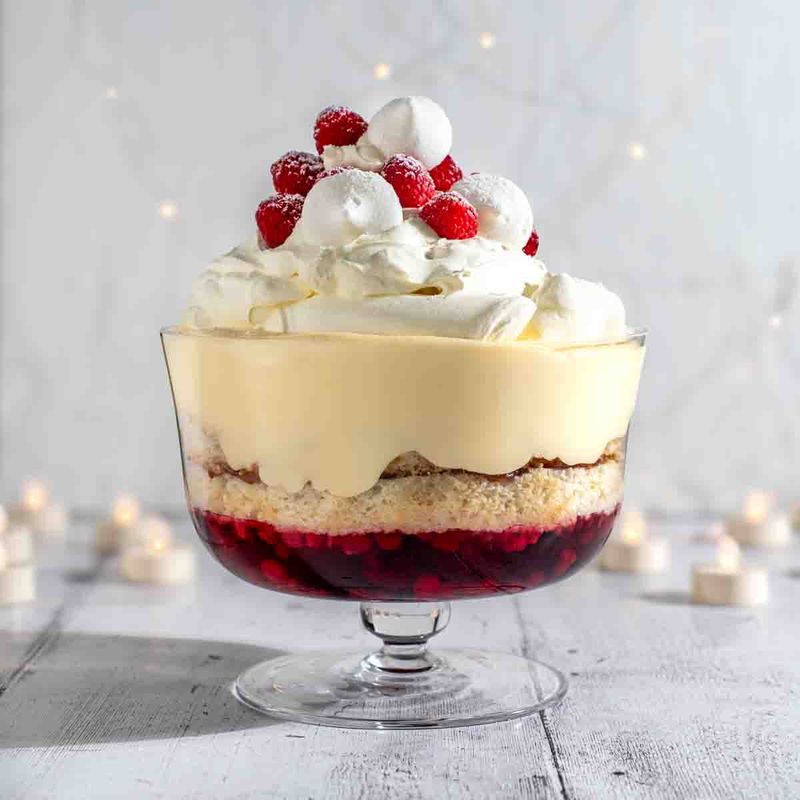
The English Trifle has been gracing dessert tables since the 1600s, and its charm has never faded. Presented in a clear glass bowl so everyone can admire its gorgeous layers, this dessert is as much a feast for the eyes as the taste buds.
Sherry-soaked sponge, fruity jelly, creamy custard, and billowy whipped cream stack up into something truly spectacular. Hannah Glasse’s 1751 cookbook helped cement the modern trifle’s status as a true British classic.
8. Pavlova (Australia/New Zealand)
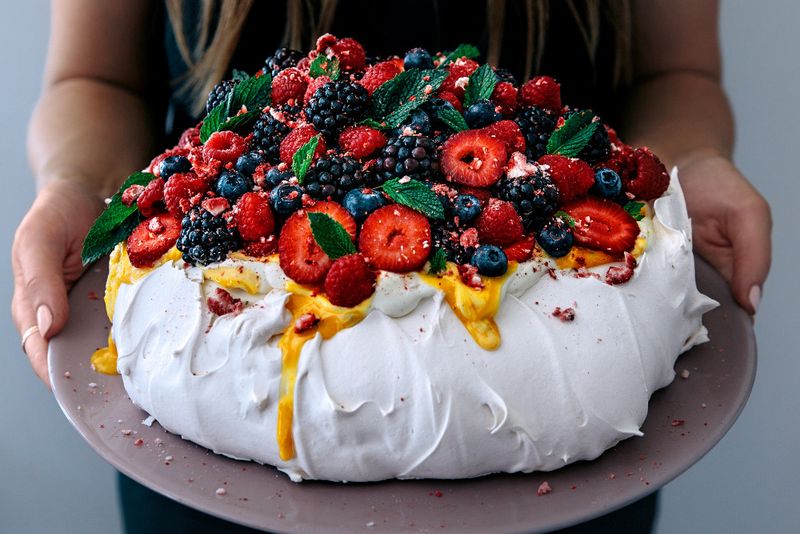
Named after Russian ballerina Anna Pavlova, this meringue-based dessert is as light and graceful as its namesake. What sets it apart from regular meringue is its marshmallowy, cloud-like interior that contrasts beautifully with the crisp outer shell.
A generous topping of whipped cream and fresh tropical fruit makes every slice feel like a celebration. While Australia and New Zealand both proudly claim it as their own, the rest of the world is just happy it exists.
9. Prinsesstårta (Sweden)
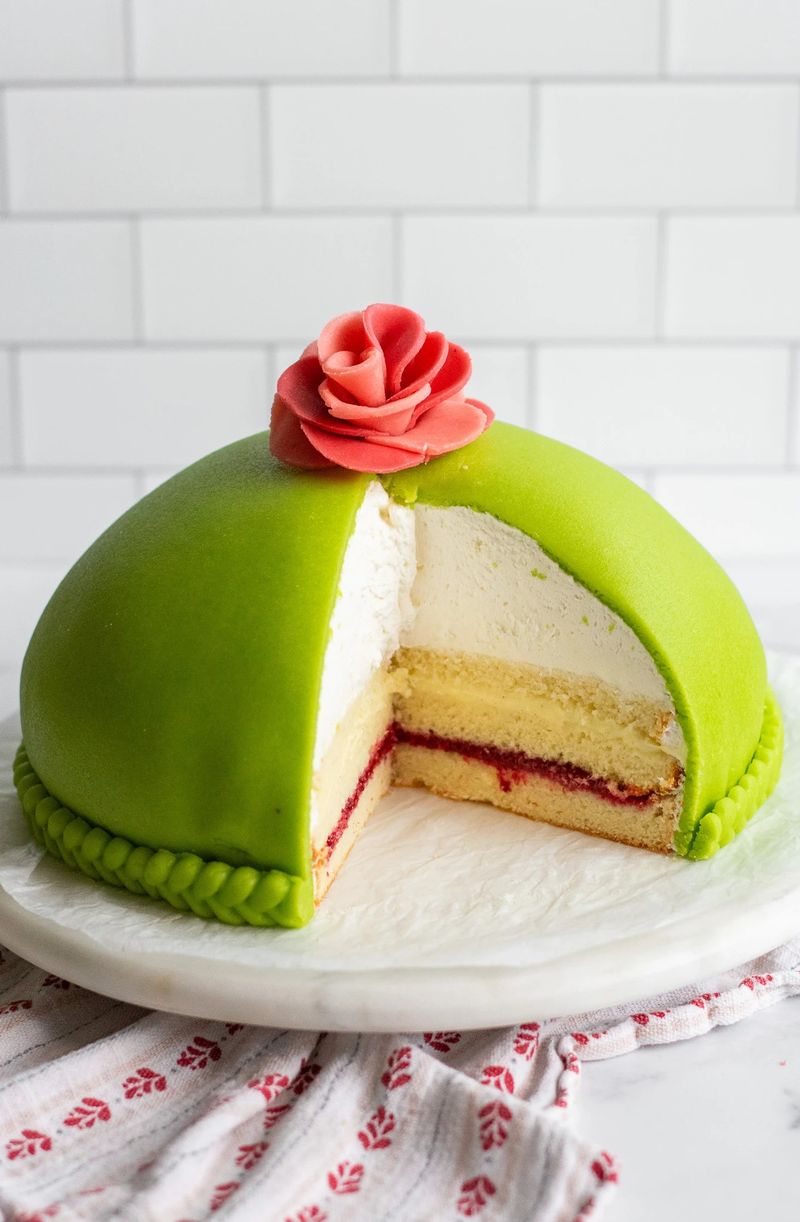
Wrapped in a vibrant layer of green marzipan and crowned with a delicate pink rose, Sweden’s Prinsesstårta is practically royalty on a plate. Its whimsical appearance makes it one of the most photographed cakes in all of Scandinavia.
Inside, layers of soft sponge, raspberry jam, pastry cream, and fresh whipped cream create a flavor combination that is both elegant and comforting. Swedish princesses reportedly loved this cake so much that it was renamed in their honor.
10. Donauwelle (Germany)
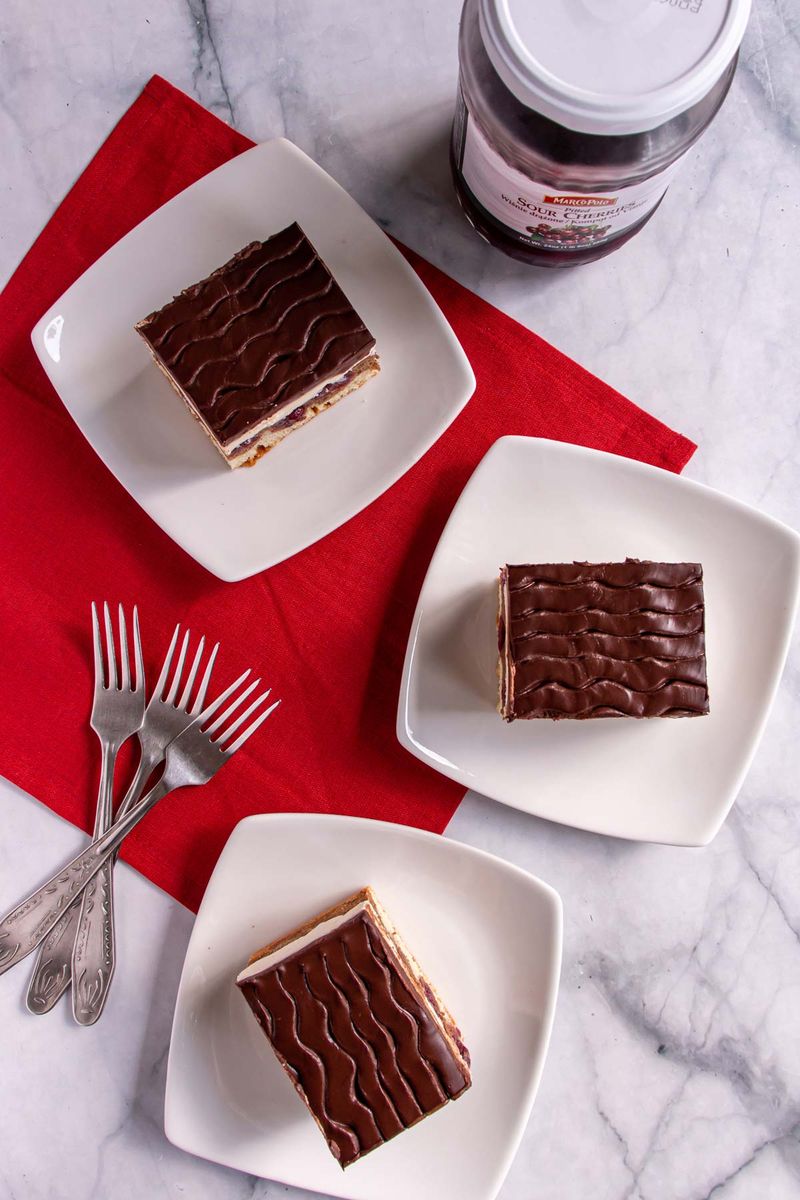
Donauwelle, which translates to “Danube wave,” gets its name from the wavy pattern created when cherries sink through the chocolate batter during baking. It is one of Germany’s most beloved sheet cakes, and once you try it, you will understand why.
Also nicknamed Schneewittchenkuchen, or Snow White cake, its contrasting colors mirror the fairy tale character’s iconic look. The combination of tart cherries, rich buttercream, and chocolate glaze makes every bite deeply satisfying.
11. Medovik (Russia)
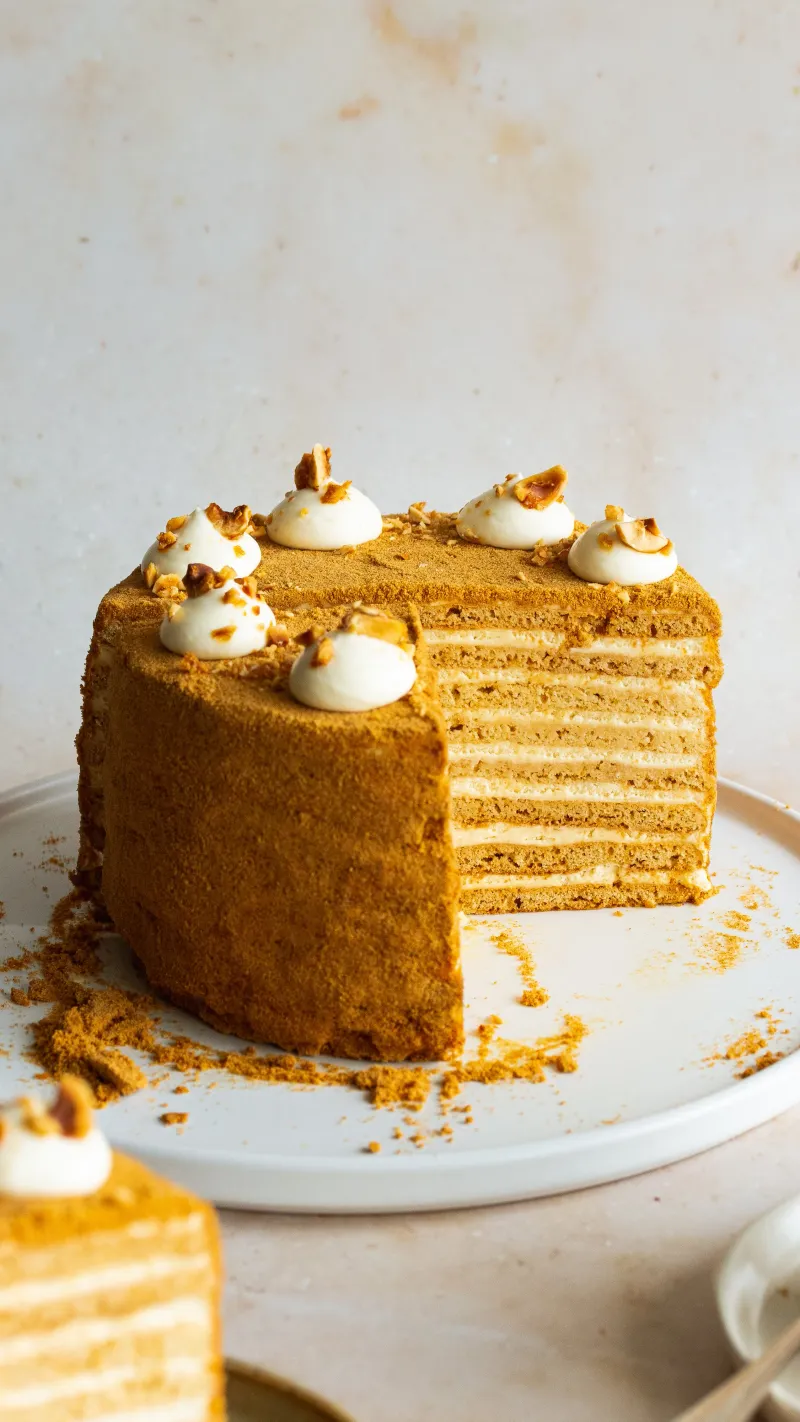
Russia’s Medovik is the kind of cake that gets better the longer it sits. Each thin layer of honey sponge soaks up the creamy sour cream frosting over time, transforming into something incredibly soft and deeply flavorful.
Legend has it that the recipe was created in the 19th century for a Russian empress who disliked honey but fell in love with this cake without knowing what was in it. Stack after delicious stack, Medovik is pure comfort.
12. Victoria Sponge (United Kingdom)
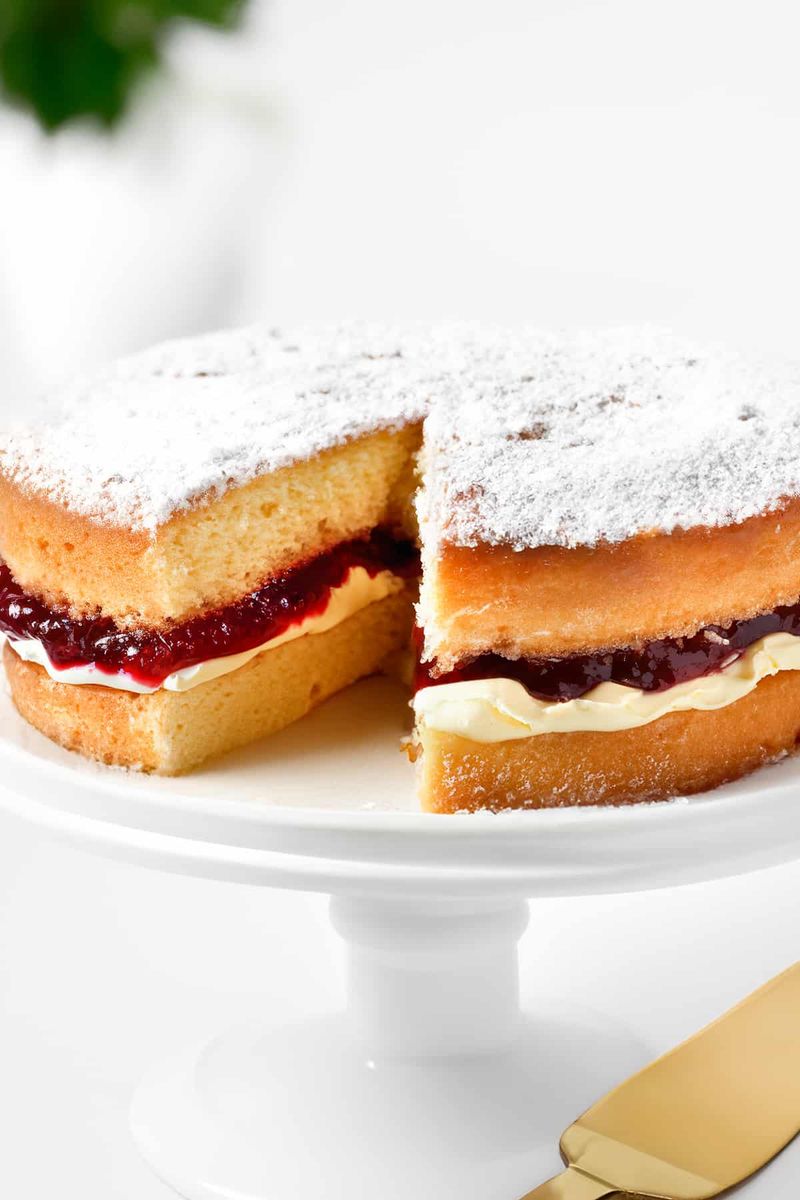
Queen Victoria herself was a devoted fan of this simple yet elegant cake, and afternoon tea in Britain has never been the same since. There is something wonderfully timeless about two golden sponge layers filled with jam and cream.
Strawberry or raspberry jam is the traditional filling, paired with either whipped cream or buttercream for a soft, melt-in-your-mouth experience. The Victoria Sponge proves that sometimes the most straightforward recipes truly are the most satisfying ones.
13. Mille-Feuille (France)
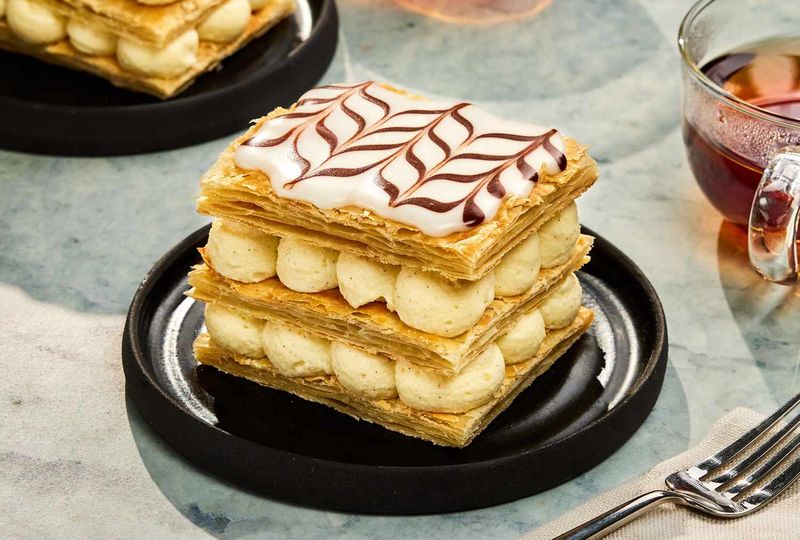
The name Mille-Feuille means “a thousand leaves” in French, and every bite reveals why. Dozens of paper-thin, golden puff pastry layers shatter delicately against the creamy pastry cream tucked between them, creating a textural experience unlike any other.
Its elegant striped glaze on top makes it one of the most visually striking pastries in a French patisserie window. Mastering Mille-Feuille requires real skill, which is part of what makes enjoying a perfect slice feel like such a treat.
14. Opera Cake (France)
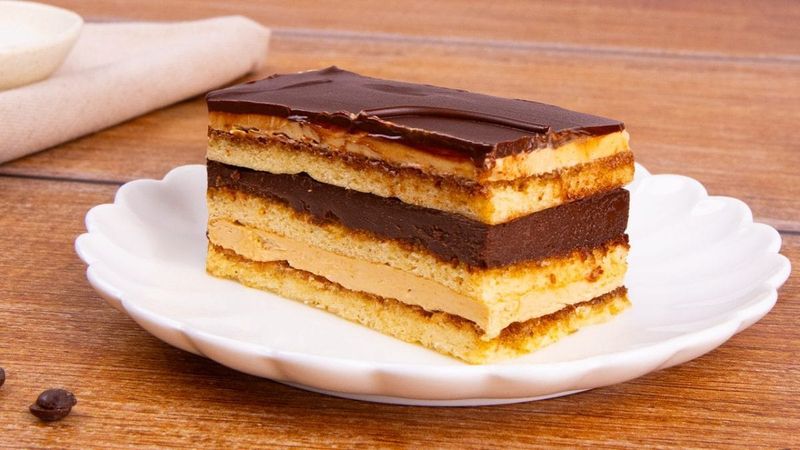
Opera Cake is French pastry at its most theatrical. Every layer, from the coffee-soaked almond sponge to the silky coffee buttercream and rich chocolate ganache, is measured and assembled with the precision of a fine art project.
The glossy chocolate glaze on top gives it a sleek, almost architectural finish that makes it look almost too beautiful to eat. Almost.
Introduced in Paris in the 1950s, this sophisticated dessert remains a benchmark of classical French patisserie craftsmanship.
15. Basque Burnt Cheesecake (Spain)
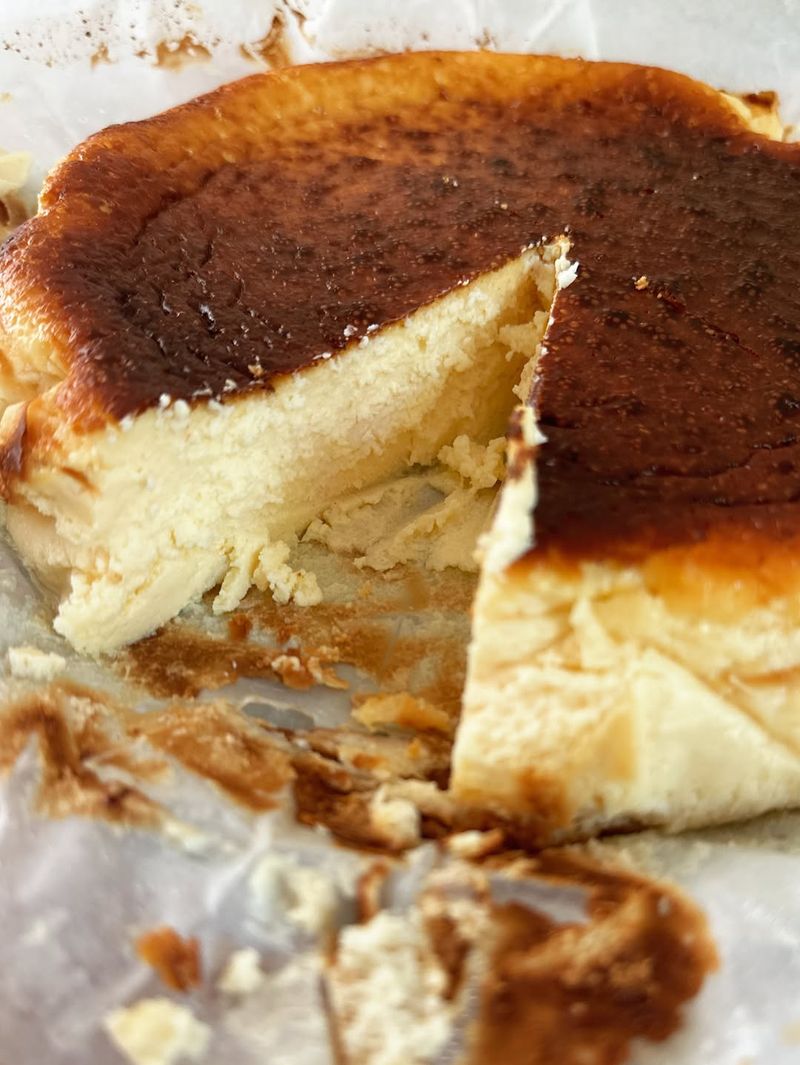
Forget everything you know about careful, perfectly pale cheesecake. The Basque Burnt Cheesecake from Spain’s Basque Country is baked at blazing-high temperatures on purpose, creating a gloriously caramelized, almost charred exterior.
Underneath that dramatic crust lies an impossibly creamy, custardy center that practically melts on your tongue. Created at La Vina restaurant in San Sebastian, this rebellious cheesecake has gone from regional specialty to worldwide sensation in just a few short decades.
16. Bienenstich (Germany)
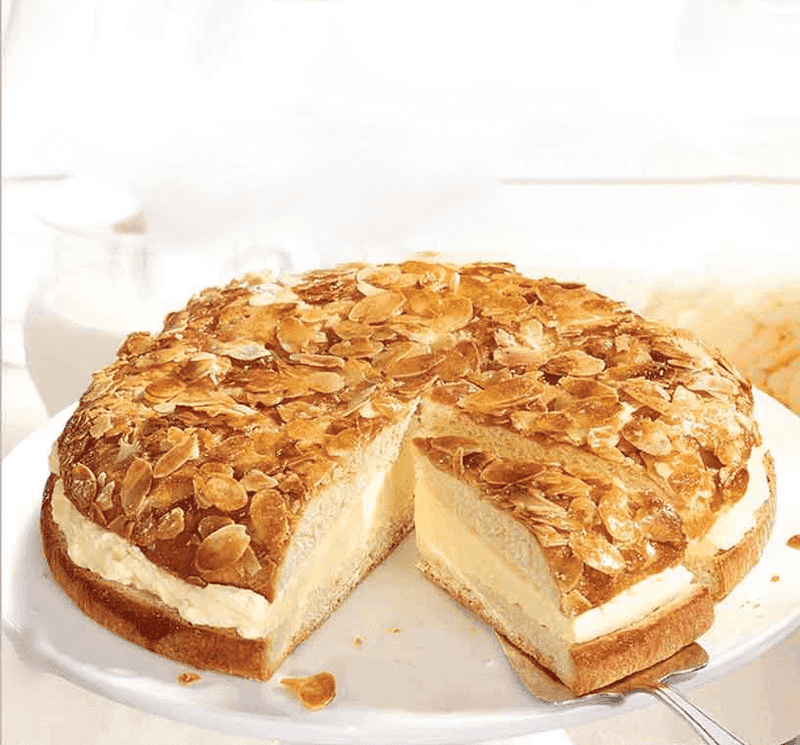
With a name like Bee Sting Cake, you might expect something sharp, but Bienenstich is actually one of Germany’s sweetest and most comforting bakes. The story goes that the honeyed almond topping attracted real bees to the bakery, inspiring the memorable name.
A pillowy yeast dough base is split and filled with smooth vanilla custard cream, then crowned with a crunchy caramel-almond layer that caramelizes to golden perfection in the oven. Every slice is a satisfying mix of soft, creamy, and crunchy textures.
17. Tarte Tatin (France)
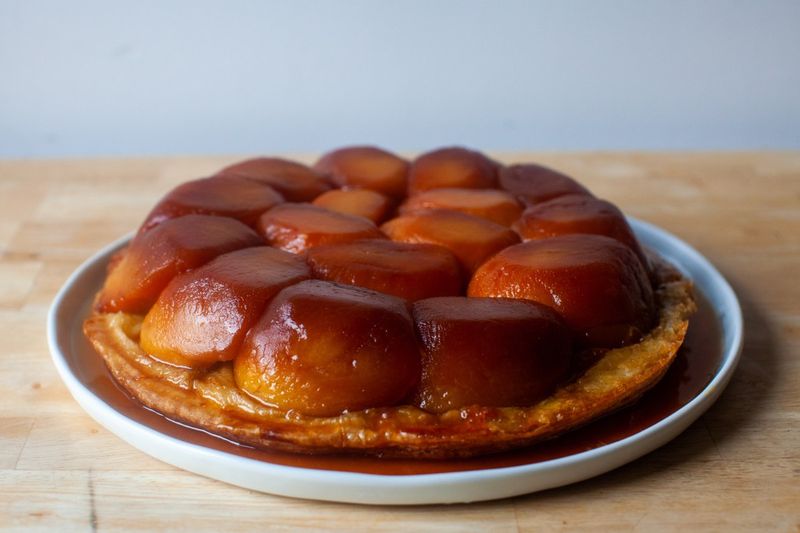
Tarte Tatin was born from a happy kitchen mistake in the 1880s when the Tatin sisters accidentally overcooked their apples and decided to place pastry on top to rescue the dish. The result was so good that it became a French legend.
Apples are slowly caramelized in butter and sugar until golden and sticky, then the pastry is laid on top and the whole thing is flipped before serving. Warm from the oven with a scoop of vanilla ice cream, it is simply unforgettable.
18. Gugelhupf (Central Europe)
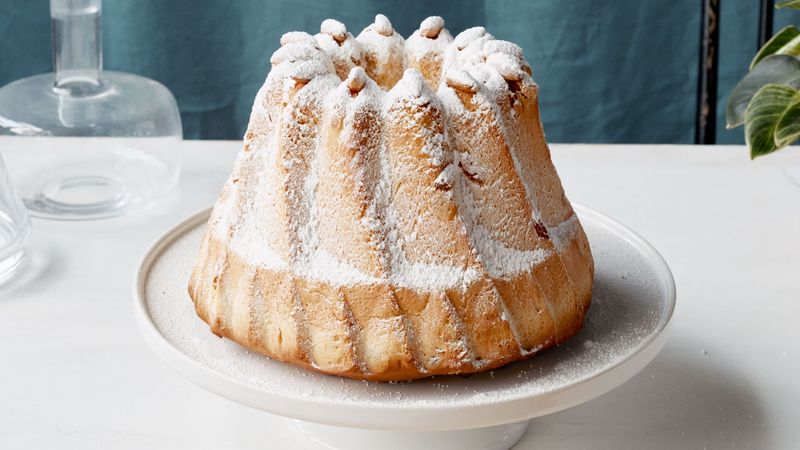
Recognizable by its dramatic ring shape and fluted edges, Gugelhupf has been a staple in Austrian, German, and Swiss households for centuries. Emperor Franz Joseph I of Austria was reportedly a devoted fan, enjoying it regularly with his morning coffee.
The enriched yeast dough is packed with butter, eggs, raisins, and sometimes nuts or candied fruit, baking up into something wonderfully fragrant and tender. A final dusting of powdered sugar gives this old-world cake its signature, effortlessly charming look.