
Star Trek has been thrilling fans for decades with its bold vision of the future, but behind the scenes, the story is just as fascinating. From budget tricks to surprising casting decisions, the making of this iconic franchise is packed with secrets most people never learned.
Whether you grew up watching Captain Kirk or Captain Picard, these behind-the-scenes facts will make you see the show in a whole new way.
1. The Shoestring Budget That Built a Galaxy
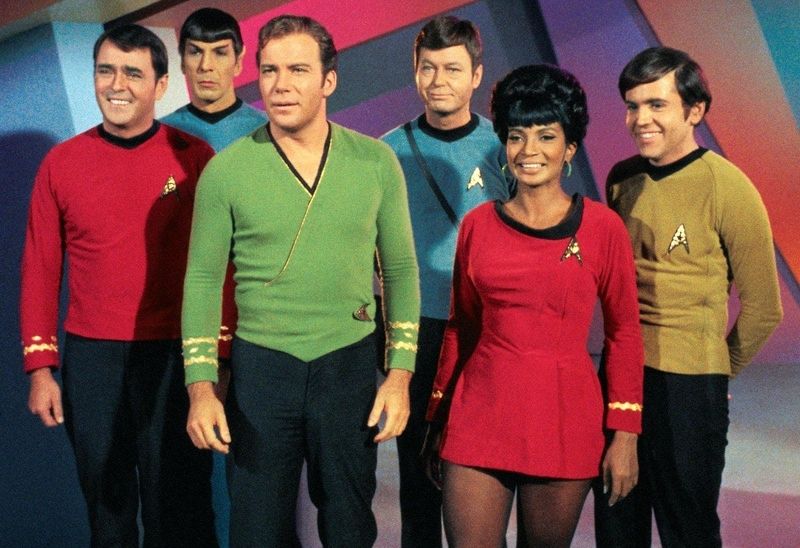
Running a starship on $193,000 per episode sounds impossible, but that was exactly what the original Star Trek team had to work with. To stretch every dollar, costumes were quietly sewn in a non-union workshop and smuggled onto the set to avoid union fees.
Despite the financial squeeze, the creative team found clever workarounds that actually made the show feel more imaginative. Sometimes limitations spark the best ideas.
2. Lucille Ball Saved the Enterprise
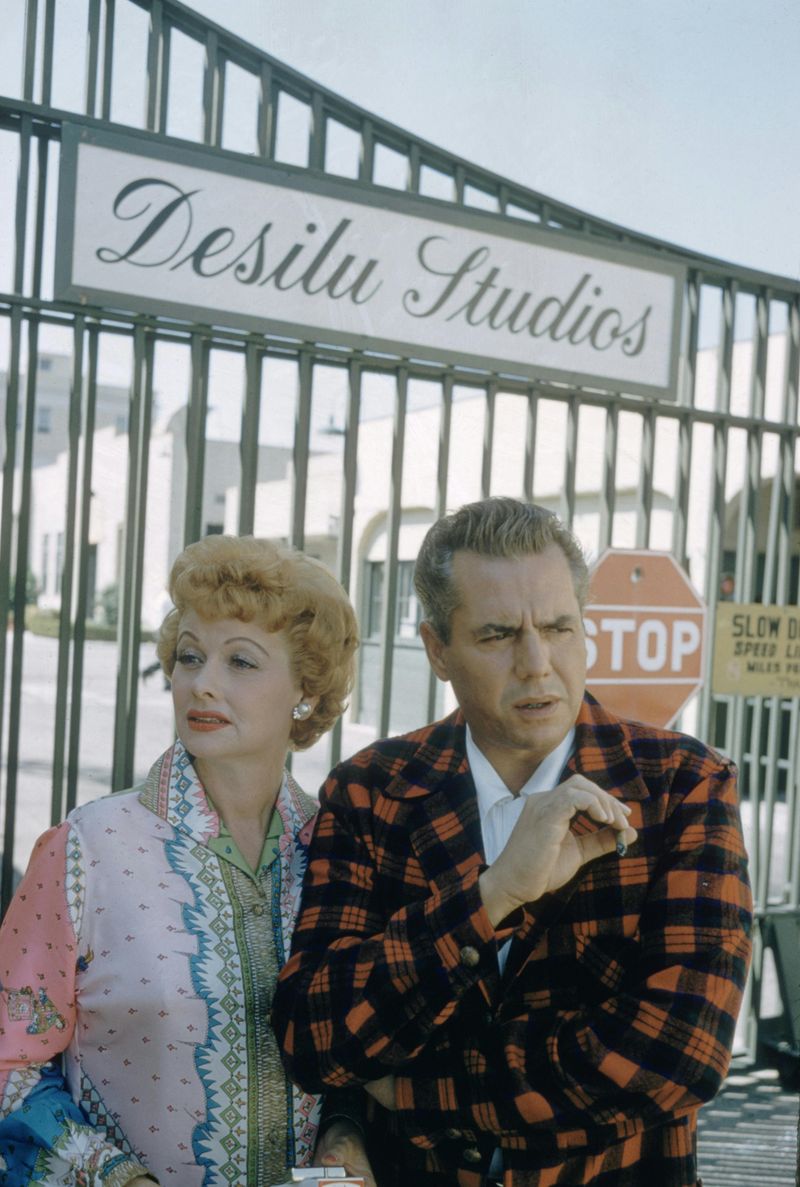
Most people know Lucille Ball as a comedy legend, but she also played a huge role in getting Star Trek off the ground. As the head of Desilu Productions, she used her personal influence to greenlight a second pilot after NBC called the first one “too cerebral.”
Rumor has it she even grabbed a broom and swept sand off the camera tracks herself to keep filming on schedule. Not bad for a TV icon.
3. “Beam Me Up, Scotty” Was Never Really Said
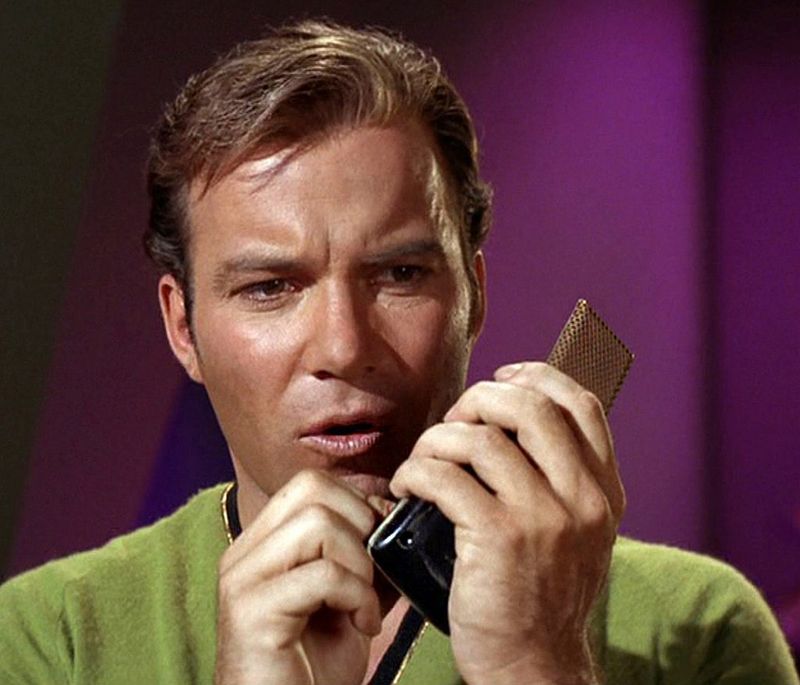
One of the most quoted lines in pop culture history was never actually spoken on screen. Captain Kirk came close with variations like “Scotty, beam us up” or simply “Beam me up,” but the exact phrase fans love never made it into an episode.
It’s a quirky reminder that memory and pop culture have a way of creating their own reality. Sometimes the version we remember is better than what actually happened.
4. Spock’s Salute Came From a Jewish Blessing
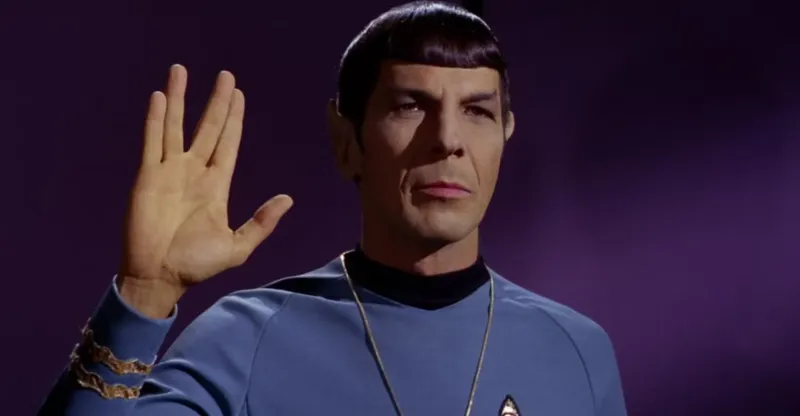
Leonard Nimoy didn’t just play Spock – he helped build the character from scratch. Both the famous Vulcan nerve pinch and the iconic split-finger salute were improvised by Nimoy himself on set.
The salute was inspired by a Jewish priestly blessing Nimoy had witnessed as a young boy in synagogue. He sneaked a peek during the ceremony despite being told to keep his eyes closed, and that stolen glance became television history.
5. Spock Was Almost Red-Skinned
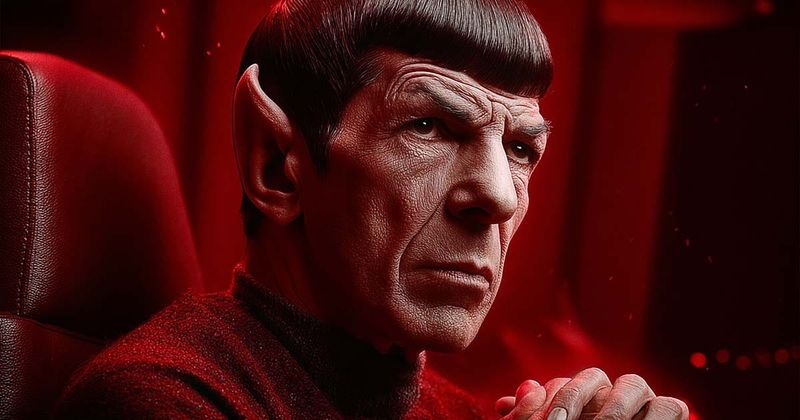
Before Spock became the pale, pointy-eared Vulcan we know, producers considered giving him red skin to highlight his alien origins. The idea was scrapped quickly when someone pointed out it might resemble blackface in black-and-white filming – a deeply offensive association no one wanted.
Early concepts also imagined Spock absorbing energy through a metal disk on his stomach instead of eating. Thankfully, the final version was a lot more dignified and a lot less weird.
6. Gene Roddenberry Wrote Bad Lyrics on Purpose
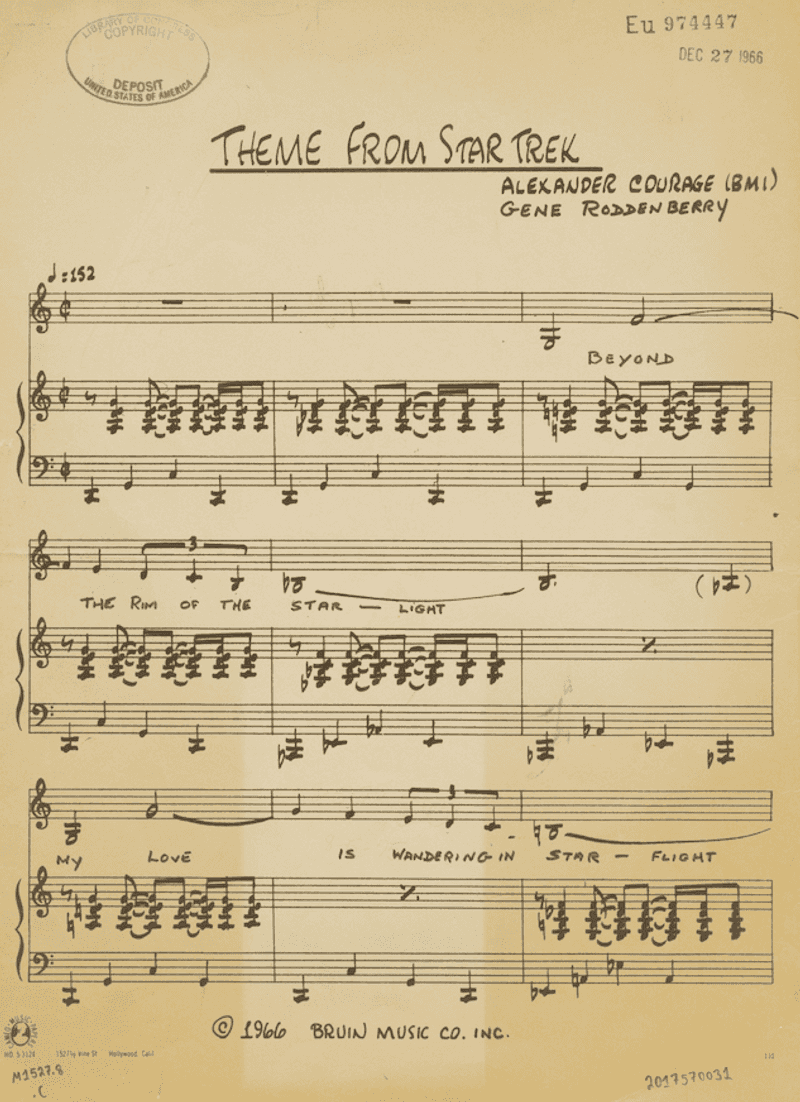
Alexander Courage composed the soaring Star Trek theme, but Gene Roddenberry had a sneaky plan waiting in the wings. Roddenberry wrote deliberately terrible lyrics to the instrumental tune – not because he wanted them used, but because adding lyrics entitled him to claim 50% of the royalties.
Courage was reportedly furious when he found out. It was a clever legal move, though not exactly the most neighborly thing Roddenberry ever did.
7. The First Pilot Had a Female First Officer
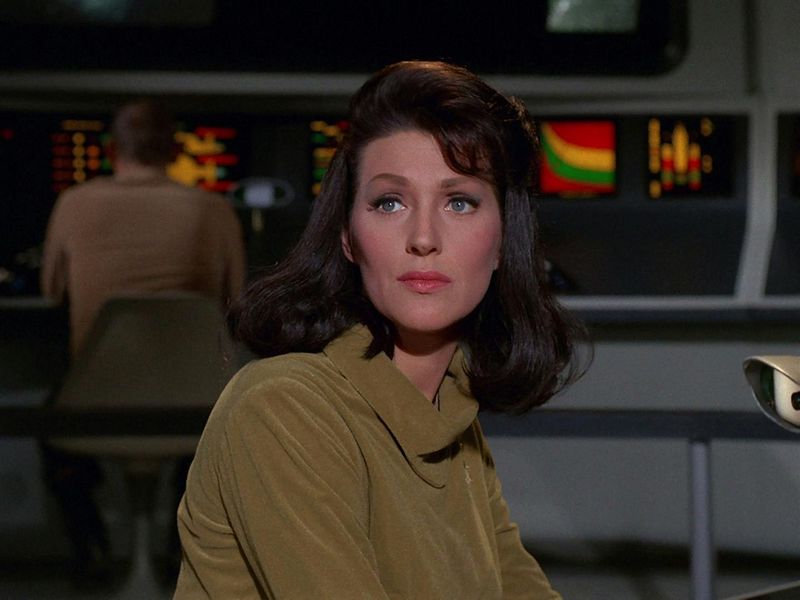
Long before gender representation became a hot-button topic in Hollywood, Star Trek’s original pilot featured a woman as first officer. Majel Barrett played the character simply called “Number One” – calm, competent, and completely in charge.
Test audiences pushed back, calling her too “pushy,” and the character was cut. Barrett didn’t disappear though – she returned as Nurse Chapel and later became the iconic voice of Starfleet computers across multiple series.
8. MLK Convinced Uhura to Stay on the Show
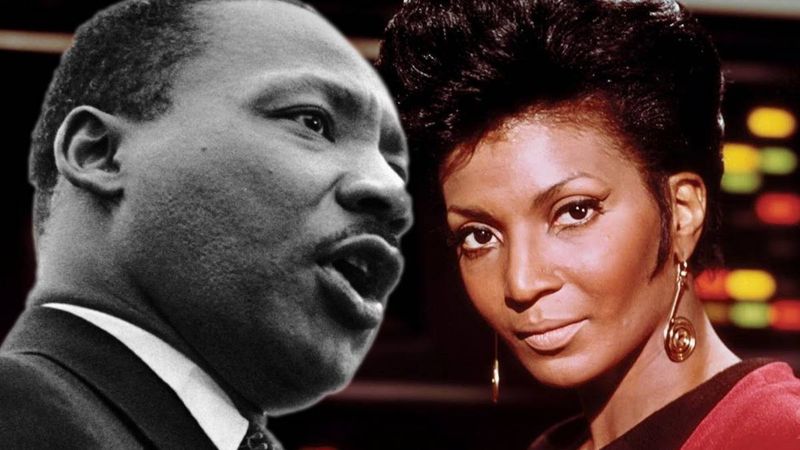
Nichelle Nichols was ready to leave Star Trek to pursue a Broadway career when a chance meeting changed everything. Civil Rights leader Martin Luther King Jr. personally urged her to stay, telling her she was representing Black Americans in a groundbreaking, positive way on national television.
Moved by his words, she returned to the Enterprise and kept inspiring generations of viewers. Her role influenced real-life astronauts and scientists, proving King’s point exactly right.
9. Kirk and Uhura’s Kiss Had a Complicated History
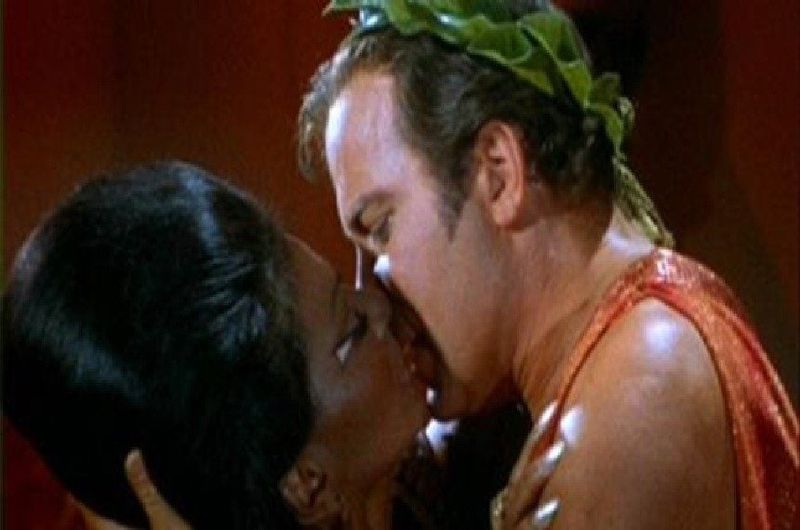
The on-screen kiss between Captain Kirk and Lt. Uhura is often celebrated as a television milestone for interracial representation.
However, it wasn’t actually the first interracial kiss on American TV, and the scene itself was portrayed as non-consensual – forced by an alien race controlling the characters.
History has a way of smoothing out complicated details over time. The moment still sparked real conversations about race in America, which mattered enormously in 1968.
10. Nimoy Fought for Equal Pay for His Co-Stars
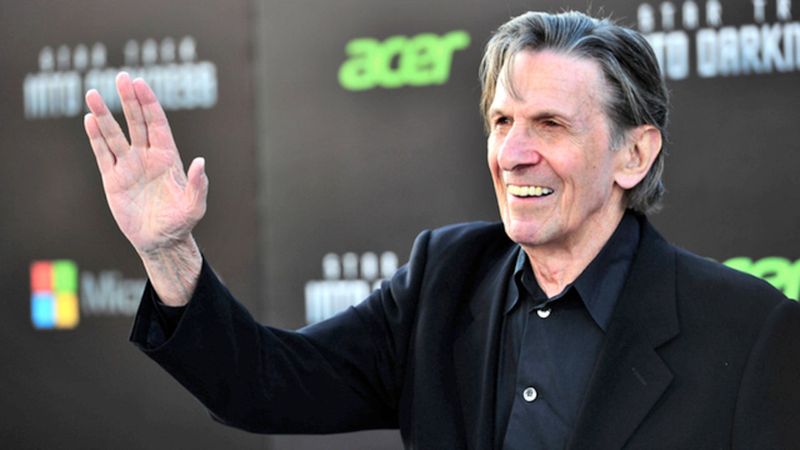
Leonard Nimoy wasn’t just a brilliant actor – he was also a fierce advocate for fairness behind the scenes. He made sure Nichelle Nichols received equal pay, and he flat-out refused to voice Spock in the animated series until both Nichols and George Takei were hired as well.
He also held firm against Paramount until they compensated him for using his likeness on merchandise without permission. Nimoy understood his worth and made sure his friends did too.
11. Scotty’s Actor Was Nearly Destroyed by Typecasting
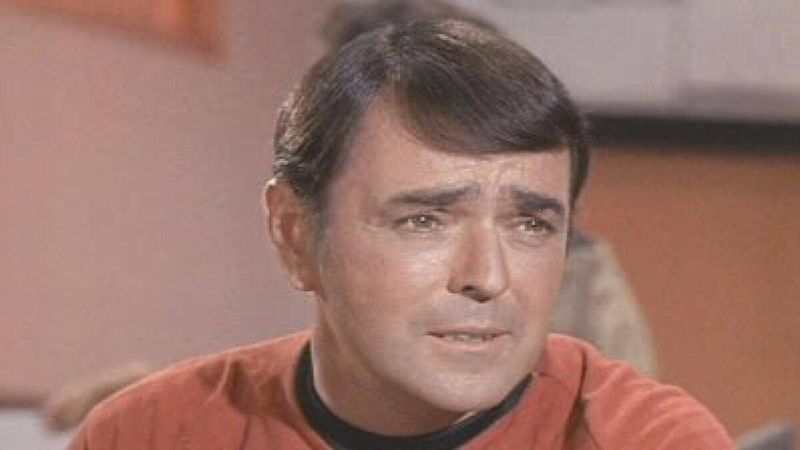
James Doohan brought warmth and humor to the role of Montgomery “Scotty” Scott, but that lovable character came at a steep personal cost. After The Original Series ended, Doohan found it nearly impossible to land other roles because casting directors only saw him as Scotty.
Severe typecasting shadowed his career for years and nearly ended it altogether. His story is a sobering reminder of how playing an iconic character can sometimes feel more like a trap than a triumph.
12. Chekov Was Added to Compete With the Monkees
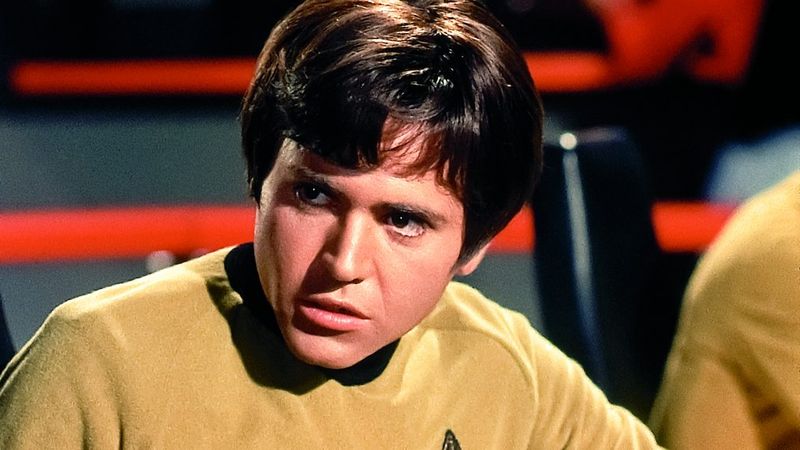
Pavel Chekov’s cheerful Russian accent and mop-top hairstyle weren’t accidental – they were a calculated move to attract younger viewers. Gene Roddenberry reportedly wanted to tap into the same teen audience that was obsessed with Davy Jones from The Monkees.
A more dramatic origin story blamed a Soviet newspaper complaint, but research suggests that was mostly Roddenberry’s storytelling flair at work. Either way, Chekov became a fan favorite and a beloved part of the crew.
13. On-Set Explosions Left Shatner and Nimoy With Tinnitus
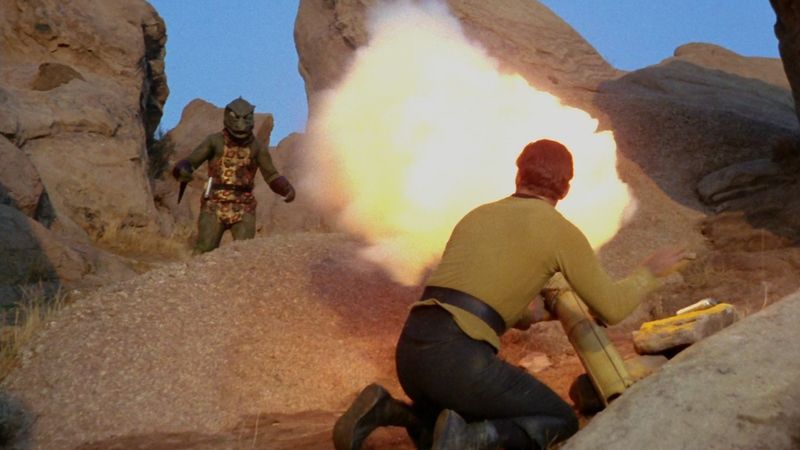
Playing action heroes looks exciting, but the physical toll can be very real. Both William Shatner and Leonard Nimoy developed chronic tinnitus – a persistent ringing in the ears – which they blamed on loud explosions during Star Trek movie productions.
Shatner has spoken about the condition affecting his daily life for decades. It’s a sobering side effect that most fans never consider when watching a thrilling battle scene light up the big screen.
14. Wildlife Caused Real Chaos on Set
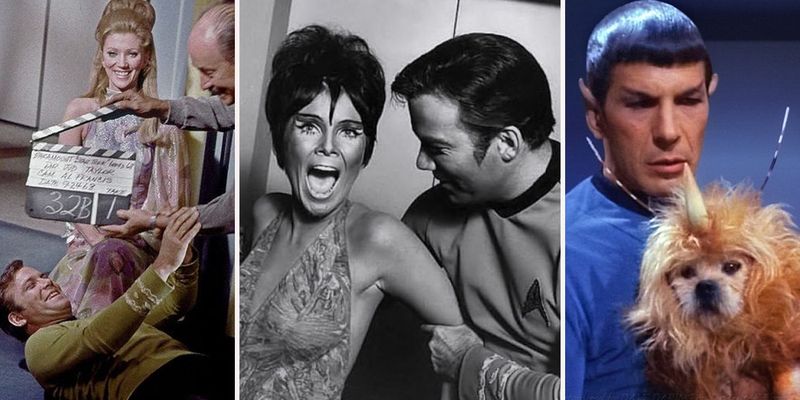
Filming outdoors brought unexpected guests nobody planned for. During “Where No Man Has Gone Before,” a bee stung William Shatner directly on the eyelid, which couldn’t have been comfortable for anyone involved, especially the camera crew trying to film around a swollen eye.
Things got far more dramatic during “Shore Leave” when a chained Bengal tiger broke free on set. Star Trek truly went where no TV crew had gone before – sometimes against their will.
15. Roddenberry Had Opinions About Chest Hair and Baldness
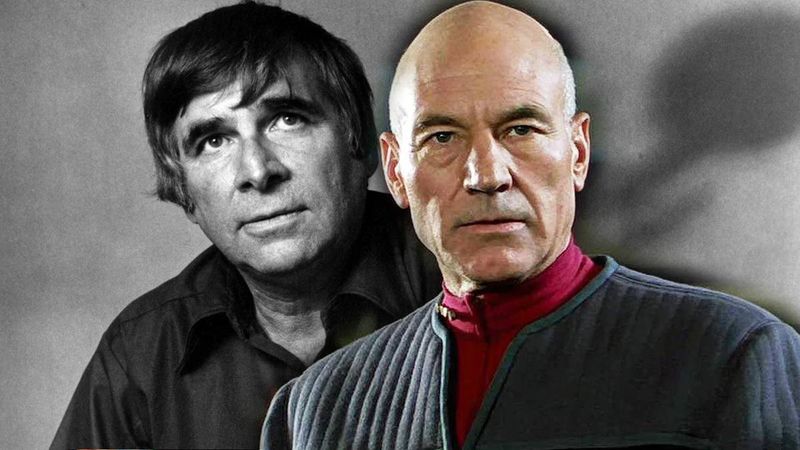
Gene Roddenberry had some very specific ideas about what humans would look like in the 24th century. He believed future humans wouldn’t have chest hair, which explains why William Shatner’s Kirk often appeared suspiciously smooth in shirtless scenes.
On the flip side, when casting The Next Generation, Roddenberry completely dismissed concerns about Patrick Stewart’s bald head. His confident response?
A man of Picard’s stature wouldn’t need hair. That bold call gave us one of sci-fi’s most commanding captains.
16. Dr. Crusher Was Pushed Out by a Producer
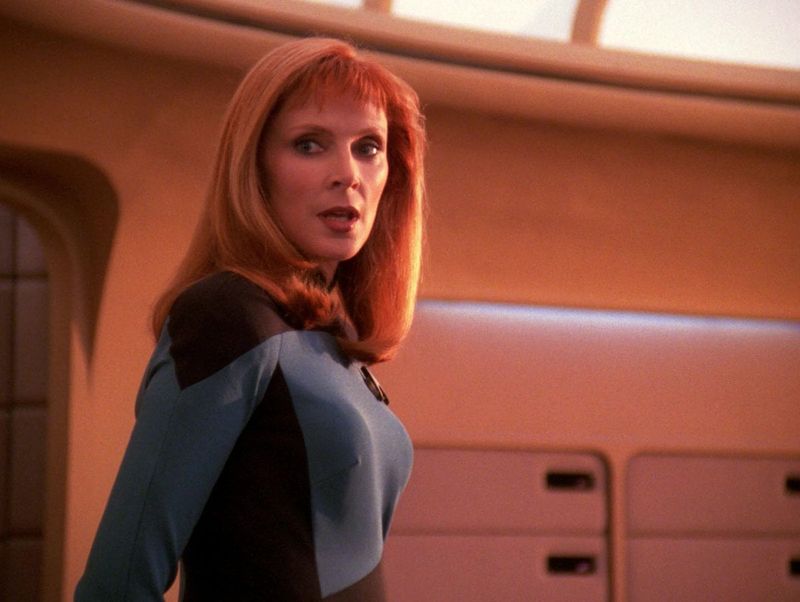
Gates McFadden’s disappearance from The Next Generation’s second season confused fans who loved Dr. Beverly Crusher from day one. The real story was troubling – McFadden left after experiencing harassment from an executive producer on the show.
She only returned in season three after the entire cast stood together and demanded the producer be removed. It was a powerful act of solidarity that brought a beloved character back and sent a clear message about how workplaces should treat people.