
When food was scarce and rationing was the law of the land, home cooks around the world did something remarkable — they got creative. From the Great Depression to World War II, families stretched every ingredient, swapped out staples, and turned simple pantry items into satisfying meals.
These recipes weren’t just about survival; they were a testament to human ingenuity and determination. Today, many of these dishes still hold up, proving that clever cooking never really goes out of style.
1. Woolton Pie
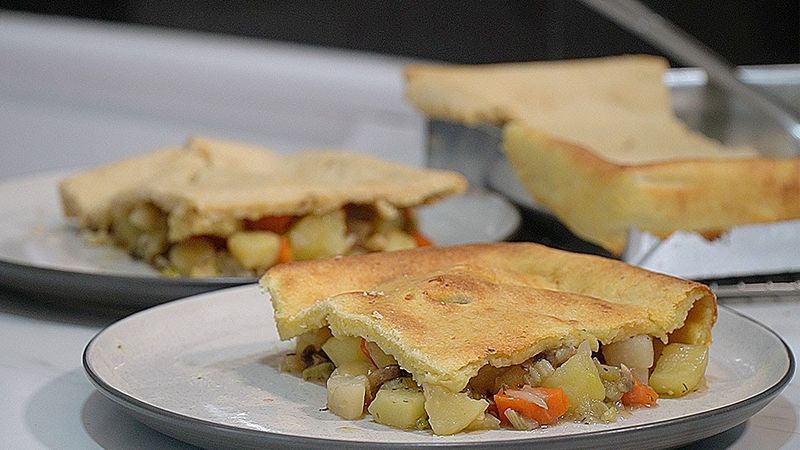
Named after the British Minister of Food, Lord Woolton, this humble pie became a symbol of wartime Britain. Instead of meat, it packed in whatever vegetables were available — carrots, parsnips, turnips, and potatoes — all topped with creamy mashed potato instead of pastry to save precious flour.
It sounds simple, but families across Britain made it work night after night. Today, it’s a brilliant reminder that vegetables alone can create a hearty, satisfying meal worth sharing.
2. Wacky Cake
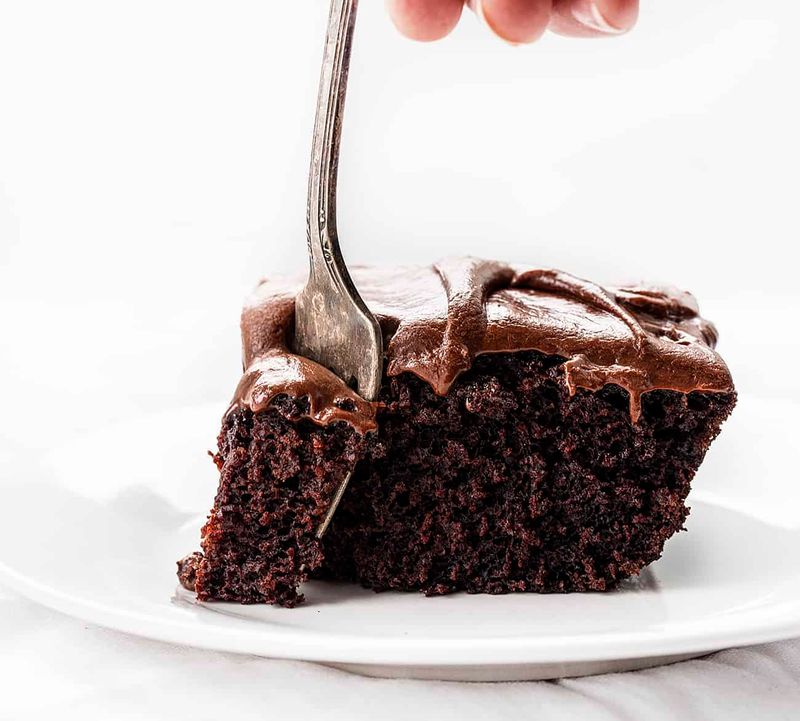
No eggs. No butter.
No milk. Sounds like a baking disaster, right?
Surprisingly, Wacky Cake — also called Depression Cake or War Cake — turns out moist, chocolatey, and completely delicious every single time.
The magic happens when vinegar and baking soda combine, creating the lift that eggs normally provide. Born out of necessity during the Great Depression, this recipe proves that creativity in the kitchen can outshine a fully stocked pantry any day of the week.
3. Water Pie
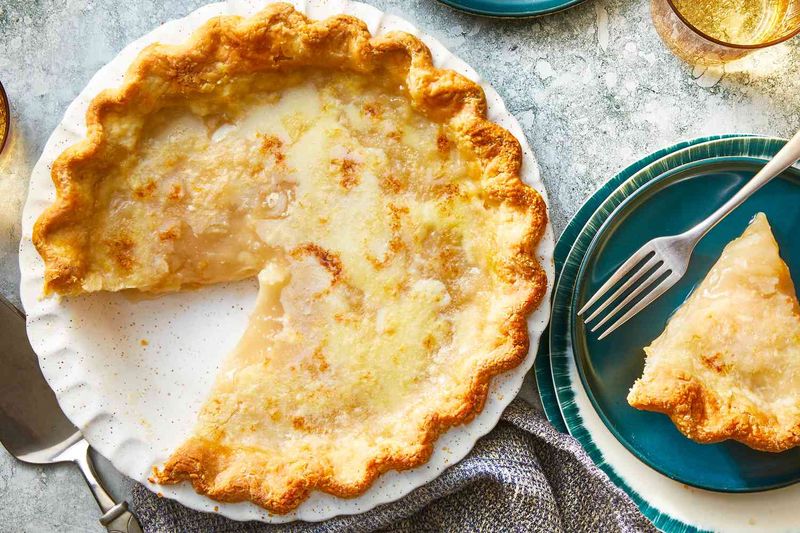
At first glance, a pie made mostly from water seems almost too simple to be real. But during the Great Depression, Water Pie was a genuine lifesaver for families who had nearly nothing left in the pantry.
Just water, sugar, flour, butter, and vanilla — poured into a crust and baked until golden.
The result is surprisingly sweet and custard-like. It stands as one of history’s most honest examples of making something from almost nothing, without complaint.
4. Potato Doughnuts (Spudnuts)
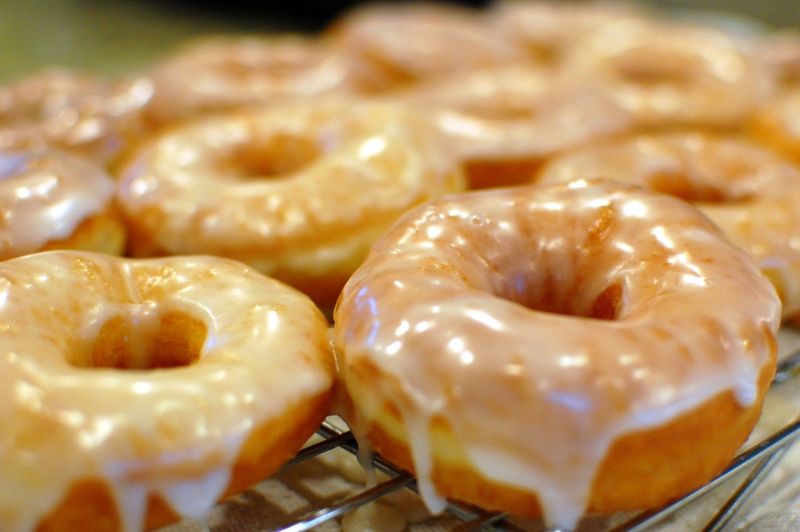
Flour was rationed during WWII, so bakers had to think outside the bag. Enter Spudnuts — doughnuts made with mashed potatoes mixed right into the dough.
The potatoes stretched the flour further and actually made the doughnuts softer, denser, and more filling than the classic version.
They became so popular that Spudnut shops popped up across America after the war. Sometimes wartime workarounds accidentally create something better than the original — and this is a sweet, doughy example of exactly that.
5. Mock Banana Sandwiches
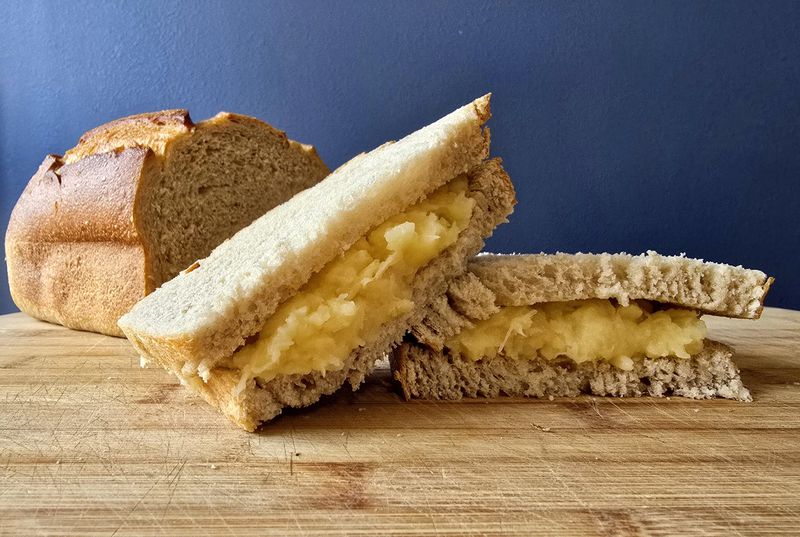
Bananas practically disappeared from British shelves during WWII because importing tropical fruit was impossible when ships were needed for the war effort. Resourceful cooks responded by mashing cooked parsnips and flavoring them with banana essence to mimic the taste — then spreading it on bread just like the real thing.
Kids who had never tasted a real banana reportedly loved it. Honestly, the sheer nerve of swapping a root vegetable for tropical fruit deserves some serious respect.
6. Carrot Biscuits
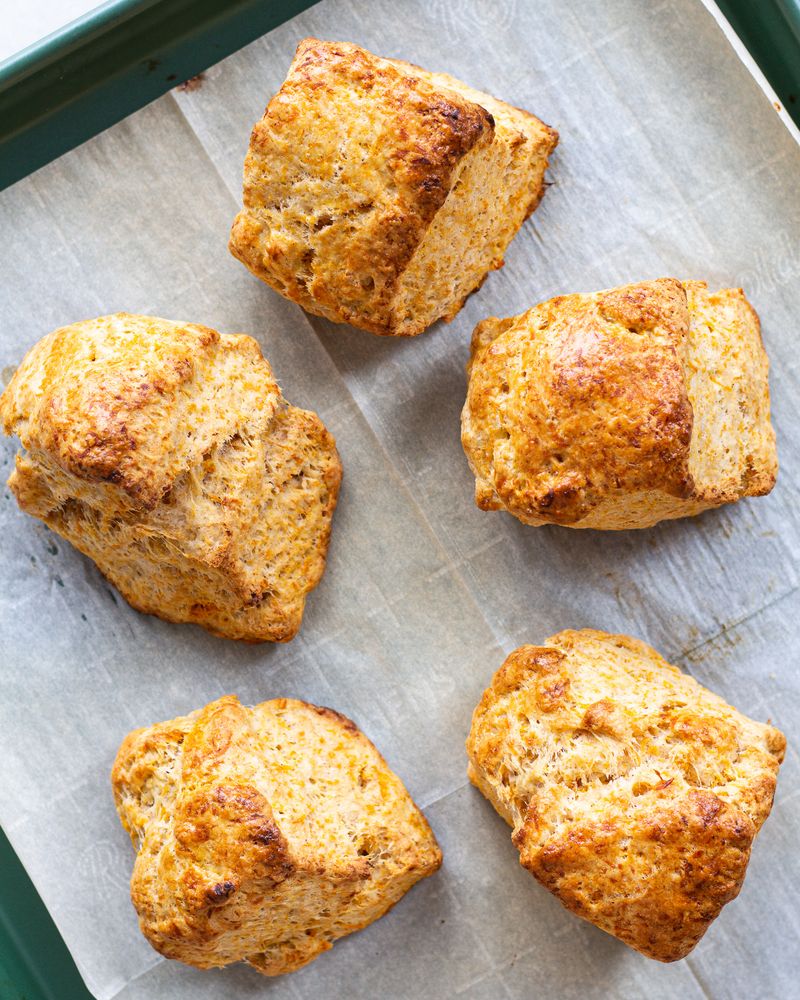
The British Ministry of Food practically made carrots famous during WWII with their cheerful mascot, Dr. Carrot. Because carrots were easy to grow and naturally sweet, they were used to replace scarce sugar and fat in all kinds of baked goods, including biscuits.
Grating carrots into biscuit dough added moisture, sweetness, and a little color to an otherwise dull wartime treat. Victory gardens across Britain kept families supplied, and these biscuits became a reliable, low-ration reward at the end of a long day.
7. Baked Jam and Carrot Sponge Pudding
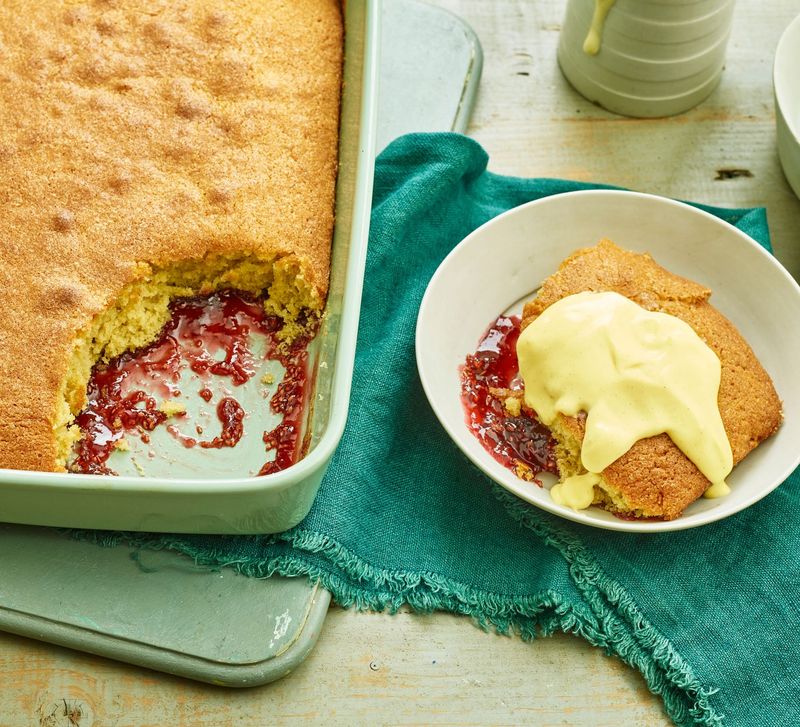
Stretching a tiny ration of butter and sugar into something that actually felt like dessert was an art form during WWII. Grated carrots were folded into sponge batter to add bulk, moisture, and natural sweetness — with a spoonful of precious jam on top for a finishing touch.
The result was warm, comforting, and far more satisfying than its modest ingredient list suggests. For wartime families, this pudding was a small act of joy in genuinely difficult times.
8. Homity Pie
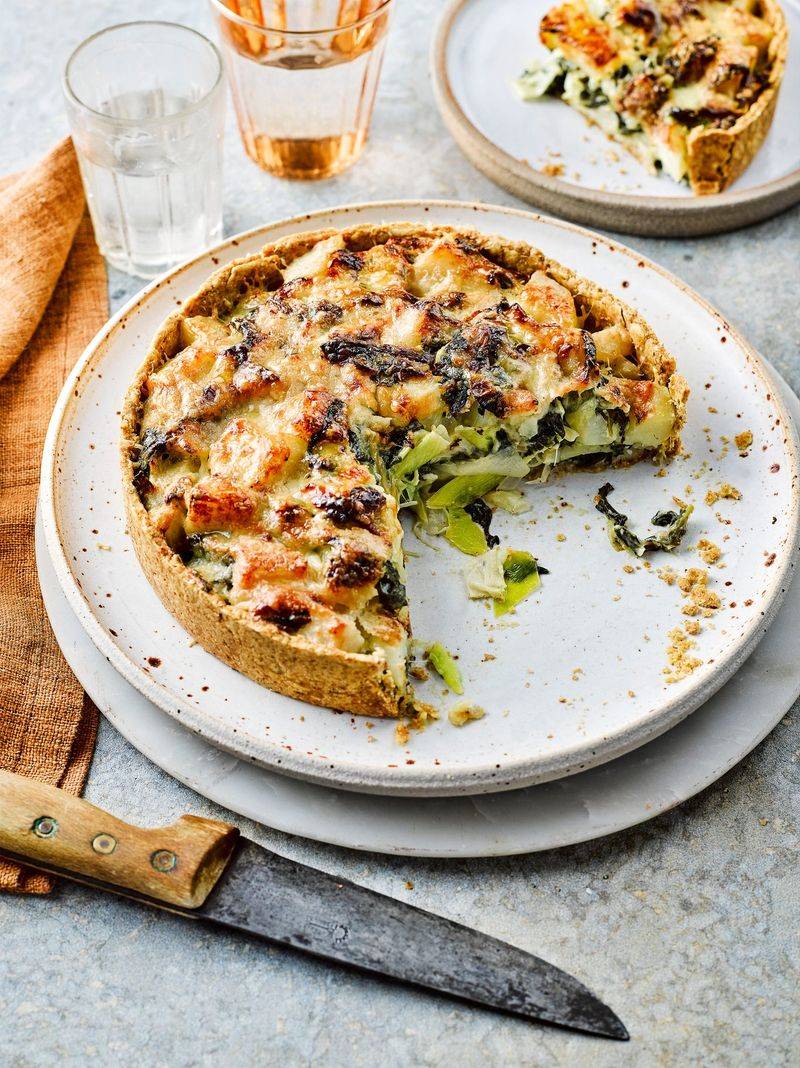
Land Girls — the women who worked British farms while men were away at war — are credited with creating Homity Pie, also called Devon Pie. Packed with potatoes, leeks or onions, and just enough cheese to feel indulgent, it was hearty, filling, and required very little in the way of rationed ingredients.
What started as a practical farmworker’s lunch has become a beloved British classic. Few dishes carry such a strong story of female resilience and wartime community spirit behind every slice.
9. Mulligan Stew
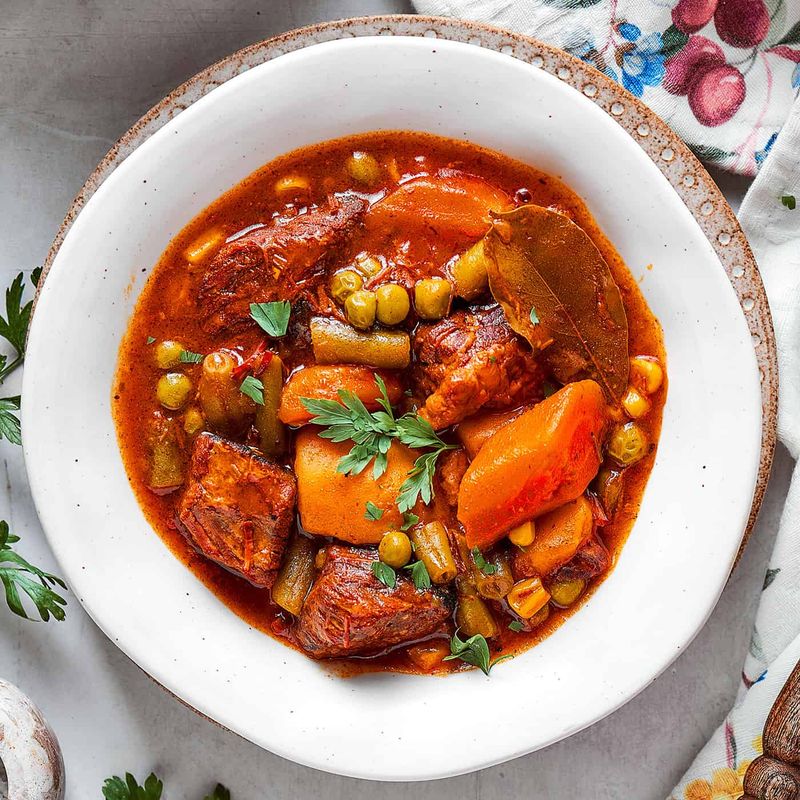
During the Great Depression, hobos and homeless communities created Mulligan Stew as a survival meal — everyone contributed whatever scraps of food they could find or spare, and it all went into one communal pot. No two batches were ever the same, and that was entirely the point.
Carrots, potatoes, onions, a bit of meat if you were lucky — it all worked. More than just a recipe, Mulligan Stew is a powerful story about community, generosity, and making something warm out of almost nothing.
10. Cornmeal Mush
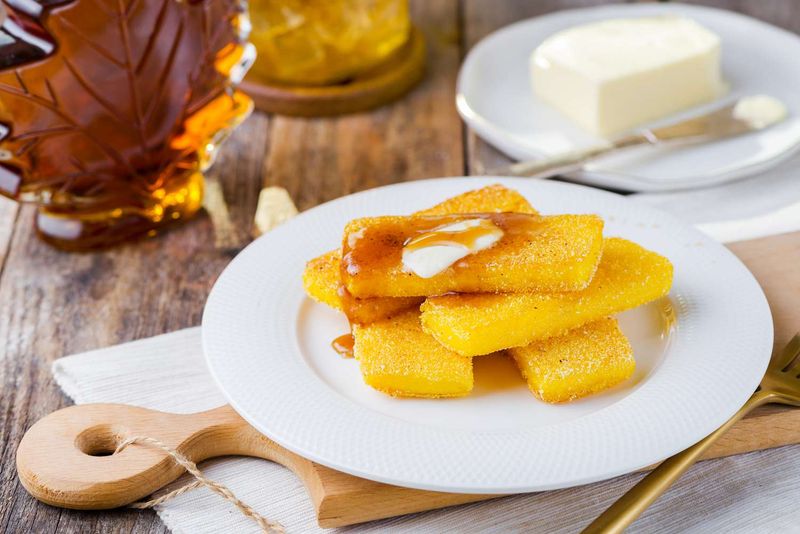
Corn was cheap, widely available, and filling — making it the backbone of countless Depression-era breakfasts. Cornmeal mush was made by slowly cooking cornmeal in water or milk until thick and creamy, then sweetened with molasses or a little sugar if the family had any.
Leftover mush was often sliced and pan-fried the next morning for a second meal. Simple?
Absolutely. But it kept families going through some of the hardest mornings of the 20th century, and that counts for everything.
11. Milk Toast
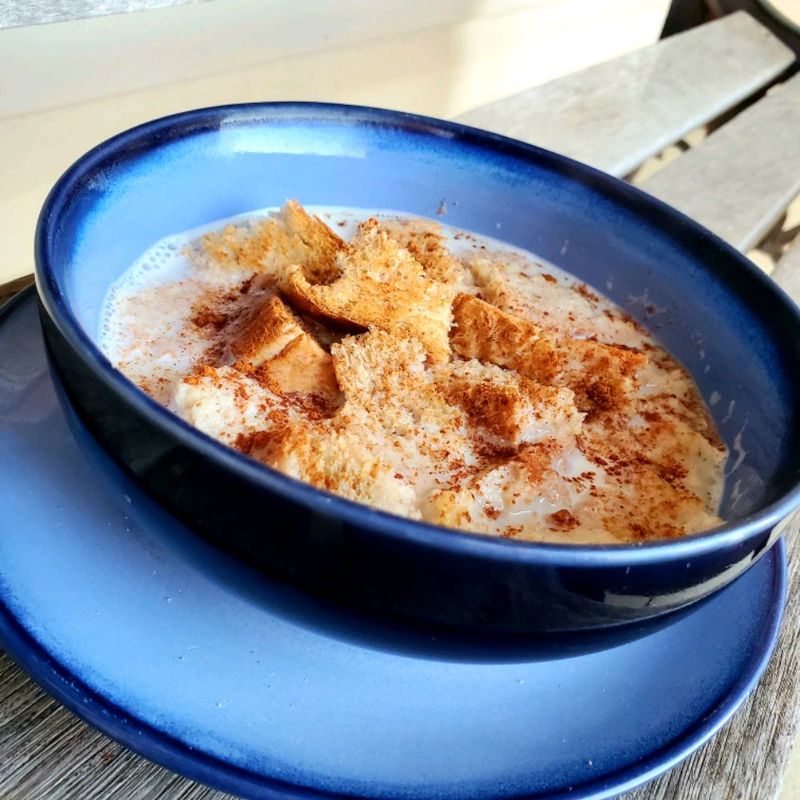
Stale bread soaked in warm milk sounds like something you’d feed a sick child, and honestly, during the Depression, that was sometimes the whole point. Milk Toast was one of the most economical meals imaginable — nothing went to waste, not even bread that had gone hard.
A more filling version added a simple flour-and-butter sauce over the top. For many Depression-era families, this quiet, unassuming dish was breakfast, lunch, and sometimes dinner — a small comfort in genuinely uncertain times.
12. Porcupine Meatballs
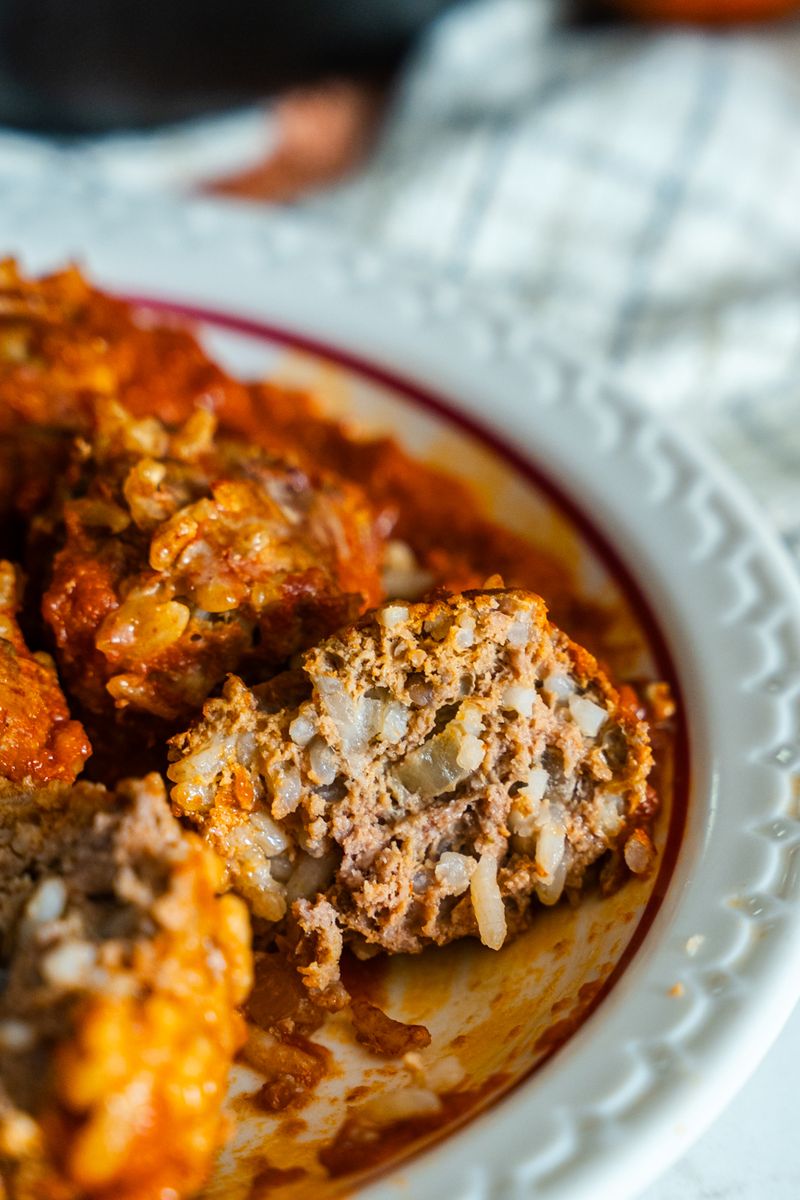
Ground meat was heavily rationed during WWII, so clever cooks found a way to make a small amount go much further. Raw rice was mixed directly into the meatball mixture before cooking — as the meatballs simmered in tomato sauce, the rice cooked inside and puffed out, looking just like little porcupine spines.
The rice doubled the volume of each meatball while adding texture and heartiness. Kids loved the fun appearance, and parents loved getting twice the meal from half the meat.
13. American Goulash
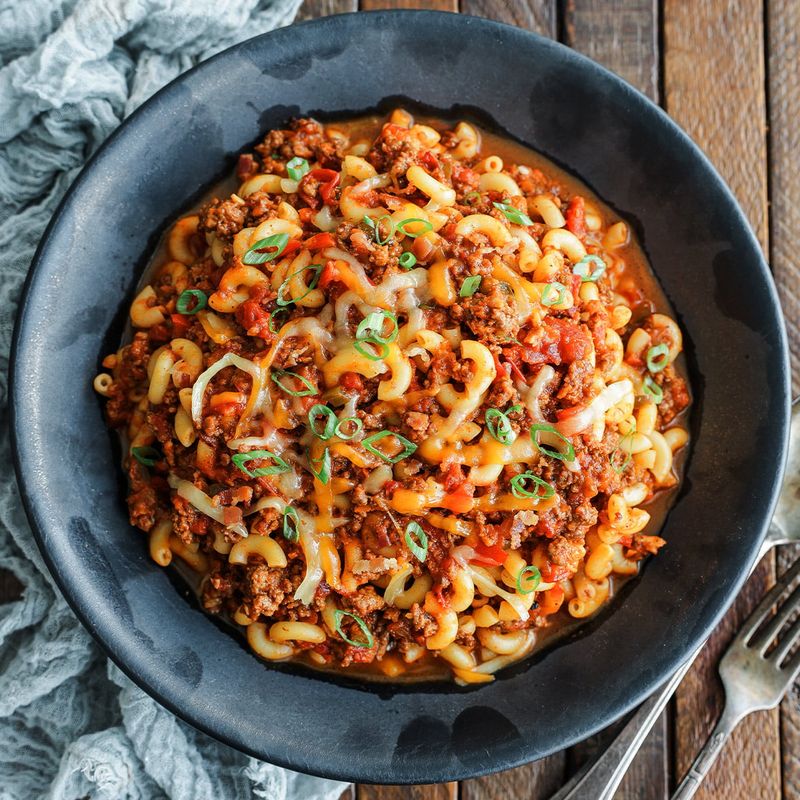
Known by several names — Slumgullion, Elbow Surprise, or simply American Goulash — this one-pot wonder was a Depression and WWII staple built to stretch a small amount of ground meat as far as humanly possible. Elbow macaroni, canned tomatoes, onions, and whatever vegetables were on hand filled the pot.
Everything cooked together in one dish, which also saved on washing up — a bonus when life was already exhausting. Warm, filling, and endlessly adaptable, it remains a comfort food classic to this day.
14. Corned Beef Hash
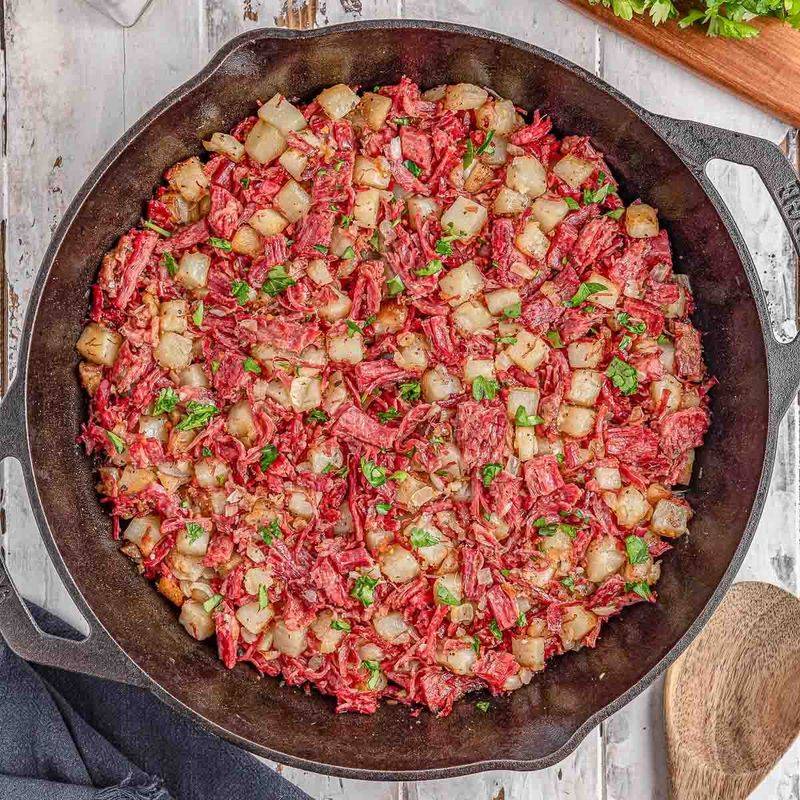
Zero-waste cooking was non-negotiable during wartime — nothing edible ever hit the trash. Corned beef hash took leftover corned beef, combined it with diced potatoes and onions, and fried everything together in a hot pan until crispy and golden.
Quick, filling, and deeply satisfying.
Canned corned beef became a wartime staple in both the US and UK, making this dish a cross-Atlantic favorite. It’s the kind of recipe that doesn’t require much, asks for nothing fancy, and delivers every single time.
15. Bread Pudding
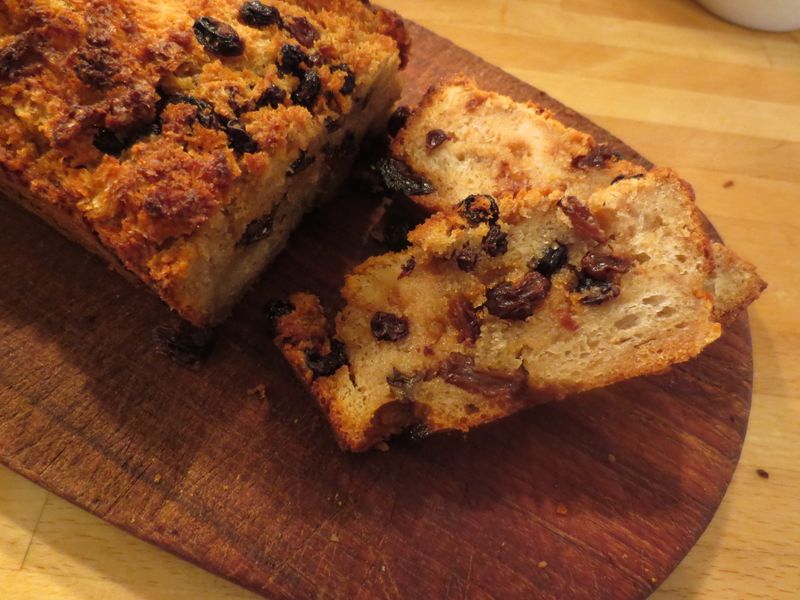
Throwing away stale bread during wartime was simply not an option. Bread pudding solved that problem deliciously — day-old or rock-hard bread was soaked in a simple egg-and-milk custard, sweetened with a little sugar, and baked until golden and puffed.
Dried fruit or a sprinkle of spice made it feel almost luxurious.
Generations of families across Britain and America relied on this recipe to turn waste into warmth. Few dishes better capture the wartime spirit of honoring every single ingredient.