
The 1980s gave us some of the most memorable movies ever made, but not all of them have aged gracefully. Some films that audiences laughed at or cheered for back then now raise serious questions about race, gender, and consent.
Looking back at these movies through a modern lens can be eye-opening and sometimes uncomfortable. Here are 19 films from that era that hit very differently today than they did when they first hit theaters.
1. Soul Man (1986)
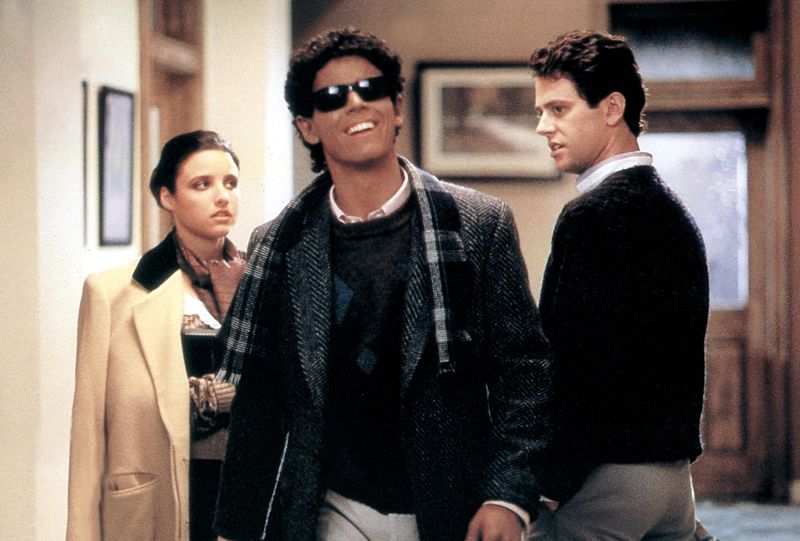
Few films capture Hollywood’s racial blind spots quite like this one. A white student darkens his skin to steal a scholarship meant for Black students, and the movie plays it for laughs.
Even at the time, critics called it tone-deaf and harmful.
Today, it stands as a textbook example of what not to do when tackling race through comedy. The use of blackface alone makes it nearly unwatchable by modern standards.
2. Revenge of the Nerds (1984)
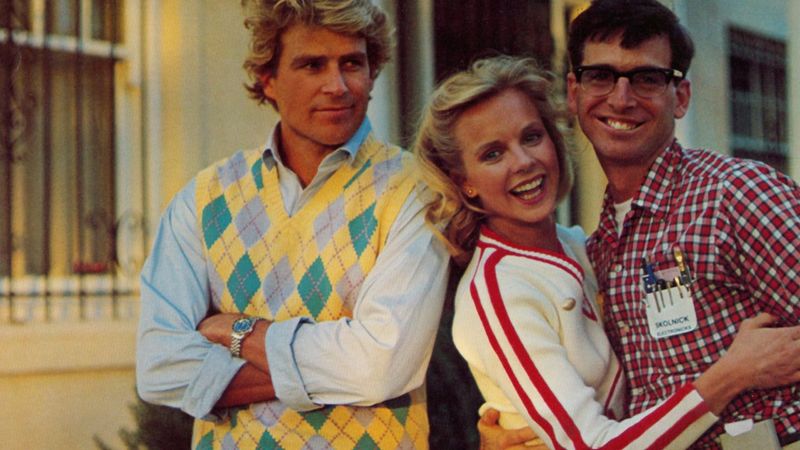
Back in 1984, audiences roared with laughter at the nerds outsmarting the popular crowd. But buried inside those jokes was something much darker that most people glossed right over.
One character disguises himself to trick a woman into intimacy, and the film treats it like a triumphant win. Modern viewers immediately recognize that scene as sexual assault.
What once passed as harmless hijinks is now one of the most cited examples of Hollywood normalizing dangerous behavior.
3. Sixteen Candles (1984)
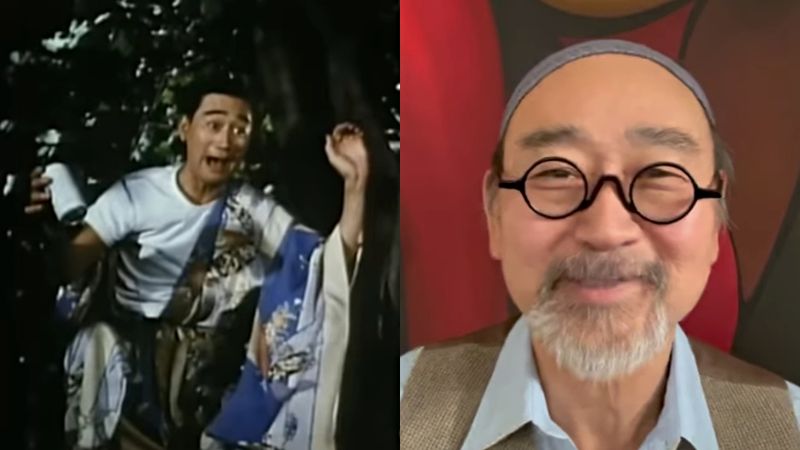
Millions of teens grew up thinking Sixteen Candles was the ultimate romantic coming-of-age story. Sam’s crush, the birthday chaos, the sweet ending, it all felt magical in 1984.
Rewatch it now, though, and the cracks are impossible to ignore. Long Duk Dong’s portrayal is a painfully racist caricature, complete with a gong sound effect every time he appears.
Add in the troubling consent moments, and this beloved classic becomes genuinely uncomfortable viewing.
4. Short Circuit (1986)
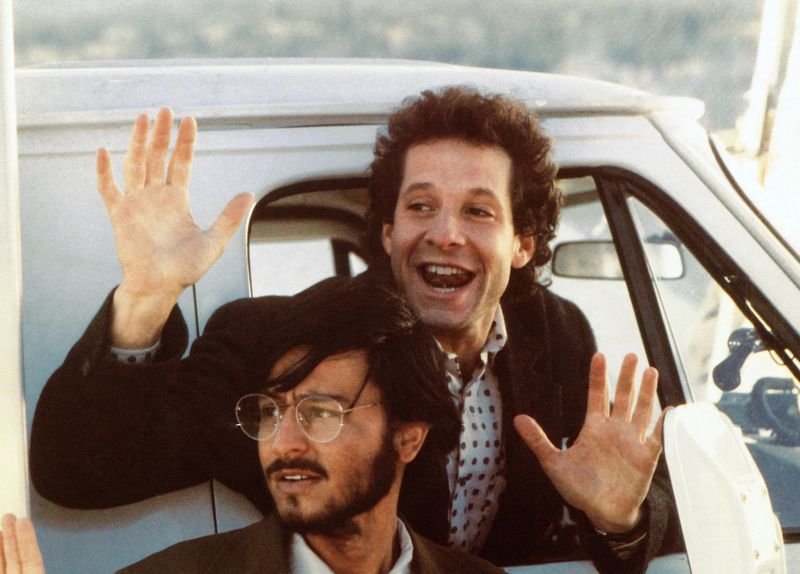
Johnny 5 is alive, and honestly, the robot still holds up. The problem is the human cast member standing right next to him.
Fisher Stevens, a white actor, was cast in brownface makeup to play an Indian scientist named Ben Jabituya.
Hollywood did this kind of thing casually back then, treating authentic representation as optional. Today, that casting choice overshadows the film’s charm and sparks uncomfortable conversations about who gets to play whom on screen.
5. The Toy (1982)
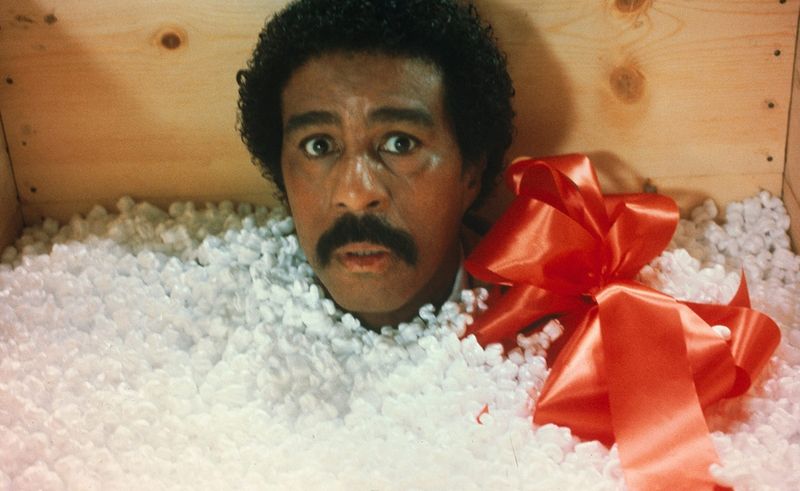
Richard Pryor was one of the sharpest comedic minds of his generation, which makes this film’s premise all the more baffling. He plays a man literally bought as a living toy for a rich white kid, and the movie mostly plays it straight.
Maybe the filmmakers hoped the absurdity would critique wealth and privilege. Instead, it feels like it undermines Pryor at every turn.
Most viewers today agree he deserved far better material than this.
6. St. Elmo’s Fire (1985)
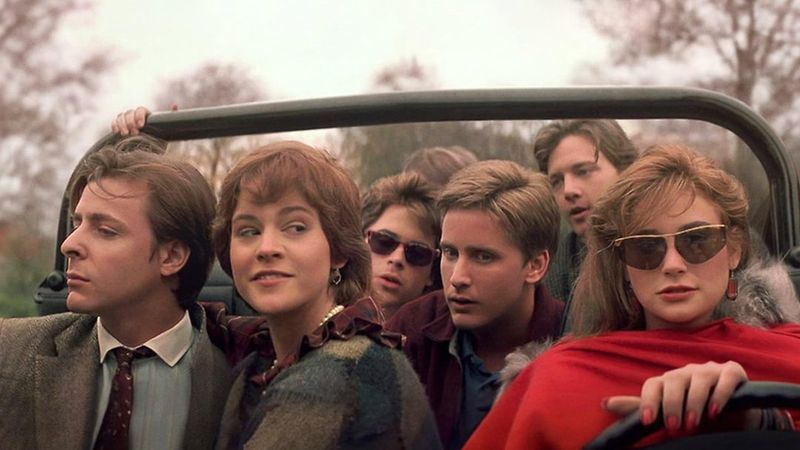
St. Elmo’s Fire was the ultimate Brat Pack hangout movie, full of big feelings and bigger hair. But one storyline hasn’t aged well at all.
Billy’s relentless pursuit of his ex-girlfriend reads less like passionate love and more like a stalking situation.
The other characters never really call him out on it. Instead, they enable the behavior and even romanticize it.
What the film framed as devotion, modern audiences recognize as harassment with a good soundtrack.
7. The Last Temptation of Christ (1988)
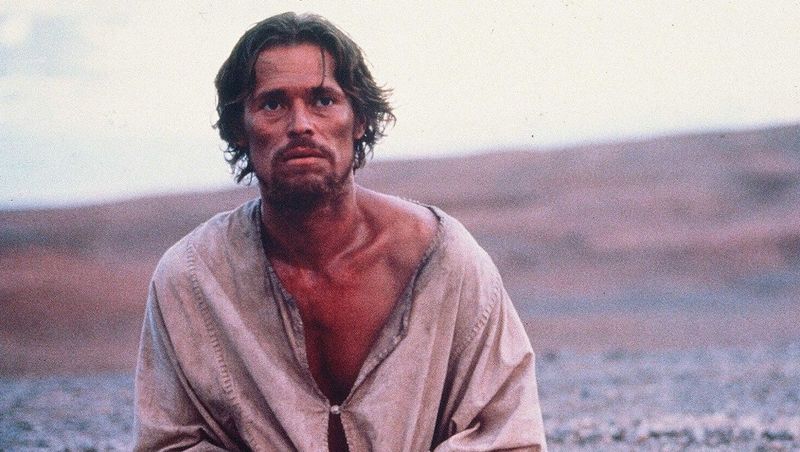
Martin Scorsese has never been afraid to take risks, and this film might be his boldest swing ever. Depicting Jesus as a deeply human, conflicted figure who fantasizes about a normal life outraged conservative Christian groups worldwide.
Cities banned it. Petitions flooded studios.
Theaters faced protests. Decades later, those accusations of blasphemy have quieted somewhat, and many now view it as one of Scorsese’s most daring and thoughtful explorations of faith and humanity.
8. Hail Mary (1985)
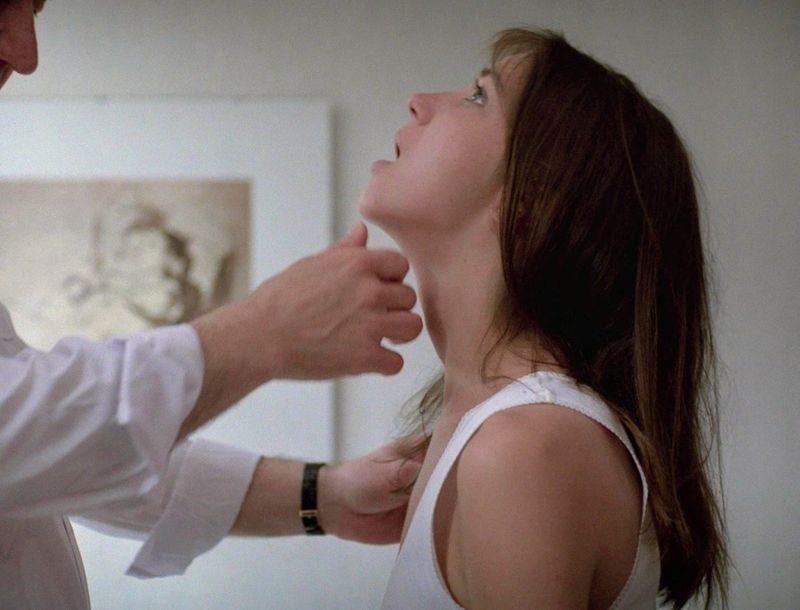
Jean-Luc Godard updating the Virgin Mary story for modern France was never going to go smoothly. Pope John Paul II personally spoke out against the film, and Christian protesters showed up at screenings across multiple countries.
Brazil and Argentina banned it outright.
Today, film lovers often praise its stunning cinematography and its genuine attempt to wrestle with spiritual themes. The outrage has faded enough that its artistic merits finally get the attention they deserve.
9. The Evil Dead (1981)
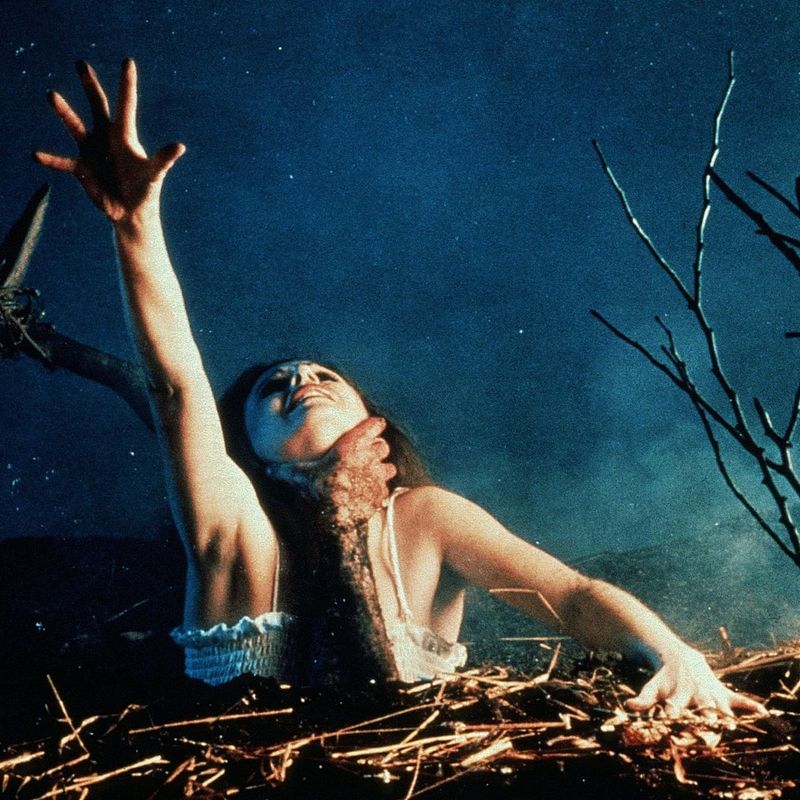
Sam Raimi made this film on a shoestring budget, but its graphic violence hit audiences like a freight train. Censors in multiple countries scrambled to ban it, and conservative groups objected loudly to its occult themes.
The controversial tree scene in particular shocked viewers in a way that was genuinely new for mainstream horror. Now regarded as a beloved cult classic and horror comedy touchstone, its original impact is a reminder of how much the genre has changed.
10. Silent Night, Deadly Night (1984)
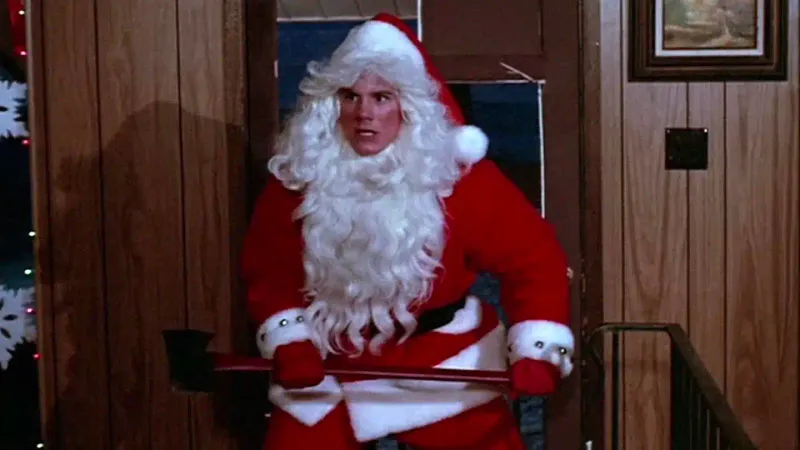
Imagine flipping on the TV during your favorite family sitcom and seeing an ad for a movie about Santa Claus as a murderer. That’s exactly what happened to parents across America in 1984, and the backlash was immediate and fierce.
Angry families flooded theaters demanding the film be pulled, and the distributor eventually caved. The Santa-slasher premise remains the film’s defining legacy, a wild marketing miscalculation that accidentally made the movie more famous than it ever would have been otherwise.
11. Cannibal Holocaust (1980)
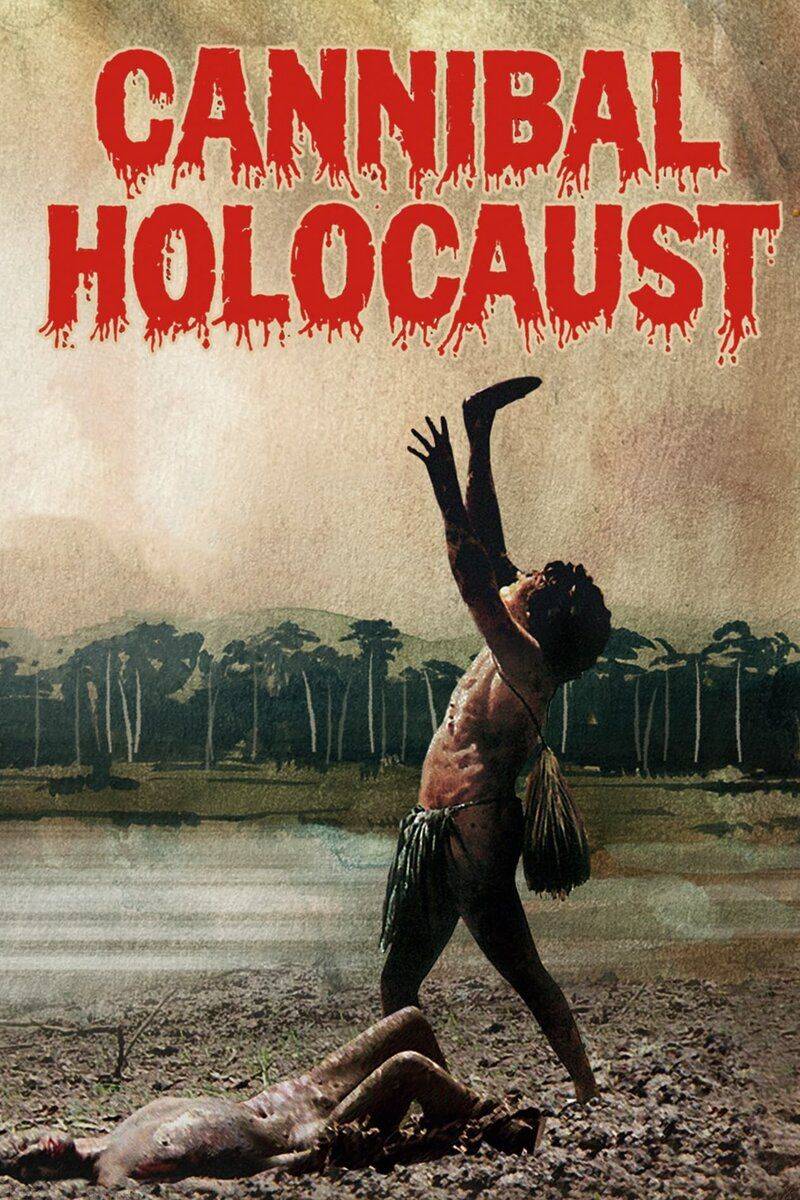
Director Ruggero Deodato was arrested for murder after releasing this film because authorities believed the actors had actually been killed on screen. He had to bring his cast to court just to prove they were alive.
That alone tells you everything about how extreme this film is.
Real animal cruelty, graphic violence, and realistic sexual violence made it one of the most banned movies in history. It still holds that reputation today, even among hardcore horror fans.
12. Cruising (1980)
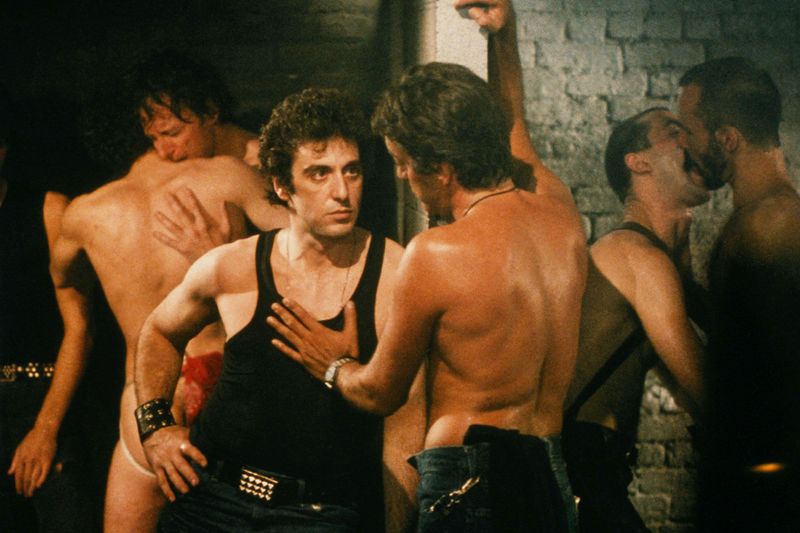
Before filming even began, gay rights activists in New York City were already protesting Cruising in the streets. They argued that William Friedkin’s thriller would paint the LGBTQ+ community as dangerous and violent, potentially inspiring real-world harm against gay people.
The film’s portrayal of a specific underground subculture remains divisive to this day. Some viewers see it as a fascinating time capsule.
Others feel its damage to LGBTQ+ representation was real and lasting.
13. The Cook, the Thief, His Wife and Her Lover (1989)
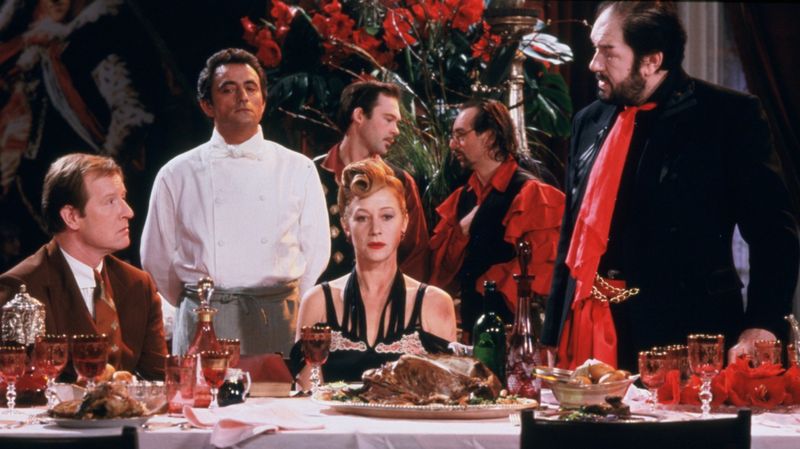
Peter Greenaway’s film is as much a visual feast as it is a deeply unsettling experience. Its graphic violence and explicit sexual content pushed so close to an X-rating that distributors had serious concerns before release.
The film sparked heated debates about where the line between art and obscenity actually sits. Those conversations haven’t gone away.
If anything, the film is now studied as a flashpoint in the ongoing argument about censorship and what cinema is truly allowed to show.
14. Blue Velvet (1986)
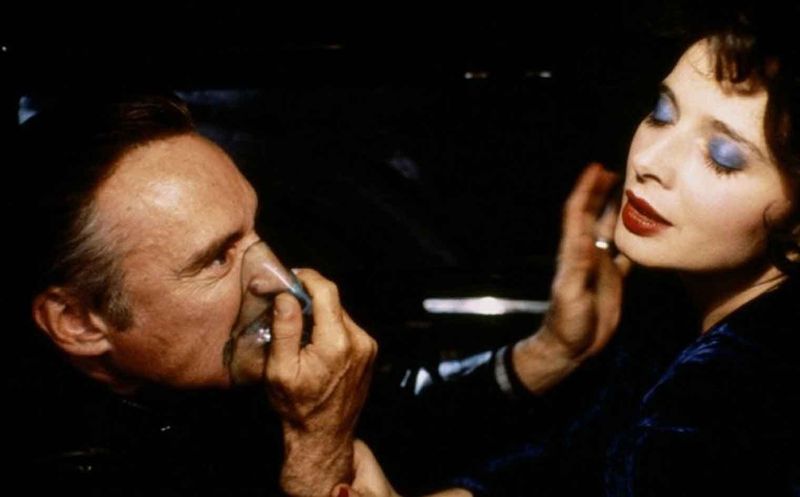
Underneath the cheerful surface of a small American town lies something deeply rotten, and David Lynch wanted audiences to feel every uncomfortable inch of it. Blue Velvet divided critics sharply upon release, with some calling it genius and others calling it unwatchable sadism.
Today, the film is celebrated as one of the greatest of the decade. Its exploration of buried violence and dark desire feels more insightful than ever, especially in an era obsessed with what lies beneath ordinary life.
15. Platoon (1986)
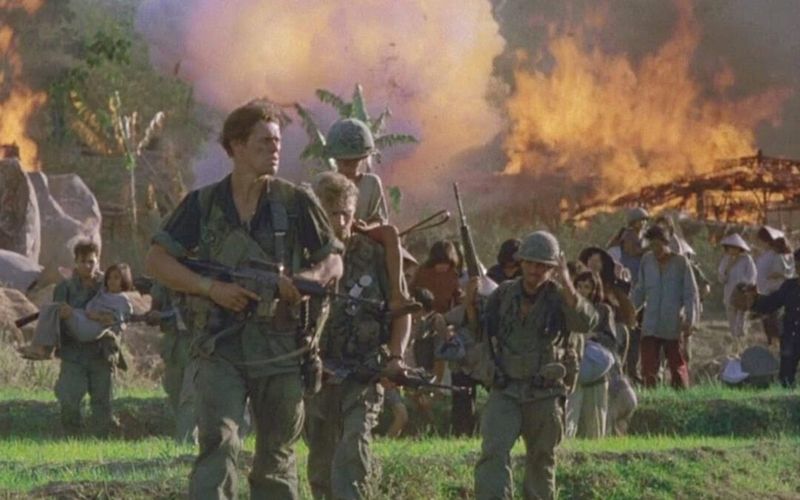
Hollywood had spent years making Vietnam War films where American soldiers were either tragic heroes or noble warriors. Oliver Stone had actually served in Vietnam, and he wasn’t interested in telling that kind of story.
Platoon showed soldiers burning villages and brutalizing civilians, which shocked audiences used to a very different narrative. Critics called it irresponsible.
Veterans called it honest. Decades later, it’s considered one of the most important war films ever made for precisely that unflinching honesty.
16. Do the Right Thing (1989)
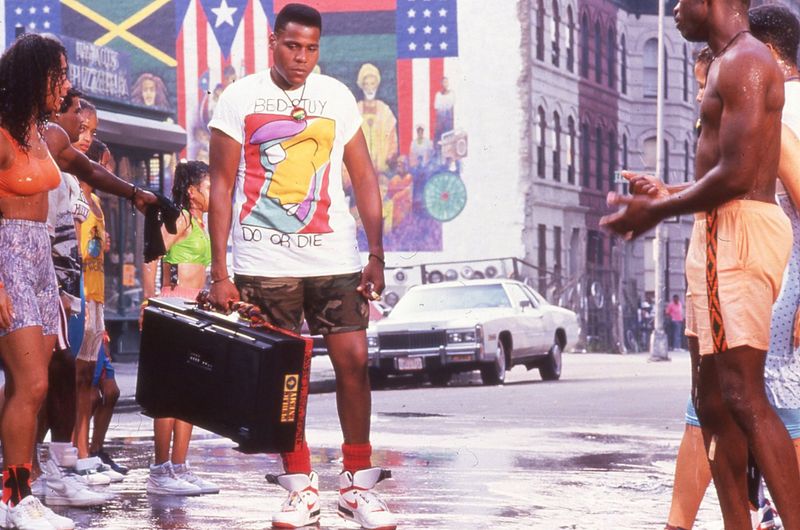
Spike Lee set his film on the hottest day of the year in a Brooklyn neighborhood, and the heat feels like it could ignite at any moment. When it finally does, some critics panicked, warning the film could inspire real riots across America.
Looking back, many argue those warnings were rooted in racism rather than genuine concern. The film’s enduring power lies in its refusal to offer easy answers, and audiences who dismissed it in 1989 have largely come around to its brilliance.
17. American Gigolo (1980)
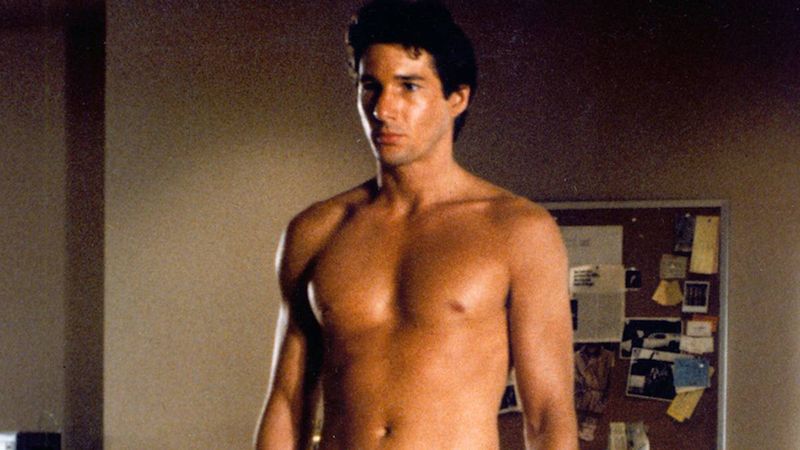
A major Hollywood studio releasing a film centered on a male sex worker was genuinely boundary-pushing in 1980. Richard Gere’s performance made it stylish and cool, which helped audiences accept a premise they might otherwise have rejected outright.
Modern critics have circled back to the film with sharper eyes, pointing out that its depiction of sex work is shallow and arguably inaccurate. What felt daring then now feels like it skimmed the surface of a much more complex reality.
18. Trading Places (1983)
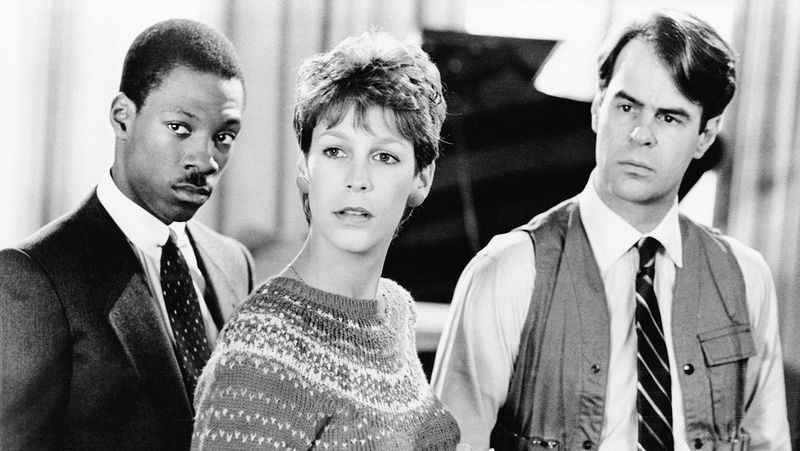
Trading Places is genuinely funny, and Eddie Murphy’s performance is electric from start to finish. But this beloved comedy has a few moments that land very differently now than they did in 1983.
Dan Aykroyd appears in blackface at one point, and the film’s ending features a scene many viewers today find deeply uncomfortable. Some gags involving offensive language have also aged badly.
The laughs are still there, but they come with a side of serious cringe these days.
19. The Year of Living Dangerously (1982)
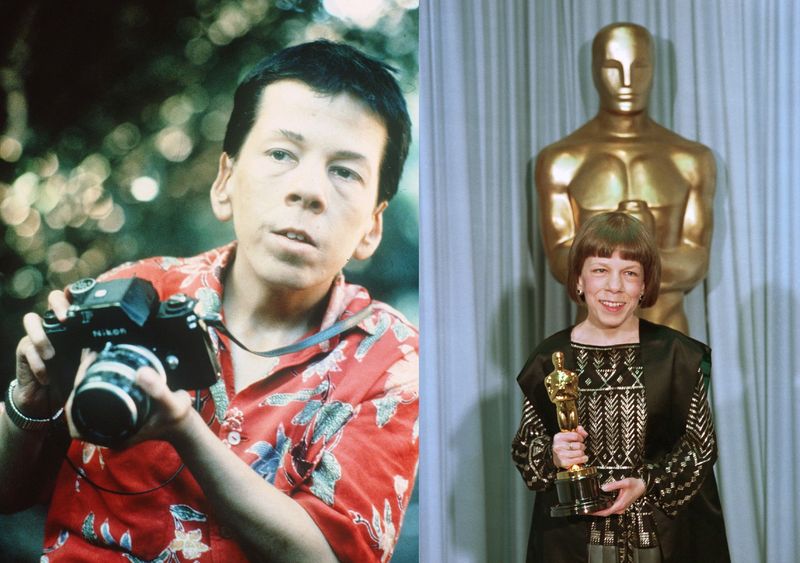
Linda Hunt gave an extraordinary, Oscar-winning performance in this film. There is genuinely no debate about her talent.
The debate is about the fact that she, a white woman, was cast to play a Chinese-Australian man with dwarfism.
At the time, Hollywood applauded the casting as transformative acting. Today, the conversation around yellowface and authentic representation makes Hunt’s role one of the most discussed examples of problematic casting from that entire decade.