
Every relationship takes work, but the good news is that small, intentional habits can make a huge difference. Whether you have been together for two months or twenty years, there are always new ways to grow closer and communicate better.
A strong, healthy bond does not happen by accident — it is built through daily choices, kindness, and genuine effort from both partners. These ideas can help any couple feel more connected, supported, and truly loved.
1. Practice Active Listening

Most people listen just enough to form their next response — but active listening is a whole different skill. When your partner speaks, put down your phone, make eye contact, and truly absorb what they are saying.
After they finish, reflect back what you heard: “So it sounds like you felt overlooked at work today.” This simple habit shows your partner they matter and helps prevent misunderstandings before they spiral into arguments.
2. Use “I” Statements When Communicating

Swapping “you always” for “I feel” might sound like a small tweak, but it completely changes the energy of a conversation. Saying “I feel overwhelmed when the house is messy” hits very differently than “You never clean up.”
“I” statements remove the accusatory sting and invite your partner to actually hear you instead of going on the defensive. Over time, this communication style builds a culture of honesty and emotional safety in the relationship.
3. Schedule Regular Relationship Check-Ins

Think of a relationship check-in like a tune-up for your car — skip it too long, and things start to break down. Setting aside even five to ten minutes each day to ask “How are we doing?” creates a rhythm of openness.
Use this time to share what felt good that week, what felt hard, and what you each need going forward. Consistency turns these brief conversations into one of the strongest habits a couple can build.
4. Validate Each Other’s Emotions

Validation does not mean you agree with everything your partner says — it simply means you acknowledge that their feelings are real and understandable. “That makes sense, I can see why you felt hurt” goes a long way.
Research consistently shows that feeling emotionally validated reduces stress and strengthens trust between partners. When people feel truly seen, they open up more freely.
Making validation a daily habit creates a relationship where both partners feel safe to be completely honest.
5. Prioritize Physical Affection Daily

A hug that lasts at least six seconds, a hand held during a walk, a quick kiss before leaving for work — these small physical gestures do more than feel nice. They actually trigger the release of oxytocin, the bonding hormone, which reduces stress and deepens emotional connection.
Physical affection does not have to be grand or elaborate. Consistent, everyday touch tells your partner without words: “I am here, I choose you, and I love being close to you.”
6. Talk Openly About Intimacy

Conversations about intimacy can feel awkward at first, but avoiding them entirely leads to unspoken expectations and quiet resentment. Approaching the topic with curiosity rather than pressure makes all the difference.
Ask questions like “What makes you feel most connected to me?” or “Is there something new you would like us to try?” Keeping this dialogue ongoing — not just during moments of conflict — helps both partners feel respected, desired, and understood on a deeply personal level.
7. Spend Quality Time Together Without Screens

Screens have a sneaky way of being present in the room even when both partners technically are too. Undistracted time — where both phones are face-down or in another room entirely — signals that this moment is a priority.
Cook a meal together, go for a walk, play a board game, or just sit and talk over coffee. Quality time does not need an agenda.
What matters is that both people are fully present, genuinely engaged, and choosing each other over everything else competing for attention.
8. Practice Gratitude and Appreciation Regularly

Gratitude is one of the easiest relationship tools available, and yet it is one of the most commonly skipped. Telling your partner “I really appreciated how you handled that today” takes ten seconds and can shift the entire mood of a day.
Try creating a small ritual — like sharing one thing you are thankful for about each other before bed. Over time, focusing on what your partner does right, rather than what they do wrong, fundamentally rewires how you experience the relationship.
9. Resolve Conflicts Constructively as a Team

Every couple fights — the difference between healthy and unhealthy relationships is not the absence of conflict, but how it gets handled. Approaching disagreements with the mindset of “us versus the problem” rather than “me versus you” changes everything.
Stay focused on finding a solution instead of scoring points. Take turns speaking, avoid personal attacks, and remind yourselves that you are on the same team.
Couples who fight well actually end up with stronger trust and deeper respect for one another.
10. Take Time-Outs During Heated Arguments

When emotions run hot, the logical part of the brain essentially goes offline — meaning nothing productive will come from continuing a fight in that state. Taking a twenty-minute break is not running away; it is a smart strategy.
Agree on a signal beforehand, like a simple hand gesture, that means “I need a moment to reset.” Use the break to calm your nervous system, not to rehearse your argument. Coming back cooler and clearer makes resolution much more likely for both partners.
11. Maintain Individuality and Practice Self-Care

A relationship thrives when both people bring their whole, fulfilled selves to it — not when they lose themselves entirely in it. Having your own hobbies, friendships, and personal goals keeps you interesting, energized, and emotionally replenished.
Self-care is not selfish; it is essential. When you feel good about who you are outside the relationship, you naturally show up as a better, more patient, and more generous partner.
Encourage each other to pursue individual passions rather than treating independence as a threat.
12. Keep the Romance Alive Intentionally

Romance does not automatically fade with time — it fades when it stops being prioritized. Planning a regular date night, surprising your partner with their favorite snack, or leaving a sweet note in their bag are all ways to keep that spark deliberately alive.
The key word is intentional. Waiting for romance to “just happen” in a busy life usually means it never does.
Couples who actively invest in fun, surprise, and tenderness report significantly higher relationship satisfaction than those who let routine take over completely.
13. Learn Each Other’s Love Languages

Gary Chapman’s concept of love languages — words of affirmation, acts of service, receiving gifts, quality time, and physical touch — explains why partners sometimes feel unloved even when their significant other is trying hard.
If your partner’s primary love language is acts of service but you keep buying them gifts, the effort gets lost in translation. Taking time to learn how your partner genuinely receives love, and then acting on that knowledge, is one of the most targeted investments you can make in your relationship.
14. Try New and Exciting Activities Together

Novelty is a natural relationship booster. When couples try something new together — a cooking class, a hiking trail they have never explored, or even a slightly terrifying escape room — the excitement of the experience gets emotionally linked to each other.
Psychologists call this “misattribution of arousal,” and it is a real phenomenon. The adrenaline from a new adventure can actually reignite feelings of attraction and closeness.
So the next time the relationship feels a little flat, plan something neither of you has done before.
15. Actively Support Each Other’s Goals

Being each other’s biggest cheerleader sounds like a cliche, but the impact of genuine encouragement in a relationship is massive. When your partner feels like you actually believe in their dreams — not just tolerate them — it builds a deep sense of loyalty and emotional safety.
Show up to the things that matter to them. Ask about their projects.
Celebrate their wins, even the small ones.
Support does not always mean solving problems; sometimes it simply means saying “I am proud of you, and I am in your corner.”
16. Respond to Your Partner’s Bids for Connection

Relationship researcher John Gottman calls them “bids” — the small, everyday moments when a partner reaches out for attention, humor, or connection. It might be a funny observation, a hand reaching out, or a “look at this” moment shared over a screen.
Turning toward those bids instead of ignoring them is one of the strongest predictors of long-term relationship happiness. It signals attentiveness and care.
Couples who consistently acknowledge each other’s small moments of outreach build a reservoir of goodwill that sustains them through harder times.
17. Practice Random Acts of Kindness for Each Other
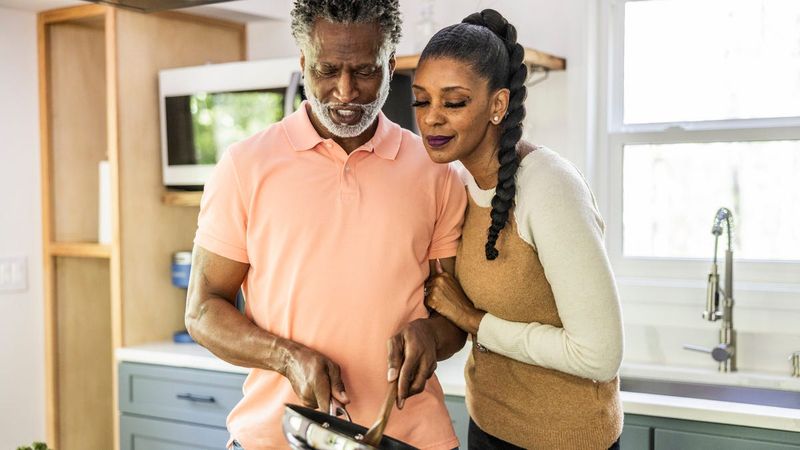
Small kindnesses are the quiet glue that holds a relationship together. Doing your partner’s least favorite chore without being asked, picking up their favorite coffee on the way home, or writing a silly encouraging note in their lunch bag — these gestures say “I was thinking about you.”
Over time, a relationship built on mutual thoughtfulness feels fundamentally different from one built only on grand gestures and special occasions. Everyday kindness is not boring — it is the most reliable form of love there is.
18. Go to Bed at the Same Time

Studies suggest that couples who go to bed together experience less conflict, more meaningful conversation, and greater physical intimacy than those with mismatched sleep schedules. The bedroom becomes a quiet, screen-free space that naturally invites closeness.
Even if one partner is a night owl and the other an early riser, making the effort to wind down together a few nights a week creates a consistent opportunity for cuddling, talking, and simply being near each other without the noise and demands of the rest of the day.
19. Cultivate Deep Emotional Intimacy

Emotional intimacy is what separates a deep partnership from a surface-level roommate situation. It grows when partners feel safe enough to share their fears, their biggest dreams, and the parts of themselves they do not show the rest of the world.
Make space for those conversations intentionally. Ask your partner what they are most excited about in life right now, or what quietly worries them.
Vulnerability invites vulnerability. The more openly you share with each other, the more unshakeable and genuinely fulfilling your bond becomes over time.