
Old pottery can tell amazing stories about the people and places that made it. Whether you stumbled across a dusty vase at a garage sale or inherited a bowl from your grandparents, knowing how to tell the real deal from a modern copy can save you money and maybe even make you rich.
Spotting genuine antique or vintage pottery takes a sharp eye, but anyone can learn the basics. Read on to discover the key clues experts use and which pieces collectors are willing to pay top dollar for.
1. Check for Maker’s Marks and Signatures
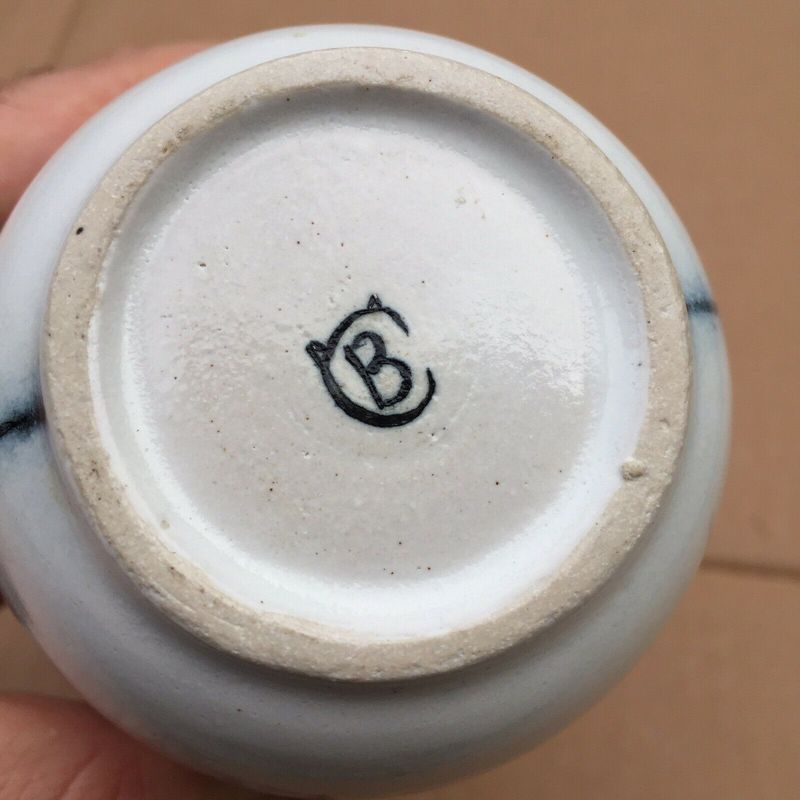
Flip any old pottery piece upside down and look at the base — that’s where the story begins. Most pottery made after 1890 carries a maker’s mark, which could be stamped, painted, or pressed into the clay.
These marks might show a company name, a symbol, or even an artist’s initials.
Pre-1850 pieces often have no mark at all. Comparing marks to collector databases is one of the most reliable ways to confirm authenticity and figure out exactly when a piece was made.
2. Assess Age Criteria: Antique vs. Vintage
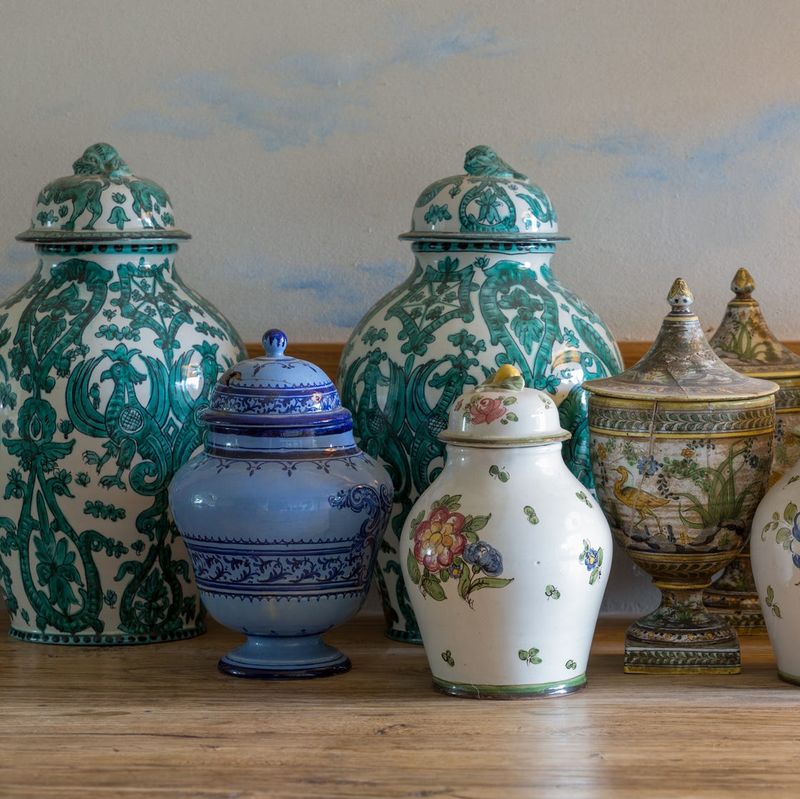
Not everything old is truly “antique.” To earn that label, a piece generally needs to be over 100 years old — that means made before 1920 in the UK, or before 1950 by U.S. customs standards. Anything from roughly the 1920s through the 1970s is usually called “vintage.”
Knowing the difference matters because it affects value and how collectors talk about a piece. Age alone doesn’t guarantee worth, but it’s always the first question serious buyers ask when evaluating pottery.
3. Examine Weight and Translucency
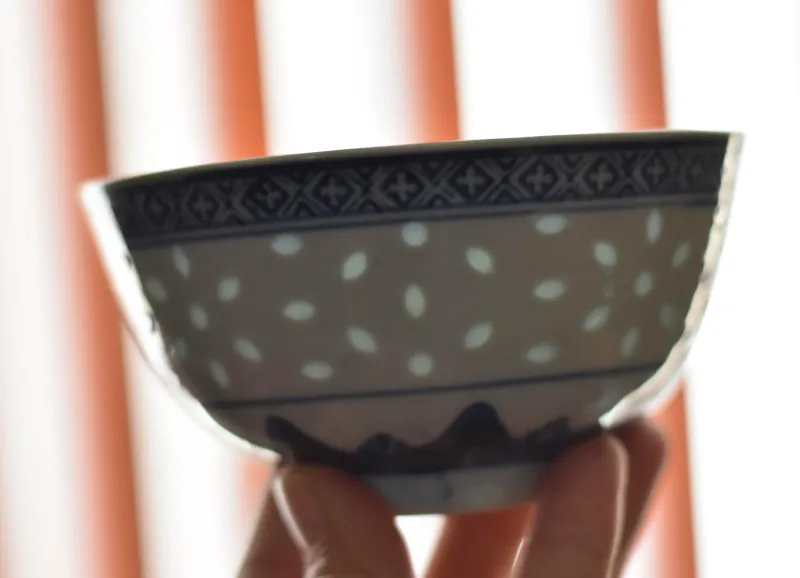
Pick up a piece of pottery and feel its weight — it tells you more than you might expect. Genuine antique ceramics tend to feel solid and substantial compared to lightweight modern reproductions.
High-quality old porcelain, however, can be surprisingly thin and delicate.
Hold a fine porcelain piece up to a light source. If light passes through the walls, that translucency is a strong sign of quality craftsmanship.
Thick, heavy stoneware and light-passing porcelain both have their own authentic signatures worth learning.
4. Analyze Glaze, Color, and Finish
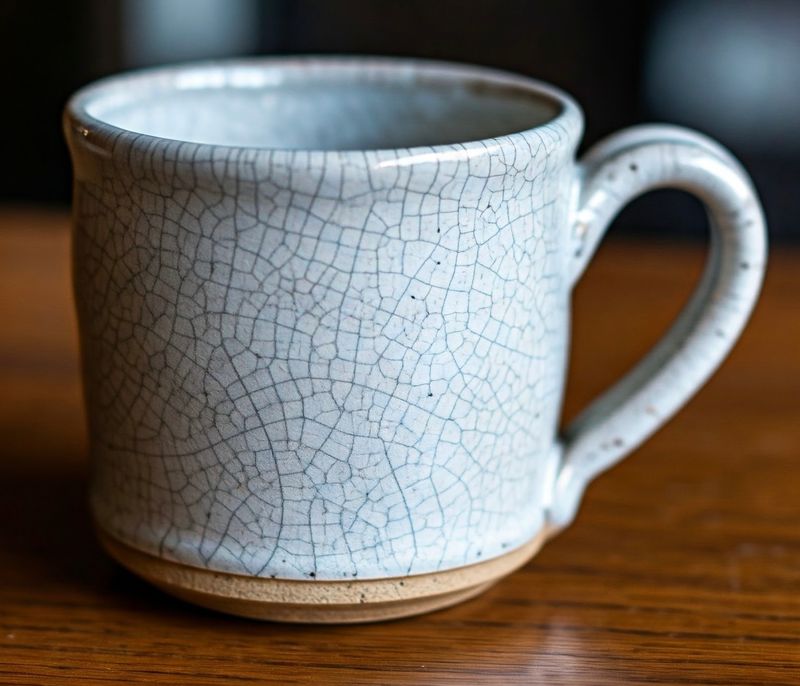
Real antique pottery often shows small, natural imperfections in its glaze — and that’s actually a good sign. Before industrial kilns, potters couldn’t control firing conditions perfectly, so you might notice uneven glaze thickness, pooling near the base, or slight color variations.
Fine hairline cracks called “crazing” develop naturally over decades and are a common authenticity clue. Be cautious, though — perfectly uniform spiderweb crazing can be artificially created.
If a decorative print sits visibly on top of the glaze rather than beneath it, the piece is likely modern.
5. Look for Handcrafted Qualities
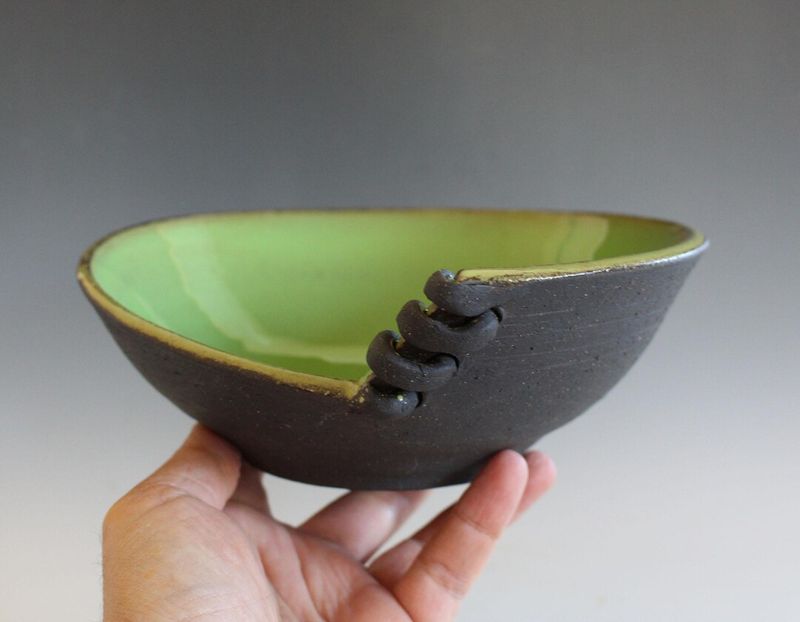
There’s something beautifully imperfect about a piece made by human hands. Older handmade pottery often has sides that aren’t perfectly even, brushstrokes that vary slightly, or painted designs with charming inconsistencies.
These quirks are features, not flaws.
Factory-made modern pieces look almost too perfect — uniform shapes, identical patterns, flawless surfaces. If a piece looks like it rolled off an assembly line, it probably did.
Gentle irregularities in shape or decoration are among the most honest signs that skilled hands, not machines, created something worth keeping.
6. Inspect the Base and Foot Rim
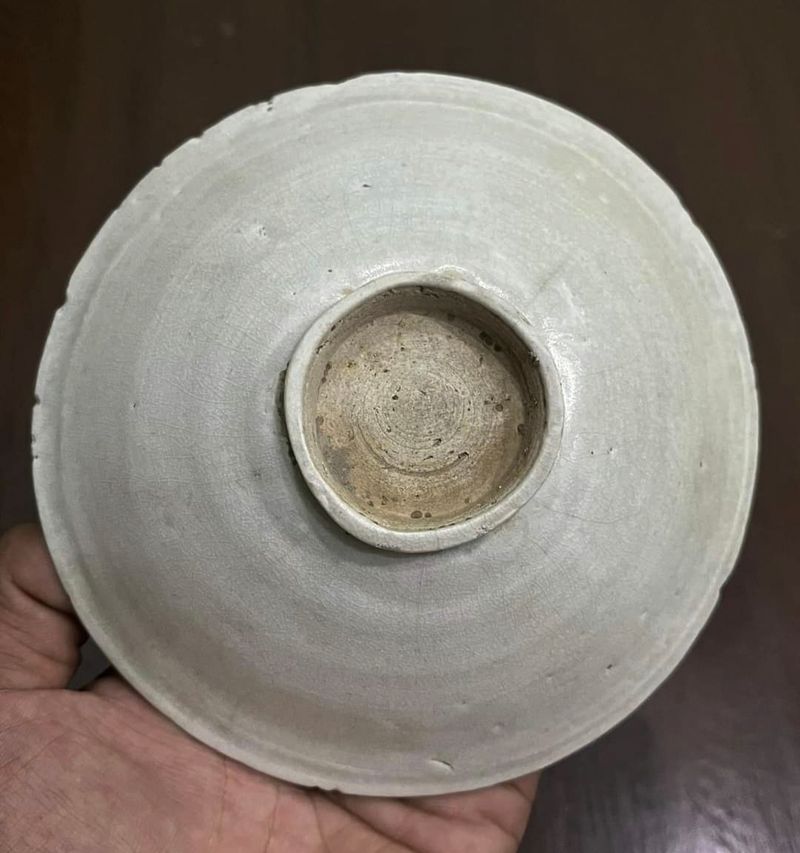
Turning a pot upside down is one of the smartest moves any collector can make. Authentic antique pottery often shows kiln grit, tiny stilt marks from firing supports, and natural darkening on unglazed clay surfaces.
These details are hard to fake convincingly.
Run your finger along the foot rim — genuine age produces smooth, honest wear, not sharp or freshly ground edges. Visible mold seams or bases that look artificially roughed up are red flags pointing toward modern reproductions trying to pass as something much older and more valuable.
7. Note Wear and Tear
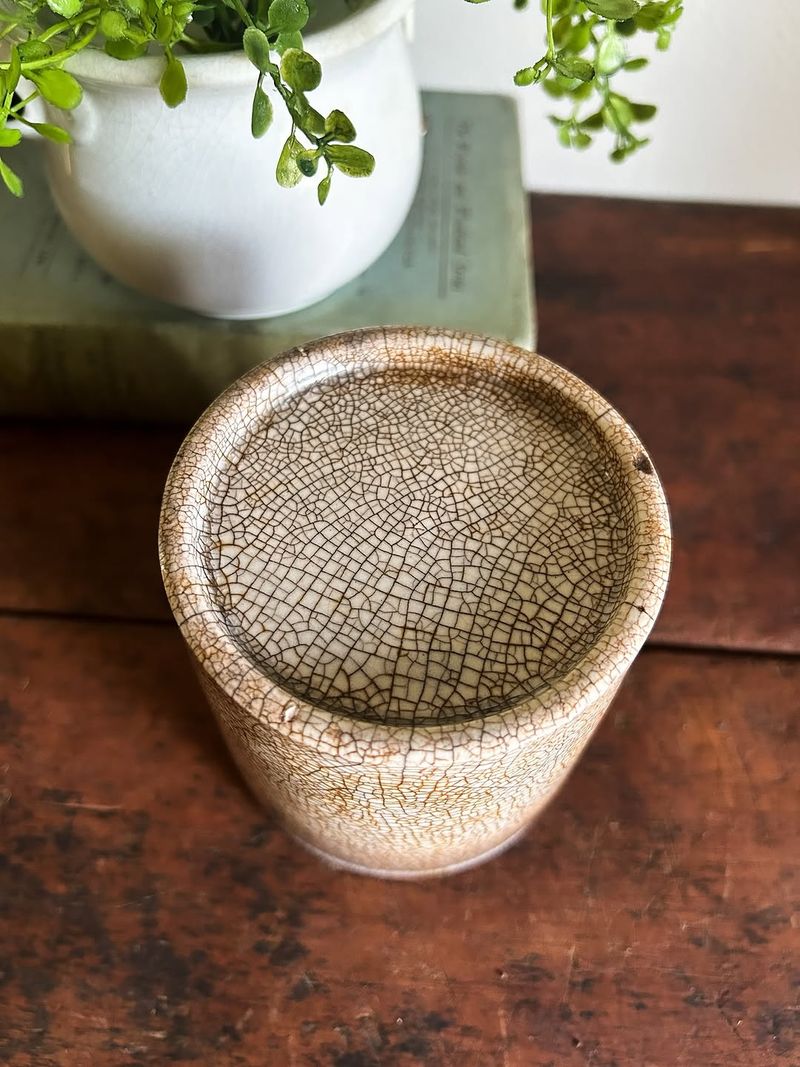
A little damage can actually be a good thing when you’re evaluating old pottery. Natural wear — tiny chips, light scratches, faint cracks, or discoloration from years of use — tells the story of a piece that genuinely lived through time.
These marks are hard to replicate convincingly.
Significant damage does lower value, but minor imperfections in earthenware are often part of its authentic history. What you want to avoid is wear that looks staged or too perfectly placed, which suggests someone tried to make a new piece look artificially old.
8. Understand Clay Type and Construction
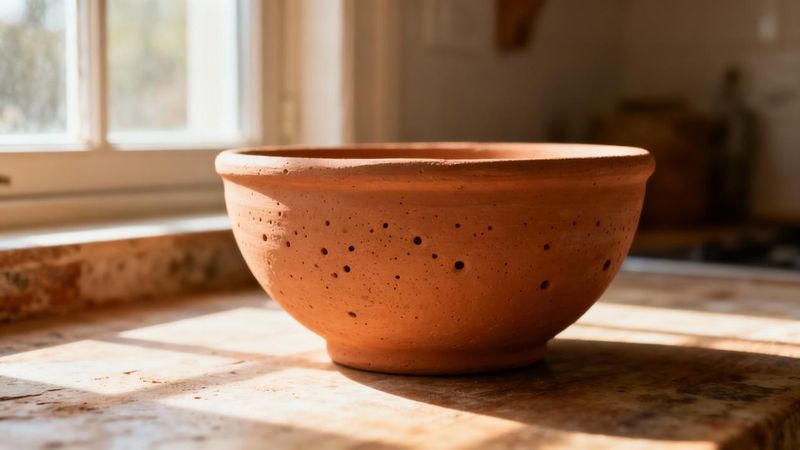
The clay itself holds clues that many beginners overlook entirely. Peek at any unglazed area on the base — the color and texture of the raw clay can hint at where the piece was made and how old it might be.
Early potters typically used local clay, which varied by region.
American pottery, for example, is often notably thick and heavy due to the robust local clays available. Knowing what different clay bodies look like — red earthenware, buff stoneware, white kaolin — gives you a powerful tool for narrowing down a piece’s origin and age.
9. Chinese Imperial Porcelain
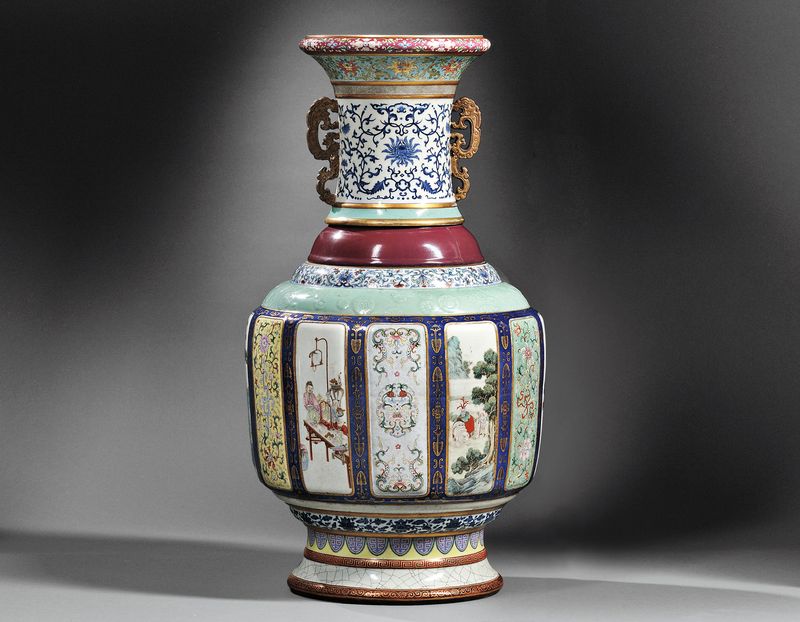
Few things in the art world command attention like Chinese imperial porcelain. Pieces made for royal courts during the Qing Dynasty and other imperial periods have shattered auction records — a Pinner Qing Dynasty Vase sold for a staggering $80.2 million in 2010.
The Chenghua Chicken Cup, considered a holy grail of Chinese ceramics, fetched $36.5 million in 2014. These pieces feature extraordinary craftsmanship, vivid enamels, and reign marks on the base.
Authentic imperial porcelain is extraordinarily rare, which is exactly why collectors around the world compete fiercely to own one.
10. Clarice Cliff Pottery
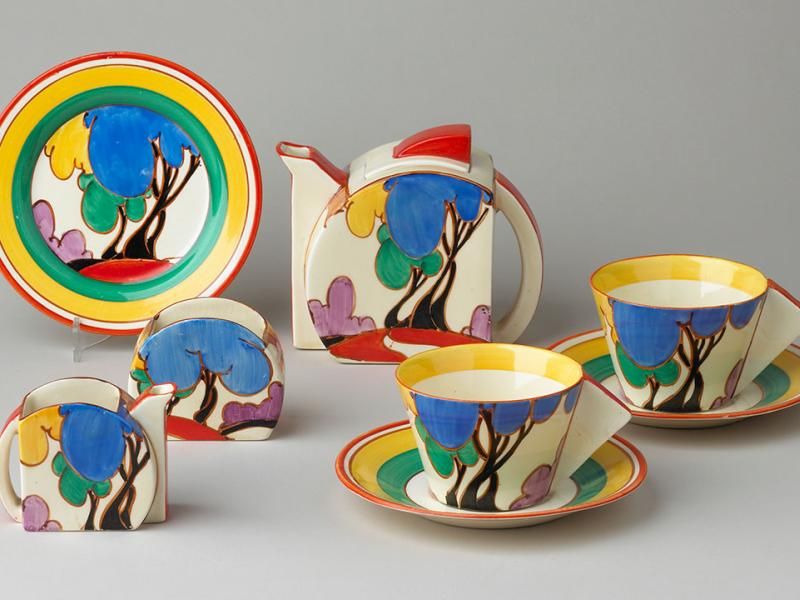
Bold, bright, and instantly recognizable — Clarice Cliff pottery is like no other. Made in England during the 1920s and 1930s, her Art Deco designs feature vivid geometric patterns and landscapes that practically jump off the surface.
Collectors adore her work for its fearless personality.
Pristine examples can easily command five-figure sums at auction. Look for her distinctive facsimile signature on the base, often accompanied by the pattern name.
Condition is everything with Clarice Cliff — even small chips can significantly reduce a piece’s value among serious enthusiasts.
11. Moorcroft Pottery
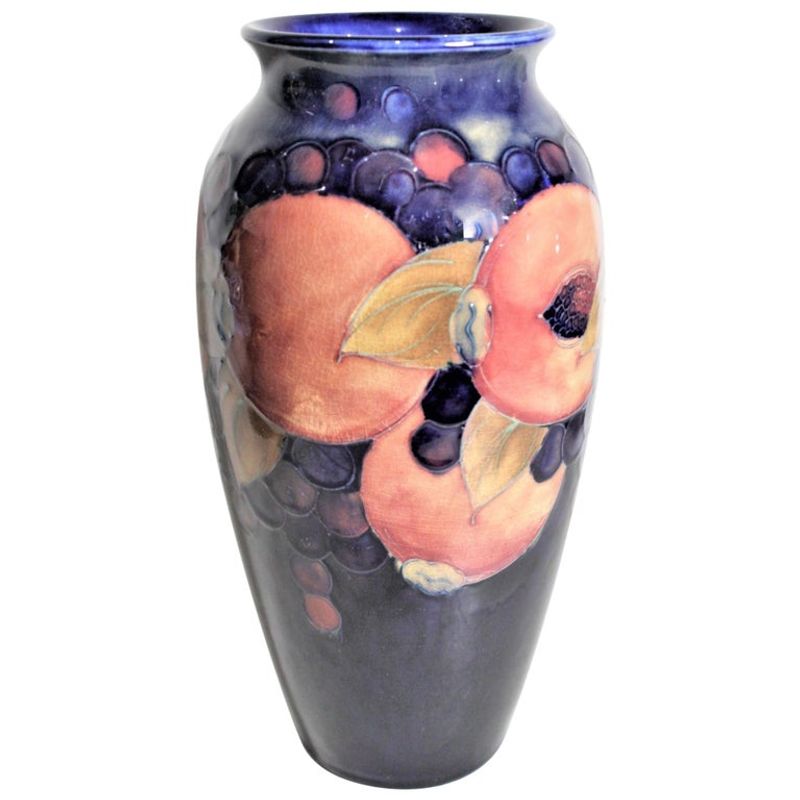
Moorcroft pottery has a loyal following that spans generations, and for good reason. Founded by William Moorcroft in England, the company is famous for its richly colored, hand-painted floral designs applied using a technique called tube-lining, which creates raised outlines filled with flowing glazes.
High-quality pieces in pristine condition regularly reach five-figure prices. Marks typically include a signature and sometimes a date, making authentication relatively straightforward for informed buyers.
Early William Moorcroft signed pieces are especially prized — they carry both artistic prestige and serious investment potential for dedicated collectors.
12. Wedgwood Pottery
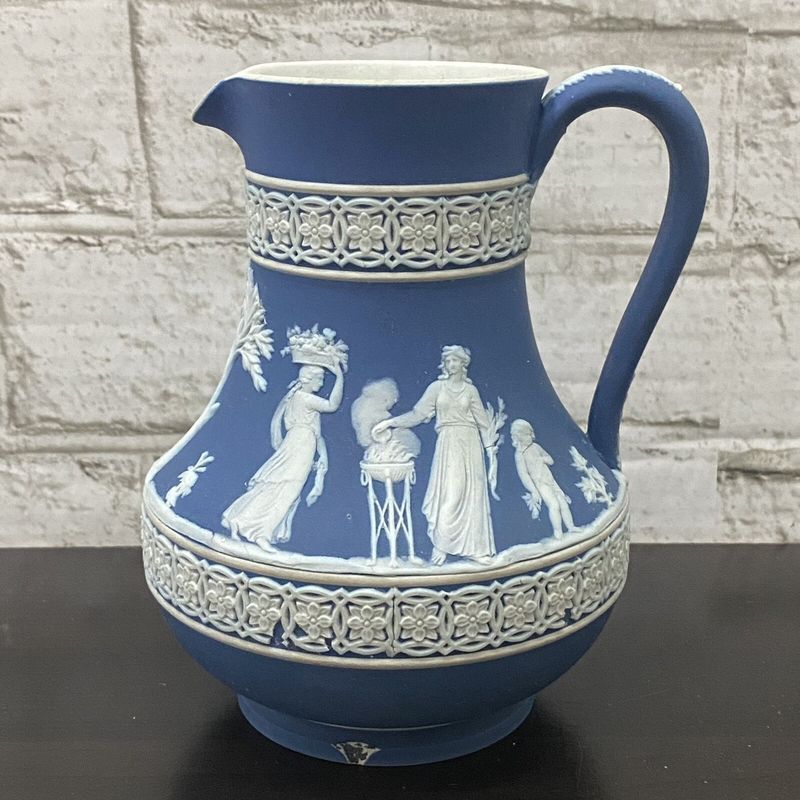
Wedgwood’s Jasperware is one of the most recognized ceramics styles in history — that distinctive matte blue surface with crisp white neoclassical figures is unmistakable. Josiah Wedgwood developed this material in the 1770s, and it remains iconic more than 250 years later.
Early Wedgwood pieces carry an impressed company name rather than a printed mark, which helps with dating. While not every Wedgwood piece is worth a fortune, rare early examples and limited editions attract serious collector interest.
Its combination of artistic legacy and historical significance keeps Wedgwood firmly on every serious collector’s radar.
13. Rookwood Pottery
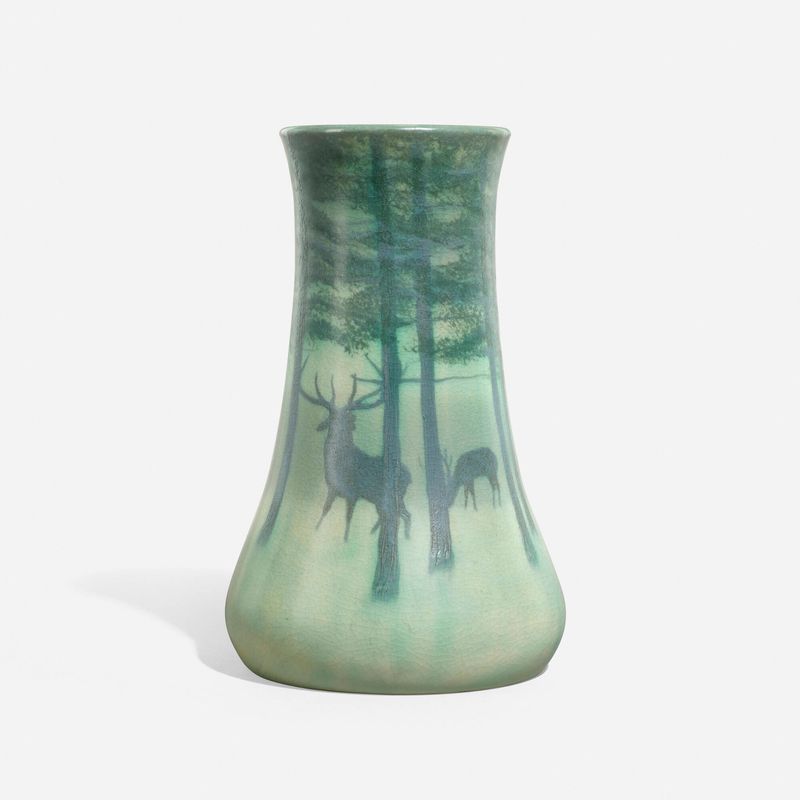
Founded in Cincinnati, Ohio in 1880, Rookwood Pottery became one of America’s most celebrated art pottery companies. Each piece was individually decorated by skilled artists, and many pieces are signed by the artist alongside the company’s distinctive flame mark on the base.
Some Rookwood pieces, like its prized Vellum Glaze vases featuring soft, painted landscapes, have sold for well over $26,000 at auction. The combination of American art history, individual artistry, and high craftsmanship makes Rookwood a standout collectible.
Finding a signed piece in excellent condition is a genuine treasure worth pursuing.
14. Grueby Pottery
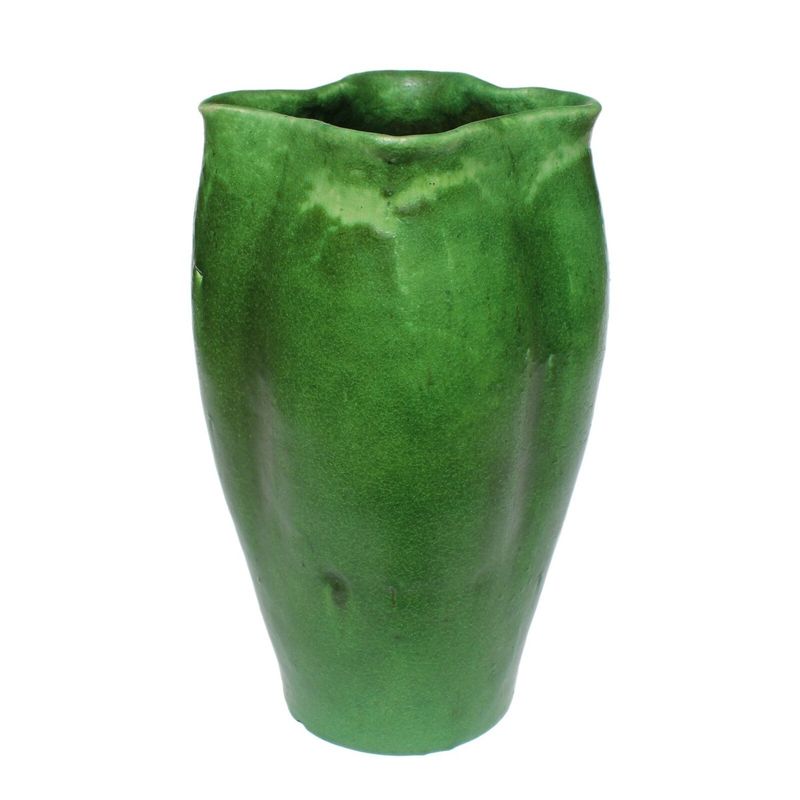
Grueby Pottery has a quiet confidence about it — thick walls, earthy organic forms, and that unmistakable matte green glaze that looks almost alive. Produced in Boston around the turn of the 20th century, Grueby pieces were celebrated during the American Arts and Crafts movement for their handcrafted beauty.
Collectors prize Grueby for its restrained elegance and exceptional glaze quality. Pieces regularly exceed $12,000 at auction, with the finest examples commanding considerably more.
The combination of distinctive green surfaces, classical shapes, and limited production makes Grueby one of the most desirable American art pottery names to know.
15. Meissen Porcelain
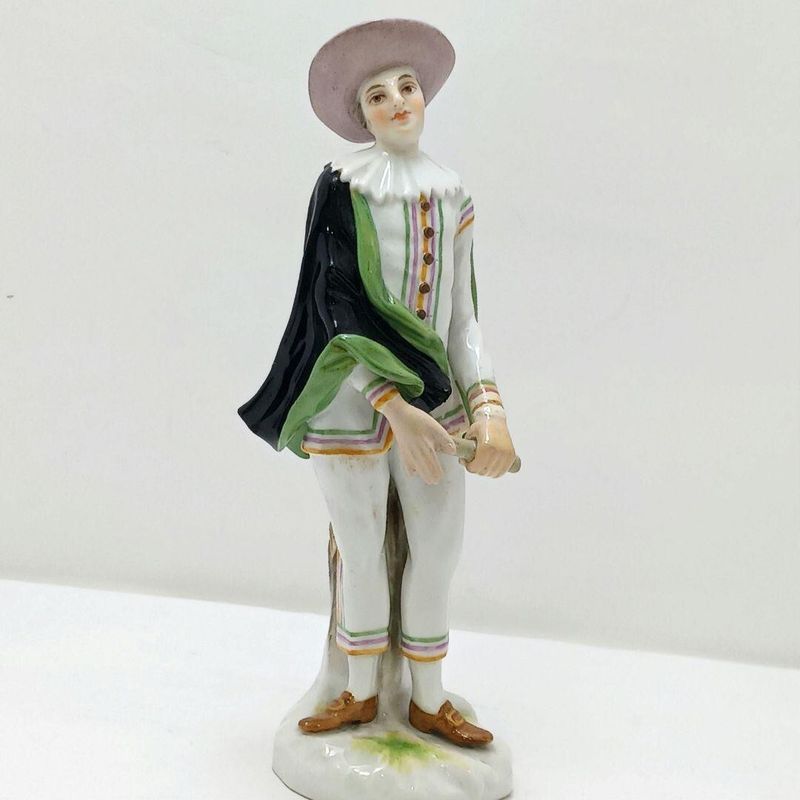
Meissen holds a legendary status in the world of ceramics — it was Europe’s first true hard-paste porcelain manufacturer, established in Germany in 1710. The famous crossed swords mark, introduced in 1722, is one of the most recognized symbols in decorative arts history.
Early Meissen pieces with that iconic mark are extraordinarily sought after by collectors worldwide. The elaborate hand-painted decorations, gilded details, and exceptional craftsmanship set Meissen apart from countless imitators.
A genuine early Meissen piece isn’t just beautiful — it’s a tangible piece of European cultural history that serious collectors treat like pure gold.
16. Delft Pottery
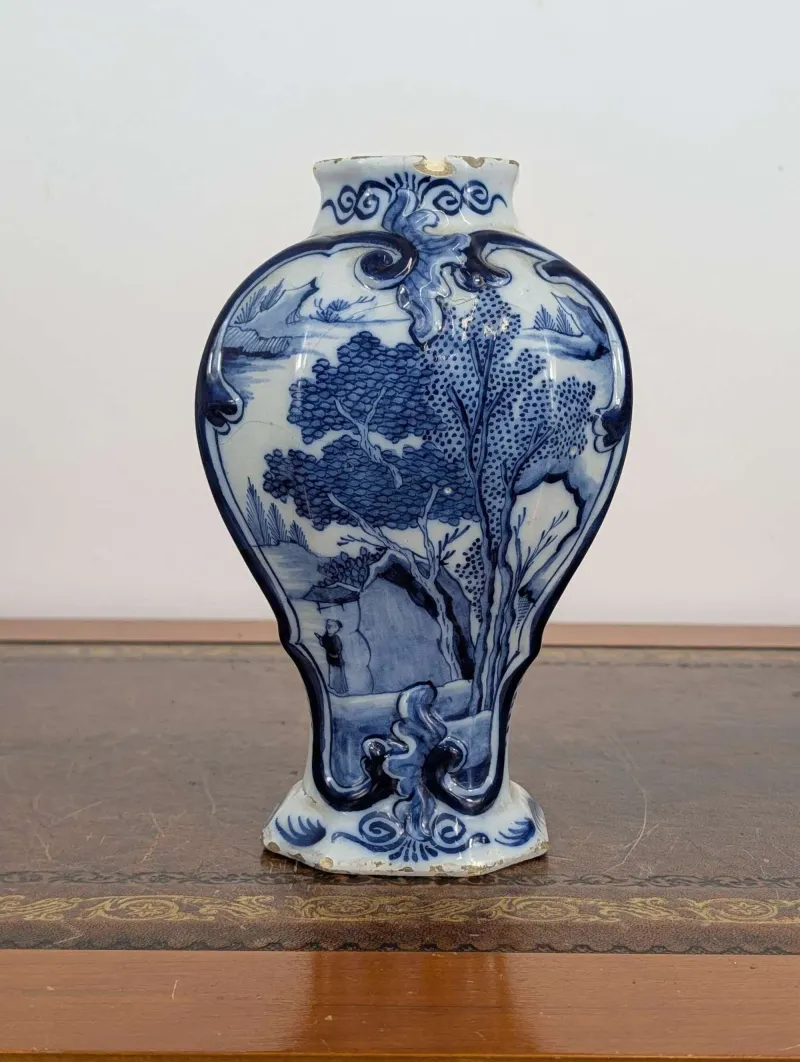
Dutch Delftware is one of those styles that looks instantly familiar — those flowing blue and white hand-painted designs on cream-colored clay have decorated homes for centuries. Genuine Delftware is made with tin glaze over buff or pinkish clay, giving it a distinctive warm tone beneath the decoration.
The most collectible pieces made after 1879 are typically marked with a jar symbol, the initials “JT,” and the word “Delft.” Authentic antique Delftware can be quite valuable, especially larger decorative pieces in excellent condition. Beware of modern tourist reproductions, which flood the market and lack authentic marks.
17. American Arts and Crafts Pottery
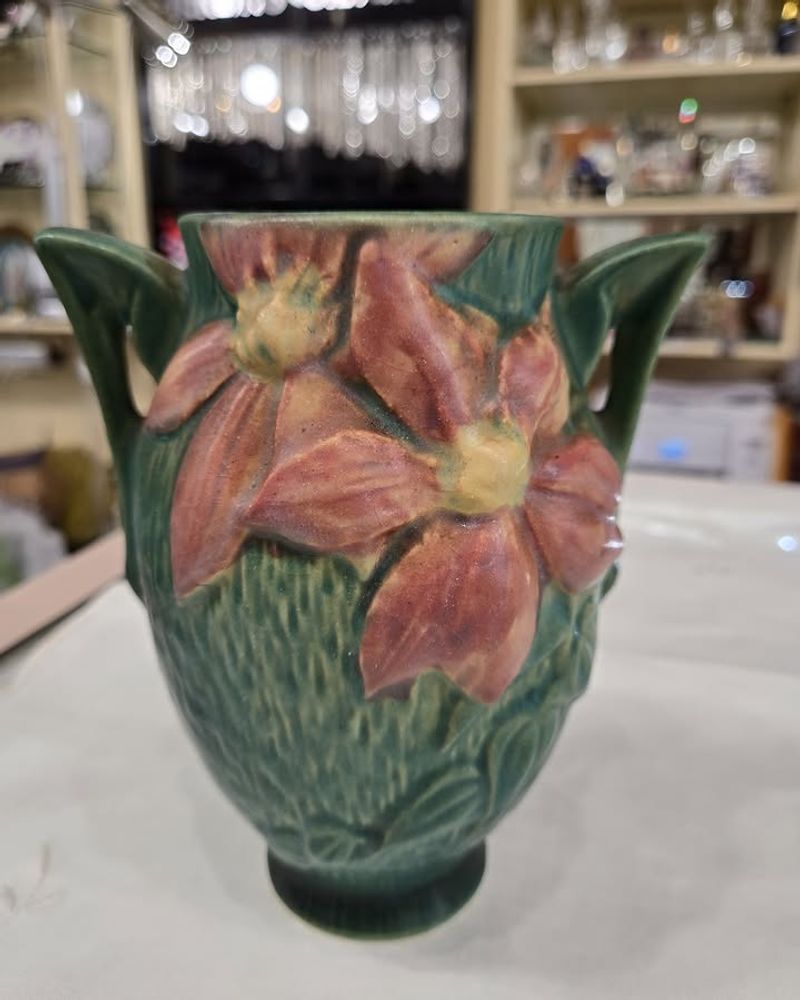
The American Arts and Crafts movement produced some of the most collectible pottery ever made on U.S. soil. Names like Newcomb College, TECO, Fulper, Roseville, Van Briggle, and Weller each developed their own distinctive styles, glazes, and forms that collectors still chase enthusiastically today.
The finest examples from makers like Newcomb College have sold for $50,000 or more at major auctions. Roseville sparked a massive collecting craze, and even mid-range pieces hold strong value.
Learning to identify each maker’s unique marks and glaze styles opens the door to one of American art history’s most rewarding collecting categories.