
Not every TV show can be a winner, and some have gone down in history for all the wrong reasons. From bizarre concepts to cringeworthy writing, these shows left audiences scratching their heads and critics reaching for the harshest words in their vocabulary.
Whether they lasted one episode or a full season, their legacies live on as cautionary tales for Hollywood. Get ready to look back at some of the most spectacularly bad television ever made.
1. The 1/2 Hour News Hour (Fox, 2007)
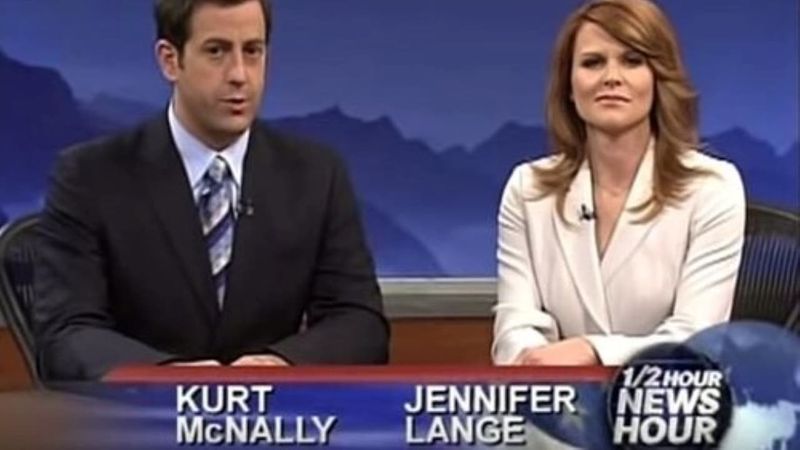
Imagine a show so unfunny that even its own laugh track couldn’t save it. Fox’s attempt at a conservative satirical news program fell completely flat, with critics calling its humor stale, predictable, and painfully forced.
The jokes missed their mark so consistently that audiences tuned out almost immediately. It earned a rare 0% critical rating on some review sites, cementing its place as one of the most poorly received comedy shows ever broadcast on American television.
2. Marvel’s Inhumans (ABC, 2017)
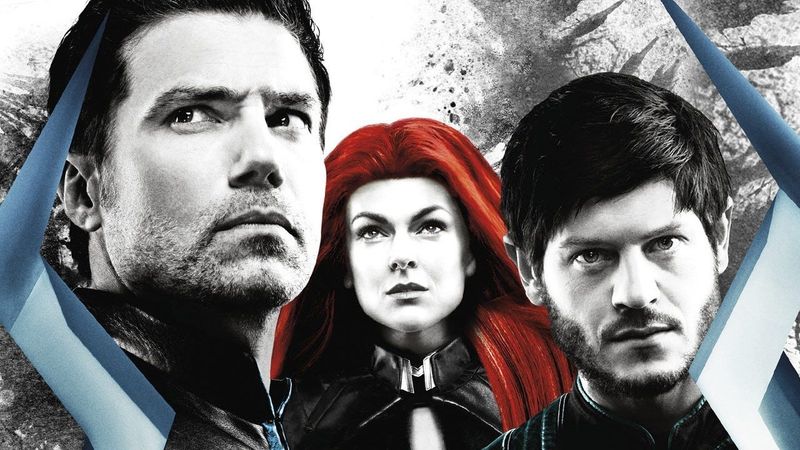
Marvel has produced some of the most beloved superhero stories ever told, but Inhumans was a glaring exception. Critics tore the show apart for its wooden performances, clunky dialogue, and storytelling that felt rushed and hollow from the very first episode.
Audiences agreed, and ratings tanked quickly. ABC pulled the plug after just one season.
What made it sting even more was the massive promotional campaign behind it, including a theatrical release of the first two episodes before it hit television screens.
3. Supertrain (NBC, 1979)
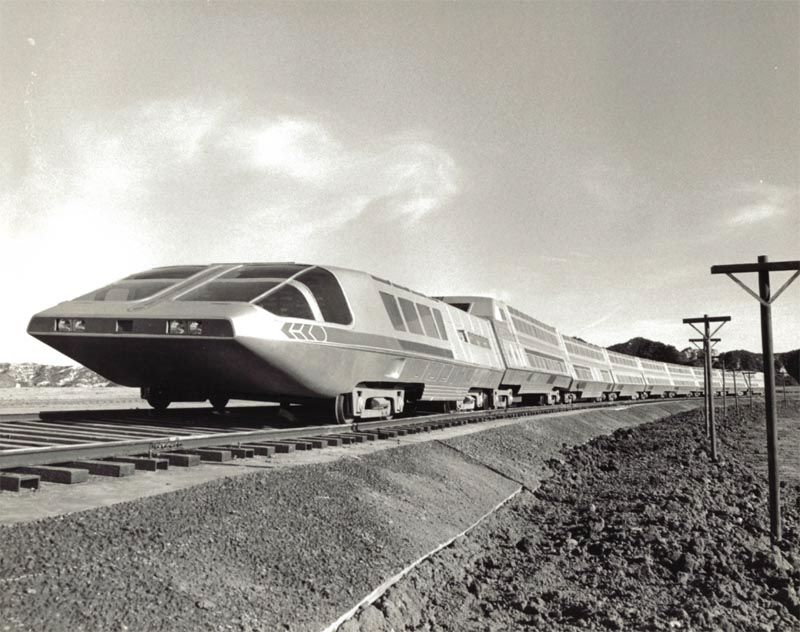
NBC bet big on Supertrain, pouring enormous amounts of money into what was supposed to be a glamorous, action-packed series set aboard a nuclear-powered luxury train. The production budget was staggering for its time, reportedly one of the most expensive series ever attempted.
Sadly, viewers were not impressed. Poor ratings and relentless critical mockery forced NBC to cancel it after just three months on air.
It became a symbol of Hollywood excess gone wrong, a cautionary tale about spending big without delivering quality.
4. Cop Rock (ABC, 1990)
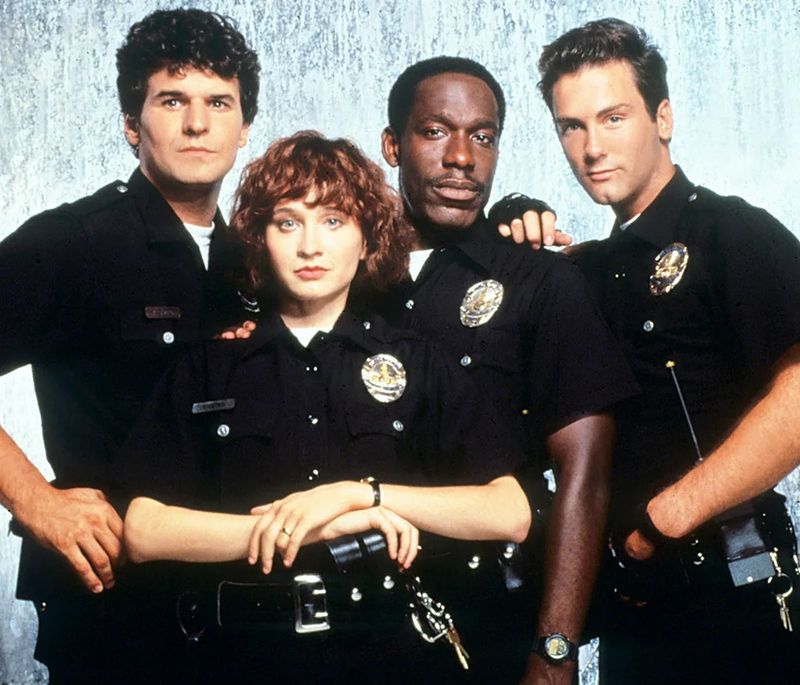
What happens when you mix a gritty police procedural with full-blown Broadway musical numbers? You get Cop Rock, one of the most bizarre experiments in TV history.
Creator Steven Bochco had a strong track record, but this mashup left critics and audiences thoroughly confused.
The show lasted only 11 episodes before ABC pulled it from the schedule. Reviewers called it too ill-considered to defend, and it has since become a pop culture punchline for creative ideas that were simply too strange to survive on prime-time television.
5. Cavemen (ABC, 2007)
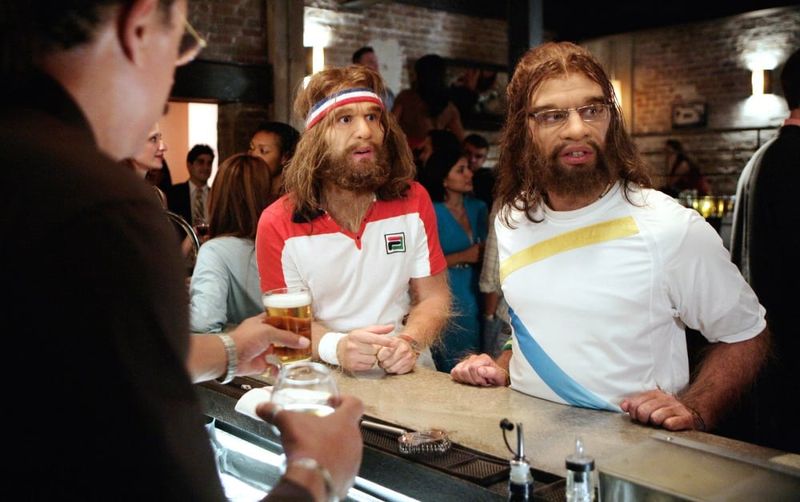
Building an entire TV sitcom around GEICO insurance commercial characters seemed like a risky idea from the start, and critics confirmed those fears loudly. Cavemen arrived on ABC with almost zero goodwill, and reviews were absolutely brutal, with many calling it unwatchable within the first few minutes.
The show attempted social commentary using its caveman characters as a metaphor for discrimination, but the execution was widely seen as clumsy and tone-deaf. It was canceled after a single season, remembered mostly as proof that not every ad campaign deserves its own TV show.
6. Work It (ABC, 2012)
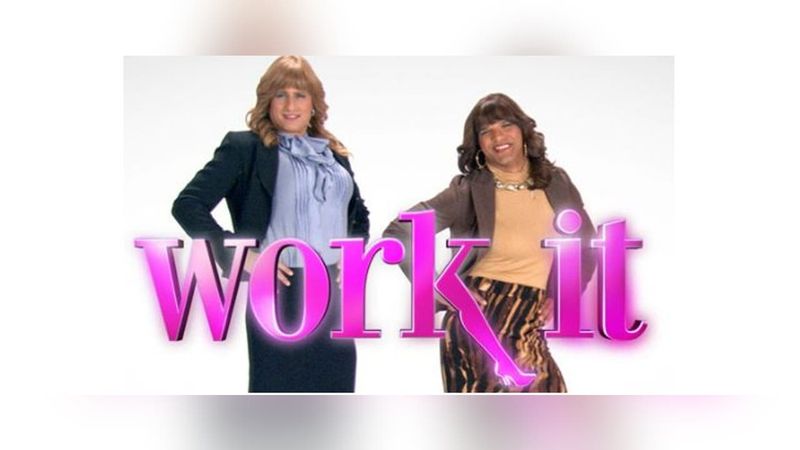
Work It lasted exactly two episodes before ABC pulled it off the air, and honestly, many viewers felt that was two episodes too many. The premise centered on unemployed men disguising themselves as women to land jobs, a concept that drew immediate backlash before the show even premiered.
Critics labeled it misguided and potentially offensive to transgender viewers. A joke targeting Puerto Rican audiences added further controversy.
Its swift cancellation became one of the fastest in recent network TV history, a record few shows would want to hold.
7. The Idol (HBO, 2023)
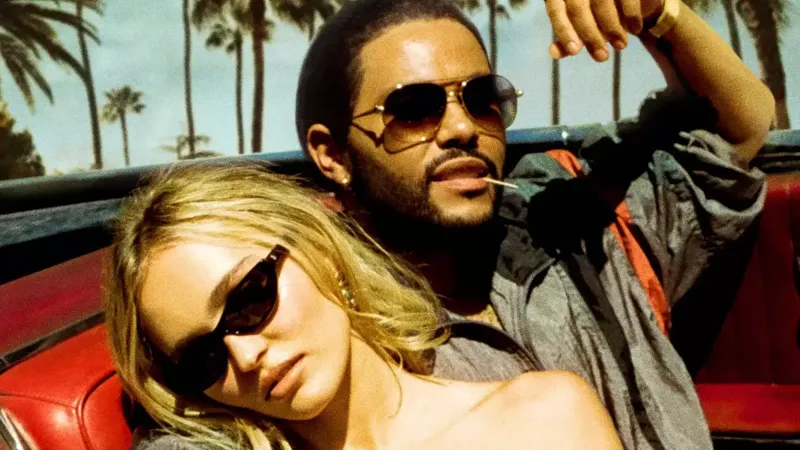
Few shows in recent memory arrived with as much hype and left with as much disappointment as The Idol. HBO promoted it heavily, and its cast included recognizable names, yet reviewers were merciless in their assessments once episodes began airing.
Words like needlessly edgy and hopelessly misguided showed up repeatedly in reviews. Audiences echoed those feelings online, and the backlash was swift and unrelenting.
It stands as a reminder that big budgets and famous faces cannot rescue a project when the creative vision itself is fundamentally broken.
8. Velma (Max, 2023-2024)
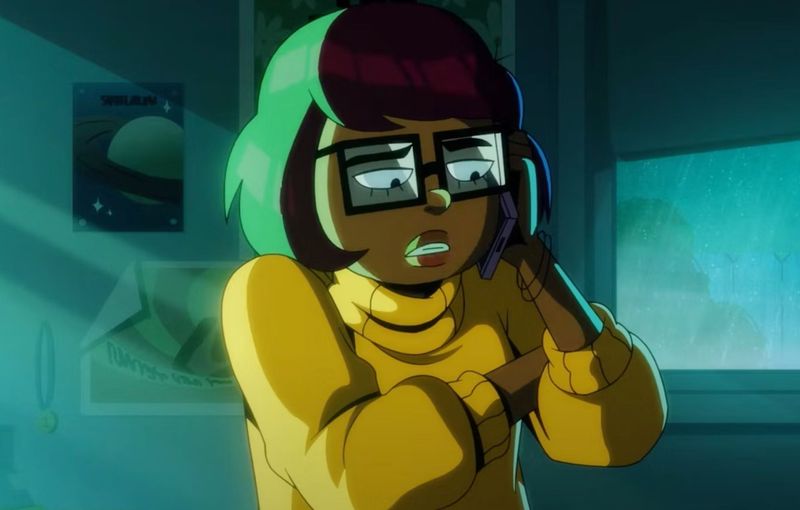
Reimagining a beloved cartoon character is always a gamble, and Velma lost that bet spectacularly. The adult animated series drew enormous backlash from fans of the original Scooby-Doo franchise, with many calling it disrespectful to the source material they had grown up loving.
Critics were not kind either, pointing to weak humor and poor storytelling. Strangely, the show received a second season despite overwhelming negativity, before eventually being canceled.
It became one of the most talked-about flops of the streaming era, for all the wrong reasons.
9. The Star Wars Holiday Special (CBS, 1978)
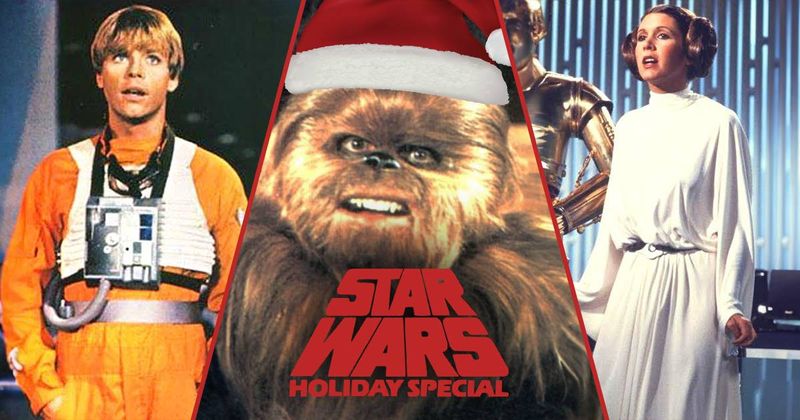
George Lucas himself reportedly wanted to hunt down every existing copy and destroy it. That alone tells you everything you need to know about The Star Wars Holiday Special, a 97-minute CBS broadcast that aired once in 1978 and was never officially released again.
The special featured singing Wookiees, bizarre variety acts, and a plot that made almost no sense. It cost one million dollars to produce and became an instant legend for all the wrong reasons.
Bootleg copies still circulate today, treasured as a monument to TV weirdness.
10. Heil Honey I’m Home! (1990)
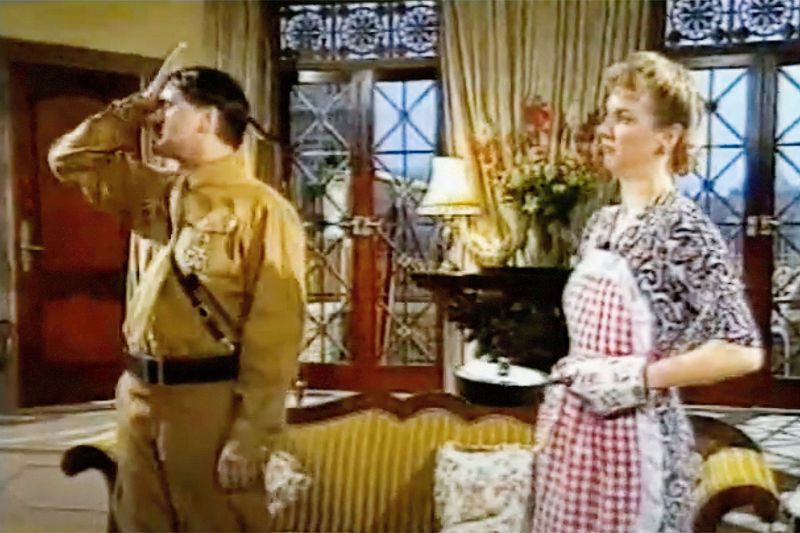
Some TV concepts are so spectacularly wrong that they barely need an explanation. A British sitcom portraying Adolf Hitler and Eva Braun as a bumbling suburban couple with wacky neighbors is exactly that kind of concept, one that left viewers and critics completely speechless.
Only one episode aired before the show was pulled. It remains one of the most notorious examples of tone-deaf television programming ever attempted.
Decades later, it still surfaces in discussions about the absolute limits of bad taste in entertainment history.
11. Viva Laughlin (CBS, 2007)
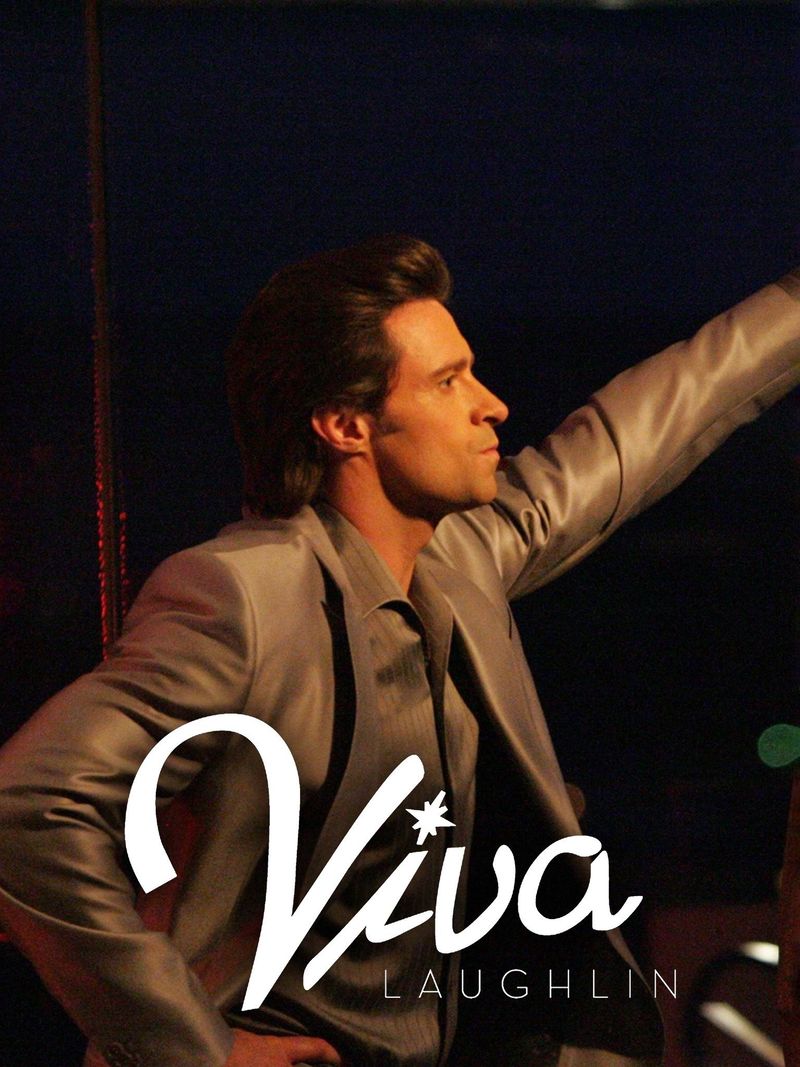
Hugh Jackman’s name attached to a project usually signals quality, but Viva Laughlin became a rare exception. This CBS murder mystery tried to blend crime drama with splashy musical numbers set in a Las Vegas-style casino, and critics absolutely roasted the result.
The genre clash felt jarring rather than exciting, and audiences rejected it almost immediately. CBS canceled the show after just two episodes, making it one of the quickest cancellations in the network’s history.
The concept had potential on paper, but the execution was a complete disaster from start to finish.
12. Baby Talk (ABC, 1991-1992)
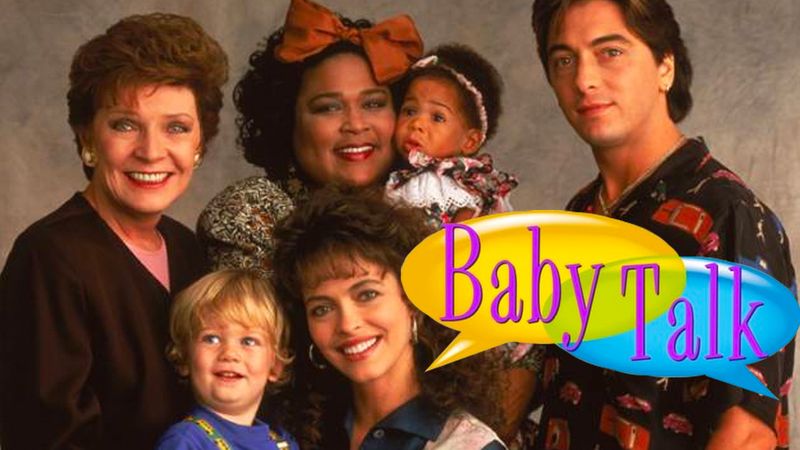
George Clooney once called this show one of the worst career decisions he ever made, and he quit after just seven episodes. Baby Talk was a sitcom built around a talking infant, and behind the scenes it was reportedly as chaotic as its on-screen quality suggested.
Constant recasting, creative clashes, and a premise that critics called infantile in all the wrong ways plagued the production throughout its run. Despite surviving two seasons, it left almost no positive legacy, remembered mainly as the show that made a future Hollywood superstar walk out the door.
13. Fred: The Show (Nickelodeon, 2012)
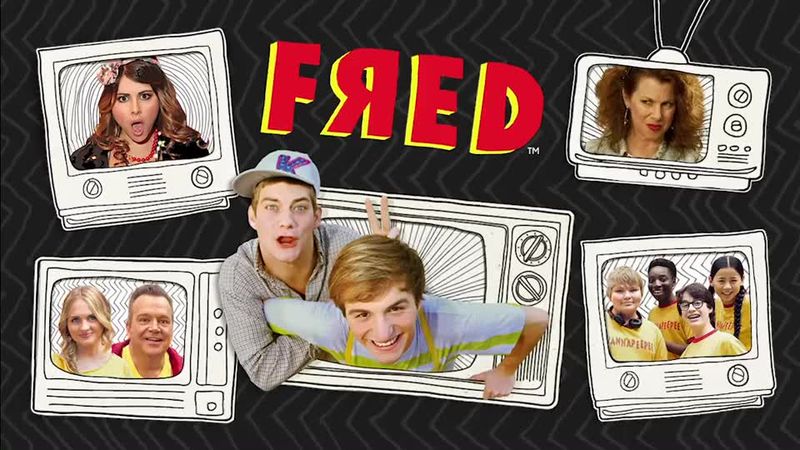
Fred Figglehorn started as a YouTube character famous for a screechy, high-pitched voice and hyperactive energy. Translating that novelty into a full Nickelodeon series, however, proved to be a bridge too far for both critics and young audiences alike.
Viewers who found the YouTube clips amusing in small doses quickly grew exhausted by a full episode format. Critics were blunt in their assessments, calling the show grating and pointless.
It stands as a cautionary tale about the gap between viral internet fame and sustainable television storytelling that actually holds an audience’s attention.
14. The Secret Diary of Desmond Pfeiffer (UPN, 1998)
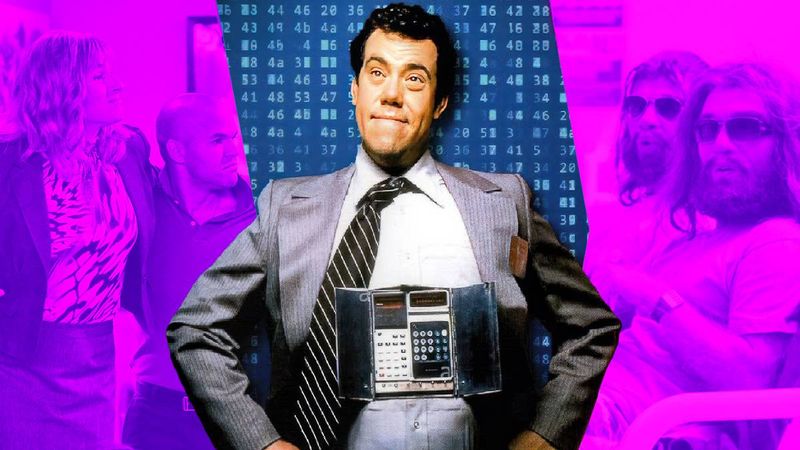
Before it even aired its first episode, The Secret Diary of Desmond Pfeiffer was already generating protests. Set during the American Civil War, the show used the era’s darkest history as a backdrop for juvenile humor, which many viewers and advocacy groups found deeply disrespectful.
Critics who sat through actual episodes described the content as a jumbled mess of shock value and offensive caricatures. The controversy surrounding it overshadowed everything else, and UPN quietly moved on from the project.
It remains a striking example of how poor judgment can doom a show before it even finds its footing.
15. Dads (Fox, 2013)
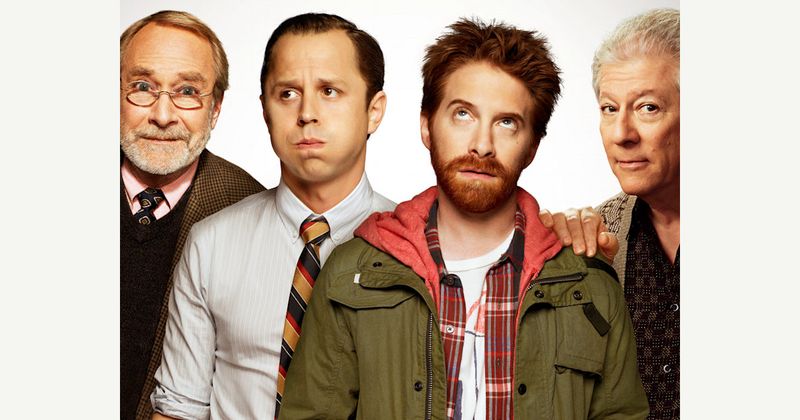
Fox’s Dads arrived with a recognizable cast and a straightforward family comedy premise, but critics were not charmed. Reviews were harsh right from the premiere, with many describing the humor as unfunny at best and outright offensive at worst, citing jokes built on racial and ethnic stereotypes.
Audiences did not stick around long enough to see if the show improved. The backlash was loud and immediate, and Fox did not renew it for a second season.
Dads became a textbook example of a show that mistook mean-spirited humor for edgy comedy without landing either successfully.