
Some foods are more than just meals — they are time machines that take us straight back to grandma’s kitchen or a cozy roadside diner. Across America, dozens of classic dishes that once filled plates and hearts are quietly disappearing from restaurant menus and family tables.
Changing tastes, health trends, and a fast-moving food culture have pushed many of these old favorites to the sidelines. Here is a look at 19 once-beloved American foods that are fading from our menus and our memories.
1. Liver and Onions
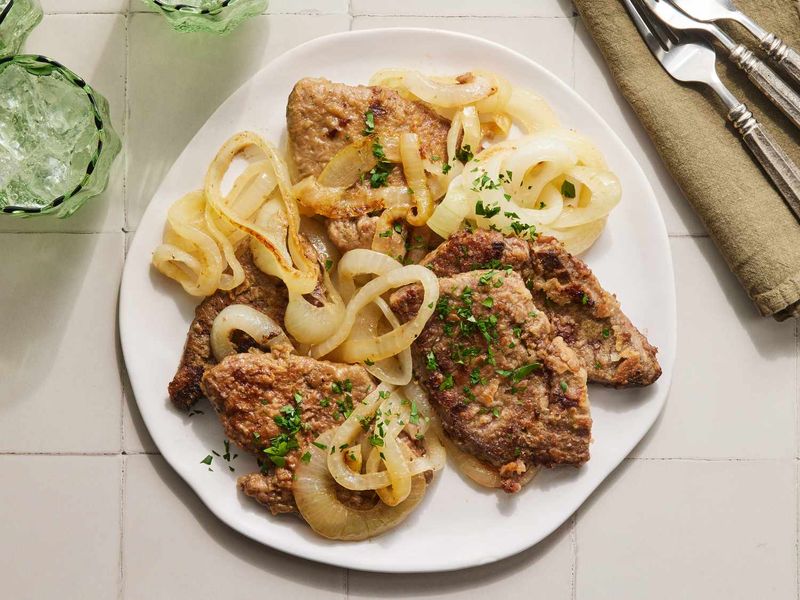
Ask anyone over 60 about liver and onions, and you will almost certainly get a warm, nostalgic smile. This mineral-rich dish was once a blue-collar staple served at diners from coast to coast, celebrated for being cheap, filling, and surprisingly nutritious.
Younger diners, however, tend to wrinkle their noses at the idea of organ meat on their plate. The metallic, bold flavor is simply too far from modern comfort-food expectations.
Today, you will mostly find it at old-school “greasy spoons” that have stubbornly refused to update their menus.
2. Ambrosia Salad
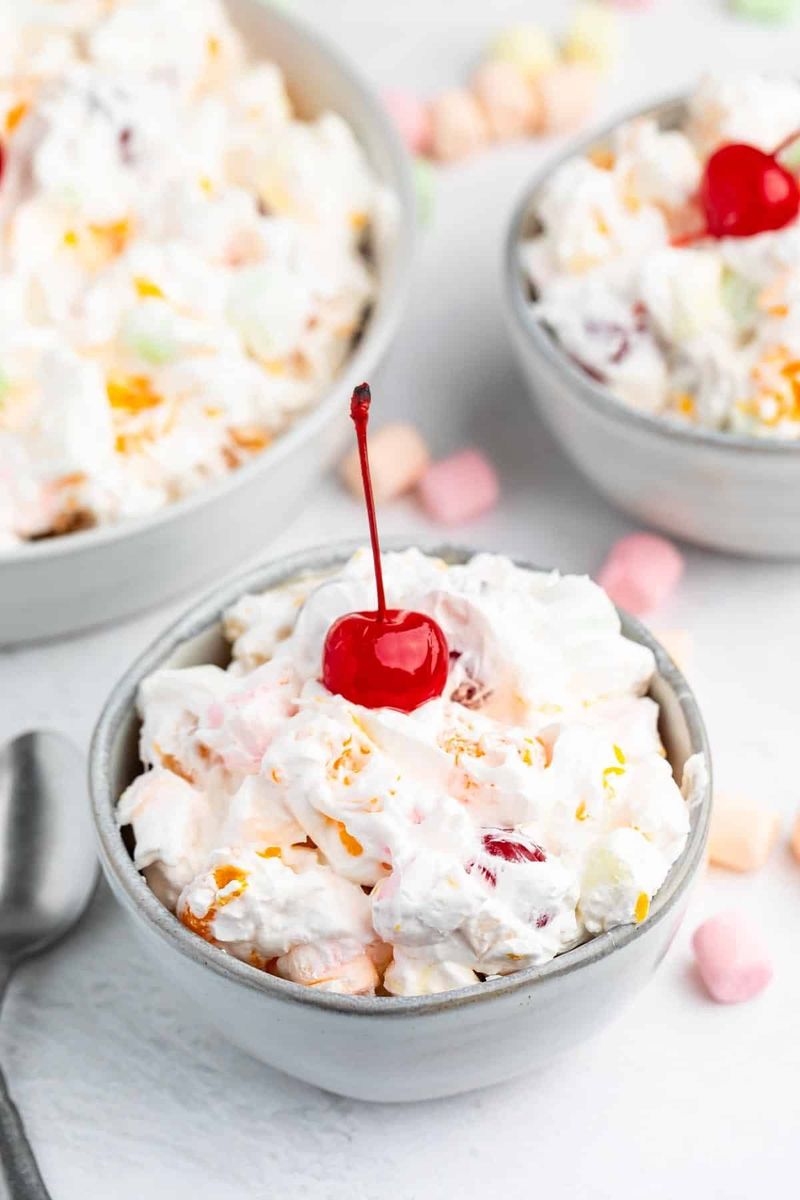
Back in the 1950s and 60s, no potluck or holiday buffet was complete without a big bowl of ambrosia salad sitting right in the middle of the table. The fluffy mixture of canned fruit, mini marshmallows, and sweetened coconut felt almost magical to kids who grew up eating it.
Modern food culture, with its love of fresh ingredients and lower sugar options, has not been kind to this retro treat. Today, most people view it as a sugary relic of a time when convenience trumped nutrition, and it rarely shows up at gatherings anymore.
3. Salisbury Steak
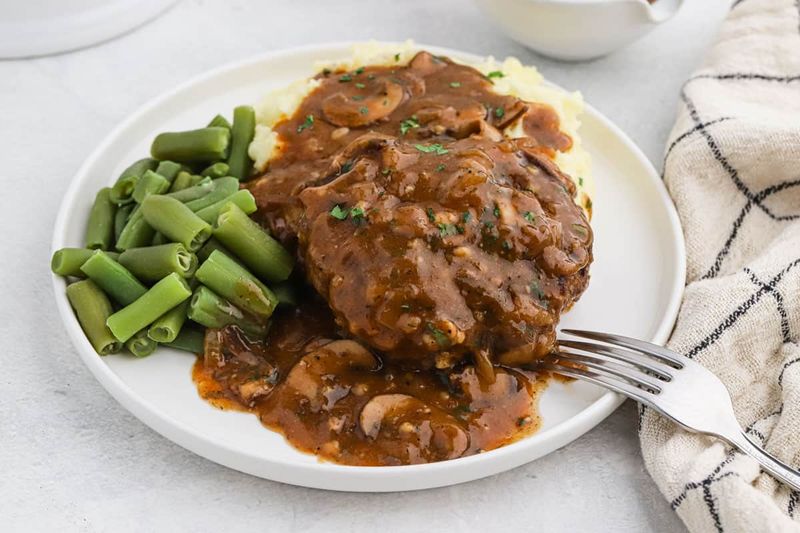
Before it became the star of frozen TV dinners, Salisbury steak actually started life in the 1800s as a health food recommended by Dr. James Salisbury, who believed ground beef was the key to good health. That origin story is about as surprising as finding it on a restaurant menu today.
Its tight association with frozen meals and school cafeterias eventually hurt its image in sit-down restaurants. By the 2000s, it had largely faded from menus as diners chased fresher, less processed options.
Outside of the frozen food aisle, it is now a genuine rarity.
4. Cottage Cheese Diet Plate
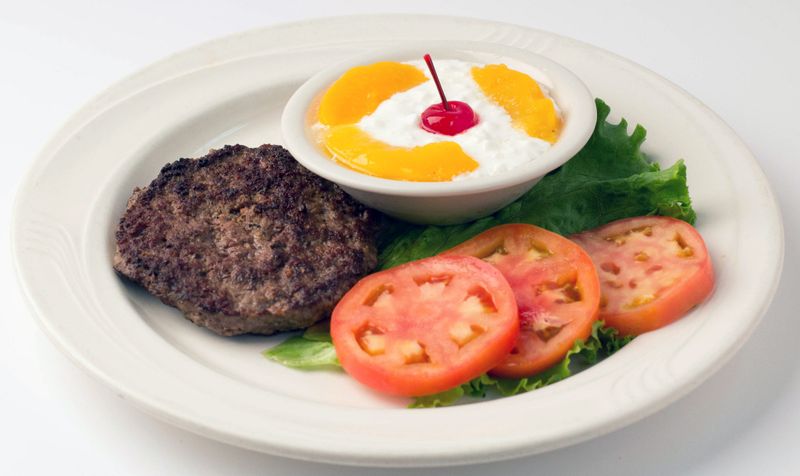
For decades, ordering the “diet plate” at any American diner meant getting a scoop of cottage cheese on a lettuce leaf, perhaps with a slice of canned peach on the side. It was the go-to low-calorie lunch for millions of women throughout the 1960s and 70s.
Yogurt stole its spotlight in the 1980s, and cottage cheese never really recovered on restaurant menus. While social media has recently rediscovered it as a high-protein ingredient, the classic diet plate version has quietly vanished from almost every menu in the country.
5. Chipped Beef on Toast
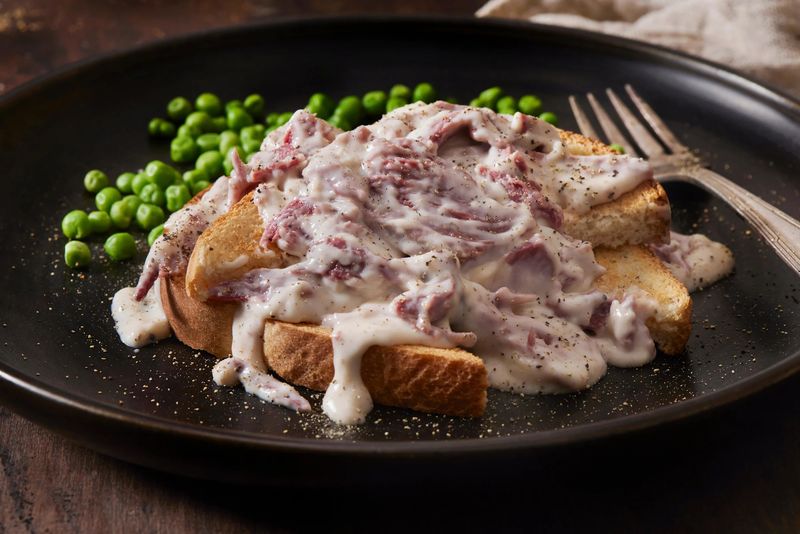
Soldiers gave this dish a colorful nickname that cannot be printed here, but generations of American servicemen actually grew genuinely fond of it. Chipped beef on toast — dried, salted beef stirred into a thick white cream gravy, ladled over toasted bread — was a staple in military mess halls as far back as 1910.
It crossed over into civilian diners and home kitchens for decades, offering a hearty, inexpensive breakfast or dinner. Today, it is one of those dishes most people under 40 have simply never encountered, making it a true culinary ghost.
6. Vichyssoise
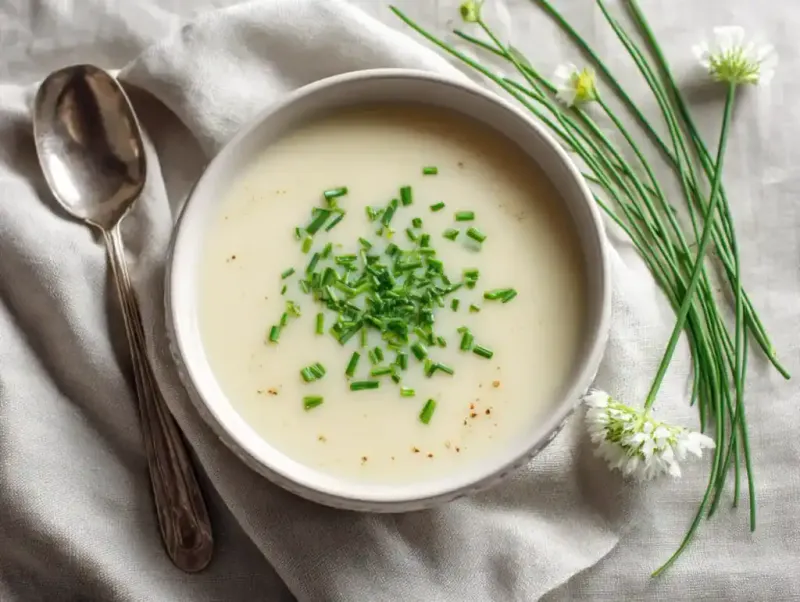
Invented in New York City in 1917, vichyssoise is a silky cold soup made from pureed leeks, potatoes, onions, and cream. For decades, it was the ultimate symbol of sophistication on upscale American menus, the kind of first course that made a dinner feel truly special.
The idea of cold potato soup has always been a tough sell for casual diners, and as bold, globally inspired flavors took over the restaurant scene, vichyssoise quietly retreated. Today, food writers describe it as belonging to “decidedly old-fashioned menus,” a relic of a more formal dining era.
7. Tapioca Pudding
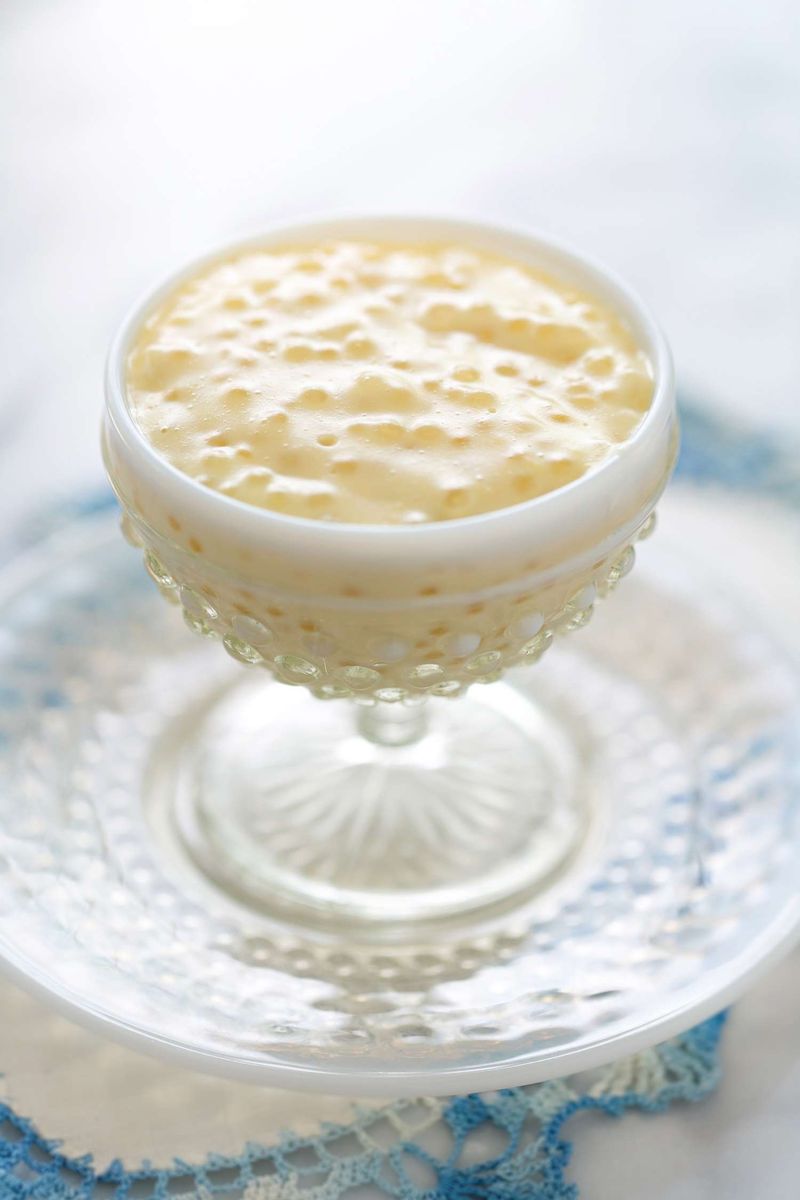
Tapioca pudding used to be a reliable, comforting dessert on children’s menus and diner chalkboards everywhere. Those tiny, chewy pearls suspended in sweet vanilla cream felt almost playful, and kids genuinely loved it.
It was simple, affordable, and satisfying in a way that felt distinctly American.
The tapioca world took a sharp turn when bubble tea exploded in popularity, turning the ingredient into a trendy beverage sensation worth billions globally. The old-fashioned pudding version never managed to ride that wave, and it has quietly become a dessert most younger Americans have never actually tasted.
8. Jell-O Salad Molds
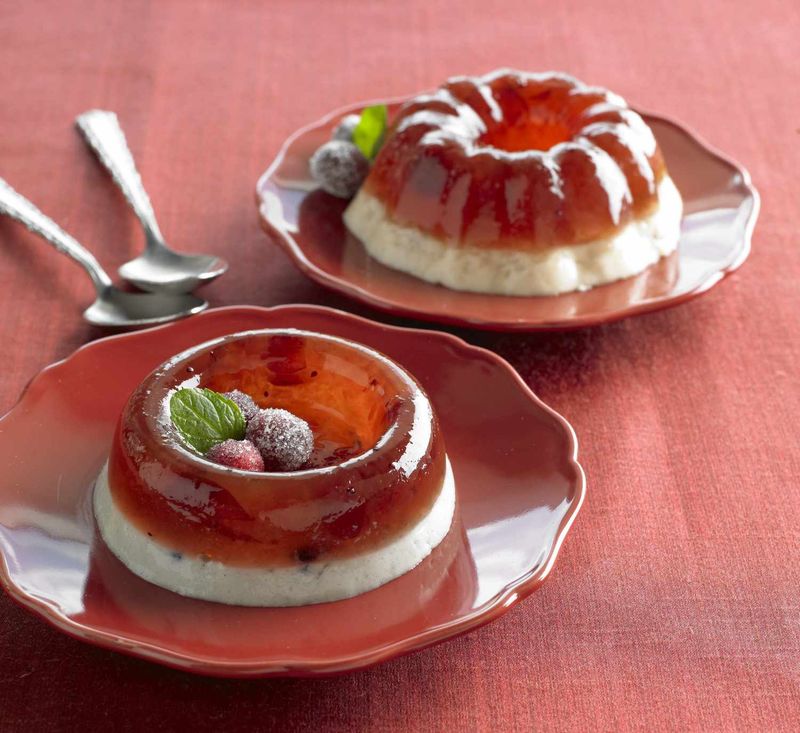
Wobbly, colorful, and strangely beautiful, the Jell-O mold was the crown jewel of mid-century American entertaining. Housewives across the country competed to create the most impressive gelatin creations, suspending everything from cherries and carrots to cottage cheese and nuts inside jewel-toned molds.
The combination of sweet and savory elements — fruit alongside vegetables and mayonnaise — strikes modern diners as genuinely bizarre. After peaking in the 1950s, Jell-O salads began their slow decline through the 60s and 70s.
Today, they survive mostly as a punchline or a quirky Pinterest experiment.
9. Beef Stroganoff
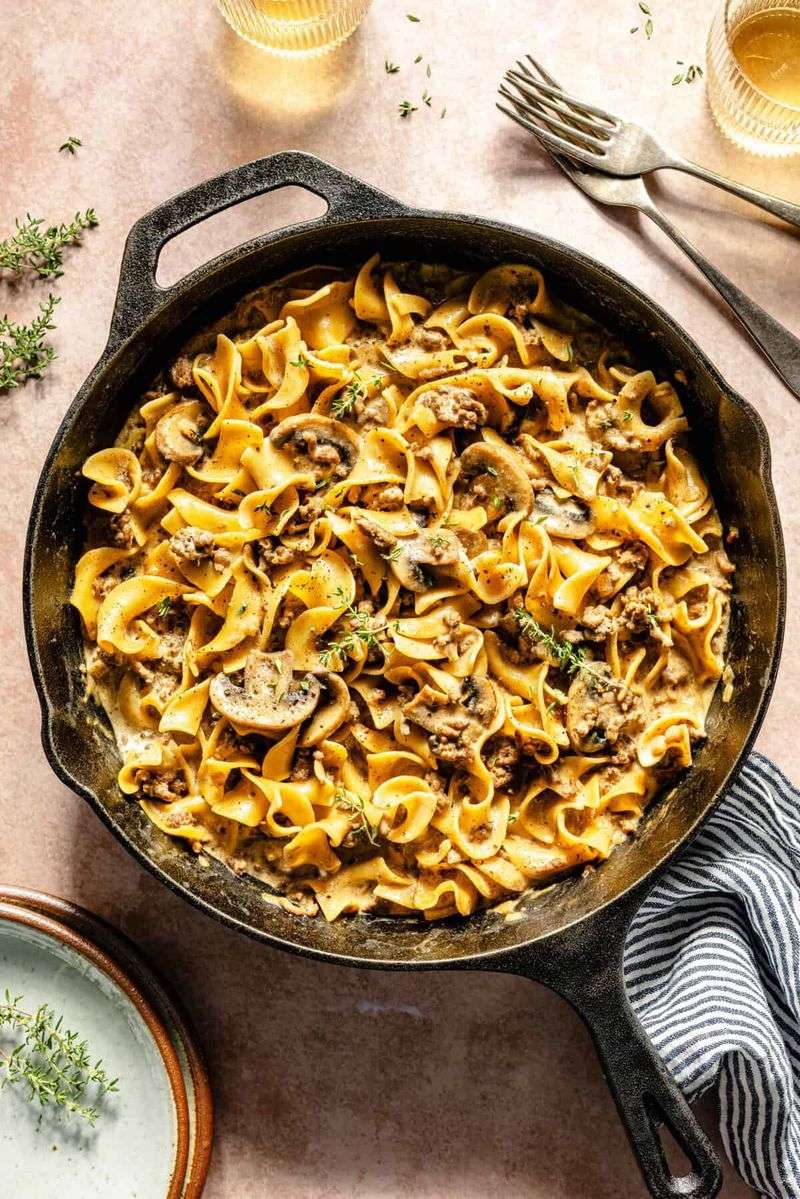
Beef stroganoff had a serious moment in mid-century America, showing up on restaurant menus and in home cookbooks as the pinnacle of sophisticated yet approachable cooking. Tender strips of beef, earthy mushrooms, and a luscious sour cream sauce over wide egg noodles — it was genuinely hard to beat on a cold evening.
While it remains wildly popular in countries like Brazil, American restaurants have largely moved on. Lighter pasta dishes, globally inspired noodle bowls, and farm-to-table menus have squeezed old-fashioned stroganoff almost entirely off the American dining landscape in recent years.
10. Deviled Ham
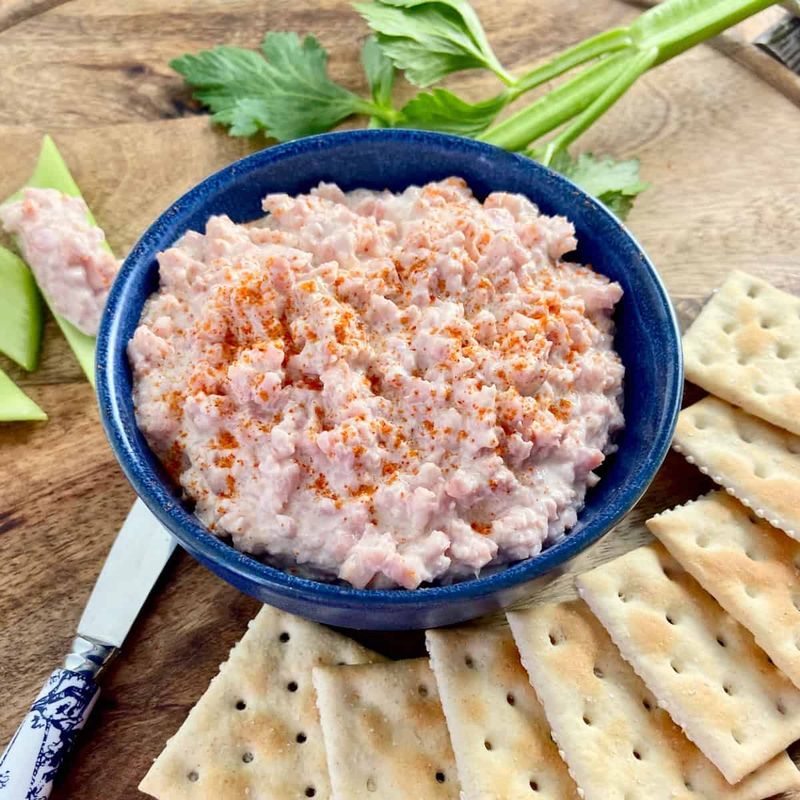
Long before artisanal charcuterie boards became a thing, deviled ham was the party spread of choice at American picnics and family gatherings. Spiced, savory, and surprisingly bold, this canned ham mixture was scooped onto crackers or slathered between slices of white bread without a second thought.
The rise of deli culture and fresh sandwich options slowly pushed canned meat spreads off the table — literally. Today, deviled ham sits in a dusty corner of the grocery store, recognized mostly by older shoppers who remember it fondly from their childhood lunch boxes.
11. Fondue
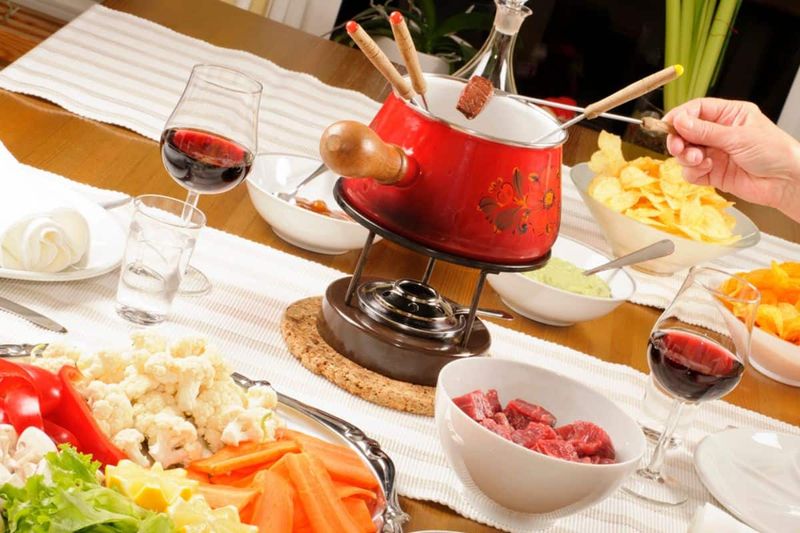
Few foods captured the fun, communal spirit of 1970s American entertaining quite like fondue. Gathering around a bubbling pot of melted cheese or warm chocolate, poking bread and fruit on long forks — it turned dinner into an event.
Fondue sets were among the most popular wedding gifts of the era.
The trend burned bright and then faded fast. By the 1990s, most fondue pots had been banished to garage sales.
Today, specialized chains like The Melting Pot keep the tradition alive, but the idea of hosting a fondue party at home feels charmingly retro rather than genuinely fashionable.
12. Mutton Chops
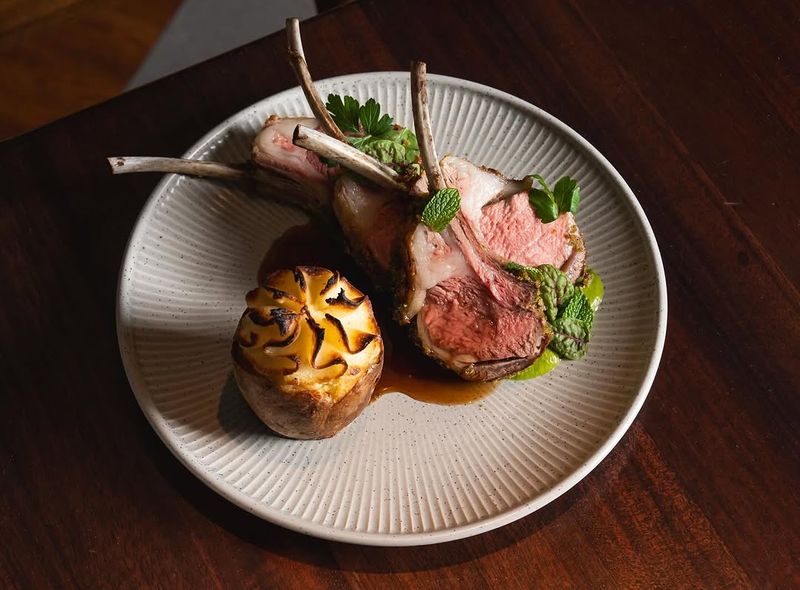
A century ago, mutton was everywhere on American restaurant menus. The rich, deeply flavored meat from fully grown sheep was a chophouse staple, served thick and proud alongside roasted vegetables.
It was hearty, affordable, and genuinely satisfying in a way that mild lamb simply cannot replicate.
Demand dropped sharply during wartime rationing, and American palates never really returned to mutton’s bold flavor. The shift was so complete that even New York’s legendary Keens Steakhouse — famous for its mutton chop — now quietly prepares the dish using lamb instead of true mutton.
13. Potato Skins
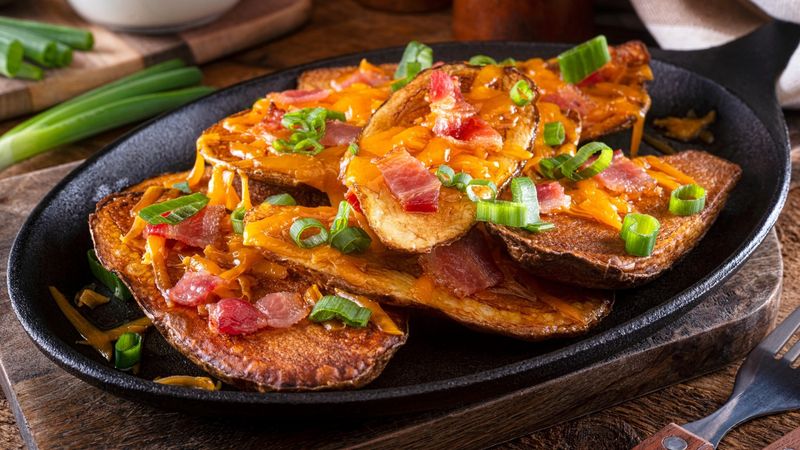
In the 1980s, potato skins were the ultimate casual dining appetizer — crispy, cheesy, loaded with bacon, and almost impossible to stop eating. Every TGI Fridays-style restaurant had them on the menu, and baked potato bars were a legitimate event at family gatherings and office parties alike.
Changing appetizer trends, the rise of shared plates like nachos and flatbreads, and shifting ideas about what counts as a “fun starter” have steadily edged potato skins off most menus. They still exist, but the enthusiasm that once surrounded them has largely moved on to other dishes.
14. Salad Bars
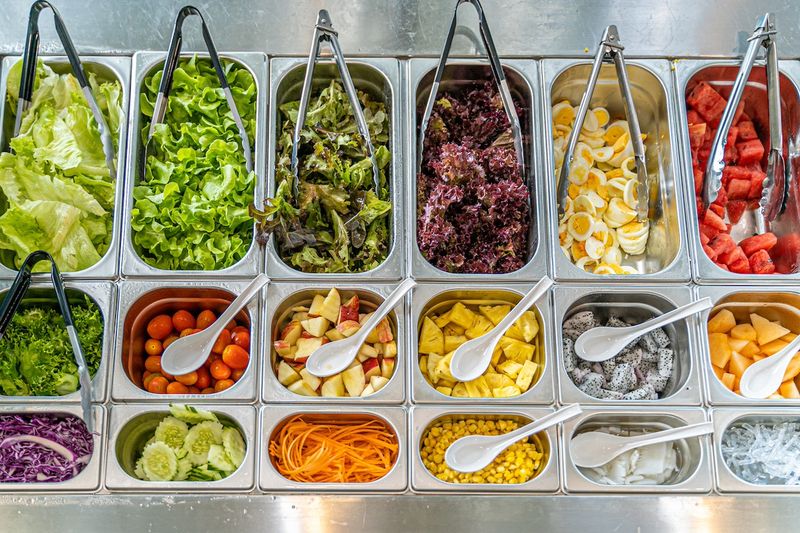
Salad bars were once a genuine point of pride for American restaurants and grocery stores. Wendy’s built part of its early identity around them, and families loved the freedom of piling their own plates with exactly what they wanted.
The all-you-can-eat salad bar felt democratic and fun.
COVID-19 dealt the final serious blow to communal self-serve food stations, and most restaurants never brought them back after closing them during the pandemic. What health concerns started and food safety worries accelerated, the virus finished.
Today, the classic salad bar is mostly a fond memory for anyone over 35.
15. Crab Louie
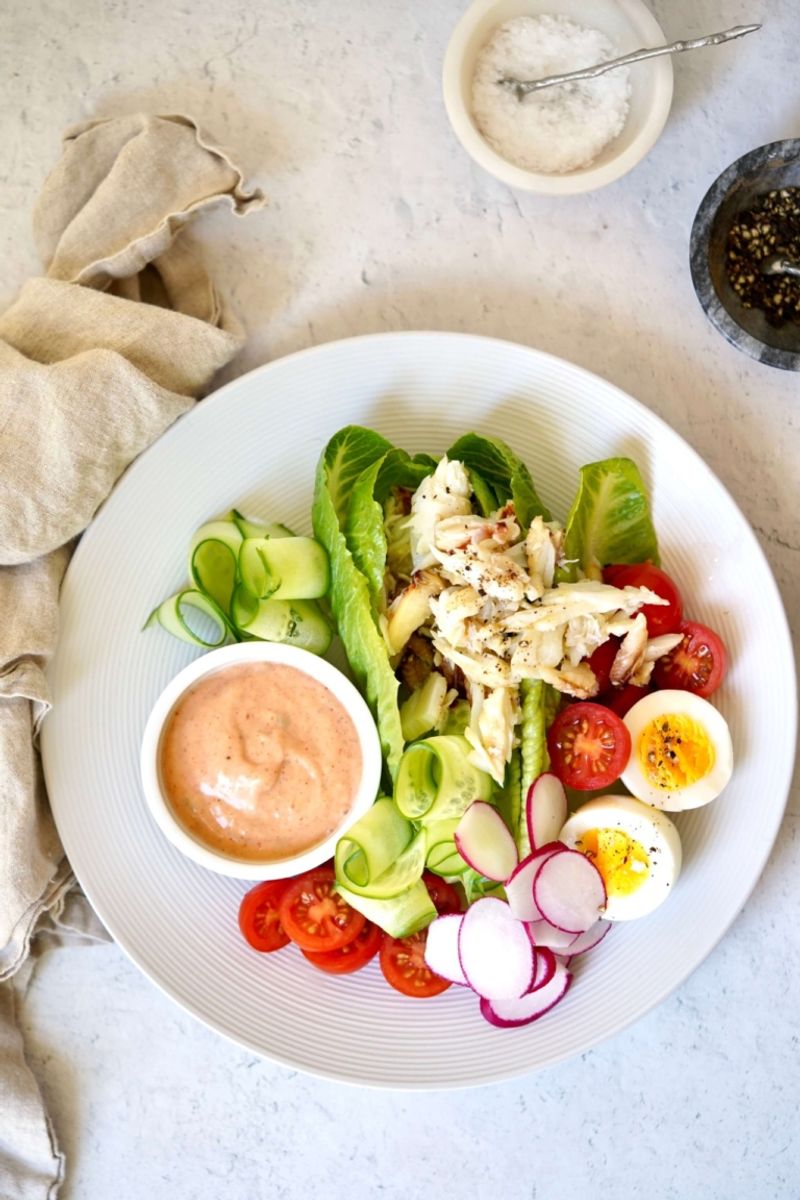
Dating back to early 20th-century San Francisco, Crab Louie was once the fashionable lunch order at upscale hotels and waterfront restaurants along the West Coast. Piled high with fresh Dungeness crab, hard-boiled eggs, asparagus, and a creamy Thousand Island-style dressing over crisp iceberg lettuce, it was both beautiful and satisfying.
As food trends shifted toward lighter, globally inspired salads and crab prices climbed, Crab Louie slowly slipped from the spotlight. A few classic hotels and West Coast seafood houses still serve it loyally, but for most diners today, it is an unfamiliar name from a forgotten era.
16. Veal Cordon Bleu
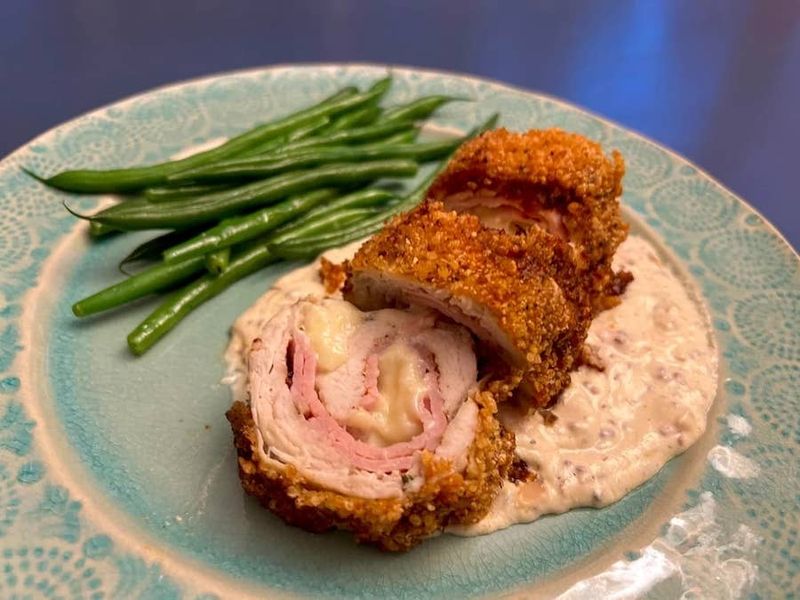
Veal Cordon Bleu was the dish that made a special dinner feel truly luxurious from the 1950s through the 1990s. A pounded veal cutlet stuffed with ham and melted Swiss or Gruyere cheese, rolled up and deep-fried to a perfect golden crust — it was rich, impressive, and deeply satisfying.
Growing concerns about veal farming practices, combined with a food culture that moved sharply away from heavy, cream-and-butter-based dishes, pushed it off most fine dining menus. Like its cousin Chicken Kiev, it now belongs more to culinary history books than to modern restaurant experiences.
17. Sole Veronique
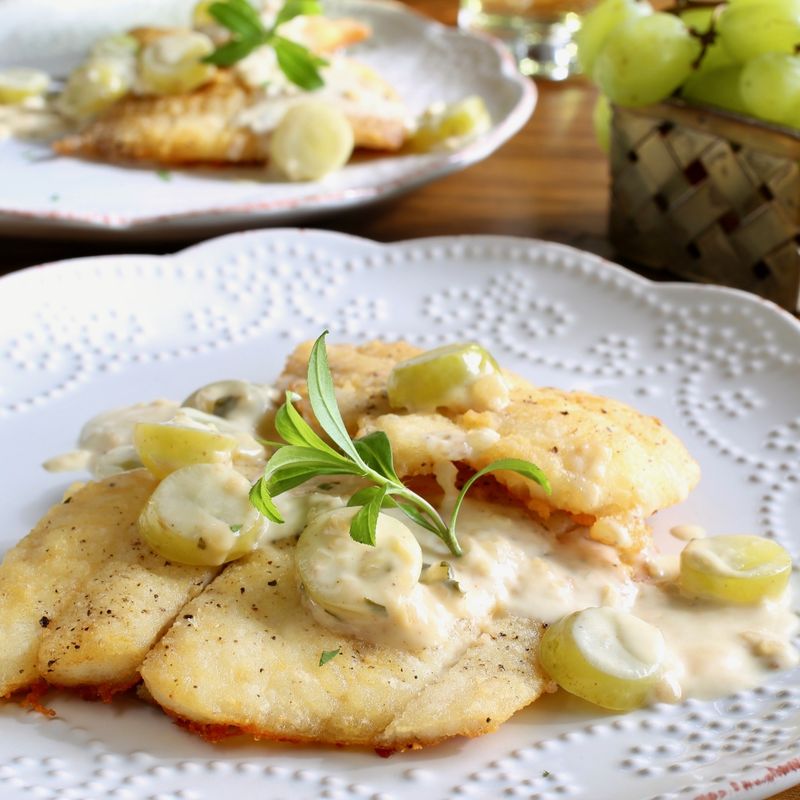
Created by the legendary chef Auguste Escoffier and named after a French opera, Sole Veronique sounds almost too poetic to eat. The dish pairs delicate Dover sole, poached gently in white wine, with a silky cream sauce and the unexpected sweetness of fresh green grapes.
It achieved global fame despite — or perhaps because of — that unusual combination.
Today, the pairing of grapes and fish strikes most diners as odd, and the dish has nearly vanished from menus entirely. Its story is a reminder that even the most celebrated culinary creations can quietly fade when tastes move on.
18. Oyster Pan Roast
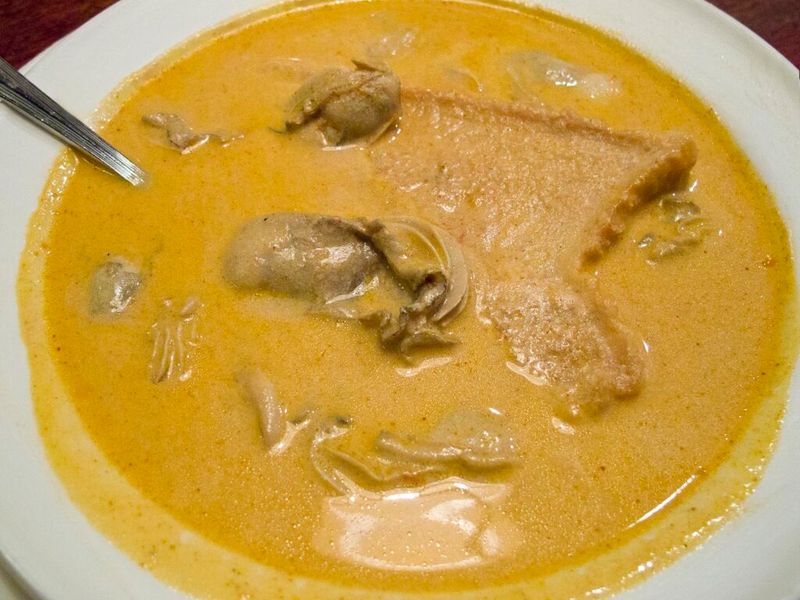
Walk into New York’s Grand Central Oyster Bar today and you can still order an oyster pan roast — but you would be hard-pressed to find it almost anywhere else in the country. In the early 20th century, this dish was a staple of East Coast dining, oysters simmered gently in a savory, buttery cream mixture until just cooked through.
Food historians describe the preparation as “pretty archaic” by modern standards, and it never managed to attract younger diners the way raw oyster bars and grilled preparations did. Its survival at a handful of old-school establishments feels more like preservation than popularity.
19. Ham in Parsley Aspic
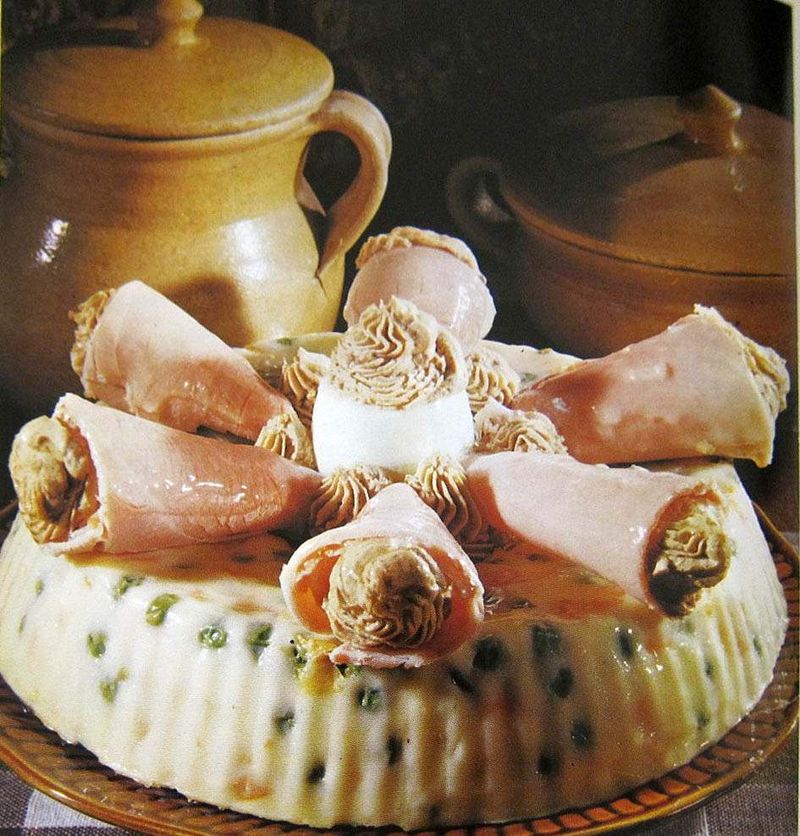
Julia Child helped make jambon persille — ham suspended in a shimmering parsley-flecked gelatin — a fashionable dinner party centerpiece in 1960s America. The dish looked almost architectural on the table, and serving it was a genuine statement of culinary ambition.
Aspic-based dishes were everywhere at upscale gatherings during that decade.
Modern diners, however, find the idea of meat encased in wobbly gelatin deeply unsettling rather than impressive. The texture, the appearance, and the technique all feel wildly out of step with current food culture.
Ham in parsley aspic has not just left menus — it has left most people’s imaginations entirely.