
Hollywood has long been seen as a place of dreams, but for many talented actresses, it has also been a place of broken promises and unfair treatment. Behind the glamour, studios have used their power to silence, sideline, and even blacklist women who dared to speak up or simply refused to play by unfair rules.
These stories matter because they reveal a side of the entertainment industry that too often gets swept under the rug. From Oscar winners to beloved TV stars, the women on this list all faced battles no amount of talent should require.
1. Rose McGowan
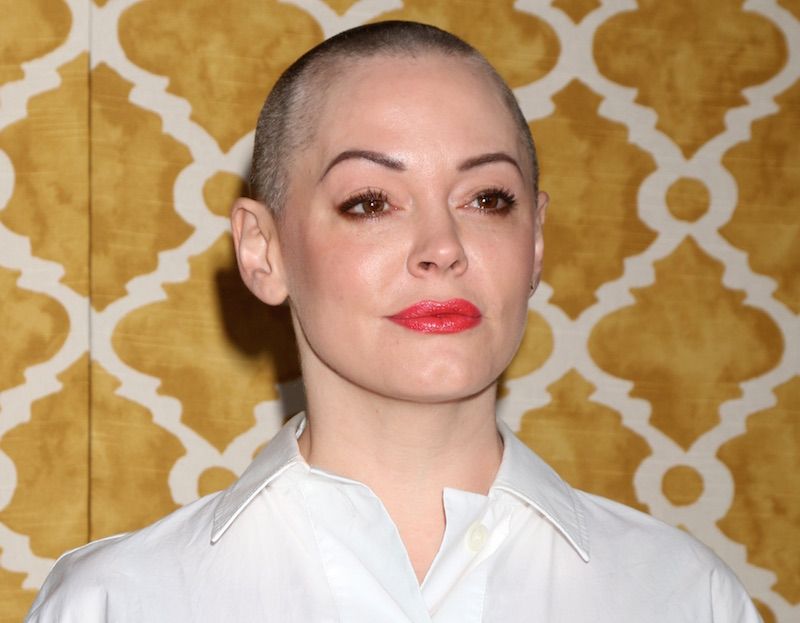
Before the word “MeToo” became a movement, Rose McGowan was already sounding the alarm. Her roles in Scream and Charmed made her a household name, but behind the scenes, she was fighting a much harder battle.
After speaking out against a powerful Hollywood producer, major studio offers dried up almost overnight. McGowan eventually stepped away from acting entirely, channeling her energy into activism and writing.
Her courage helped spark a cultural reckoning that changed the industry forever.
2. Mira Sorvino
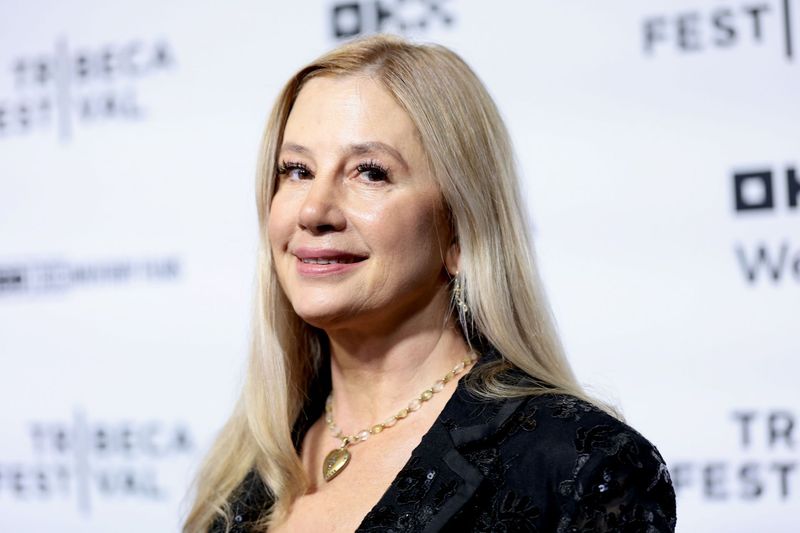
Winning an Academy Award is supposed to open every door in Hollywood. For Mira Sorvino, it seemed to do the opposite.
After her Oscar win for Mighty Aphrodite, her career mysteriously stalled despite her obvious talent.
Years later, director Peter Jackson confirmed he had been told she was difficult to work with during casting for The Lord of the Rings — a claim that was completely fabricated. Harvey Weinstein had quietly blacklisted her, proving how one powerful person could secretly destroy a career.
3. Ashley Judd
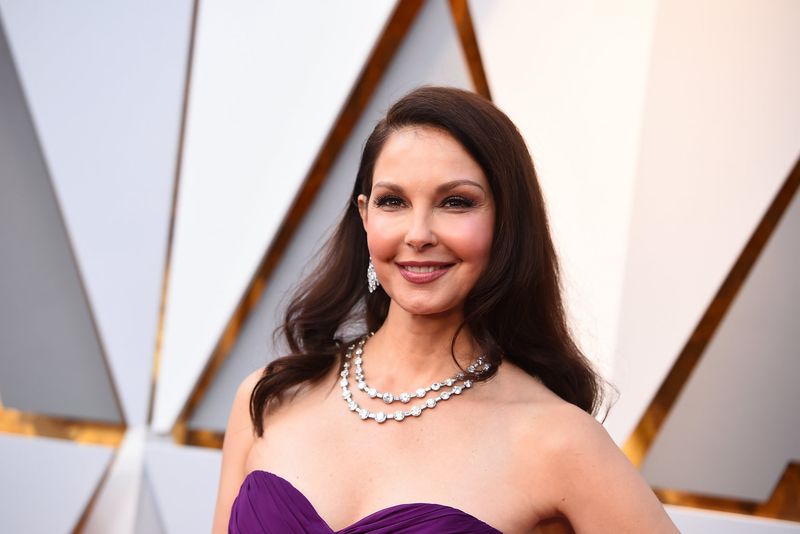
Ashley Judd was riding high in Hollywood with hit films like Double JeopardyKiss the Girls and . Then, without a clear explanation, the big-budget roles stopped coming.
Audiences noticed, but few knew the real reason behind the sudden shift.
It later emerged that influential producers had run quiet smear campaigns against her. Judd refused to stay silent and became one of the earliest and most vocal voices exposing the abuse of power in Hollywood, turning personal pain into public purpose.
4. Mo’Nique
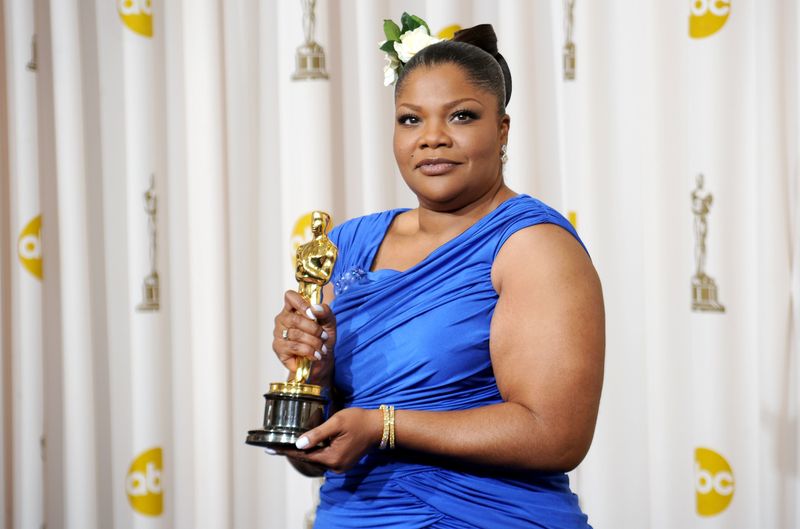
Winning an Oscar for Precious should have been the beginning of Mo’Nique’s biggest chapter. Instead, it marked the start of a frustrating professional freeze.
When she declined to participate in an unpaid awards campaign, studio insiders labeled her “difficult” — a word that can end careers.
She has spoken openly about how that decision cost her financially and professionally for years. Her story raises an uncomfortable question: why are actresses penalized for simply saying no to free labor?
5. Janet Hubert
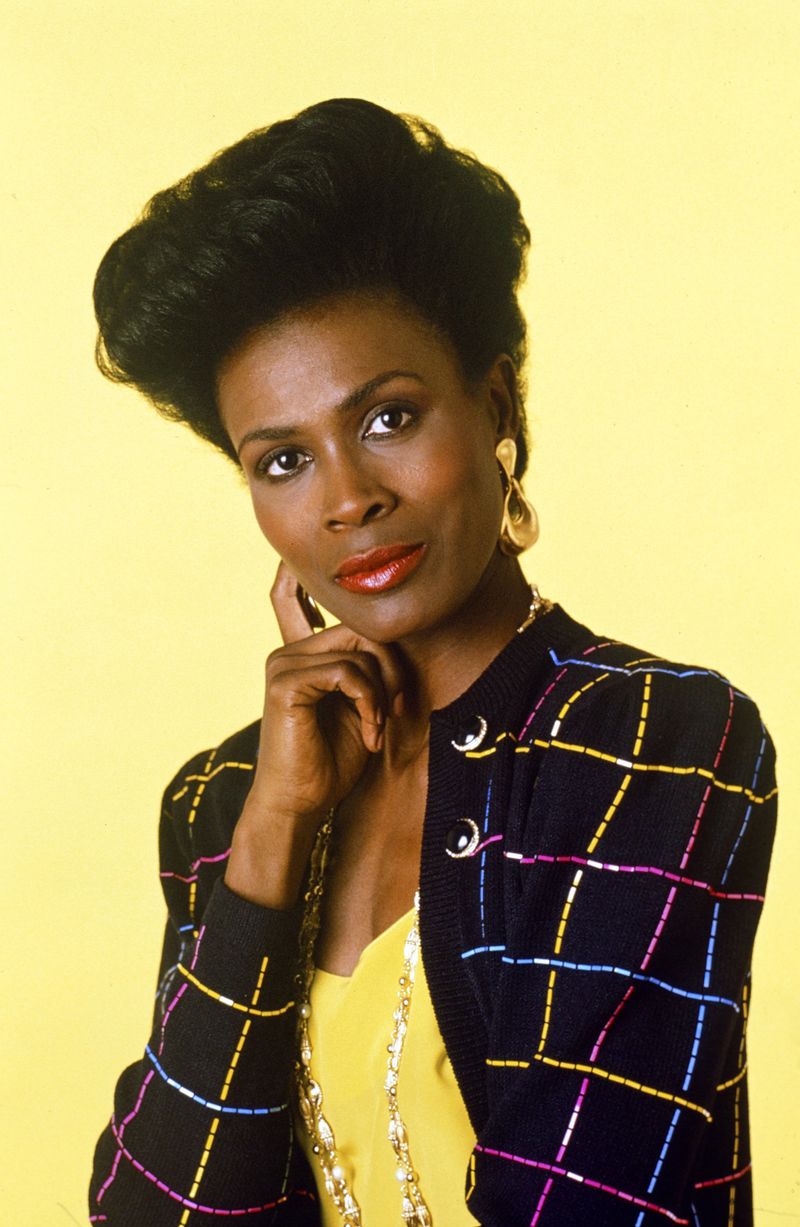
Janet Hubert played the original Aunt Viv on The Fresh Prince of Bel-Air, and her warm, sharp performance was a cornerstone of the show’s early success. Her sudden departure left fans confused and hurt for decades.
Hubert has stated that negative stories spread about her on set led to her being effectively shut out of major Hollywood work for years. The damage to her reputation was long-lasting.
A public reconciliation with Will Smith in 2020 finally gave her story the closure it deserved.
6. Hattie McDaniel
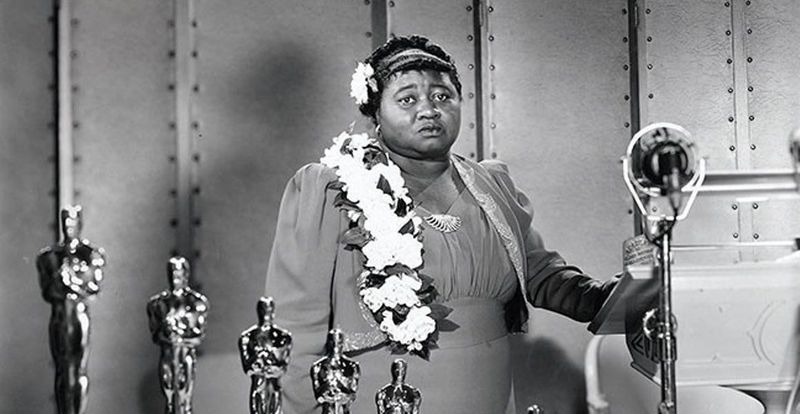
Hattie McDaniel made history in 1940 as the first African American to win an Academy Award, taking home Best Supporting Actress for Gone with the Wind. But the celebration came with painful contradictions.
She was barred from attending her own film’s premiere in Atlanta because of segregation laws. Critics within the Black community also questioned the roles she accepted.
McDaniel famously responded that she would rather play a maid for seven hundred dollars a week than be one for seven dollars.
7. Sondra Locke
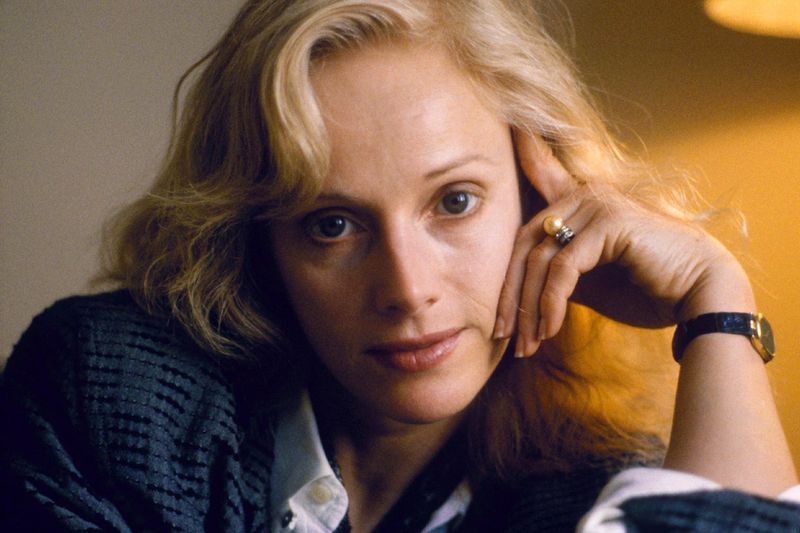
Sondra Locke appeared in several successful films alongside Clint Eastwood during the late 1970s and 1980s, but their personal and professional relationship ended in a bitter legal fight. She sued Eastwood for fraud and breach of contract, claiming he manipulated her career opportunities behind her back.
The case was settled out of court, but the damage was already done. Locke struggled to find consistent work after the dispute became public, a stark reminder of how power imbalances can quietly crush careers.
8. Charlize Theron
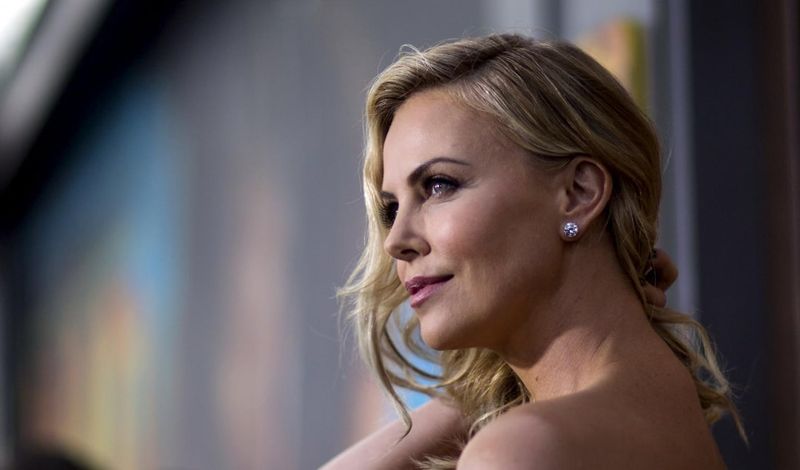
Charlize Theron has spoken candidly about experiencing a significant pay gap compared to her male co-stars, despite being an Oscar-winning lead actress. Her revelations came during a broader industry conversation about wage inequality that shook Hollywood in the mid-2010s.
Theron reportedly renegotiated her salary for The Huntsman sequel after discovering the disparity. Her willingness to go public with the numbers helped shift the conversation from whispers to real policy changes at several major studios.
She turned frustration into fuel for systemic reform.
9. Jennifer Lawrence
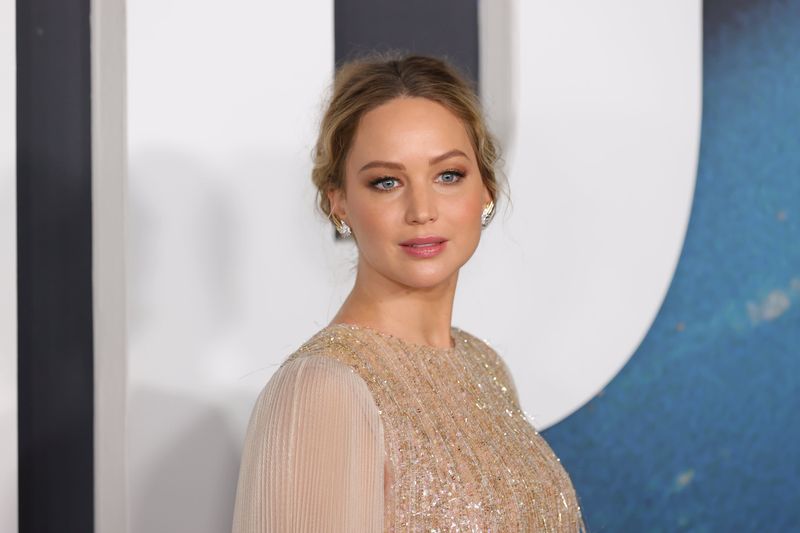
Jennifer Lawrence was one of the biggest stars in the world when she discovered she had been paid significantly less than her male co-stars on American Hustle. She wrote a raw, honest essay about it that went viral almost immediately.
Lawrence admitted she had stayed quiet about the gap partly because she feared being seen as difficult — a fear that reveals how deeply unfair expectations were baked into the industry. Her essay cracked open a much larger conversation about gender pay equity in entertainment.
10. Gabourey Sidibe
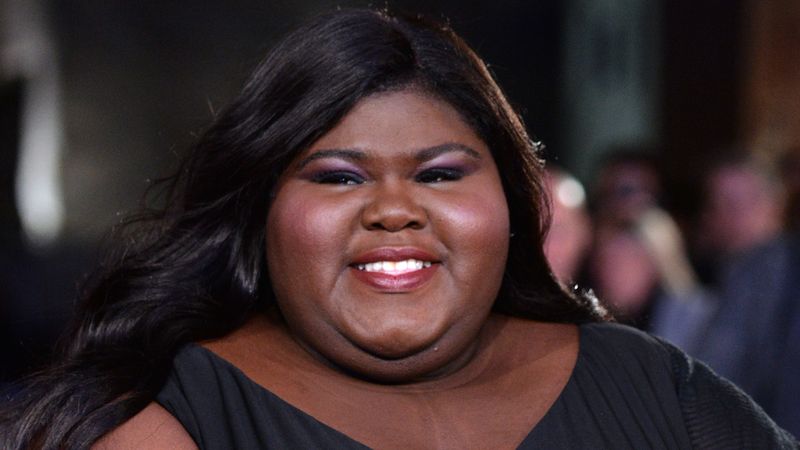
After earning an Oscar nomination for her devastating debut performance in Precious, Gabourey Sidibe faced a wave of public skepticism about her future in Hollywood. Critics and commentators openly questioned whether she would find steady work, citing her appearance rather than her ability.
Studio gatekeepers often reflect the same biases as society, and Sidibe experienced that firsthand. She has spoken about navigating an industry that constantly tried to define her limits.
Her resilience and continued success are a quiet but powerful rebuttal to every doubter.
11. Salma Hayek
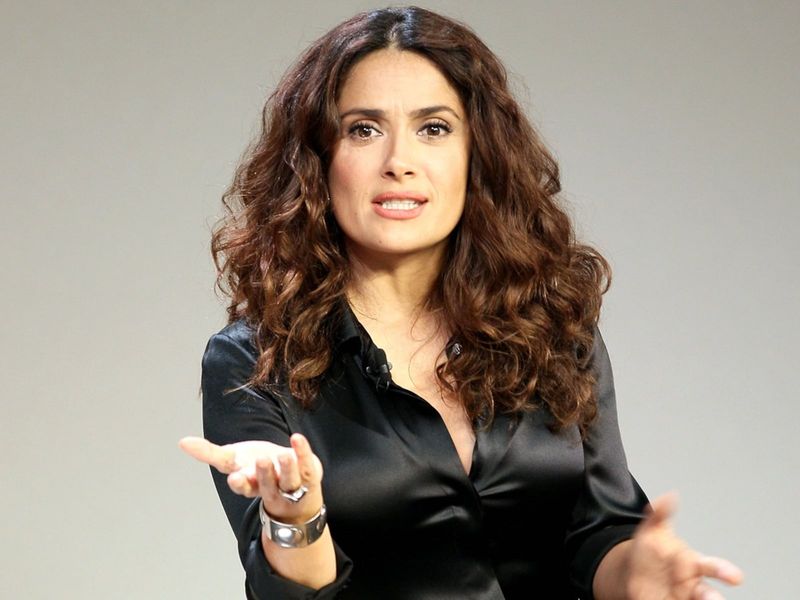
Salma Hayek spent years fighting to get Frida made, a passion project about the iconic Mexican artist Frida Kahlo. What she encountered along the way was nothing short of a nightmare.
She wrote a powerful New York Times op-ed detailing relentless harassment and intimidation from Harvey Weinstein throughout the film’s production.
Hayek revealed that Weinstein threatened to kill her and repeatedly tried to derail the project. The fact that Frida succeeded despite all of that speaks to her extraordinary determination and refusal to be erased.
12. Taraji P. Henson
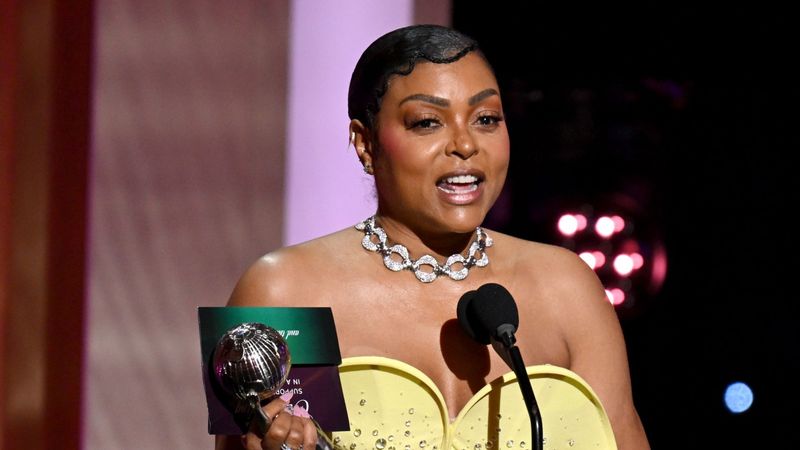
Taraji P. Henson has been refreshingly honest about the financial and emotional toll of working in Hollywood as a Black woman.
In multiple interviews, she has discussed being paid less than white counterparts with fewer credits and lower profiles.
During promotion for The Color Purple musical film, she reportedly became emotional in an interview while discussing ongoing pay disparities. Henson has used her platform to advocate loudly for equitable treatment, making her one of the most important voices in the ongoing conversation about race and gender in entertainment.
13. Olivia de Havilland
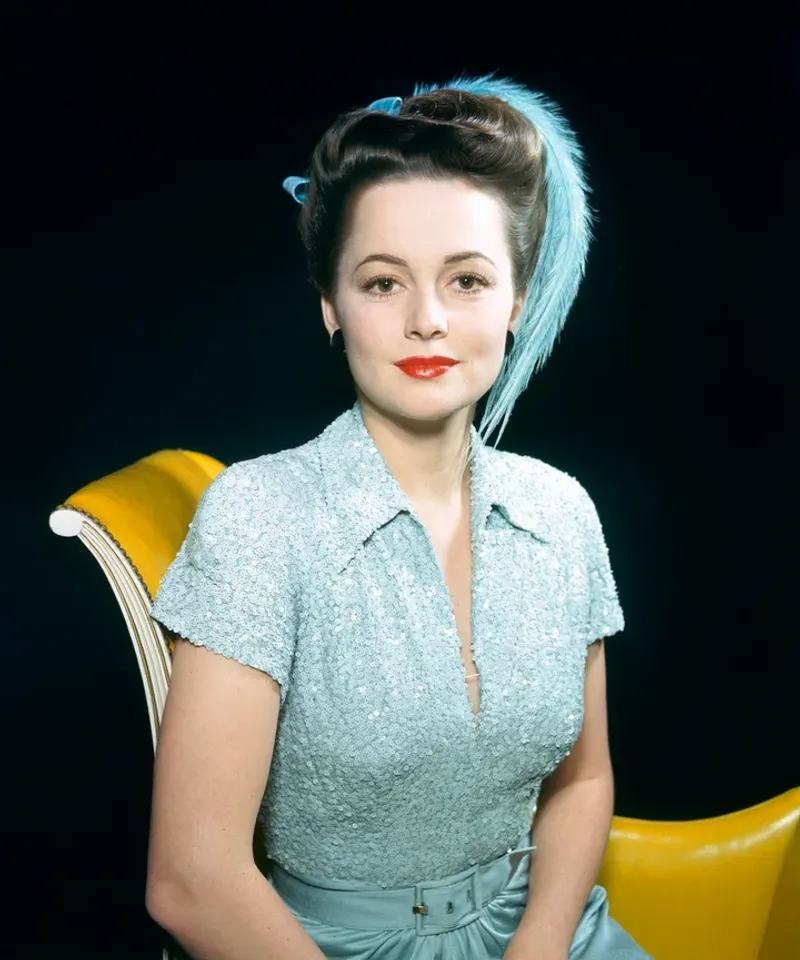
Olivia de Havilland won two Academy Awards and was one of Hollywood’s brightest stars during the golden age of cinema. But when Warner Bros. tried to extend her contract by adding suspension time to her seven-year deal, she took them to court and won.
The 1944 ruling, known as the De Havilland Law, freed actors from indentured studio contracts and changed the entire power structure of Hollywood. She fought back not just for herself, but for every performer who came after her.
14. Mariah Carey
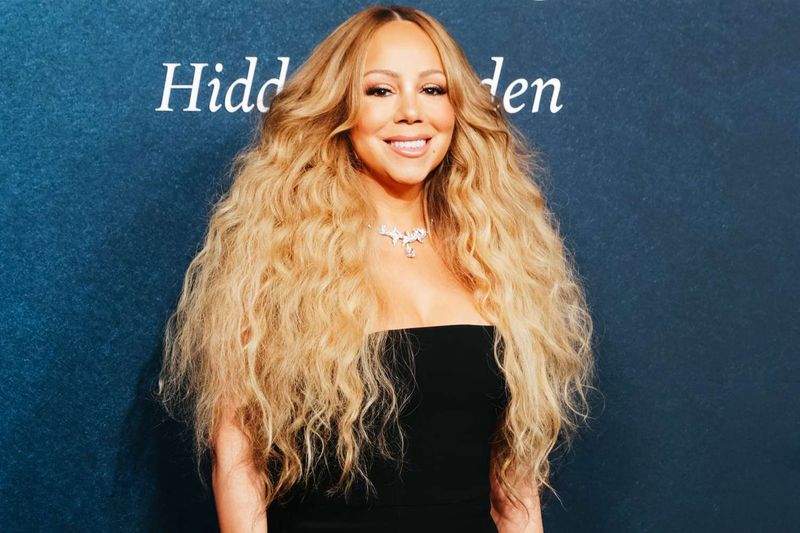
Mariah Carey’s acting career hit a wall after the commercial and critical failure of Glitter in 2001, a film she later said was shaped heavily by studio interference and personal turmoil she was going through at the time. The movie became a punchline, but the real story was more complicated.
Carey has spoken about how the studio’s handling of the project, combined with deliberate undermining from industry figures, contributed to its collapse. It took years for her reputation to recover, despite her music career never slowing down.
15. Geena Davis
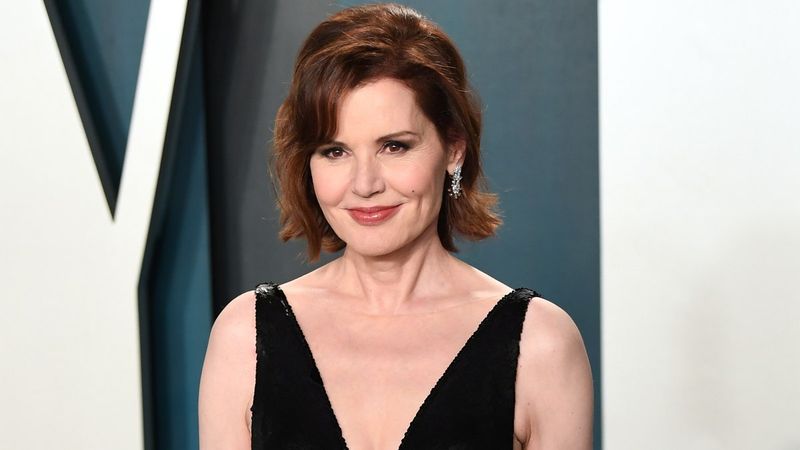
Geena Davis was an Oscar-winning actress and action star who noticed something troubling: as she aged, roles simply disappeared. Hollywood had no problem casting older men as leads, but women in their forties were quietly pushed to the sidelines.
Rather than accept it, Davis founded the Geena Davis Institute on Gender in Media, which uses research to push for more balanced representation in film and television. She transformed her personal frustration into one of the most impactful advocacy organizations in entertainment history.
16. Lupita Nyong’o
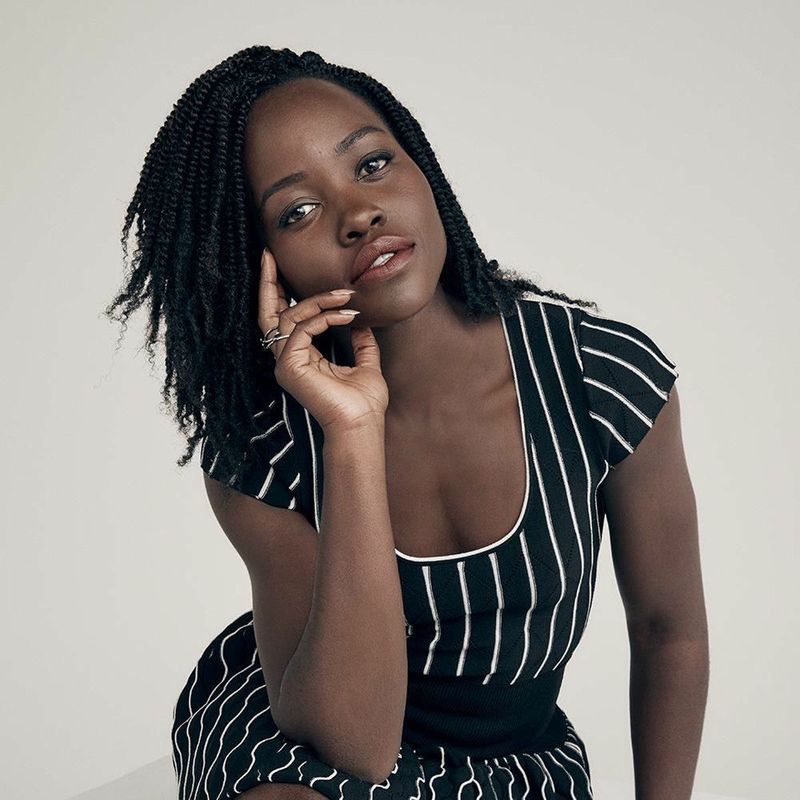
Lupita Nyong’o arrived in Hollywood with an Oscar win for 12 Years a Slave and seemingly limitless potential. Yet she too came forward with an account of harassment at the hands of Harvey Weinstein, describing multiple uncomfortable encounters that left her feeling powerless.
Her story stood out because the New York Times initially delayed publishing it, a decision that sparked its own debate about whose voices get amplified and when. Nyong’o has remained a thoughtful and fearless voice for accountability in the industry ever since.
17. Lindsay Lohan
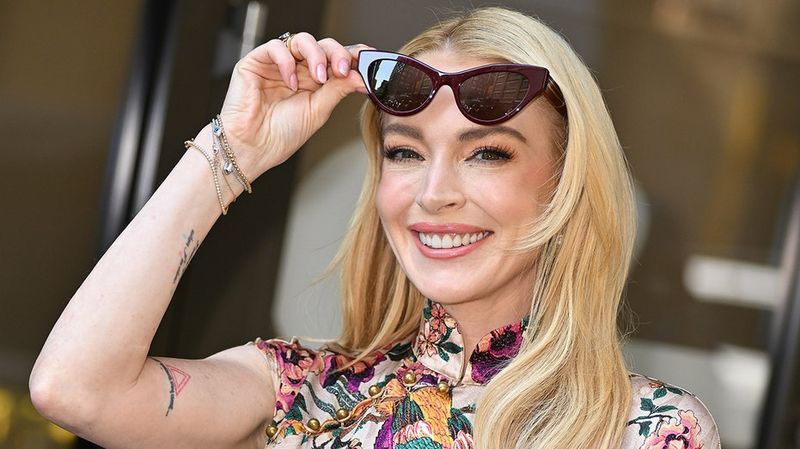
Lindsay Lohan was one of the most bankable young actresses in Hollywood during the early 2000s, starring in hits like Mean Girls and Freaky Friday. But as her personal struggles became public, studios stepped back fast — often before offering any real support.
Many industry observers have noted that male stars with similar issues were given far more second chances and rehabilitation opportunities. The way Hollywood handled — or mishandled — Lohan’s situation reflects a broader pattern of disposability when it comes to young women in the spotlight.
18. Kim Basinger
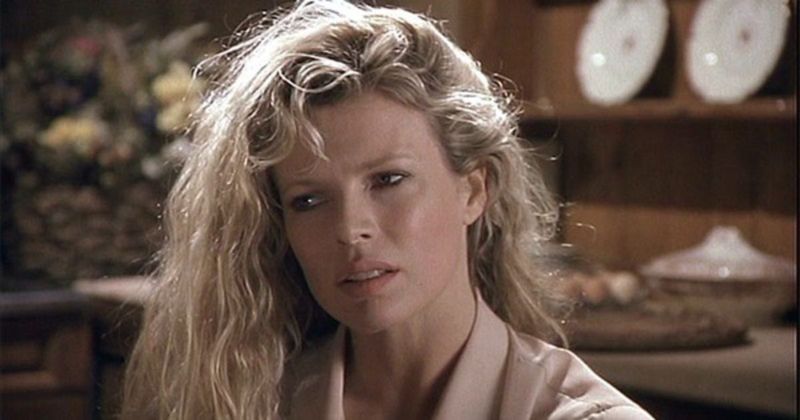
Kim Basinger won an Oscar for L.A. Confidential and was considered one of Hollywood’s top stars throughout the 1980s and 1990s.
But her career took a sharp hit after she backed out of the film Boxing Helena, resulting in a lawsuit that led to a staggering eight-million-dollar judgment against her.
Basinger filed for bankruptcy and watched her professional momentum stall for years. Critics argued the punishment far outweighed the offense, and many felt the entertainment industry made an example of her in a way that would not have happened to a male star.
19. Ageism and the Invisible Actress
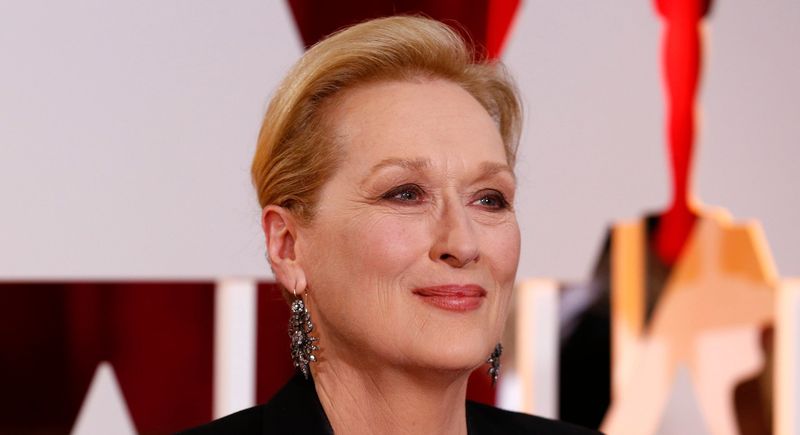
Ageism in Hollywood is not just one actress’s problem — it is a systemic issue that has pushed countless talented women out of the spotlight far too early. Studies have consistently shown that female actors face a steep drop-off in roles after age 35, while their male counterparts often peak later in their careers.
Actresses from Frances McDormand to Glenn Close have spoken about the frustrating reality of aging in an industry obsessed with youth. The pattern is so consistent it cannot be called coincidence — it is a structural problem that the industry is only slowly beginning to address.