
The year 1965 was truly a golden moment in music history. From soulful Motown ballads to electric rock anthems, artists were pushing boundaries and creating sounds that had never been heard before.
Songs released that year didn’t just top the charts — they changed how people thought about music, culture, and even the world around them. Get ready to revisit 16 unforgettable tracks that made 1965 one of the most exciting years in music ever.
1. (I Can’t Get No) Satisfaction – The Rolling Stones
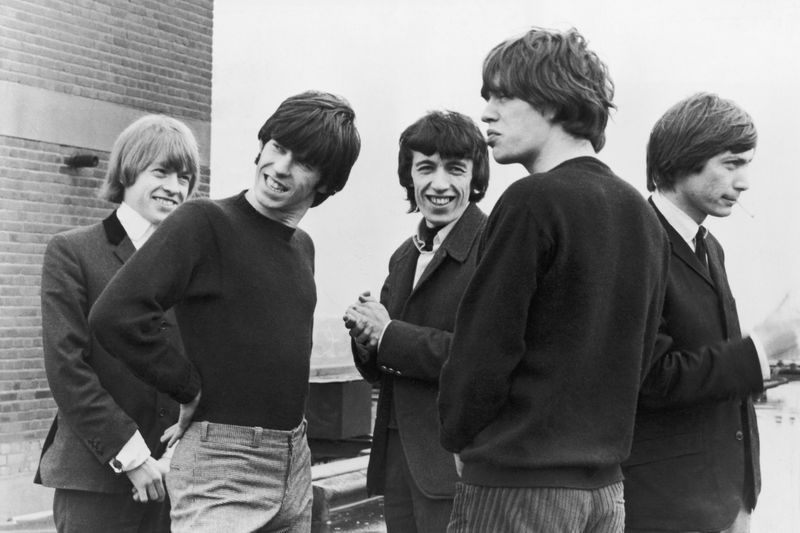
Few songs hit as hard as this one did when it blasted through radios in the summer of 1965. The Rolling Stones captured raw frustration with a guitar riff so catchy, it instantly became legendary.
Mick Jagger’s growling vocals matched the mood of a generation tired of being told what to do.
Fun fact: Keith Richards reportedly came up with the iconic riff half-asleep, recording it on a tape player before dozing off again. Rock history was made that night.
2. Like a Rolling Stone – Bob Dylan
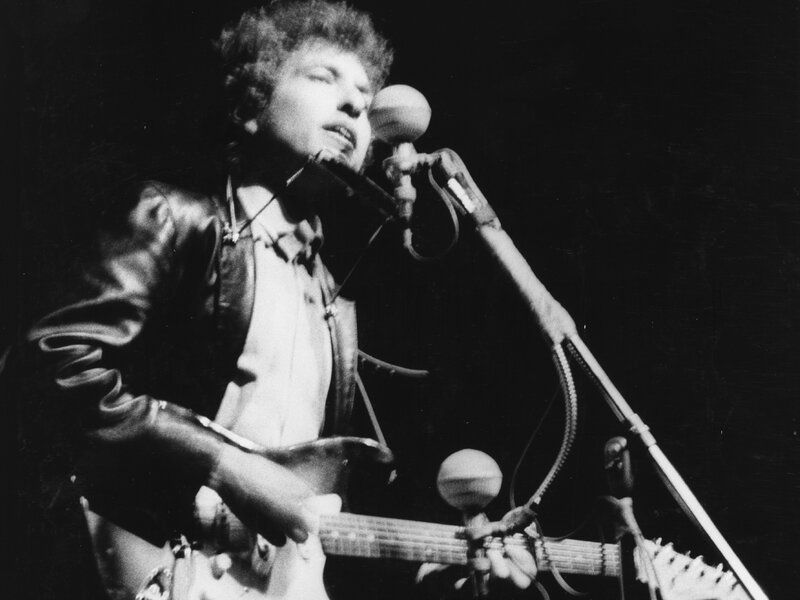
Bob Dylan shocked the folk music world when he plugged in an electric guitar and unleashed this six-minute masterpiece. Nobody had heard a pop song that long or that confrontational before.
Its sneering, poetic lyrics challenged listeners to think differently about success, failure, and identity.
The song debuted at number two on the Billboard Hot 100, proving that audiences were ready for something bold and completely new. Dylan was never the same artist after this moment.
3. My Girl – The Temptations
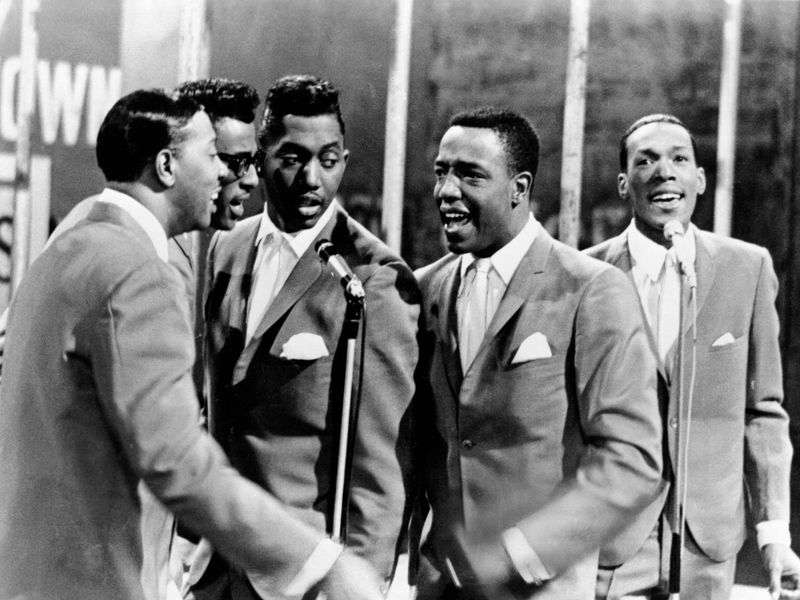
Sunshine on a cloudy day — that’s exactly what The Temptations promised listeners with this smooth, joyful hit. David Ruffin’s warm lead vocals floated over one of the most recognizable bass lines in Motown history.
The song felt like a warm hug, and audiences absolutely loved it.
Written by Smokey Robinson and Ronald White, “My Girl” shot straight to number one. It became the kind of classic that people still play at weddings and family gatherings decades later.
4. Help! – The Beatles
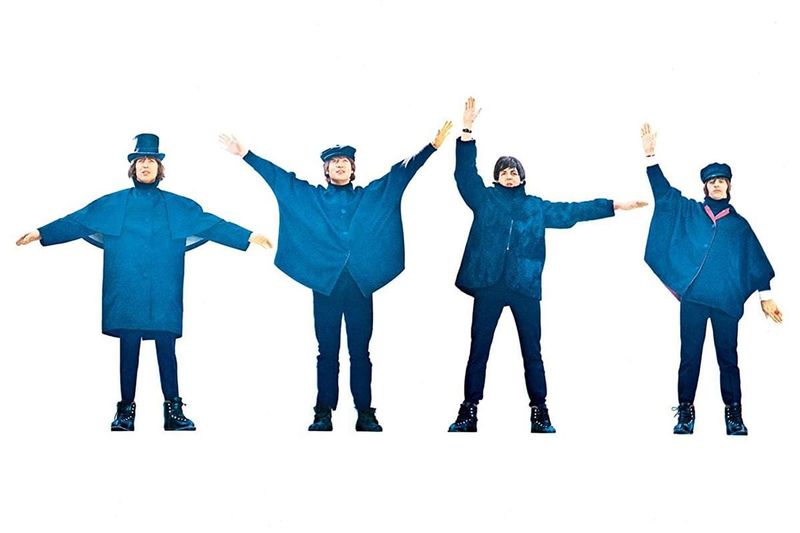
Behind its upbeat, catchy melody, “Help!” carried a surprisingly honest message. John Lennon later admitted the song was a genuine cry for support during one of the most overwhelming periods of his life.
The Beatles were the biggest band on the planet, and the pressure was immense.
Released as the title track for their second film, the song topped charts worldwide. Its blend of pop energy and emotional honesty made it stand out even among the Beatles’ already impressive catalog.
5. California Girls – The Beach Boys
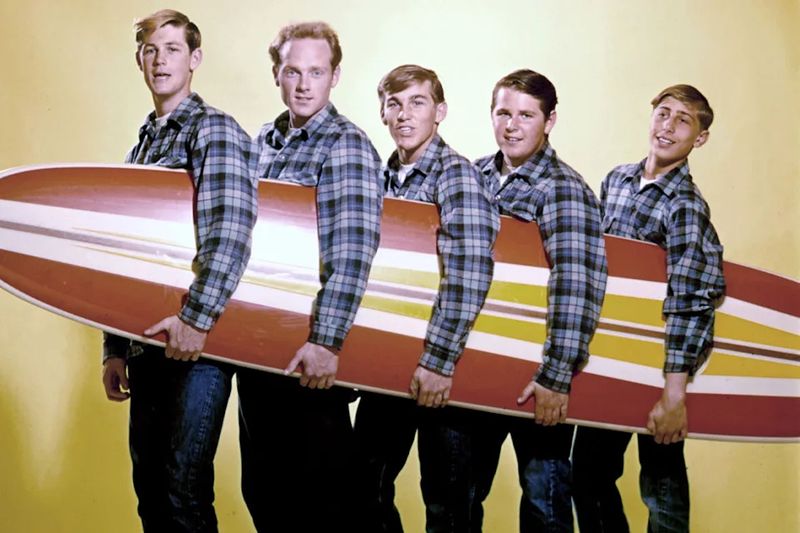
If summer had a soundtrack in 1965, this was it. The Beach Boys painted a vivid picture of sun-soaked beaches and carefree living with those soaring harmonies that only they could pull off.
Brian Wilson’s lush production was years ahead of its time.
Interestingly, Brian Wilson wrote the song after trying marijuana for the first time and feeling a burst of creative inspiration. Whether or not that’s your thing, the result was undeniably one of the most joyful songs of the decade.
6. Stop! In the Name of Love – The Supremes
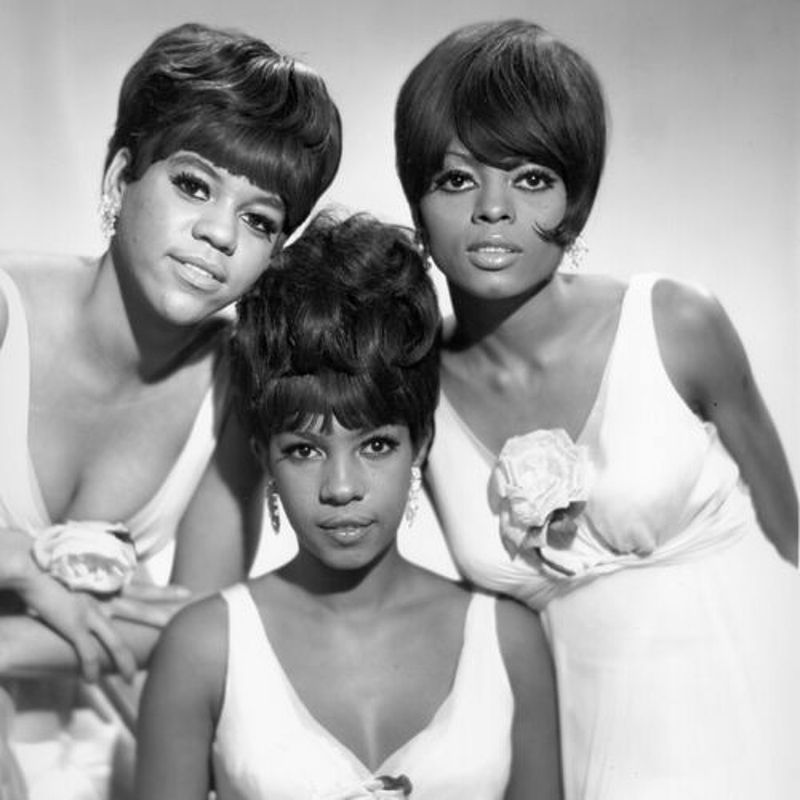
Diana Ross threw her hand out dramatically and told heartbreak to stop right there — and the world listened. The Supremes were at the absolute peak of their powers in 1965, delivering hit after hit with a polish and grace that no one could match.
This track was no exception.
The song’s famous hand-gesture choreography became one of the most iconic moves in pop history. Motown Records knew exactly what they had, and The Supremes delivered every single time.
7. A Change Is Gonna Come – Sam Cooke
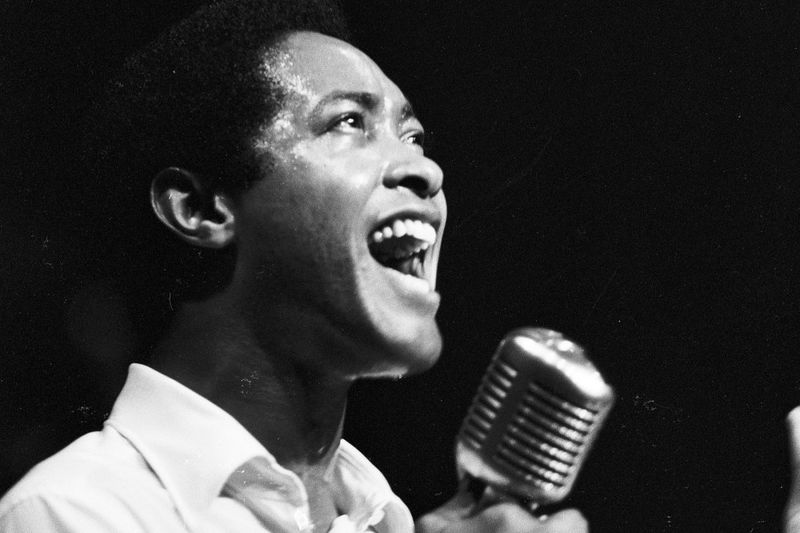
Sam Cooke wrote this deeply personal song after experiencing racial discrimination firsthand, and every note carries that weight. Released just after his tragic death in late 1964, it became one of the most powerful anthems of the civil rights movement throughout 1965 and beyond.
The orchestral arrangement paired with Cooke’s heartfelt vocals created something timeless. More than just a song, it was a statement of quiet defiance and unwavering hope — a reminder that music can carry an entire movement forward.
8. Mr. Tambourine Man – The Byrds
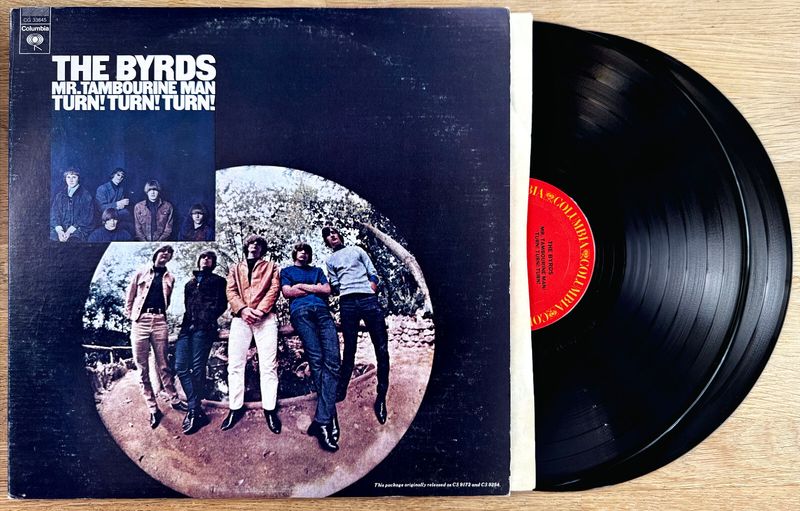
When The Byrds layered Bob Dylan’s poetic words over shimmering electric guitars, something magical happened. Folk-rock was officially born, and radio listeners couldn’t get enough of that jangly, dreamy sound.
The song introduced an entirely new genre to mainstream audiences almost overnight.
Roger McGuinn’s 12-string Rickenbacker guitar became the defining sound of the era. Dylan himself reportedly loved The Byrds’ version, which said a lot coming from the man who wrote it in the first place.
9. In the Midnight Hour – Wilson Pickett
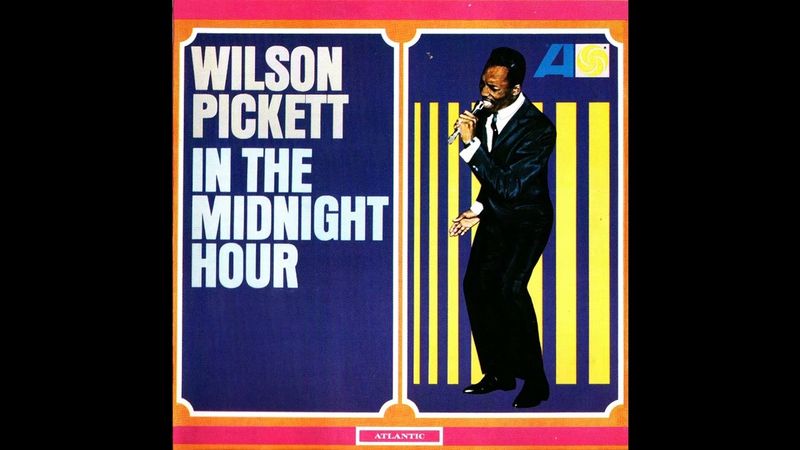
Wilson Pickett had a voice that could shake the walls, and this track proved it beyond any doubt. Recorded at the legendary Stax Studios in Memphis with guitarist Steve Cropper, the song had a groove so tight it felt like a live party happening in your living room.
The song reached number 21 on the pop charts but hit number one on the R&B charts. Soul music found one of its greatest champions in Pickett, and this track was his unforgettable calling card.
10. Yesterday – The Beatles
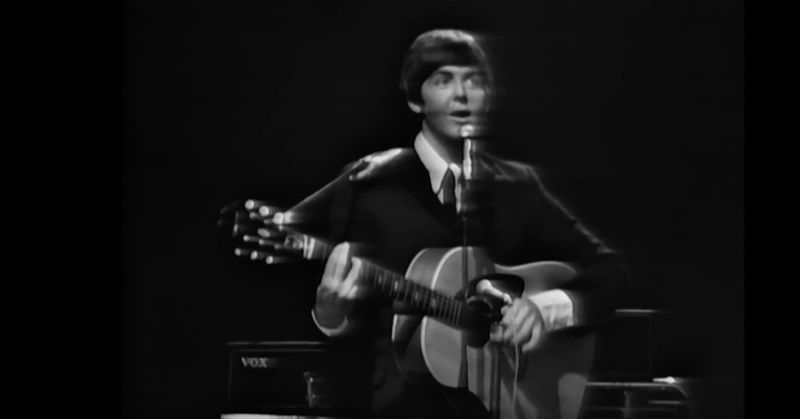
Paul McCartney woke up one morning with a melody in his head so complete that he thought he must have heard it somewhere before. He hadn’t — it was entirely original, and it became one of the most covered songs in recorded history. “Yesterday” stands alone even among Beatles classics.
Recorded with just McCartney on acoustic guitar and a string quartet, it was a bold departure from the band’s usual sound. Its quiet heartbreak resonated with absolutely everyone who heard it.
11. I Got You Babe – Sonny & Cher
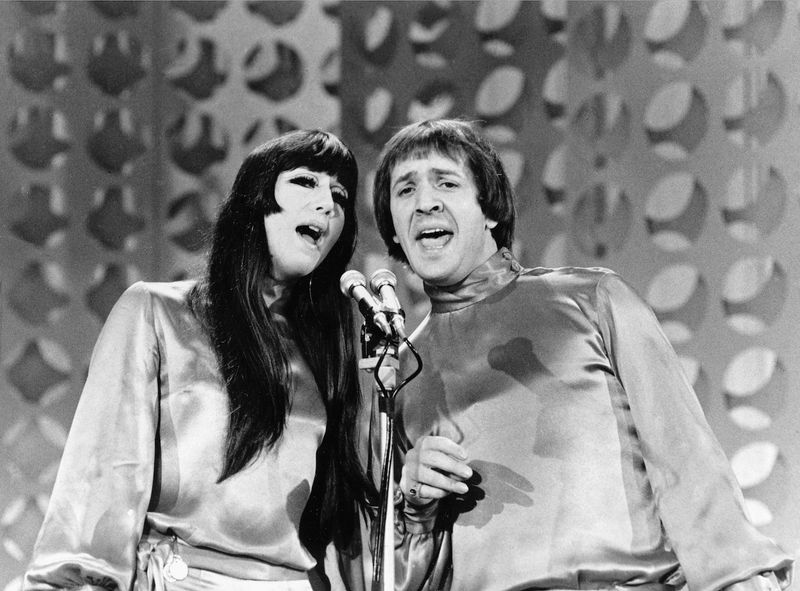
Young, stylish, and completely in love — Sonny & Cher captured the spirit of 1960s counterculture with this sweet, catchy duet. At just 19 years old, Cher’s rich, distinctive voice was already impossible to ignore.
Together they sounded like two people genuinely happy to face the world together.
The song hit number one in both the US and UK. Beyond the charts, it became a symbol of youthful romance and the free-spirited attitude that defined mid-60s pop culture perfectly.
12. The Tracks of My Tears – Smokey Robinson & the Miracles
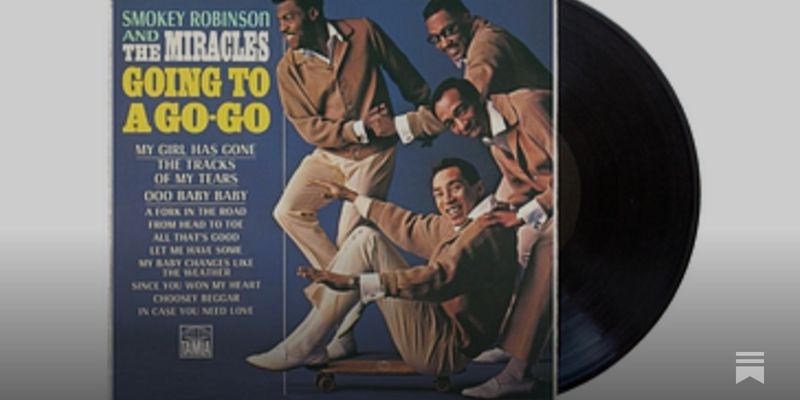
Smokey Robinson had a gift for wrapping deep emotional pain inside melodies so beautiful they almost hurt. This song described hiding heartbreak behind a smile — a feeling almost everyone has experienced at some point.
The metaphor was simple, relatable, and absolutely devastating in the best way.
Many music critics and fellow artists have called it one of the greatest songs ever written. Even Paul McCartney listed it among his all-time favorites, which is quite the endorsement from a fellow legend.
13. Subterranean Homesick Blues – Bob Dylan
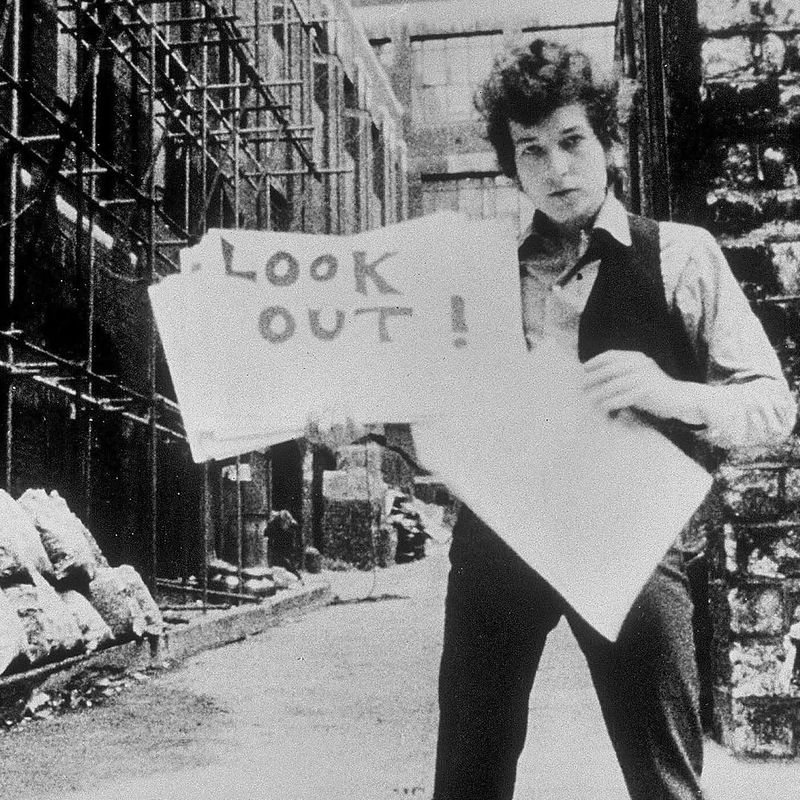
Before music videos were even a thing, Bob Dylan stood in a London alleyway dropping handwritten cue cards to match his rapid-fire lyrics — and it looked effortlessly cool. The song itself was unlike anything on the radio, blending folk, rock, and beat poetry into one chaotic burst of energy.
Many consider it a direct ancestor of rap and hip-hop because of its fast, rhythmic word delivery. Dylan was basically inventing new genres without even trying, which is kind of remarkable.
14. I Can’t Explain – The Who
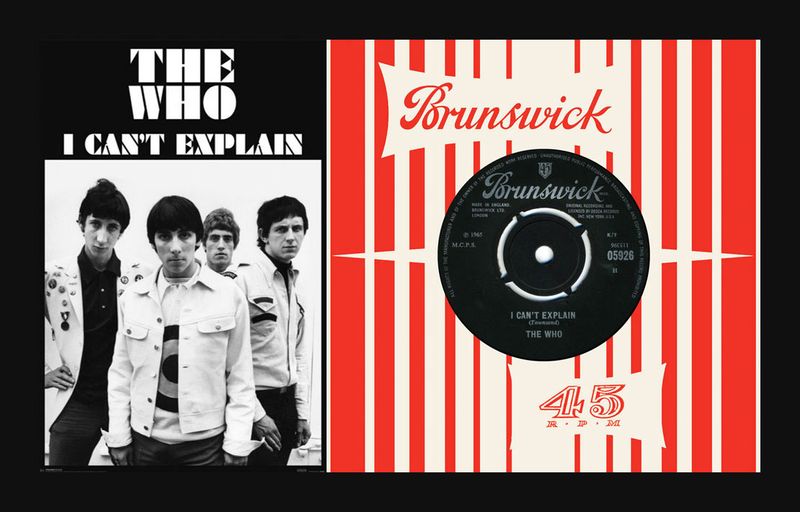
The Who burst onto the scene with this punchy, urgent debut single that sounded like pure teenage frustration bottled up and set to music. Pete Townshend’s sharp guitar chords and Roger Daltrey’s raw vocals announced that a powerful new force had arrived in British rock.
Nobody was quite ready for them.
Produced by Shel Talmy and influenced by The Kinks, the track laid the foundation for everything The Who would become. Their explosive live performances made audiences realize this band was built to last.
15. The Sound of Silence – Simon & Garfunkel
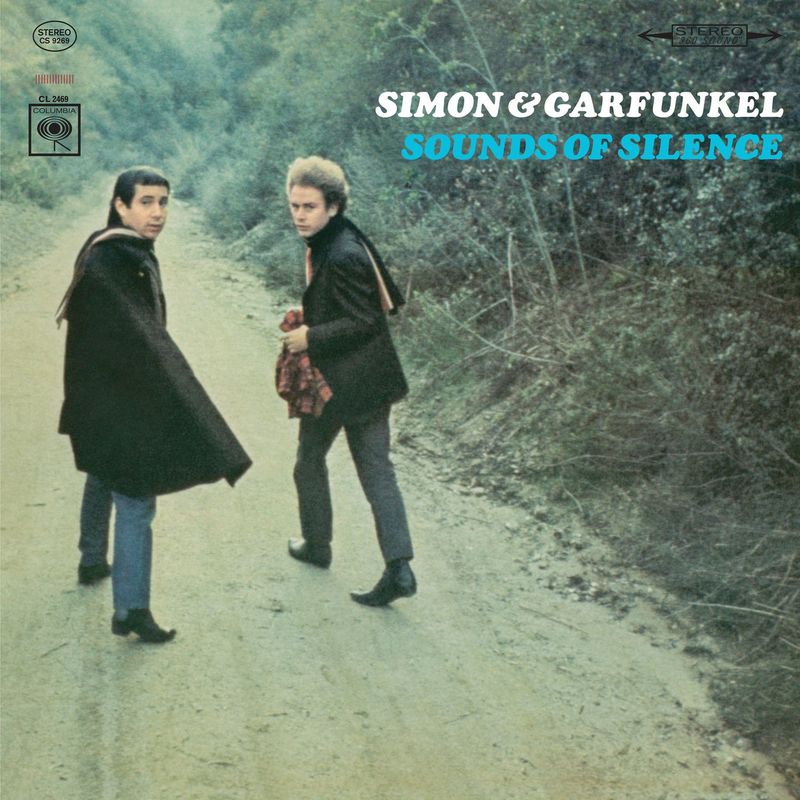
Originally released in 1964 to little fanfare, this song was quietly remixed with electric instruments in 1965 — and suddenly everything changed. The haunting melody and poetic lyrics about loneliness and disconnection struck a deep chord with young listeners navigating a rapidly changing world.
Producer Tom Wilson added the electric backing without even telling Simon & Garfunkel, which annoyed them at first. But when it climbed to number one, it launched one of the most celebrated folk-rock careers in music history.
16. Eve of Destruction – Barry McGuire
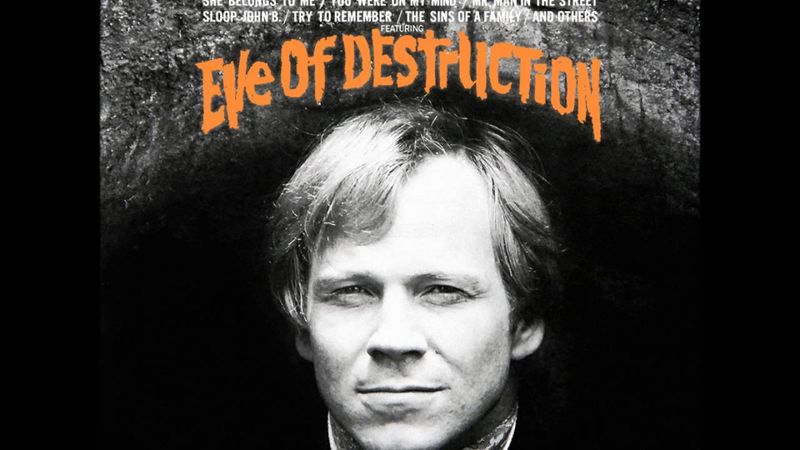
Angry, urgent, and absolutely unafraid — Barry McGuire’s raspy voice turned this protest song into a massive hit despite being banned by several radio stations. Written by 19-year-old P.F.
Sloan, the lyrics tackled the Vietnam War, racial inequality, and nuclear fear all in one sweeping, breathless verse.
It shot to number one on the Billboard Hot 100, proving that listeners in 1965 craved music that told the truth. Few songs from that era captured the tension of the times quite so bluntly.