
Classic TV families shaped the way millions of Americans viewed home life, relationships, and parenting. From the 1950s all the way through the 1990s, these fictional households felt relatable and even aspirational.
But looking back now, many of their behaviors, jokes, and family dynamics would raise serious eyebrows. Times have changed, and so have our expectations for what healthy family life actually looks like.
1. The Bundys – Married… with Children
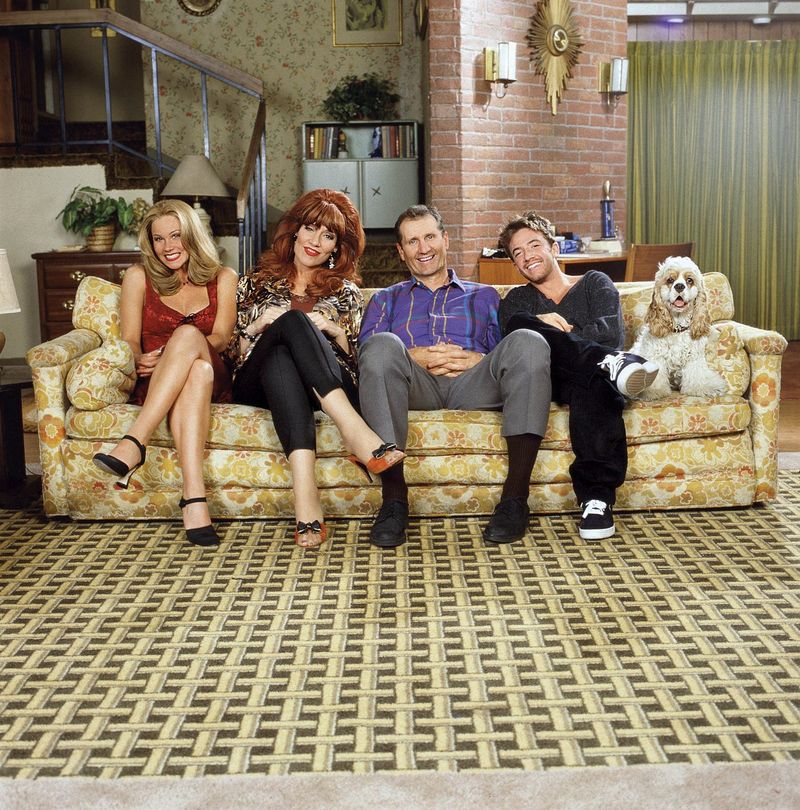
Al Bundy made a career out of putting his wife down, and audiences laughed right along with him. His constant fat-shaming and dismissive attitude toward Peggy would spark major backlash today.
Modern viewers expect better from family entertainment.
The show leaned heavily on misogynistic humor that simply wouldn’t fly in today’s culture. Streaming platforms would likely slap content warnings on every episode.
What once passed as edgy comedy now reads as a how-not-to guide for marriage.
2. The Bunkers – All in the Family
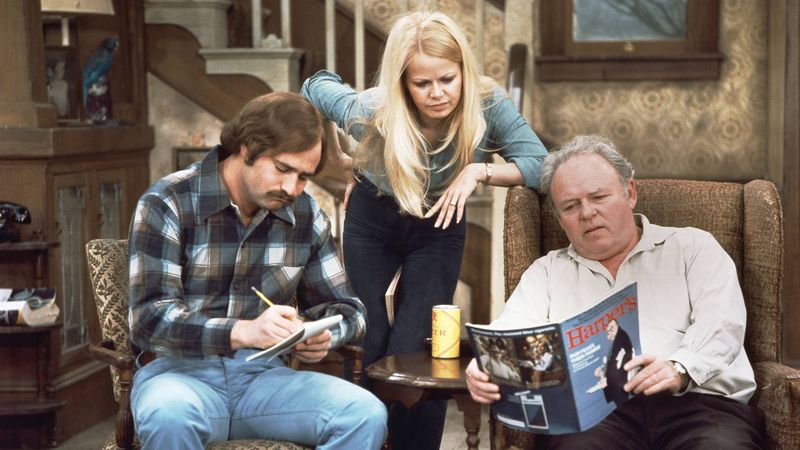
Archie Bunker didn’t just have strong opinions — he delivered racist, sexist, and homophobic remarks in nearly every episode. The show was groundbreaking for its time because it dared to put those views on screen.
But today, that same content would dominate headlines for all the wrong reasons.
Modern audiences hold TV networks accountable for the messages their characters promote. A character like Archie might be used to spark conversation, but his unreformed attitude would make sponsors very nervous very fast.
3. The Bradys – The Brady Bunch
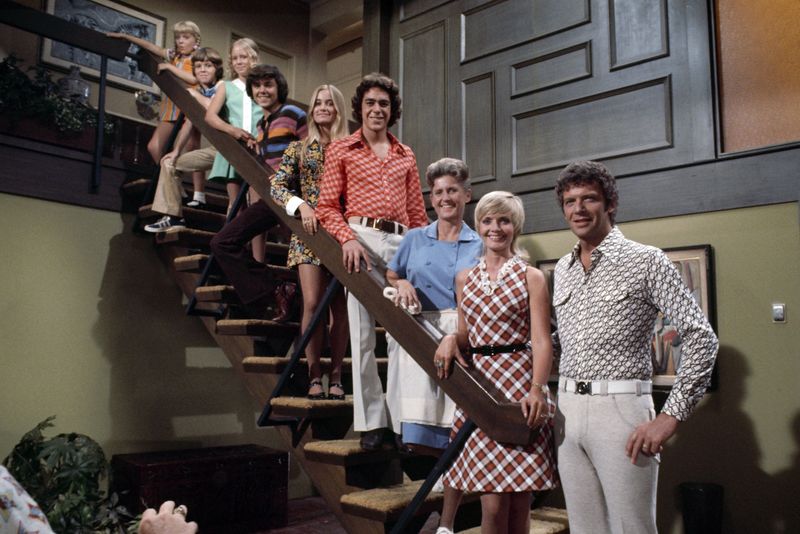
Six kids, two bedrooms, and zero complaints — sounds like a recipe for chaos by today’s standards. The Brady Bunch presented blended family life as almost magically smooth, which felt comforting then but unrealistic now.
Real families dealing with divorce and remarriage face far more complicated emotional territory.
Child psychologists today would also flag how little personal space each kid had. Privacy matters, and modern parenting culture places a lot of value on giving children room to grow independently.
4. The Huxtables – The Cosby Show
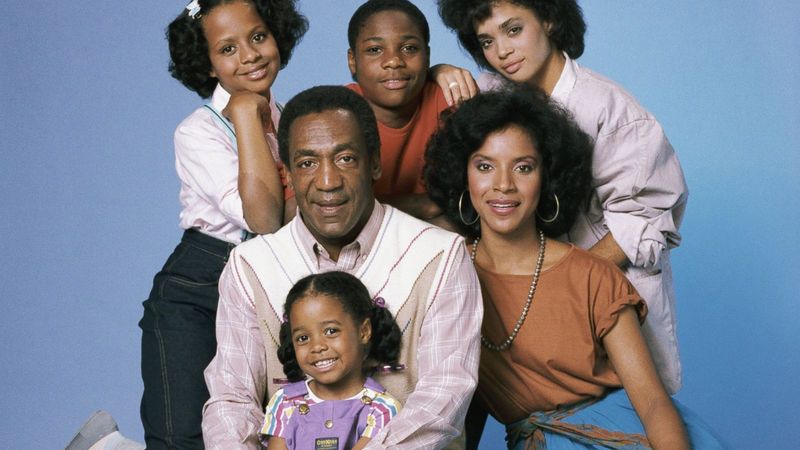
The Cosby Show was once celebrated as a landmark in Black family representation on television. Cliff Huxtable seemed like the gold standard of TV dads — funny, warm, and successful.
The real-world revelations about Bill Cosby have made it nearly impossible to separate the character from the person.
Beyond the off-screen controversy, Cliff’s parenting style involved manipulation tactics that child development experts would critique today. His approach often prioritized his own authority over his children’s emotional needs and autonomy.
5. The Tanners – Full House

Full House was beloved for its warm, feel-good energy, but the living situation had some quirks worth examining. Three adult men sharing a home with three young girls, without a female parental figure present, raises questions about boundaries and child welfare that modern audiences would not ignore.
Today’s viewers and child safety advocates would likely push back on that setup. The show glossed over serious questions about appropriate supervision and privacy that a modern network would have to address head-on.
6. The Cleavers – Leave It to Beaver
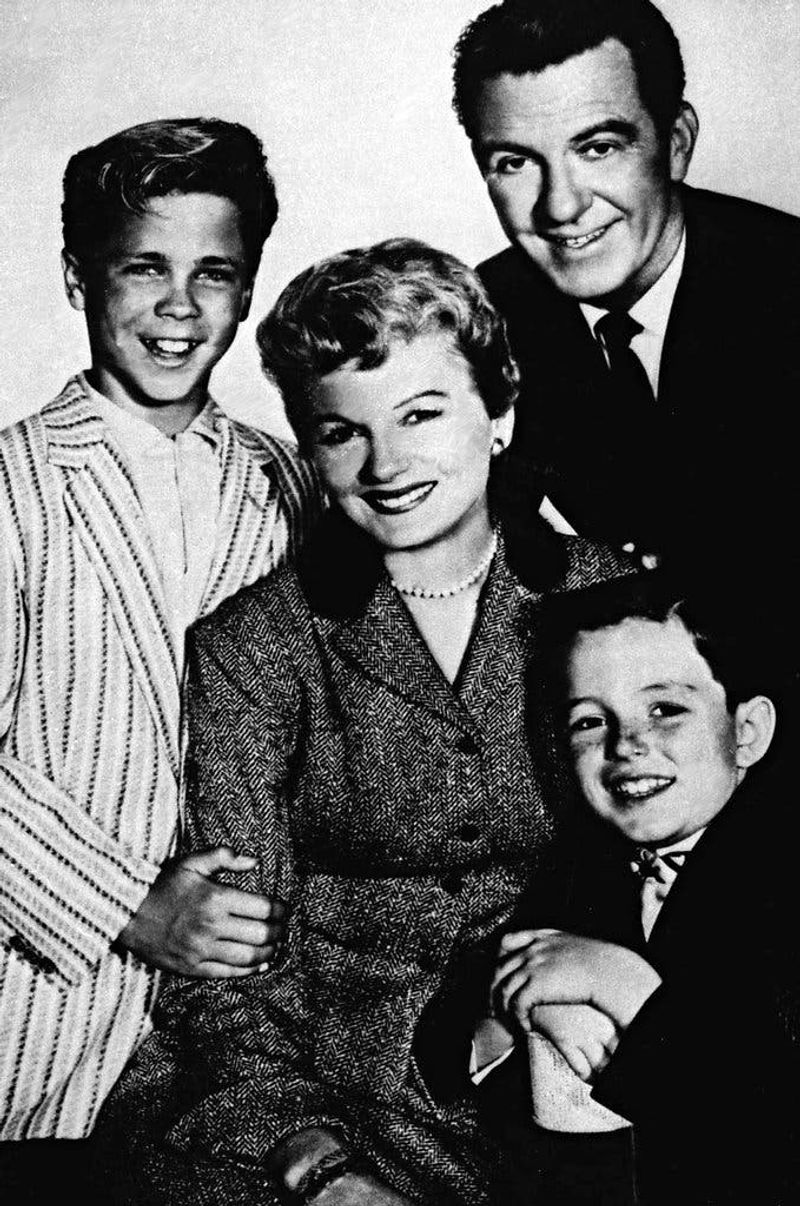
June Cleaver vacuumed in pearls and had dinner on the table every single night — a vision of domestic perfection that now feels more like a cautionary tale than a goal. Her entire identity revolved around her husband and sons, with her own needs and ambitions completely invisible.
That model of femininity would be challenged loudly today. Conversations about gender roles, equal partnerships, and personal fulfillment have shifted dramatically, making the Cleaver household feel like a time capsule of what women have worked hard to move beyond.
7. The Conners – Roseanne
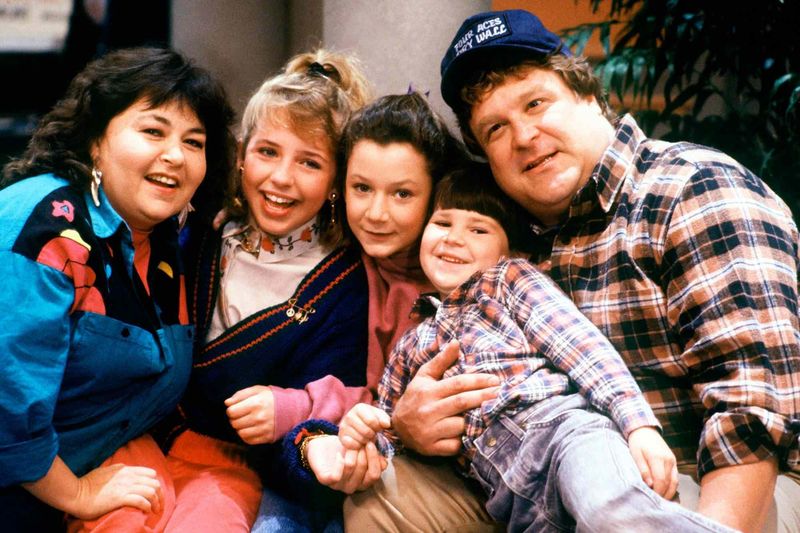
Roseanne broke barriers by showing a working-class family that struggled with real financial stress, not TV-glossed poverty. That was genuinely revolutionary.
But the show’s revival in 2018 ended abruptly after the lead actress posted a racist tweet, pulling the entire cast and crew down with her.
The original series also featured some parenting moments that leaned on fear and humiliation as discipline tools. By today’s standards, those scenes would invite criticism rather than the knowing laughs they once received from tired parents everywhere.
8. The Arnolds – The Wonder Years
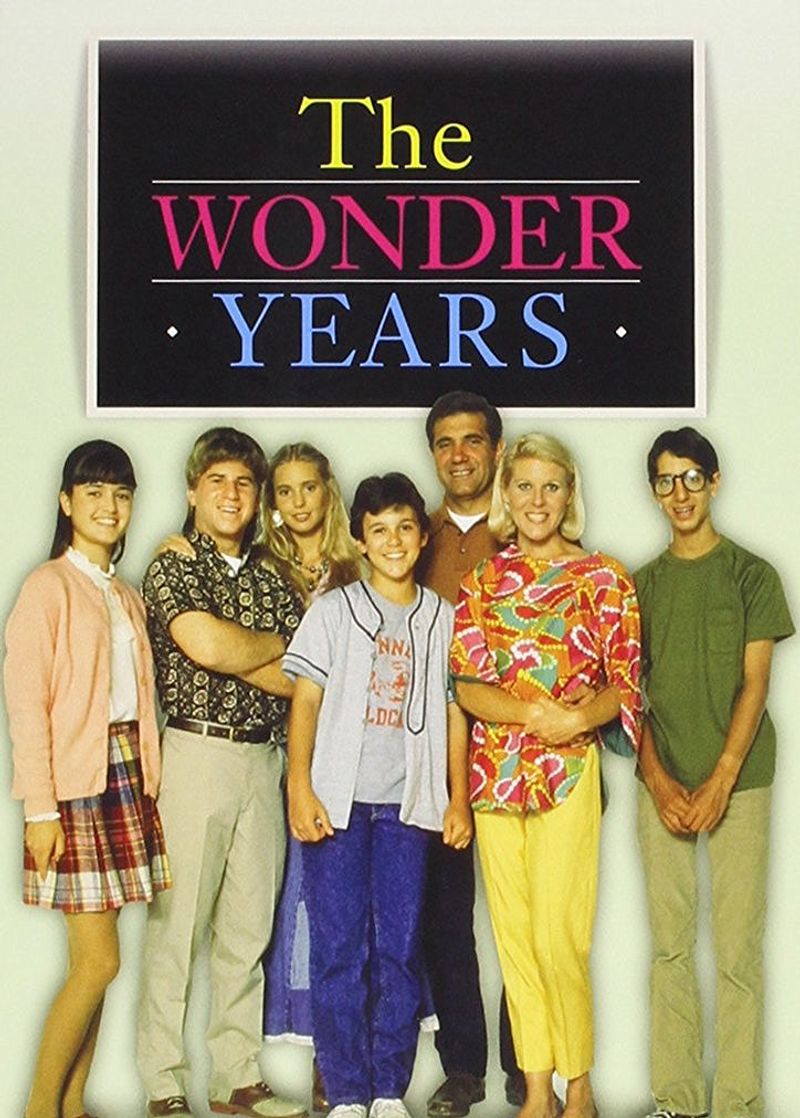
The Wonder Years captured the bittersweet feeling of growing up in the late 1960s with incredible emotional accuracy. But Jack Arnold, Kevin’s dad, was emotionally distant and often dismissive in ways that modern parenting experts would flag immediately.
His stoic silence was treated as strength, not as a barrier to connection.
The show also romanticized a time when kids roamed freely without supervision for hours. That nostalgia is understandable, but today’s parents operate in a very different world with very different safety expectations.
9. The Flintstones – The Flintstones
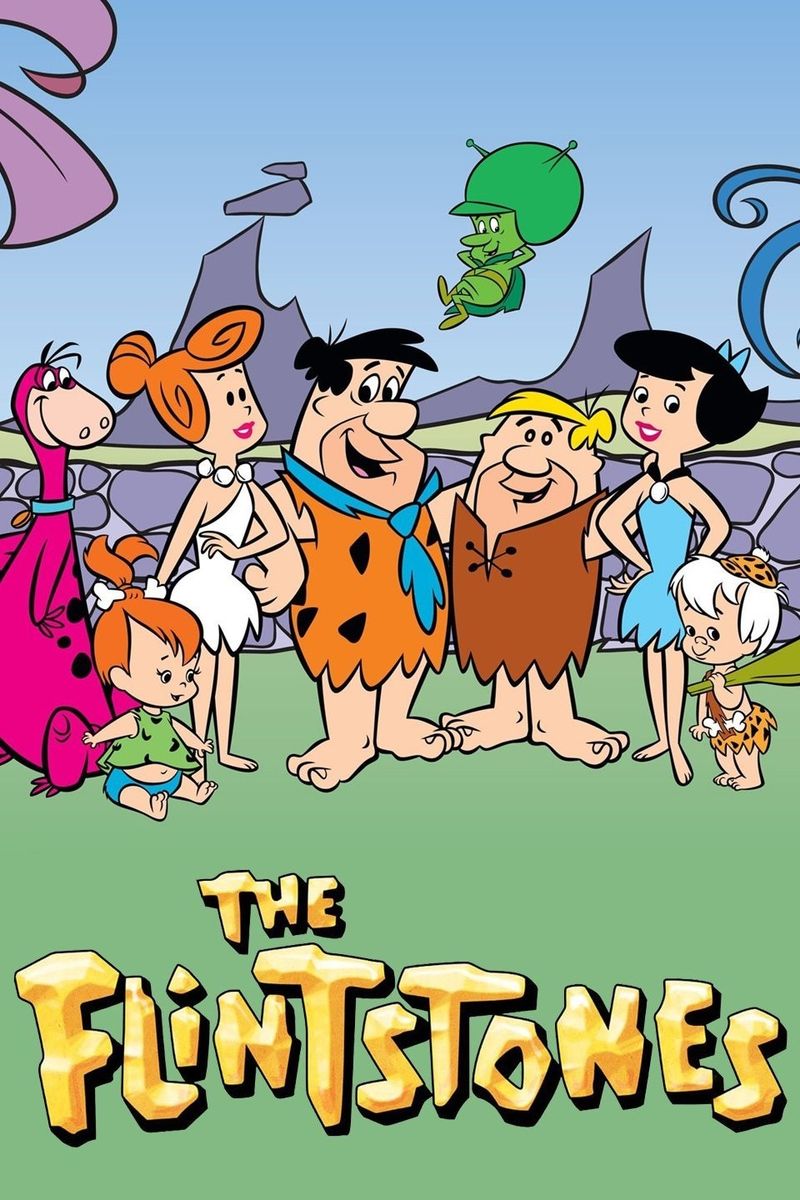
Fred Flintstone was loud, impulsive, and constantly dragging his family into harebrained schemes. Wilma endured his behavior with eye-rolls and patience that would exhaust any modern viewer.
His explosive temper and dismissal of his wife’s intelligence would not play well today.
Beyond Fred’s attitude, the show portrayed marriage as a battleground where the husband always needed to be outsmarted rather than respected. That dynamic, played for laughs in the 1960s, now looks more like a portrait of emotional immaturity dressed up in prehistoric clothing.
10. The Jeffersons – The Jeffersons
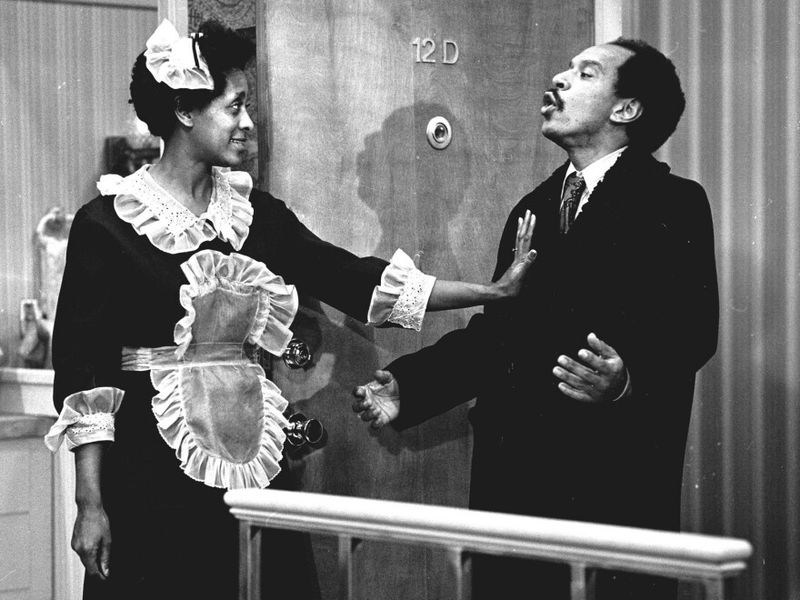
George Jefferson was sharp, ambitious, and one of TV’s first Black millionaires — a genuinely important milestone for representation. But George also had a mean streak that he directed at nearly everyone around him, including his wife Louise and their housekeeper Florence.
His insults flew fast and were often played purely for laughs.
Today, that level of casual cruelty toward employees and family members would be dissected on social media within hours. George’s success story deserves celebration, but his behavior toward others would face a much harder audience now.
11. The Seavers – Growing Pains
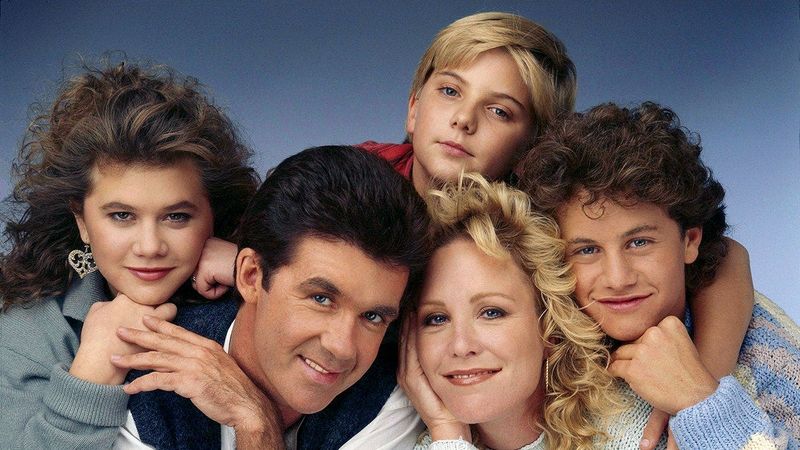
Growing Pains centered on a psychiatrist dad who worked from home while his wife headed back to her journalism career — a genuinely progressive setup for 1985. But Jason Seaver’s habit of turning every family moment into an impromptu therapy session would raise boundaries red flags today.
His son Mike’s reckless antics were consistently excused with minimal real consequences, which modern parenting experts would call out as enabling behavior. The show meant well, but its feel-good resolutions often came a little too easily to feel truly honest.
12. The Keatons – Family Ties
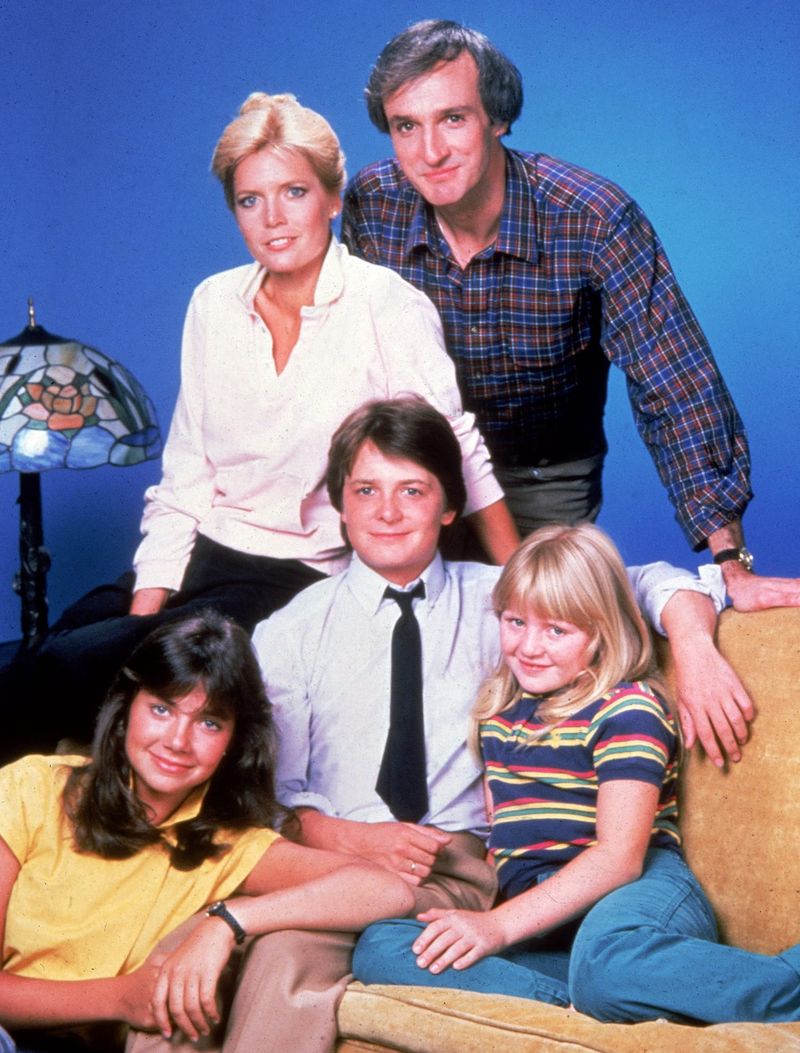
Family Ties was meant to explore the clash between baby boomer liberal parents and their conservative Reagan-era kids. Alex P.
Keaton’s obsession with money and status was played as a charming quirk. But looked at today, his materialistic worldview and frequent dismissal of his parents’ values paints a concerning picture.
The show also had a habit of wrapping up complex political and social arguments in 22 minutes with a tidy moral lesson. Real ideological tensions in families don’t resolve that cleanly, and modern audiences know it.
13. The Cunninghams – Happy Days
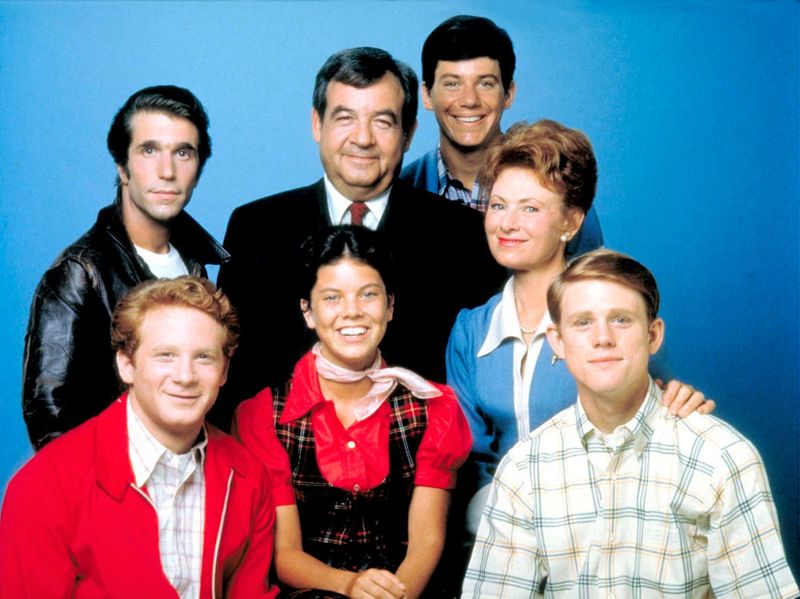
Happy Days painted the 1950s as one long, carefree sock hop where everyone was wholesome and problems disappeared by the final scene. Howard Cunningham was the steady, likable dad who rarely raised his voice.
But the show’s rosy view of that era completely scrubbed away the very real social injustices happening at the same time.
Richie’s world was almost entirely white, suburban, and conflict-free in ways that feel glaringly selective today. A modern audience would expect at least some acknowledgment of the world beyond Arnold’s Drive-In.
14. The Ingalls – Little House on the Prairie
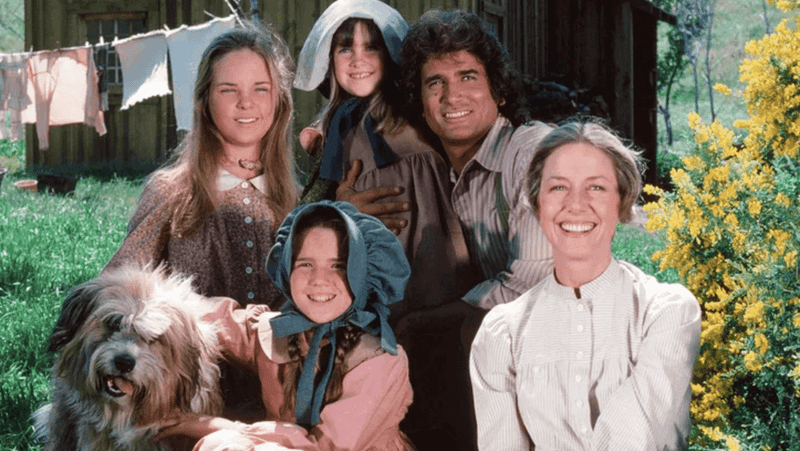
Charles Ingalls was the kind of TV father who could build a barn, comfort a crying child, and deliver a moral lesson all before sundown. The show was deeply beloved and remains so for many viewers.
But its portrayal of Native American peoples was often stereotyped and dismissive in ways that would draw sharp criticism today.
Modern media literacy has grown significantly, and audiences now expect period dramas to handle cultural representation with greater care and accuracy than Little House on the Prairie consistently delivered.
15. The Stephens – Bewitched
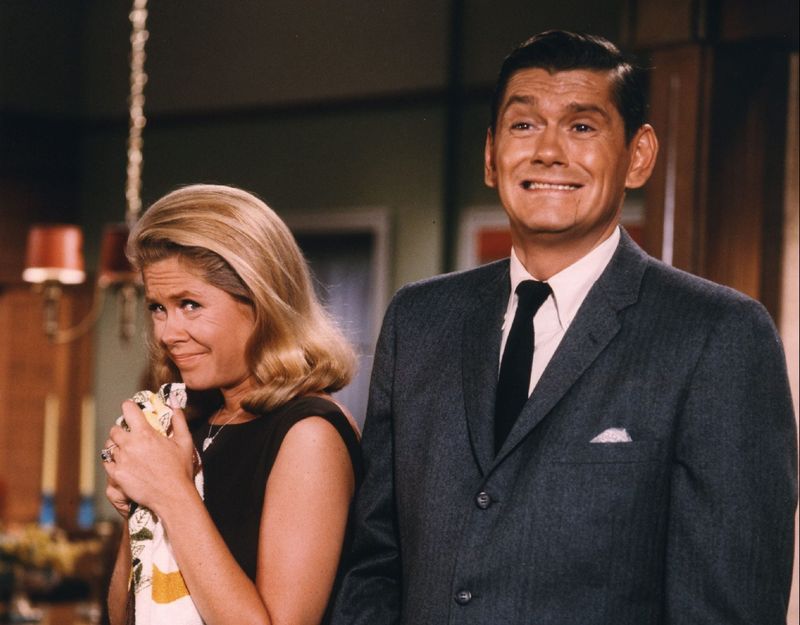
Samantha Stephens had literal magical powers and chose to suppress them entirely to keep her husband Darrin happy. That premise, presented as sweet and romantic in 1964, now reads as a troubling message about women erasing their abilities to fit into a marriage.
Samantha deserved so much better than Darrin’s constant anxiety about her gifts.
The show accidentally created a powerful metaphor for the pressure women feel to downplay their strengths. Audiences watching today often find themselves rooting for Samantha to finally just use her magic and leave.
16. The Banks Family – The Fresh Prince of Bel-Air
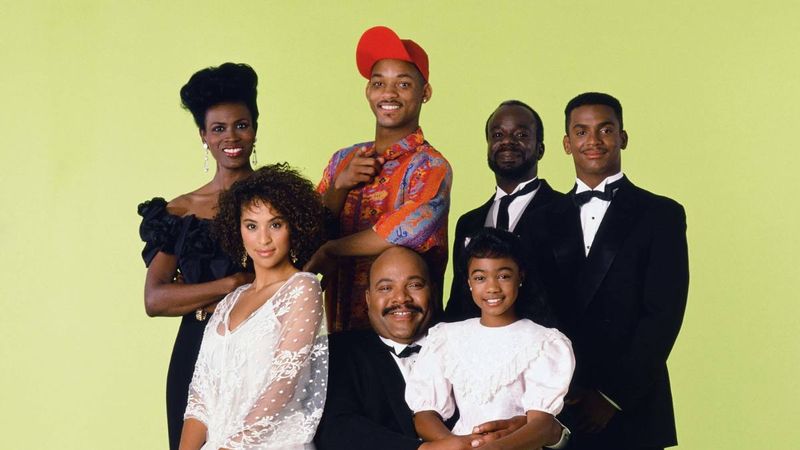
The Fresh Prince of Bel-Air gave audiences one of TV’s most memorable families, but Philip Banks had a temper and a controlling parenting style that occasionally crossed into dismissive territory. His treatment of Will’s unconventional personality was often more about appearances than genuine understanding.
Carlton’s anxiety-driven need for approval and Hilary’s complete lack of accountability were played for laughs, but both characters show signs of deeper issues that a modern audience might find less funny and more concerning. The show’s charm masked some complicated family dynamics worth a second look.