
Some of the greatest bands in music history didn’t rely on just one voice to carry their sound. Instead, they shared the spotlight, letting two, three, or even four members step up to the microphone.
This approach created richer, more layered music that kept fans hooked for decades. From rock legends to country-pop icons, these bands prove that sharing the lead can make a group truly unforgettable.
1. The Beatles
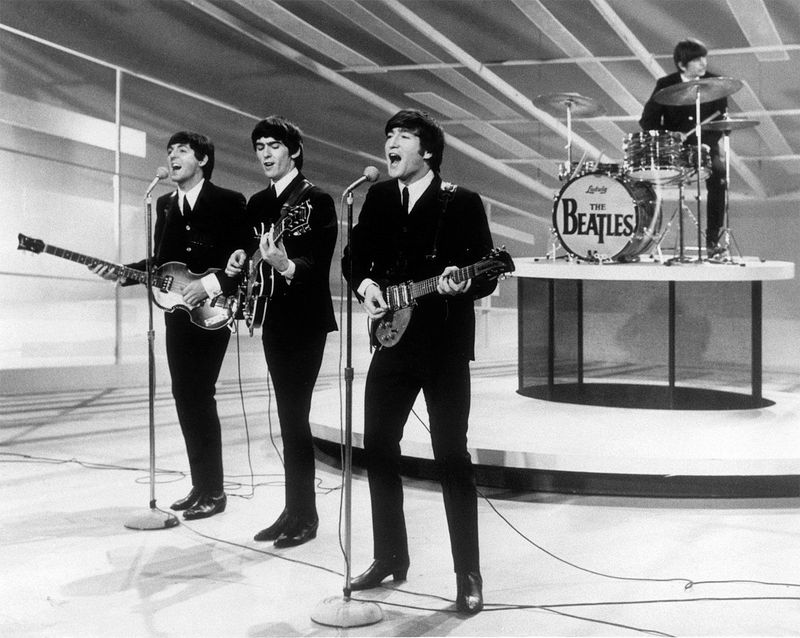
Few bands in history have matched the vocal chemistry of The Beatles. John Lennon, Paul McCartney, George Harrison, and Ringo Starr each took turns at the microphone, giving every album a fresh, surprising feel.
McCartney’s sweet melodies balanced Lennon’s edgier delivery, while Harrison brought a soulful depth and Starr added charm on tracks like “With a Little Help from My Friends.” Their vocal variety helped them stay endlessly creative throughout the 1960s.
2. Fleetwood Mac
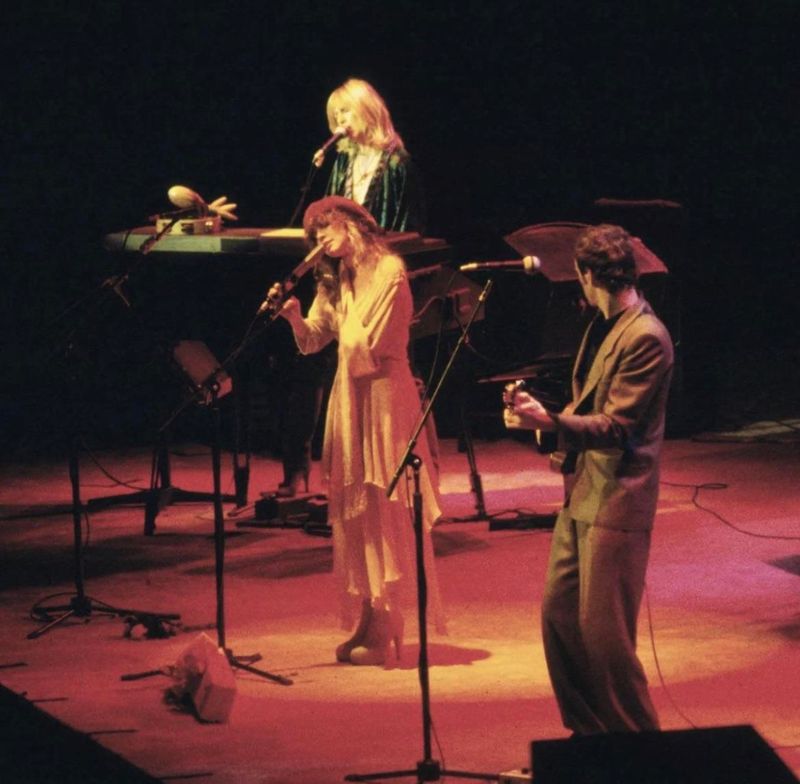
Fleetwood Mac built one of rock’s most emotionally powerful sounds by weaving three very different voices together. Stevie Nicks brought a mystical, husky quality, Christine McVie offered warmth and polish, and Lindsey Buckingham delivered sharp, intense energy.
Each singer also wrote their own songs, meaning the band’s albums felt like a collection of personal diaries. That emotional honesty, combined with stunning harmonies, turned albums like “Rumours” into timeless masterpieces that still resonate today.
3. The Eagles
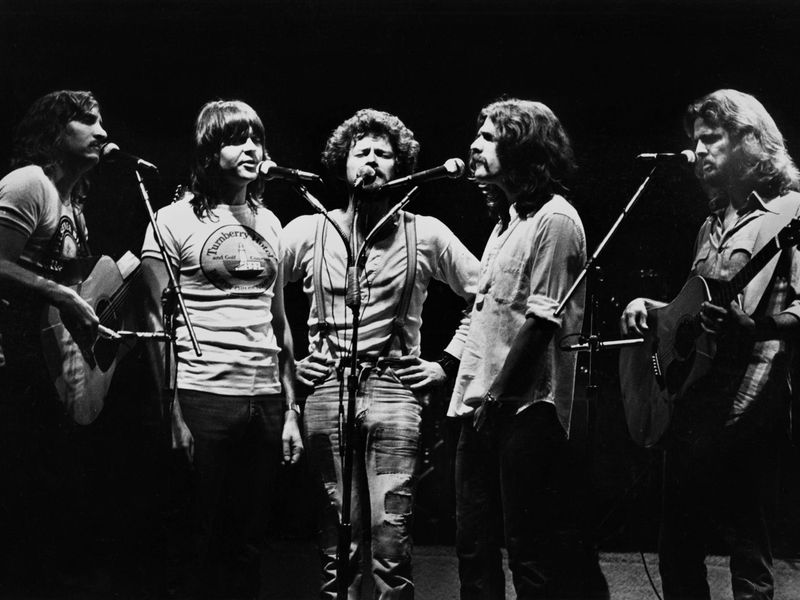
Country rock royalty The Eagles built their legendary sound on a foundation of shared vocal duties. Don Henley’s powerful, raspy voice anchored many of their biggest hits, but Glenn Frey’s smooth delivery and Joe Walsh’s gritty style added serious variety.
Timothy B. Schmit also stepped up with silky high notes that rounded out the group’s famous harmonies.
Together, they created songs like “Hotel California” and “Desperado” that remain staples of classic rock radio worldwide.
4. The Band
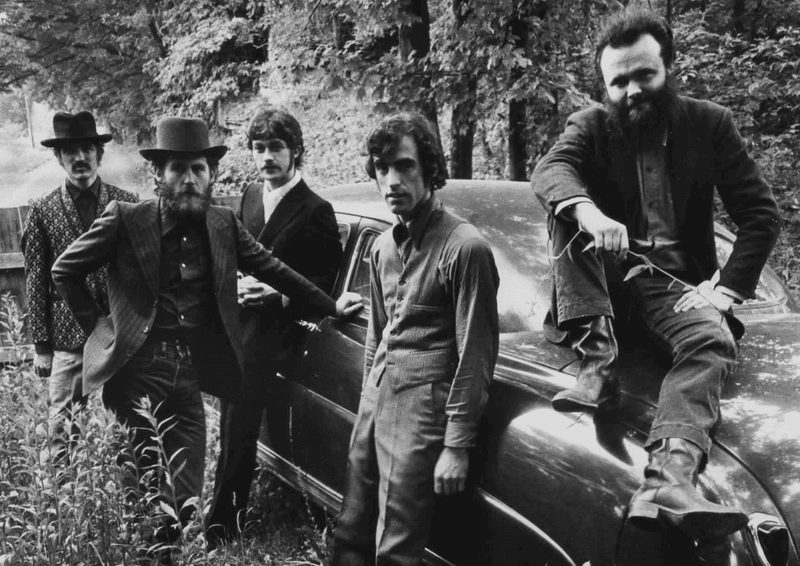
Rooted in Americana and the raw soul of the American South, The Band treated lead vocals like a rotating conversation. Levon Helm’s drumming and gravelly singing gave the group its earthy backbone, while Rick Danko brought an emotional, sometimes aching quality.
Richard Manuel’s fragile, gospel-tinged voice added heartbreak to tracks like “Whispering Pines.” No other band of their era sounded quite like them. Their shared vocal approach felt less like a band and more like a community telling stories.
5. The Kinks
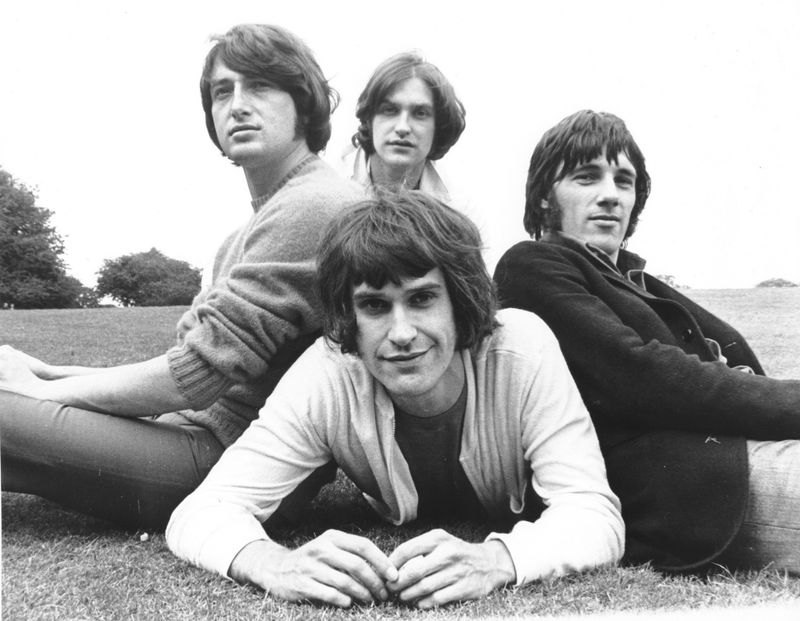
Brothers Ray and Dave Davies gave The Kinks a fascinating vocal dynamic that few sibling duos have ever matched. Ray handled most lead duties and wrote nearly all the songs, but Dave’s rougher, more rebellious voice added an unpredictable edge to the mix.
Their brotherly tension actually fueled the music rather than hurting it. Tracks like “You Really Got Me” crackle with raw energy partly because you can feel two strong personalities pushing against each other throughout the performance.
6. ABBA
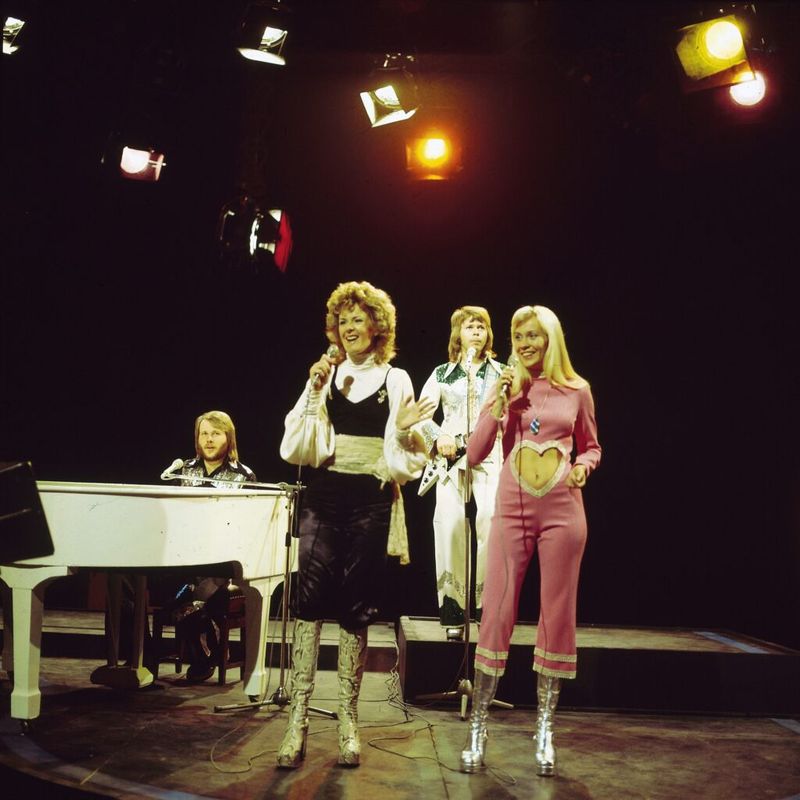
Sweden’s greatest pop export built its magic on two lead singers who sounded completely different yet blended perfectly. Agnetha Faltskog’s bright, crystalline soprano contrasted beautifully with Frida’s warmer, smokier mezzo-soprano tone.
Producers cleverly matched each voice to the emotional mood of each track, sometimes having them trade lines mid-song for dramatic effect. The result was a pop sound so polished and irresistible that ABBA’s hits have never truly left the charts since the 1970s.
7. Crosby, Stills, Nash and Young
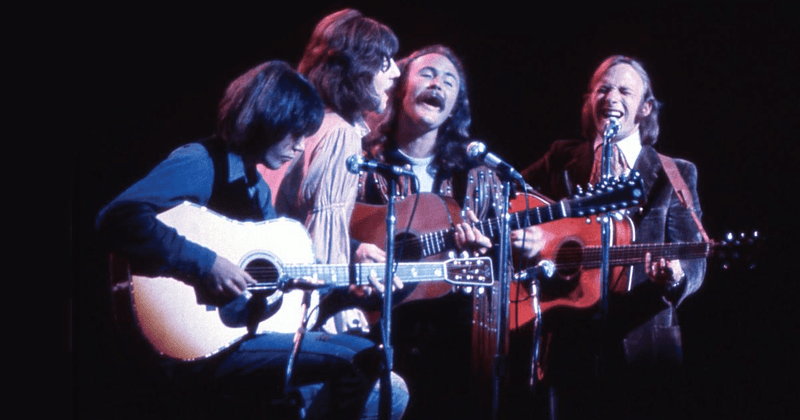
Arguably the greatest vocal supergroup ever assembled, CSNY brought together four singers who each could have anchored their own successful bands. David Crosby, Stephen Stills, Graham Nash, and Neil Young all wrote songs and shared lead duties freely throughout their catalog.
Young’s raw, nasal delivery clashed brilliantly with Nash’s polished harmonies, while Stills and Crosby filled every gap with lush vocal textures. Their 1970 album “Deja Vu” remains a benchmark for what collaborative singing can achieve.
8. Lynyrd Skynyrd
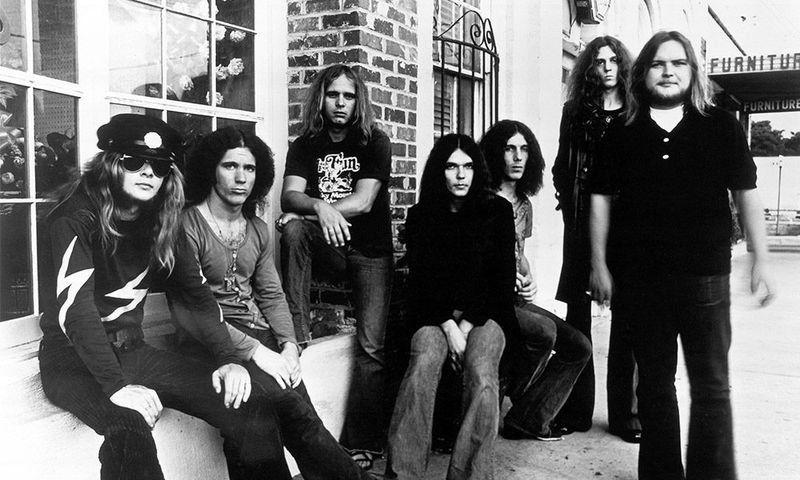
Southern rock legends Lynyrd Skynyrd were more than just Ronnie Van Zant’s powerhouse voice. While Van Zant dominated most lead vocal duties, Gary Rossington and other band members occasionally stepped forward, and the group’s backing vocals created a choir-like wall of sound.
After Van Zant’s tragic death in 1977, the band eventually reformed with his brother Johnny taking the lead role. That transition showed just how deeply the band’s identity was tied to vocal strength and Southern storytelling tradition.
9. Jefferson Airplane
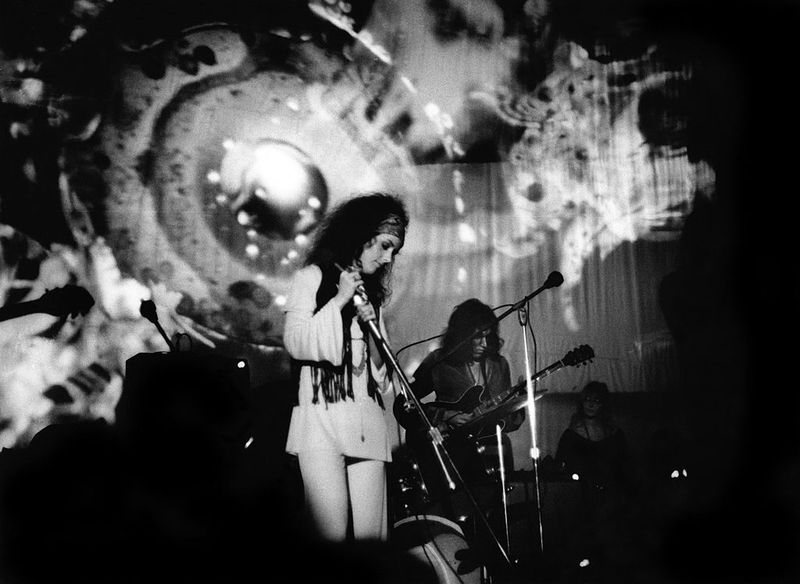
San Francisco’s Jefferson Airplane was one of the first rock bands to fully embrace dual lead singers as a deliberate artistic strategy. Grace Slick’s commanding, operatic voice made tracks like “White Rabbit” iconic, while Marty Balin brought a softer, folk-influenced warmth to love songs.
Their contrasting styles mirrored the contradictions of the late 1960s counterculture itself. The tension between Slick’s boldness and Balin’s tenderness gave the band a range that few of their psychedelic rock contemporaries could match.
10. Arcade Fire

Montreal’s Arcade Fire turned the idea of a band into something closer to a theatrical collective. Win Butler and his wife Regine Chassagne shared lead vocal duties on most albums, with their voices representing almost opposite emotional poles – his brooding and urgent, hers playful and ethereal.
Other band members also occasionally sang lead on tracks, reinforcing the group’s communal spirit. Their 2010 album “The Suburbs” won the Grammy for Album of the Year, proving that shared vocal leadership can produce critically acclaimed, generation-defining music.
11. Blondie
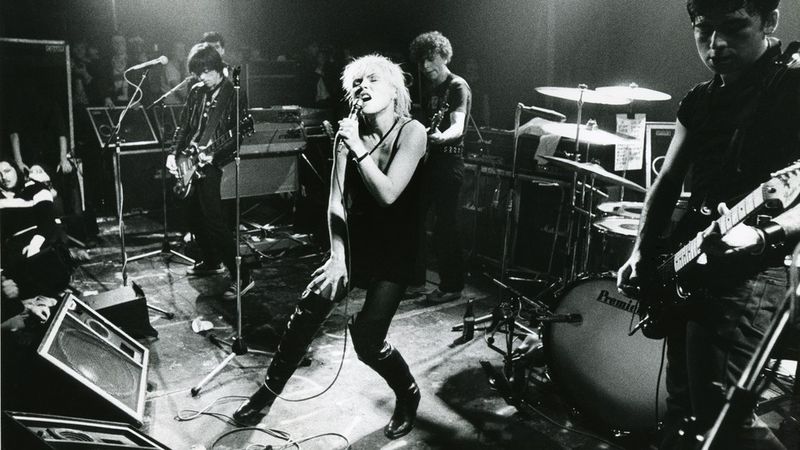
While Debbie Harry was undeniably Blondie’s face and primary voice, the band’s new wave sound was built on layered vocal contributions from multiple members. Chris Stein and others added backing vocals that shaped the group’s distinctive wall-of-sound approach on tracks like “Heart of Glass.”
Harry herself was a vocal chameleon, shifting from punk snarl to disco sweetness within the same album. That flexibility, supported by the band’s collective vocal energy, helped Blondie conquer multiple genres simultaneously during their late 1970s peak.
12. Talking Heads
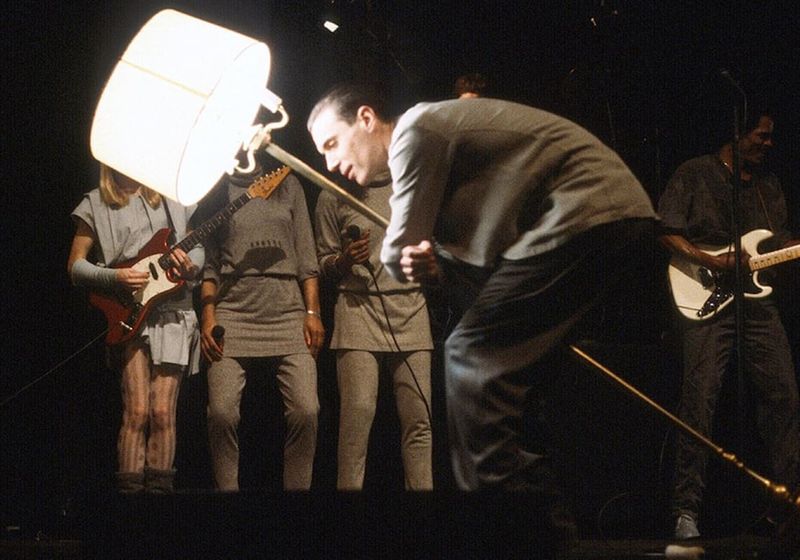
David Byrne’s anxious, wide-eyed vocal delivery defined Talking Heads for most casual fans, but the band’s full sound relied heavily on Tina Weymouth’s and other members’ vocal contributions. Weymouth’s cool, detached singing on tracks added an interesting counterweight to Byrne’s nervous intensity.
Their 1984 concert film “Stop Making Sense” captured just how much vocal interplay happened within the group’s expanded live lineup. Talking Heads proved that art-rock didn’t have to rely on a single charismatic frontman to be electrifying.
13. R.E.M.
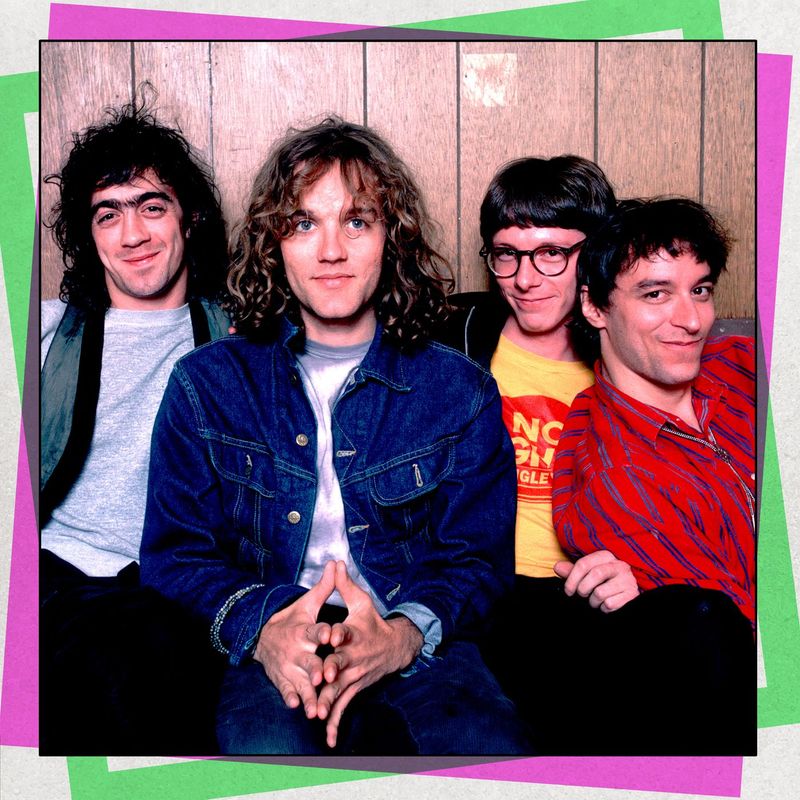
Michael Stipe is the name most people associate with R.E.M., but bassist Mike Mills quietly shared vocal duties throughout the band’s career in ways that shaped their sound profoundly. Mills handled many backing harmonies and occasionally took full lead on album tracks, offering a warmer, more accessible counterpoint to Stipe’s abstract style.
Their vocal interplay gave songs like “Nightswimming” an intimate, conversational quality. R.E.M. showed that a lead singer doesn’t have to dominate every moment to make a band feel cohesive.
14. The Grateful Dead
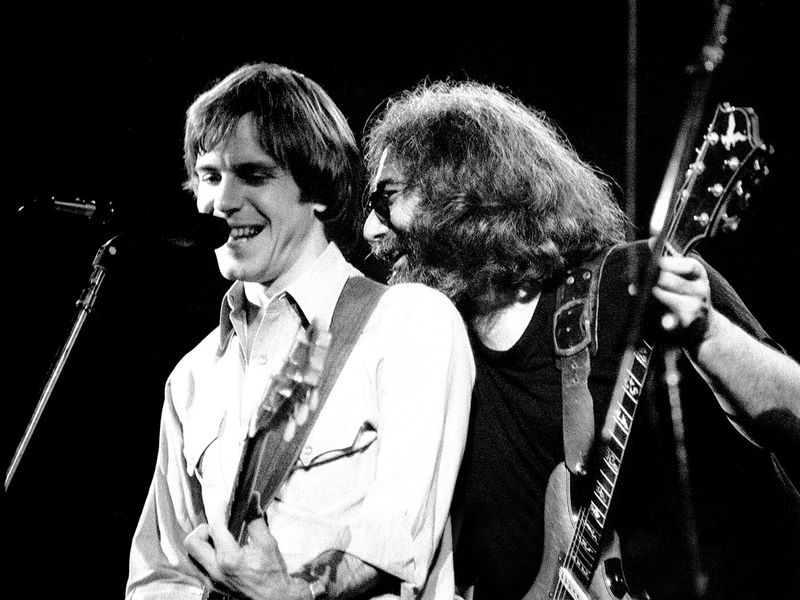
The Grateful Dead’s famously loose, improvisational concerts were anchored by two very different lead voices. Jerry Garcia’s warm, weathered singing carried most of the band’s folk and blues-influenced material, while Bob Weir’s higher, more nasal delivery suited the group’s cowboy-influenced country-rock songs.
Phil Lesh also occasionally sang lead, making the Dead one of rock’s most democratic vocal bands. Their Deadhead fan community often had fierce preferences for Garcia versus Weir songs, which only deepened the band’s cult following over decades.
15. Radiohead

Thom Yorke is Radiohead’s primary vocalist, but the band’s albums are full of moments where other members’ voices shape the overall texture in meaningful ways. Jonny Greenwood and Colin Greenwood contribute backing vocals that sometimes feel just as emotionally loaded as Yorke’s lead lines.
On experimental tracks, vocal layers blur the line between lead and background entirely. Radiohead’s approach reminds us that a band’s vocal identity isn’t always about who sings loudest – sometimes it’s about how voices combine to create atmosphere.
16. Genesis
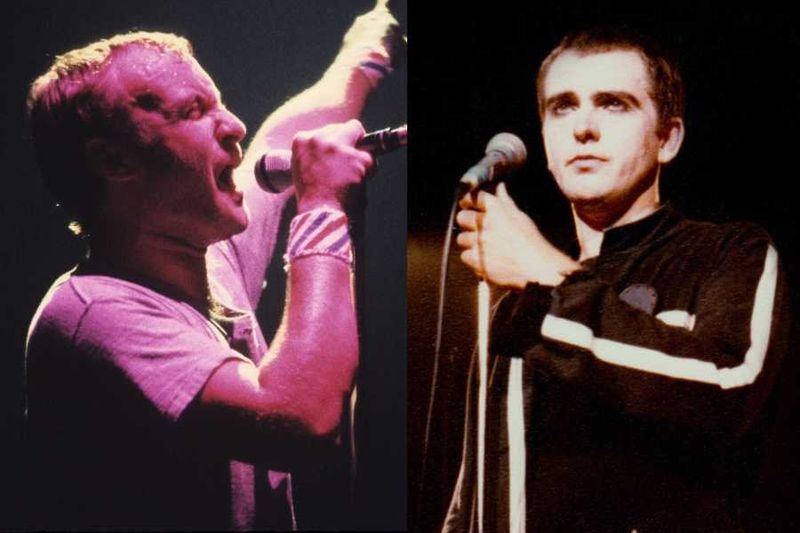
Genesis holds a unique place on this list because they successfully transitioned between two completely different lead singers across two very different eras. Peter Gabriel’s theatrical, art-rock persona defined the band’s early 1970s work, while Phil Collins brought a warmer, more accessible pop-rock sensibility after Gabriel’s departure.
Both singers were so talented that Genesis essentially had two legendary careers in one band. Few groups in rock history have managed such a dramatic vocal shift while maintaining and even growing their fanbase simultaneously.
17. Bon Jovi
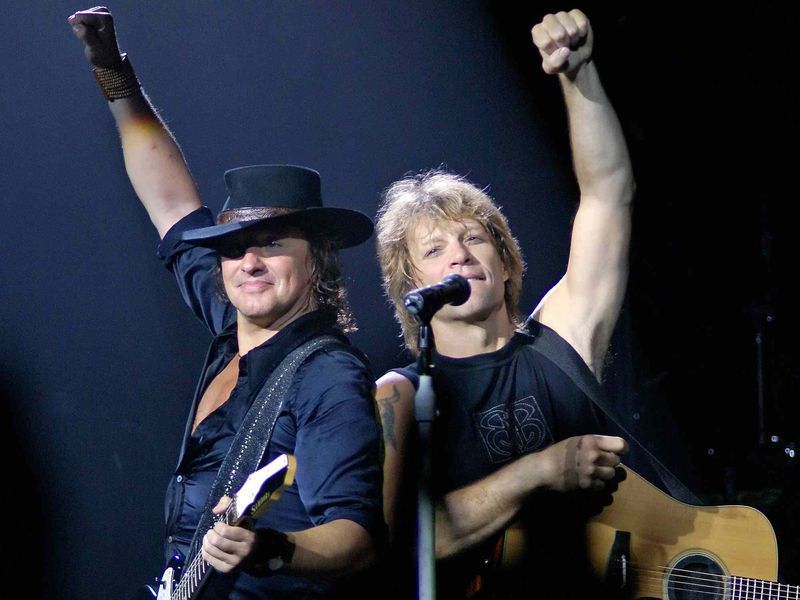
Jon Bon Jovi’s arena-filling voice is the band’s signature sound, but guitarist Richie Sambora’s contributions as a second vocalist were far more significant than casual fans might realize. Sambora co-wrote many of the band’s biggest hits and frequently sang harmony lines that gave songs like “Wanted Dead or Alive” their emotional punch.
On some tracks, Sambora took full lead vocal duty, showing a bluesy range that complemented Jon’s polished rock delivery beautifully. Their vocal partnership was a key ingredient in Bon Jovi’s 1980s stadium rock dominance.
18. The Allman Brothers Band
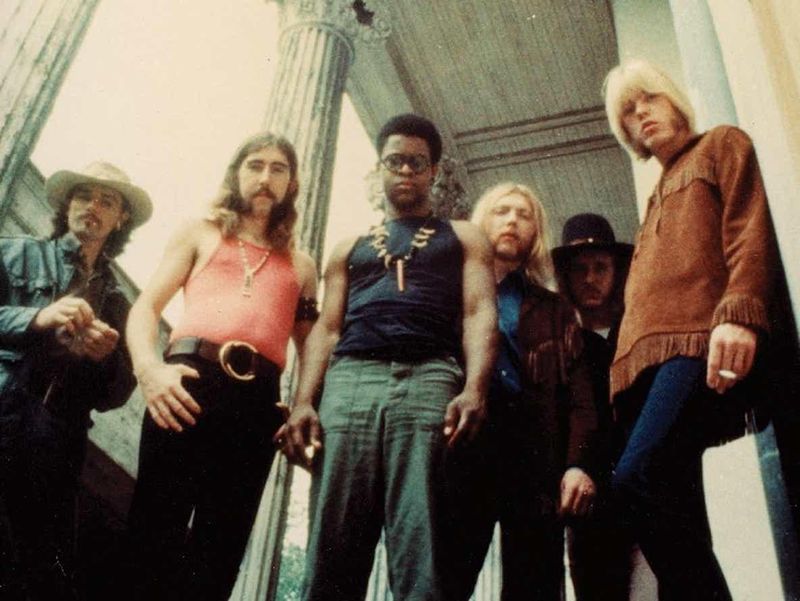
Southern rock pioneers the Allman Brothers Band built their legacy on the contrast between two remarkable voices. Gregg Allman’s deep, soulful blues delivery gave the band its emotional core, while Dickey Betts brought a brighter, more country-influenced vocal style that balanced Gregg’s heavy introspection.
Betts wrote and sang “Ramblin’ Man,” the band’s biggest chart hit, proving he was no mere supporting act. Their vocal diversity helped the Allman Brothers bridge blues, country, jazz, and rock in ways that defined an entire regional music movement.