
Eggs are a popular protein source, but they only deliver about 6 grams per large egg. Believe it or not, plenty of everyday foods pack even more protein per serving, making it easy to power up your diet without relying on eggs alone.
Whether you eat meat, fish, dairy, or plant-based foods, there are delicious options for everyone. Check out these 22 protein-packed foods that outshine eggs on the nutrition scale.
1. Chicken Breast
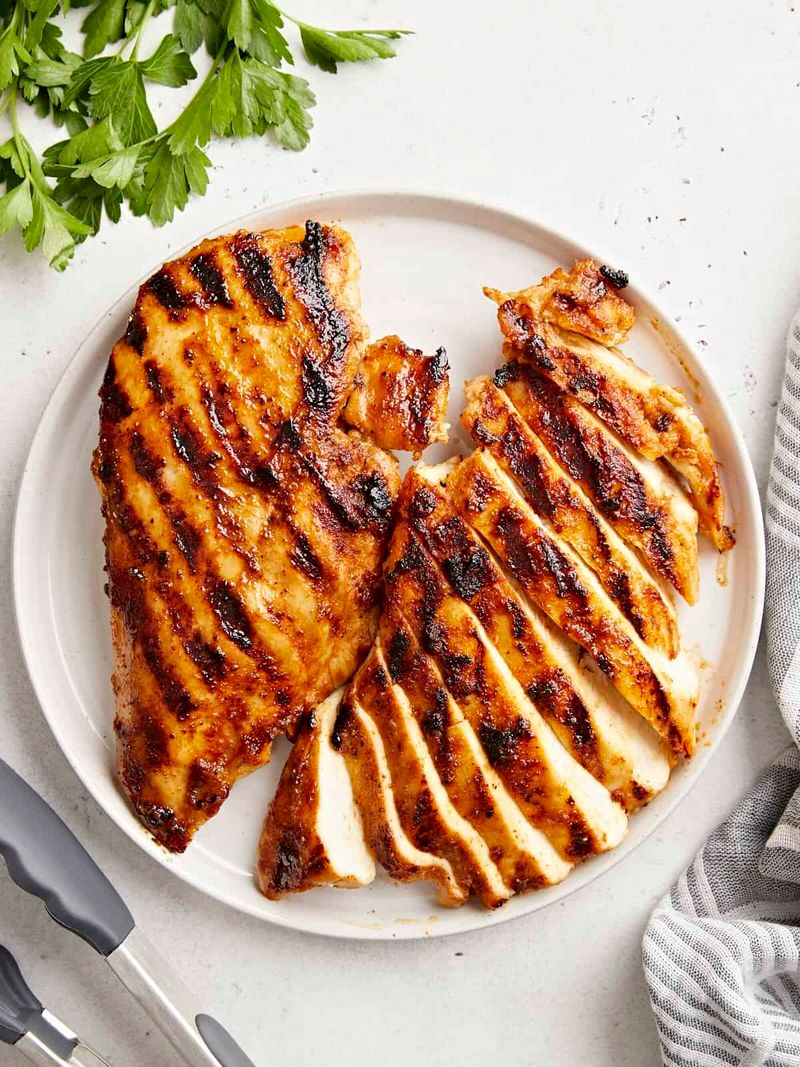
Pound for pound, chicken breast is one of the leanest, most protein-dense foods you can find at any grocery store. A 3-ounce serving delivers an impressive 26 grams of protein while staying low in fat.
That makes it a go-to choice for athletes, busy families, and anyone trying to eat healthier.
Grill it, bake it, or toss it in a salad — chicken breast fits into almost any meal without much fuss.
2. Turkey Breast
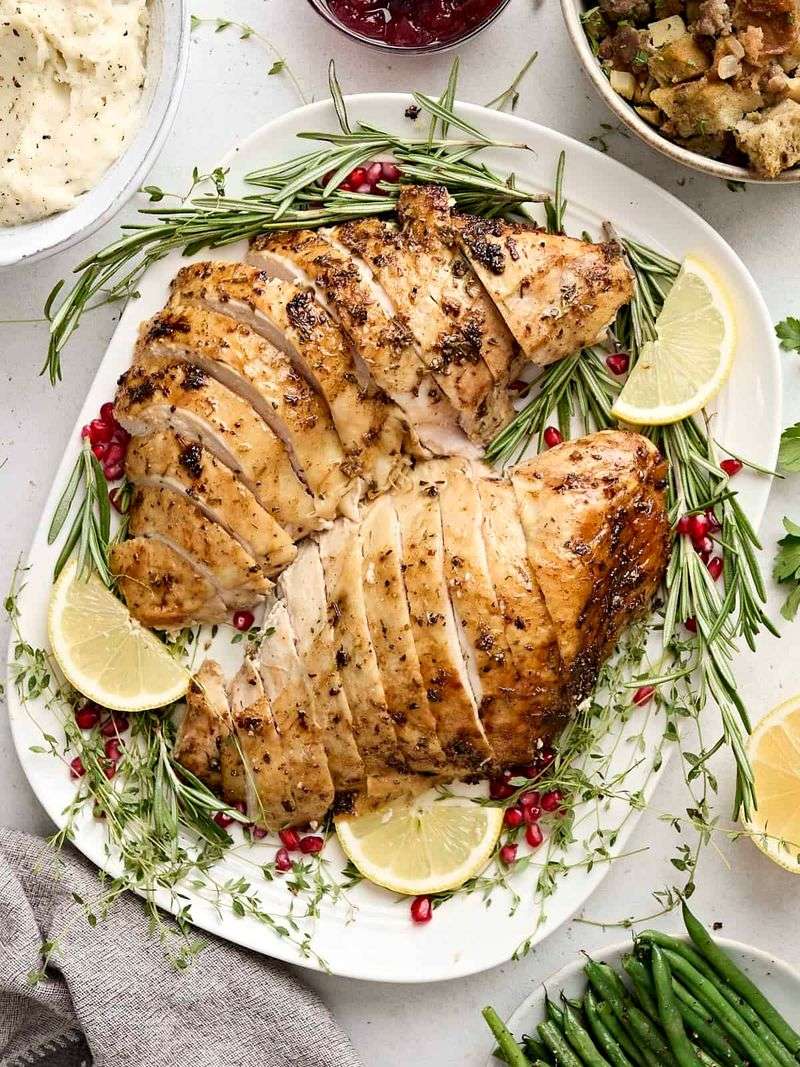
Turkey breast quietly dominates the protein game, offering around 29 grams per 3-ounce serving — nearly five times what you get from a single egg. Most people only think about turkey at Thanksgiving, but it deserves a spot on your plate year-round.
Lean and mild in flavor, turkey breast pairs well with almost any seasoning. Try it in wraps, sandwiches, or stir-fries for a satisfying, muscle-fueling meal any day of the week.
3. Lean Pork
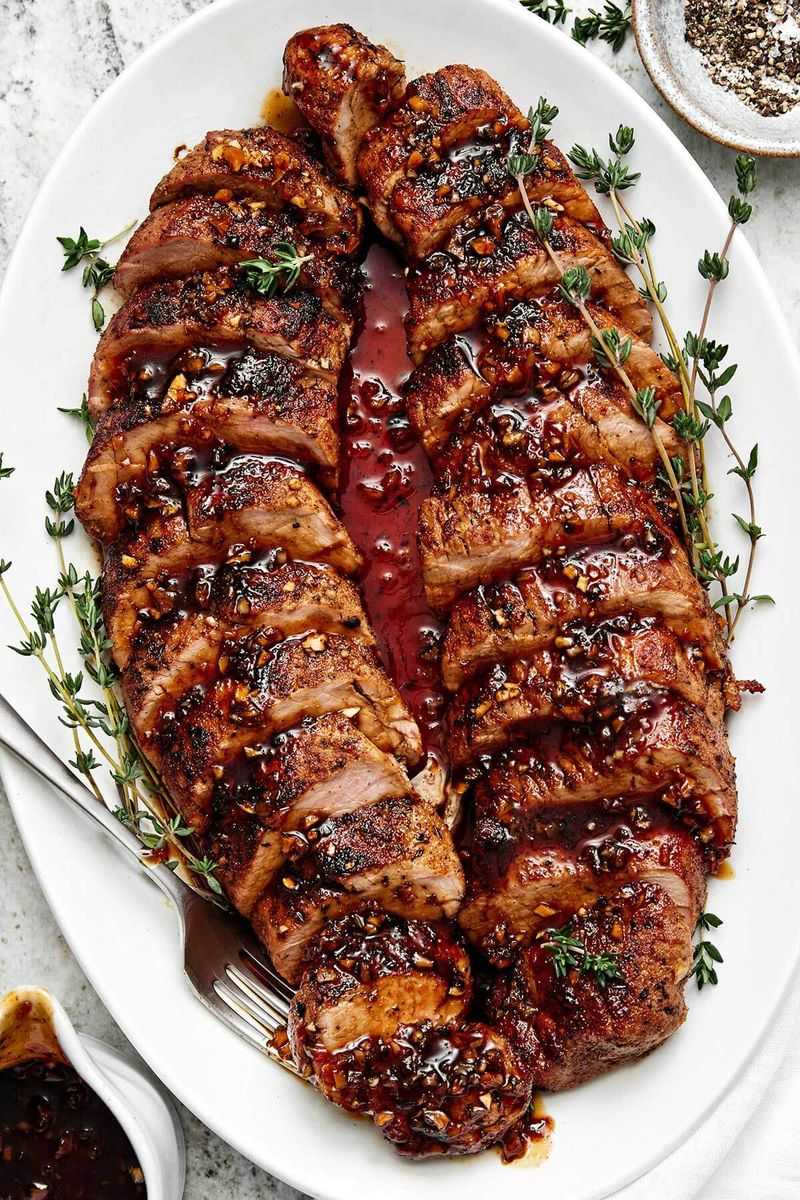
Forget the old idea that pork is always fatty and indulgent. Lean cuts like pork tenderloin deliver roughly 29 grams of protein per 3-ounce serving, putting it right up there with turkey as one of the top protein sources around.
Pork tenderloin is surprisingly tender and takes on marinades beautifully. Roast it in the oven with garlic and herbs for a weeknight dinner that feels fancy but comes together in under 30 minutes.
4. Canned Tuna
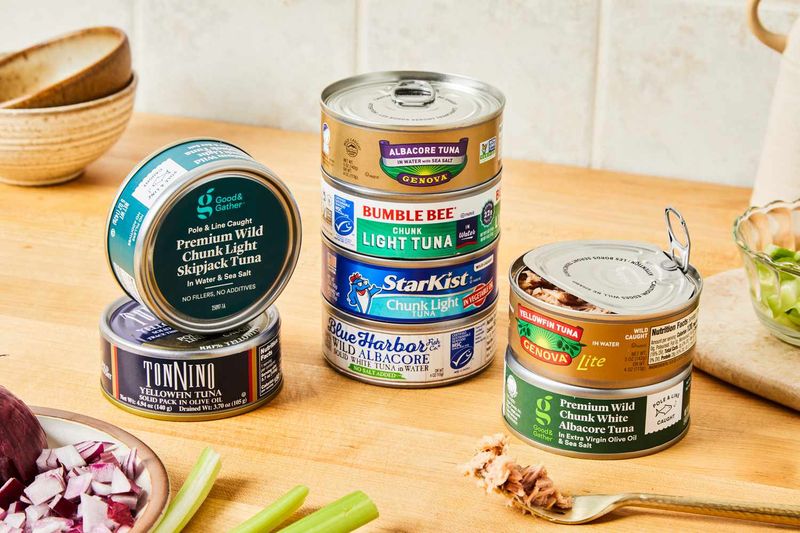
Budget-friendly and incredibly convenient, canned tuna in water packs between 23 and 26 grams of protein per 3-ounce serving. It has been a pantry staple for decades, and for good reason — it requires zero cooking and is ready in seconds.
Mix it with a little Greek yogurt and mustard for a creamy, protein-loaded tuna salad. Serve it on whole grain crackers or in a lettuce wrap for a quick, nutritious lunch.
5. Salmon
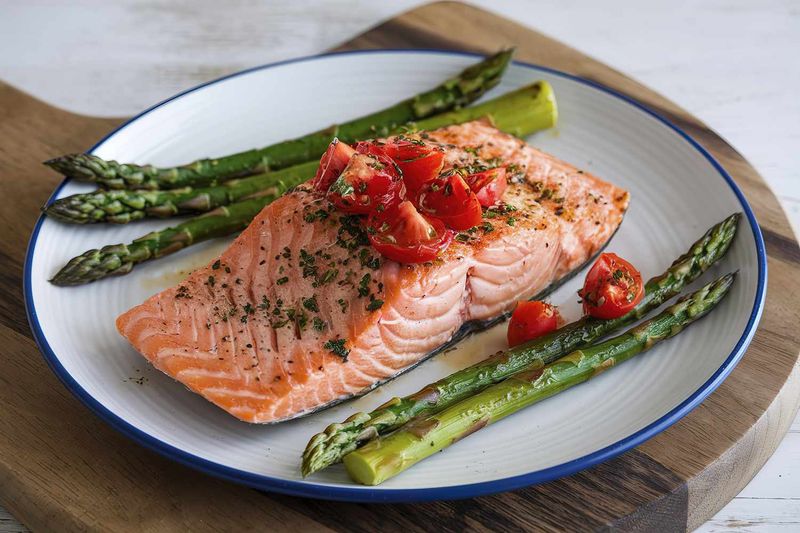
Salmon brings a double punch of nutrition — about 25 grams of protein per 3-ounce serving, plus heart-healthy omega-3 fatty acids that support brain function and reduce inflammation. Not many foods can match that combination of benefits in one delicious package.
Wild-caught salmon tends to have a richer flavor than farmed varieties. Pan-sear it with a squeeze of lemon and a sprinkle of sea salt for a restaurant-quality meal at home.
6. Shrimp
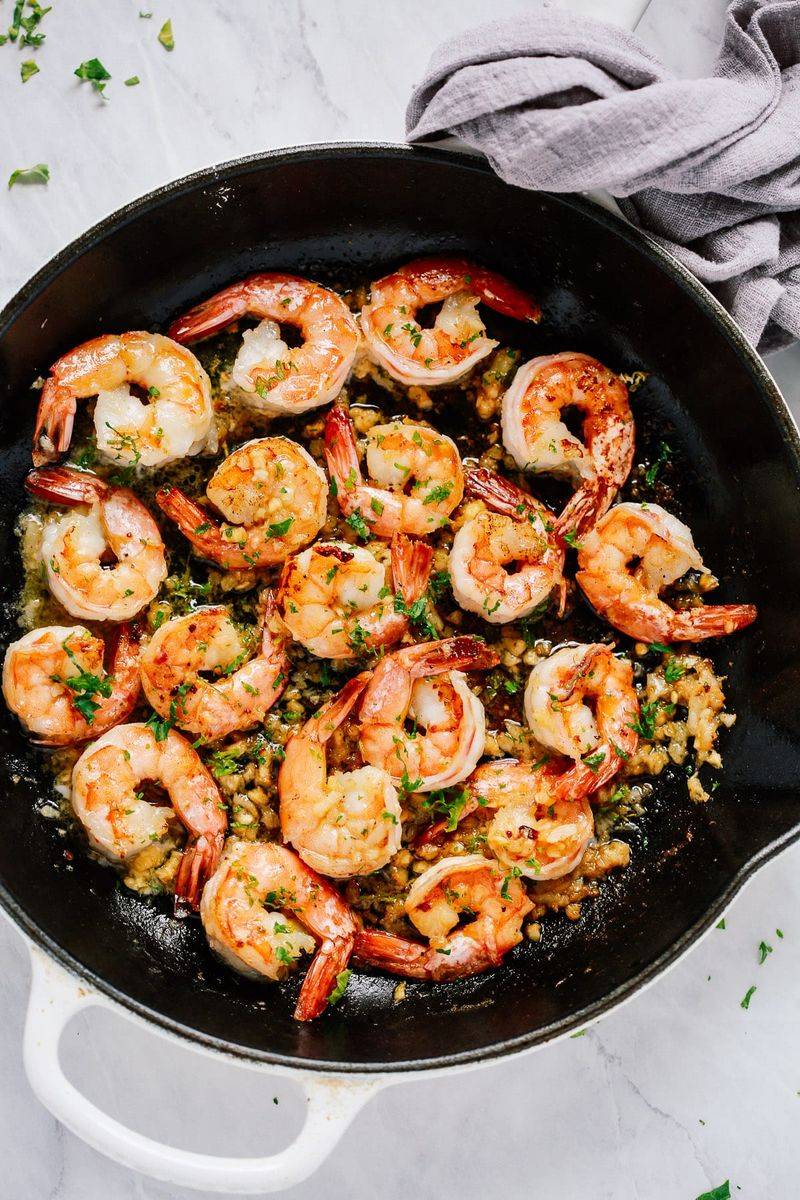
Tiny but mighty, shrimp delivers around 20 grams of protein per 3-ounce serving while being one of the lowest-calorie proteins you can eat. Fun fact: shrimp is about 90% protein by calories, making it incredibly efficient for anyone watching their calorie intake.
Shrimp cooks in just a few minutes, which makes it perfect for fast weeknight meals. Toss it into pasta, tacos, or a simple garlic butter sauce for a satisfying, high-protein dish.
7. Edamame
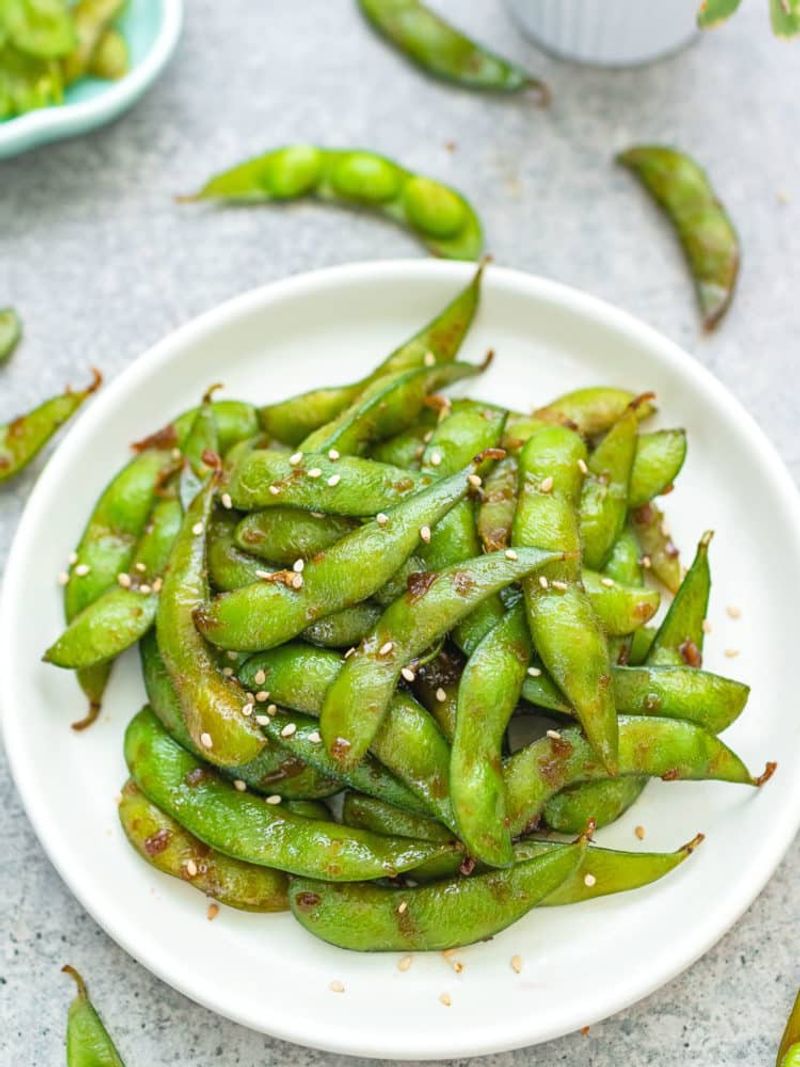
Edamame — those bright green soybeans often served at Japanese restaurants — pack about 9 grams of protein per half-cup serving, easily beating out a single egg. They are also loaded with fiber, iron, and folate, making them one of the most nutritious snacks in the plant kingdom.
Steamed and lightly salted, edamame works great as a snack, side dish, or addition to grain bowls. Kids and adults alike tend to love popping them right out of the pod.
8. Cooked Lentils
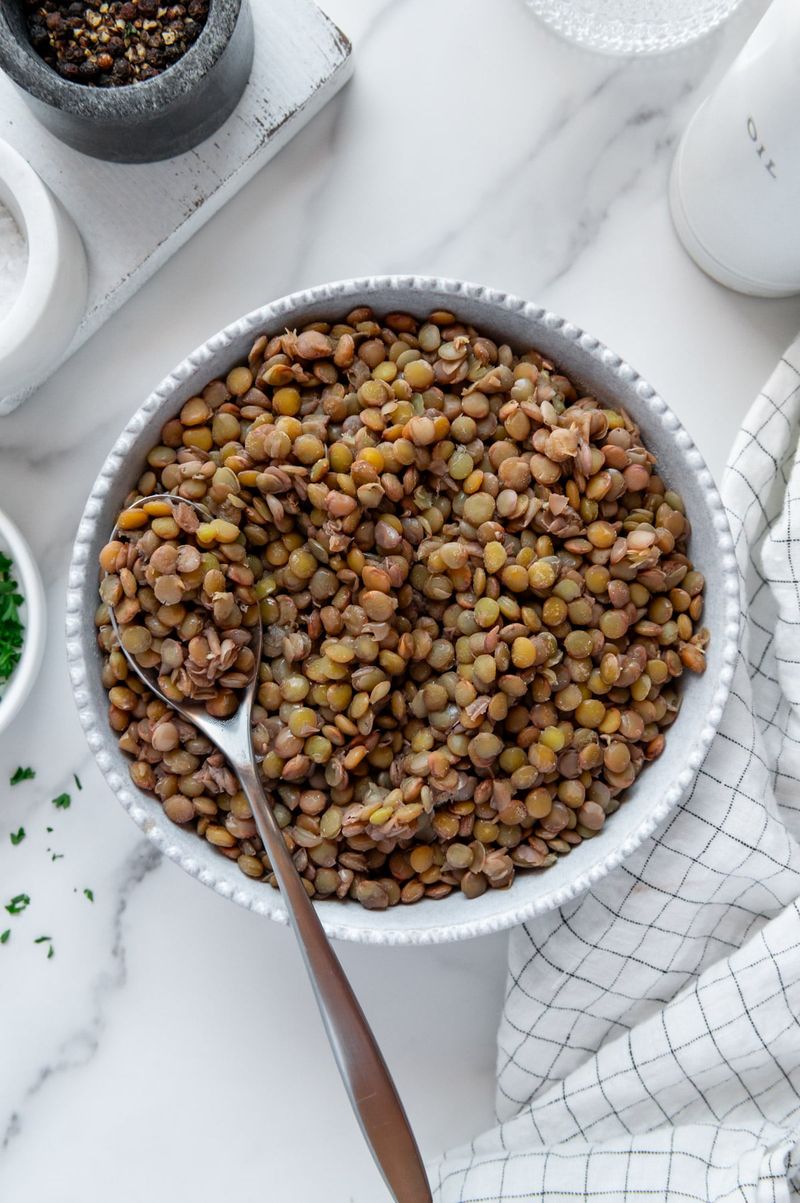
Lentils have fueled civilizations for thousands of years, and modern nutrition science confirms why — a half-cup of cooked lentils contains about 9 grams of protein along with a hefty dose of fiber and iron. They are one of the most affordable protein sources on the planet.
Red, green, or black — each variety has its own texture and flavor. Add them to soups, stews, or curries for a filling, plant-powered meal that costs very little to prepare.
9. Tofu
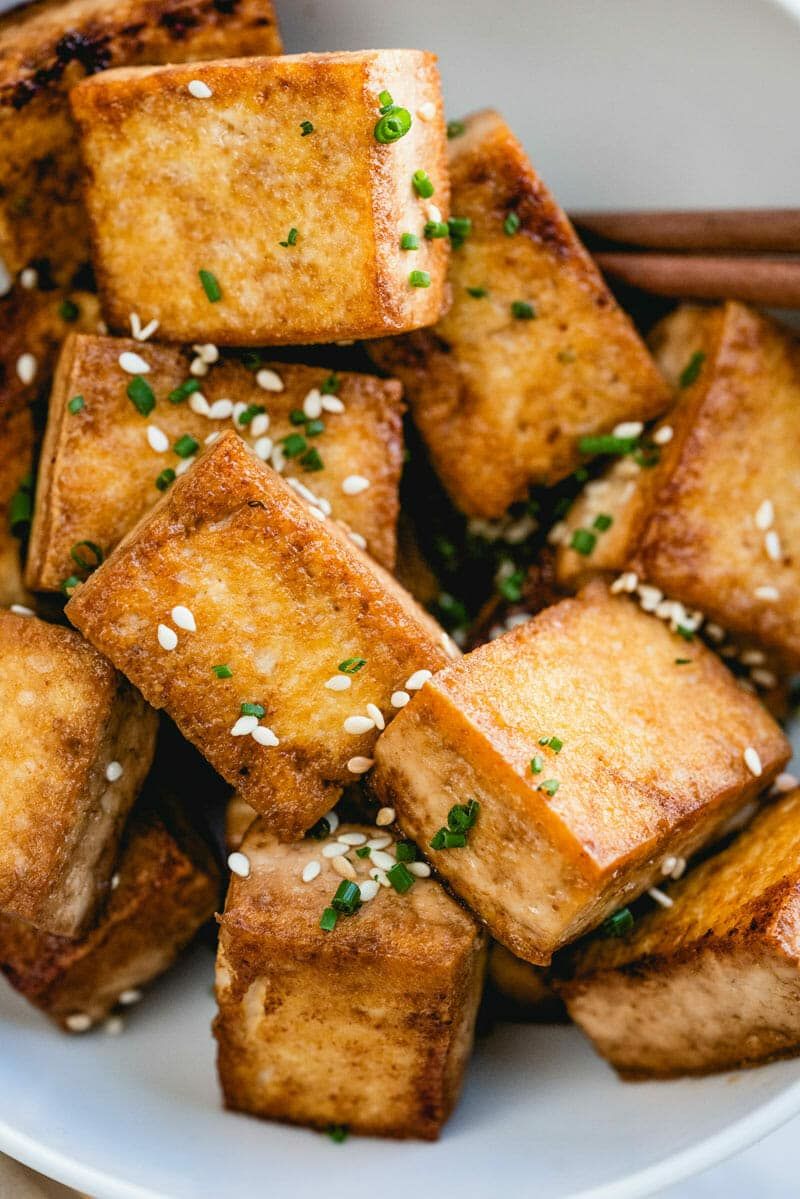
Made from compressed soybean curds, tofu has earned its reputation as a plant-based protein powerhouse. A 3-ounce serving provides about 8 grams of protein, and because tofu absorbs whatever flavors you cook it with, the taste possibilities are nearly endless.
Firm tofu works well for stir-fries and grilling, while silken tofu blends smoothly into soups and smoothies. It is also a great source of calcium and manganese, supporting bone health alongside muscle recovery.
10. Tempeh
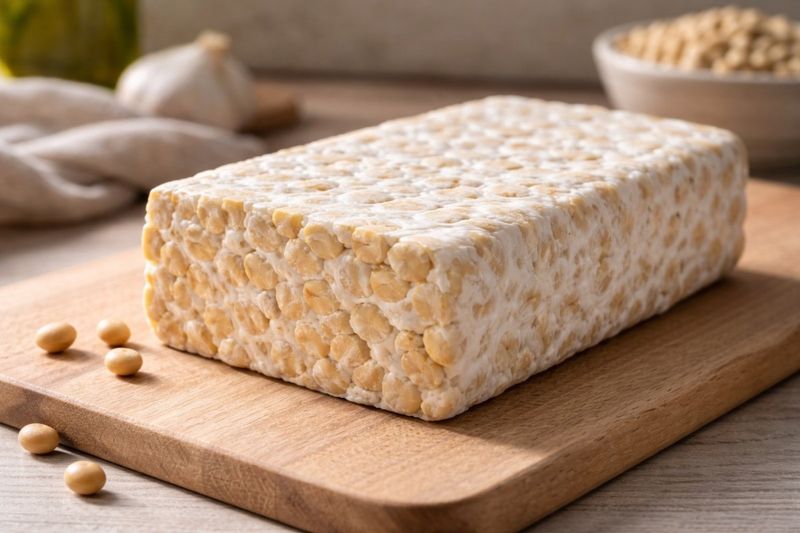
If tofu is the mild-mannered sibling, tempeh is the bold, nutty cousin that serious protein seekers should get to know. Made from fermented whole soybeans, tempeh delivers approximately 16 grams of protein per 3-ounce serving — more than double what tofu offers.
Fermentation also gives tempeh a probiotic boost that supports gut health. Slice it thin, marinate it overnight, and pan-fry it until crispy for a satisfying meat alternative that even non-vegetarians enjoy.
11. Non-Fat Greek Yogurt

Thick, creamy, and surprisingly protein-rich, non-fat Greek yogurt contains about 10 grams of protein per 6-ounce serving. It goes through an extra straining process that removes excess liquid, concentrating both the protein and that signature tangy flavor people love.
Enjoy it at breakfast with fruit and granola, or use it as a healthier substitute for sour cream in dips and sauces. The live cultures inside also support a healthy digestive system, adding another layer of nutritional value.
12. Low-Fat Cottage Cheese
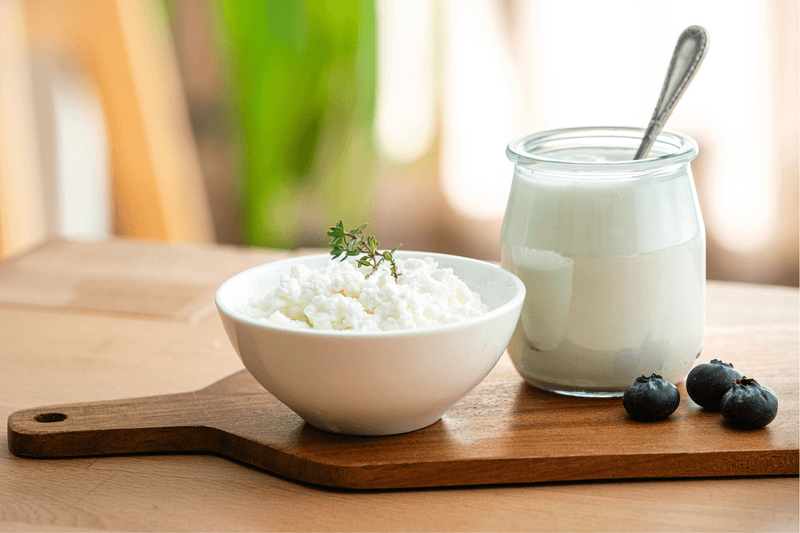
Cottage cheese had a major comeback in recent years, and the hype is completely justified. A half-cup of low-fat cottage cheese provides around 12 grams of protein, making it one of the most protein-dense dairy options available — almost double what you get from an egg.
It is also rich in casein protein, which digests slowly and helps keep you feeling full for hours. Eat it sweet with fruit or savory with tomatoes and herbs for a versatile, satisfying snack.
13. Quinoa
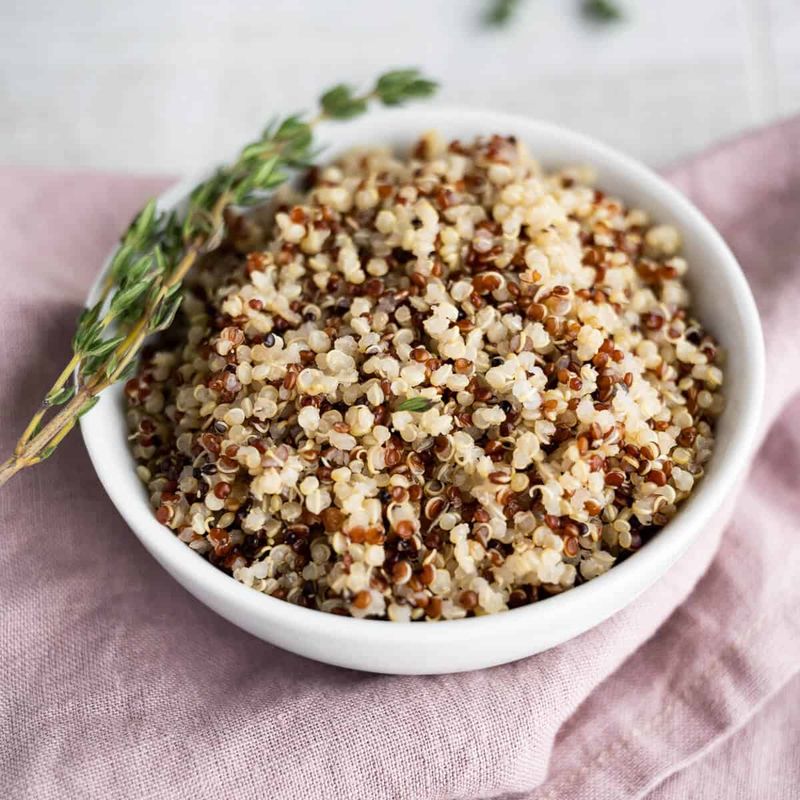
Unlike most grains, quinoa is a complete protein — meaning it contains all nine essential amino acids your body cannot produce on its own. One cooked cup delivers about 8 grams of protein, which is a remarkable achievement for a plant-based grain.
Originally grown in the Andes mountains of South America, quinoa has been a staple crop for over 5,000 years. Use it as a base for grain bowls, mix it into salads, or serve it as a side dish in place of rice.
14. Almonds
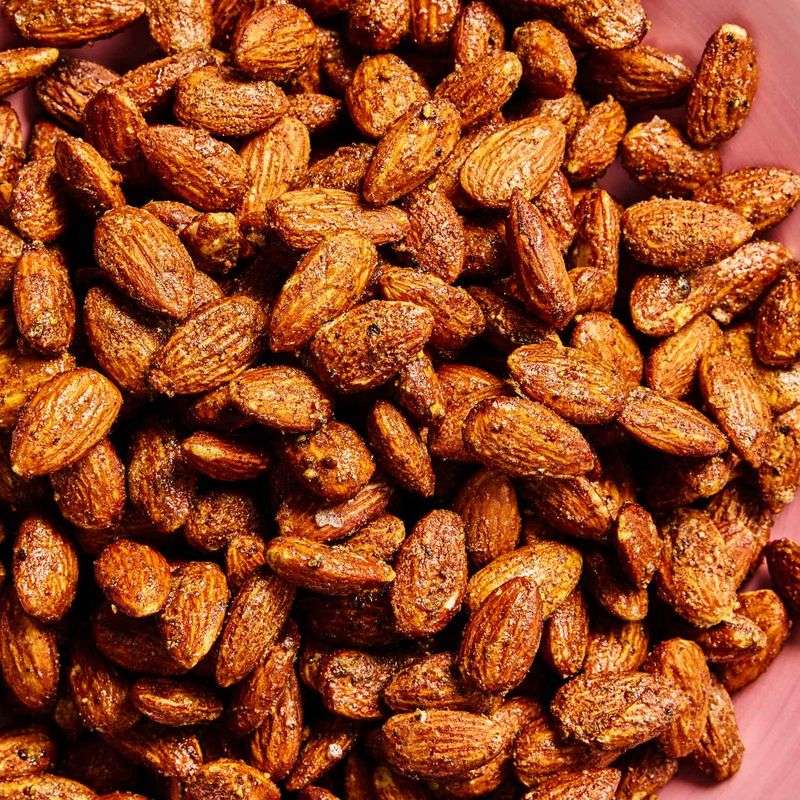
Almonds are one of those snacks that work overtime for your health. A quarter-cup serving contains about 7 grams of protein, plus healthy monounsaturated fats, vitamin E, and magnesium that support heart health and energy production throughout the day.
Keep a small bag of almonds in your backpack or desk drawer for an easy, no-prep protein boost between meals. Almond butter is another great option — spread it on whole grain toast or blend it into a smoothie for a creamy, protein-rich treat.
15. Peanuts
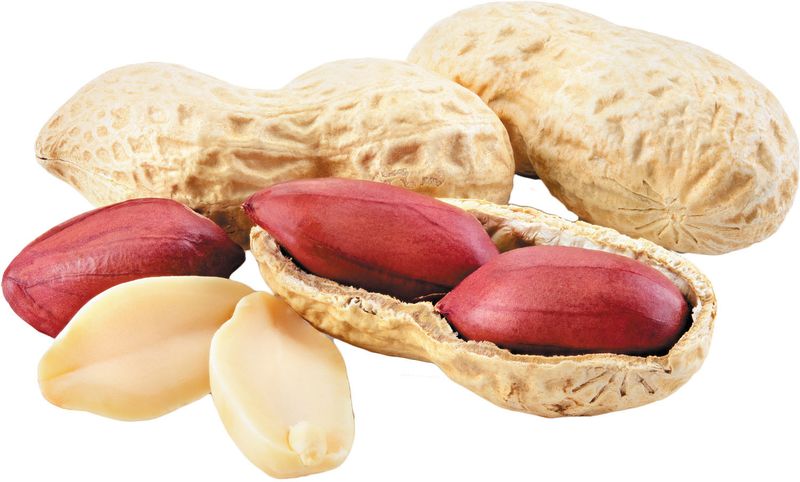
Technically a legume rather than a true nut, peanuts punch way above their weight class with about 7 grams of protein per ounce. They are also one of the most affordable high-protein snacks you can find, making them a smart choice for anyone on a budget.
Roasted peanuts make a crunchy, satisfying snack on their own. Peanut butter — whether smooth or crunchy — is endlessly versatile and works in everything from sandwiches and smoothies to savory Thai-inspired sauces.
16. Pumpkin Seeds
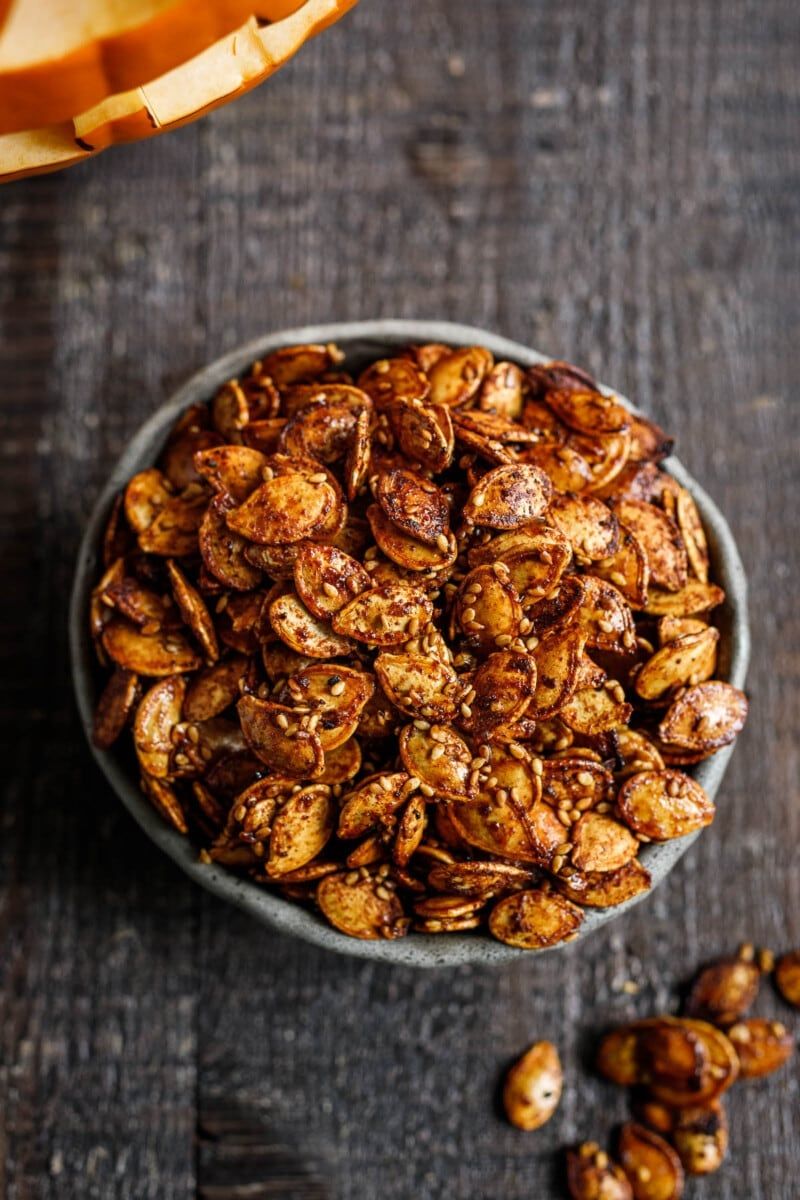
Small but seriously impressive, pumpkin seeds — also called pepitas — pack roughly 10 grams of protein into just a quarter-cup serving. They are also one of the best plant-based sources of zinc, a mineral that plays a key role in immune function and wound healing.
Roast them with a pinch of sea salt and chili powder for a crunchy snack that beats chips any day. Sprinkle them over salads, soups, or oatmeal for an easy protein and nutrient upgrade with minimal effort.
17. Hemp Seeds
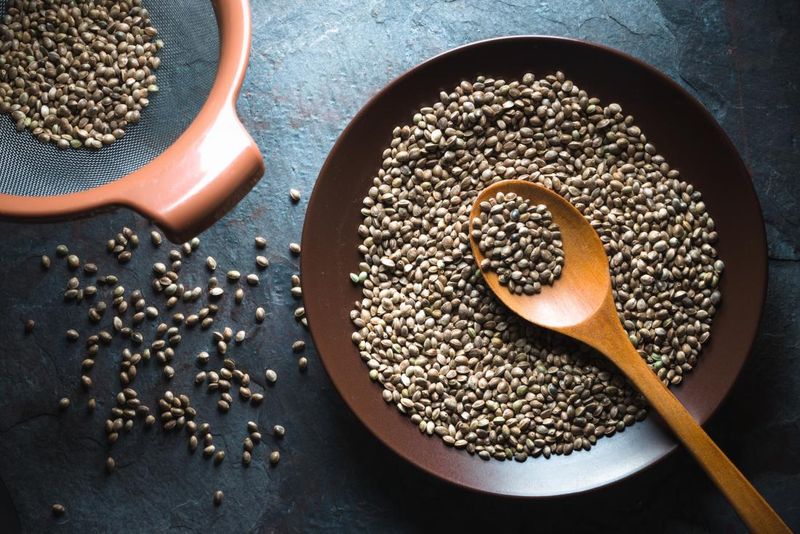
Three tablespoons of hemp seeds deliver about 10 grams of complete protein, along with an ideal balance of omega-3 and omega-6 fatty acids that support heart and brain health. For such a tiny seed, that is an extraordinary nutritional profile packed into every spoonful.
Hemp seeds have a mild, slightly nutty flavor that blends into almost anything without changing the taste. Stir them into yogurt, toss them into smoothies, or sprinkle them over avocado toast for an effortless protein boost.
18. Cheddar Cheese
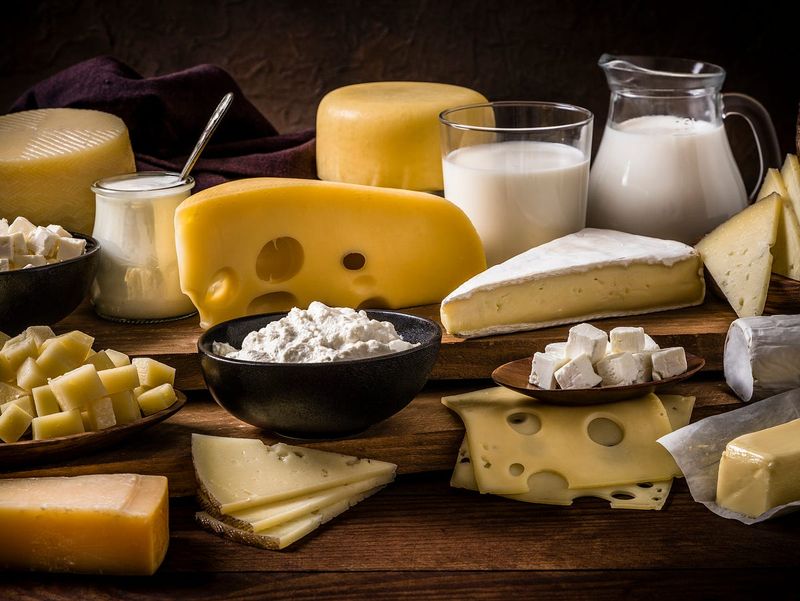
Sharp, satisfying, and surprisingly protein-rich, cheddar cheese provides approximately 6.5 grams of protein per ounce — just edging out a whole egg in a much smaller package. Aged cheddars tend to have a deeper, more complex flavor, which means a little goes a long way.
Pair cheddar with whole grain crackers and apple slices for a balanced snack that covers protein, fiber, and natural sugars in one easy combination. It also melts beautifully, making it perfect for omelets, quesadillas, and baked dishes.
19. Mozzarella Cheese
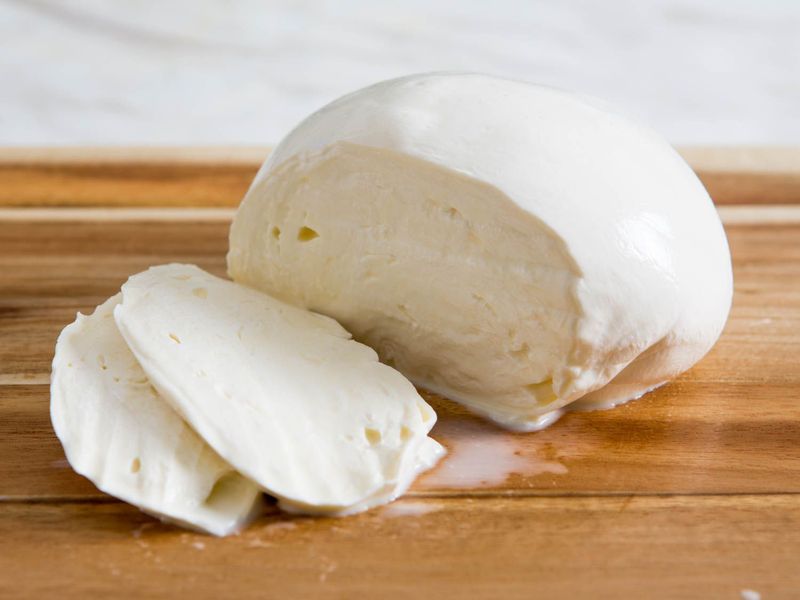
Fresh mozzarella is the star of caprese salads everywhere, but its nutritional value deserves just as much attention as its creamy texture. Each ounce delivers about 6.3 grams of protein, slightly more than a large egg, with a mild flavor that pairs with both sweet and savory ingredients.
Part-skim mozzarella reduces the fat content while keeping protein levels high. Use it on homemade pizza, layer it in a pasta bake, or enjoy it simply with ripe tomatoes, fresh basil, and a drizzle of good olive oil.
20. Seitan
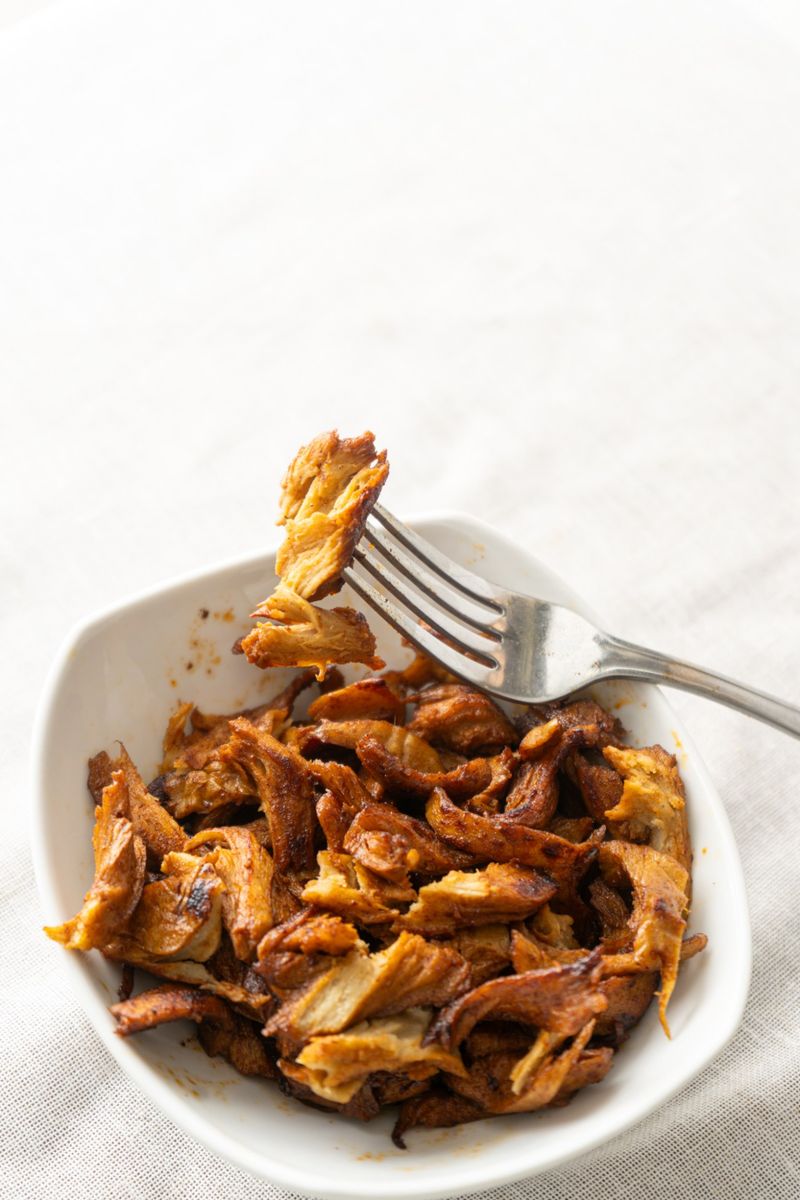
Made from vital wheat gluten, seitan is the protein heavyweight of the plant-based world — delivering around 25 grams of protein per 3-ounce serving, rivaling chicken breast in protein density. Its chewy, meaty texture makes it one of the most convincing meat alternatives available.
Seitan absorbs marinades and seasonings brilliantly, making it adaptable to dozens of cuisines. Slice it for sandwiches, crumble it into tacos, or slice it thick and grill it like a steak for a hearty, plant-powered main course.
21. Lupin Beans
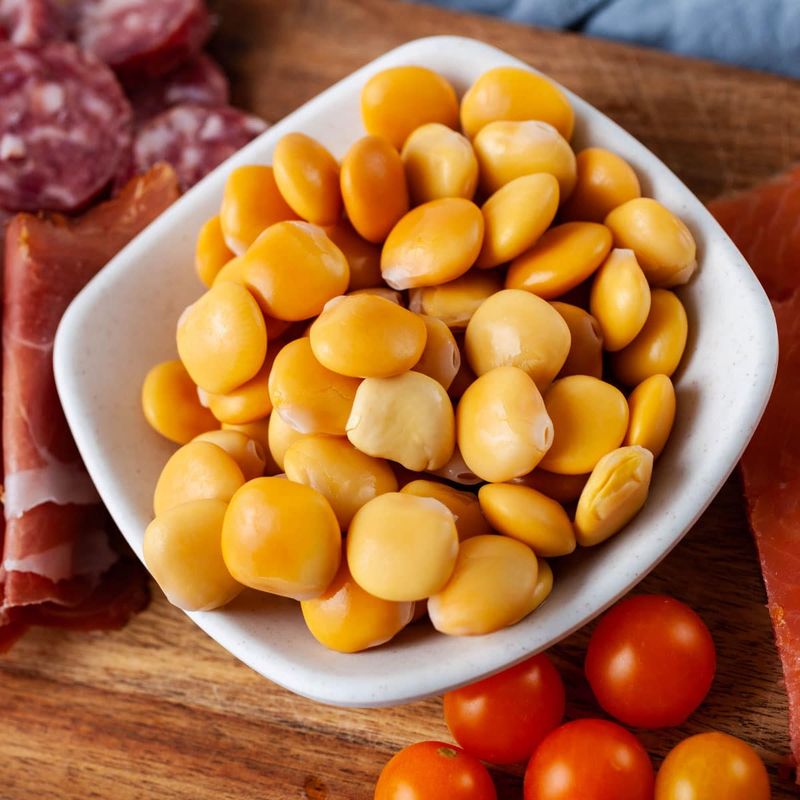
Lupin beans might be the most underrated protein source on this entire list. These bright yellow legumes contain a jaw-dropping 36 to 42 grams of protein per 3.5-ounce serving, making them one of the highest-protein plant foods in existence.
They are also rich in fiber and have a low glycemic index.
Popular in Mediterranean and South American cuisines, lupin beans are commonly eaten as a pickled snack. They are slowly gaining attention in health food circles for their extraordinary protein-to-calorie ratio.
22. Parmesan Cheese
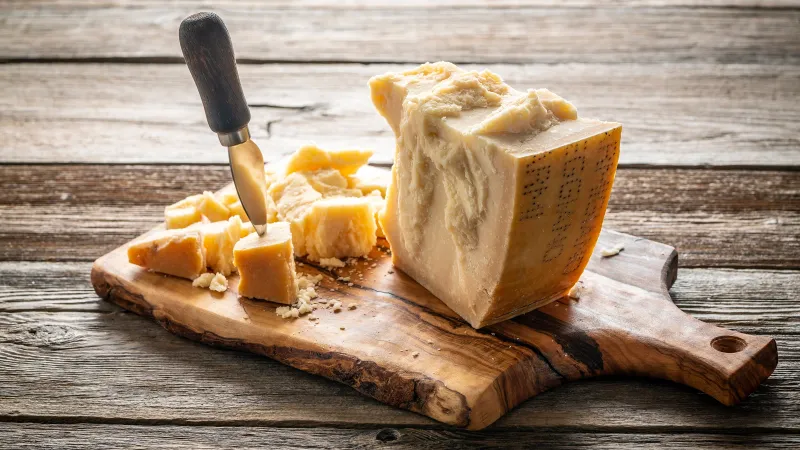
Parmesan is the bold, salty cheese that elevates pasta, soups, and salads — and it turns out it is also a protein powerhouse. A 3.5-ounce serving provides approximately 38 grams of protein, one of the highest amounts of any cheese you will find at a standard grocery store.
Because Parmesan is so intensely flavored, you only need a small amount to make a big impact. Grate it fresh over dishes rather than using pre-shredded versions for the best flavor and maximum nutritional benefit per serving.