
Marriage is often painted as a fairytale ending, but real life rarely follows a script. Many couples enter matrimony with ideas shaped by movies, social media, and well-meaning advice that doesn’t always reflect reality.
These misconceptions can create unnecessary pressure and disappointment when everyday life doesn’t match the fantasy. Understanding which beliefs about marriage are actually myths can help couples build stronger, more authentic relationships based on realistic expectations rather than Hollywood endings.
1. Happy Couples Never Fight
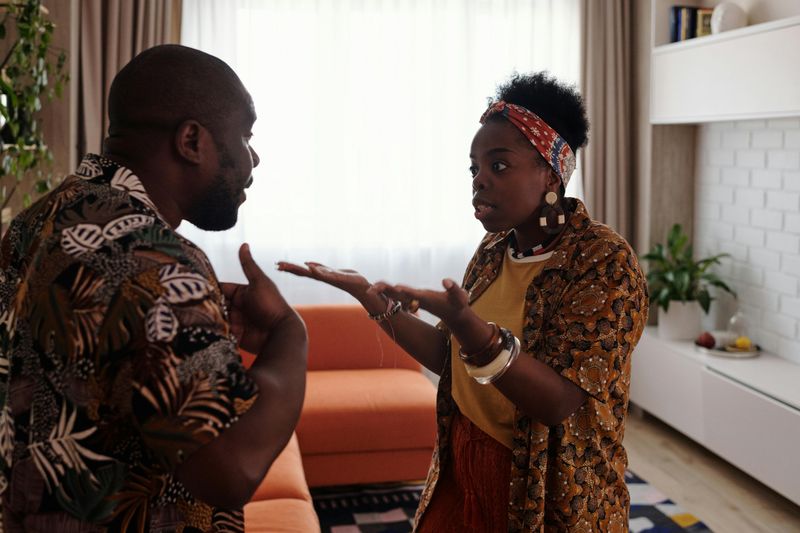
Conflict is actually a normal and healthy part of any relationship. The idea that happily married people never disagree is one of the most damaging myths out there.
Every couple has different opinions, preferences, and ways of seeing the world. What matters isn’t whether you fight, but how you handle disagreements when they arise.
Successful marriages include partners who have learned to communicate respectfully during conflicts. They listen to each other, take breaks when emotions run high, and work toward solutions together.
Research shows that couples who never argue might actually be avoiding important conversations. Sweeping problems under the rug doesn’t make them disappear.
Instead, unaddressed issues tend to build up over time, creating resentment and distance. Healthy conflict can actually strengthen your bond when handled constructively.
Learning to disagree without being disrespectful teaches you more about each other. It helps you grow as individuals and as partners, building trust through honest communication.
The goal isn’t to eliminate all disagreements from your marriage. Instead, focus on developing fair fighting skills that allow both people to feel heard and valued, even when you don’t see eye to eye.
2. Your Spouse Should Complete You

The romantic notion that another person can make you whole sounds lovely but creates impossible pressure. You are already a complete person before marriage, and your partner is too.
Looking to someone else to fill all your emotional gaps sets both of you up for disappointment. This myth suggests that finding the right person will solve all your problems and make life perfect.
In reality, marriage brings two whole individuals together who choose to share their lives. Each person maintains their own identity, interests, and personal growth journey.
Expecting your spouse to be everything for you is exhausting for both parties. No single person can meet all your needs for friendship, entertainment, intellectual stimulation, and emotional support.
That’s why maintaining friendships and outside interests remains important even after saying your vows. Strong marriages involve two people who complement each other rather than complete each other.
You support each other’s goals and celebrate individual achievements. You give each other space to pursue separate hobbies and maintain independent friendships.
Building your happiness on another person’s shoulders creates an unhealthy dynamic. Instead, bring your best self to the relationship and encourage your partner to do the same, creating a partnership between equals.
3. Romance Should Always Be Spontaneous

Scheduling intimacy and romance might sound unromantic, but it’s actually one of the smartest things busy couples can do. Life gets hectic with work, children, household responsibilities, and everything else competing for your attention.
Waiting for romance to happen spontaneously often means it doesn’t happen at all. Long-term relationships require intentional effort to maintain connection and intimacy.
Planning date nights doesn’t make them less meaningful or romantic. In fact, knowing your partner prioritized time for you shows thoughtfulness and commitment.
Many couples find that scheduled romance actually reduces stress and increases anticipation. You have something to look forward to during busy weeks.
You can arrange childcare, plan activities you both enjoy, and ensure you’re making your relationship a priority. The myth that planned romance is somehow inferior to spontaneous gestures puts unnecessary pressure on couples.
Real life includes mortgages, careers, and exhaustion. Sometimes the most loving thing you can do is put your relationship on the calendar.
Spontaneity still has its place, but it shouldn’t be the only way you connect. Combining planned quality time with occasional surprise gestures creates a balanced approach that keeps romance alive through all of life’s seasons.
4. Marriage Will Fix Relationship Problems

Walking down the aisle won’t magically resolve issues that existed during your dating relationship. If anything, marriage often magnifies existing problems because you’re sharing daily life more completely.
The stress of combining households, finances, and future plans can highlight weaknesses that were easier to overlook before. Some people believe that making a formal commitment will motivate their partner to change problematic behaviors.
This rarely works out as hoped. Marriage doesn’t transform people into different versions of themselves.
Your partner will likely continue being who they’ve always been, just with a wedding ring. Entering marriage hoping it will solve communication issues, trust problems, or incompatible values is setting yourself up for serious disappointment.
These fundamental issues need addressing before the wedding, not after. Couples therapy or honest conversations should happen during engagement, not once you’re already legally bound.
Marriage works best when it brings together two people who have already built a strong foundation. You should genuinely enjoy your relationship as it currently exists.
The commitment enhances an already healthy partnership rather than serving as a repair tool. If you’re hoping marriage will change your partner or fix ongoing conflicts, pause and address those concerns first.
A wedding ceremony is a celebration, not a solution.
5. You Should Share Everything

Maintaining some privacy and personal space doesn’t mean you’re hiding something or being dishonest. Healthy marriages include two individuals who respect each other’s need for occasional solitude and personal boundaries.
You don’t have to share every thought, every hobby, or every moment together. The expectation that married couples should be joined at the hip creates unnecessary guilt when you want alone time.
Needing space to recharge, pursue individual interests, or maintain separate friendships is completely normal. It doesn’t reflect poorly on your relationship or indicate problems.
Some couples feel pressure to merge everything from bank accounts to friend groups to recreational activities. While sharing many aspects of life strengthens your bond, maintaining some independence keeps you interesting to each other.
You have new experiences to share and conversations to explore. Privacy in certain areas also shows respect for your partner’s autonomy.
Reading each other’s private journals, demanding access to all passwords, or requiring detailed accounts of every activity suggests mistrust rather than closeness. Trust means believing your partner without constant surveillance.
Balance is key in determining what to share and what to keep separate. Discuss your preferences openly and find a middle ground that works for both of you, respecting individual needs while building your life together.
6. Passion Stays Constant Forever

The intense butterflies and constant physical desire from early dating naturally evolve over time. This doesn’t mean your love is dying or that you’ve chosen the wrong person.
Long-term relationships develop different types of intimacy that can be equally fulfilling, just different from the initial spark. Expecting the honeymoon phase to last indefinitely sets couples up for panic when things inevitably settle into a calmer rhythm.
That early intensity is chemically driven and simply cannot be sustained at the same level for decades. Your brain literally changes how it processes your relationship over time.
What replaces that initial rush can be even more valuable. Deep companionship, emotional security, and comfortable intimacy develop as you build a life together.
You learn each other’s rhythms and preferences. You create inside jokes and shared memories that bind you together.
Many couples work to keep passion alive through intentional effort, and that’s wonderful. Date nights, new experiences together, and prioritizing physical intimacy all help.
But understanding that passion naturally ebbs and flows prevents unnecessary alarm during quieter periods. The strongest marriages include multiple types of love that work together.
Passionate attraction, deep friendship, committed partnership, and genuine respect all play important roles at different times throughout your journey together.
7. Children Will Strengthen Your Marriage

Becoming parents is one of the most challenging transitions a marriage can face. While children bring immense joy, they also introduce stress, exhaustion, and major lifestyle changes that test even the strongest relationships.
The myth that babies bring couples closer ignores the very real challenges of parenthood. New parents often experience sleep deprivation, financial pressure, and dramatically reduced couple time.
Suddenly your relationship takes a backseat to diapers, feedings, and constant caregiving. Many couples feel more like co-workers managing a demanding project than romantic partners.
Research consistently shows that marital satisfaction typically decreases after children arrive, at least temporarily. This doesn’t mean having kids ruins marriages, but it does mean you shouldn’t expect a baby to solve existing problems or automatically make you feel closer.
Couples who thrive as parents usually had strong relationships before children arrived. They communicate well, support each other through challenges, and make efforts to maintain their connection despite new demands.
They also set realistic expectations about how much parenthood will change their daily lives. Children can certainly enrich your life and give you shared purpose.
But they’re not relationship glue. Building a solid partnership before becoming parents and continuing to prioritize your marriage after children arrive gives you the best chance at success.
8. Your Spouse Should Instinctively Know What You Need

Mind reading isn’t a real skill, no matter how long you’ve been together. Expecting your partner to automatically understand your needs, preferences, and feelings without clear communication creates constant frustration.
Even people who know you well can’t accurately guess what you’re thinking all the time. This myth causes countless unnecessary arguments.
You drop hints instead of making direct requests, then feel hurt when your partner doesn’t pick up on them. Your spouse feels confused and criticized for failing to meet expectations they didn’t even know existed.
Clear, direct communication is essential in any healthy marriage. Telling your partner exactly what you need isn’t demanding or unromantic.
It’s respectful and practical. It gives them actual information they can act on rather than forcing them to guess and potentially get it wrong.
Some people learned growing up that expressing needs directly is selfish or rude. Others believe that true love should be intuitive.
These beliefs create communication barriers that prevent genuine understanding and connection. Your partner wants to make you happy but needs your help knowing how.
Speaking up about your feelings, preferences, and needs strengthens your relationship. It removes guesswork and allows both people to show love in ways that actually resonate with each other.
9. Marriage Means Losing Your Independence

Getting married doesn’t require abandoning your individual identity, personal goals, or sense of self. Healthy marriages celebrate both togetherness and individuality.
You can be fully committed to your partnership while still maintaining your own interests, friendships, and aspirations. Fear of losing independence keeps some people from committing to marriage.
They worry that saying yes means giving up their freedom to make choices, pursue dreams, or spend time how they want. While marriage does require compromise, it shouldn’t feel like imprisonment.
Partners who encourage each other’s individual growth create stronger relationships. Supporting your spouse’s career advancement, hobby pursuits, or educational goals shows genuine love.
You want them to become their best self, not a diminished version who gave up everything for the relationship. Maintaining separate identities also keeps your marriage interesting.
You bring new experiences, ideas, and perspectives back to your relationship. You have things to talk about beyond just shared experiences.
You continue growing as individuals, which helps you grow together. The key is finding balance between independence and interdependence.
You make major decisions together and consider how choices affect both people. But you also preserve space for individual expression, personal development, and autonomous decision-making in appropriate areas of your lives.
10. Successful Marriages Are Always Easy

Every marriage faces difficult seasons that require hard work and commitment. The couples you admire who seem to have perfect relationships are likely putting in significant effort behind the scenes.
Nobody’s marriage is effortless all the time, despite what social media might suggest. Believing marriage should always feel easy makes people question their relationship during normal challenging periods.
You might wonder if you married the wrong person when things get tough. In reality, working through difficulties together is what builds lasting bonds.
Life throws unexpected challenges at everyone. Financial stress, health issues, career changes, family conflicts, and personal struggles all impact marriages.
How you handle these obstacles together determines your relationship’s strength, not whether you face them at all. Some days you won’t particularly like your spouse, and that’s okay.
Some weeks you’ll feel more like roommates than romantic partners. Some months will test your patience and commitment.
These experiences are normal, not signs of failure. The difference between marriages that last and those that don’t often comes down to perseverance.
Successful couples choose to keep working on their relationship even when it’s hard. They seek help when needed, communicate through difficulties, and remember why they committed to each other in the first place.
11. Marriage Completes Your Life Story

Your life has value and meaning whether you’re married or not. The cultural narrative that positions marriage as the ultimate goal or the moment when your real life begins is outdated and harmful.
Single people live full, rich, meaningful lives too. This myth puts enormous pressure on people to find a spouse, sometimes leading them to settle for incompatible partners just to check the marriage box.
It also diminishes the accomplishments, relationships, and experiences that happen outside of romantic partnerships. Marriage is one possible path among many valid life choices.
Some people find deep fulfillment in lifelong partnerships. Others thrive being single.
Still others have meaningful relationships that don’t include legal marriage. None of these choices makes someone’s life more or less complete.
Even within marriage, your spouse isn’t the only important relationship you have. Friendships, family connections, community involvement, and personal pursuits all contribute to a well-rounded life.
Putting all your emotional eggs in the marriage basket creates unhealthy pressure. If you choose marriage, let it be because you genuinely want to share your already-full life with someone special.
Not because you think you need it to be a complete person or to have a story worth telling. Your life is already valuable exactly as it is.