
Getting to know your parents as real people, not just as caregivers, can transform your relationship in unexpected ways.
Most of us grow up seeing our parents through a narrow lens, focused mainly on their role in our daily lives.
But behind every mom and dad is a complex person with dreams, fears, and stories that shaped who they became.
Asking thoughtful questions opens doors to understanding their choices, struggles, and the experiences that molded their parenting style.
These conversations can bridge generational gaps and create deeper emotional connections.
When you learn about their past, you often discover surprising similarities or gain fresh perspective on family dynamics.
The questions below are designed to spark meaningful dialogue and help you see your parents in a whole new light.
1. What was your relationship like with your own parents when you were my age?

Understanding how your parents interacted with their own mom and dad reveals patterns that often echo through generations.
Many parenting styles get passed down, sometimes intentionally and sometimes without conscious thought.
When your mom or dad shares stories about their teenage years at home, you might recognize familiar dynamics.
Perhaps they rebelled against strict rules, which explains why they give you more freedom.
Or maybe they felt unsupported, leading them to be overly involved in your life now.
These insights help you understand that their approach to raising you comes from lived experience.
Asking this question also shows respect for their personal history beyond their role as your parent.
You might discover they faced challenges similar to yours, creating common ground for honest conversations.
Sometimes parents struggled with communication or felt misunderstood by their own families.
Learning about these experiences can soften frustrations you feel about current conflicts.
This question opens space for vulnerability on both sides.
Your parents might share regrets about how they handled certain situations with their parents.
Such honesty can deepen trust and make them more relatable as imperfect humans navigating relationships.
The answer provides context for family traditions, expectations, and emotional patterns in your household.
2. What dreams did you have for your life that you never got to pursue?
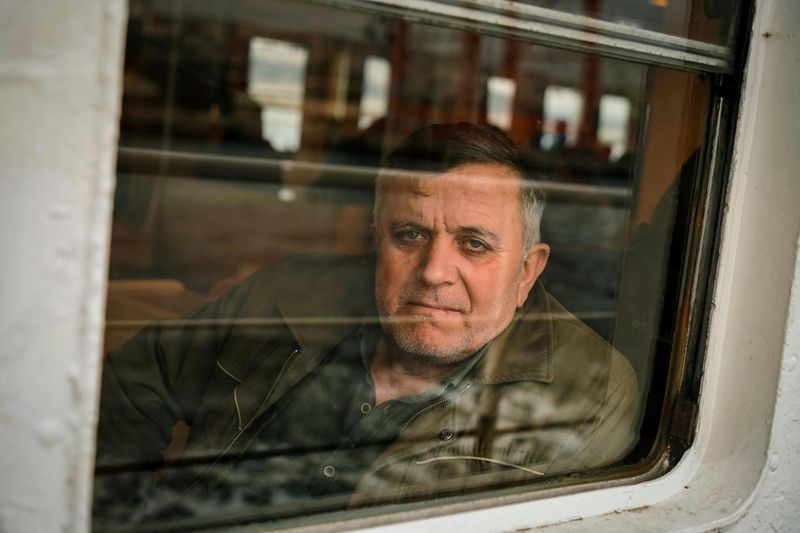
Every person carries aspirations that life circumstances forced them to set aside or modify.
Your parents likely had ambitions before responsibilities like work, marriage, and raising children took priority.
Maybe your dad wanted to be a musician but chose a stable career to support the family.
Perhaps your mom dreamed of traveling the world before settling into a more predictable routine.
Hearing about these unfulfilled dreams humanizes your parents in powerful ways.
It reminds you they made sacrifices, sometimes painful ones, for the sake of the family.
This question can spark conversations about compromise, resilience, and finding meaning in unexpected paths.
You might feel inspired by how they adapted when life took different turns.
Or you could gain appreciation for opportunities they worked hard to give you.
Some parents feel wistful sharing these stories, while others express contentment with how things unfolded.
Either response offers valuable insight into their emotional state and values.
Knowing what they gave up might explain certain behaviors, like pushing you toward specific goals.
They may be living vicariously through you or trying to prevent you from missing similar chances.
This awareness can help you navigate their expectations with empathy rather than resentment.
3. What was the hardest decision you ever had to make as a parent?

Parenting involves countless difficult choices, many of which children never fully see or understand.
Your parents have likely agonized over decisions that seemed simple from your perspective.
Perhaps they debated whether to move for a job opportunity, disrupting your school and friendships.
Maybe they struggled with how much independence to grant you at different ages.
Financial decisions, like which expenses to prioritize, often weigh heavily on parents.
They might have chosen between their own needs and yours more times than you realize.
Asking about their toughest parenting call invites them to share their vulnerability.
You will likely discover they second-guess themselves just as you do when facing big choices.
This question can reveal the complexity behind rules or decisions that frustrated you.
What seemed arbitrary might have been the result of careful thought and worry.
Your parents may share regrets about certain choices, showing you they are not perfect.
Alternatively, they might express confidence in difficult calls that ultimately worked out well.
Either way, you gain respect for the weight of responsibility they carry.
Understanding their decision-making process can improve how you communicate about future issues.
4. What do you wish you had known before becoming a parent?

Nobody enters parenthood fully prepared for the reality of raising children.
Your mom and dad likely had idealistic visions that clashed with actual experience.
They might have underestimated how exhausting the early years would be.
Perhaps they did not anticipate how much their relationship would change after having kids.
Many parents wish they had known to be gentler with themselves during tough phases.
This question encourages reflection on lessons learned through trial and error.
Your parents might admit they worried too much about small things that did not matter.
Or they could express regret about not savoring certain moments that passed too quickly.
Hearing their honest assessment helps you see them as learners, not just authority figures.
They figured things out as they went along, making mistakes and adjusting course.
This vulnerability can strengthen your bond and make them more approachable.
You might also pick up valuable wisdom for your own future, whether you plan to have children or not.
The skills they wish they had developed earlier often apply beyond parenting.
Patience, flexibility, and self-compassion benefit all areas of life.
5. What moment with me are you most proud of?
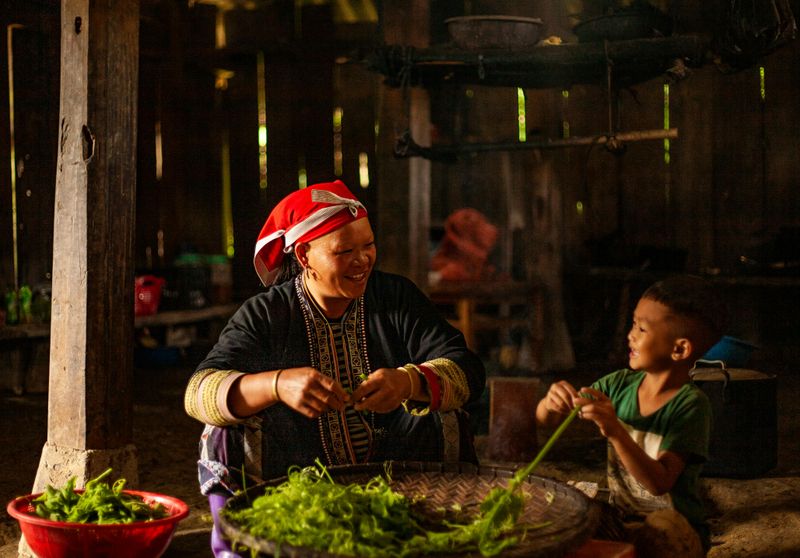
Pride is not always about achievements like good grades or awards.
Sometimes parents feel most proud during quiet moments that reveal your character.
Your dad might remember when you stood up for a friend being treated unfairly.
Your mom could treasure a time when you showed unexpected maturity during a family crisis.
Asking this question gives them a chance to celebrate you in specific, meaningful ways.
You will likely be surprised by what stands out in their memory.
The moments they cherish might differ from what you consider your biggest accomplishments.
This difference reveals what they truly value and hope to instill in you.
Hearing their answer can boost your confidence and clarify your strengths.
It also shows you care about their perspective and want to make them proud.
Such affirmation strengthens the emotional connection between parent and child.
Your parents may become emotional sharing these memories, which deepens intimacy.
You might learn about qualities they see in you that you take for granted.
Kindness, resilience, or humor could mean more to them than any trophy or report card.
6. How did your upbringing shape the way you parent me?
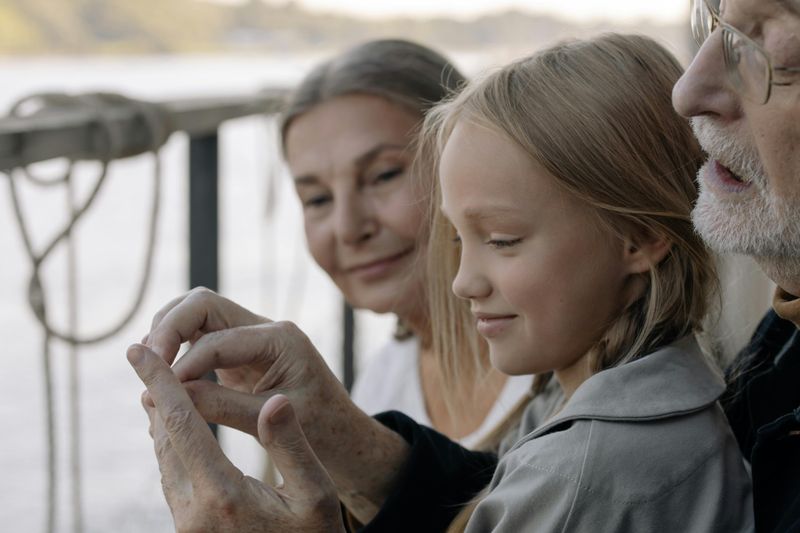
Every parent brings baggage, both positive and negative, from their own childhood.
Your mom might parent in direct reaction to how she was raised.
If her parents were harsh, she may strive to be more understanding with you.
Conversely, if she felt her parents were too permissive, she might enforce stricter boundaries.
Your dad could replicate traditions he loved or deliberately avoid patterns that hurt him.
This question helps you understand that parenting choices are rarely random.
They stem from deeply personal experiences and sometimes unresolved emotions.
Your parents may share stories of feeling neglected, pressured, or misunderstood as children.
These revelations explain why certain issues trigger strong reactions in them.
For example, a parent who struggled academically might be overly concerned about your grades.
Or one who lacked emotional support might go overboard trying to validate your feelings.
Recognizing these patterns helps you respond with compassion rather than frustration.
You begin to see their actions as attempts to heal old wounds or break harmful cycles.
This awareness can transform conflicts into opportunities for mutual understanding and growth.
7. What was your biggest fear when I was born?

Bringing a new life into the world is terrifying, even when it is joyful.
Your parents probably experienced intense anxiety alongside excitement when you arrived.
They might have worried about their ability to keep you safe and healthy.
Financial concerns about providing for another person could have kept them up at night.
Some parents fear they will repeat mistakes their own parents made.
Others worry about the state of the world and what challenges you will face.
Asking about their fears shows maturity and interest in their emotional journey.
You acknowledge that becoming a parent involves vulnerability, not just joy.
Their answer might reveal anxieties they still carry, helping you understand protective behaviors.
A parent who feared losing you might struggle with giving you independence now.
One who worried about being a bad parent might be overly critical of their own choices.
Hearing these fears humanizes them and shows how much they cared from day one.
You realize their love has been constant, even when expressed imperfectly.
This question can prompt tender conversations that bring you closer together emotionally.
8. What do you think I misunderstand most about you?

Parents often feel misunderstood by their children, just as kids feel misunderstood by parents.
Your mom might think you see her strictness as control when she views it as protection.
Your dad could believe you interpret his silence as disinterest rather than respect for your space.
This question invites them to voice feelings they may have kept inside.
You give them permission to correct assumptions you have made about their motives.
Many parents struggle to express emotions or explain their reasoning in the moment.
A calm conversation about misunderstandings can clear the air and prevent future conflicts.
You might discover that actions you found hurtful were never intended that way.
Your parent could explain cultural or generational differences that shape their communication style.
For instance, they may show love through actions rather than words, which you missed.
Or they might feel you do not appreciate sacrifices they made because they did not advertise them.
Hearing their perspective helps you adjust your interpretation of their behavior.
It also models healthy communication, showing that clarifying misunderstandings strengthens relationships.
This exchange can reduce resentment on both sides and foster greater empathy.
9. If you could change one thing about your past, what would it be?

Regret is a universal human experience, and your parents carry their own what-ifs.
They might wish they had pursued more education or taken a different career path.
Perhaps they regret not traveling before settling down or missing important family moments due to work.
Some parents wish they had been braver in relationships or stood up for themselves more.
Others might express regret about health choices or financial decisions made when younger.
This question allows them to be vulnerable about roads not taken.
It reminds you that they are complex individuals with their own unfulfilled desires.
You may gain insight into why they push certain values or opportunities on you.
A parent who regrets not finishing college might strongly encourage your education.
One who wishes they had maintained friendships might stress the importance of your social connections.
Understanding their regrets helps you see their advice as coming from lived experience.
It also shows you that everyone makes choices they later question.
This perspective can ease pressure you feel to make perfect decisions in your own life.
Learning from their regrets without being burdened by them is a gift this conversation offers.
10. What do you hope our relationship will look like in ten years?

Looking ahead together helps align expectations and build a shared vision for your future connection.
Your parents likely hope for continued closeness as you grow more independent.
They might envision regular visits, phone calls, or family gatherings that keep you connected.
Some parents dream of being trusted advisors you turn to when facing adult challenges.
Others simply hope you will want them in your life as you build your own family or career.
This question acknowledges that relationships evolve and require intentional effort.
It shows you value the bond enough to think about its future, not just its present state.
Your parents may express fears about growing apart as you become more independent.
Or they might share excitement about relating to you as an adult rather than a child.
Hearing their hopes can motivate you to nurture the relationship through transitions.
You might also share your own vision, creating dialogue about how to maintain connection.
This forward-looking conversation can ease anxieties about the inevitable changes ahead.
It reassures your parents that you see them as important figures in your long-term life.
Such reassurance can improve current interactions by reducing their fear of losing you.