
Feeling lonely beside the person you married can be confusing and painful. Changes in how your husband talks, acts, or shows affection may leave you wondering what is wrong.
These patterns can point to marriage troubles, but stress, illness, and other problems can look similar. Look for lasting changes rather than one bad day, and use what you notice to begin an honest, safe conversation.
1. Conversations Stay on the Surface

Dinner talk once wandered from silly stories to big dreams. Now, you mostly discuss bills, groceries, and who needs the car.
When deeper topics keep getting brushed aside, emotional distance may be growing.
Choose a quiet moment and describe the change without blaming him. Try saying that you miss having real conversations.
Ask whether something has been weighing on him, then leave room for an honest answer rather than filling every silence with more questions.
2. Your Daily Life No Longer Sparks His Interest

You mention a hard meeting or a funny moment, but the follow-up questions never come. A lasting drop in curiosity can make you feel unseen, especially if he once remembered small details about your life.
Explain what you miss using one clear example. You might ask for ten minutes each evening to catch up without distractions.
Notice whether he makes an effort over time, while remembering that exhaustion can also shrink someone’s attention for others.
3. Personal Thoughts Become Harder to Reach
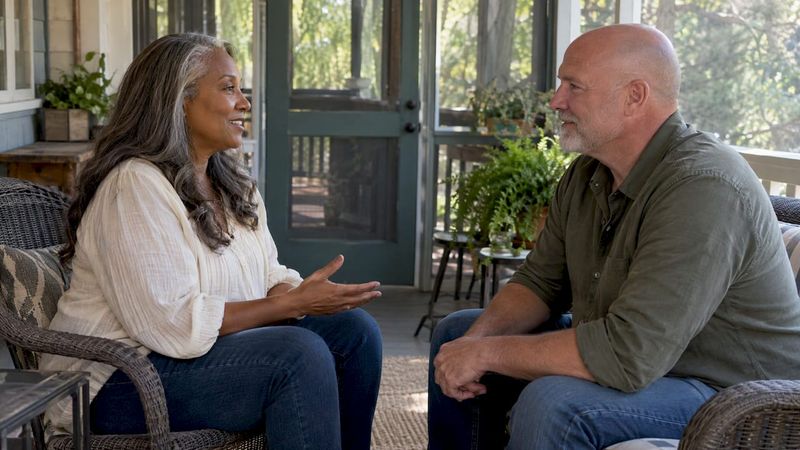
Being married does not mean sharing every thought. Still, if he suddenly stops telling you about his worries, hopes, or everyday experiences, you may feel shut out of his inner world.
Offer an invitation rather than a demand for details. Let him know you want to understand, not judge or fix everything.
If opening up remains difficult, suggest talking with a counselor who can help both of you feel heard without adding pressure or blame.
4. Comfort Is Missing When You Need It

A rough day feels heavier when your partner seems untouched by your pain. Repeatedly ignoring tears, brushing off worries, or changing the subject during serious moments can signal a loss of emotional closeness.
Be specific about the support you need, whether that means listening, a hug, or practical help. He may struggle to recognize those needs, but repeated dismissal still matters.
Seek support elsewhere too, especially if you feel alone while facing something deeply painful.
5. Silence Replaces Efforts to Resolve Problems

The argument ends, but nothing gets solved. He walks away, stops answering, or acts as if the issue never happened, leaving you carrying the tension alone.
A short break can help someone calm down; silence with no return to the topic is different. Suggest agreeing on a time to continue, perhaps after thirty minutes.
If he repeatedly refuses any discussion, consider individual support to decide what boundaries and next steps would protect your emotional health.
6. Small Disagreements Keep Turning Into Fights

Somehow, a forgotten dish becomes a debate about your entire marriage. Frequent fights over small matters may reflect deeper hurt, unmet needs, or stress that neither person has named.
Pay attention to the pattern rather than proving who was right about the dishes. When you are both calm, ask what keeps making ordinary moments feel so tense.
Set rules against insults and shouting, and consider counseling if the same arguments keep circling without real progress.
7. Criticism Crowds Out Kindness

Helpful feedback addresses a problem; constant criticism attacks the person. If he regularly mocks your choices, dismisses your strengths, or treats every mistake as proof that you are flawed, the relationship needs attention.
Tell him which comments hurt and what respectful feedback would sound like. You do not have to earn basic kindness by becoming perfect.
Humiliation, threats, or controlling behavior deserve special concern, and private support may be safer than joint counseling when abuse exists.
8. Irritation Becomes His Usual Mood Around You

A sigh when you speak, an eye roll over a question, a sharp reply about nothing: small moments can create a tense home. Ongoing irritation may suggest resentment, though pain, poor sleep, and stress can also contribute.
Bring up the pattern when neither of you is upset. Explain its effect on you without guessing his motives.
Ask what has changed, and make clear that difficult feelings do not excuse treating you badly day after day.
9. Ordinary Questions Trigger Defensiveness

Asking about weekend plans should not feel like stepping into a courtroom. If neutral questions often bring excuses, blame, or angry counterattacks, talking openly can become exhausting.
Try a calm, specific approach and avoid stacking several complaints together. You can clarify that you want understanding, not a confession.
Still, managing his reactions is not your job alone. A healthy conversation requires both people to listen, take responsibility, and allow reasonable questions without turning them into accusations.
10. Time Away Keeps Growing

Separate interests can strengthen a marriage, but togetherness still needs space on the calendar. A sudden rise in late nights, extra outings, or unnecessary errands may matter when shared time keeps disappearing.
Instead of tracking his movements, talk about the balance you need. Suggest a regular meal, walk, or evening together.
His willingness to protect that time tells you more than any single outing, and being away more often does not by itself prove infidelity.
11. Screens Get His Best Attention
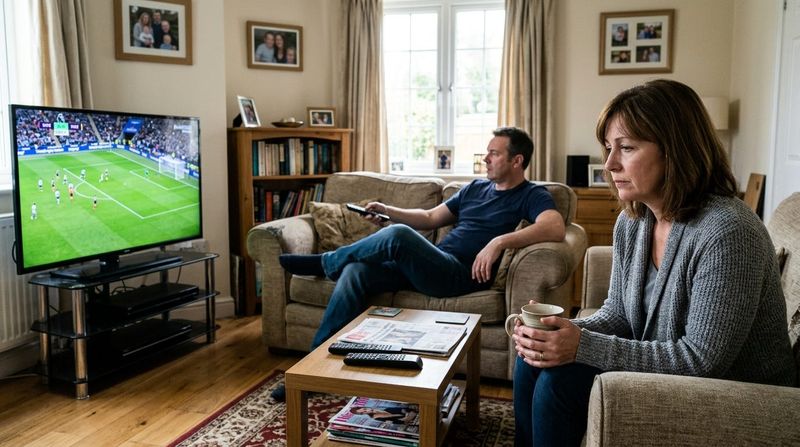
The phone lights up, and your conversation fades into the background. Scrolling, gaming, or watching videos can become a convenient escape when connecting feels difficult.
Focus on lost connection rather than treating the device as the enemy. Ask for a screen-free meal or a short evening check-in that applies to both of you.
If he keeps choosing screens despite clear requests, discuss what makes being present together uncomfortable and whether outside support might help you reconnect.
12. Everyday Touch Starts to Fade

Sometimes the missing pieces are tiny: no hand on your shoulder, no goodbye kiss, no reaching for you during a movie. A lasting change in everyday affection can leave the marriage feeling distant.
Gently name what you miss and ask how he feels about touch lately. Stress, sensory discomfort, illness, or unresolved hurt may be involved.
Respect his boundaries while sharing your own needs, and look for forms of closeness that feel comfortable to both.
13. Sexual Connection Changes Without Discussion

A quieter sex life does not automatically mean a quieter love. Desire can shift because of medication, health problems, stress, aging, or personal changes, not just marriage troubles.
Concern grows when a major change comes with distance and no willingness to discuss it. Choose a private, pressure-free moment to share how you feel.
Ask about his experience without demanding sex or reassurance. Medical advice or a qualified therapist may help clarify what is happening between you.
14. Shared Plans Lose Their Place

Next summer’s trip used to spark ideas; now even next month’s plans get a shrug. Avoiding a shared future can feel unsettling, especially when he freely plans other parts of his life.
Start small by asking about one realistic activity you could enjoy together. Then discuss whether money, uncertainty, or relationship doubts are making planning hard.
Do not assume the answer, but take repeated refusal seriously when he also avoids explaining what has changed for him.
15. Relationship Effort Feels One-Sided

You arrange the dates, start the talks, and suggest ways to reconnect. When every attempt depends on you, partnership can begin to feel like a solo project.
Describe the imbalance using actions rather than labels such as lazy or uncaring. Ask him to take ownership of one meaningful step, then watch for follow-through.
Temporary stress may limit his energy, but lasting repair requires participation from both partners. You cannot rebuild closeness by working twice as hard.
16. Everyone Else Gets Priority

Friends and relatives deserve care, but your place in the marriage matters too. Repeatedly canceling your plans or making major choices around other people’s wishes can leave you feeling pushed aside.
Talk about specific situations instead of asking him to choose between you and everyone else. Agree on boundaries around commitments, family input, and shared decisions.
The goal is balance, not isolation. Notice whether your needs receive fair consideration when the next conflict of priorities appears.
17. Appreciation Seems to Disappear

A simple thank-you can make ordinary work feel seen. When your efforts receive little notice while your mistakes get attention, warmth may slowly drain from the relationship.
Tell him that appreciation helps you feel valued, and give an example of what you mean. This is not about demanding praise for every task.
It is about mutual respect. Model genuine thanks if it feels natural, but remember that you should not have to perform endlessly to deserve recognition.
18. His Well-Being Takes a Noticeable Hit

Skipped showers, poor sleep, or losing interest in favorite activities can worry you. These changes are not reliable proof of marriage unhappiness; they may signal depression, illness, burnout, or another concern.
Lead with care rather than comments about his appearance. Mention what you have noticed and ask how he is coping.
Encourage a health appointment when changes persist. Supporting his well-being matters, but you are not responsible for diagnosing him or becoming his only source of help.
19. Alcohol or Drugs Become an Escape

An extra drink does not explain a marriage, but a growing need to numb feelings deserves attention. Substance use may worsen distance, damage trust, and create health or safety risks.
Raise concerns when he is sober, using clear examples of behavior and its impact. Avoid arguing while he is impaired.
Encourage professional help, and seek support for yourself too. If driving, threats, or violence put anyone at risk, prioritize immediate safety over trying to resolve relationship questions.
20. He Says He Is Unhappy but Avoids Next Steps

Sometimes the clearest signal is spoken plainly: he says he feels unhappy, trapped, or unsure about staying. Take those words seriously without deciding that the marriage is already over.
Ask what he means and whether he wants to work on the relationship. Discuss concrete next steps, such as counseling, agreed changes, or time to reflect.
If he refuses every path forward, get individual guidance. His choices matter, and so do your dignity, safety, and future happiness.