
Spain can turn a simple trip into a day full of surprises, from a palace above a city to a beach beneath volcanic cliffs. Its regions offer different foods, landscapes, and stories, so every stop brings something new.
Whether you love art, mountain walks, or long lunches by the sea, these places can help you plan a trip worth remembering.
1. Barcelona: Gaudí’s Colorful Playground
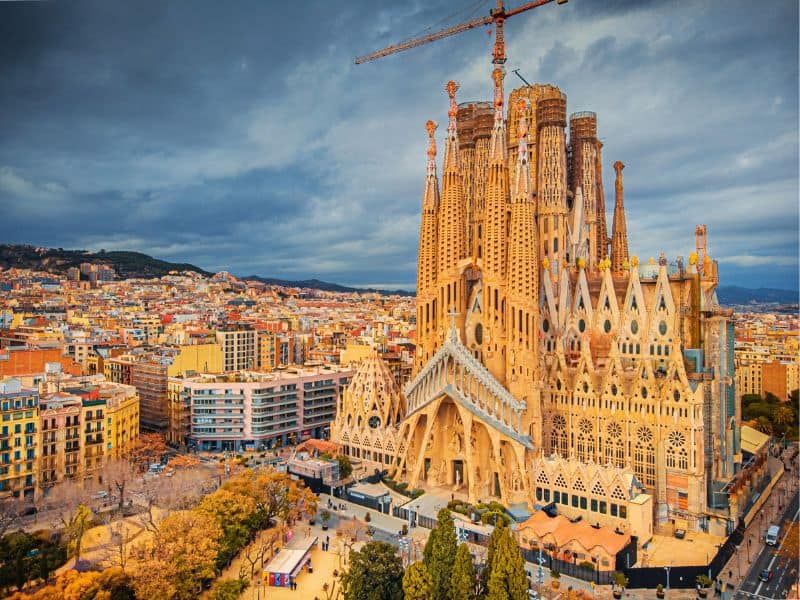
Ordinary buildings seem a little boring after a walk through Gaudí’s Barcelona. The Sagrada Familia fills its soaring interior with colored light, while Park Güell turns broken tiles into bright, playful mosaics.
Book both attractions ahead through their official websites, especially during busy travel months. Afterward, slow down in the Gothic Quarter, where narrow lanes lead to small squares and cafés.
Comfortable shoes make exploring easier, and watching your belongings helps prevent an unwelcome surprise.
2. Granada: Palaces Above the City
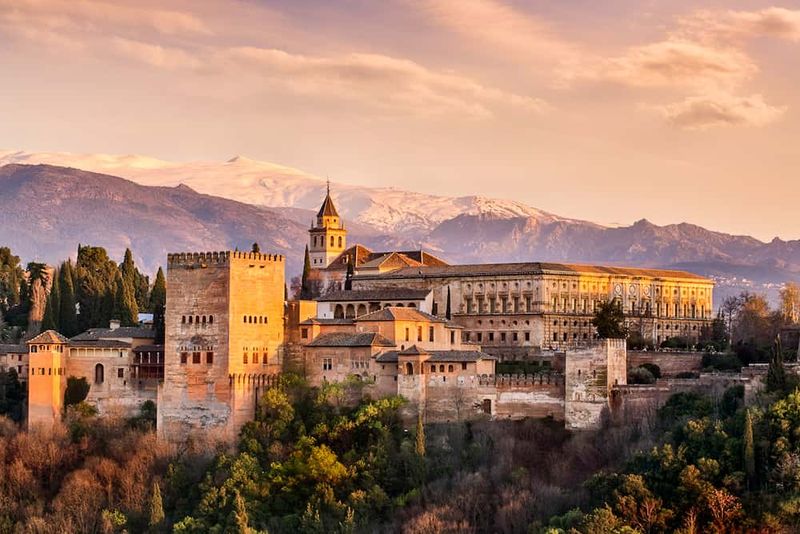
Water trickles through courtyards where rulers once escaped the summer heat. Inside the Alhambra, carved walls, quiet pools, and the Generalife gardens reveal the care behind Granada’s most famous landmark.
Reserve tickets early and check the entry time printed for the Nasrid Palaces, since access follows a strict schedule. Later, climb through the Albaicín to Mirador de San Nicolás.
Sunset draws crowds, but the view across to the palace is worth sharing with fellow travelers.
3. Seville: Grand Squares and Garden Paths
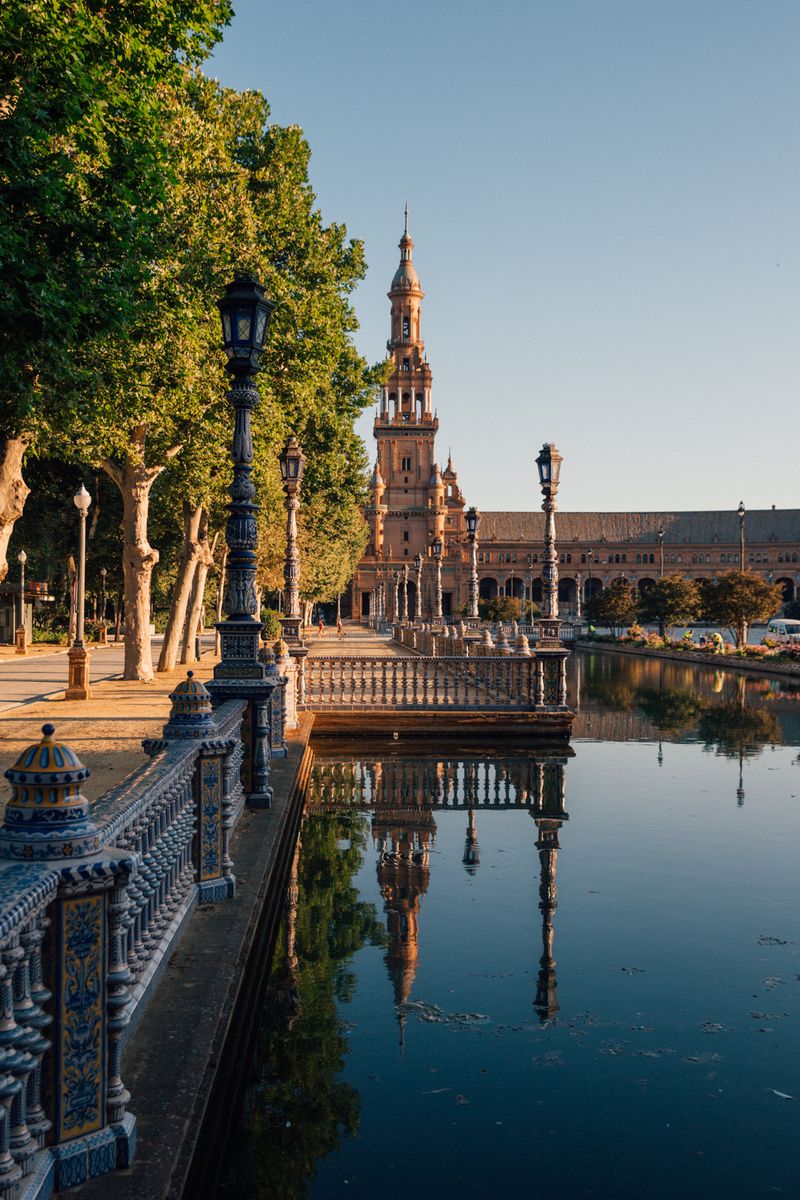
Orange trees and tiled courtyards give Seville a warmth that goes beyond the weather. Start at Plaza de España, then explore the Royal Alcázar’s richly decorated rooms and gardens.
The cathedral and Giralda tower deserve time too, so avoid squeezing everything into one afternoon. Summer heat can be fierce; plan outdoor walks early and rest during midday.
For an evening treat, choose a flamenco performance in a small venue where the music feels wonderfully close.
4. Madrid: Art With Room to Breathe
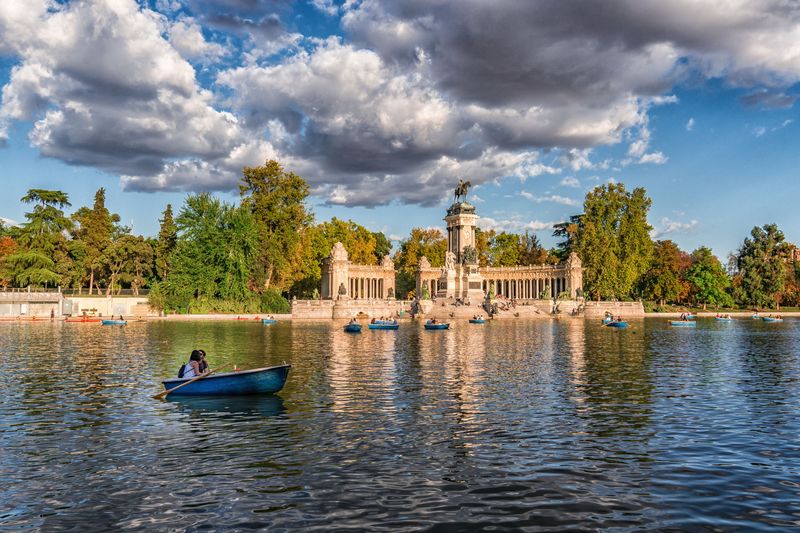
A morning with royal portraits can lead straight into an afternoon beside a boating lake. Madrid pairs the Prado Museum’s famous paintings with the open paths and shady corners of Retiro Park.
Pick a few artworks you truly want to see rather than racing through every gallery. The Royal Palace adds grand rooms and royal history, while neighborhood markets offer an easier lunch stop.
Check museum schedules before visiting, as opening hours and free periods vary.
5. Córdoba: Arches, Flowers, and Quiet Lanes
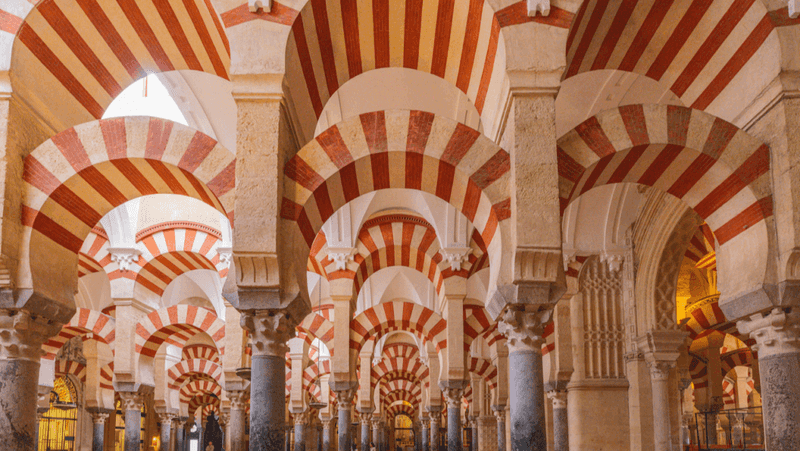
Rows of red and pale arches create a sight you will remember long after leaving Córdoba. The Mezquita-Cathedral brings layers of religious history together beneath one roof, with details that reward a slow visit.
Outside, wander the old Jewish quarter and cross the Roman Bridge for views back toward the city. May brings the famous patio festival, when flower displays fill private courtyards.
Check festival dates and expect queues at popular patios during busy periods.
6. Valencia: Space-Age Sights and Rice Traditions
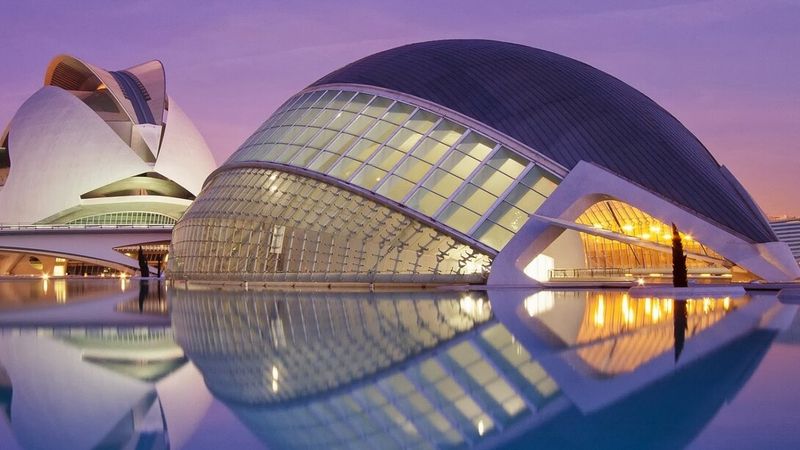
Spaceship shapes rise above bright pools at the City of Arts and Sciences. Valencia’s bold modern buildings make a striking contrast with its old streets, busy Central Market, and Gothic silk exchange.
Save lunchtime for paella, a local rice tradition often shared from a wide pan. For another side of the city, cycle through the Turia Gardens, built in a former riverbed.
Book popular attractions separately and check distances, because the complex covers substantial ground.
7. Toledo: History Around Every Corner
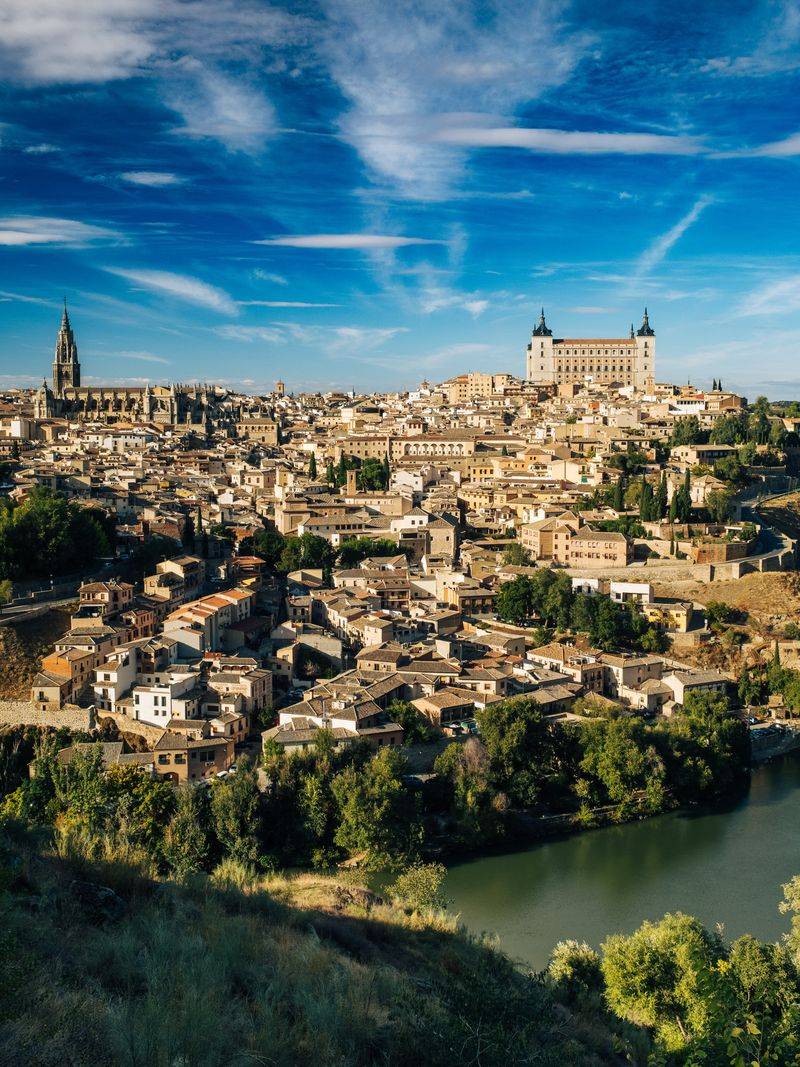
Getting a little lost is part of Toledo’s charm. Behind its stone walls, winding lanes connect churches, former synagogues, and a historic mosque, revealing the city’s Christian, Jewish, and Muslim heritage.
Visit the cathedral, then leave time for smaller sites instead of treating the city as one quick photo stop. The slopes and cobbles call for sturdy shoes.
For the classic skyline, head to Mirador del Valle, where the Tagus River curves below the city.
8. Segovia: Roman Skill and Storybook Towers
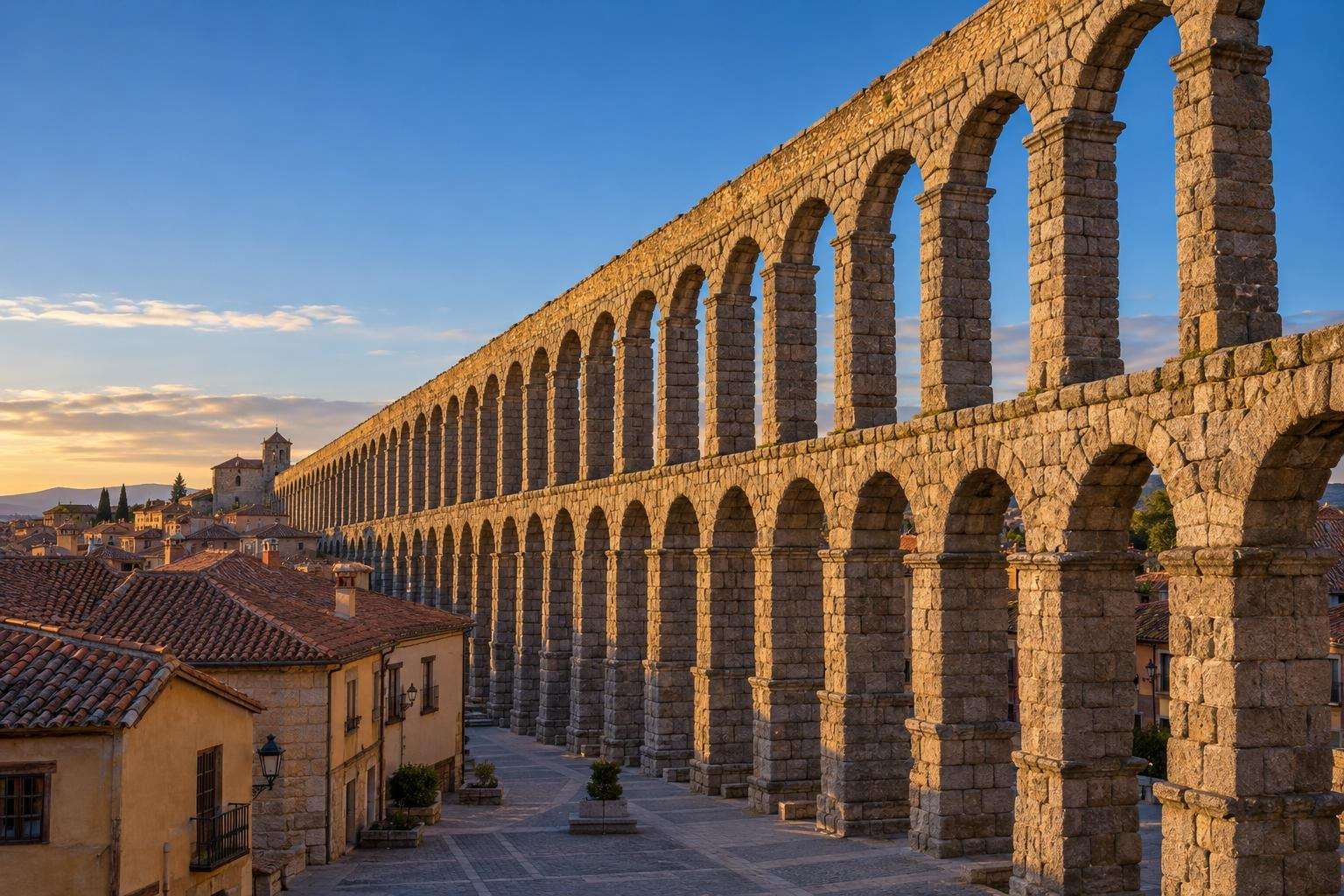
No photograph quite prepares you for standing beneath Segovia’s enormous Roman aqueduct. Its granite blocks form towering arches, showing how skilled builders moved water long before modern machines existed.
Follow the streets uphill toward the cathedral and the Alcázar, whose pointed towers give it a storybook outline. Reserve extra energy if you plan to climb a tower.
Although Segovia works as a Madrid day trip, an overnight stay lets you enjoy quieter lanes after sunset.
9. San Sebastián: Beach Walks and Little Bites
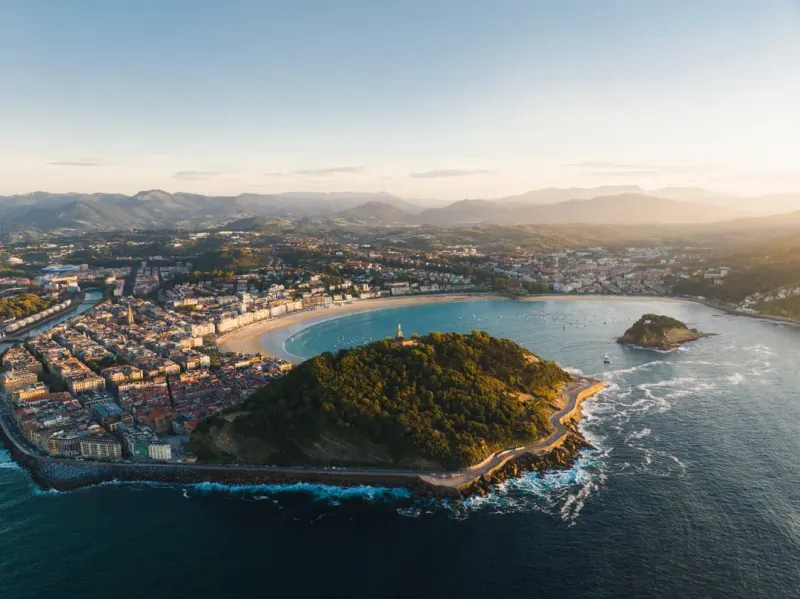
One small bite can become the highlight of your day in San Sebastián. Bars in the old town serve pintxos, ranging from simple bread toppings to carefully prepared miniature dishes.
Order a little at each stop and ask how ordering works, since customs differ between bars. Between meals, stroll beside La Concha Bay or climb Monte Urgull for sea views.
Pack a light rain jacket, even in warmer months, because the Basque coast can surprise you.
10. Santiago de Compostela: A Journey’s Moving Finish
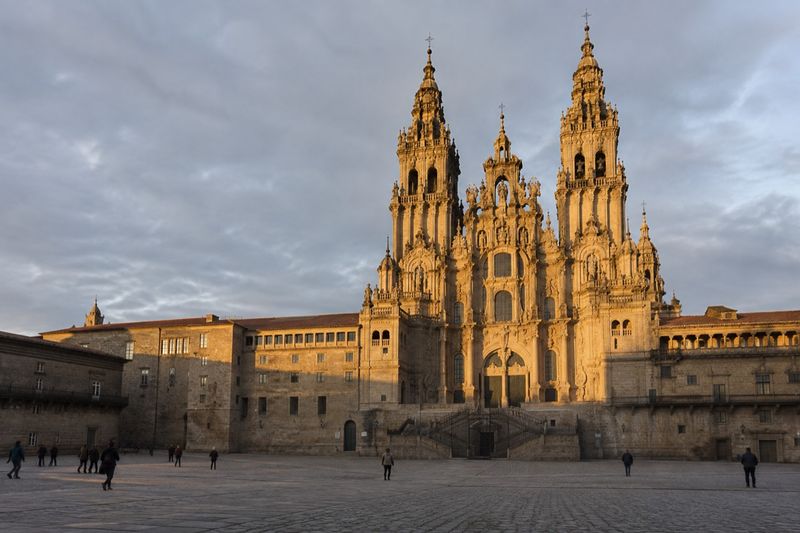
Relief, joy, and tired feet often meet in the square outside Santiago’s cathedral. For many pilgrims, reaching this Galician city marks the end of a long walk along the Camino de Santiago.
You do not need to complete the trail to appreciate the place. Explore the cathedral, wander beneath stone arcades, and try a slice of almond cake.
Bring waterproof layers for changeable weather, and remember that worship services may affect sightseeing access inside the cathedral.
11. Ronda: A Town Split by a Gorge
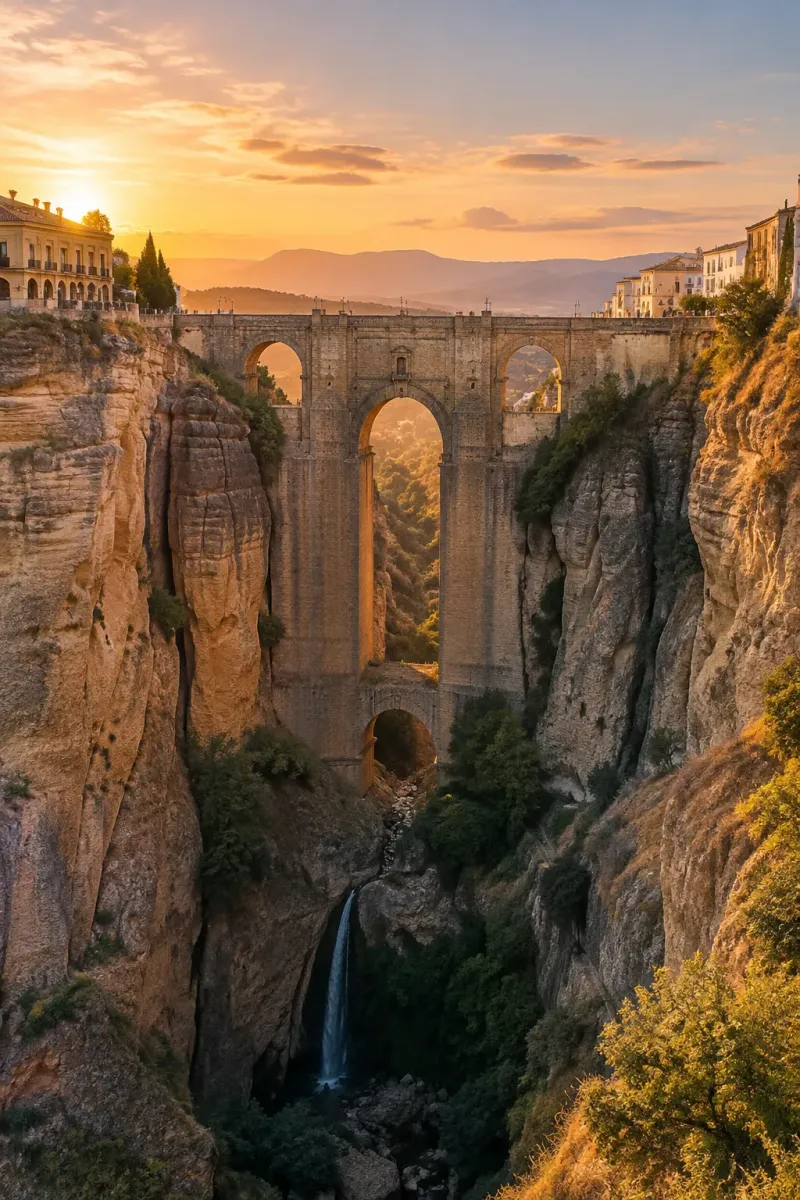
A deep crack in the landscape gives Ronda its unforgettable entrance. The Puente Nuevo bridges El Tajo gorge, joining parts of town high above the river below.
Enjoy the view from marked overlooks before wandering into older streets filled with small squares and historic buildings. Some paths toward lower viewpoints are steep, so check conditions and carry water.
Staying overnight offers a calmer experience once many tour groups leave, with evening light softening the cliffs.
12. Bilbao: Bold Art Beside the River
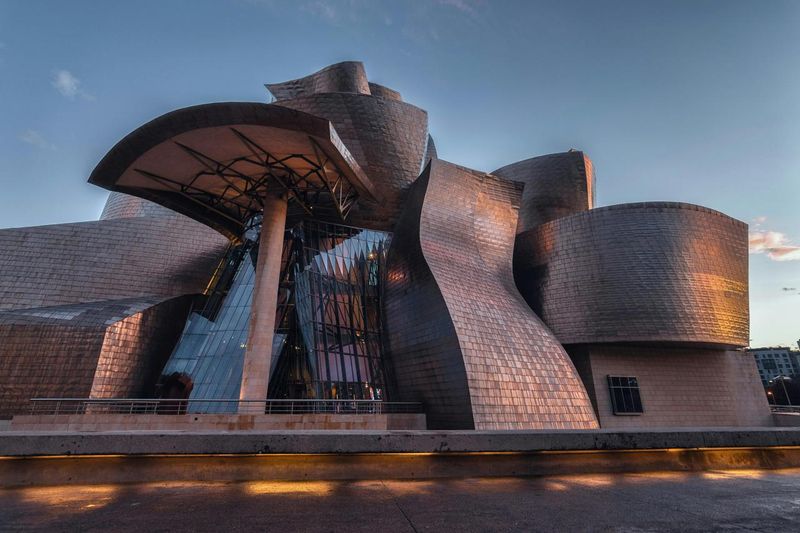
Curved sheets of titanium catch the light like giant fish scales beside Bilbao’s river. Frank Gehry’s Guggenheim Museum helped change the city’s image, making its building as famous as the art inside.
Check current exhibitions before booking, then follow the riverside paths to see more of the city on foot. Across town, Casco Viejo offers narrow streets, neighborhood shops, and lively places for pintxos.
Allow time for both sides rather than visiting only the museum itself.
13. Palma: Gothic Grandeur by the Sea
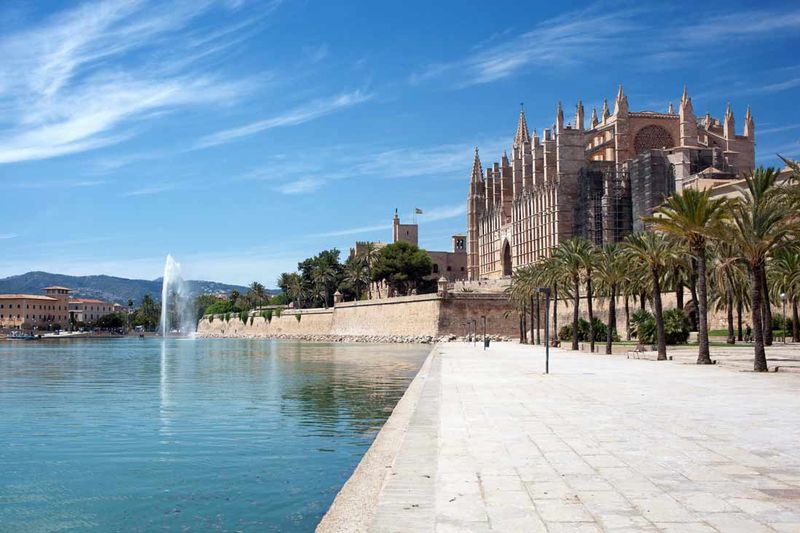
Sunlight turns Palma’s waterfront cathedral the color of warm honey. Known as La Seu, the Gothic landmark rises above the sea and makes a striking starting point for exploring Mallorca’s capital.
Step into the old town for shaded lanes, courtyards, and small shops. If your schedule allows, plan a separate outing to Port de Sóller, beyond Palma on the island’s northwest coast.
Compare transport options beforehand, since mountain roads and popular routes can take extra time.
14. Teide National Park: Spain Above the Clouds
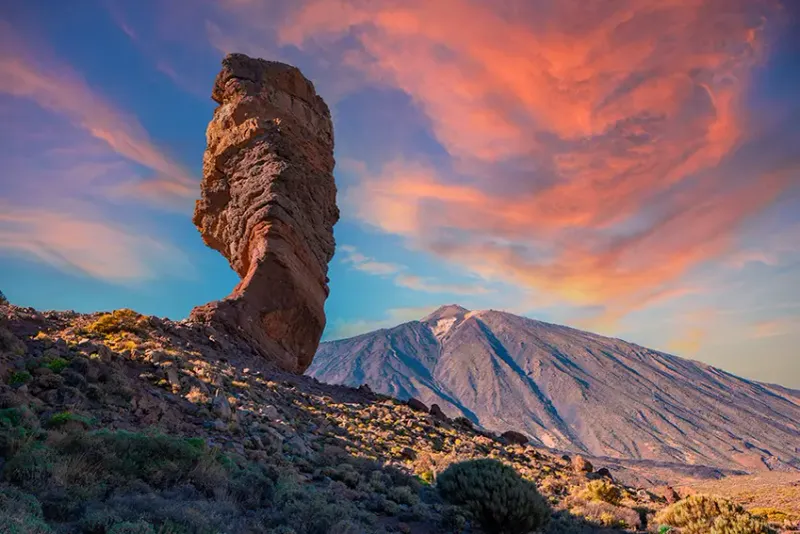
You might feel as though you have landed on another planet. Tenerife’s Teide National Park spreads across lava fields and strange rock formations beneath Spain’s highest mountain, a volcano reaching 3,715 meters.
Bring sun protection, water, and warm layers, since conditions change sharply with height. Cable car trips depend on weather, and summit access has separate requirements.
Check official rules before traveling, and choose a lower walking route if altitude makes you feel unwell or breathless.
15. Picos de Europa: Peaks Above Green Pastures
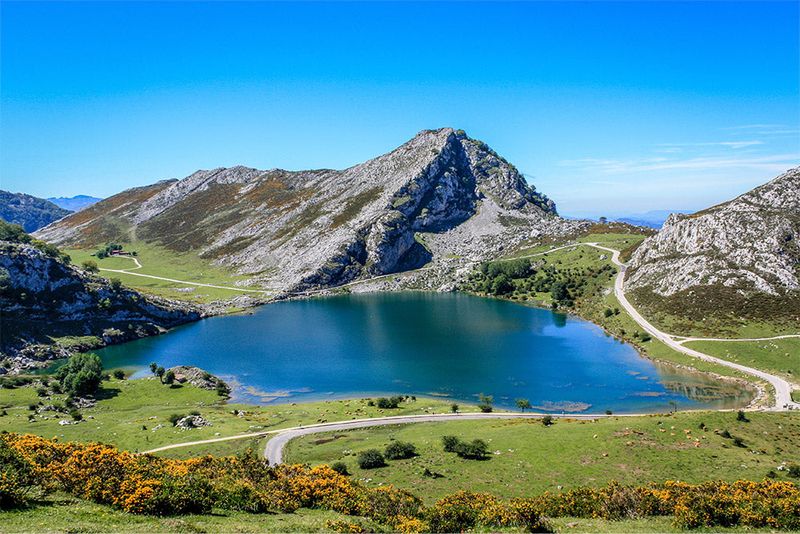
Cowbells sometimes provide the soundtrack beneath the sharp limestone peaks of Picos de Europa. This northern national park stretches across Asturias, Cantabria, and León, with mountain villages and trails for different abilities.
The Lakes of Covadonga are a memorable starting point, especially when clouds lift from the surrounding slopes. Check seasonal road restrictions and shuttle arrangements before setting out.
Mountain weather changes quickly, so carry layers, follow marked paths, and choose walks that match your experience.
16. Cabo de Gata: Spain’s Wilder Shore
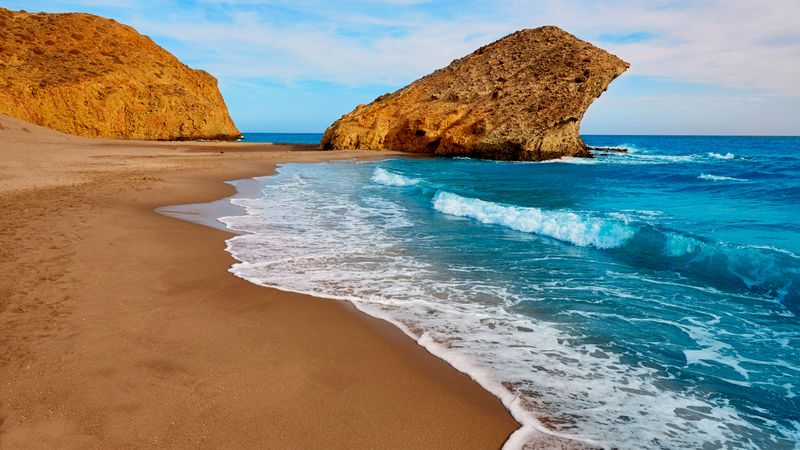
Forget rows of tall hotels beside the sand. Cabo de Gata-Níjar protects a rugged corner of Andalusia, where volcanic rocks, dry hills, and clear water create a very different coastal escape.
Beaches such as Mónsul reward visitors who arrive prepared rather than expecting every service nearby. Bring drinking water, food, and shade, then take all rubbish away.
Summer vehicle access can be controlled, so check local arrangements and respect closures designed to protect this fragile landscape.
17. Girona: Riverside Colors and Medieval Walls
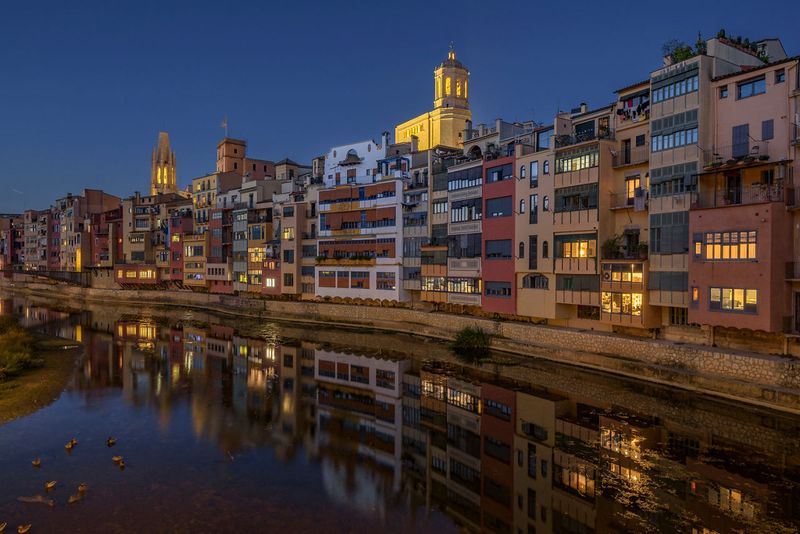
Painted houses lean over the Onyar River like a row of colorful book covers. Cross a bridge for Girona’s familiar waterfront view, then head uphill into streets with a much older story.
The Jewish Quarter’s narrow passages and the cathedral area invite slow exploring. Walk an accessible section of the city walls for rooftop views, checking opening times before you go.
Steps are common throughout the old town, so plan a gentler route if mobility is limited.
18. Cádiz: Atlantic Air and Ancient Streets

Salt air follows you through Cádiz, a city nearly surrounded by the Atlantic. Its old streets open onto bright squares, waterfront defenses, and La Caleta, a small beach loved for its sunset views.
Climb a lookout tower or explore the market before settling down for fresh seafood. Longer beaches await elsewhere in Cádiz province, including Bolonia and El Palmar, but they require separate travel plans.
Coastal winds can be strong, so check conditions before beach outings.
19. Montserrat: A Monastery Among Stone Peaks
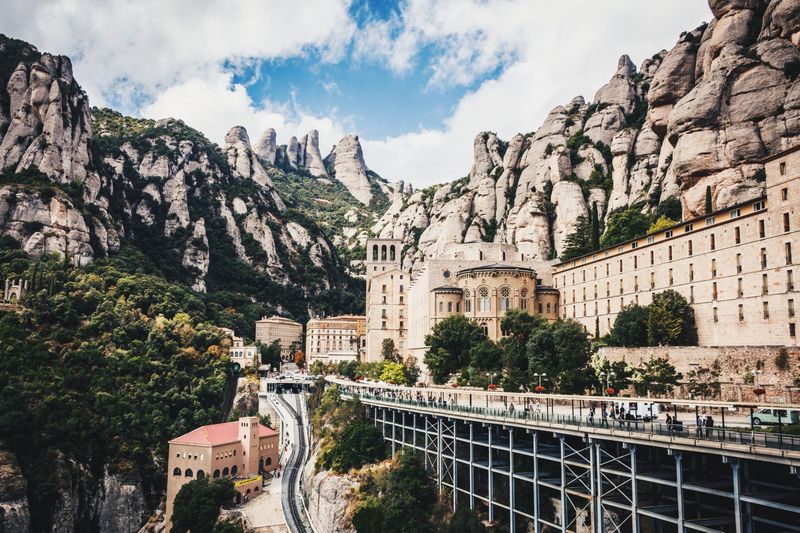
Jagged stone peaks rise like a giant natural fortress above the Catalan countryside. Tucked among them, Montserrat’s Benedictine monastery draws visitors for its mountain setting and the revered Black Madonna.
Plan your journey from Barcelona carefully, checking train connections and mountain transport schedules. Some religious visits and performances require advance reservations.
Beyond the monastery, marked trails offer wider views, but sturdy footwear matters. Stay behind barriers and never climb sculptures or exposed rocks for a photograph.
20. Zaragoza: Riverside Domes and Tapas Nights
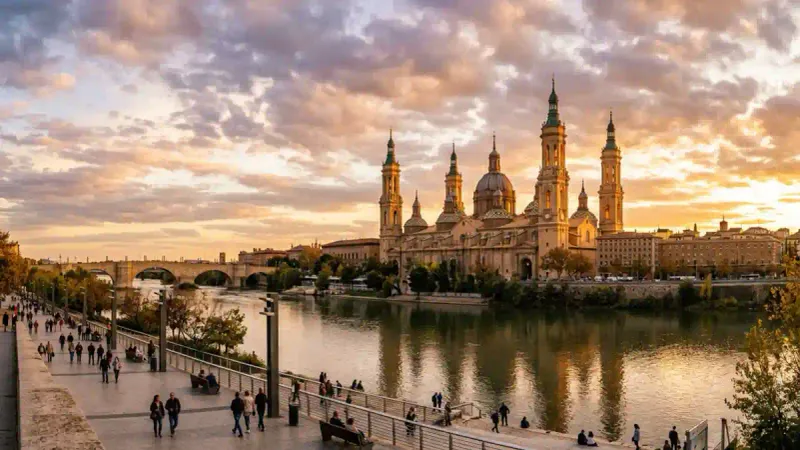
Domes and towers stretch above the Ebro River, giving Zaragoza a skyline that deserves more attention. The Basilica of Our Lady of the Pillar anchors the view and remains an important place of worship.
Cross the Stone Bridge for a broader look, then explore Roman remains or the richly decorated Aljafería Palace. When hunger arrives, follow the evening crowds into El Tubo for tapas.
Check palace access ahead, since official activities can sometimes affect visiting hours.