
Feeling alone beside the person you married can hurt more than being alone. When one partner keeps putting themselves first, trust and closeness can slowly wear away.
A rough week does not prove your marriage is failing, but repeated patterns deserve attention. Recognizing these signs can help you name what is happening, ask for change, and protect your well-being.
1. Your Feelings Get Brushed Aside

You share a hard moment, and somehow your feelings become an inconvenience. Your spouse might call you too sensitive or tell you to stop worrying instead of listening.
Over time, that response can make you hide your pain.
Try naming the support you need, such as five minutes of listening without advice. Notice whether they make an effort.
A caring partner may misunderstand at first, but repeated dismissal leaves little room for lasting emotional closeness.
2. Every Plan Favors Their Preferences

Friday night arrives, and your wishes never make the schedule. Restaurants, vacations, and weekend plans keep matching what your spouse wants.
Having different tastes is normal; treating one person’s choices as the automatic winner is not.
Suggest taking turns or choosing activities together before plans are settled. Watch how they respond when your preference comes first.
Fairness does not require perfect balance every day, but both people should matter across the life you share together.
3. Conversations Become Their Personal Spotlight

A simple story about your day gets interrupted by a longer story about theirs. They rarely ask follow-up questions, and your thoughts seem to disappear between their sentences.
You may leave conversations feeling more like an audience than a partner.
Ask for a few minutes to finish before they respond. You can also suggest taking turns during daily check-ins.
Healthy conversation includes curiosity, not just airtime, and your experiences deserve genuine attention without constant competition.
4. Winning Matters More Than Repair

Even a small disagreement turns into a contest with a winner and loser. Instead of addressing your hurt, your spouse gathers reasons they were right.
An apology may come with excuses or blame that cancels its meaning.
Bring the focus back to the specific action and its effect on you. Look for ownership followed by different behavior.
Repair requires more than ending an argument; it means caring enough to change what keeps causing the pain.
5. Your Good News Barely Registers

That promotion, finished project, or personal milestone deserved a shared smile. Instead, your spouse shrugs, changes the subject, or explains why their achievement was bigger.
Repeated indifference can slowly steal the joy from sharing good news.
Tell them what celebration looks like to you, whether that means a hug or dinner together. Keep sharing your wins with supportive people, too.
Your progress has value even when your partner fails to recognize the effort behind it.
6. Closeness Happens Only on Their Terms

Sitting together can still feel lonely when emotional connection is missing. Your spouse may welcome comfort when upset but become unavailable when you need warmth.
Stress can cause distance, yet a lasting pattern deserves an honest conversation.
Choose a calm moment to describe what you miss, such as affection or regular talks. Ask whether they will work toward more connection.
Respect each person’s right to decline touch while noticing whether emotional care is consistently absent.
7. The Workload Keeps Landing on You
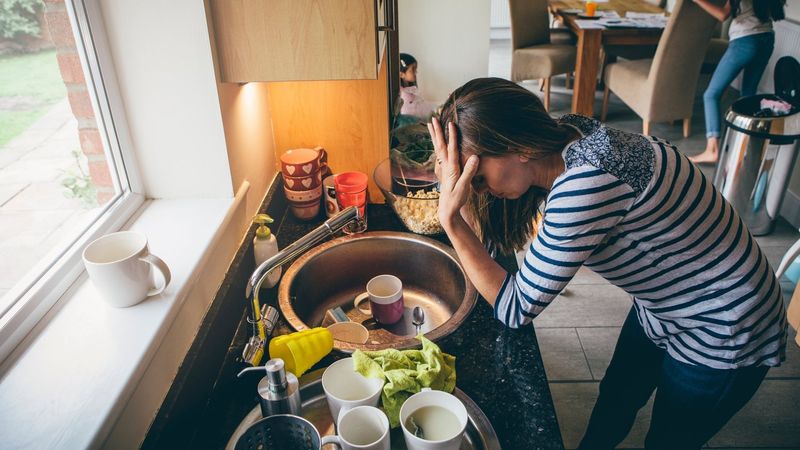
Someone has to remember appointments, buy groceries, and notice the empty soap bottle. If that someone is always you, resentment can grow quickly.
The burden includes planning and remembering, not just the chores people can see.
Write down shared tasks and agree on who fully owns each responsibility. Avoid becoming the permanent manager who must assign every step.
A fair arrangement considers time, health, and ability while expecting both partners to contribute in meaningful ways.
8. Compromise Feels Like a Losing Battle

Meeting halfway should not mean you walk the whole distance. When your spouse rejects every middle ground, small choices can become exhausting struggles.
You might start surrendering simply to keep the peace at home.
Separate firm needs from flexible preferences, then ask your partner to do the same. Offer a solution that respects both sides.
Their willingness to consider it matters more than getting your exact choice, because cooperation is what keeps shared decisions fair.
9. Their Mistakes Somehow Become Your Fault

The forgotten bill becomes your fault for not reminding them. Their rude comment becomes your fault for making them angry.
When responsibility keeps changing hands, solving the actual problem becomes almost impossible.
Stick to clear facts and avoid accepting blame for choices you did not make. You can own your part without carrying theirs.
If discussions repeatedly leave you confused or ashamed, a trusted counselor can help you examine the pattern and consider your options.
10. Pressure Replaces Honest Requests

Love should not require proving yourself through obedience. Guilt, threats, or repeated denial of events may push you toward choices you do not want.
A disagreement alone is not gaslighting; a repeated effort to undermine your reality is different.
Keep private notes only if doing so is safe. Talk with someone you trust about what happens.
If pressure includes fear or control, seek individual support rather than assuming a joint conversation will fix the situation.
11. Praise Becomes a Constant Requirement

A compliment can brighten anyone’s day, but endless demands for praise can wear you down. Your spouse may become sulky when attention shifts away from them or expect you to keep rebuilding their confidence.
Offer sincere appreciation without taking responsibility for their entire sense of worth. Explain that you also need interest and encouragement.
Wanting reassurance is human; making your partner supply it constantly creates an uneven relationship that leaves little space for anyone else’s feelings.
12. Different Rules Apply to Each of You

They can change plans freely, but you must ask permission. Their rest is protected, while yours gets interrupted.
Double standards suggest that your spouse sees their comfort as more important than your equal place in the marriage.
Name one clear example and ask what a fair rule would look like for both people. Avoid getting lost in every past incident.
Equal respect means shared expectations, not special privileges that only one person gets to enjoy.
13. Personal Boundaries Get Ignored

Your time, privacy, and body do not stop belonging to you after marriage. Reading your messages, interrupting needed rest, or pushing past a clear no can damage trust.
Boundaries are not punishments; they describe what you will accept.
State your limit plainly and choose a response you can safely control. For example, end a conversation when insults begin.
If your spouse reacts with threats or blocks your freedom, prioritize safety and reach out for support.
14. Jokes Leave You Feeling Small

Everyone laughs except you. A joke about your looks, skills, or intelligence may sting even more when your spouse says you cannot take humor.
Repeated put-downs can chip away at confidence and make everyday life feel unsafe emotionally.
Explain which comment crossed the line and ask that it stop. Helpful feedback addresses a behavior without attacking your worth.
If ridicule continues after you speak up, seek outside support rather than working harder to earn kindness.
15. Your Support Circle Keeps Shrinking

First comes a complaint about your friend, then an argument whenever you visit family. Before long, staying home seems easier than facing another fight.
Not every concern about a relative is controlling, but repeated isolation is a serious warning.
Keep contact with people who respect you, using safe methods if your communications are monitored. You do not need permission to have support.
A domestic abuse service can help you assess risk without pressuring you to leave.
16. Your Efforts Become Invisible

The meal appears, the laundry gets folded, and the birthday gift somehow buys itself. When effort goes unnoticed, you can start feeling useful rather than loved.
Appreciation does not replace fairness, but its absence makes an uneven marriage hurt more.
Point out the work involved and explain how recognition affects you. Ask for specific changes instead of relying on hints.
Notice whether gratitude grows alongside practical help, because kind words alone cannot carry the whole workload.
17. Strangers Get Their Best Side

Friends describe your spouse as thoughtful, yet home tells another story. They may show patience to coworkers while saving sharp words and indifference for you.
That contrast can make you doubt whether anyone would believe your experience.
Describe specific private behaviors rather than trying to prove their public image is false. A trusted person or individual therapist can listen without the performance.
Being pleasant elsewhere does not erase the need to treat you respectfully at home.
18. You Face Disrespect Without Their Support

A cruel remark lands at a family dinner, and your spouse stays silent or joins in. Partners do not have to agree about everything, but basic respect should not disappear around other people.
Repeated silence can leave you feeling exposed.
Discuss what support would look like before another gathering. It might mean changing the subject, naming an insult, or leaving together.
Ask for respect rather than blind loyalty, and notice whether your spouse follows through afterward.
19. Money Serves Their Wants First

Shared bills wait while personal purchases keep arriving. Your spouse may hide spending, refuse basic money discussions, or demand control of your paycheck.
Different spending styles can be negotiated; blocking access to necessities may signal financial abuse.
If safe, review accounts and suggest a budget with agreed personal spending limits. Keep access to essential records and seek independent advice when needed.
Financial teamwork allows both partners a voice, even when their incomes are very different.
20. Keeping the Peace Means Living in Fear

You rehearse harmless comments because you cannot predict the reaction. Explosive anger, constant accusations, or demands to prove your whereabouts can make home feel tense.
These behaviors deserve attention, whatever label fits your spouse.
When fear is present, prioritize private support and a safety plan over confronting them or starting couples counseling. Contact a local domestic abuse service from a safe device.
If you face immediate danger, seek emergency help when it is safe to call.