
David Bowie made music feel like a place where anyone could belong. His songs mixed space stories, bold characters, dance beats, and big feelings in ways that changed pop and rock.
He also showed artists that changing your style could be a strength. From Major Tom’s lonely journey to the bright pulse of Let’s Dance, these tracks reveal how his ideas kept opening new doors.
1. Space Oddity (1969): A Lonely Voice From Space
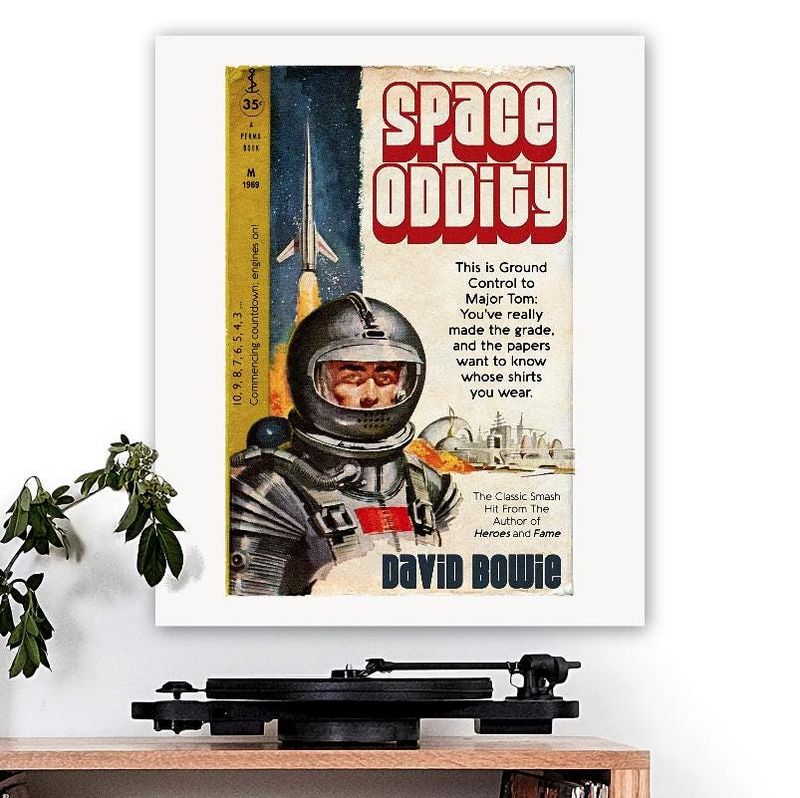
A countdown opens the door to one of pop music’s loneliest adventures. Released in 1969, Bowie’s breakthrough follows Major Tom, an astronaut whose journey turns into a haunting break from life on Earth.
The Moon landing gave its space setting extra power, but the feeling reaches beyond rockets. Listen for the shift from calm instructions to drifting wonder.
Bowie showed that a hit single could tell a strange story while expressing a deeply human fear.
2. The Man Who Sold the World (1970): Meeting a Stranger Within
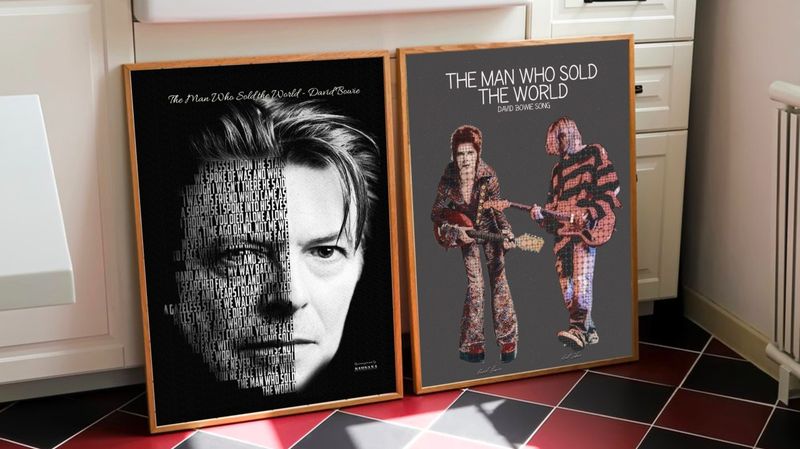
Imagine meeting someone who seems to know a version of you that you have forgotten. That uneasy feeling runs through this mysterious title track from Bowie’s third album, where a curling guitar line makes every encounter feel slightly unreal.
Nirvana’s 1993 MTV Unplugged performance later introduced the song to another generation. Compare both recordings to hear how strong songwriting survives a dramatic change in style.
Bowie’s original feels shadowy, while Kurt Cobain’s reading sounds painfully exposed.
3. Changes (1971): Permission to Become Someone New
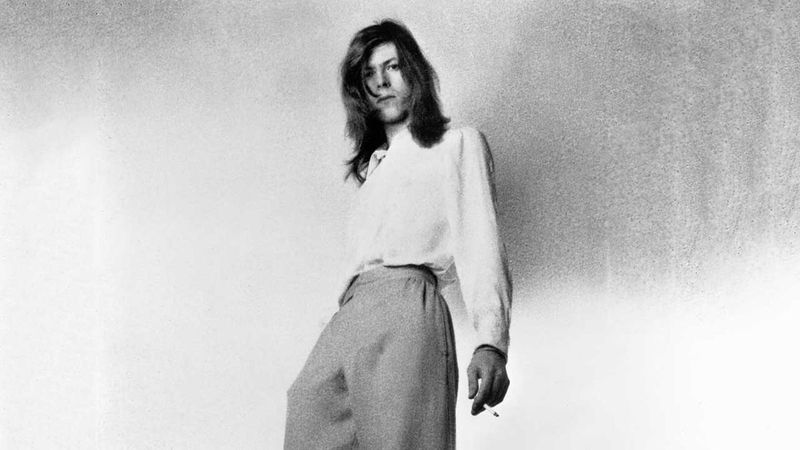
Growing up rarely happens in a straight line, and Bowie made that uncertainty sound exciting. Over bright piano, he sings about change as something to face rather than fear, creating a lasting theme for his restless career.
Released on Hunky Dory in 1971, the track pairs a catchy chorus with thoughts about age and identity. Save it for moments when starting over feels awkward.
Its message helped make reinvention a strength in popular music culture.
4. Life on Mars? (1971): Everyday Life Becomes Grand Theater
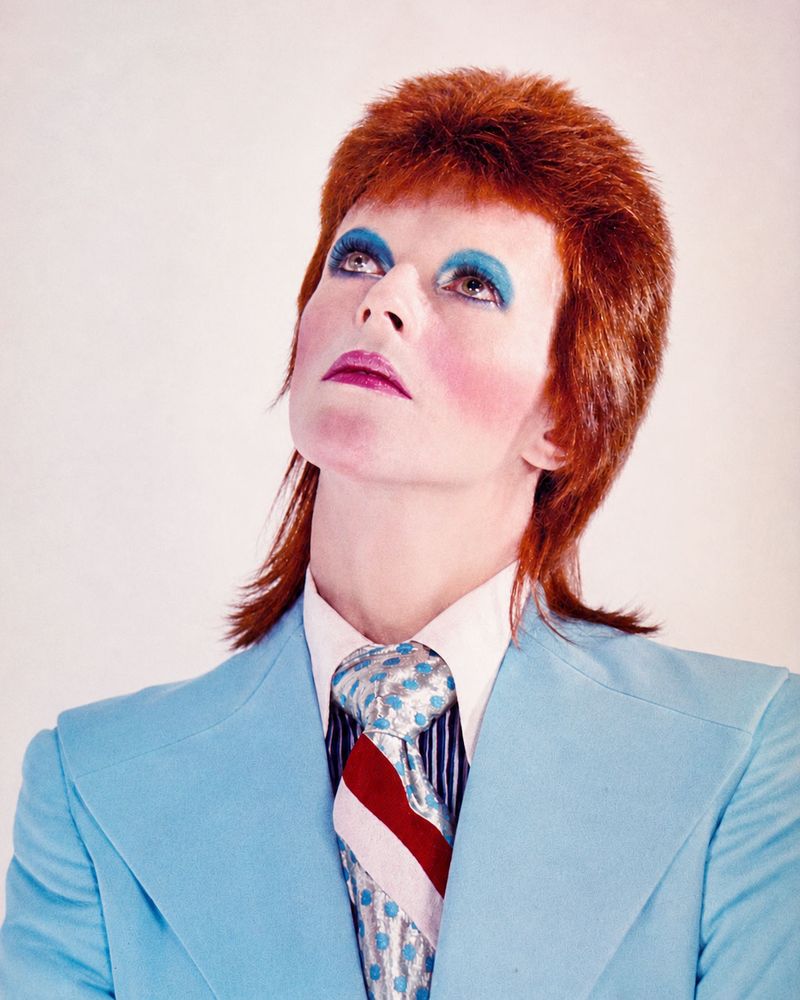
A trip to the movies becomes something much bigger in this sweeping song. Bowie follows a young viewer into a confusing world of screen images, disappointment, and escape, while Rick Wakeman’s piano gives the story a graceful foundation.
Then the strings rise, and an ordinary afternoon starts to feel enormous. Follow the arrangement as it builds rather than trying to solve every image.
Its mix of pop melody and drama expanded what rock could express.
5. Starman (1972): An Invitation From the Stars
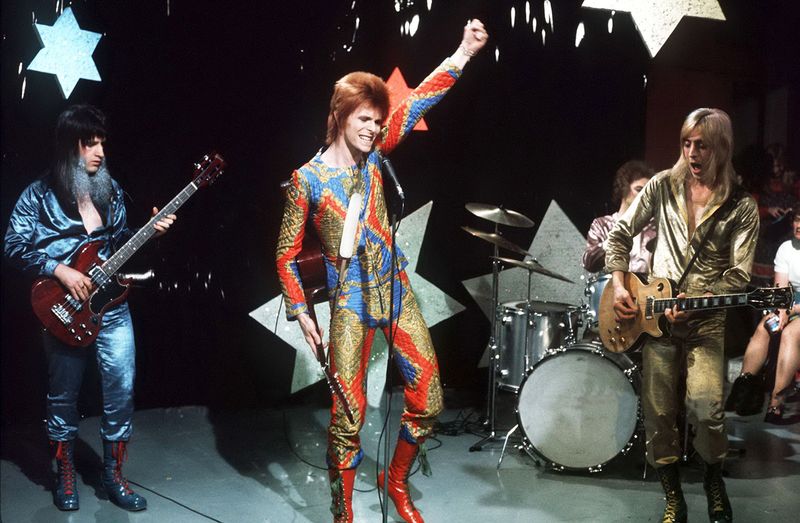
For young viewers watching British television in 1972, Bowie could look like a visitor from another planet. His famous Top of the Pops appearance brought bright clothes, playful confidence, and an unusual kind of rock star into family living rooms.
The song’s warm chorus made that strangeness welcoming instead of scary. Within the Ziggy Stardust story, a radio message offers hope.
For listeners who felt different, the performance suggested that belonging might begin by embracing difference.
6. Ziggy Stardust (1972): Building a Rock Star Myth
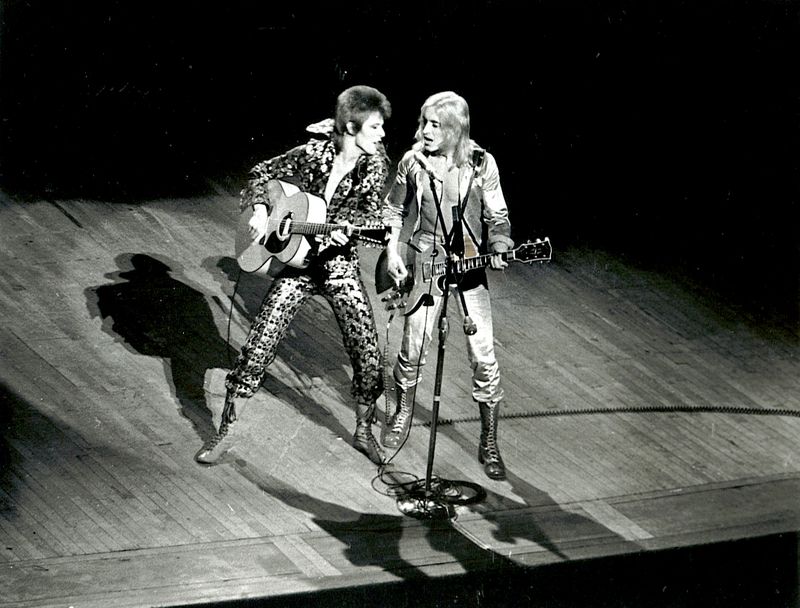
Meet a guitar hero whose legend grows too large for the band around him. Bowie tells Ziggy’s story through another musician’s eyes, mixing admiration with warning signs about ego, fame, and a star’s troubled relationship with his followers.
Mick Ronson’s guitar gives the character an entrance worthy of a rock myth. Play it alongside the full album to follow the bigger story.
Ziggy helped turn costumes and invented identities into powerful tools for musicians across generations.
7. Suffragette City (1972): Glam Rock Hits Full Speed
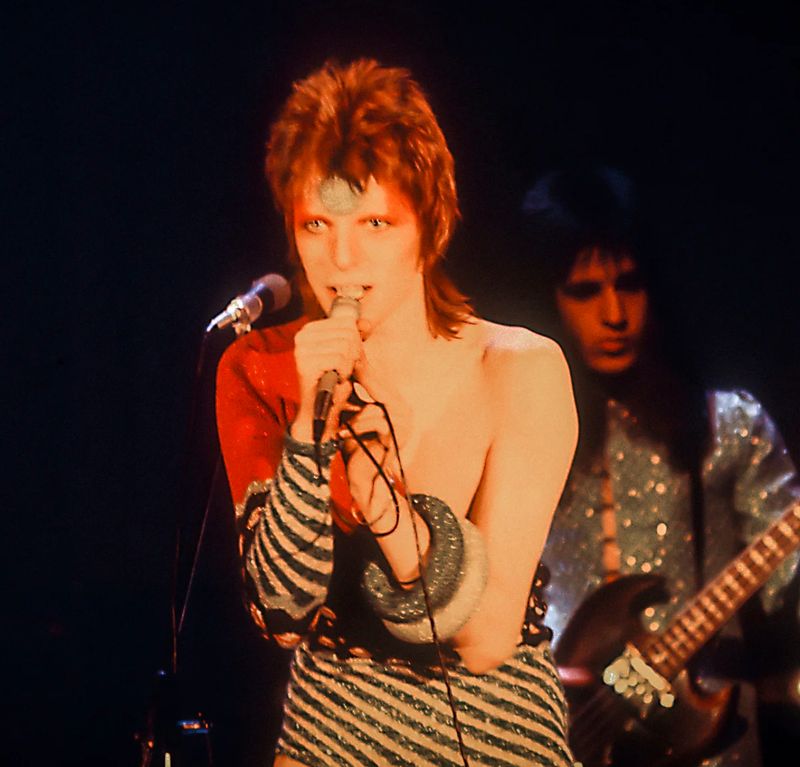
No space helmet is needed for this blast of streetwise noise. Racing piano, sharp guitar, and Bowie’s urgent delivery push the song forward with the energy of a crowded room that refuses to settle down.
Its place on the Ziggy Stardust album proves that Bowie’s storytelling world could also deliver a direct rock thrill. Notice how the brief stop near the end makes the return hit harder.
That simple trick turns excitement into a shared release.
8. The Jean Genie (1972): A Dirty Riff Meets Glam
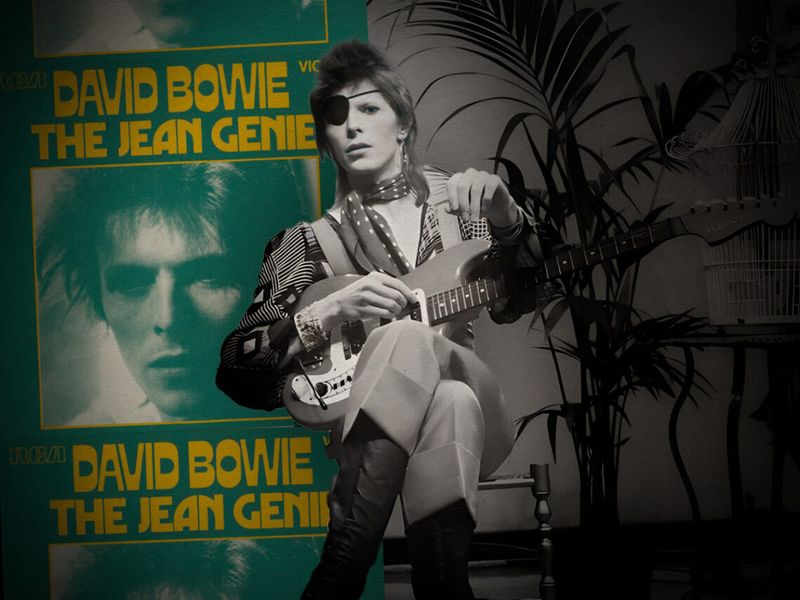
One stubborn guitar riff does most of the heavy lifting here, and that is the fun. Released as a single in 1972 before appearing on Aladdin Sane, the track joins rough blues energy with Bowie’s flashy glam style.
Its central character drew partly on Iggy Pop, adding a restless American edge. Focus on the repeating groove and harmonica rather than expecting a neat story.
Bowie could borrow familiar rock sounds and still make them seem strange.
9. Rebel Rebel (1974): Making Room for Difference
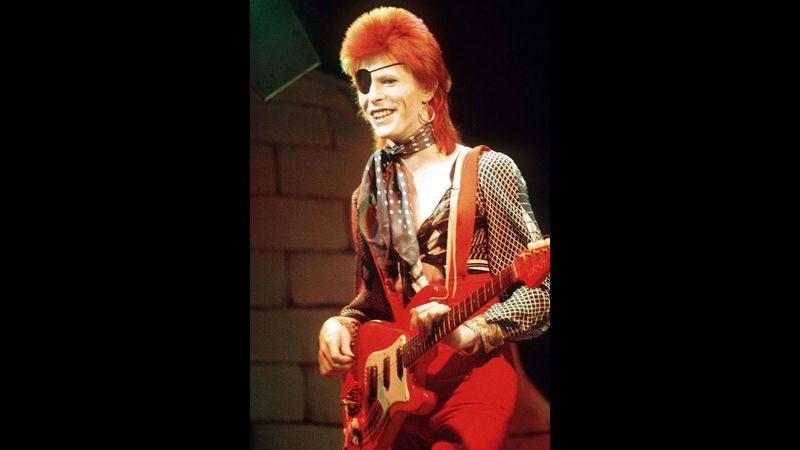
That opening guitar figure sounds like trouble arriving with a grin. Underneath its rough charm, Bowie celebrates a young rebel whose clothes and identity confuse the adults around them, making personal freedom feel loud, catchy, and worth defending.
Released during the Diamond Dogs era, the song became one of his clearest links between glam style and everyday self expression. Try hearing the riff separately from the vocal.
Both carry the same bold message: difference deserves space.
10. Young Americans (1975): A Fresh Soul Direction
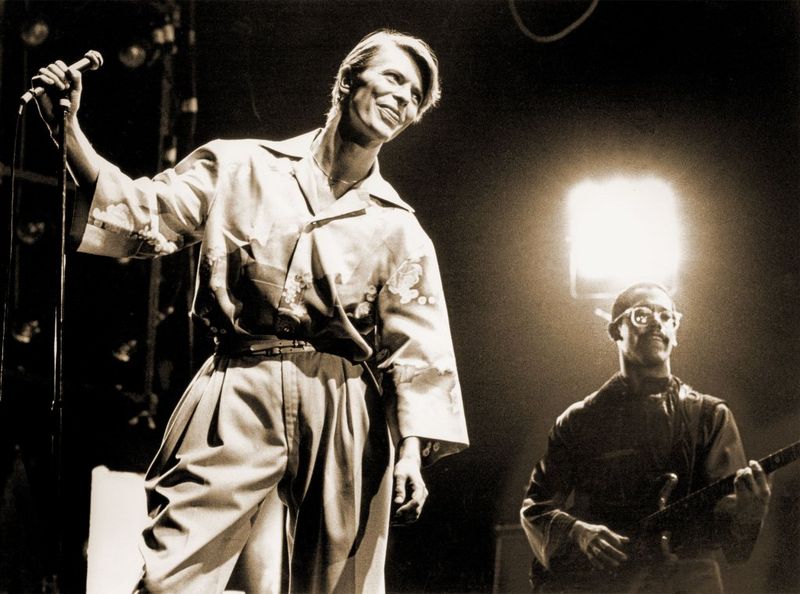
Suddenly, the glitter gives way to saxophone, rich backing vocals, and a rolling soul groove. Bowie’s musical turn drew deeply from Black American traditions, with Philadelphia recording sessions helping shape a sound he jokingly called plastic soul.
The title track pairs its lively surface with a restless picture of American life. Hear how the backing singers answer and lift the lead vocal.
Their role reveals that this reinvention depended on talented collaborators, not simply new clothes.
11. Fame (1975): Success Gets a Sharp Reply
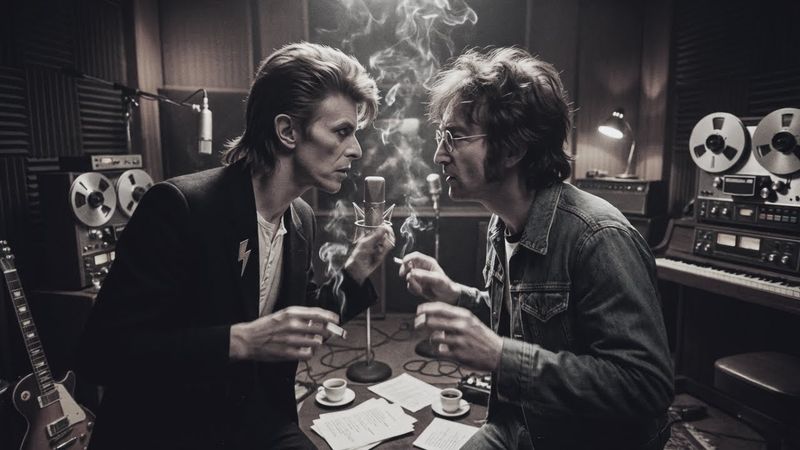
Success does not sound very comforting when Bowie sings about it here. Built around Carlos Alomar’s guitar riff and written with Alomar and John Lennon, this lean funk track turns celebrity into something slippery, demanding, and hard to trust.
It became Bowie’s first number one single in the United States. Pay attention to the changing vocal pitches near the end.
Those strange voices make fame feel unstable, even while the rhythm keeps pulling you toward the dancefloor.
12. Heroes (1977): Hope Against a Dividing Wall
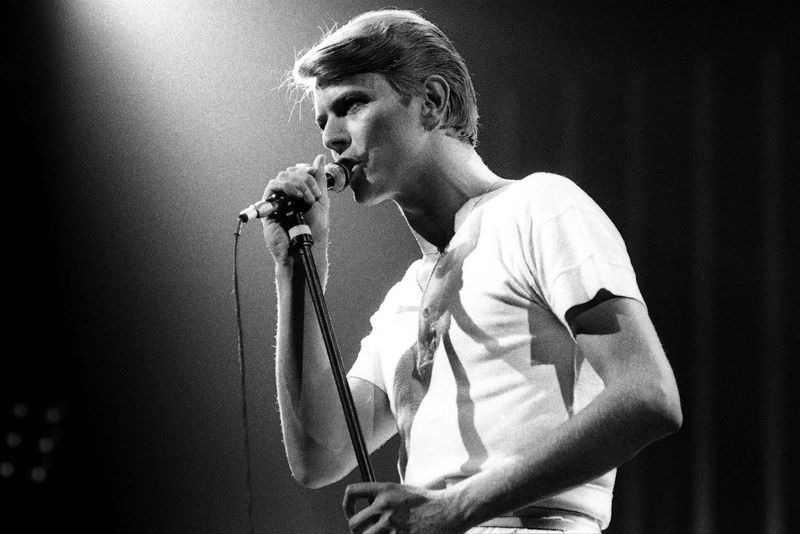
Two lovers near the Berlin Wall become the center of an anthem about courage that may last only briefly. Recorded in West Berlin, the song grows from a steady pulse into a huge wave of guitar and voice.
Bowie’s singing becomes more forceful as the track rises. Follow that climb to hear determination taking shape.
His 1987 Berlin performance later gained symbolic weight, though calling any concert a direct cause of the Wall’s fall overstates history.
13. Sound and Vision (1977): Finding Color in Empty Space
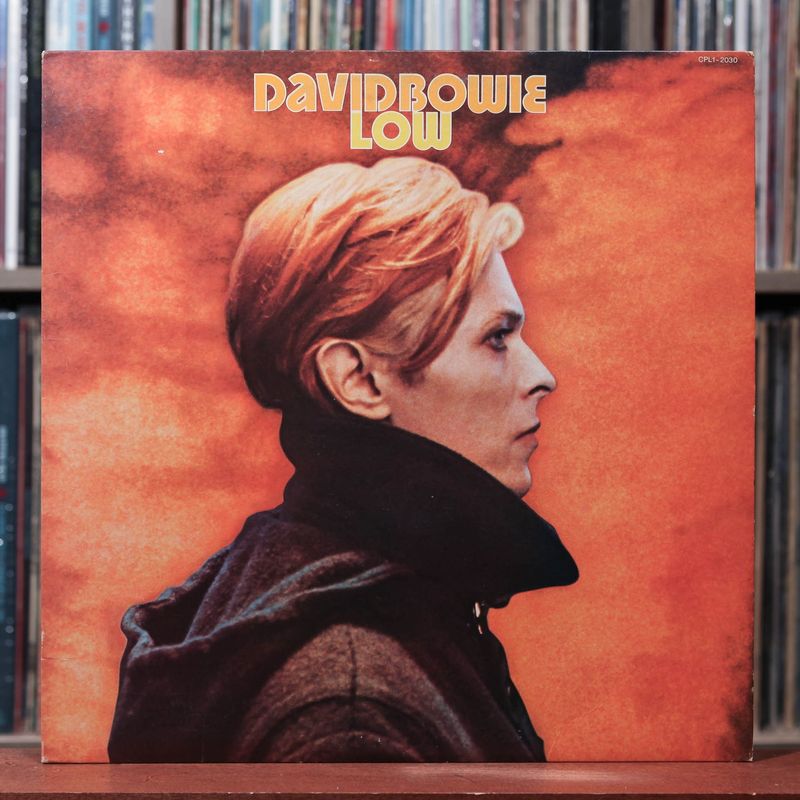
Patience gets a reward on this unusual pop single: Bowie’s lead vocal takes its time arriving. Before it appears, bright keyboards, crisp drums, and wordless singing build a small world that feels both cheerful and strangely distant.
Featured on Low, the track belongs to his period of bold experiments with Brian Eno and producer Tony Visconti. Give the opening your full attention.
It shows how texture and empty space can matter as much as a chorus.
14. Ashes to Ashes (1980): Major Tom Returns Changed
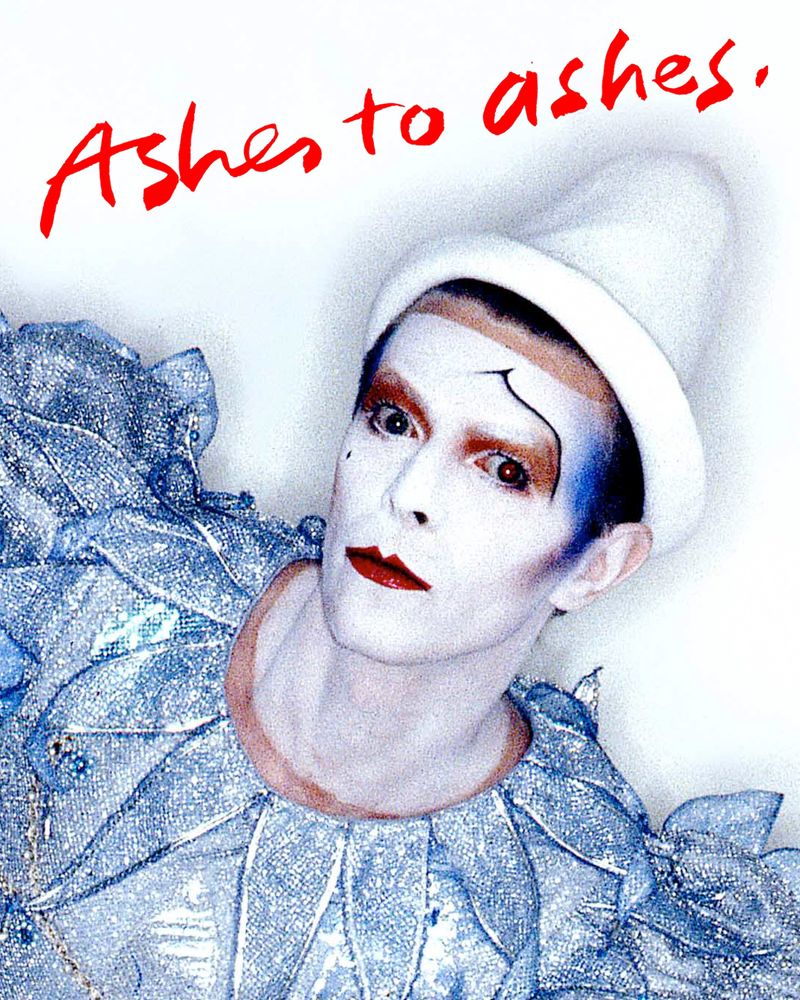
Major Tom comes back, but the return offers little comfort. Bowie revisits his famous astronaut through darker thoughts about addiction, memory, and failure, setting the story against an oddly springy rhythm and layers of colorful sound.
The striking video, featuring Bowie as a sad clown, connected with the emerging New Romantic scene. Watch it after hearing Space Oddity.
The contrast shows an artist questioning his own past while helping music videos become a major creative medium.
15. Fashion (1980): Dancing to the Rules

A dance beat can invite freedom, but it can also sound like marching orders. Bowie plays with that tension here, using clipped phrases and a firm groove to question the pressure to follow whatever the crowd decides is cool.
Robert Fripp’s jagged guitar interrupts the polished surface with welcome friction. Notice how uncomfortable sounds keep slipping into a track made for movement.
From Scary Monsters, it shows that club music can challenge social rules while filling floors.
16. Under Pressure (1981): Two Voices Choose Compassion
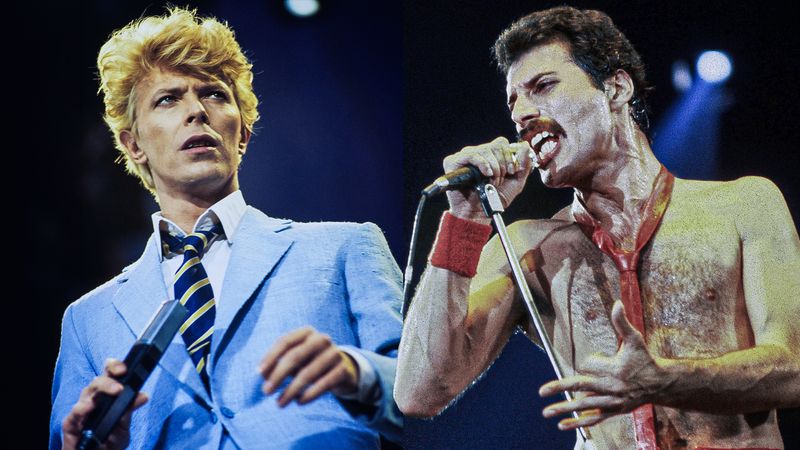
Few bass lines announce themselves as quickly as the opening of this Queen and Bowie collaboration. What begins with nervous energy builds into a powerful exchange between Bowie and Freddie Mercury about fear, daily strain, and the people left behind.
Their contrasting voices make the plea for care feel urgent rather than soft. Track how the mood shifts from panic toward compassion.
In a genre often linked with toughness, they made emotional openness sound bold and necessary.
17. Let’s Dance (1983): A Pop Hit With Something to Say
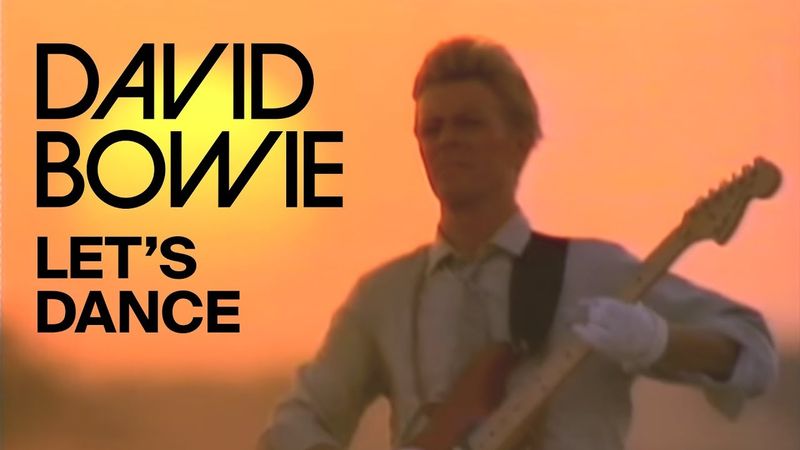
Put on the title track and the invitation seems simple: move. With Nile Rodgers helping shape its crisp, spacious groove, Bowie reached number one in both Britain and America while bringing blues guitarist Stevie Ray Vaughan to a huge audience.
Yet the video, filmed in Australia, adds a sharper layer by addressing racism and exploitation. Pair the recording with its images to catch that contrast.
A massive pop hit could offer pleasure without leaving social questions outside.
18. Modern Love (1983): Big Energy, Uncertain Answers
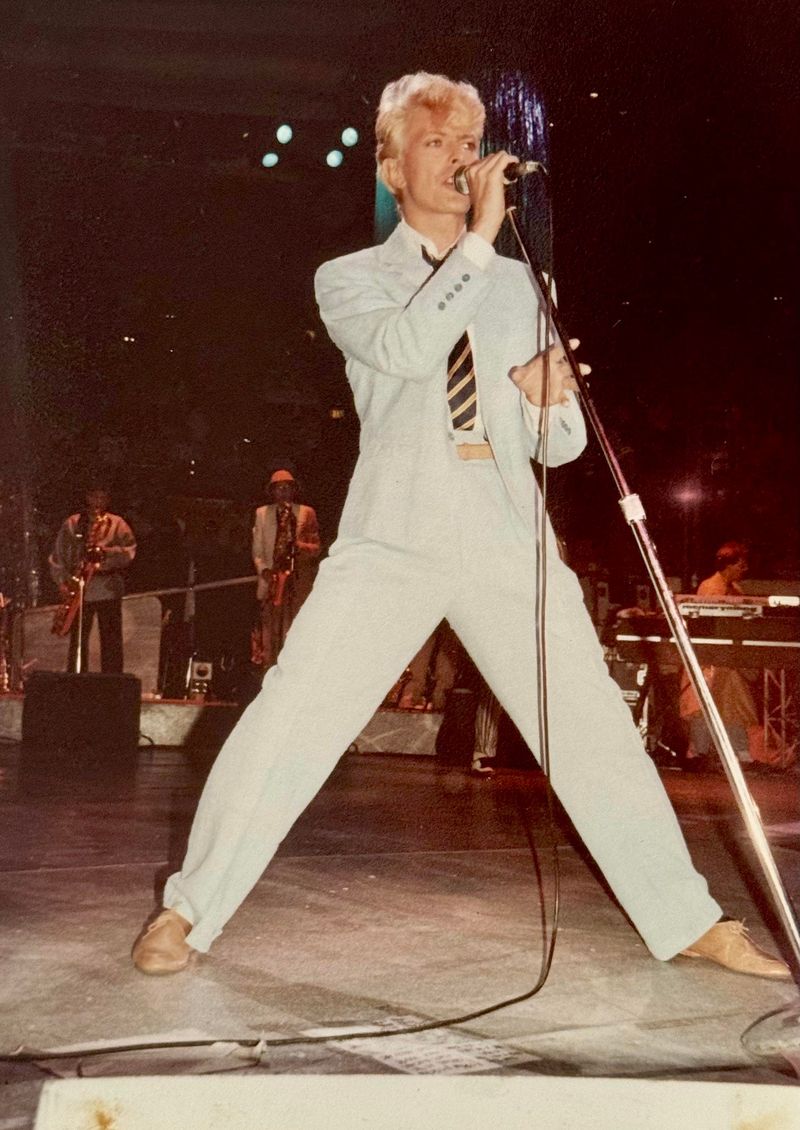
Bright piano and racing drums make this album opener feel ready to run down the street. Beneath the cheerful rush, though, Bowie wrestles with love, faith, and the trouble of finding something solid to believe in.
Produced with Nile Rodgers, the track turns uncertainty into a chorus built for crowds. Listen for the contrast between its upbeat sound and unsettled ideas.
That balance explains Bowie’s broad reach: even his most welcoming pop could carry complicated feelings inside.