
Marriage in the 1950s looked very different from what most couples experience today. Back then, strict rules and social pressure shaped nearly every part of married life, from who cooked dinner to who made the big decisions.
Many of those old-fashioned ideas have been tossed out over the decades as people began valuing equality, respect, and personal happiness. Read on to discover 28 marriage beliefs from that era that most of us have gladly left in the past.
1. Wives Should Quit Their Jobs After Marriage
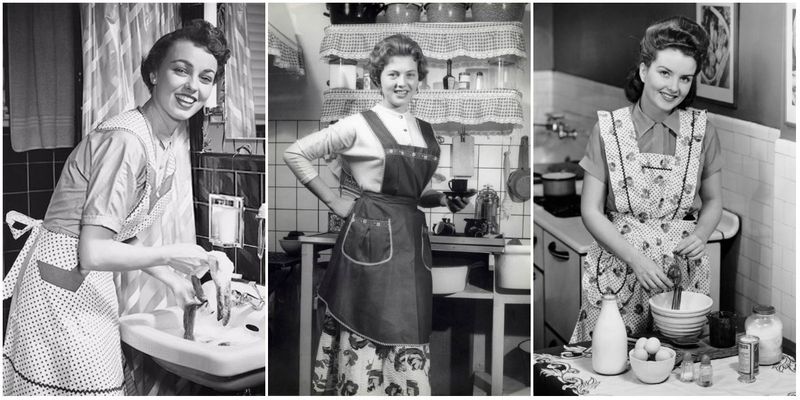
Back in the 1950s, a woman handing in her resignation letter on her wedding day was considered totally normal. Society expected wives to swap briefcases for brooms and dedicate every hour to keeping the house spotless.
Today, millions of women build thriving careers alongside their marriages. Financial independence and professional ambition are celebrated, not punished.
Couples now understand that a fulfilling career can actually make a partner happier and strengthen the relationship overall.
2. Husbands Always Have the Final Say
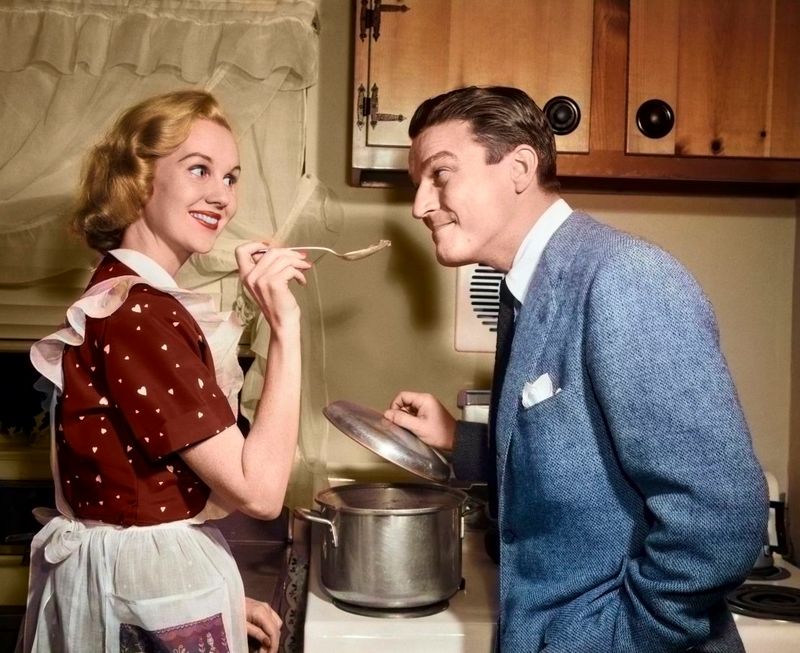
Imagine never getting a vote on where your family lives, how money gets spent, or what school your kids attend. For many 1950s wives, that was everyday reality.
The husband was treated like a CEO, and his word was law.
Modern marriages work more like partnerships, where both voices carry equal weight. Research consistently shows that couples who make decisions together report higher satisfaction and fewer conflicts.
Shared power builds stronger bonds than one-sided authority ever could.
3. Divorce Is a Shameful Failure
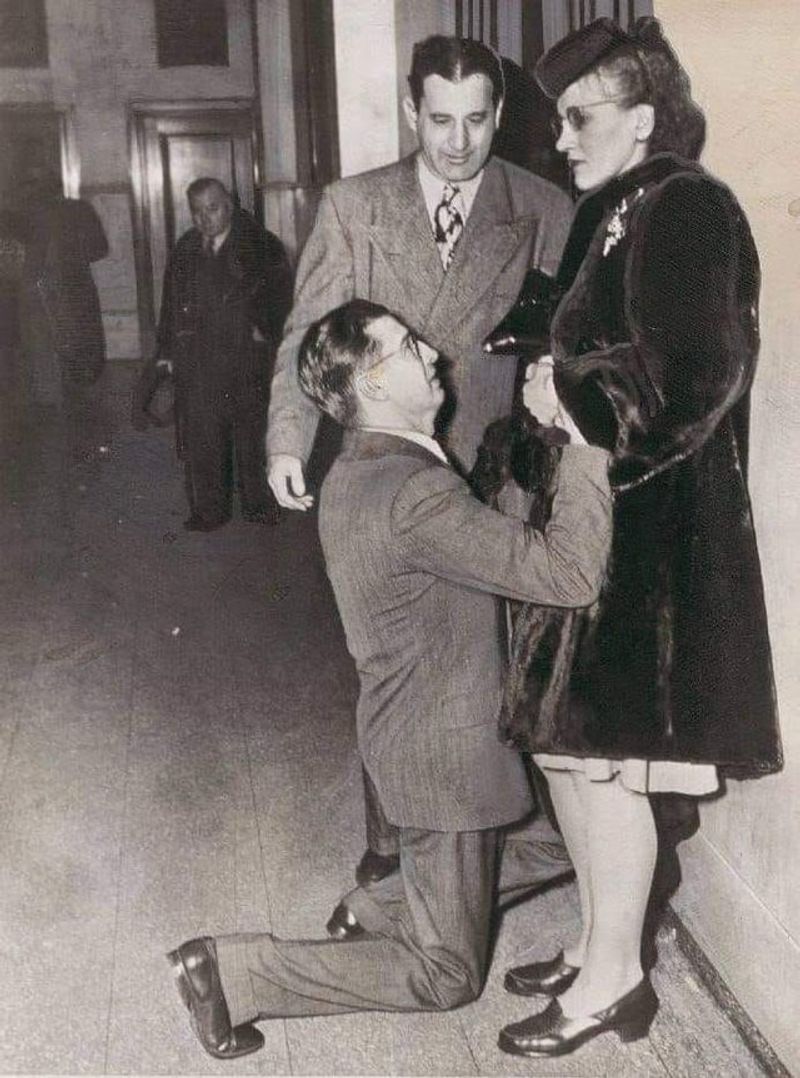
Staying in a miserable marriage used to be considered more honorable than leaving one. Divorce carried enormous shame in the 1950s, and people whispered about divorced neighbors like they had committed a crime.
Today, society recognizes that leaving an unhealthy or unfulfilling relationship can be the healthiest choice a person makes. Ending a marriage does not define someone as a failure.
Prioritizing personal well-being and emotional safety is now understood as an act of courage, not weakness.
4. Wives Must Obey Their Husbands

Old wedding vows actually included the word “obey” for the bride, but rarely for the groom. The 1950s treated wives more like employees than equal partners, expected to follow instructions without question or complaint.
Modern couples have largely dropped that word from vows entirely, and for good reason. Mutual respect replaced blind obedience as the foundation of healthy marriages.
Partners today are encouraged to speak up, push back, and contribute equally to every conversation that shapes their shared life.
5. Having Kids Will Fix a Troubled Marriage
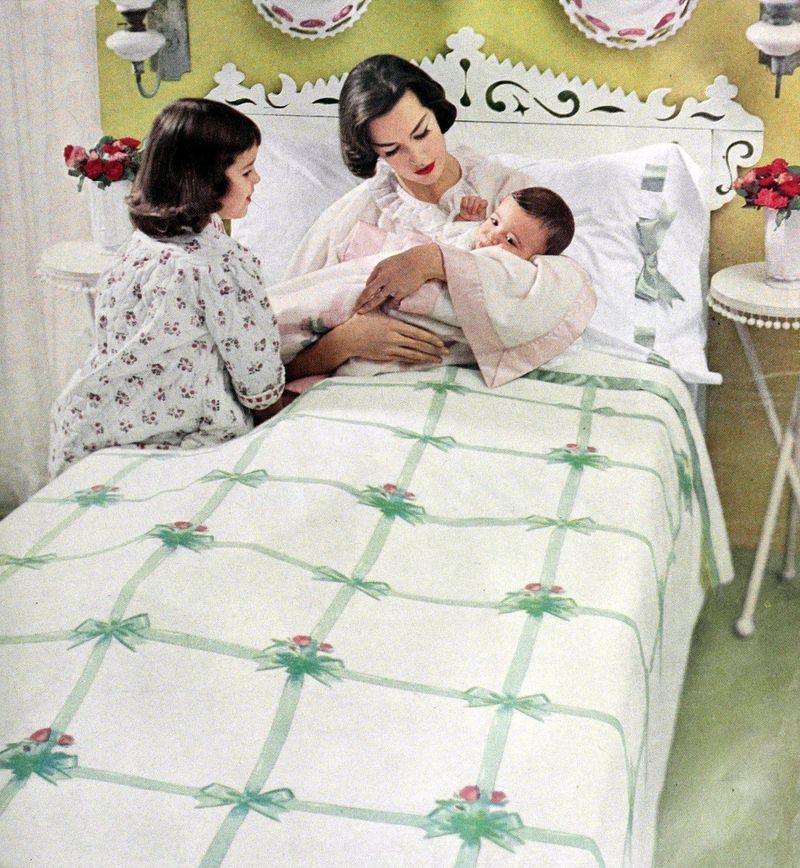
Someone once joked that adding a baby to a struggling marriage is like adding gasoline to a small fire. Yet in the 1950s, having children was genuinely believed to patch up cracks in a relationship.
Parenting is demanding, sleep-depriving, and expensive, which can actually increase tension between couples who are already struggling. Therapists today consistently advise working through relationship problems before expanding a family.
A new baby deserves to enter a stable, loving environment rather than become a solution to adult problems.
6. Gender Roles Must Define Every Part of Marriage

In the 1950s, marriage came with a very specific job description depending on your gender. Men earned the paycheck, women ran the household, and nobody was supposed to question the arrangement.
Modern couples mix and match responsibilities based on skills, schedules, and personal preferences rather than gender. Some households have stay-at-home dads and working moms, and others split everything right down the middle.
Flexibility replaced rigidity, and marriages became richer for it when partners stopped letting gender dictate who does what.
7. Marriage Is a Social Duty, Not a Personal Choice
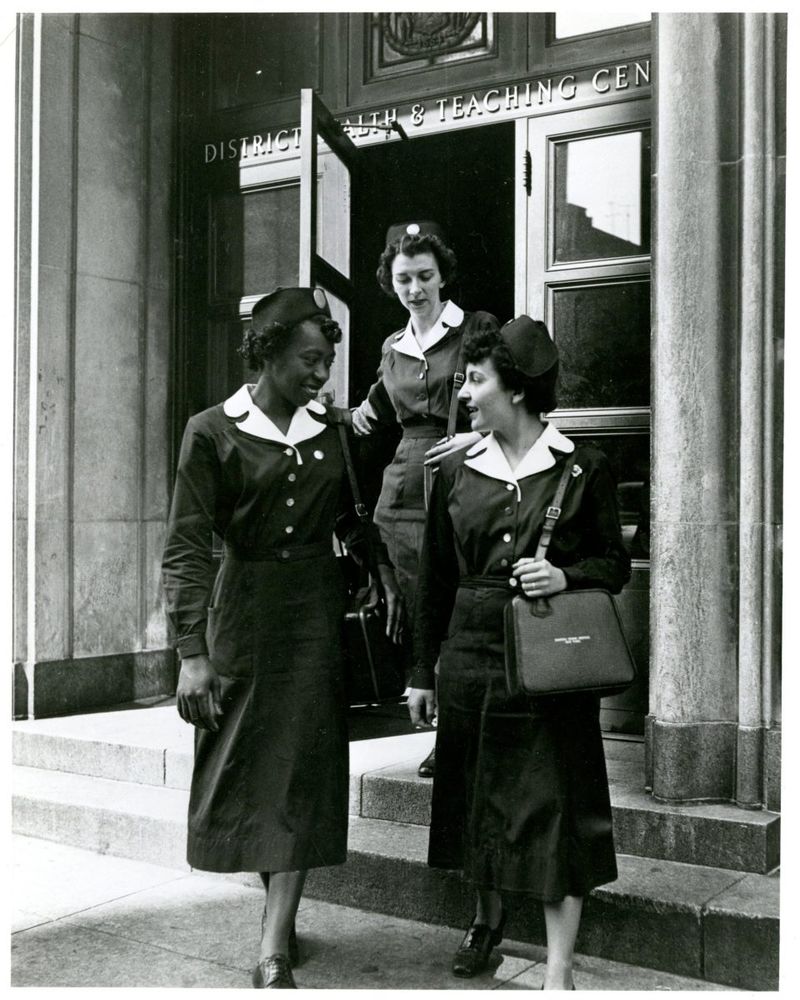
Picture being told at age twenty that staying single was selfish and strange. In the 1950s, marriage was not just something people wanted, it was something they were expected to do whether they felt ready or not.
Today, choosing to remain single is widely accepted and even celebrated. People marry because they genuinely want to share their lives with someone, not because their neighbors expect it.
Removing social pressure from the equation has made marriages more intentional, more joyful, and far more likely to last.
8. Men Should Never Show Emotions

“Boys don’t cry” was practically a 1950s motto. Men were expected to bottle up sadness, fear, anxiety, and even joy, presenting a stone-faced image to the world and to their own spouses.
Emotional suppression causes real damage to mental health and relationship closeness. Couples who openly share feelings report deeper trust and greater satisfaction.
Modern men are increasingly encouraged to express vulnerability as a strength rather than a flaw. Emotional honesty turned out to be one of the best things that ever happened to marriage.
9. A Husband’s Career Always Comes First

Families in the 1950s uprooted and moved across the country whenever the husband got a new job offer, with no serious discussion about what the wife might be leaving behind. Her dreams simply did not factor into the equation.
Dual-career households are the norm now, and major decisions like relocating require real negotiation. Both partners weigh career opportunities, friendships, and family ties before making moves.
Treating one person’s professional ambitions as automatically more important than the other’s is a recipe for long-term resentment.
10. Housework Belongs Entirely to the Wife
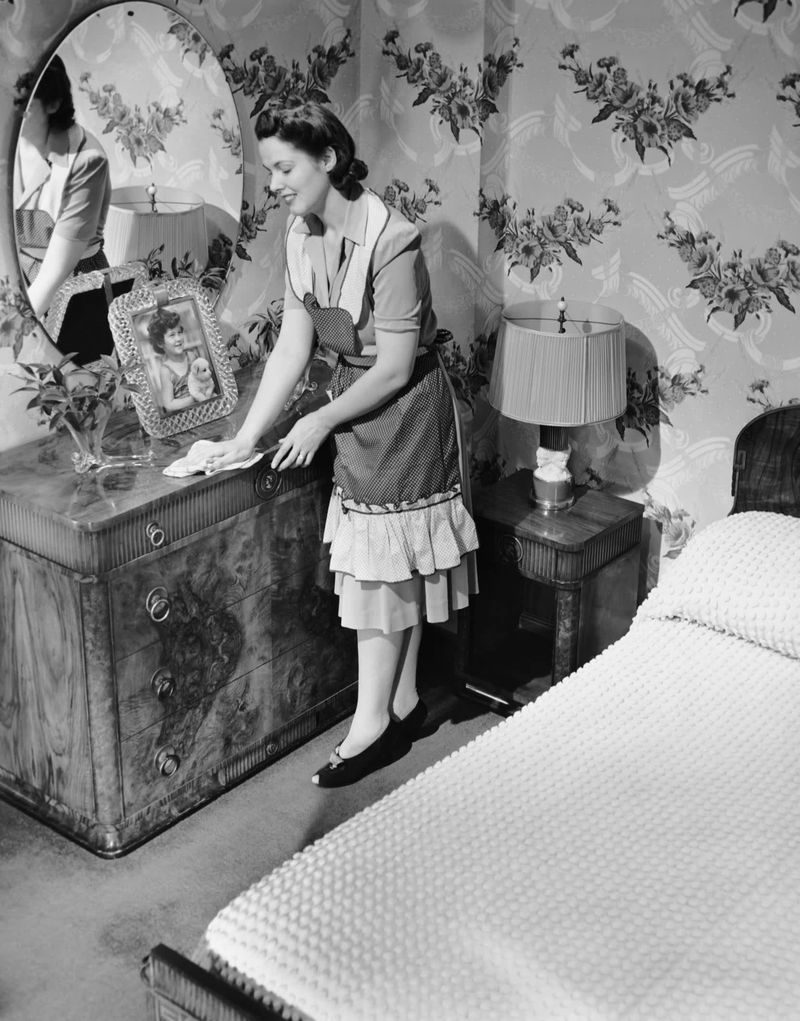
Vacuuming, cooking, laundry, grocery shopping, dishes, dusting, and more, all expected from one person without a thank-you or a helping hand. That was the reality for countless wives in the 1950s household.
Studies today show that couples who share housework equally report higher relationship satisfaction and less burnout. Many modern partners divide chores based on availability, preference, or simple fairness.
Nobody should carry the entire weight of maintaining a home alone, and most people in healthy modern marriages would strongly agree with that.
11. Keeping Up Appearances Matters More Than Actual Happiness

Smile for the neighbors. Set the perfect table.
Never let anyone know there are problems at home. In the 1950s, the image of a happy marriage often mattered more than the marriage itself.
Performing happiness while suffering privately is exhausting and isolating. Modern couples are more willing to seek help, talk honestly about struggles, and prioritize genuine connection over polished appearances.
Authenticity replaced performance as the goal, and that shift opened the door to real emotional support and lasting partnerships built on truth.
12. Marriage Exists Primarily for Having Children
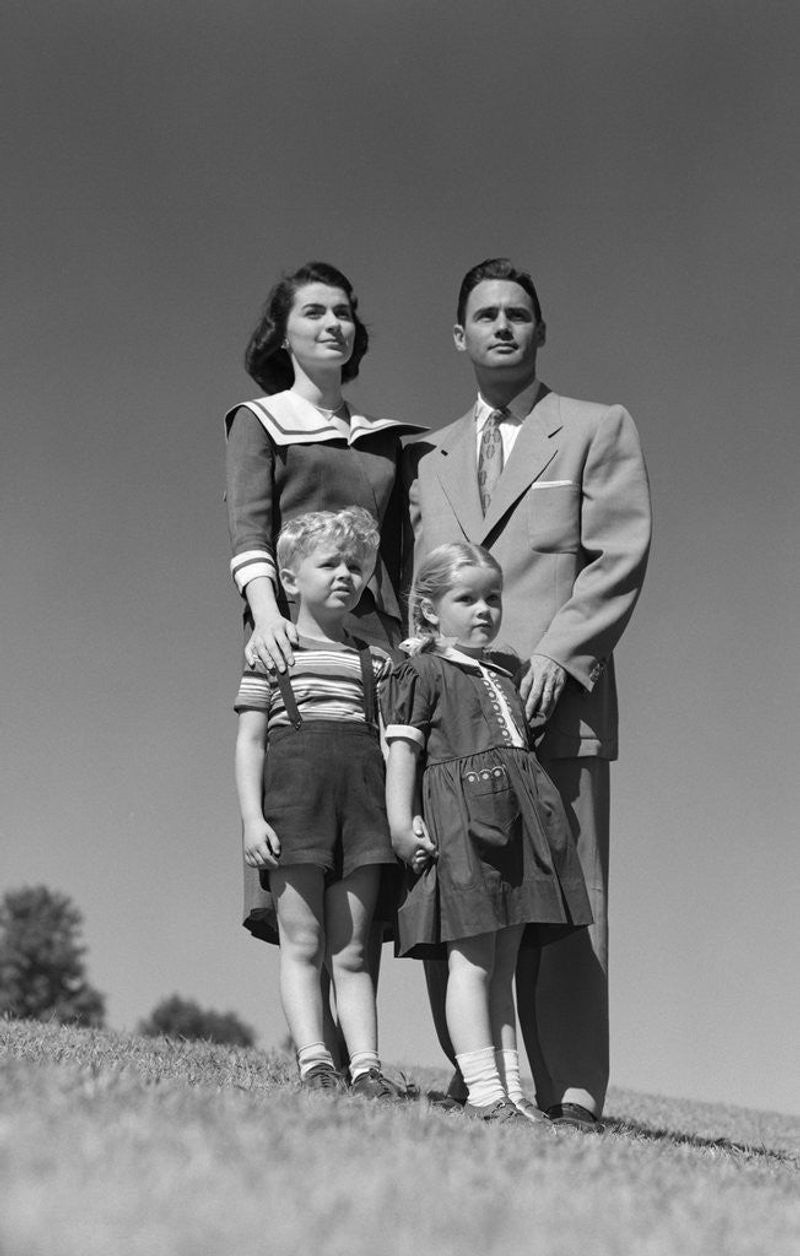
For decades, society treated childless couples with suspicion or pity, as though a marriage without children was somehow incomplete or wasted. Procreation was considered the whole point of tying the knot.
Plenty of modern couples choose not to have children and build deeply fulfilling, loving marriages around shared experiences, friendship, and mutual goals. Marriage is recognized today as a meaningful partnership regardless of whether children are part of the picture.
The definition of family expanded beautifully once people stopped treating reproduction as a requirement.
13. Childcare Is Purely the Mother’s Responsibility
Feeding schedules, school pickups, bedtime routines, doctor visits, homework help, all of it landed on mom’s shoulders in the 1950s household. Dads were largely considered guests in the parenting process.
Active, engaged fatherhood is now celebrated and expected. Research shows children benefit enormously from having both parents involved in their daily care and emotional development.
Modern dads take paternity leave, attend school events, and handle nighttime feedings without anyone batting an eye. Parenting became a team sport, and kids are healthier because of it.
14. A Perfect Marriage Should Always Look Flawless

Every couple fought, every couple faced hard seasons, yet in the 1950s, admitting that publicly felt almost scandalous. The pressure to appear perfectly happy at all times left little room for honest conversations about real struggles.
Modern couples understand that conflict is a normal and even healthy part of any close relationship. Therapists encourage partners to see disagreements as opportunities for growth rather than signs of failure.
Embracing imperfection honestly turned out to be far more sustainable than maintaining an exhausting illusion of a flawless marriage.
15. Staying Married No Matter What Is Always the Right Choice
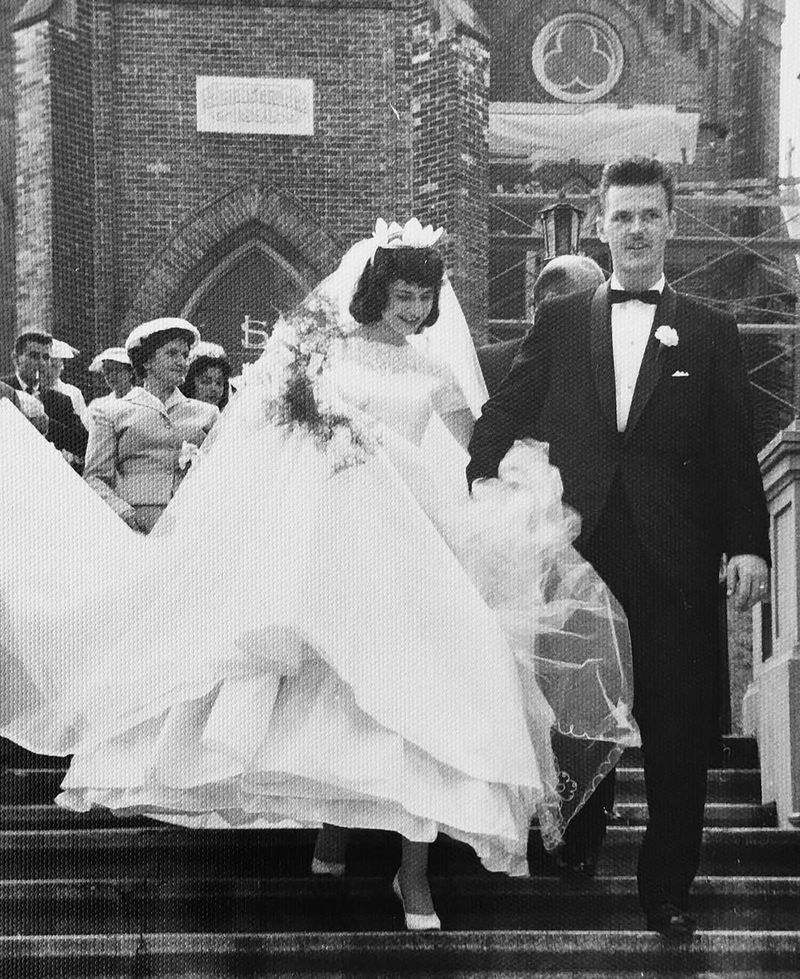
“For better or for worse” was sometimes used to justify staying in genuinely harmful situations. Leaving, no matter the circumstances, was seen as breaking a sacred promise and bringing disgrace to the family.
Emotional, physical, and psychological safety now carry significant weight when people evaluate their relationships. Nobody is expected to endure abuse or chronic misery in the name of keeping a marriage intact.
Modern society acknowledges that sometimes the most responsible decision a person can make is to leave a relationship that is causing serious harm.
16. Wives Are Responsible for Caring for In-Laws
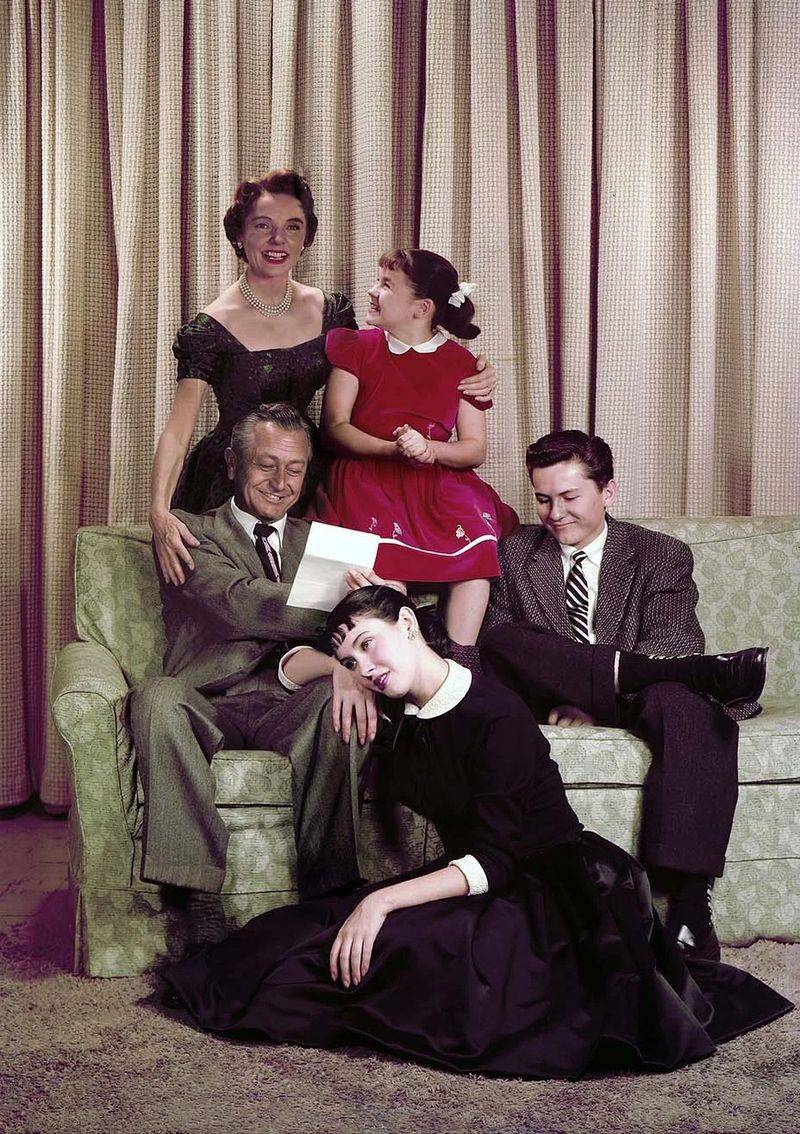
Moving the husband’s parents into the home and tending to their every need was simply considered part of the deal when a woman married in the 1950s. It rarely came with appreciation or shared responsibility.
Caring for aging family members today is recognized as a shared responsibility that requires honest conversation and practical planning from both partners. Many couples now divide elder care duties or explore professional support options together.
Nobody automatically inherits caregiving obligations just because of their gender or marital status anymore.
17. Marriage Automatically Brings Happiness
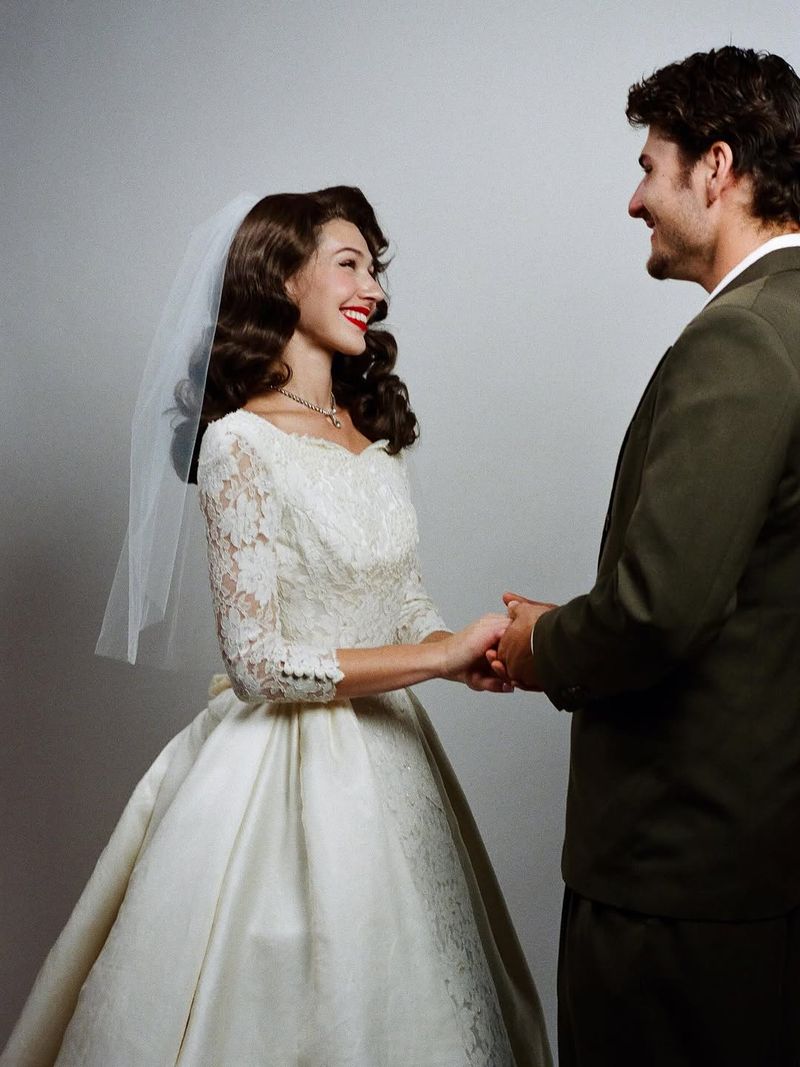
Movies, magazines, and neighbors all sold the same story in the 1950s: find the right person, say your vows, and happiness will follow automatically. Many people married expecting a fairy tale and found something far more complicated.
Happiness is an inside job, not a wedding gift. Modern relationship advice consistently emphasizes that personal fulfillment must come from within before it can thrive within a marriage.
Partners who bring their own sense of purpose and contentment to a relationship tend to build far more joyful and resilient partnerships together.
18. Jealousy Proves You Truly Love Someone

Controlling behavior used to get a romantic spin put on it. A husband who monitored his wife’s friendships or questioned her every move was sometimes described as passionate and deeply in love rather than possessive and insecure.
Jealousy is now widely recognized as a warning sign rather than a love language. Healthy relationships are built on trust, communication, and personal freedom, not surveillance and suspicion.
Confusing possessiveness with devotion caused real harm in many 1950s marriages, and modern couples are much better equipped to recognize that important difference.
19. Wives Must Plan and Host All Social Events
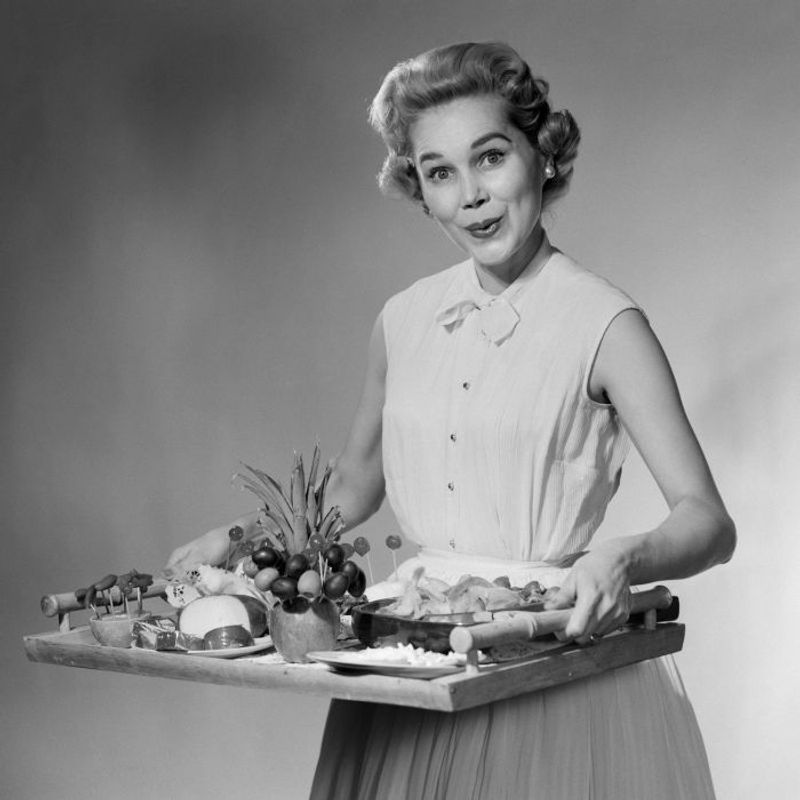
Holiday dinners, neighborhood gatherings, birthday parties, and dinner parties all fell on the wife’s to-do list in the 1950s. She was expected to plan, cook, clean, and host with a cheerful smile, all without asking for help.
Social planning is now a shared responsibility in most modern households. Many couples divide hosting duties based on interest and availability, and nobody automatically becomes the unpaid event coordinator just by being a wife.
Recognizing the invisible labor involved in social management has helped create much fairer household dynamics overall.
20. Husbands Should Never Show Physical Affection Publicly
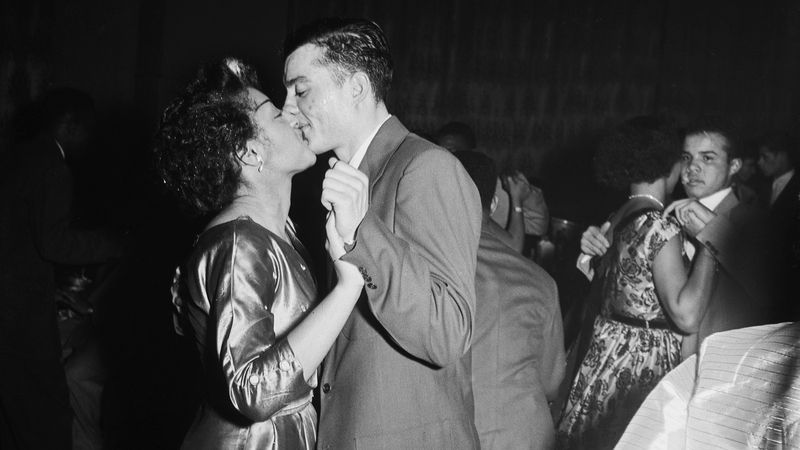
Holding hands in public, saying “I love you” out loud, or giving a hug in front of friends were all considered unmanly behaviors in the 1950s. Affection was something to be hidden away, not shared openly.
Expressing love freely and often is now understood as one of the healthiest things partners can do for each other. Physical affection reduces stress, builds emotional connection, and signals security within a relationship.
Men who openly show warmth toward their partners are seen as emotionally mature, not weak, which is a welcome and long-overdue shift.
21. Only Certain Races Should Marry Each Other
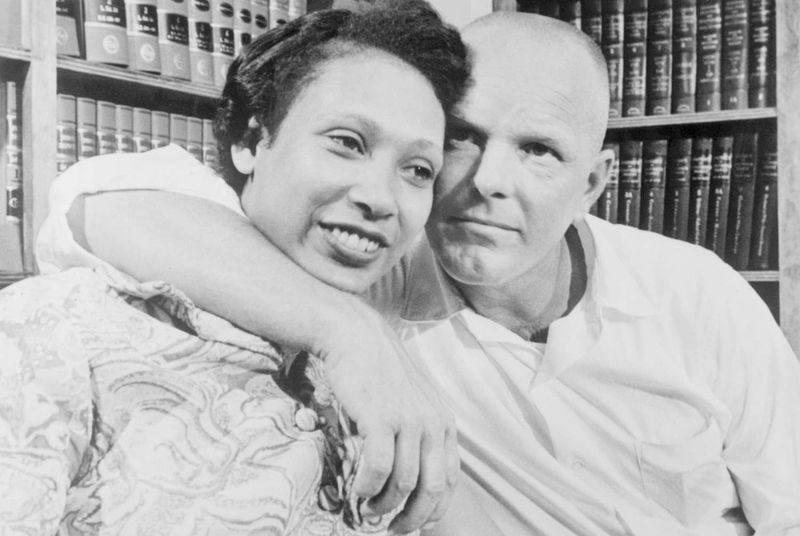
Interracial marriage was actually illegal in many U.S. states until 1967, when the Supreme Court struck down those laws in the landmark Loving v. Virginia case.
The 1950s treated love between people of different races as something to be punished, not celebrated.
Interracial couples today are increasingly common and widely accepted across the country. Love is no longer filtered through racial restrictions written into law.
Modern society broadly recognizes that who someone chooses to marry is a deeply personal decision that belongs to the two people involved, nobody else.
22. A Wife Should Always Agree With Her Husband

Disagreeing with your husband in the 1950s was practically considered disrespectful. Wives were expected to nod along, support every decision, and keep their own opinions tucked safely away where no one could hear them.
Healthy disagreement is now considered a sign of a strong relationship, not a broken one. Partners who challenge each other respectfully tend to make better decisions and feel more genuinely seen.
Modern couples value honest dialogue over performed agreement, because real intimacy grows from knowing your partner truly hears and respects your perspective.
23. Men Should Handle All Financial Decisions

Bank accounts, investments, mortgages, and budgets were considered strictly male territory in the 1950s. Many wives had no idea how much money their household had or where it was going.
Financial transparency and joint decision-making are now considered essential ingredients in a healthy marriage. Many couples share access to all accounts, set budgets together, and discuss major purchases openly.
Research shows that financial conflict is one of the top causes of divorce, making open money conversations one of the most important habits modern couples can build together.
24. Couples Should Never Seek Outside Help for Marriage Problems

Admitting you needed a marriage counselor in the 1950s was roughly equivalent to announcing your marriage was already over. Seeking help was seen as airing dirty laundry and bringing shame to the family name.
Couples therapy today is widely viewed as a proactive and intelligent investment in a relationship rather than a last resort. Many thriving couples attend sessions regularly to strengthen communication and navigate life transitions together.
Removing the shame around asking for help opened up an enormously powerful tool for keeping marriages healthy and growing.
25. A Woman’s Identity Should Merge Completely Into Her Husband’s
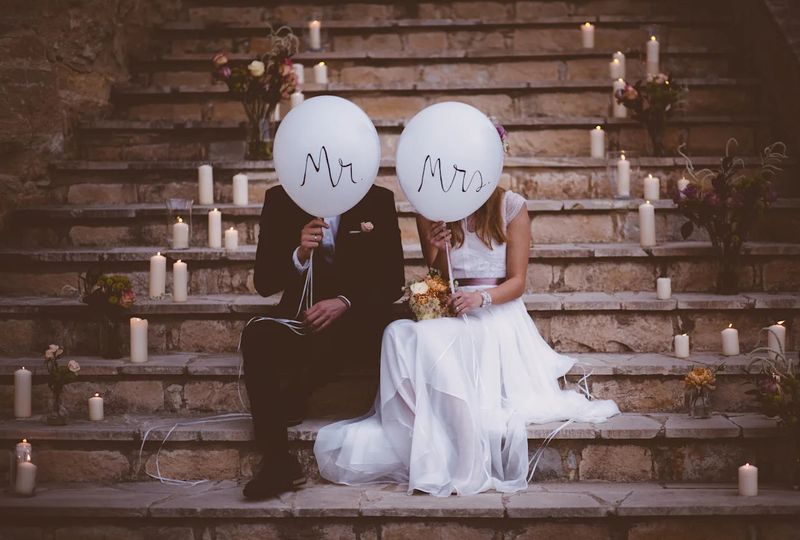
In the 1950s, marriage often meant a woman gave up not just her last name but her entire sense of self. Her hobbies, friendships, and personal goals were expected to dissolve into her husband’s world without question.
Maintaining individual identity within a marriage is now celebrated as healthy and necessary. Partners are encouraged to keep personal friendships, pursue individual interests, and hold onto the qualities that make them uniquely themselves.
A strong sense of self actually makes someone a better, more engaged partner rather than a threat to the relationship.
26. Same-Sex Marriage Was Unthinkable
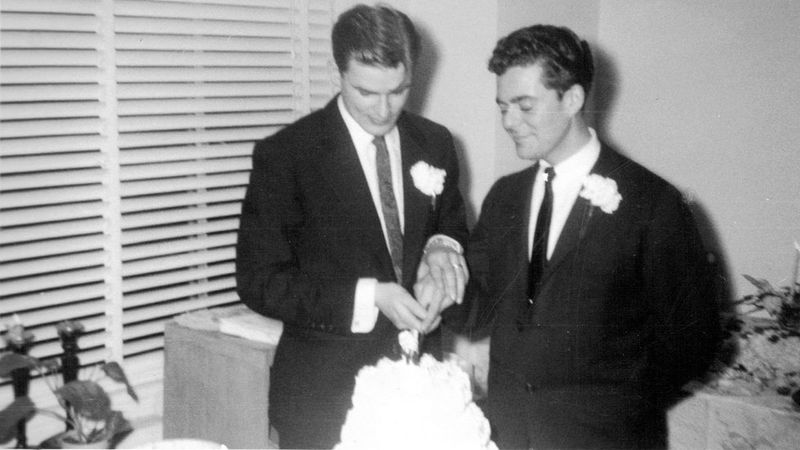
Same-sex couples existed in the 1950s, of course, but they were forced to hide their relationships entirely. The idea of legal marriage between two people of the same gender was considered so far outside the norm that it was barely discussed.
Marriage equality became federal law in the United States in 2015, marking one of the most significant expansions of civil rights in modern history. Millions of same-sex couples have since married and built families.
Love, commitment, and partnership are now recognized as belonging to everyone, regardless of who they choose to love.
27. Couples Must Share Every Single Interest and Activity

Spending every waking moment together and sharing every single hobby was once considered the hallmark of a devoted marriage. Wanting time alone or separate interests was viewed as a sign that something was wrong between partners.
Psychologists now widely agree that maintaining separate interests and personal space is vital to a healthy relationship. Missing each other, pursuing solo passions, and having independent social lives actually keeps the spark alive over time.
Togetherness means more when it is chosen freely rather than enforced by social pressure or outdated expectations about what devotion looks like.
28. Marrying Young Was Always the Right Path
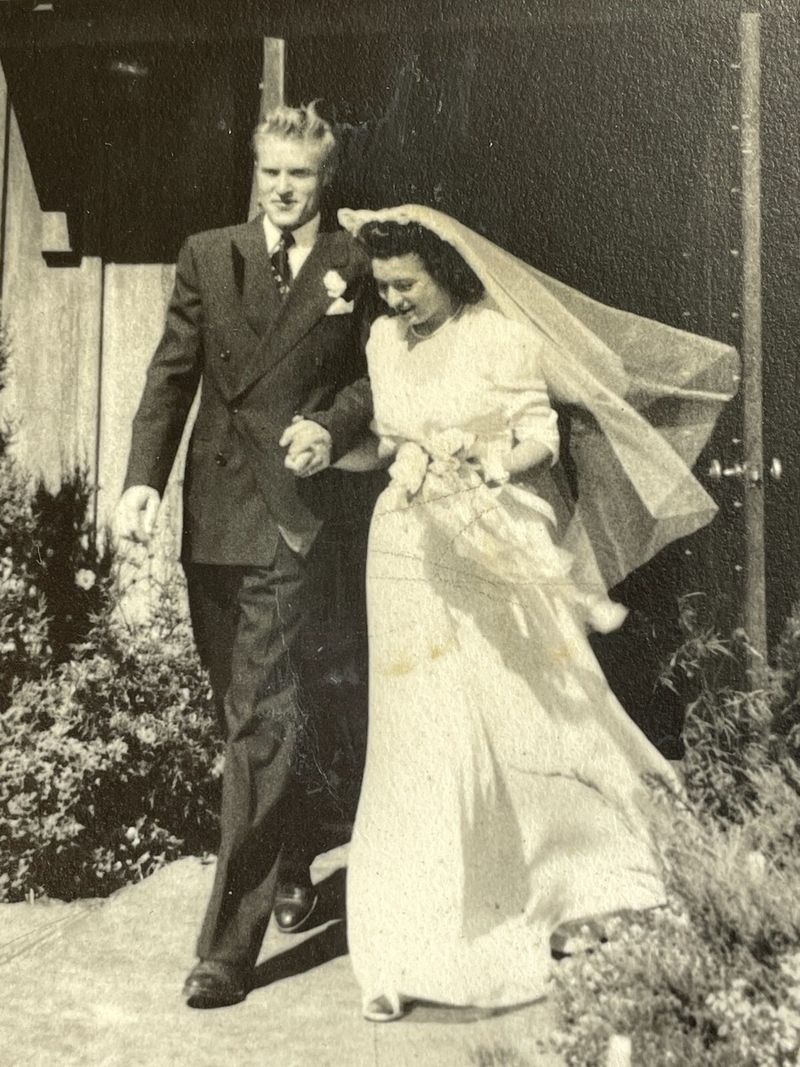
Getting married straight out of high school or in the very early twenties was not just common in the 1950s, it was practically expected. Waiting too long meant something was wrong with you, and society made sure you knew it.
Most modern relationship experts and researchers suggest that emotional maturity, financial stability, and self-awareness developed over time lead to stronger marriages. The average age of first marriage has risen significantly in recent decades, and that trend is largely seen as positive.
Marrying when you are truly ready turned out to matter far more than marrying young.