
Europe is home to some of the most surprising foods you will ever come across. From fermented fish to jellied meats, many traditional dishes sound strange at first but have been loved for centuries.
Trying these foods can open your taste buds to flavors you never expected to enjoy. Get ready to discover 23 unusual European delicacies that might just become your new favorites.
1. Surströmming (Sweden)
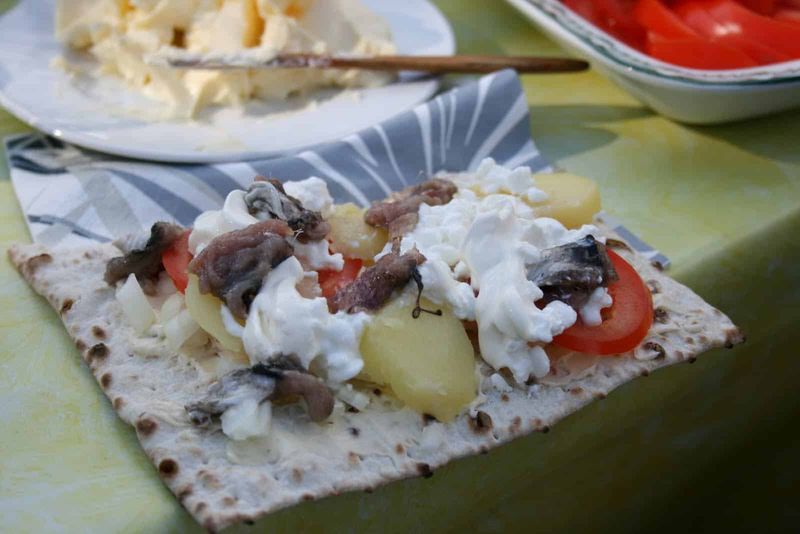
Sweden’s most infamous canned fish has a smell so powerful that many countries have banned it from public spaces. Surströmming is Baltic herring that has been fermented for months, creating an intensely sour and salty flavor that loyal fans absolutely adore.
Most people eat it outdoors on tunnbrod flatbread with potatoes, onions, and sour cream. The toppings soften the bold taste beautifully.
Once you get past the initial shock, the flavor is surprisingly complex and deeply satisfying.
2. Hákarl (Iceland)
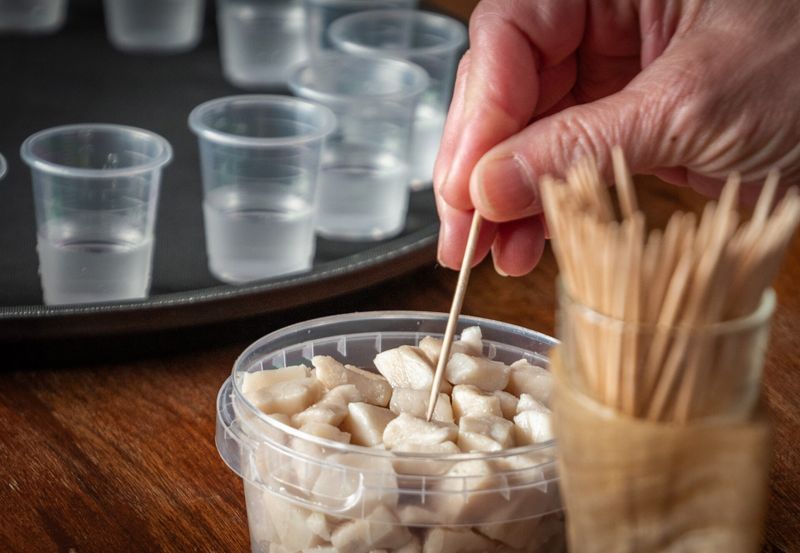
Hákarl is fermented Greenlandic shark that has been buried underground and dried for months before eating. Fresh Greenlandic shark is actually toxic to humans, so this ancient preservation method makes it safe and edible.
The taste is sharp, ammonia-heavy, and cheesy all at once. Icelanders often wash it down with a shot of Brennivin schnapps, which helps balance the strong flavor.
It sounds alarming but remains a proud part of Icelandic food culture for good reason.
3. Casu Martzu (Sardinia, Italy)
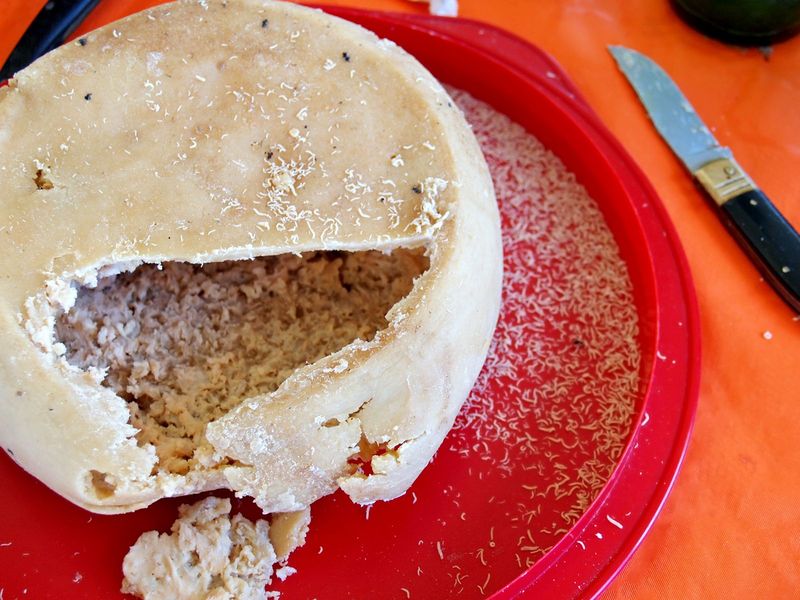
Casu martzu is a Sardinian sheep’s milk cheese that contains live insect larvae. The tiny maggots break down the cheese’s fats, creating an extremely soft, almost liquid texture with a rich, sharp flavor that cheese lovers find remarkable.
It is technically illegal to sell commercially in the European Union, making it a rare underground delicacy. Locals eat it spread on flatbread, sometimes with the larvae still inside.
The taste is bold and buttery in a way no ordinary cheese can match.
4. Lutefisk (Norway)
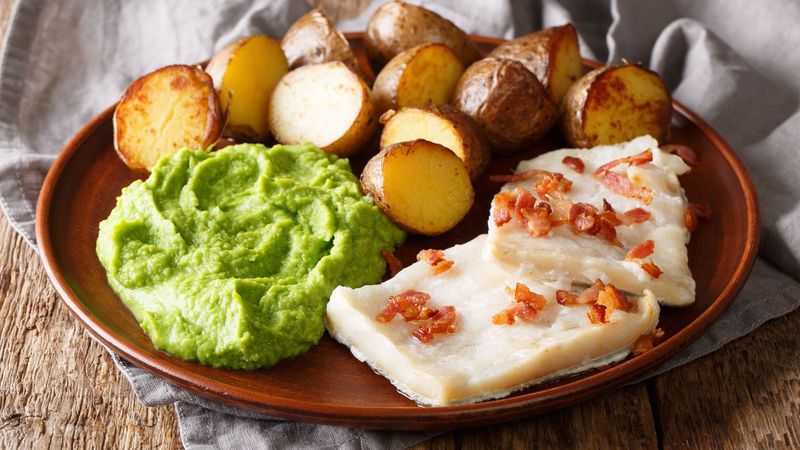
Lutefisk is dried whitefish that has been soaked in lye for several days before cooking. The process gives the fish a gelatinous, almost jelly-like texture that surprises nearly everyone who tries it for the first time.
Despite its wobbly appearance, lutefisk has a mild, delicate flavor when prepared well. Norwegians typically serve it with bacon, peas, and mustard sauce during the Christmas season.
Once you taste a well-made version, the unusual texture starts to feel like part of the charm.
5. Haggis (Scotland)
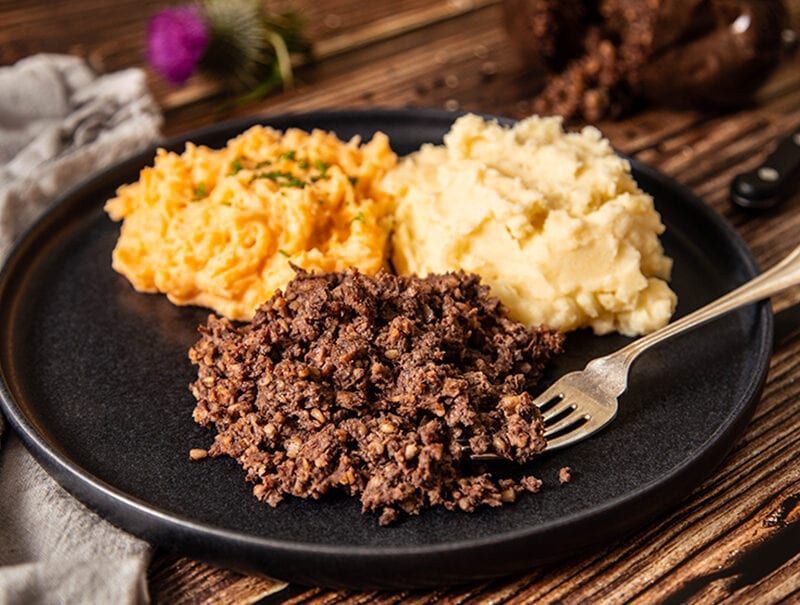
Scotland’s national dish is made from sheep’s offal mixed with oatmeal, onions, and spices, then traditionally cooked inside a sheep’s stomach. That description alone sends many people running, but haggis actually tastes wonderfully savory and hearty.
The oatmeal gives it a satisfying texture, while the spices add warmth and depth. It is famously served on Burns Night every January with mashed turnip and potato.
Haggis is the kind of dish that wins over skeptics on the very first bite.
6. Smalahove (Norway)
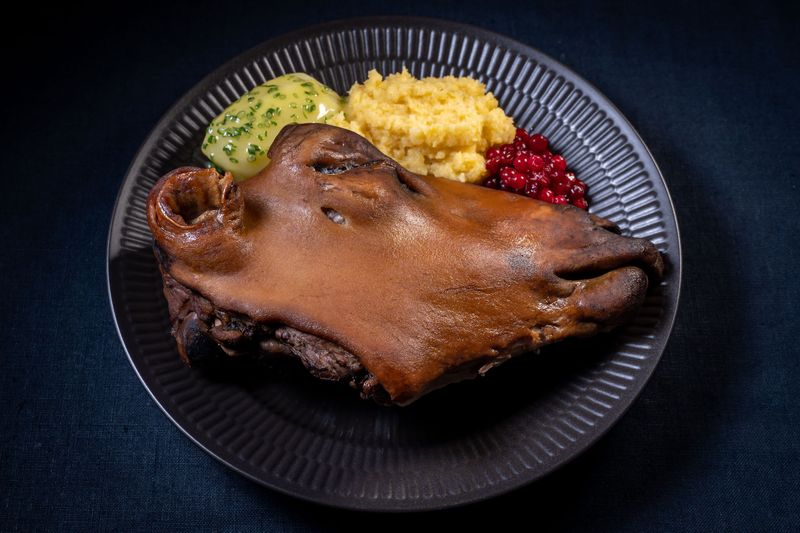
Smalahove is a whole sheep’s head that is smoked, salted, and boiled before serving. It is a traditional Norwegian winter dish that dates back centuries, originally eaten by poorer families who wasted nothing from the animals they raised.
The cheek meat is tender and richly flavored, while the tongue and eye are considered special treats by those who grew up eating it. Served with mashed rutabaga and potatoes, smalahove is a surprisingly filling and flavorful meal that tells a real story of Norwegian heritage.
7. Tête de Veau (France)
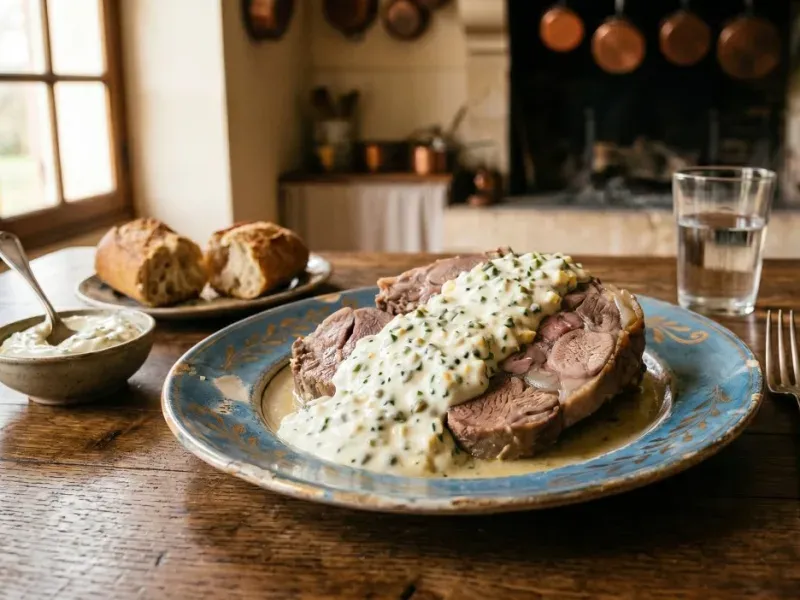
Tête de veau translates literally to “calf’s head,” and it has been a beloved French bistro classic for hundreds of years. The meat is rolled, poached until tender, and served with a tangy gribiche sauce made from hard-boiled eggs, capers, and herbs.
The texture is silky and gelatinous in a way that feels luxurious rather than strange. Former French president Jacques Chirac reportedly ate it every week.
Once you try it at a good Parisian bistro, the name stops mattering and the flavor takes over completely.
8. Morcilla (Spain)
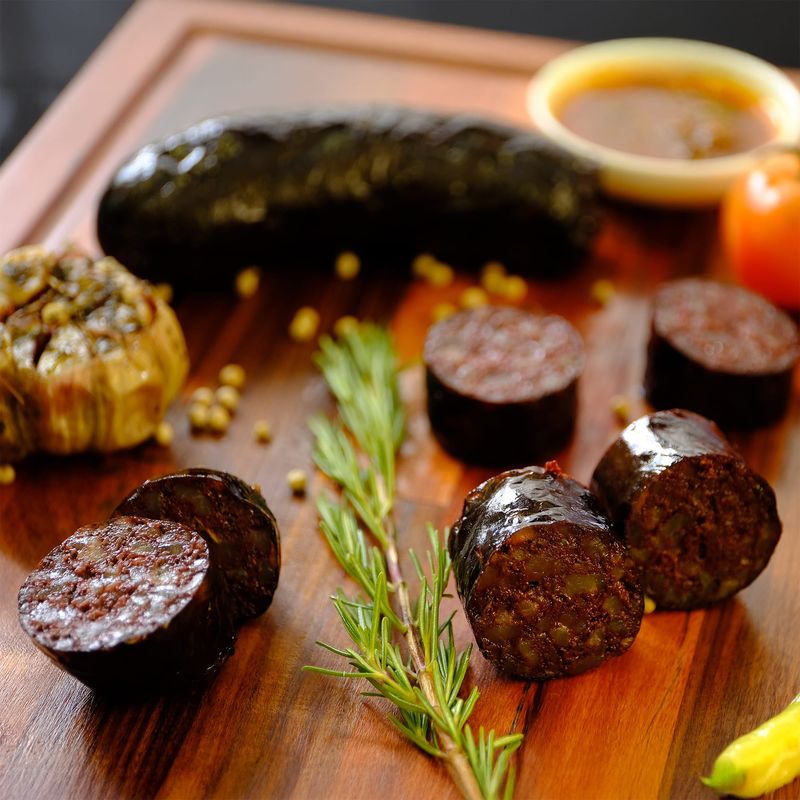
Morcilla is Spain’s famous blood sausage, made by filling a casing with pig’s blood, rice, onions, and spices. The idea of blood sausage makes many people hesitant, but the taste is earthy, rich, and deeply savory in the most comforting way.
Every Spanish region has its own version, with Burgos-style morcilla being the most well-known. It is delicious fried, grilled, or crumbled over beans.
One bite of properly made morcilla and you will understand why Spanish cooks have treasured this recipe for generations.
9. Andouillette (France)
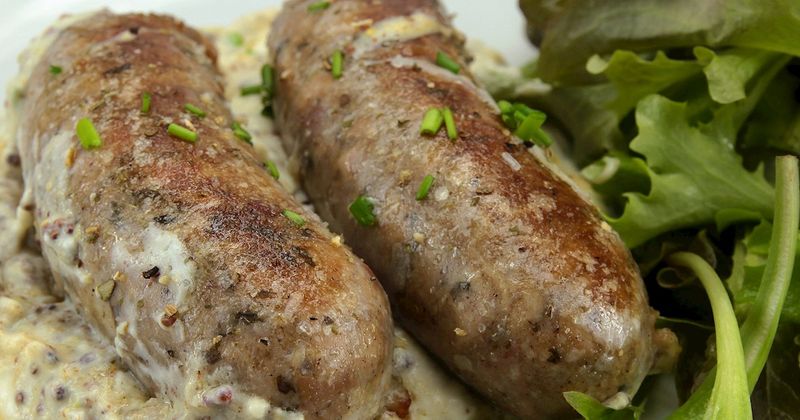
Andouillette is a coarse-textured French sausage made almost entirely from pig intestines. It has a very strong, funky aroma that even adventurous eaters sometimes find challenging when they first encounter it.
Grilled and served with Dijon mustard, it has a bold, meaty flavor that devoted fans describe as deeply satisfying and authentic. The AAAAA label given by a French gastronomic society marks the finest versions.
If you enjoy strong, honest flavors, andouillette rewards your courage with something genuinely unforgettable.
10. Pyttipanna (Sweden)
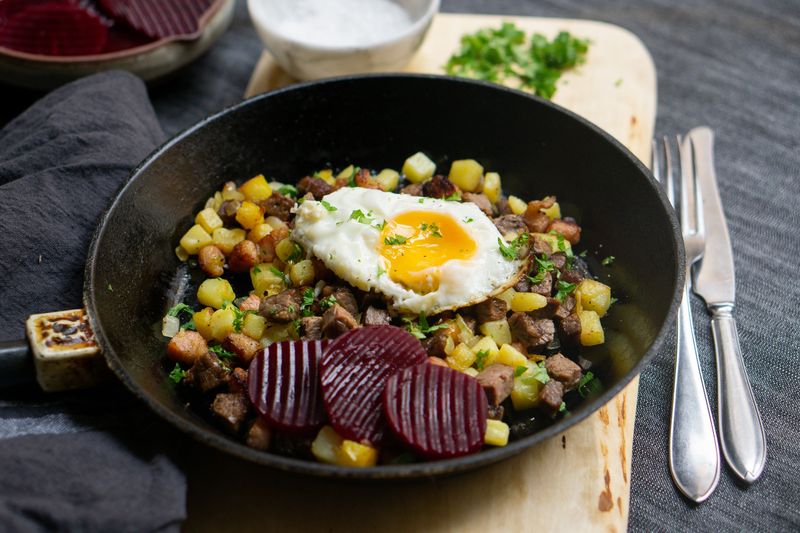
Pyttipanna means “small pieces in a pan” in Swedish, and that is exactly what it is. Leftover meat, potatoes, and onions are diced and fried together until crispy, then topped with a fried egg and pickled beets.
It is the ultimate no-waste comfort food, and every family makes it slightly differently depending on what is in the fridge. The combination of crispy edges, soft potato, and runny egg yolk is surprisingly addictive.
Swedes have been making this humble dish for well over a century.
11. Kiviak (Greenland/Denmark)
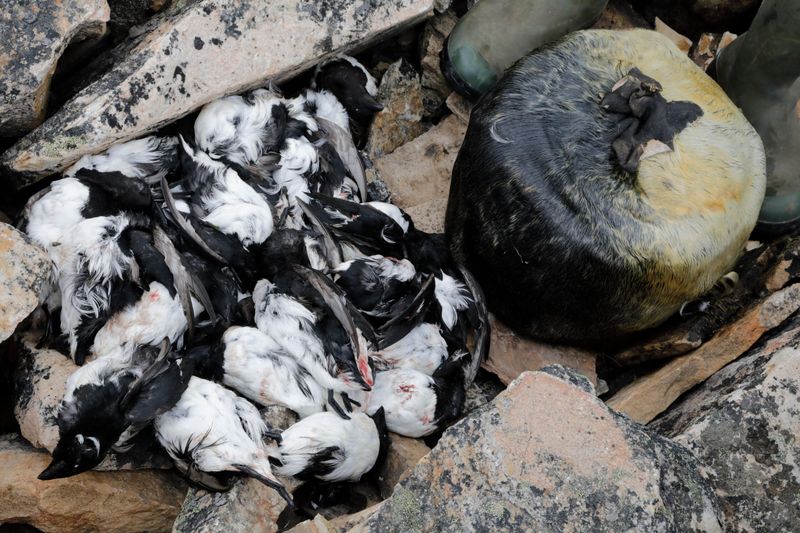
Kiviak is one of the most extreme fermented foods in the entire world. It is made by stuffing hundreds of small seabirds called auks inside a hollowed-out seal, sewing it shut, and leaving it under rocks to ferment for up to 18 months.
The resulting flavor is intensely funky, rich, and complex. Greenlandic communities traditionally eat it during winter celebrations and birthdays.
It may never appear on a restaurant menu near you, but kiviak represents an extraordinary example of human creativity in preserving food under harsh Arctic conditions.
12. Boudin Noir (France/Belgium)
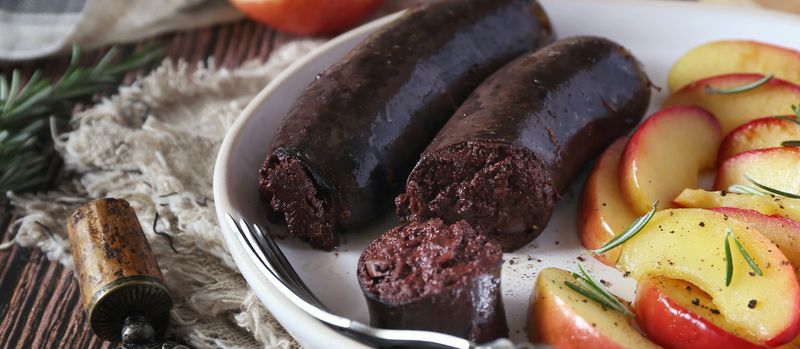
Boudin noir is a blood sausage enjoyed across France and Belgium, made with pig’s blood, fat, onions, and warm spices like nutmeg and allspice. It has a soft, almost creamy texture that melts in your mouth when cooked properly.
The classic pairing with sweet sautéed apples balances the rich, iron-forward flavor beautifully. It is one of those dishes that sounds intimidating on paper but tastes like pure comfort once you try it.
Belgian and French charcutiers take enormous pride in their family recipes.
13. Lamprey Pie (Portugal)
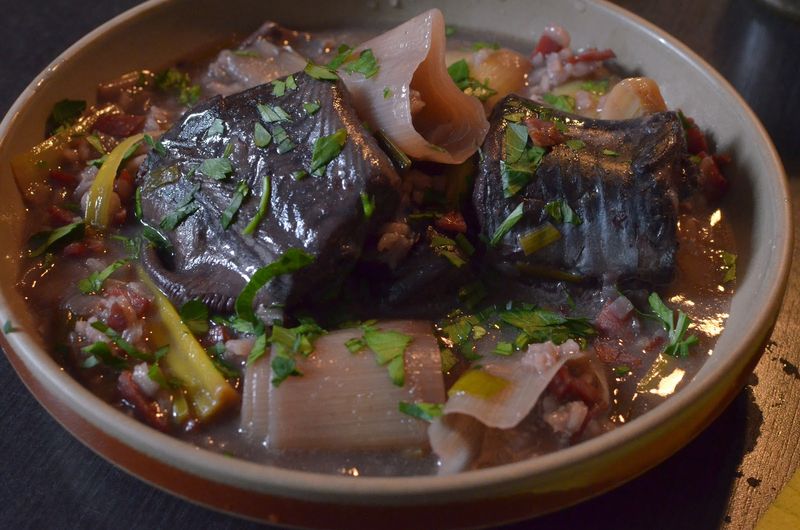
Lamprey is an ancient, eel-like jawless fish that looks so prehistoric it could easily star in a horror film. Yet in Portugal, lamprey cooked in its own blood with red wine and rice is considered a seasonal springtime luxury.
The flavor is rich, gamey, and deeply savory with a texture similar to tender braised meat. Portuguese families eagerly await lamprey season every year along the Minho and Lima rivers.
Once you taste it properly prepared, the creature’s alarming appearance becomes completely irrelevant.
14. Fried Brain Fritters (Italy)
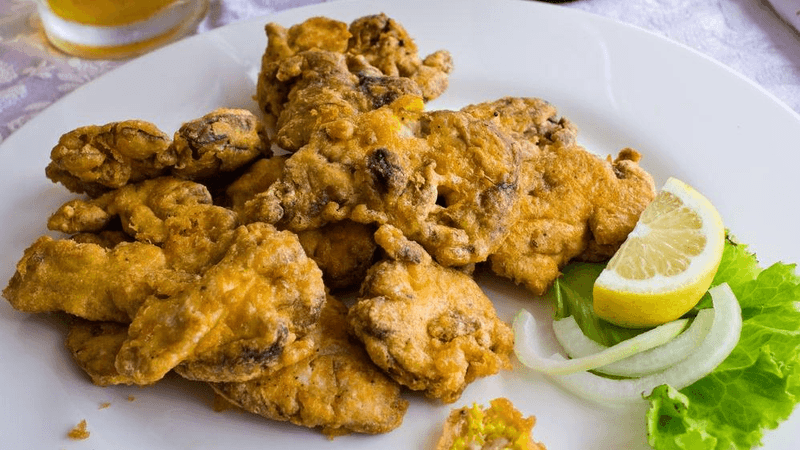
In Rome and other parts of Italy, calf brain is battered and fried until golden brown in a dish called fritto di cervella. The outside is beautifully crispy while the inside stays creamy and mild, almost like the softest scrambled eggs you have ever eaten.
Romans have been frying offal this way for centuries as part of their beloved cucina povera tradition. A squeeze of lemon over the top brightens everything up perfectly.
It is one of those dishes that proves humble ingredients can create something genuinely elegant.
15. Stargazy Pie (England)
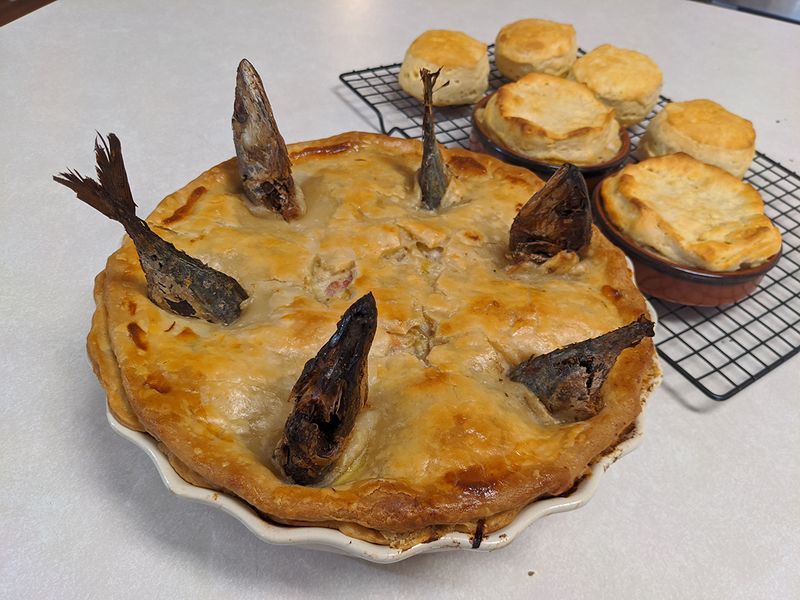
Stargazy pie is a Cornish dish where whole pilchard fish are baked inside a pastry crust with their heads poking dramatically through the top, appearing to gaze up at the stars. The visual is theatrical, to say the least.
The fish oils drain back into the pie during baking, keeping the filling moist and flavorful. It is traditionally made on Tom Bawcock’s Eve in December in the village of Mousehole.
The taste is rich, savory, and deeply satisfying once you look past the staring fish.
16. Piftie (Romania)
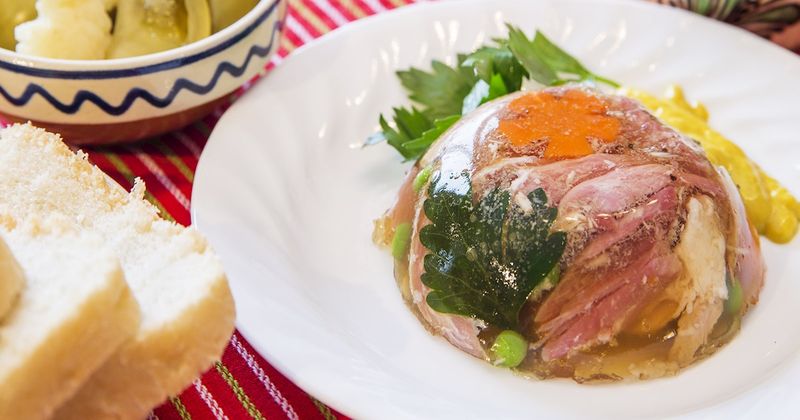
Piftie is a Romanian cold dish made by slowly cooking pork trotters, ears, and knuckles until the natural collagen turns the cooking liquid into a firm, savory jelly when chilled. It looks like a meat-filled snow globe, which understandably puzzles first-timers.
Flavored generously with garlic and bay leaves, the taste is deeply meaty and comforting. Romanians serve piftie at Christmas and New Year celebrations as a beloved family tradition.
The wobbly texture is unusual at first, but the bold garlic flavor quickly wins people over completely.
17. Escamoles (Mexico via Spain – Historical Trade)
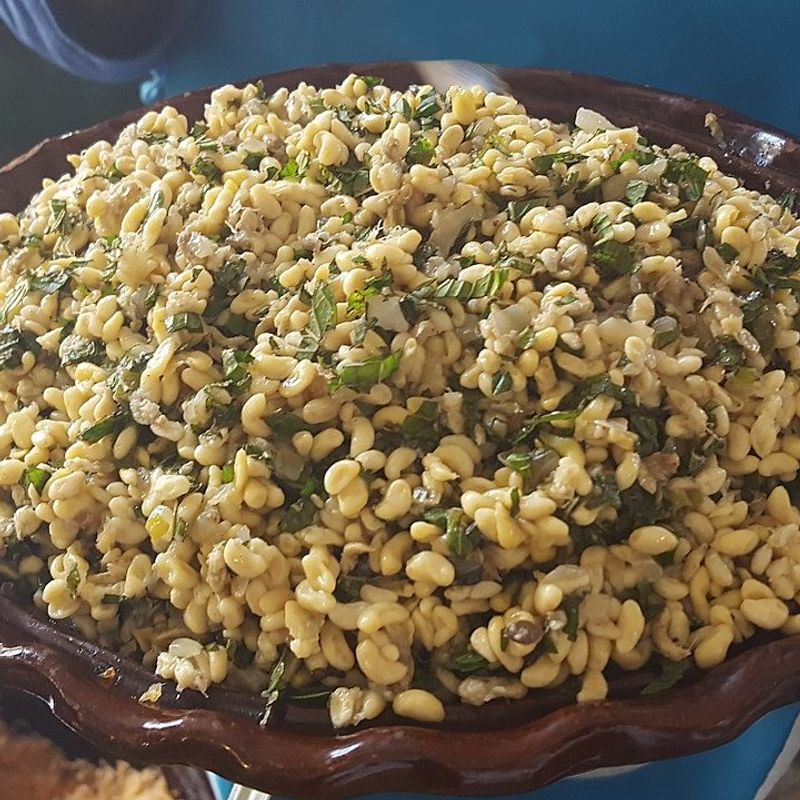
Though escamoles originate in Mexico, they became known in parts of Europe through historical trade and are now celebrated by adventurous European chefs. These are the eggs and larvae of a specific species of ant, harvested from agave plant roots.
Sautéed in butter with herbs, they taste nutty, buttery, and slightly cottage-cheese-like in texture. They earned the nickname “insect caviar” because of their delicate flavor and high price.
Once you set aside the idea of what they are, escamoles are genuinely delicious and surprisingly refined.
18. Sanguinaccio Dolce (Italy)
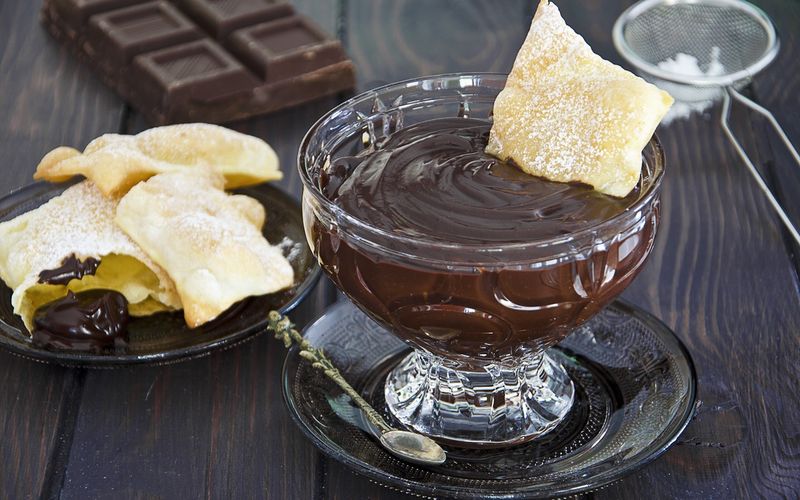
Sanguinaccio dolce is a Neapolitan dessert that combines dark chocolate, sugar, and pig’s blood into a thick, velvety pudding. Pig’s blood was historically used as a thickener before modern ingredients became widely available, and the result is surprisingly delicious.
The blood flavor is completely masked by the rich chocolate and warm spices like cinnamon and cloves. It tastes like the most indulgent chocolate pudding you have ever had.
Italy banned the commercial sale of blood-based sweets in 1992, making homemade versions even more treasured by those who know the recipe.
19. Smoked Reindeer Heart (Finland)
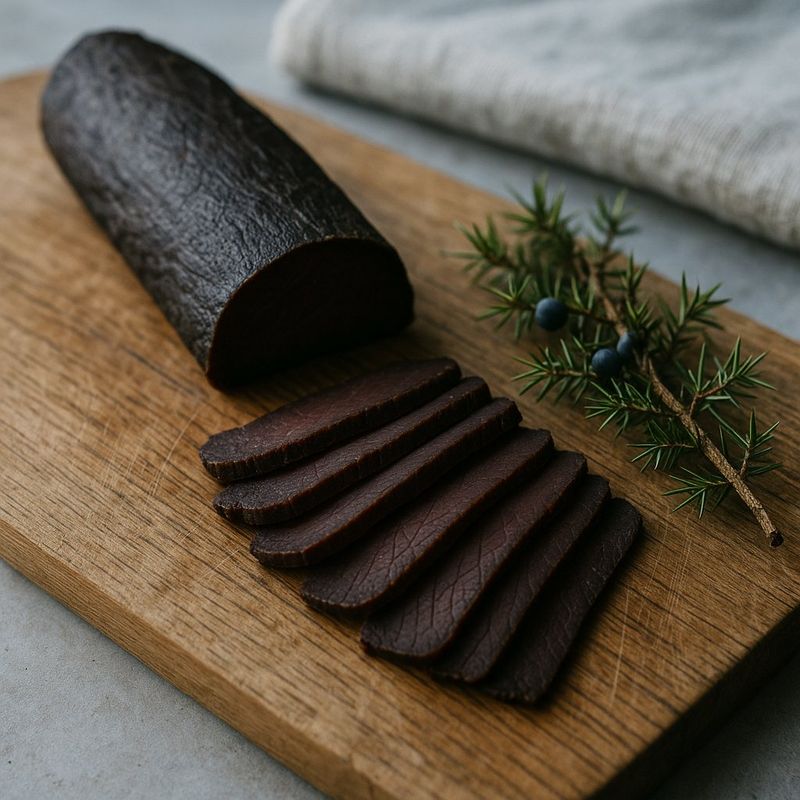
In Finnish Lapland, reindeer are central to both culture and cuisine. Smoked reindeer heart is sliced thin and served on dark rye bread, sometimes with a spoonful of tart lingonberry jam on the side.
The flavor is deeply smoky, slightly gamey, and far more tender than you might expect from an organ meat. Reindeer herding communities in Finland have eaten this way for generations as a practical and respectful use of the whole animal.
It pairs wonderfully with a warm cup of Finnish coffee on a cold winter morning.
20. Fried Spiders (Eastern Europe via Roma Cuisine)
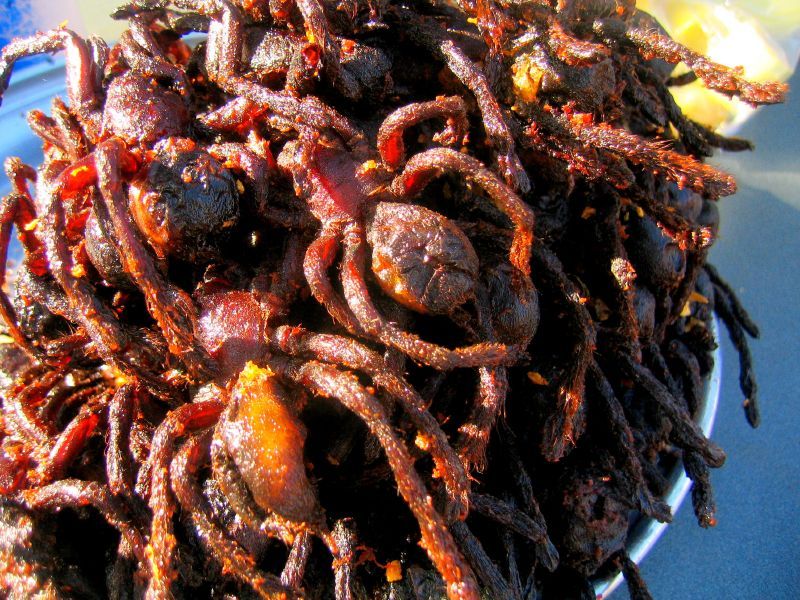
Fried spiders have appeared in parts of Eastern Europe through Roma culinary traditions and have recently caught the attention of food adventurers across the continent. The spiders are seasoned, skewered, and fried until crispy all the way through.
The taste is often compared to soft-shell crab or crispy bacon, with a slightly nutty interior. Food scientists point out that insects and arachnids are protein-rich and environmentally friendly.
Crunchy, salty, and surprisingly moreish, fried spiders challenge your assumptions about what qualifies as good food.
21. Jellied Eels (England)
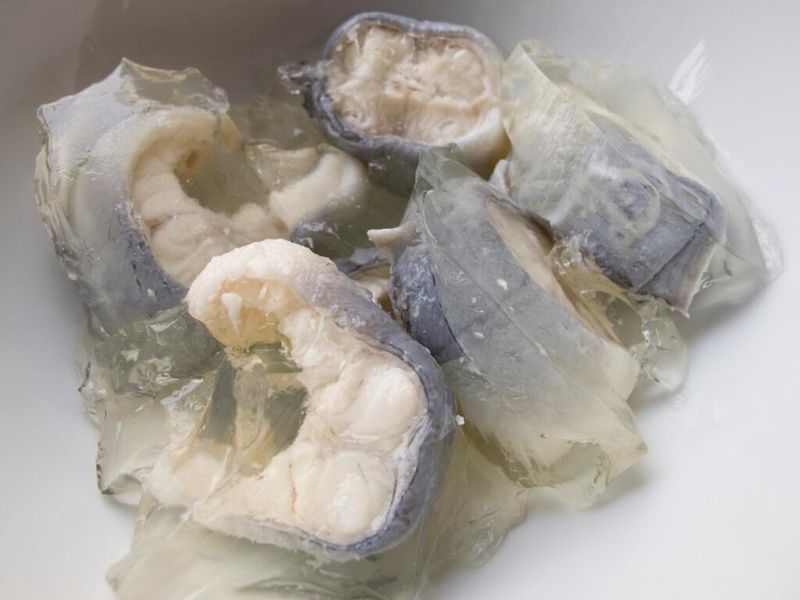
Jellied eels have been a staple of London’s East End food culture since the 18th century. Fresh eels are simmered in a spiced broth that sets into a wobbly, savory jelly as it cools, then served cold with a splash of malt vinegar.
The eel meat is tender and mild, tasting far more approachable than the dish’s appearance suggests. Traditional pie and mash shops in London still serve them the old-fashioned way.
Jellied eels are a genuine piece of British culinary history that deserves far more respect than it typically receives.
22. Mykyrokka (Finland)
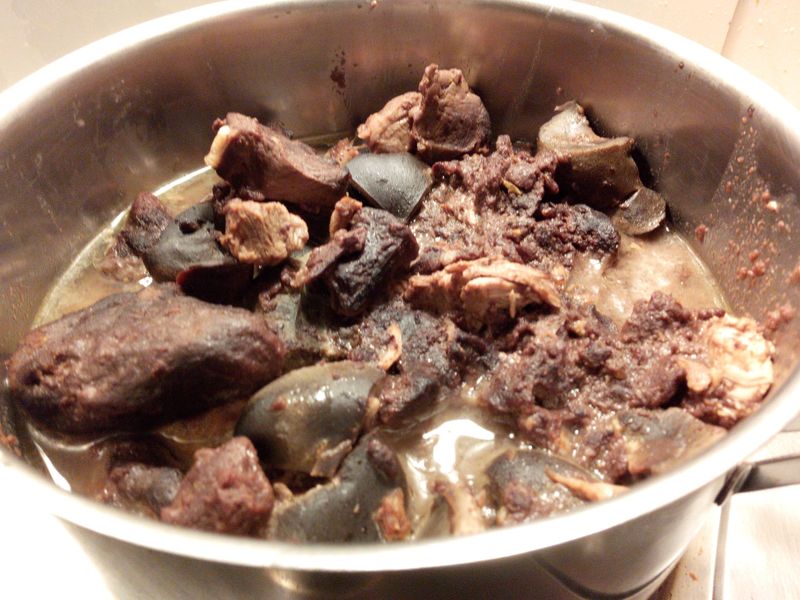
Mykyrokka is a traditional Finnish soup featuring enormous dark dumplings made from rye flour and mixed with pig’s blood, onion, and sometimes raisins. The combination sounds bizarre, but the result is hearty, warming, and deeply flavorful.
The rye gives the dumplings a slightly sour, nutty taste while the blood adds richness and body. Finnish grandmothers have been making this soup on cold autumn days for generations.
It is the kind of dish that feels like a warm hug from the inside, particularly after a long day outdoors in the Finnish cold.
23. Percebes (Spain/Portugal)
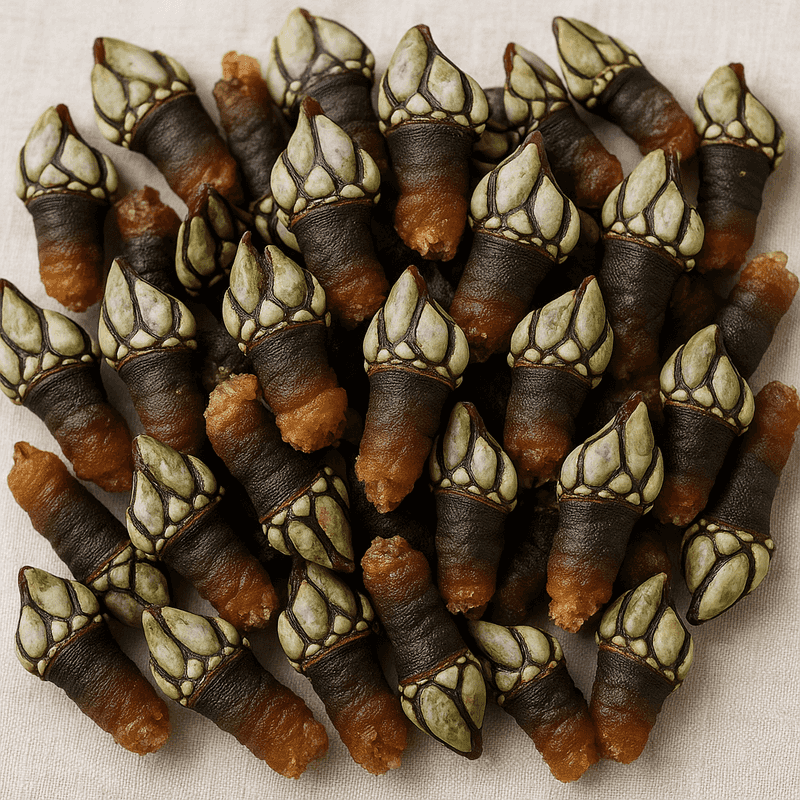
Percebes are gooseneck barnacles harvested from the wild, wave-battered rocks along the coast of Galicia in Spain and northern Portugal. They look like tiny alien claws and cost a fortune because harvesting them is genuinely dangerous work.
Steamed briefly in salted water, they taste remarkably clean and oceanic, like the purest essence of the sea. Cracking open the tough outer skin to reach the tender meat inside is part of the experience.
Once you taste percebes, ordinary shellfish starts to feel a little ordinary by comparison.