
Africa has 54 countries, and each one has its own amazing food traditions. Most people have heard of jollof rice or couscous, but many tasty dishes stay hidden from the rest of the world.
Learning about these meals helps us understand the people, history, and land behind them. Get ready to discover some delicious foods you may want to try at home or on your next adventure.
1. Kitfo from Ethiopia
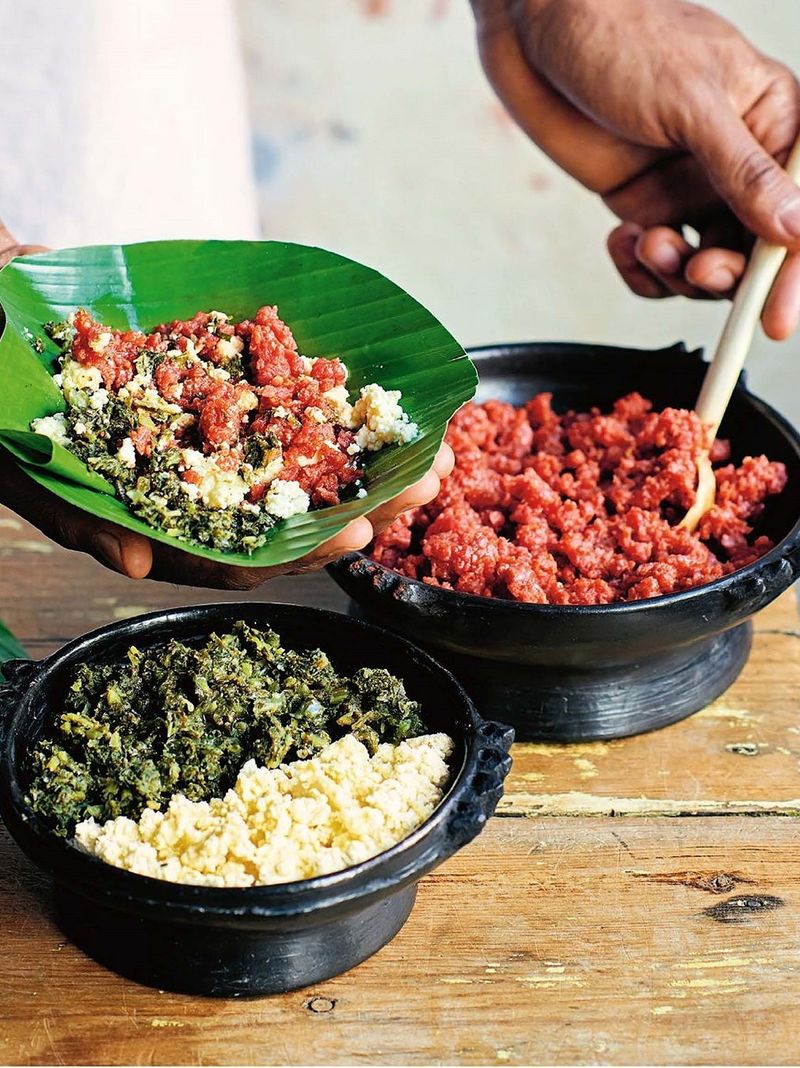
Picture a bowl of finely chopped beef glistening with spiced butter. Ethiopians serve kitfo on special days, like holidays and family gatherings.
The meat gets mixed with mitmita, a fiery chili blend, and niter kibbeh, a butter flavored with herbs. Some people eat it raw, while others ask for it lightly cooked, called leb leb.
Scoop it up with injera bread and a side of mild cottage cheese to cool the heat.
2. Bunny Chow, South Africa’s Edible Bowl
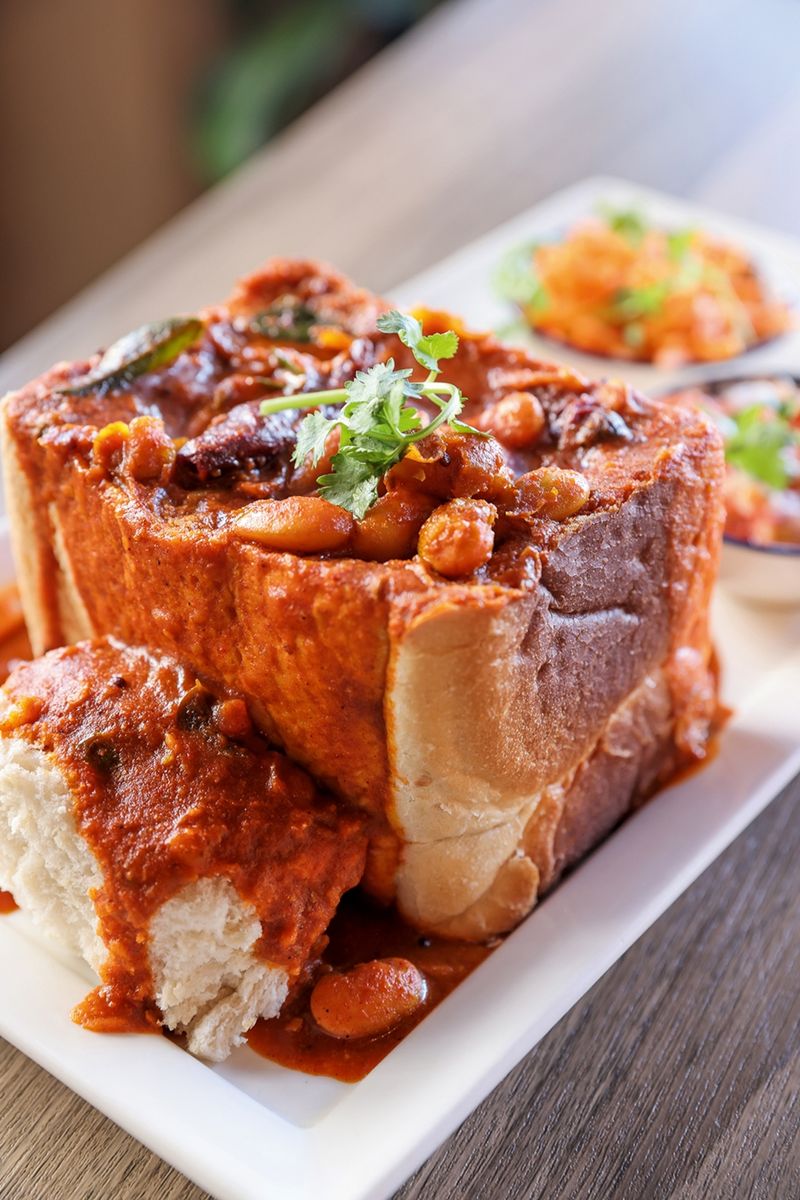
Forget plates. In Durban, curry comes stuffed inside a hollowed-out loaf of bread, and no rabbits are involved at all!
Indian workers created bunny chow back in the 1940s as an easy lunch to carry. The bread soaks up the spicy bean, chicken, or lamb curry beautifully.
Here is a fun tip: eat it with your hands and save the bread plug on top for dipping. Nothing goes to waste.
3. Egusi Soup
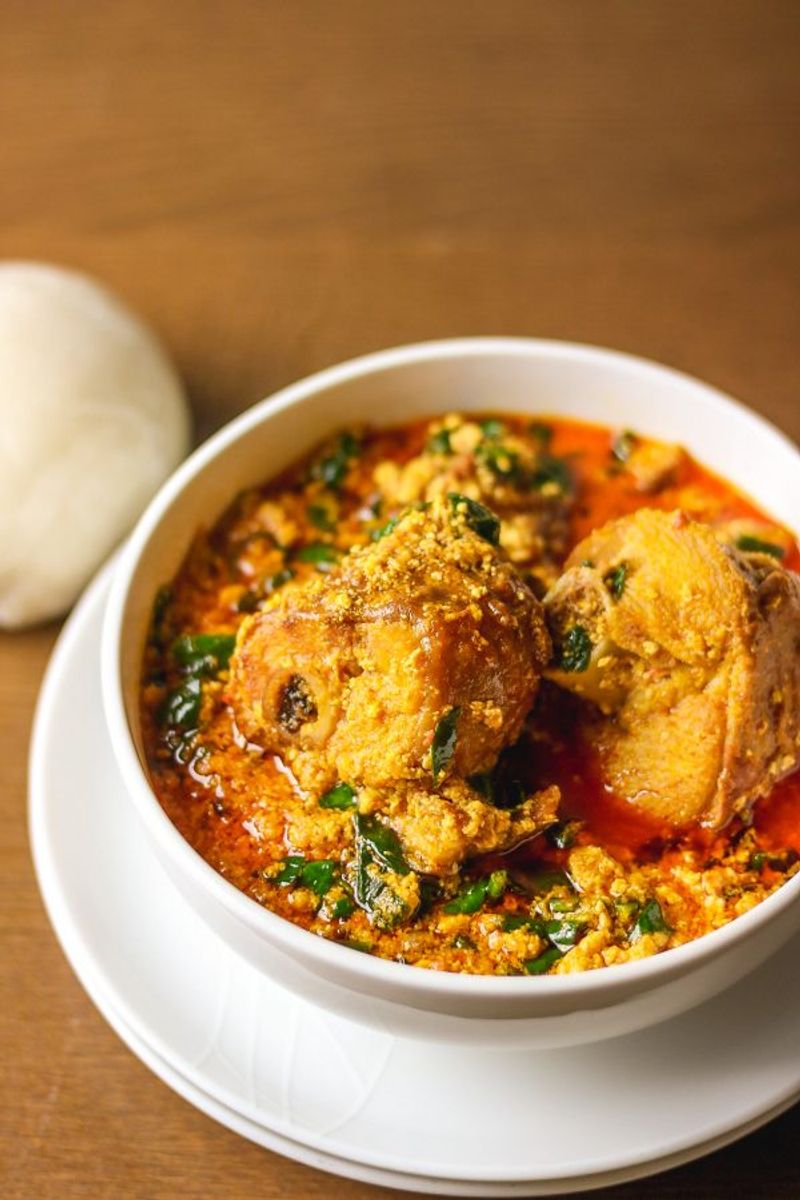
Did you know melon seeds can make a thick, hearty soup? In Nigeria, cooks grind egusi seeds into a powder that gives this dish its creamy texture.
Leafy greens, palm oil, peppers, and meat or fish join the pot. The result is nutty, rich, and full of protein.
People usually eat it with pounded yam or fufu. Pinch off a small ball, press a dent with your thumb, and scoop away.
4. Thieboudienne, Senegal’s Pride
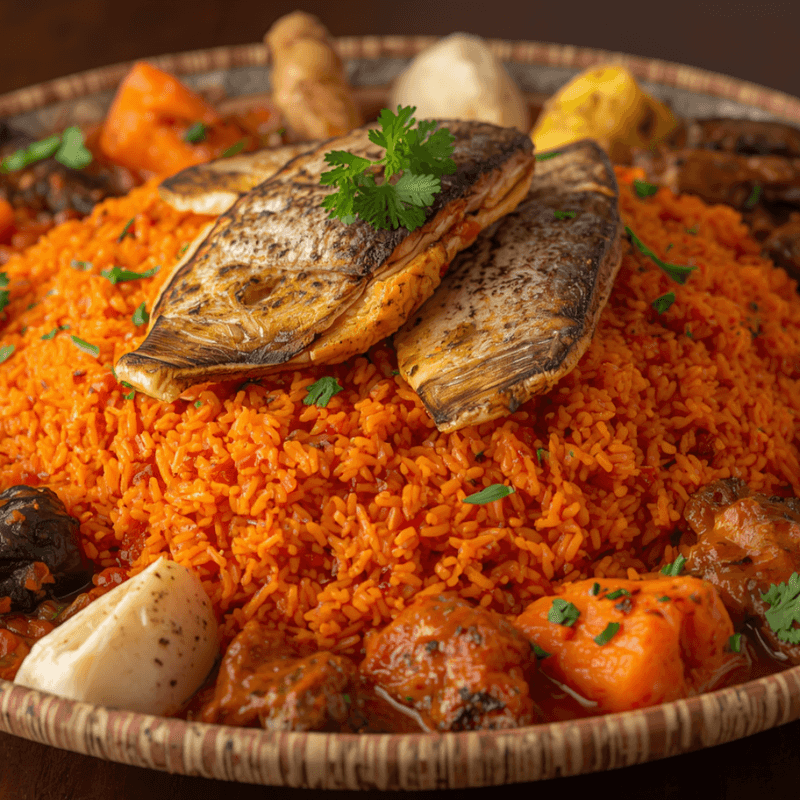
Ask anyone in Dakar about their favorite meal, and many will say thieboudienne. It is the national dish of Senegal, and UNESCO even honored it in 2021.
Fish is stuffed with a parsley and garlic mix, then cooked with tomato-flavored rice and vegetables like cassava and cabbage.
Families share it from one big platter. The crispy rice at the bottom, called xoon, is the treasure everyone fights over.
5. Bobotie
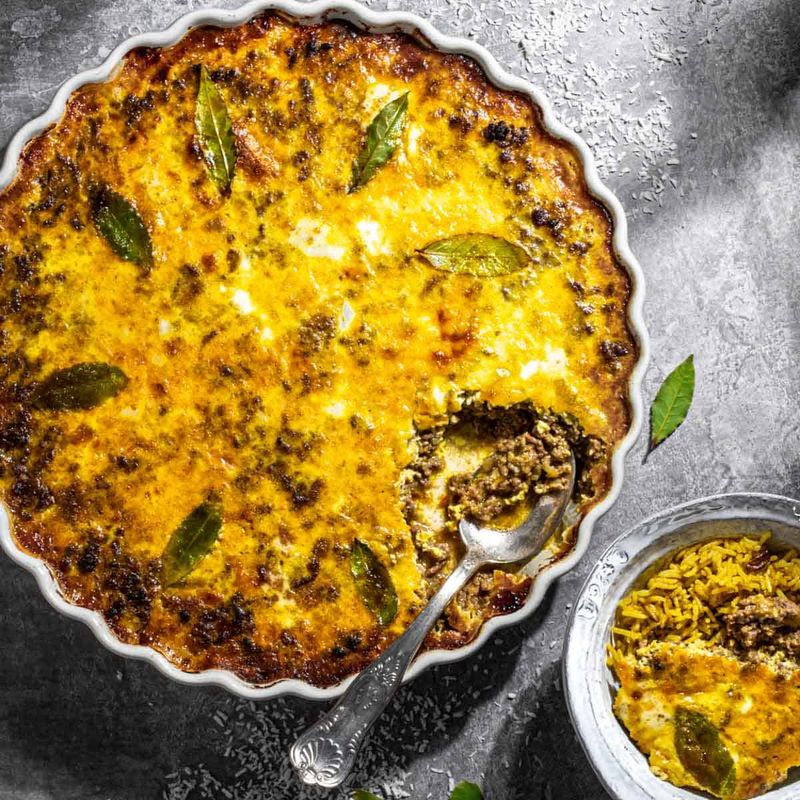
Sweet, savory, and a little spicy all at once, bobotie tastes like a warm hug from grandma’s kitchen.
Spiced minced meat gets mixed with raisins or chutney, then topped with a golden egg custard and baked. Bay leaves poke out of the top like little flags.
South Africans often serve it with yellow rice and sambals. It makes great leftovers, so bake a big dish and enjoy it all week.
6. Mandazi, the Snack Everyone Loves
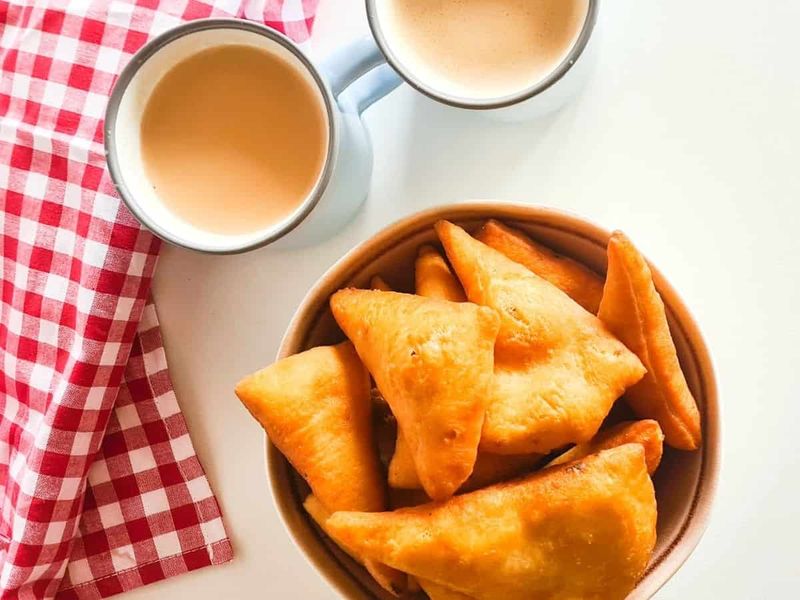
Morning chai in Kenya and Tanzania just feels incomplete without a few mandazi on the side.
These fluffy fried dough pieces are lightly sweet and often flavored with coconut milk and cardamom. They usually come in triangle shapes, though some cooks make circles.
Try them warm with tea, or dust them with powdered sugar for a treat. They are simple enough for beginners to make at home with basic pantry items.
7. Waakye
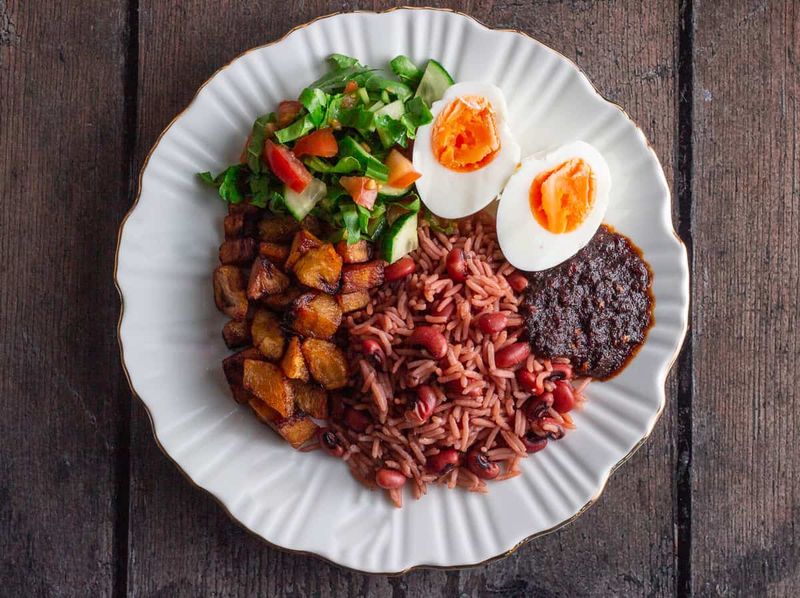
Ghana’s favorite breakfast gets its reddish-brown color from a surprising ingredient: dried sorghum leaves.
Waakye, pronounced wah-chay, is rice and beans cooked together. Vendors serve it wrapped in leaves with a pile of tasty extras like spaghetti, boiled eggs, fried plantains, and gari.
The real star is shito, a dark pepper sauce made with dried fish. Ask for just a little at first.
It packs serious heat!
8. Ndolé from Cameroon
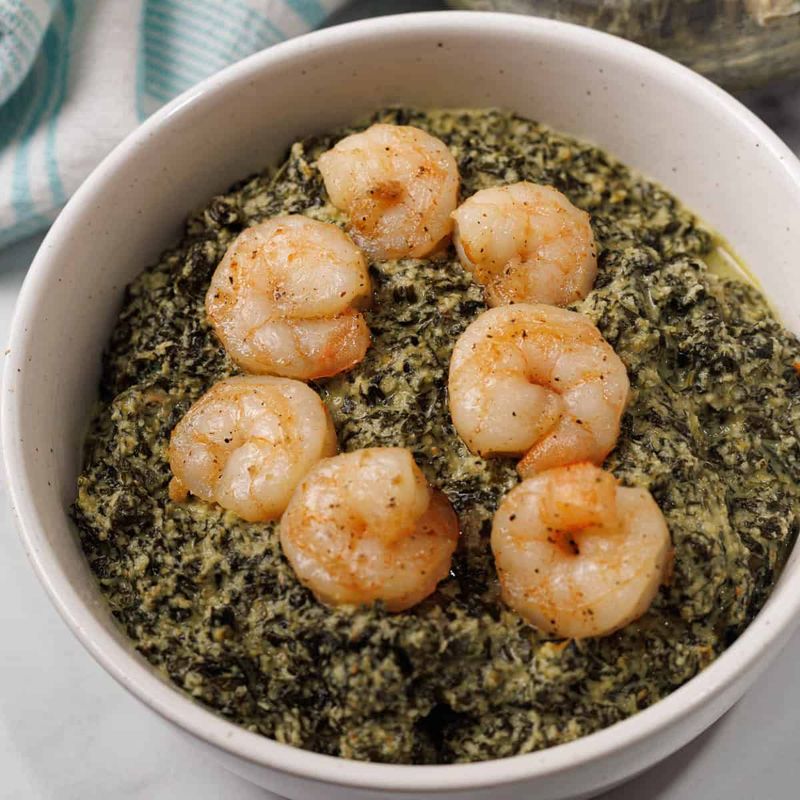
Bitter leaves might not sound tasty, but Cameroonians have turned them into something wonderful.
Ndolé starts with bitterleaf greens that are washed many times to soften their sharp flavor. Then they simmer with ground peanuts, shrimp, and beef into a creamy stew.
Many families serve it on Sundays with fried plantains or miondo, a cassava stick. It proves that patience in the kitchen truly pays off in flavor.
9. Chakalaka
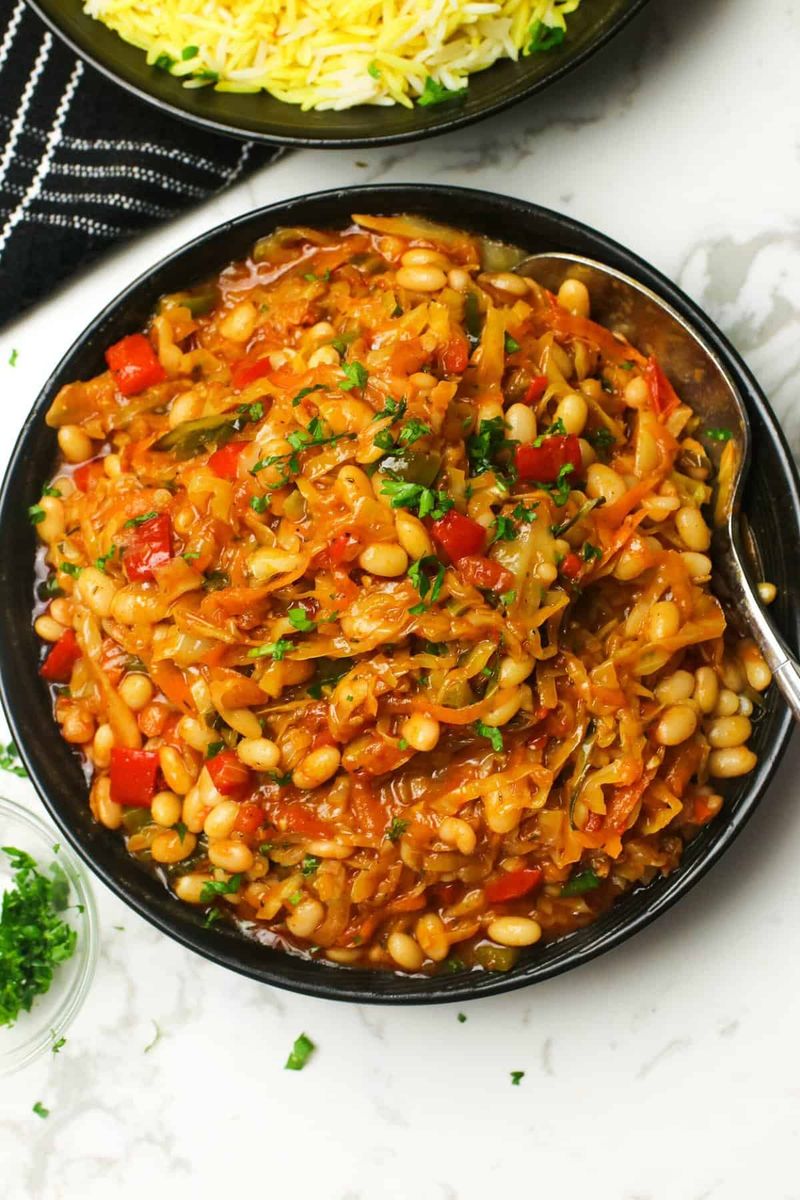
Legend says miners near Johannesburg first threw together canned beans, tomatoes, and chili to spice up their simple meals. Chakalaka was born.
Today this colorful relish includes carrots, peppers, onions, and plenty of curry powder. Every family has its own secret version.
You will find it at almost every South African braai, which is a barbecue. Spoon it over pap, grilled meat, or bread for an instant flavor boost.
10. Kenkey
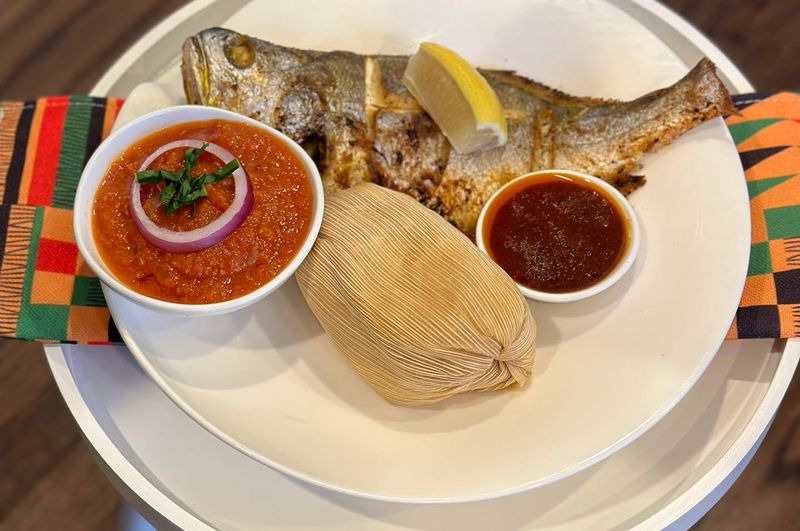
Some foods are worth the wait, and kenkey is one of them. Cooks in Ghana ferment corn dough for days before shaping it.
The dough gets wrapped in corn husks or plantain leaves, then boiled until firm. It has a sour taste, a bit like sourdough bread.
Pair it with fried fish and a spicy pepper sauce for a classic coastal meal. Fishing towns near Accra love it most.
11. Brik, Tunisia’s Crispy Surprise
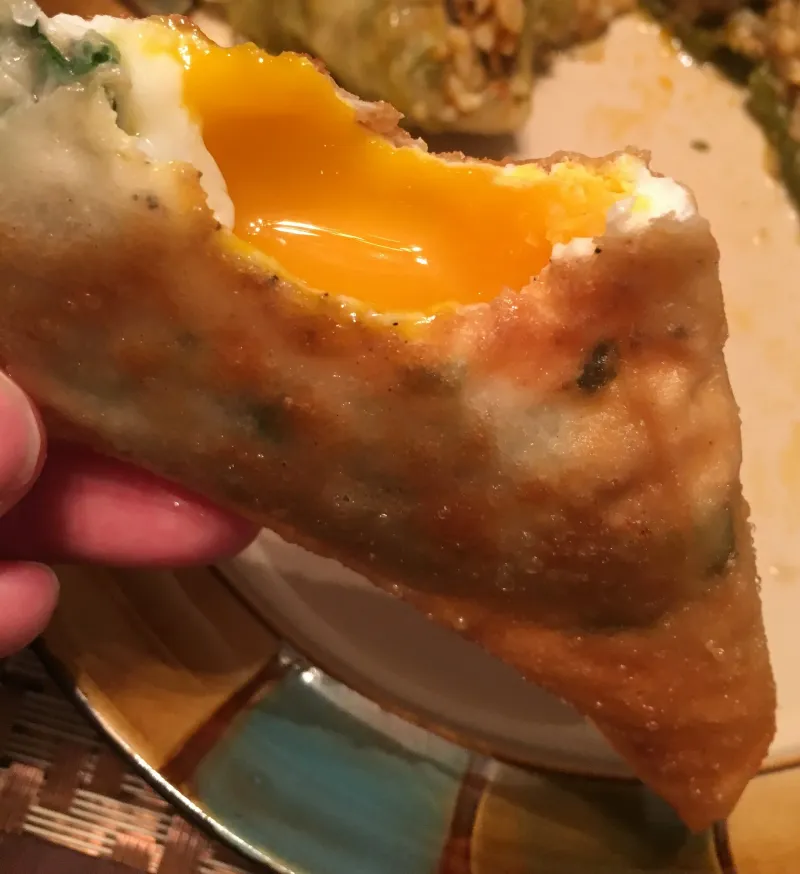
Bite carefully! Inside this crunchy Tunisian pastry hides a runny egg just waiting to spill out.
Brik uses thin warqa dough folded around tuna, capers, parsley, and a cracked egg. It gets fried quickly so the shell turns golden while the yolk stays soft.
Locals eat it during Ramadan to break their fast. Squeeze fresh lemon on top and hold it with both hands to avoid a messy shirt.
12. Moambe Chicken
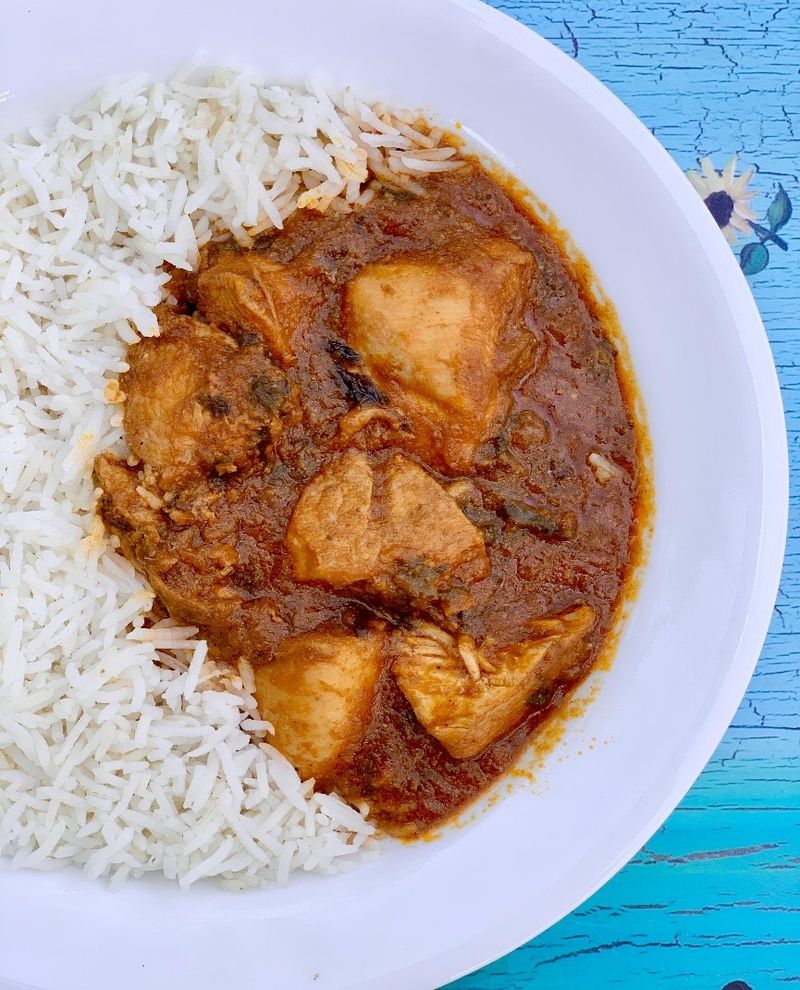
In the Democratic Republic of Congo, moambe chicken is often called the national dish, and one taste explains why.
Chicken simmers slowly in a sauce made from palm nuts, giving it a deep red color and buttery flavor. Garlic, onions, and chili add extra punch.
Serve it over rice or with fufu and greens. If you cannot find palm nut sauce, peanut butter makes a tasty substitute.
13. Shakshuka
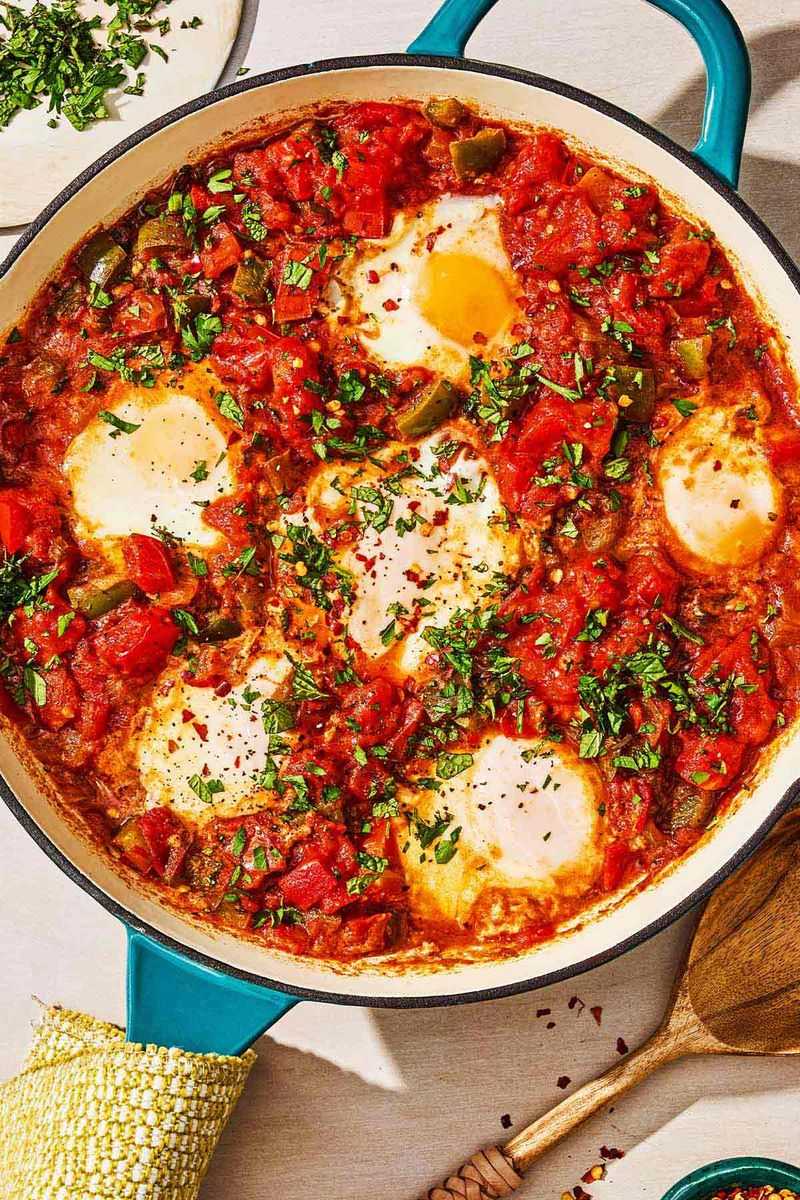
Breakfast, lunch, or dinner, shakshuka fits any time of day. Food historians trace it to Tunisia and nearby North African countries.
Eggs poach gently in a bubbling sauce of tomatoes, peppers, garlic, cumin, and paprika. Everything cooks in a single pan, so cleanup is easy.
Tear off chunks of crusty bread to dip right in. Want to make it fancier?
Crumble some feta cheese on top before serving.
14. Nshima with Relish
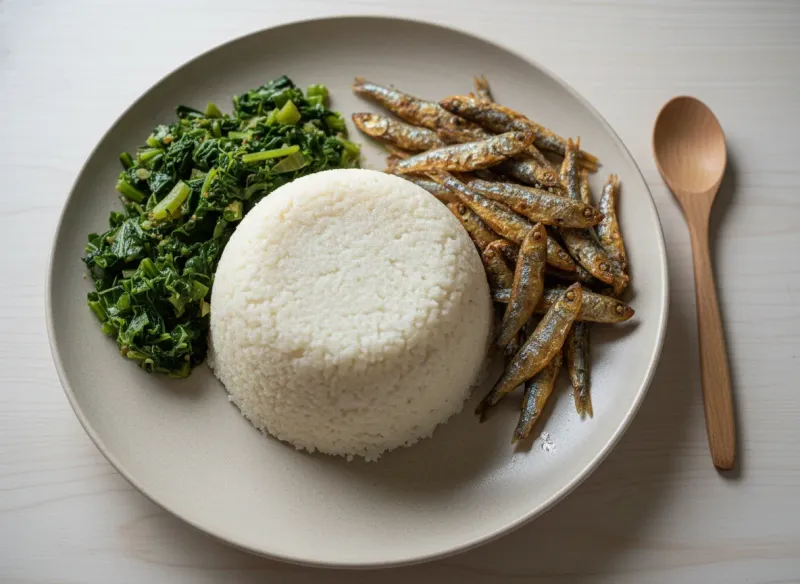
“If you have not eaten nshima, you have not eaten,” goes a popular Zambian saying.
Nshima is a thick porridge made from finely ground white maize. It looks plain, but it is the heart of almost every meal in Zambia and Malawi.
People roll it into balls with their right hand and dip it into relishes like greens, beans, or small dried fish called kapenta. Simple, filling, and comforting.
15. Ful Medames
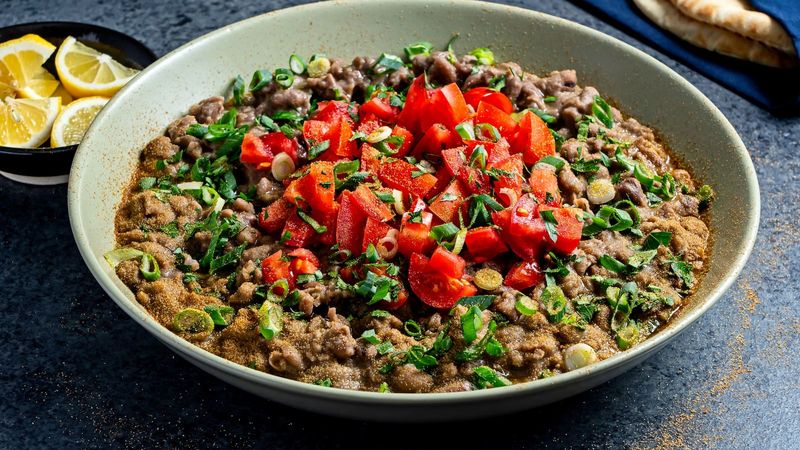
Ancient Egyptians may have eaten fava beans thousands of years ago, and people in Cairo still start their day with them.
Ful medames is made by slow-cooking fava beans, then mashing them with olive oil, garlic, lemon juice, and cumin. Street carts sell huge pots every morning.
It is cheap, full of fiber, and keeps you full for hours. Scoop it with warm pita and add chopped tomatoes.
16. Sadza ne Nyama
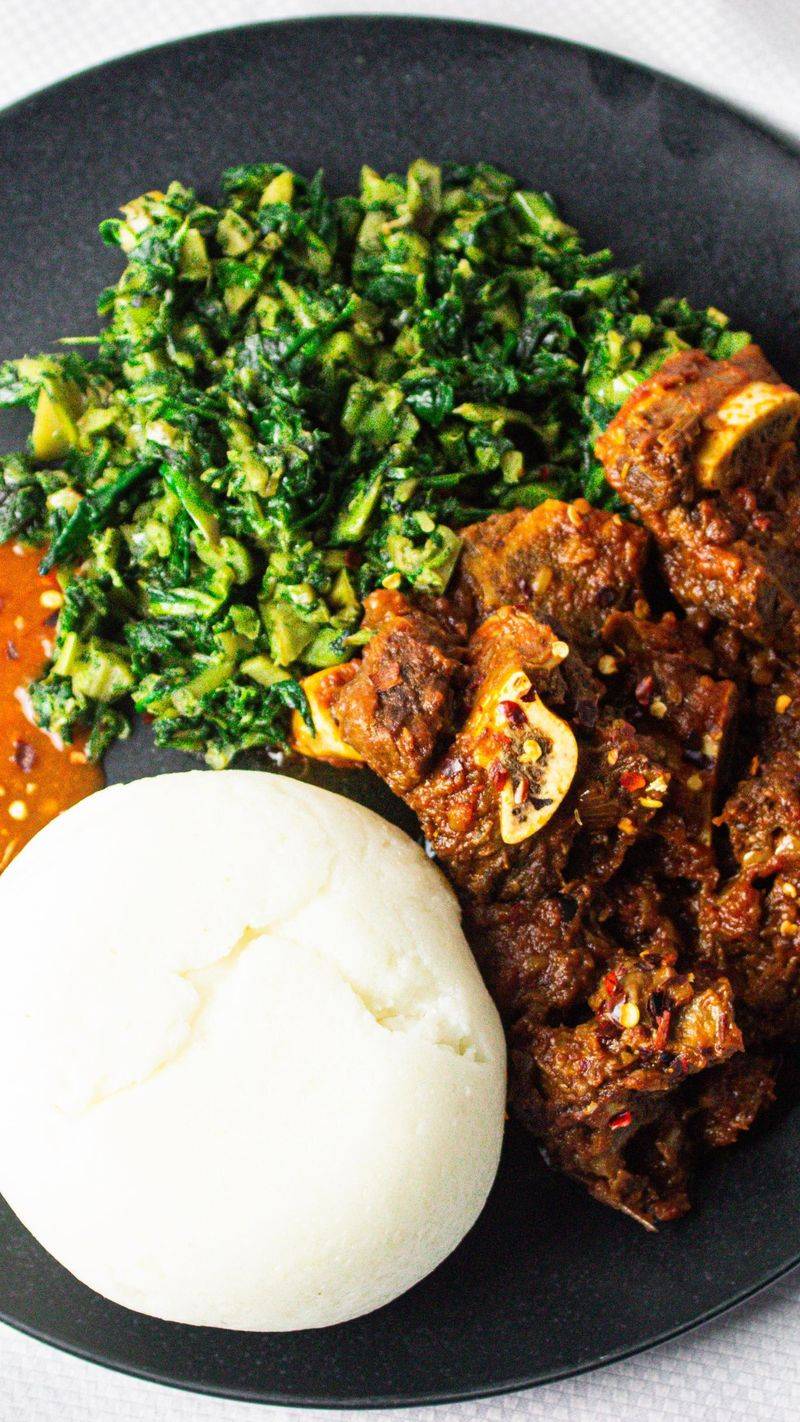
Zimbabwean kids grow up eating sadza almost every day, so it brings back plenty of happy family memories.
Similar to nshima, sadza is a stiff maize porridge. Paired with nyama, which means meat, it becomes a hearty dinner of beef stew and tomato gravy.
Add a side of covo greens cooked with onions. Remember the custom: always wash your hands first, because forks are rarely part of this meal.
17. Romazava
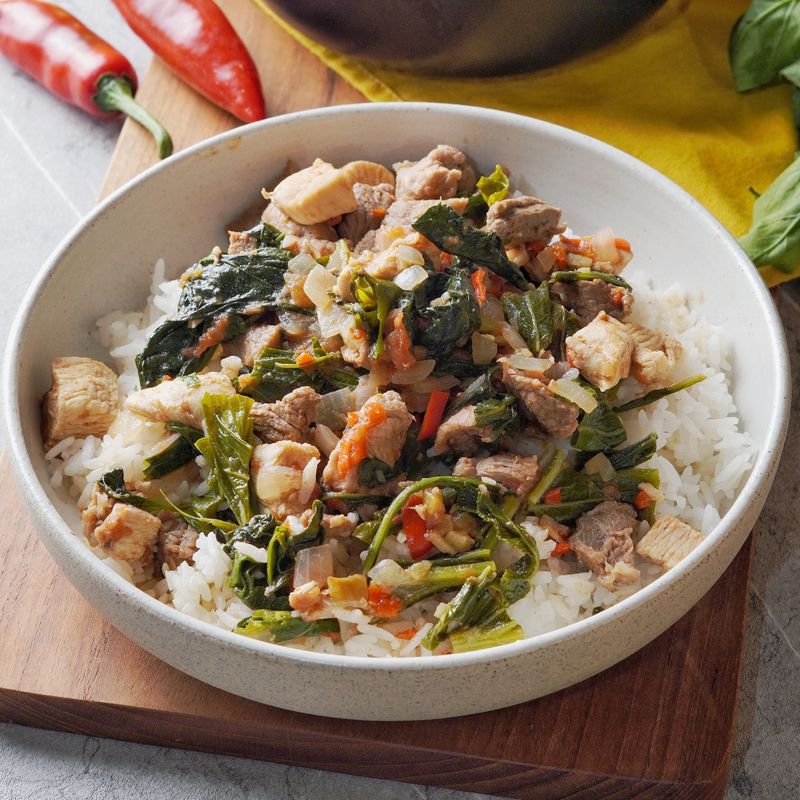
Madagascar’s national dish comes with a tingle. Romazava includes paracress, a flower that makes your tongue buzz and feel slightly numb!
The broth simmers beef or pork with leafy greens, tomatoes, ginger, and garlic. It is light, fresh, and very soothing.
Malagasy people eat a lot of rice, so romazava is always ladled over a big mound of it. Try it on a chilly evening for cozy comfort.
18. Pastilla
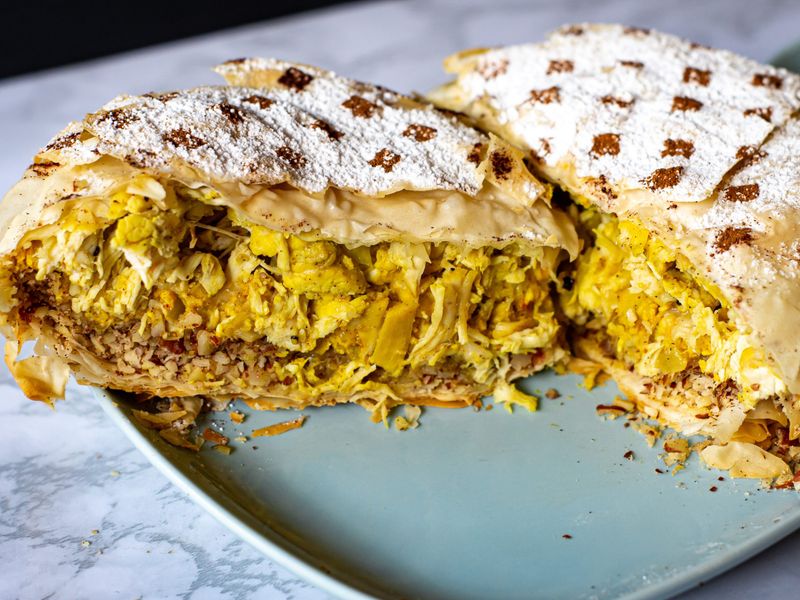
Sugar and chicken in the same pie? Moroccans have been making this unusual combination work for centuries.
Pastilla layers paper-thin pastry around shredded chicken or pigeon, almonds, eggs, and warm spices. The top gets dusted with powdered sugar and cinnamon in pretty patterns.
It shows up at weddings and big celebrations in Fez and Marrakech. One slice is surprisingly filling, so share it with friends.
19. Matoke
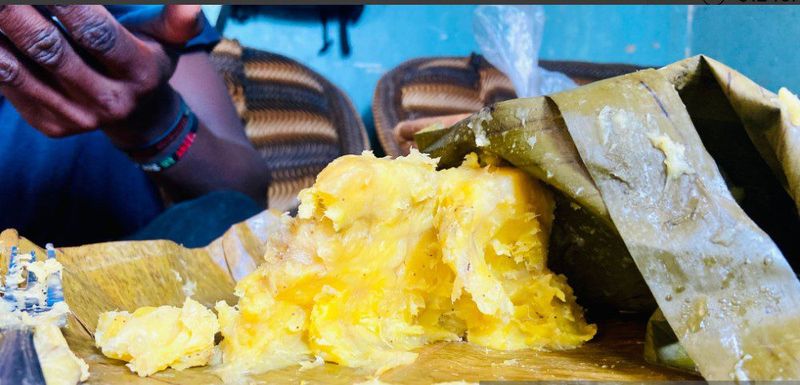
Green bananas are not just unripe fruit in Uganda. They are dinner!
Matoke uses starchy cooking bananas that are peeled, wrapped in banana leaves, and steamed until soft. Then they get mashed into a smooth, yellow mound.
Ugandans eat matoke with peanut sauce, beans, or beef stew. Some families grow their own banana trees right in the backyard, so dinner is only steps away.
20. Akara
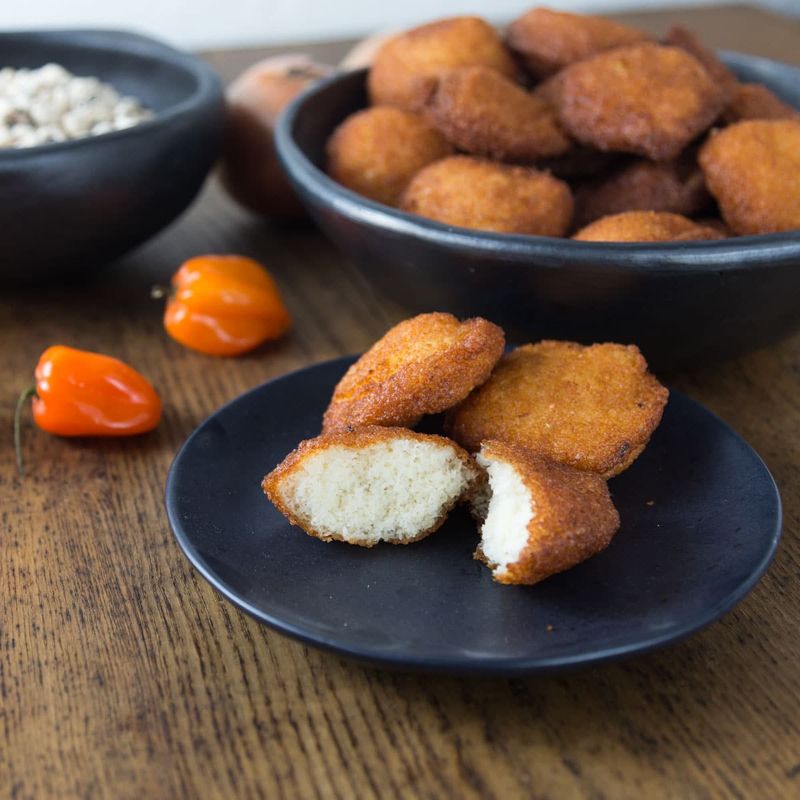
Crispy outside, fluffy inside, akara is the kind of snack that disappears fast.
Cooks soak and peel black-eyed peas, then blend them with onions and peppers into a batter. Spoonfuls get dropped into hot oil until golden.
Nigerians love them for breakfast with bread or custard-like pap. Fun fact: enslaved West Africans brought this recipe to Brazil, where it is now called acarajé.
21. Poulet DG
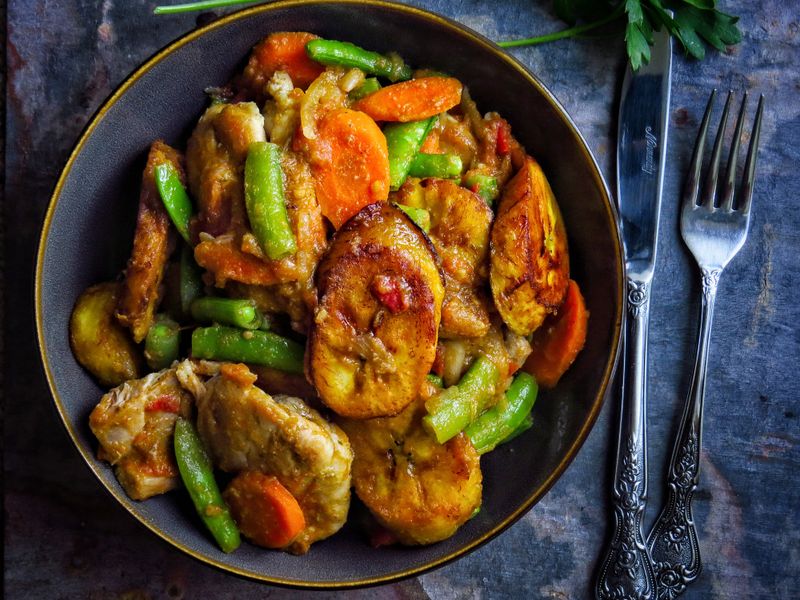
The DG stands for directeur général, which means company boss. Cameroonians named this dish because only rich bosses could afford it long ago.
Fried chicken and sweet plantains cook together with carrots, green beans, and peppers in a tomato sauce.
Now anyone can enjoy this fancy-feeling meal. It is colorful, filling, and great for impressing guests at a dinner party without being too hard to make.
22. Mukimo
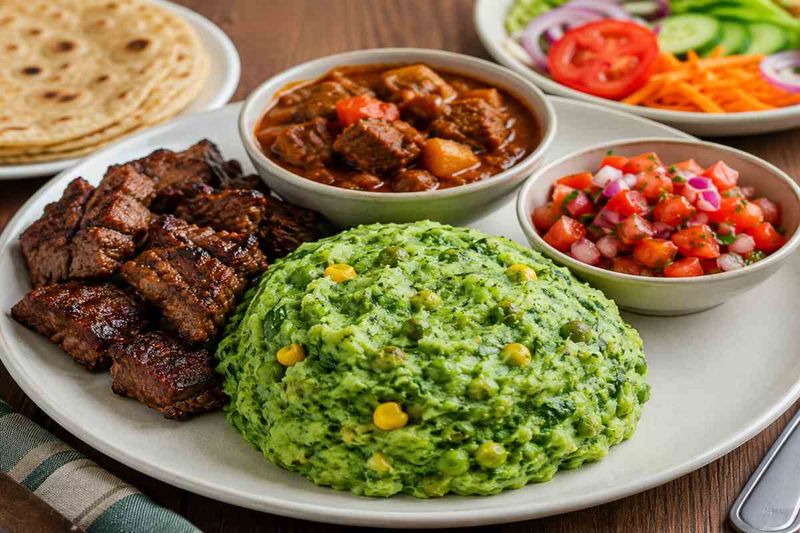
Green mashed potatoes might look strange, but Kenya’s Kikuyu people have perfected them.
Mukimo combines potatoes, peas, corn, and pumpkin leaves or spinach, all mashed together. The greens give it a bright color and extra vitamins.
It often appears at weddings and celebrations next to grilled meat called nyama choma. Making it at home is easy, and it is a sneaky way to get kids eating veggies.
23. Mafe
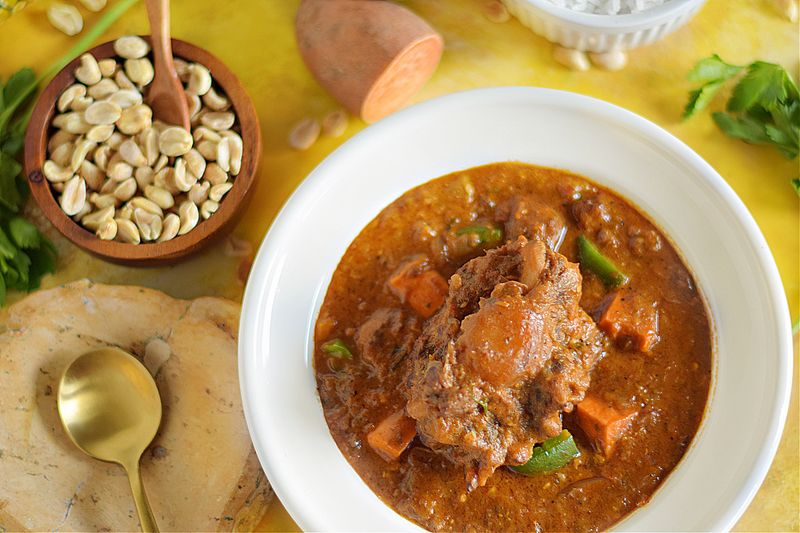
Peanut butter lovers, this one is for you. Mafe is a creamy peanut stew loved across West Africa, especially in Mali and Senegal.
Chicken, lamb, or beef simmers in a sauce of ground peanuts, tomatoes, and onions. Sweet potatoes and cabbage often join in.
Spoon it over white rice for a cozy bowl. For a vegetarian twist, swap the meat for chickpeas.
It tastes just as satisfying.