
Cooking healthy meals can feel like a big job, but it gets much easier when your kitchen is stocked with the right basics. A few simple ingredients can turn plain dishes into tasty, filling meals without much effort.
Many of them are cheap, last a long time, and work in all kinds of recipes. Here are the pantry and fridge heroes that make eating well feel simple and fun.
1. Rolled Oats
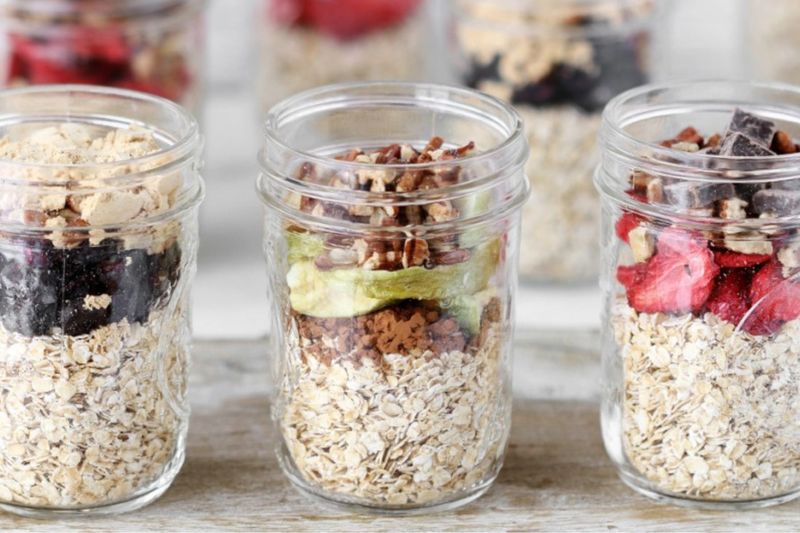
Grandma probably kept a big round canister of oats in her cupboard, and she was onto something. Oats are cheap, filling, and packed with fiber that keeps you full until lunch.
You can cook them into warm oatmeal, soak them overnight with milk, or blend them into flour for pancakes. They even work as a binder in meatballs instead of breadcrumbs.
Store them in a sealed jar and they last for months.
2. Canned Chickpeas
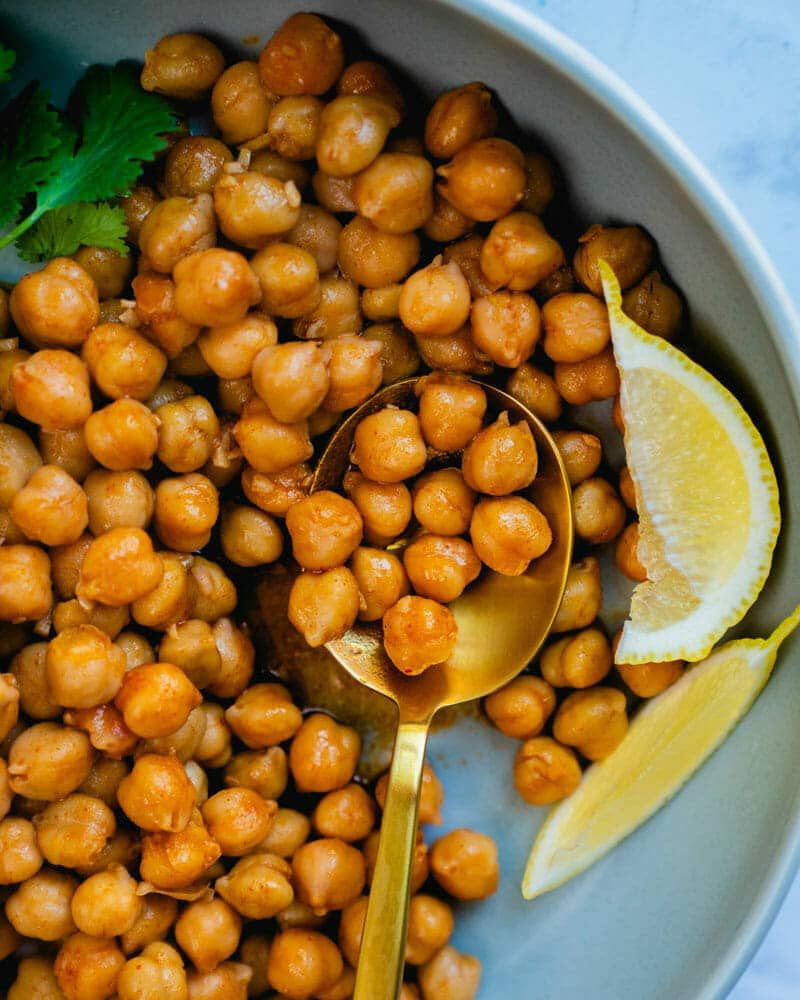
Pop the lid, rinse, and dinner is halfway done. Canned chickpeas are already cooked, so they save you hours of soaking and simmering.
Toss them into salads, mash them into hummus, or roast them with a little oil and spice for a crunchy snack. They bring protein and fiber to almost any meal.
Fun fact: people have been eating chickpeas for over 7,000 years, making them one of the oldest crops around.
3. Eggs

Few foods can play as many roles as the humble egg. Scrambled, boiled, baked, or fried, eggs cook in minutes and deliver high-quality protein plus vitamins like B12.
Keep a few hard-boiled ones in the fridge for quick snacks. Crack two into leftover veggies for an easy frittata, or add one to fried rice to make it a full meal.
When the fridge looks empty, eggs usually save the day.
4. Frozen Spinach
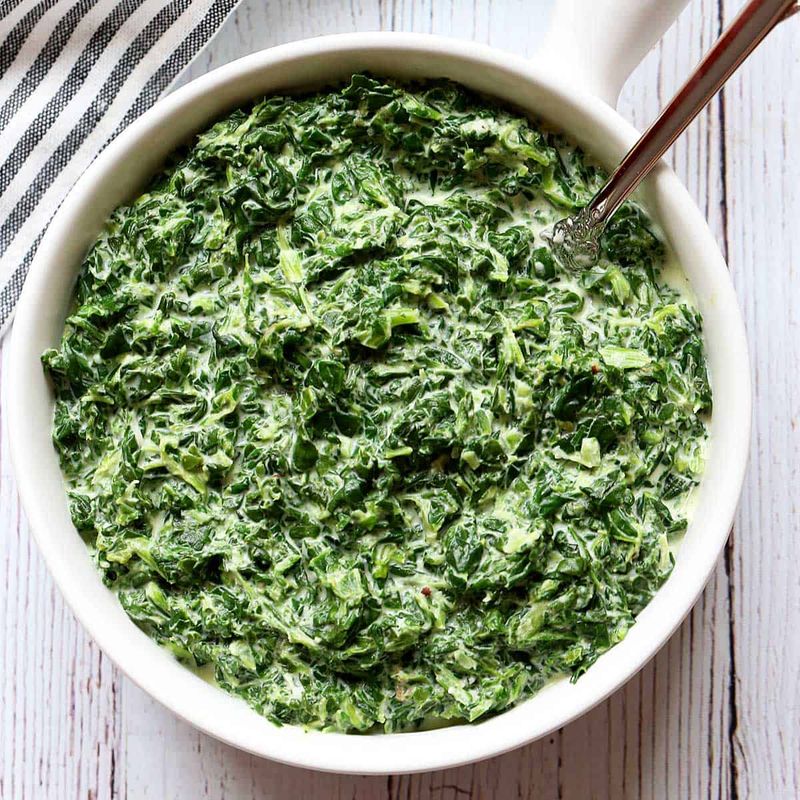
Fresh spinach wilts fast, but the frozen kind waits patiently in your freezer for weeks. It is picked and frozen at its peak, so it keeps lots of its nutrients.
Stir a handful into soups, pasta sauce, smoothies, or scrambled eggs. Nobody will even notice it hiding there, but your body will thank you for the iron and vitamin K.
Just squeeze out extra water before adding it to dishes.
5. Extra Virgin Olive Oil
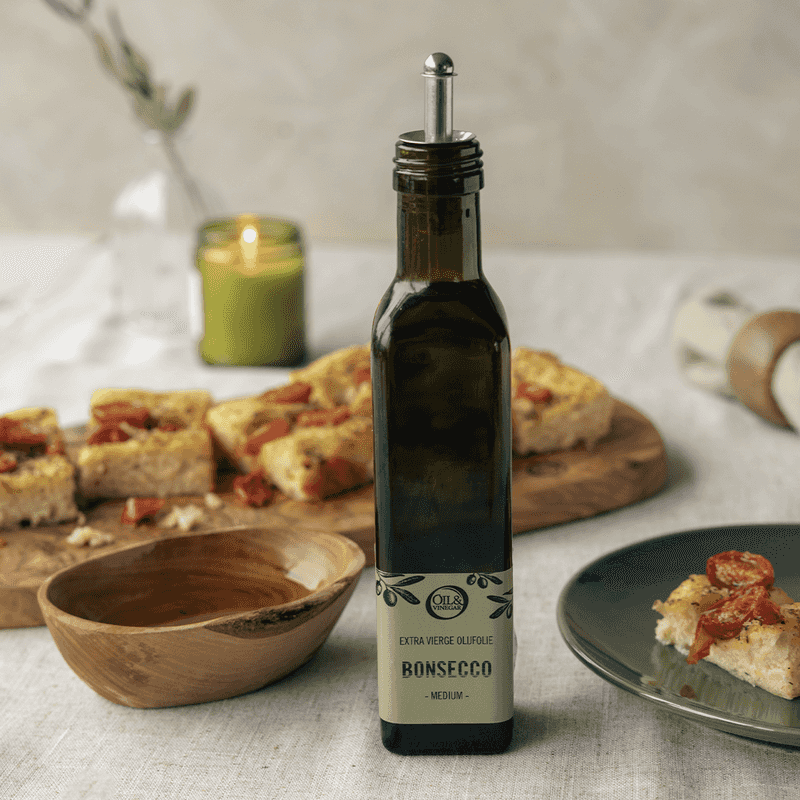
Picture a sunny kitchen in Italy, where olive oil goes into nearly everything. That habit is a healthy one worth borrowing.
Olive oil is full of good fats that support your heart. Use it to sauté vegetables, roast potatoes, or whisk up a simple dressing with lemon and salt.
A good bottle adds rich flavor, so plain foods taste special without much work. Keep it away from heat and light to stay fresh.
6. Garlic
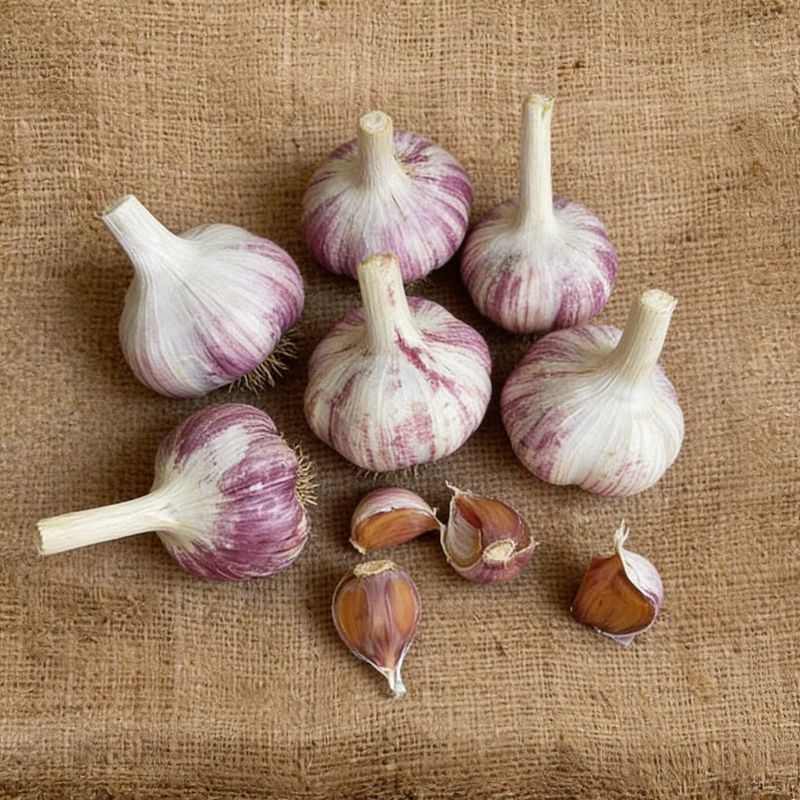
Ever walked into a house and smelled garlic sizzling? Instant hunger, right?
That little bulb packs huge flavor into a tiny package.
Garlic makes veggies, beans, and meats taste amazing, which means you need less salt and butter. Some studies suggest it may support your immune system, too.
Short on time? Buy a jar of pre-minced garlic.
It is a lazy cook’s secret weapon and works just fine in most recipes.
7. Brown Rice
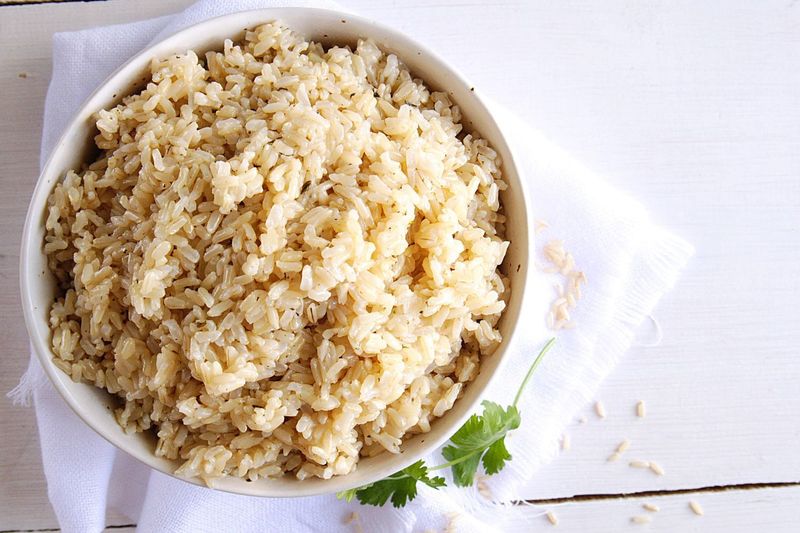
Brown rice is simply white rice that kept its outer layer, and that layer holds the good stuff. You get more fiber, magnesium, and B vitamins with every bite.
Cook a big batch on Sunday and store it in the fridge. All week you can build quick bowls, stir-fries, or burritos in minutes.
Tip: frozen pre-cooked brown rice heats up in the microwave in about three minutes flat.
8. Plain Greek Yogurt
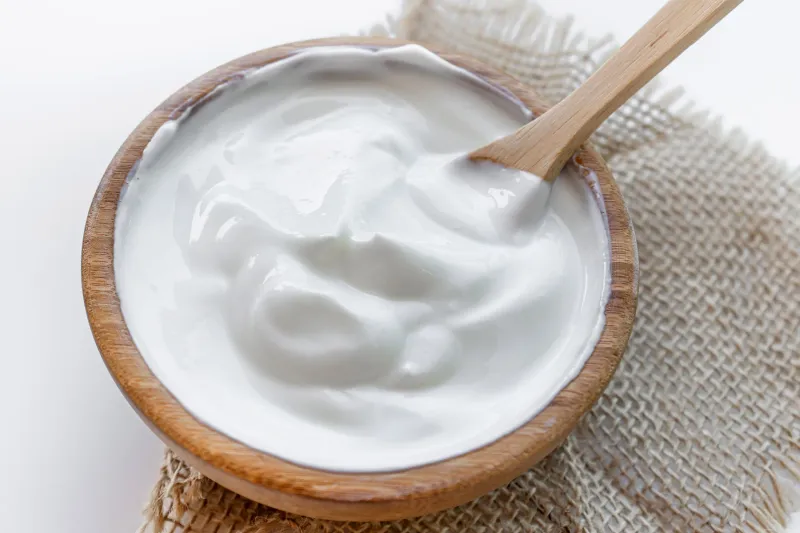
Thick, tangy, and creamy, plain Greek yogurt is like a kitchen chameleon. It can be breakfast, a sauce, or a baking helper.
Swap it for sour cream on tacos, mix it with herbs for a veggie dip, or use it to make muffins extra moist. It carries about twice the protein of regular yogurt.
Choose plain over flavored to skip added sugar. Then sweeten it yourself with fruit or a drizzle of honey.
9. Canned Tomatoes
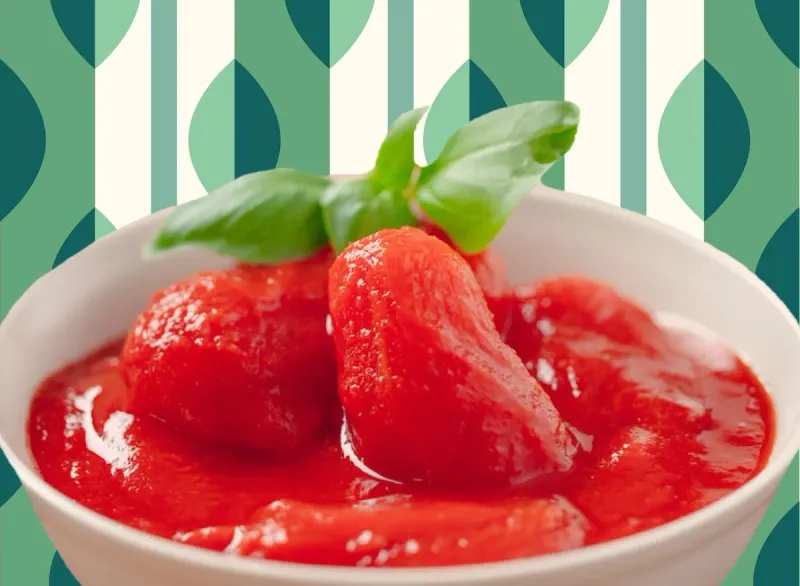
Chefs love a secret: canned tomatoes often taste better than winter tomatoes from the store. They are picked ripe and packed right away.
A single can becomes pasta sauce, chili, soup, or shakshuka with barely any effort. Cooking tomatoes also boosts lycopene, an antioxidant that helps protect your cells.
Stack a few cans of diced and crushed varieties in your pantry. Look for low-sodium labels when you can.
10. Sweet Potatoes
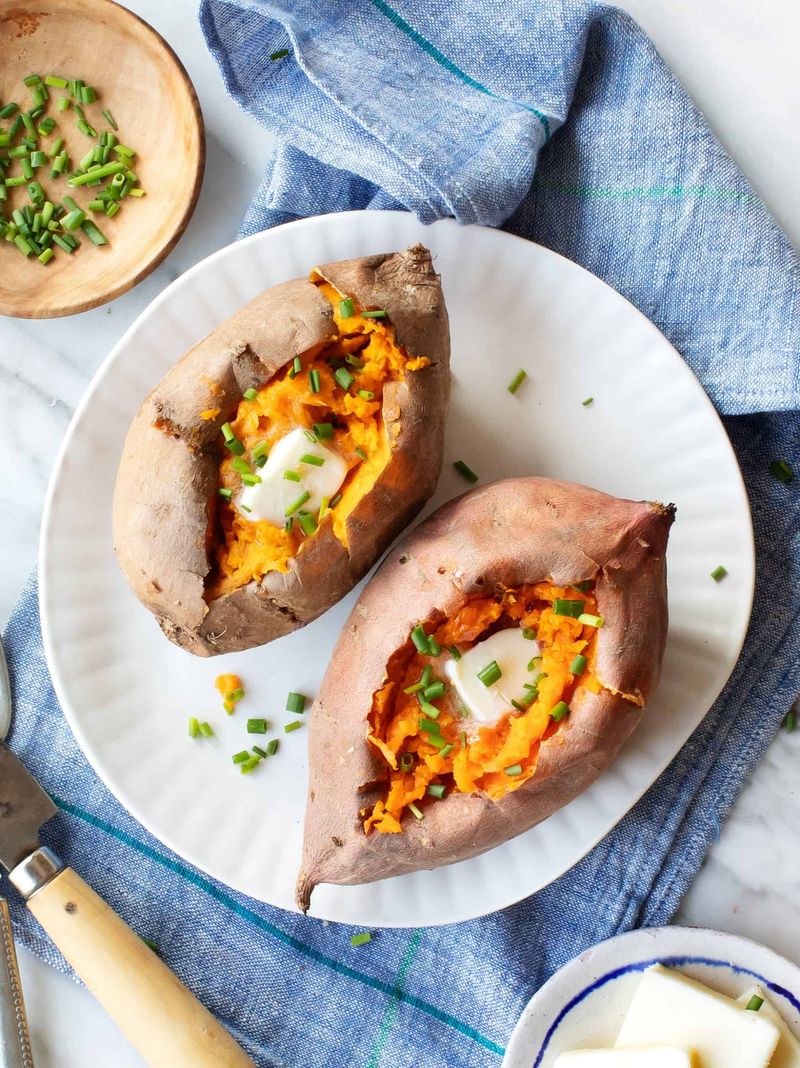
Bright orange and naturally sweet, these spuds feel like a treat but act like a superfood. They are loaded with vitamin A, which helps your eyes and skin.
The easiest method? Poke a few holes, microwave for about eight minutes, and top with beans, cheese, or yogurt.
You can also roast wedges for crispy fries.
Sweet potatoes keep for weeks in a cool, dark spot, so buy a bag and relax.
11. Lemons
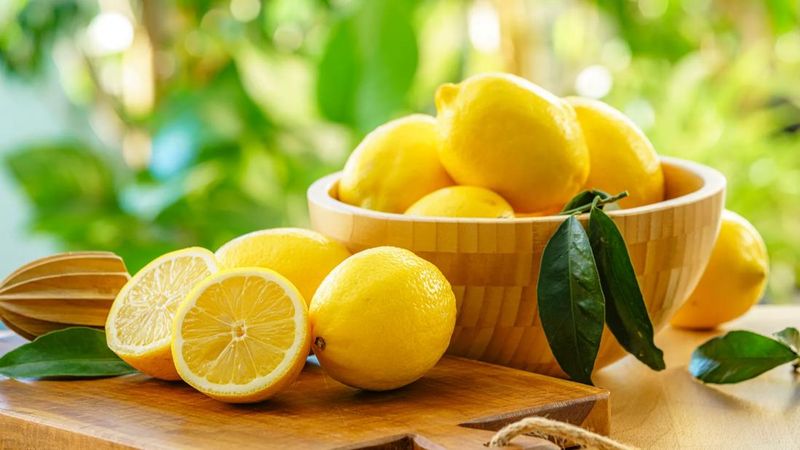
A squeeze of lemon is like turning up the brightness on a photo. Suddenly, everything looks and tastes more alive.
Lemon juice wakes up soups, fish, salads, and roasted veggies, so you can cut back on salt. The zest adds even more zing to baked goods and dressings.
Bonus: lemons bring a small dose of vitamin C. Roll one on the counter before cutting to get more juice out.
12. Dried Lentils
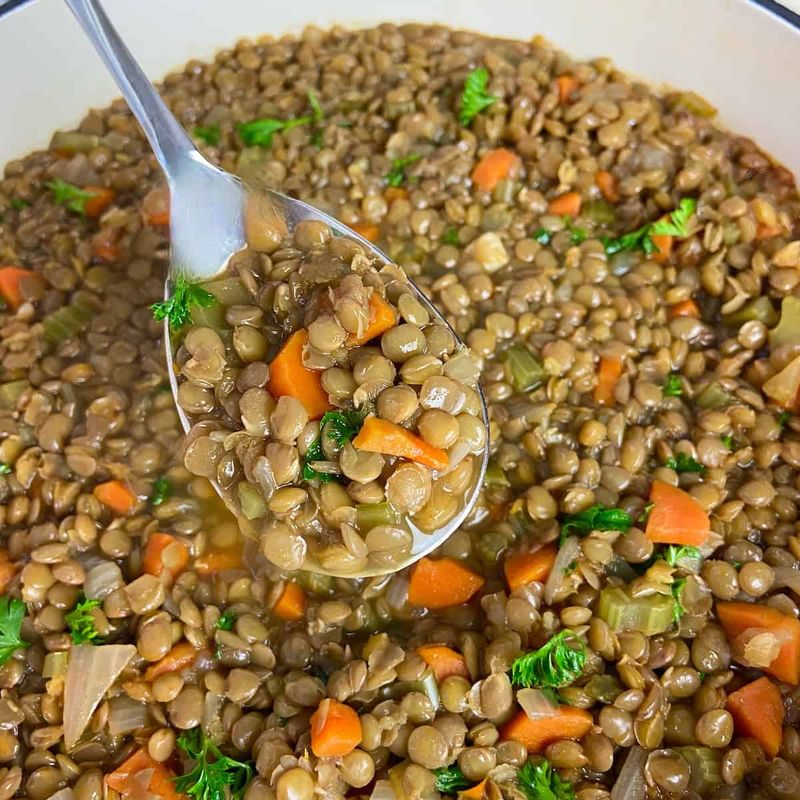
Unlike most dried beans, lentils need no soaking at all. Rinse them, simmer for 20 minutes, and they are ready to eat.
These tiny legumes are bursting with protein, fiber, and iron. Red lentils melt into creamy soups, while green and brown ones hold their shape in salads and tacos.
A one-pound bag costs very little and feeds a family several times. That kind of value is hard to beat.
13. Frozen Mixed Vegetables
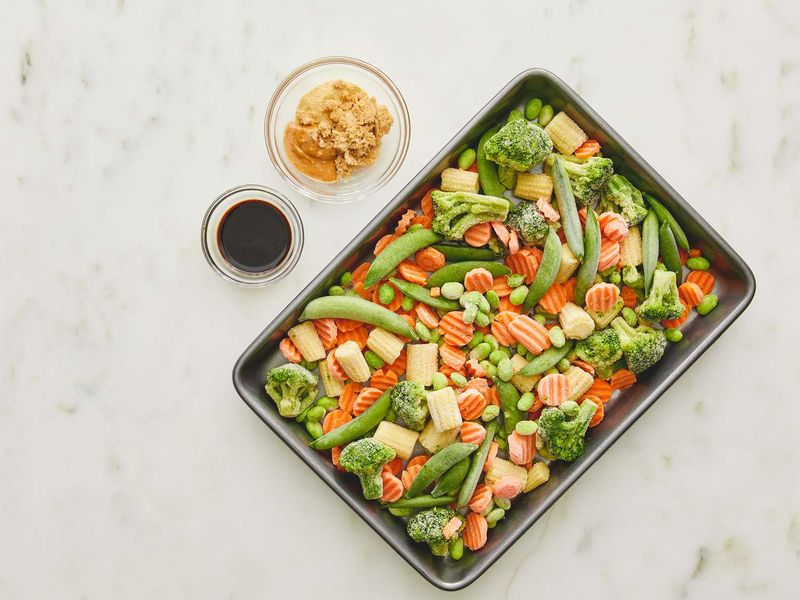
Busy weeknight, no time to chop? Frozen mixed vegetables have your back, already washed, cut, and ready to go.
Toss them straight into stir-fries, soups, casseroles, or fried rice. Since they are frozen soon after harvest, they hold onto vitamins really well.
Keep two or three bags in the freezer at all times. That way, adding color and nutrition to a meal takes about ten seconds and zero cutting boards.
14. Canned Tuna
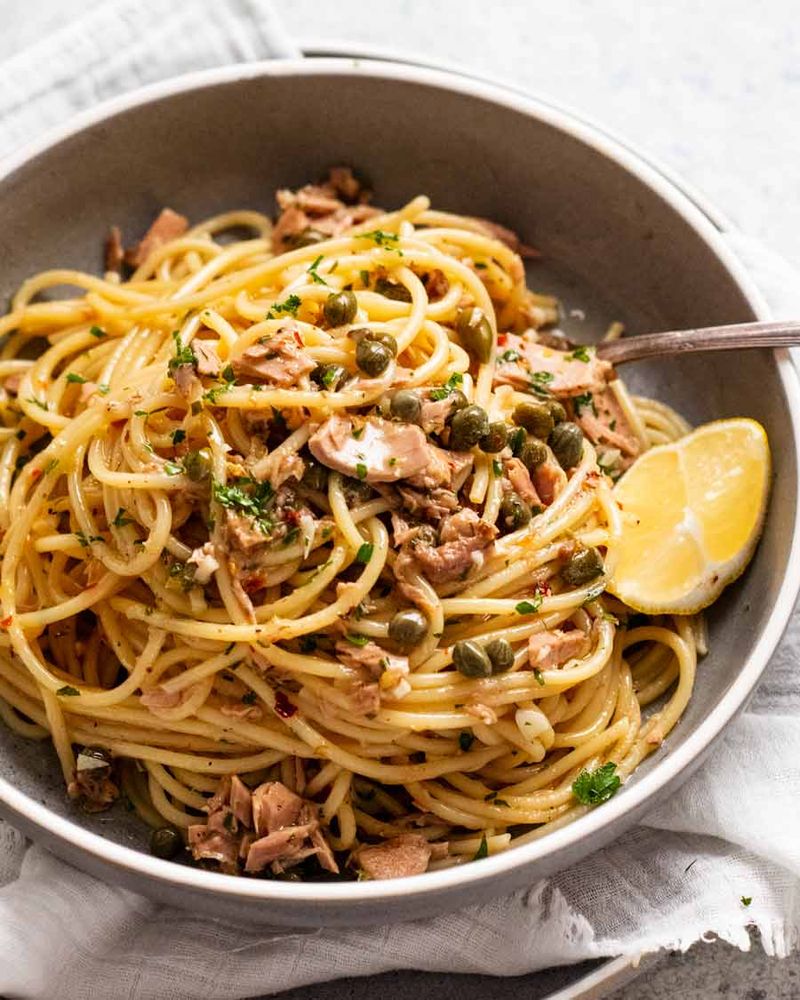
Many college students survived on canned tuna, and honestly, they ate pretty well. It is shelf-stable, protein-rich, and contains omega-3 fats that help your brain.
Mix it with Greek yogurt and celery for a lighter tuna salad. Stir it into pasta with lemon and olive oil, or stuff it into a baked potato.
Choose tuna packed in water or olive oil. Light tuna usually has less mercury than albacore.
15. Natural Peanut Butter
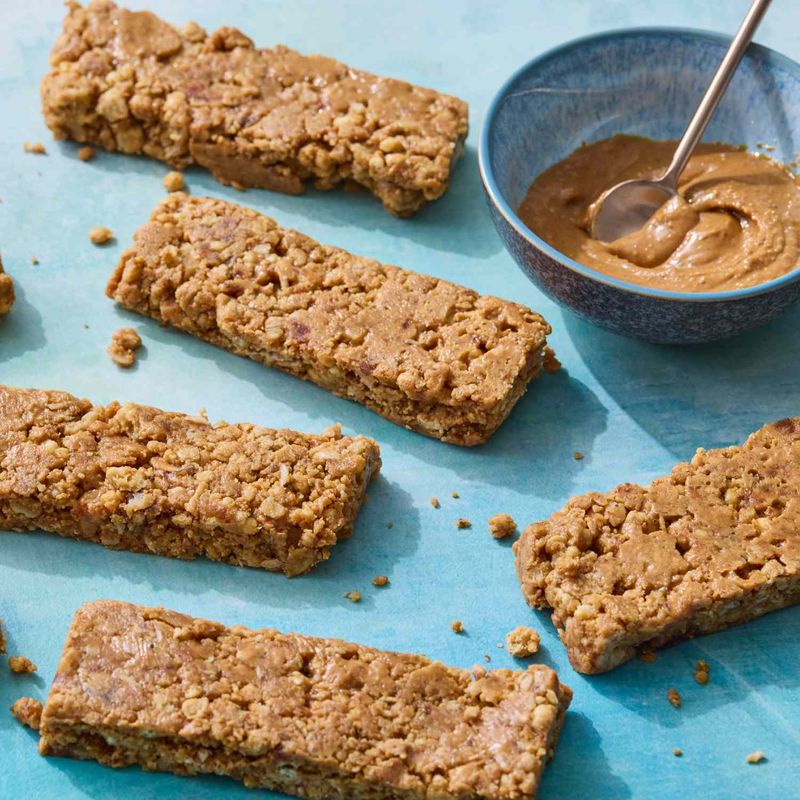
Peanut butter and jelly sandwiches are a lunchbox legend for good reason. That creamy spread delivers protein and healthy fats that keep energy steady.
Pick natural versions with just peanuts and salt on the label. Spread it on apples, swirl it into oatmeal, or whisk it with soy sauce and lime for a quick noodle sauce.
Fun fact: Americans eat around 700 million pounds of peanut butter every single year.
16. Whole Wheat Pasta
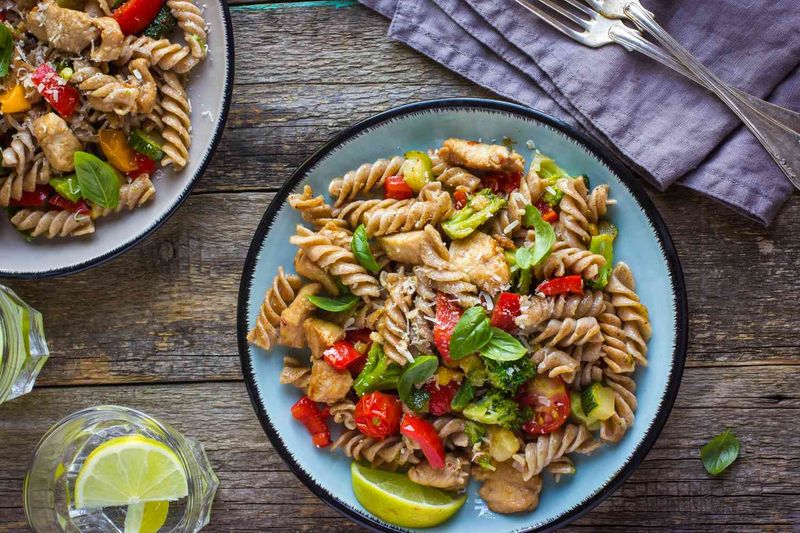
Pasta night does not have to mean giving up on healthy eating. Whole wheat pasta brings extra fiber that helps you feel full and supports good digestion.
It has a slightly nutty taste that pairs well with hearty sauces, roasted veggies, and beans. Cook it just until tender, since it can get mushy faster.
Not ready to switch fully? Try mixing half regular and half whole wheat at first.
17. Onions
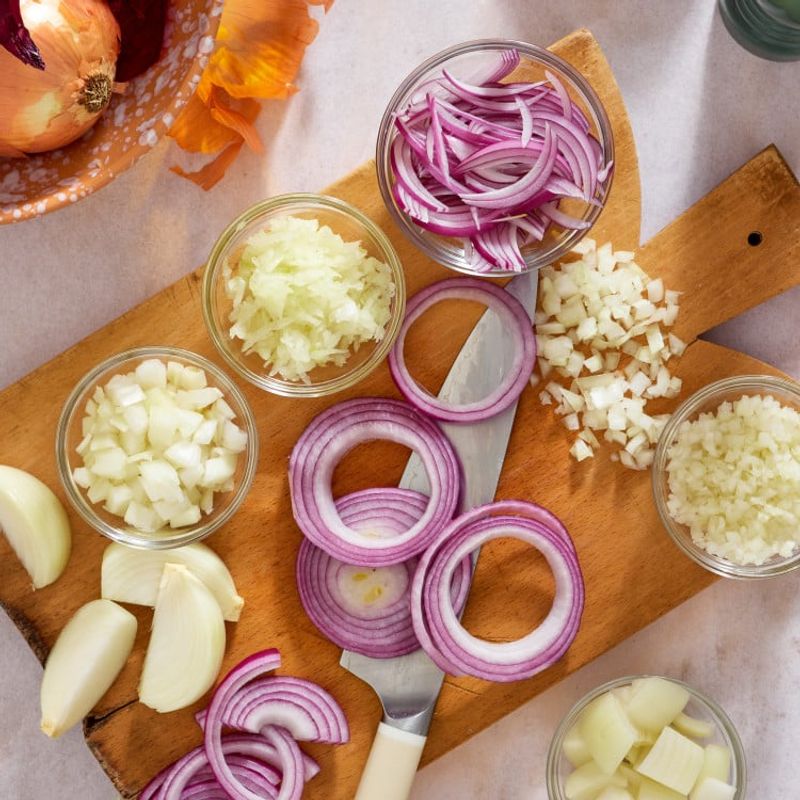
Nearly every great savory recipe starts the same way: chop an onion and let it sizzle. That sweet, golden smell is the base of countless meals around the world.
Onions add deep flavor for almost no calories. They also contain fiber and plant compounds that feed good gut bacteria.
Store them in a cool, dry place, not the fridge. Chilling them first for ten minutes can reduce tears while cutting.
18. Bananas
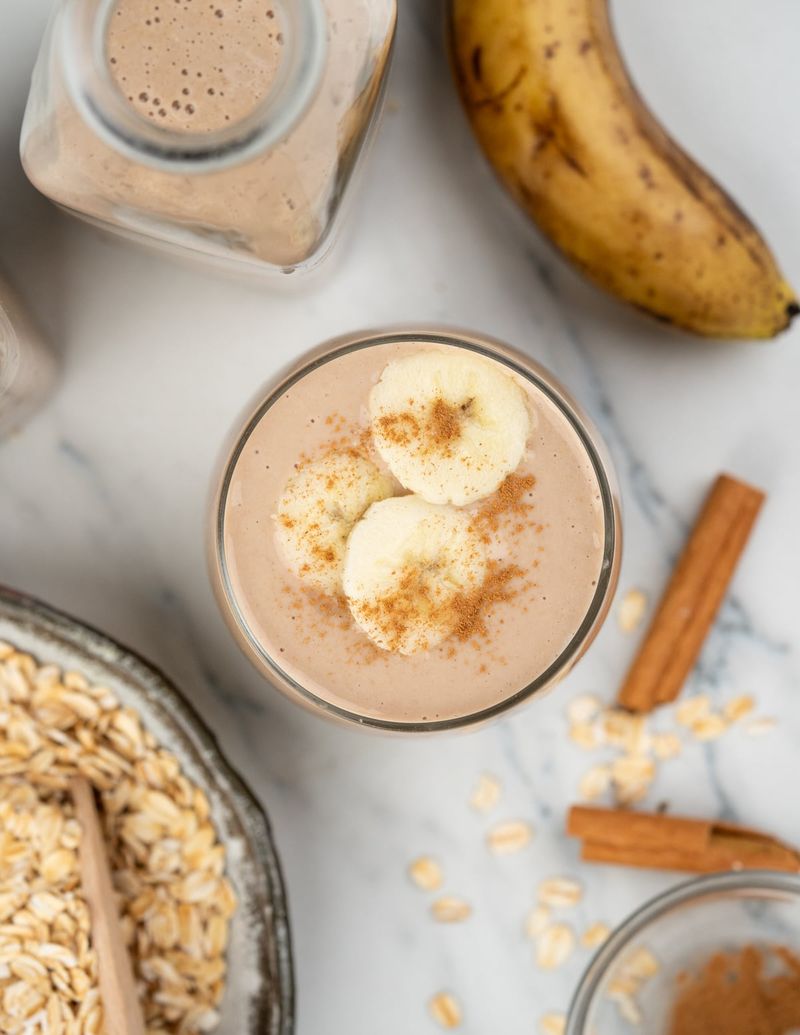
Spotty brown bananas sitting on the counter are not trash. They are baking gold waiting to happen.
Overripe bananas naturally sweeten muffins, pancakes, and smoothies, so you can use less sugar. Fresh ones make an easy grab-and-go snack full of potassium.
Here is a trick: peel and freeze old bananas in a bag. Blend them later into creamy smoothies or a soft-serve style dessert that tastes like ice cream.
19. Low-Sodium Broth
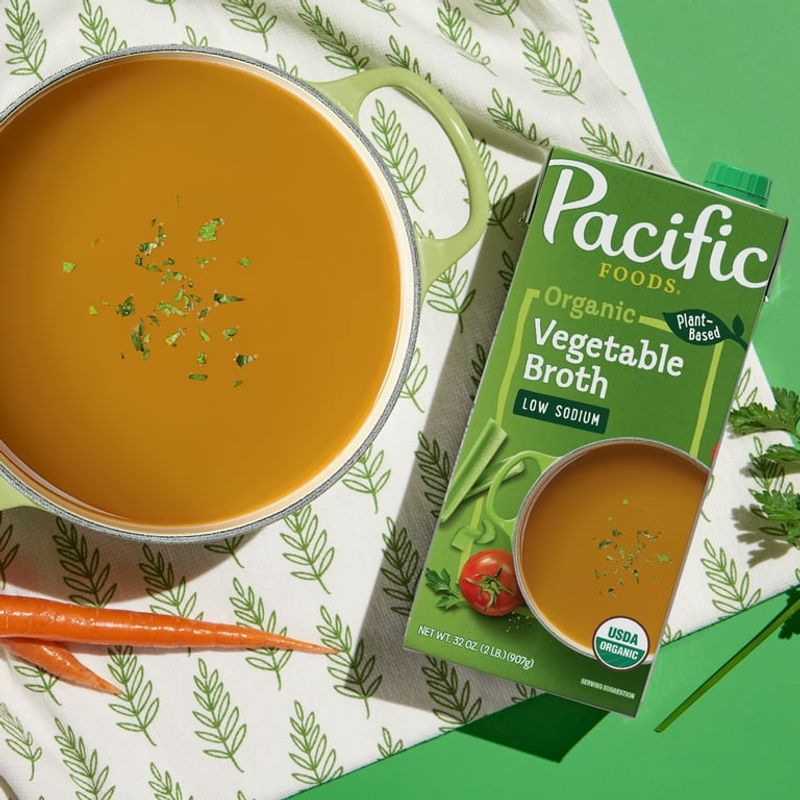
Think of broth as instant flavor in a carton. Cooking rice, quinoa, or couscous in broth instead of water makes them taste way better with no extra work.
It is also the starting point for quick soups. Add frozen veggies, beans, and leftover chicken, then simmer for fifteen minutes.
Low-sodium versions let you control the salt yourself. Open cartons usually stay good in the fridge for about a week.
20. Canned Black Beans
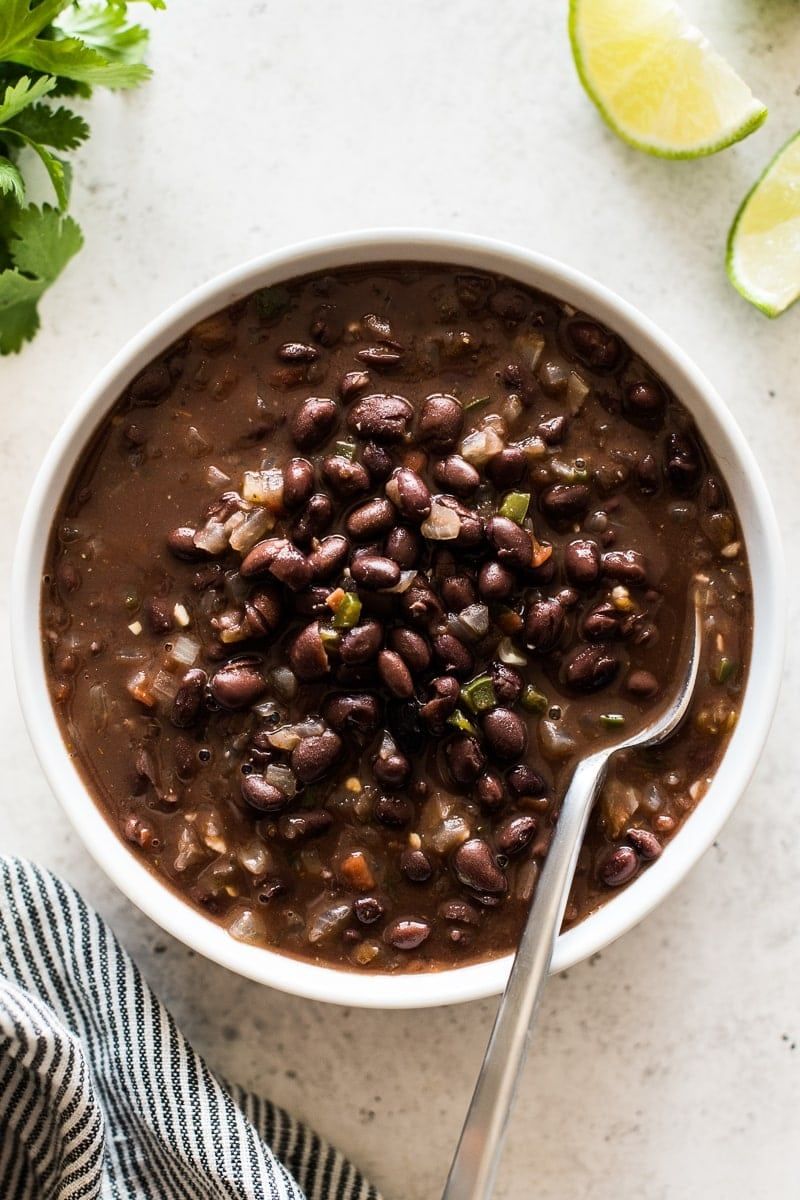
Taco Tuesday just got healthier. Canned black beans make an easy, budget-friendly swap for some or all of the meat in many recipes.
They are rich in protein, fiber, and folate. Warm them with cumin for burrito bowls, mash them into quesadillas, or blend them into brownies.
Yes, brownies really work!
Always rinse canned beans in a strainer first. This washes away up to 40 percent of the extra sodium.
21. Frozen Berries
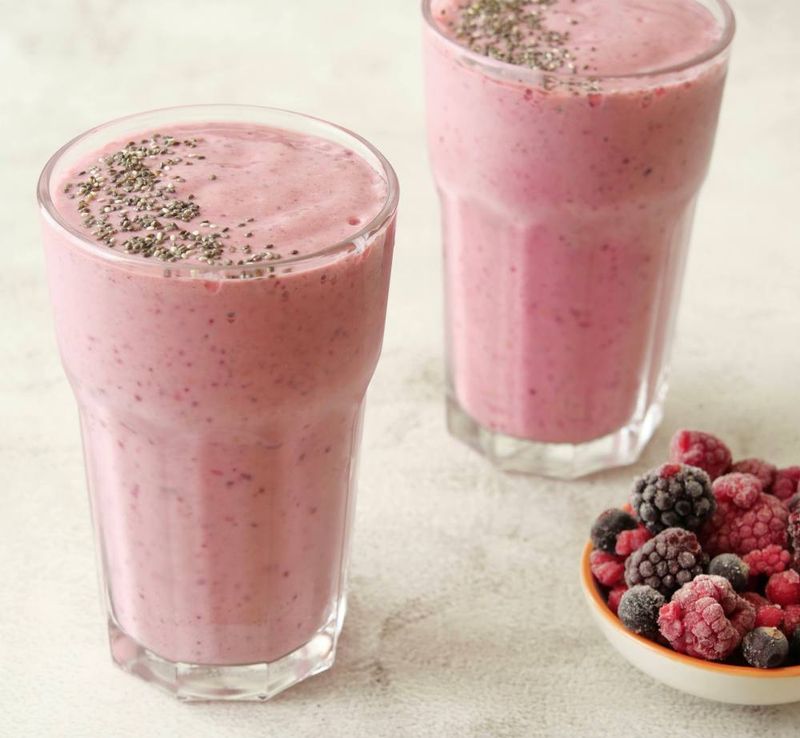
Fresh berries can cost a lot and spoil in days. Frozen ones stay perfect for months and usually cost less.
Blueberries, strawberries, and raspberries are packed with antioxidants and vitamin C. Blend them into smoothies, warm them into a sauce for pancakes, or stir them into oatmeal while it cooks.
On hot summer afternoons, kids love eating them straight from the bag like tiny frozen candies. No prep required at all.
22. Quinoa
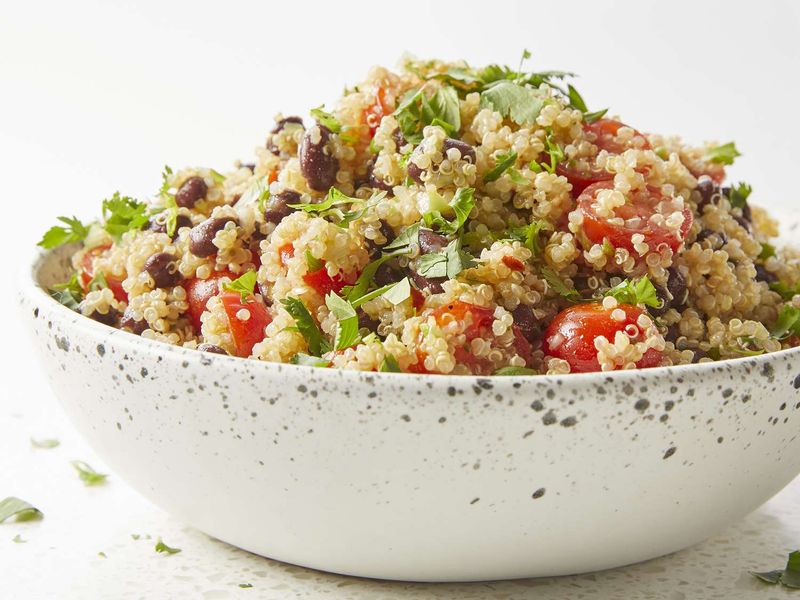
Pronounced KEEN-wah, this little seed from the Andes mountains was once called the mother grain by the Inca people. Today it is a superstar in healthy kitchens.
Quinoa is a complete protein, meaning it has all nine essential amino acids. It cooks in just 15 minutes, faster than most grains.
Rinse it first to remove a bitter coating. Then use it in salads, bowls, or as a rice swap.
23. Spice Blends
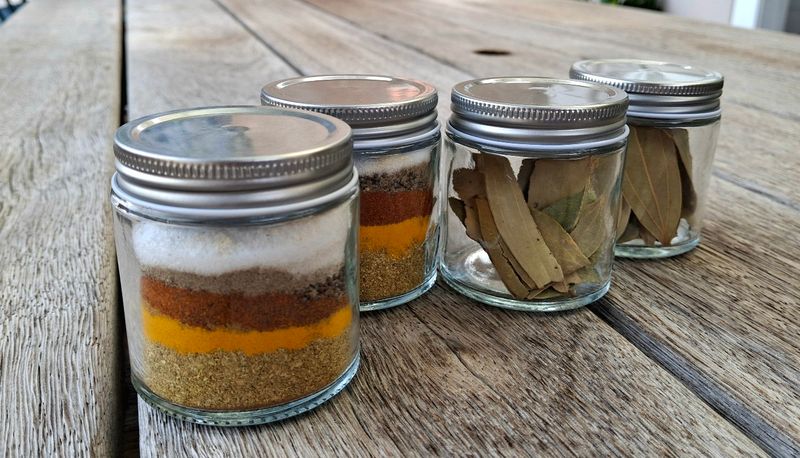
Measuring six different spices for one recipe can feel exhausting. Ready-made blends like Italian seasoning, taco mix, or curry powder do the hard part for you.
One shake turns plain chicken, beans, or veggies into a flavorful dish. Great seasoning means you rely less on salty sauces and heavy toppings.
Check labels and choose salt-free blends when possible. Replace them about once a year, since old spices lose their punch over time.