
Your gut does a lot more than just digest food. It affects your mood, immune system, and overall health in ways scientists are still discovering.
The good news is that some of the most powerful gut-boosting foods are probably already sitting in your kitchen. You might be surprised at how many everyday ingredients can make a real difference in how you feel.
1. Bananas
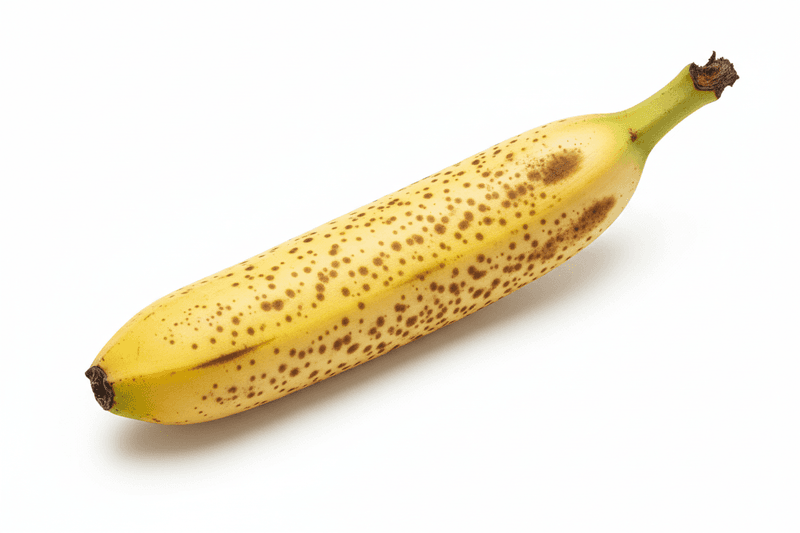
Bananas are one of the friendliest foods your gut will ever meet. They contain a type of fiber called inulin, which feeds the good bacteria living in your digestive system.
Unripe bananas are especially rich in resistant starch, which acts almost like fertilizer for helpful gut microbes.
Eating a banana a day is an easy, affordable habit that supports a balanced gut. They are gentle on the stomach and great for anyone dealing with digestive sensitivity.
2. Yogurt
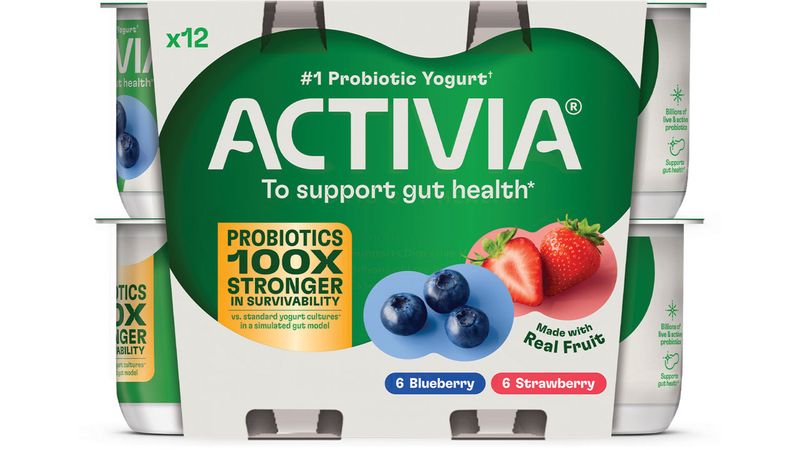
Walk down any grocery aisle and you will find yogurt, but not all yogurt is created equal. Look for labels that say “live and active cultures” because those are the real gut heroes.
These live bacteria, called probiotics, help keep your digestive system running smoothly.
Plain yogurt without added sugar gives you the biggest benefit. Studies show regular yogurt eaters tend to have more diverse gut bacteria, which is a sign of a healthier digestive system overall.
3. Garlic
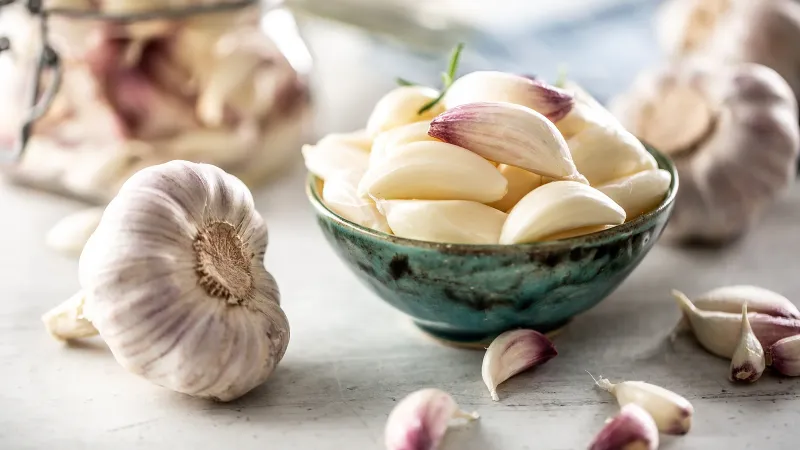
Garlic has been used as a natural remedy for thousands of years, and modern science is finally catching up to what ancient healers already knew. It is packed with a compound called inulin and fructooligosaccharides, both of which feed beneficial gut bacteria.
Raw garlic is especially potent, though cooked garlic still offers solid benefits.
Adding garlic to soups, stir-fries, or roasted vegetables is a simple way to boost gut health without any extra effort. Your gut bacteria will thank you.
4. Oats
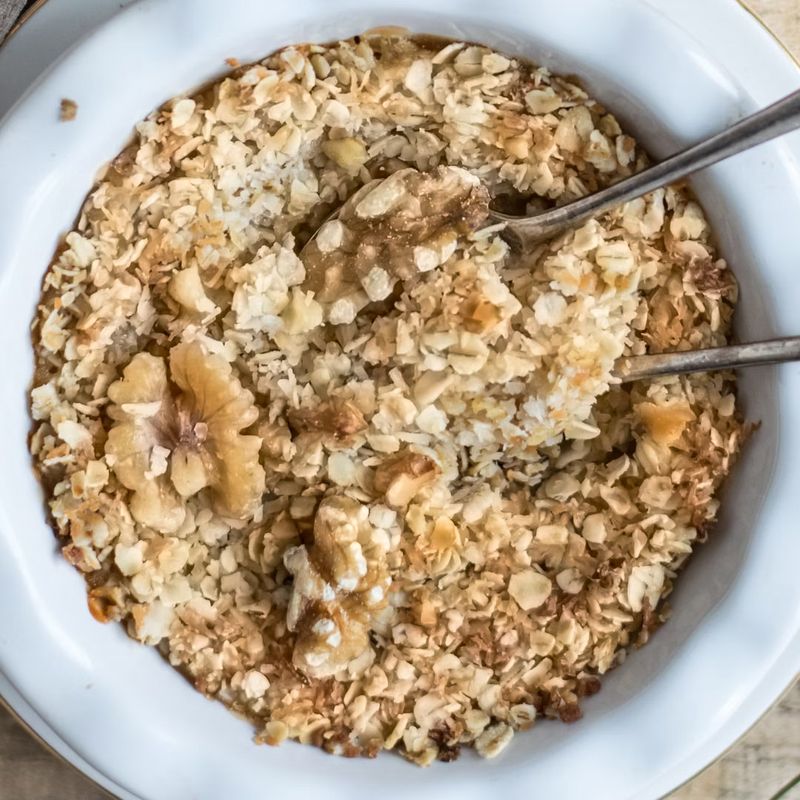
Few breakfasts are as underrated as a simple bowl of oats. Oats contain a powerful soluble fiber called beta-glucan, which forms a thick gel in your gut and slows digestion in the best possible way.
This process helps feed friendly bacteria and keeps blood sugar levels steady.
Overnight oats, warm porridge, or oat-based granola all count. Regular oat eaters often report feeling fuller longer and experiencing fewer digestive complaints, making oats a morning habit worth keeping.
5. Kimchi

Kimchi is a spicy Korean fermented vegetable dish that has been eaten for centuries, and gut health researchers are obsessed with it for good reason. The fermentation process creates a rich community of beneficial bacteria, particularly Lactobacillus strains that support digestion and immune function.
You can find kimchi at most grocery stores now. Try adding a small spoonful alongside rice, eggs, or noodles.
A little goes a long way, both in flavor and in gut-boosting power.
6. Apples
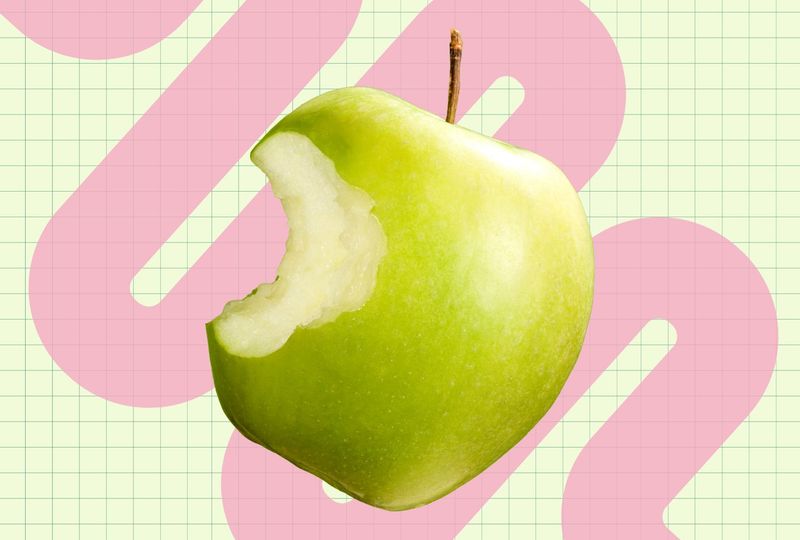
An apple a day really might keep the doctor away, especially when your gut health is involved. Apples are rich in pectin, a type of soluble fiber that acts as a prebiotic, feeding the good bacteria in your colon.
Research suggests pectin can help increase the population of beneficial microbes within just a few weeks.
Eating apples with the skin on gives you the most fiber. They make a convenient snack that quietly supports your digestive health with every crunchy bite.
7. Kefir
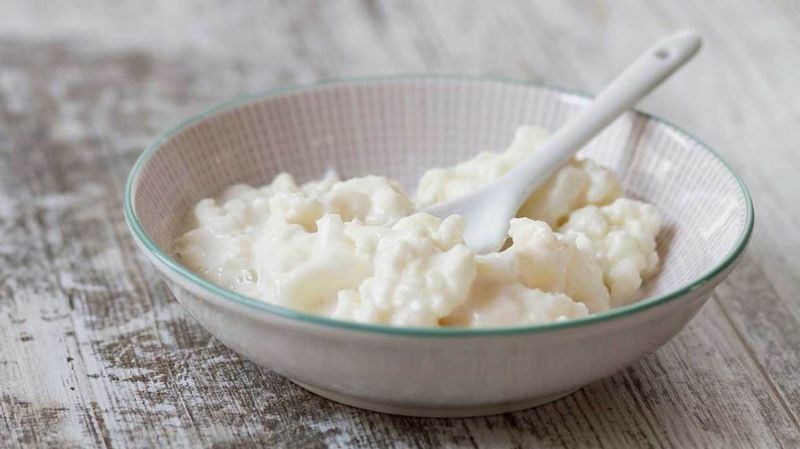
Think of kefir as yogurt’s more powerful cousin. This tangy fermented milk drink contains a wider variety of probiotic strains than most yogurts, making it one of the most impressive natural sources of beneficial bacteria available.
Some research suggests kefir may even help people who are lactose intolerant digest dairy more comfortably.
Kefir blends well into smoothies or can be sipped on its own. Starting with a small amount daily is a smart way to introduce it to your routine.
8. Lentils
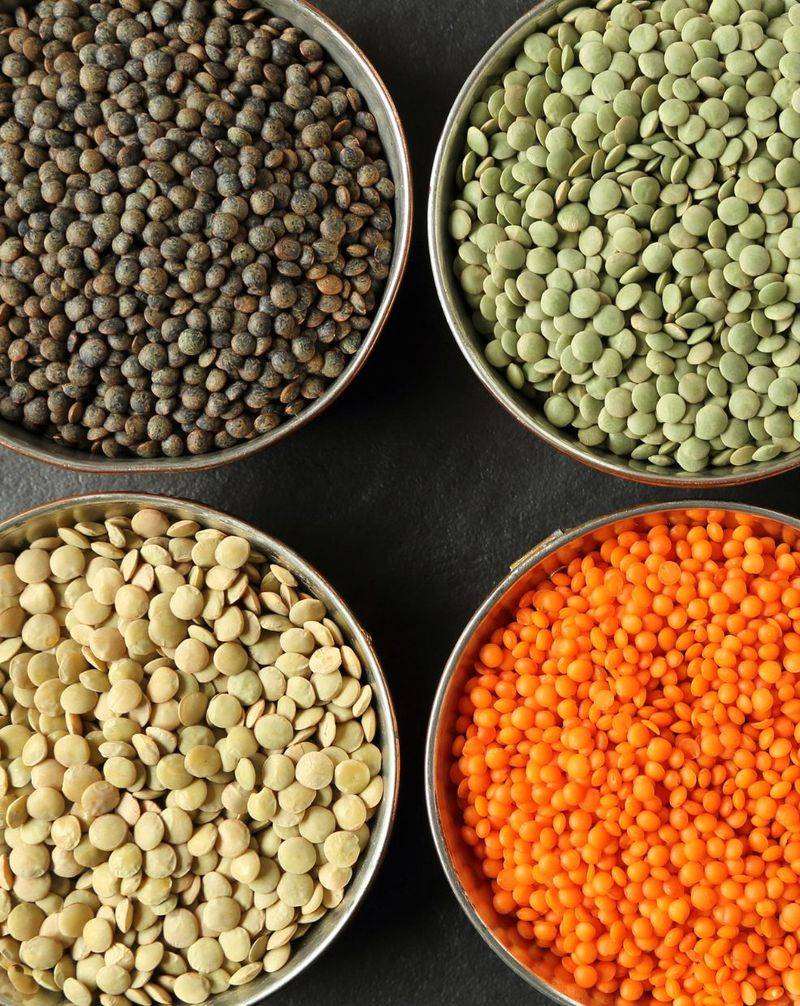
Lentils are one of the most fiber-rich foods on the planet, and your gut bacteria absolutely love them. They contain both soluble and insoluble fiber, which together help bulk up stool, feed good microbes, and keep digestion moving at a healthy pace.
They are also a budget-friendly protein source that works in dozens of recipes.
Soups, curries, and salads all benefit from lentils. Eating them a few times a week can meaningfully improve the diversity of your gut microbiome over time.
9. Sauerkraut
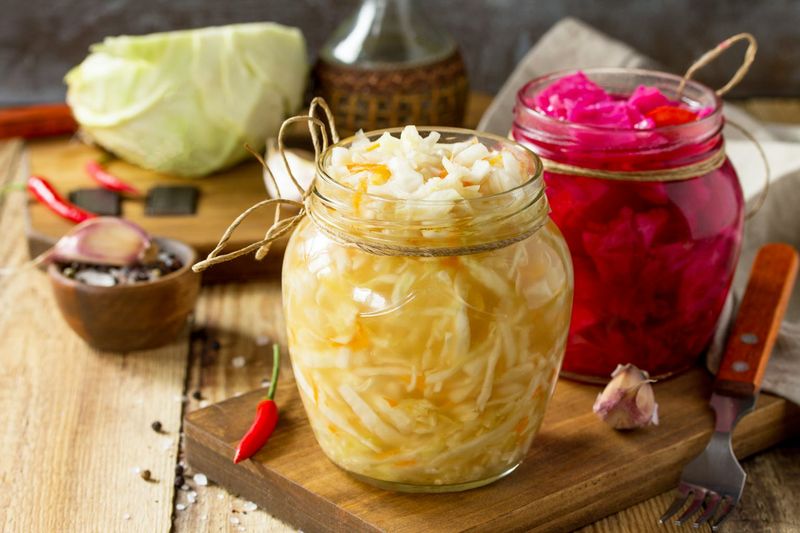
Sauerkraut is simply fermented cabbage, but do not let the simplicity fool you. The fermentation process fills it with beneficial Lactobacillus bacteria that support a healthy gut lining and improve digestion.
It is also rich in vitamin C and antioxidants that protect gut cells from damage.
Choose unpasteurized sauerkraut from the refrigerated section, since pasteurized versions lose most of their live bacteria. A forkful added to sandwiches or grain bowls is all it takes to get the benefits.
10. Dark Chocolate

Here is a fact that might make your day: dark chocolate is genuinely good for your gut. It contains polyphenols, plant compounds that act as fuel for beneficial gut bacteria.
Research has shown that certain gut microbes break down cocoa and produce compounds that reduce gut inflammation.
The key is choosing chocolate with at least 70 percent cocoa content and keeping portions reasonable. A small square or two after a meal is enough to give your gut microbiome a helpful, delicious boost.
11. Asparagus
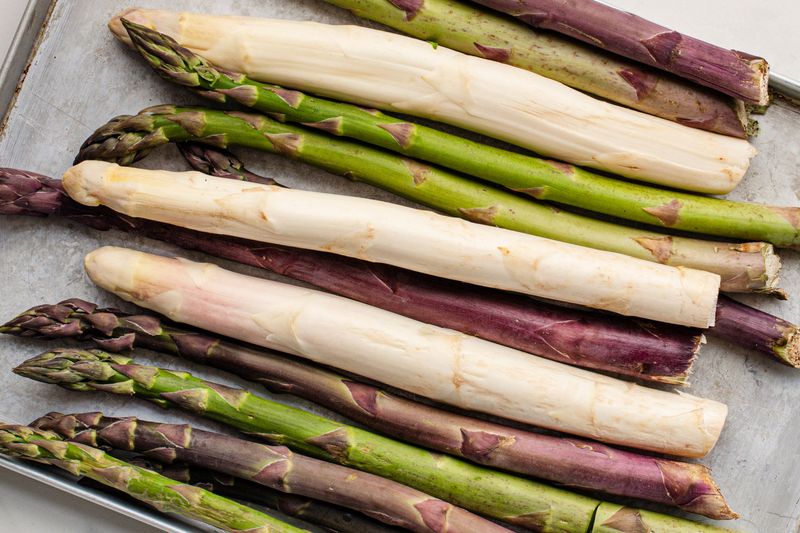
Asparagus might not be everyone’s first choice at the dinner table, but your gut bacteria beg to differ. It is one of the best natural sources of inulin, a prebiotic fiber that selectively feeds beneficial bacteria like Bifidobacterium.
Regular consumption has been linked to better digestion and a stronger gut barrier.
Roasted, steamed, or grilled asparagus all retain their prebiotic properties. Even small servings a few times a week can contribute to a noticeably healthier and more balanced digestive environment.
12. Miso

Miso is a fermented soybean paste used widely in Japanese cooking, and it carries a surprising amount of gut-friendly bacteria. The fermentation process generates beneficial microbes along with enzymes that help break down food more efficiently in your digestive tract.
It is also a rich source of essential minerals like zinc and manganese.
Stirring a spoonful of miso into warm water makes a quick, comforting soup. Avoid boiling it directly, since high heat can destroy the live cultures you are trying to benefit from.
13. Onions
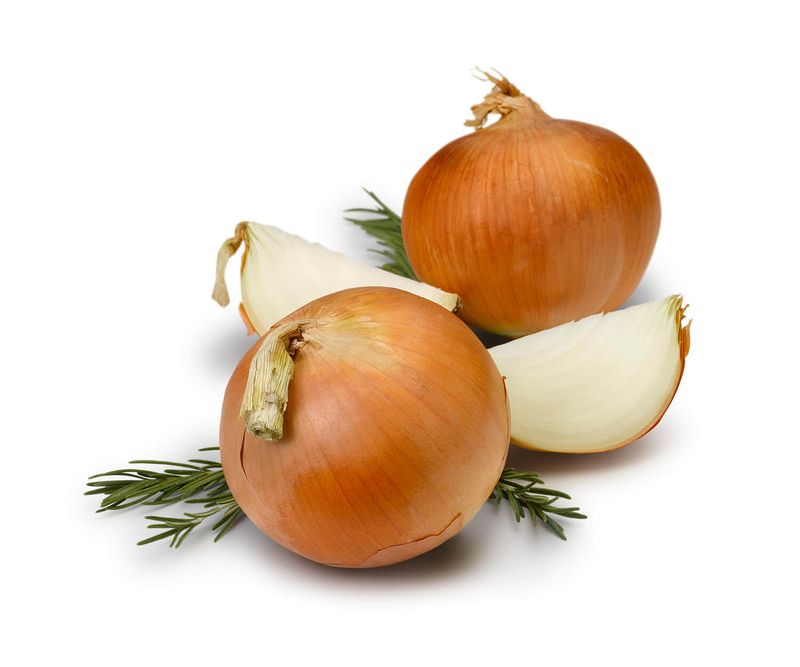
Onions are a kitchen staple that quietly work wonders in your gut. Like garlic, they are loaded with inulin and fructooligosaccharides, two types of prebiotic fibers that nourish beneficial gut bacteria.
They also contain quercetin, an antioxidant that has been shown to reduce gut inflammation.
Raw onions provide the highest prebiotic content, but cooked onions still offer benefits. Adding onions to salads, sandwiches, or cooked dishes is one of the easiest ways to support your gut without any major changes to your diet.
14. Blueberries
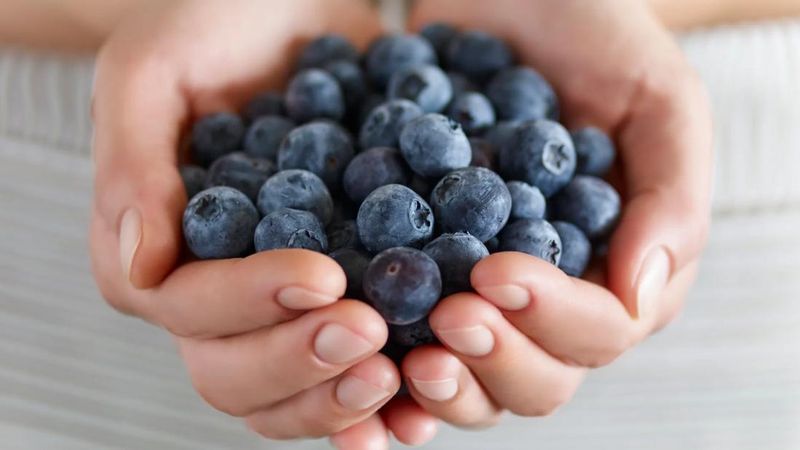
Blueberries are tiny powerhouses that pack a serious punch for gut health. Their deep blue color comes from anthocyanins, potent antioxidants that have been shown to promote the growth of beneficial gut bacteria while reducing harmful inflammation in the digestive tract.
Some researchers even call blueberries a natural prebiotic superfood.
Fresh or frozen blueberries offer similar benefits, making them easy to enjoy year-round. Tossing a handful into oatmeal, smoothies, or yogurt is a simple habit that pays real dividends for your gut over time.
15. Tempeh
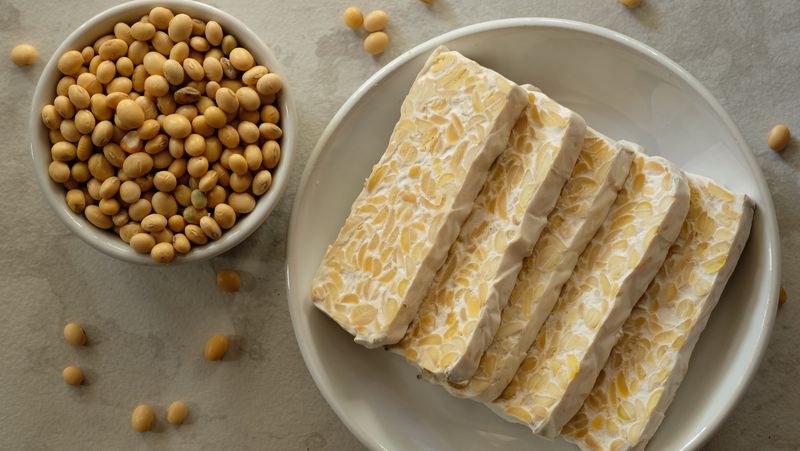
Tempeh is a fermented soybean product originally from Indonesia, and it has earned a loyal following among people who care about gut health. Unlike tofu, tempeh undergoes fermentation, which creates beneficial bacteria and makes its nutrients easier for your body to absorb.
It is also an excellent plant-based protein source.
Tempeh works well in stir-fries, sandwiches, and grain bowls. Its firm texture holds up nicely during cooking, and its mild, nutty flavor makes it a flexible ingredient for gut-conscious meals throughout the week.
16. Green Tea

Green tea is more than just a calming beverage. It contains catechins, a type of polyphenol that research suggests can boost the population of beneficial gut bacteria while reducing harmful microbes.
Regular green tea drinkers tend to show greater microbial diversity, which is widely considered a marker of good gut health.
Brewing green tea at a slightly lower temperature, around 175 degrees Fahrenheit, preserves more of its active compounds. Swapping one daily coffee for green tea is a small shift with meaningful gut benefits over time.
17. Jerusalem Artichokes
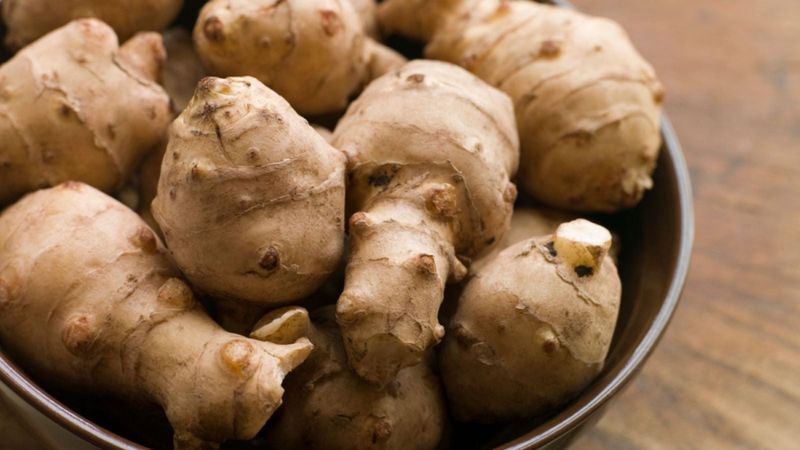
Jerusalem artichokes, also called sunchokes, look like knobby potatoes but behave very differently in your gut. They are one of the richest food sources of inulin on the planet, making them an extraordinary prebiotic powerhouse.
Eating even a small amount significantly increases the activity of Bifidobacterium, one of the most studied beneficial gut bacteria.
They can be roasted, mashed, or eaten raw in salads. Start with small portions if you are new to them, as their high fiber content can cause temporary bloating while your gut adjusts.
18. Flaxseeds
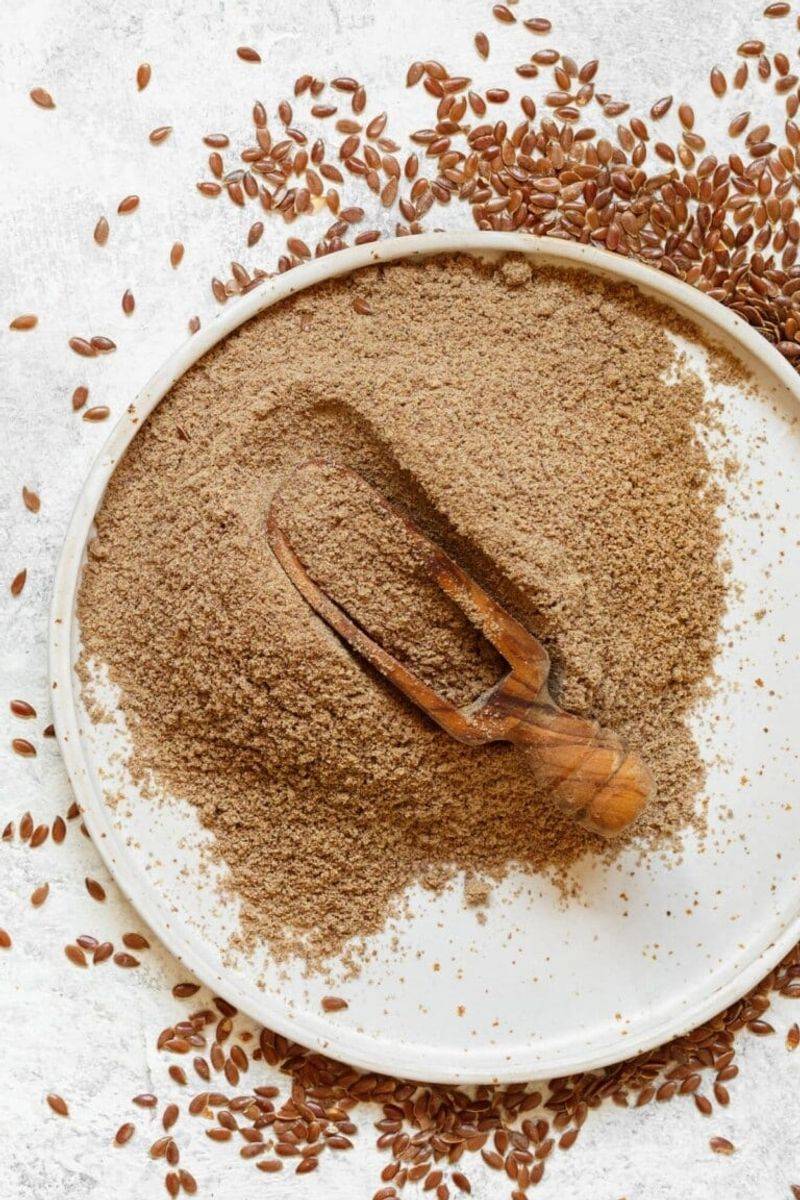
Flaxseeds have a quiet reputation in the nutrition world, but they deserve a lot more attention when it comes to gut health. They are loaded with both soluble and insoluble fiber, plus a unique type of prebiotic compound that promotes the growth of beneficial gut bacteria.
They also contain omega-3 fatty acids that help reduce gut inflammation.
Ground flaxseeds are easier for your body to digest than whole ones. Stirring a tablespoon into oatmeal, yogurt, or a smoothie is a simple daily habit that adds up to real digestive benefits.
19. Leeks
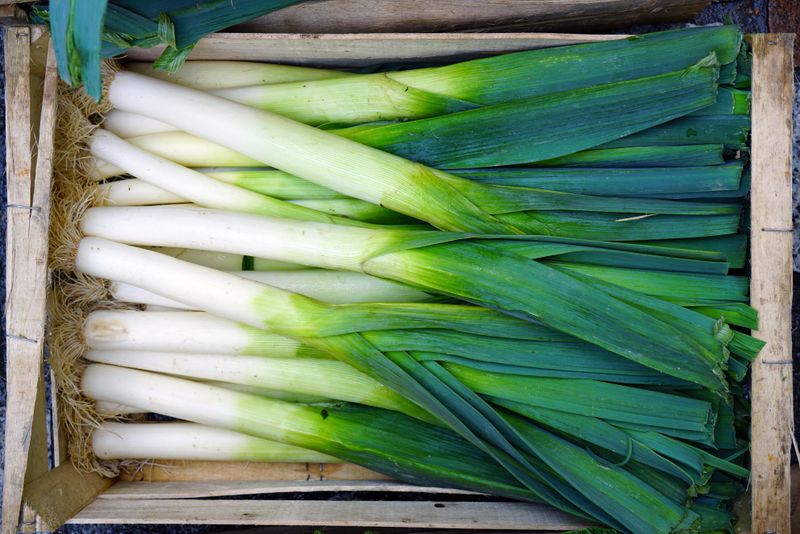
Leeks belong to the same plant family as garlic and onions, and they share many of the same gut-boosting qualities. They are particularly rich in inulin fiber, which nourishes beneficial bacteria in the large intestine.
Leeks also contain flavonoids that support the gut lining and help protect against digestive inflammation.
Leeks are delicious sauteed, added to soups, or baked into casseroles. Their mild, slightly sweet flavor makes them easier for picky eaters to enjoy compared to stronger-tasting members of their vegetable family.
20. Peas
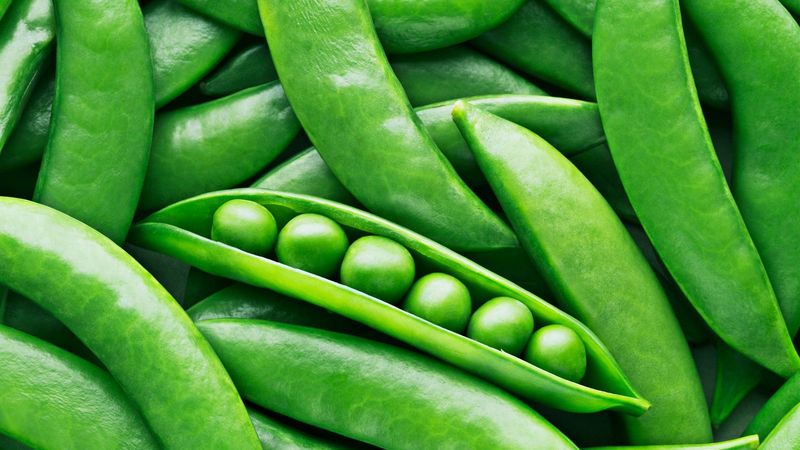
Peas are one of those vegetables that often get overlooked, but they are quietly excellent for gut health. They contain a mix of soluble and insoluble fiber that supports regular digestion and feeds beneficial gut microbes.
Research has found that pea fiber can help increase populations of Bifidobacterium and Lactobacillus, two key gut-friendly bacteria strains.
Frozen peas work just as well as fresh ones and are available year-round. Tossing them into pasta, rice dishes, or soups is an effortless way to add gut-supporting fiber to almost any meal.
21. Almonds
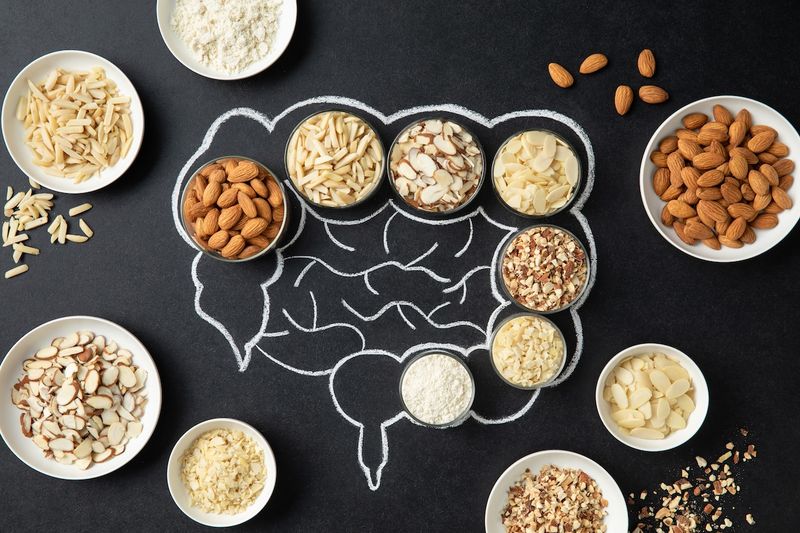
Almonds are a satisfying snack that does more for your gut than most people realize. They contain a combination of fiber, healthy fats, and polyphenols that together create a favorable environment for beneficial gut bacteria.
One study found that eating almonds daily increased the presence of Bifidobacterium and Lactobacillus in participants’ guts.
Raw or lightly roasted almonds are your best bet for maximum gut benefit. A small handful, roughly 23 almonds, is the sweet spot for getting the prebiotic effect without overdoing calories throughout the day.
22. Whole Grain Bread
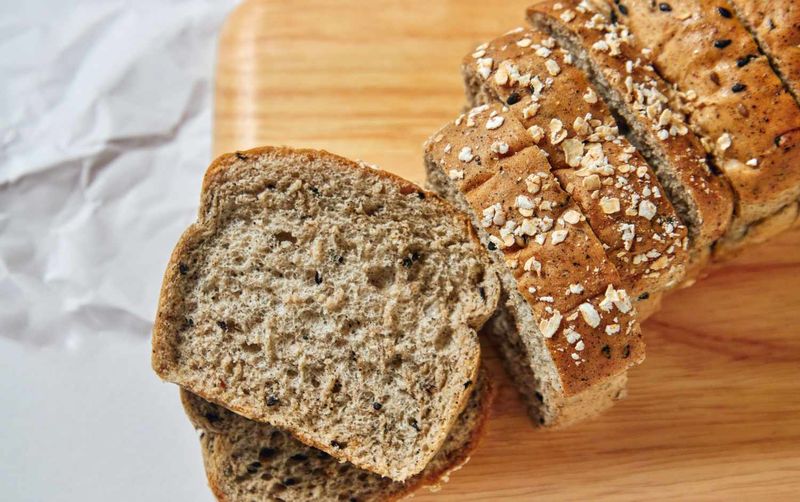
Swapping white bread for whole grain is one of the simplest upgrades you can make for your gut. Whole grain bread retains the bran and germ of the wheat kernel, both of which are packed with fiber and prebiotic compounds.
Studies show that people who eat whole grains regularly have more diverse and healthier gut microbiomes than those who favor refined grains.
Look for bread where whole grain flour is listed as the first ingredient. Even two slices a day can meaningfully shift your gut bacteria in a positive direction over a few weeks.
23. Ginger
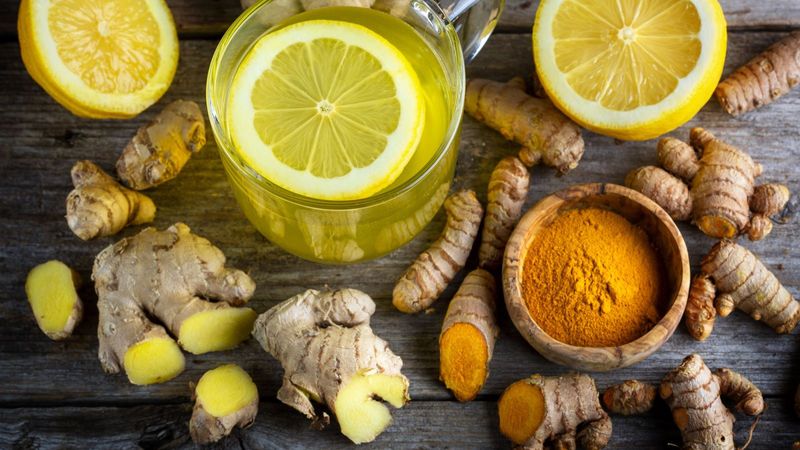
Ginger has been trusted as a digestive remedy across cultures for thousands of years, and modern research backs up that reputation. It contains bioactive compounds like gingerol and shogaol that help speed up stomach emptying, reduce bloating, and calm gut inflammation.
Some studies also suggest ginger can positively influence the gut microbiome by supporting beneficial bacterial growth.
Fresh ginger can be grated into teas, smoothies, or stir-fries with minimal effort. Even small daily amounts, about half a teaspoon, can have a noticeable positive effect on how your digestive system feels and functions.