
The same ingredient can taste totally different depending on where in the world you eat it. A simple bean might become a sweet dessert in Japan and a spicy stew in Mexico.
Learning these food twists helps you cook smarter, travel with curiosity, and see how people everywhere solve the same kitchen problems. Get ready to look at your pantry in a brand new way.
1. Rice: From Sushi to Sweet Pudding
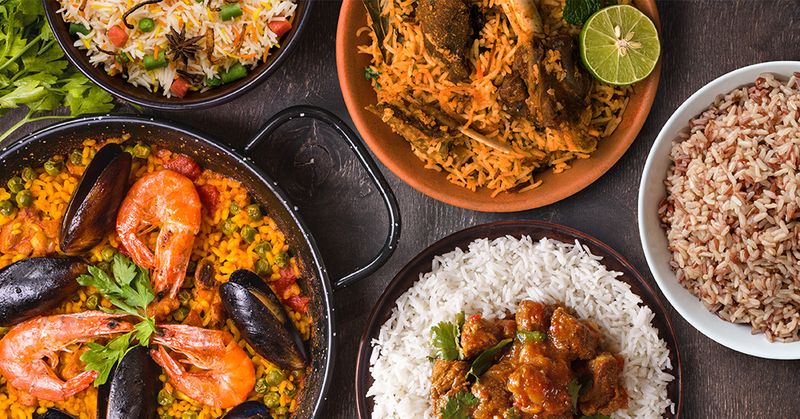
Half the people on Earth eat rice almost every day. Still, a bowl in Tokyo looks nothing like one in Valencia.
Japanese cooks season sticky rice with vinegar for sushi, while Spanish chefs crisp it in a wide pan for paella. In India, rice simmers with milk, sugar, and cardamom to make kheer.
Try this at home: leftover rice works great for fried rice or a quick pudding.
2. Beans That Swing Sweet or Savory
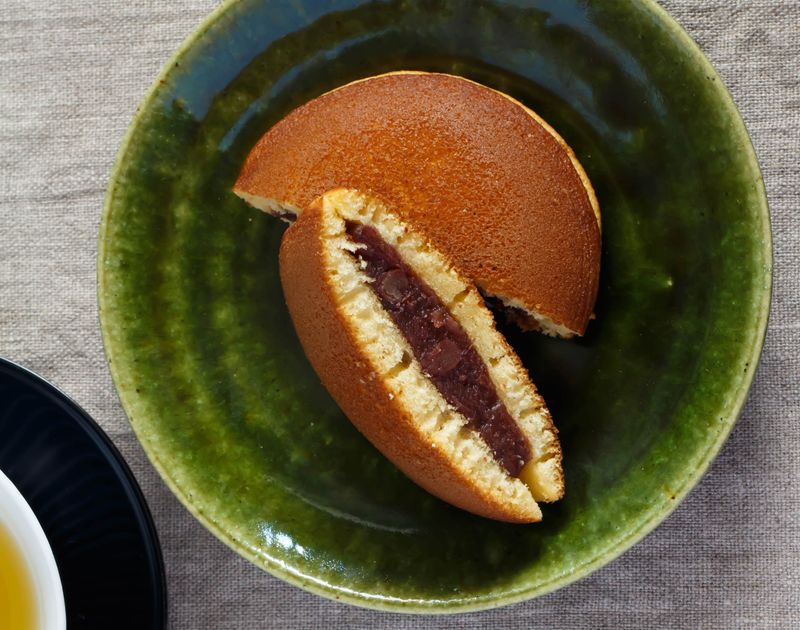
Picture biting into a pastry and finding beans inside. In Japan and China, that is a treat, not a trick.
Red adzuki beans get cooked with sugar into a smooth paste for mochi and buns. Meanwhile, Mexican kitchens mash pinto beans with onion and lard for refried beans, and Brazilians stew black beans with pork for feijoada.
Same humble legume, wildly different moods on the plate.
3. Corn Goes Far Beyond the Cob
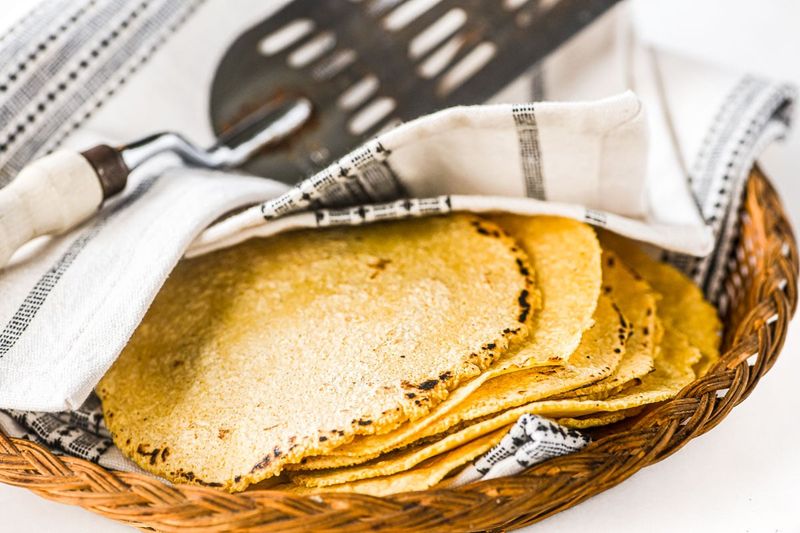
Did you know? Ancient Mexicans discovered that soaking corn in limewater made it healthier and easier to grind.
That trick, called nixtamalization, gives us tortillas and tamales.
Over in northern Italy, cornmeal becomes creamy polenta, often topped with cheese or mushrooms. Americans pop it into fluffy snacks at the movies.
Next time you grab a bag of cornmeal, remember it can be breakfast, dinner, or a crunchy treat.
4. Coconut, the Tropical All-Rounder
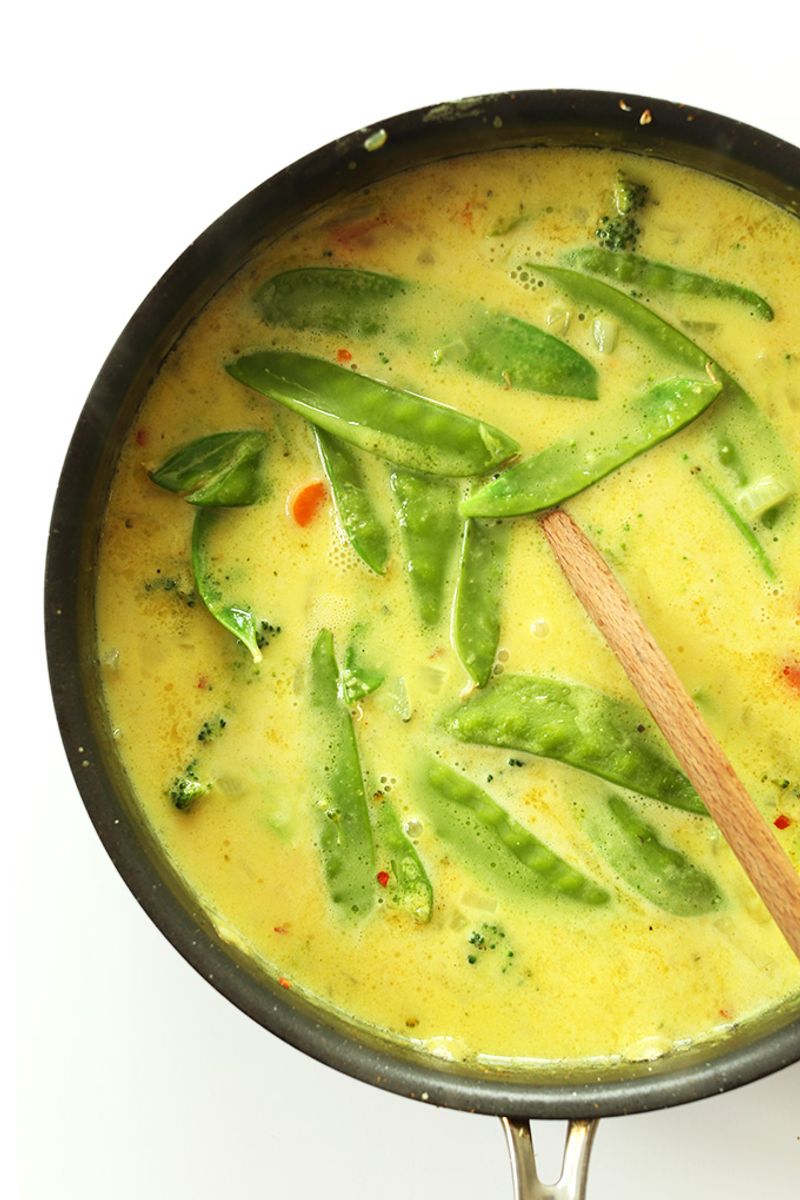
Few foods do as many jobs as a coconut. Its water quenches thirst, its milk thickens curry, and its oil fries snacks.
Thai cooks swirl coconut milk into green curry for a rich, mellow sauce. Filipino families bake it into sticky rice cakes called bibingka, and Indians grate fresh coconut into chutney.
Tip: shake canned coconut milk well, since the thick cream rises to the top.
5. Yogurt Plays Many Roles
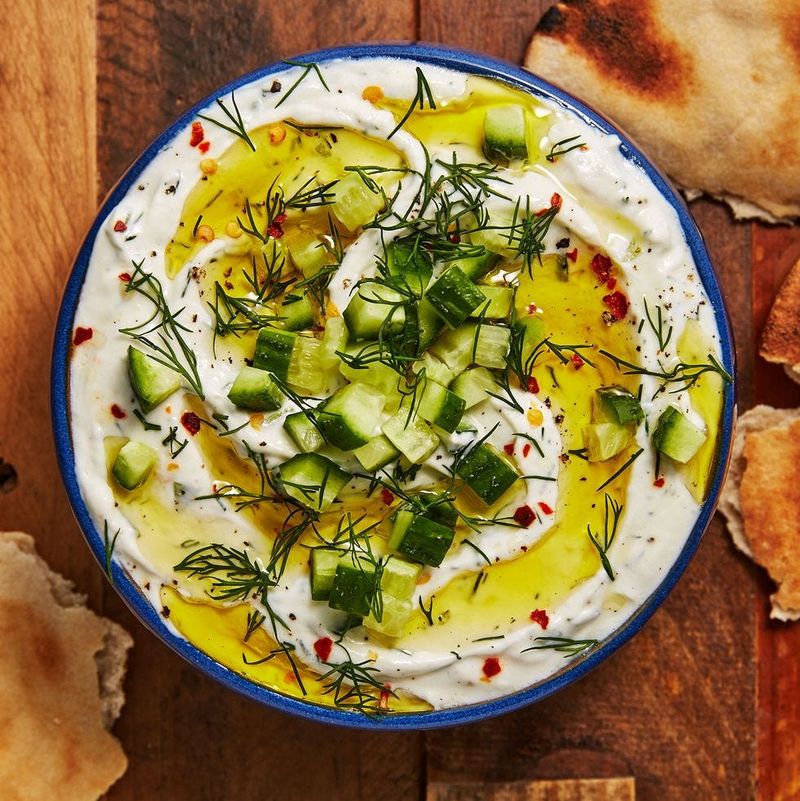
Cool, tangy, and a little bit magic, yogurt shows up everywhere from breakfast bowls to hot soups.
Greeks blend it with cucumber and garlic for tzatziki dip. In India, it becomes a sweet mango lassi or a marinade that makes chicken tender.
Turkish cooks even heat it gently into a comforting soup.
Kitchen hack: a spoonful of plain yogurt can calm down a dish that turned out too spicy.
6. Chili Peppers Bring the Heat Differently
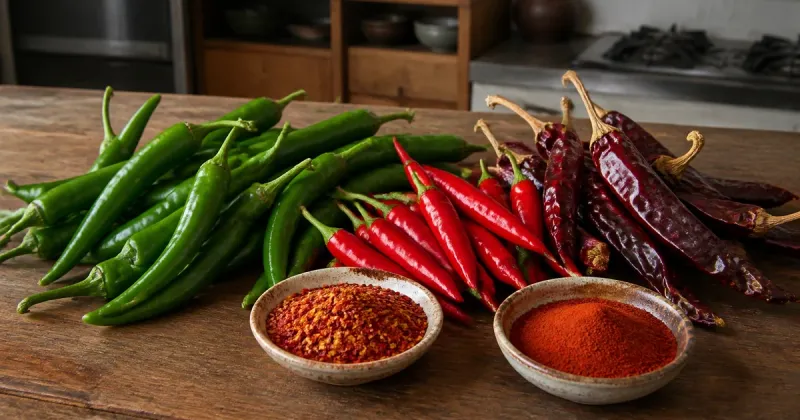
Here is a fun twist: chili peppers only reached Asia and Africa about 500 years ago, yet those places now love them fiercely.
Koreans ferment red chilies into gochujang paste. Mexicans toast dried chilies for deep, smoky mole sauce.
Ethiopian cooks blend them into berbere, a fiery spice mix for stews.
If you are new to spice, start with mild peppers like poblano and work your way up.
7. Chickpeas, Crunchy or Creamy
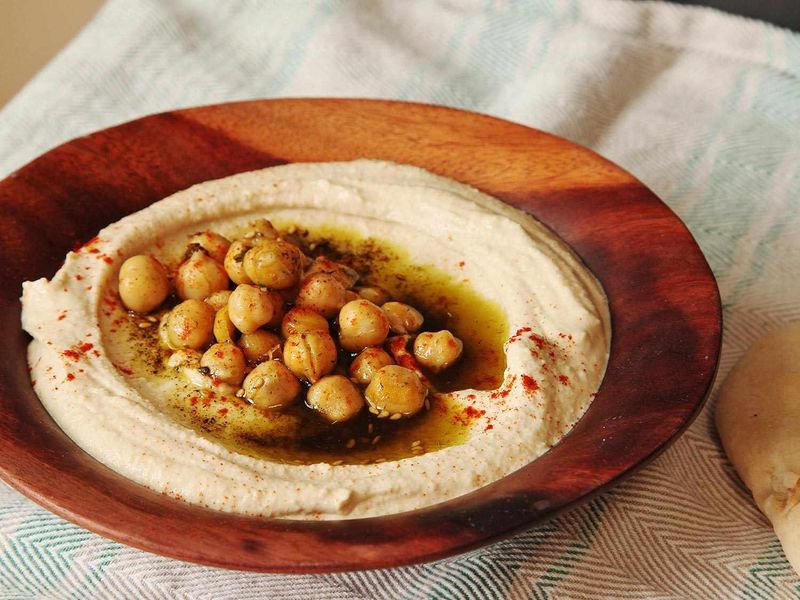
Ask someone in Beirut about chickpeas and they will probably mention hummus. Ask someone in Delhi and you will hear about chana masala.
Middle Eastern cooks blend chickpeas with tahini or fry them as falafel. Indian kitchens simmer them in tomato and spice gravy.
Italians grind them into flour for a thin pancake called farinata.
Save the liquid from the can, too. Bakers whip it into egg-free meringue.
8. Potatoes, the Comfort Food Champion
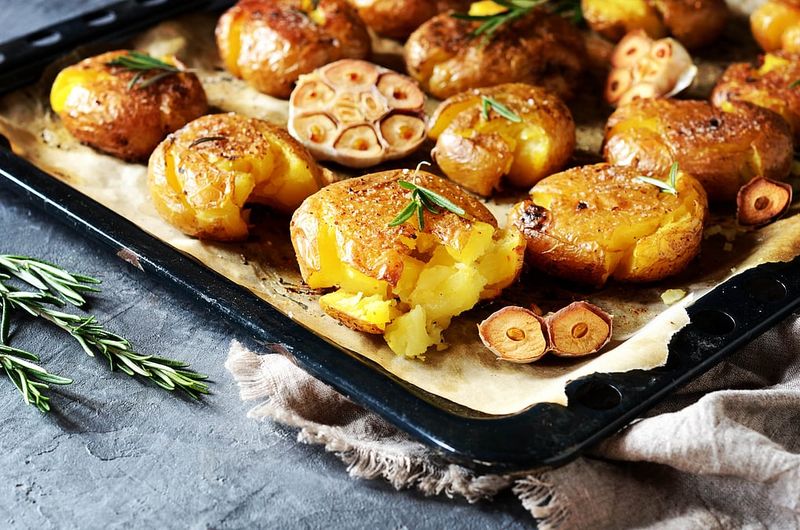
Grandmas around the globe seem to agree on one thing: potatoes make people happy.
Peru, where potatoes first grew, has thousands of kinds. Irish families mash them with cabbage into colcannon.
Spaniards layer them with eggs for a thick tortilla, and Indian cooks spice them up inside crispy samosas.
For fluffy mash, pick starchy russets. For salads that hold their shape, waxy red potatoes work best.
9. Garlic, Raw Kick or Mellow Roast
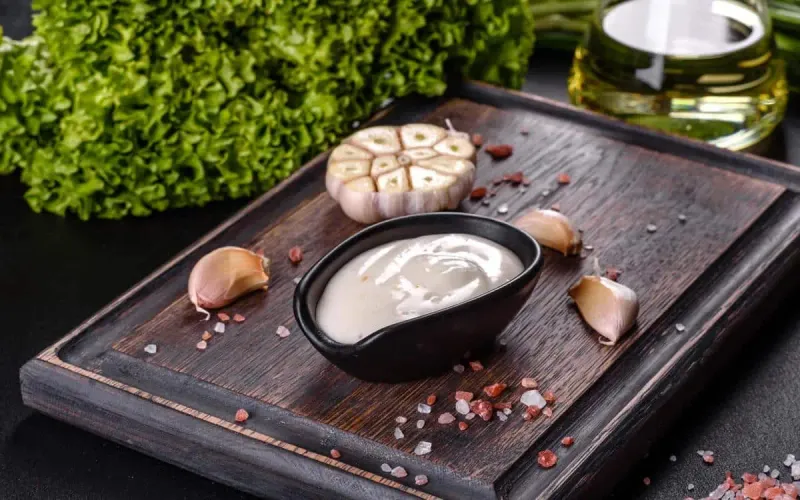
Garlic changes personality depending on how you treat it. Raw, it bites.
Roasted, it turns sweet and spreadable like butter.
French cooks whisk raw garlic into aioli sauce. Koreans age whole bulbs for weeks until they become soft, sticky black garlic that tastes almost like balsamic.
Lebanese toum whips garlic into a fluffy white dip.
Quick tip: let chopped garlic rest ten minutes before cooking for stronger flavor.
10. Sesame Seeds Pack Big Flavor
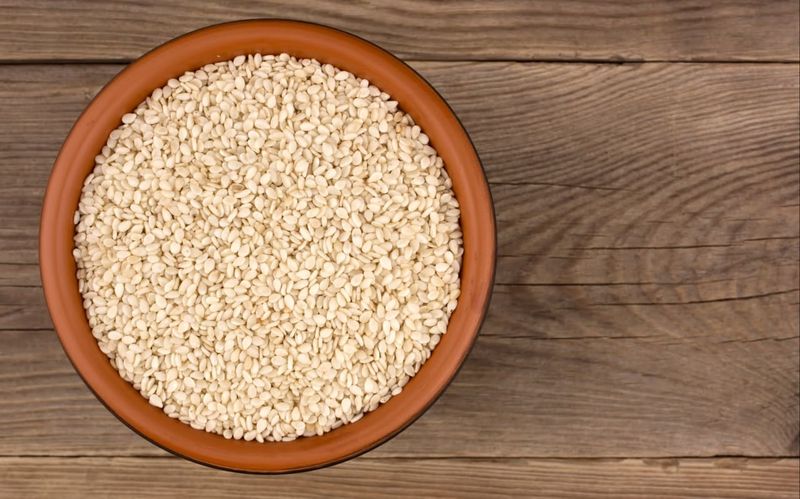
Tiny seeds, huge impact. Sesame has been grown for over 3,000 years, making it one of the oldest seasonings around.
Middle Eastern cooks grind it into tahini for hummus and halva. Japanese families sprinkle toasted sesame with salt as gomashio.
Chinese chefs drizzle roasted sesame oil on noodles, and American bakers press seeds onto bagels.
Toast raw seeds in a dry pan for a minute to wake up their nutty taste.
11. Bananas and Plantains Off the Fruit Bowl
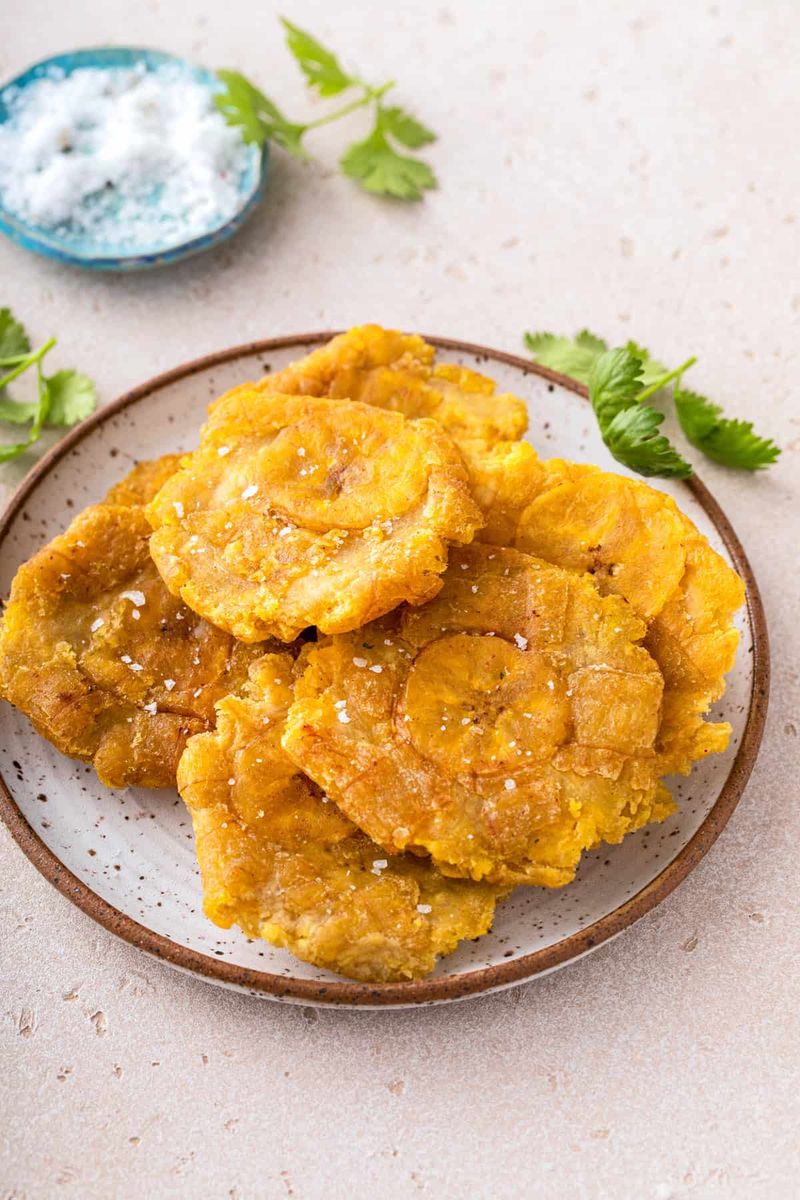
Most kids know bananas as a lunchbox snack. In much of the world, though, their starchy cousin the plantain is a dinner staple.
Caribbean cooks smash and fry green plantains into crispy tostones. Ugandans steam cooking bananas into a mashed dish called matoke.
Filipinos wrap sweet bananas in pastry for turon.
Got overripe bananas with brown spots? They make the sweetest banana bread ever.
12. Soybeans Wear Many Disguises
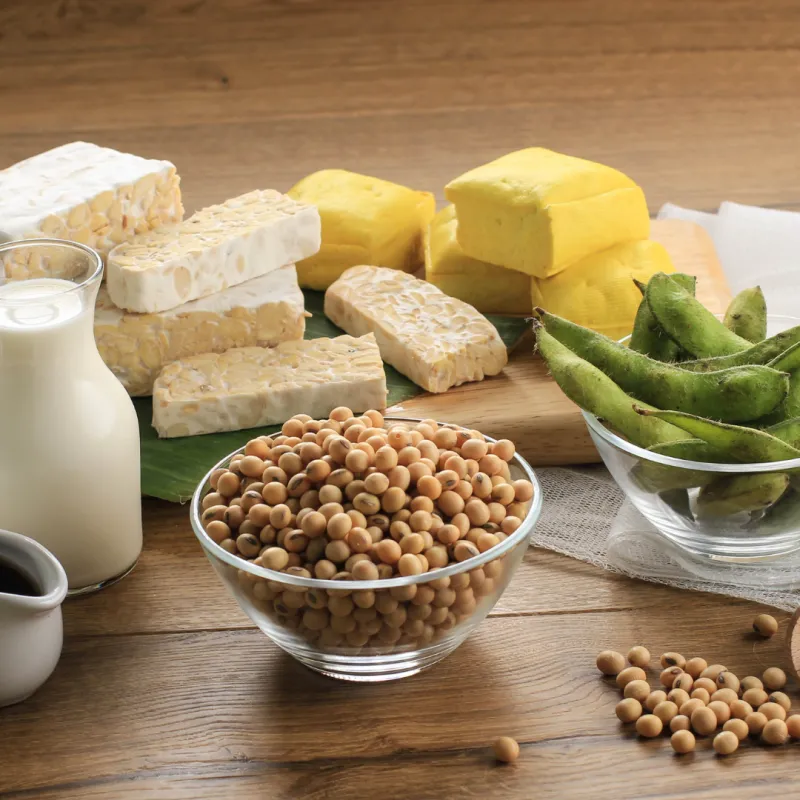
Soy might be the best shape-shifter in the kitchen. One bean becomes milk, sauce, cheese-like blocks, and paste.
Chinese cooks press soy milk into tofu. Japanese makers ferment beans into miso and soy sauce, and steam young pods as edamame.
Indonesians turn whole beans into tempeh, a firm cake with a nutty bite.
Press water out of tofu before frying, and it will soak up sauces much better.
13. Lentils, Little Lens-Shaped Heroes
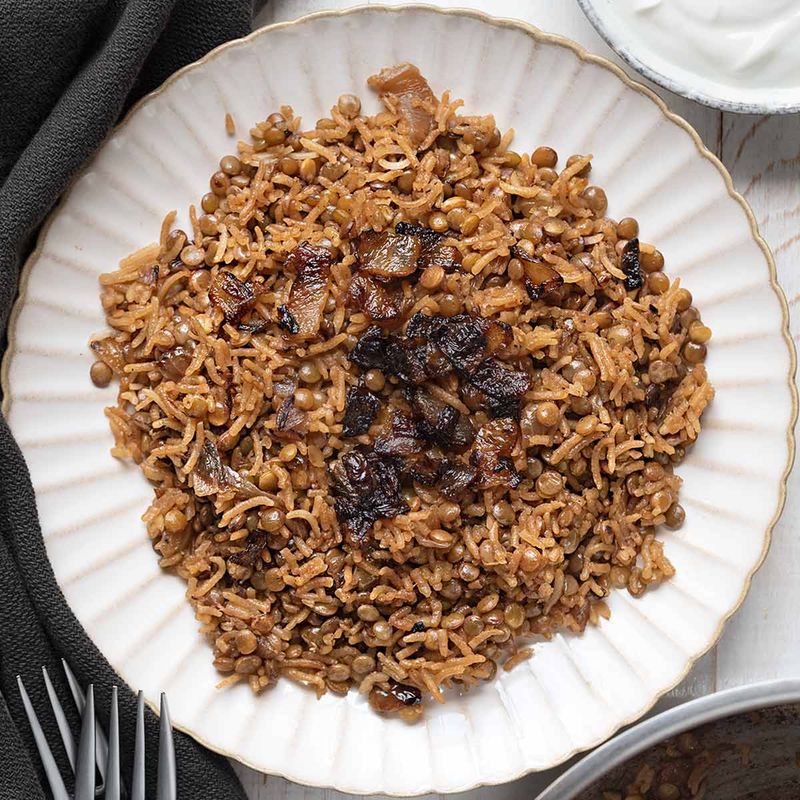
Lentils got their name from the Latin word for lens, because of their tiny curved shape. Fun, right?
Indian homes cook them into dal, a soupy dish served with rice. Lebanese families pair lentils with rice and caramelized onions for mujaddara.
Italians eat lentil stew on New Year’s Eve for good luck, since the coins-like shape hints at money.
Unlike beans, lentils need no soaking, so dinner comes together fast.
14. Cinnamon, Sweet Here and Savory There
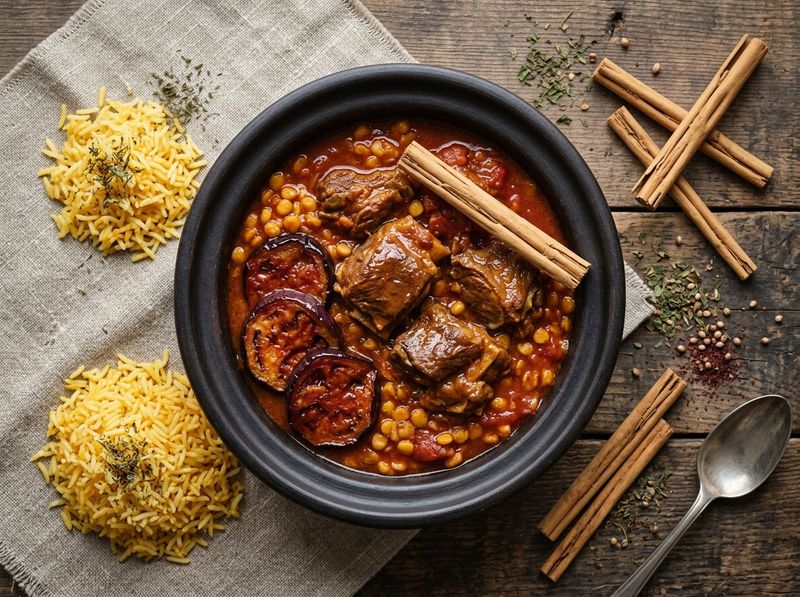
If you think cinnamon belongs only on rolls, Morocco would like a word.
Moroccan cooks add it to lamb tagines with apricots for a warm, savory stew. Greeks hide it in meat sauce for pastitsio.
Swedes celebrate cinnamon buns with a whole national day every October 4th, and Mexicans stir it into hot chocolate.
Try a pinch in chili or tomato sauce. It adds surprising depth without tasting like dessert.
15. Eggs, the World’s Breakfast Favorite
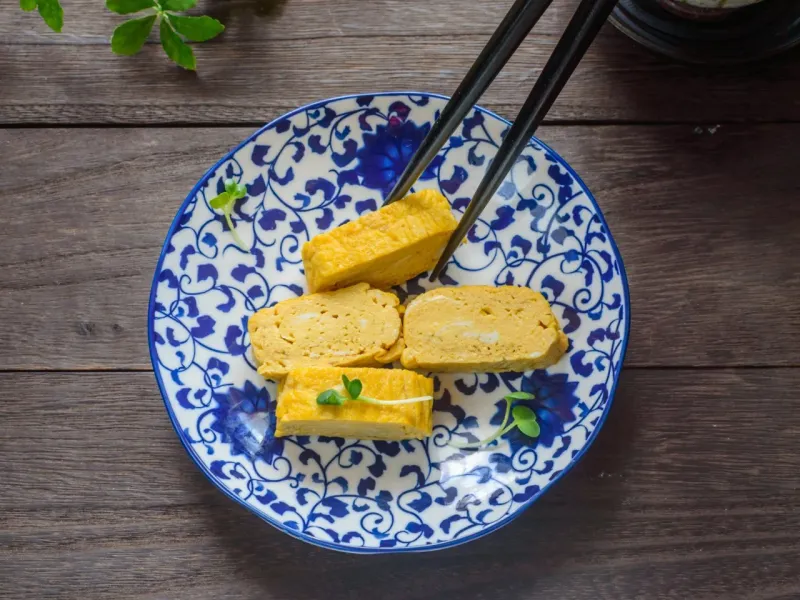
Crack open an egg, and you hold a world of choices. Pretty much every culture has its own spin.
Japanese cooks roll thin layers into sweet tamagoyaki omelets. Chinese century eggs are preserved for weeks until the yolk turns dark green and creamy.
Turkish menemen scrambles eggs with tomatoes and peppers.
Always store eggs in the fridge carton, not the door, so they stay fresh longer.
16. Wheat Flour Shapes Every Culture
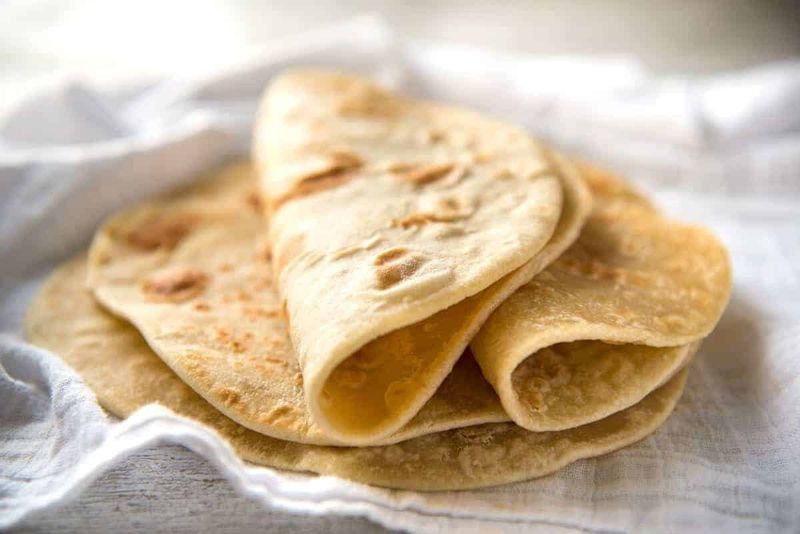
Flour plus water sounds boring. Somehow, that simple mix built entire food traditions.
French bakers shape it into crusty baguettes. Italians roll it into pasta, and Chinese noodle masters stretch dough by hand into long strands.
Indian cooks puff flatbreads called chapati right over the flame.
Beginners can start easy: mix flour, water, and salt, roll thin, and cook in a hot pan for homemade flatbread.
17. Tomatoes Took the World by Storm
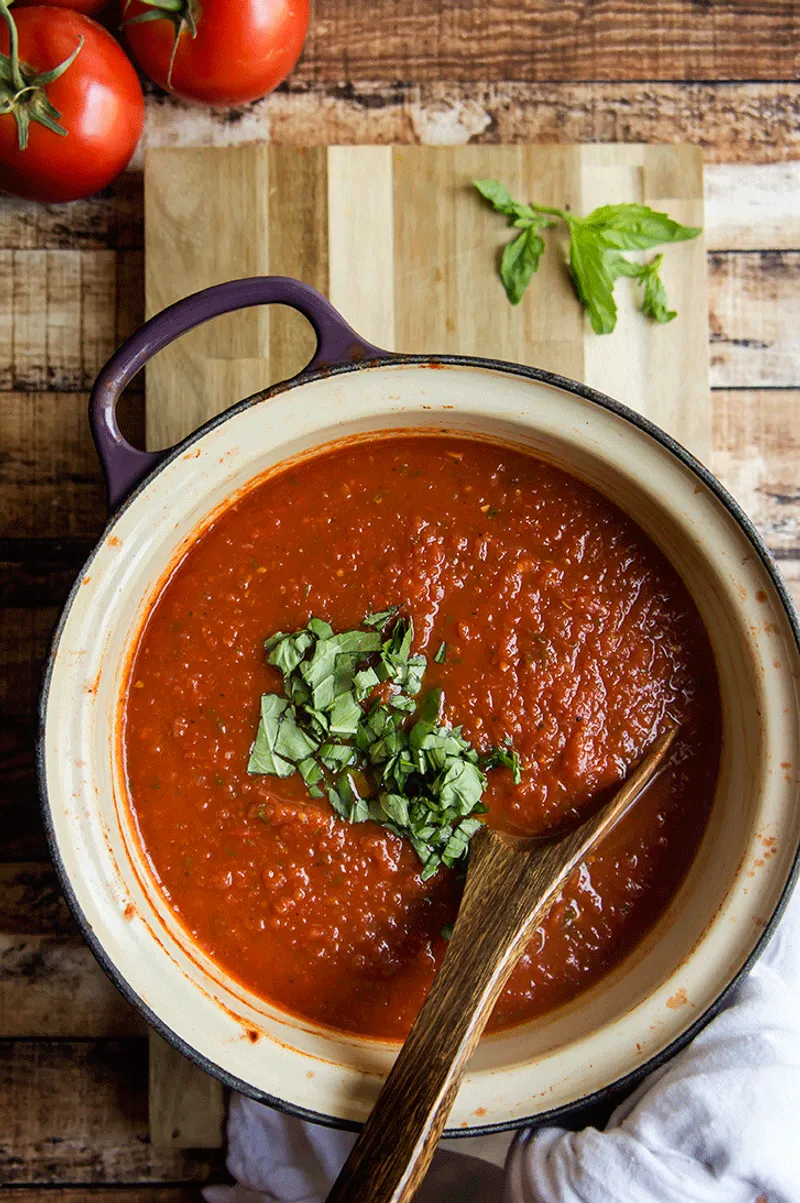
Hard to believe, but Europeans once feared tomatoes were poisonous. They came from South America and took centuries to win trust.
Today, Italy can’t imagine life without tomato sauce. Spain blends them raw into chilled gazpacho soup, while Indian cooks build curry bases on tomatoes and onions.
Mexicans chop them fresh for salsa.
Keep tomatoes on the counter, not the fridge. Cold air dulls their sweet flavor.
18. Ginger, Spicy Root With a Soft Side
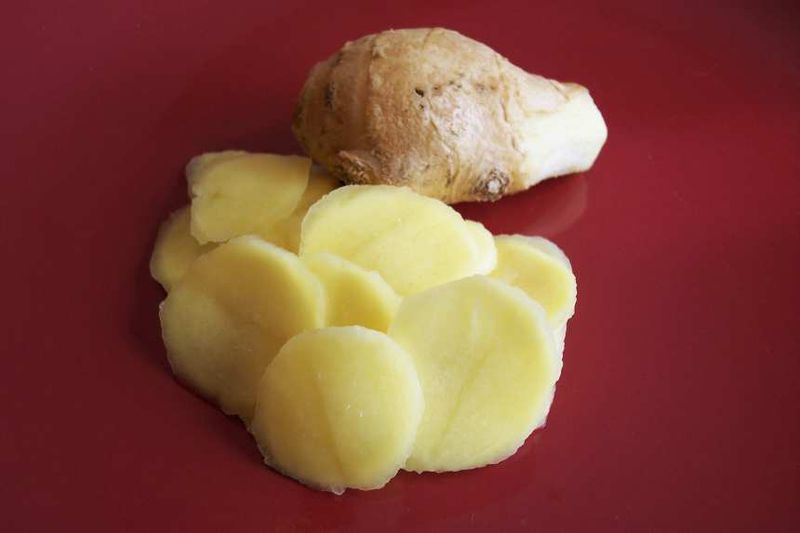
Feeling queasy? Many grandparents swear by ginger tea, and science backs them up a bit.
Chinese stir-fries often start with ginger and garlic sizzling in oil. Japanese sushi comes with pink pickled ginger to refresh your taste buds.
Jamaicans brew spicy ginger beer, and the British bake it into gingerbread.
Here is a neat trick: peel fresh ginger with the edge of a spoon instead of a knife.
19. Avocado, Not Just for Toast
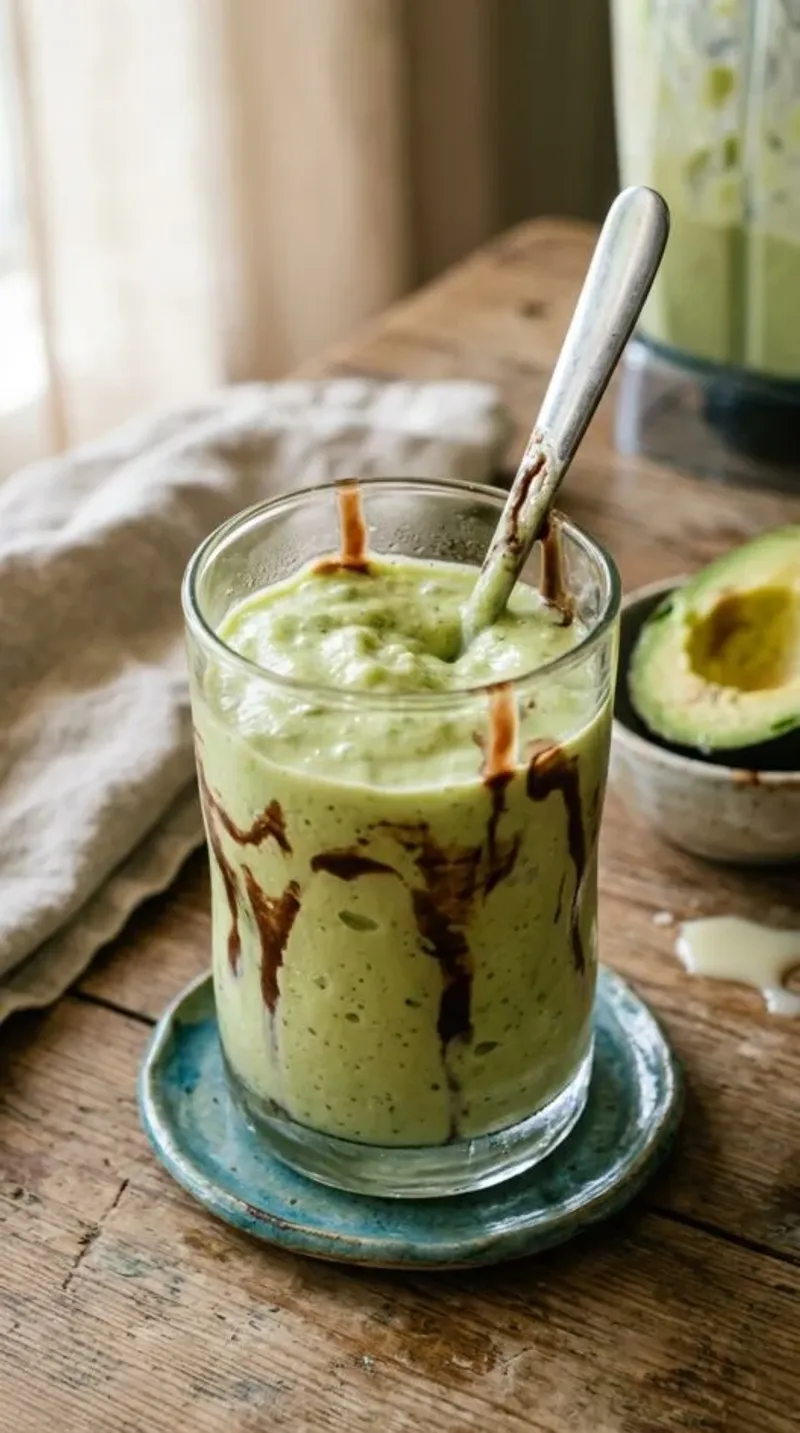
Guess what Brazilians do with avocados? They blend them with milk and sugar into a sweet dessert shake.
Mexicans mash them with lime and onion for guacamole. Indonesians mix avocado with chocolate syrup and coffee in a drink called es alpukat.
Meanwhile, Americans pile slices on toast.
To stop cut avocado from browning, squeeze on lemon juice and press plastic wrap right onto the surface.
20. Peanuts, Snack or Sauce
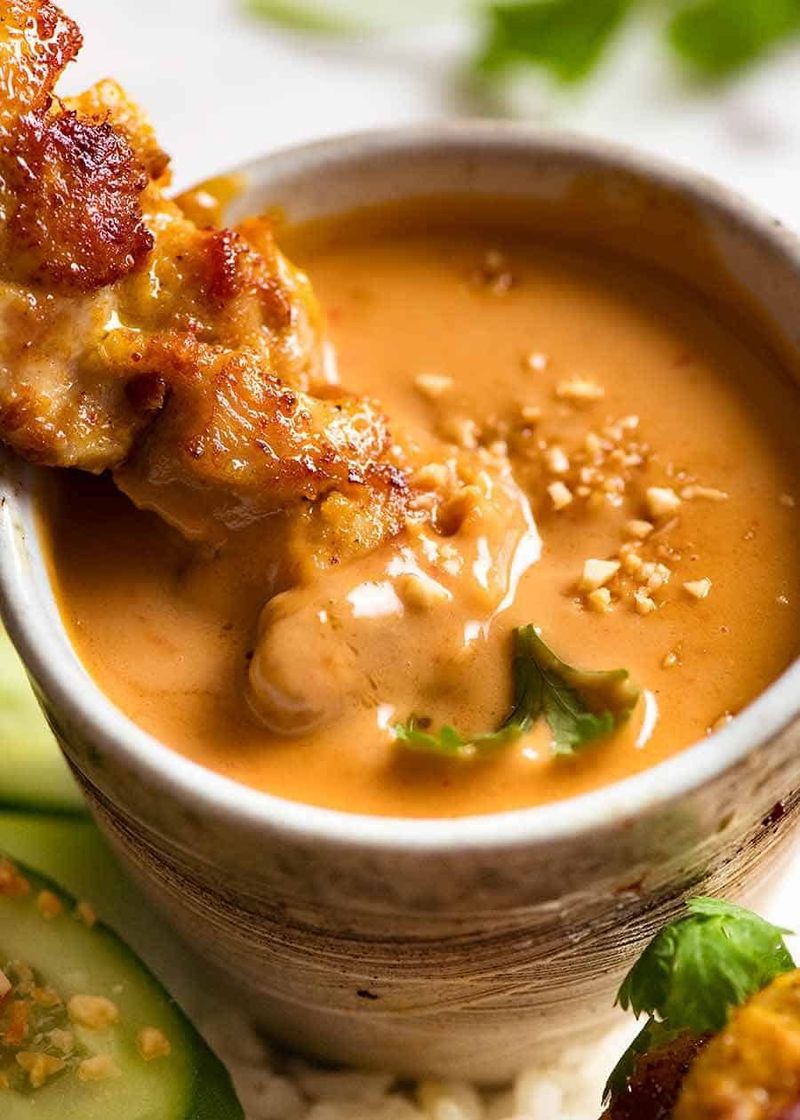
Peanuts aren’t actually nuts. They grow underground, like beans.
West Africans simmer them into hearty groundnut stew with tomatoes and chicken. Thai and Indonesian cooks turn them into rich satay sauce for grilled skewers.
Americans spread peanut butter on sandwiches, and Chinese chefs toss them into spicy kung pao chicken.
Roast raw peanuts in the oven for ten minutes, and the smell alone will fill your kitchen with joy.
21. Cabbage, the Underrated Superstar
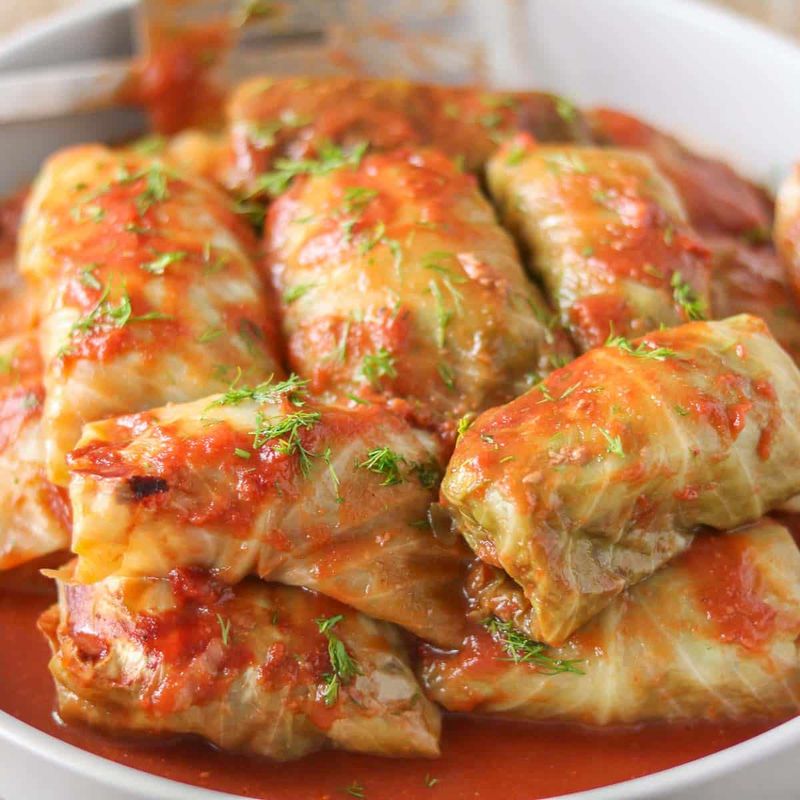
Cabbage rarely gets the spotlight, yet it powers some of the most famous dishes on the planet.
Koreans ferment it with chili and garlic into kimchi. Germans pack it with salt for tangy sauerkraut.
Polish families wrap meat and rice in cabbage leaves for golabki, and Japanese street cooks shred it into okonomiyaki pancakes.
Cheap and long lasting, a single head can stay fresh in your fridge for weeks.