
Bread has been part of European life for thousands of years, and almost every town has a loaf it calls its own. Some are crusty and chewy, others are soft and sweet, and a few are dark enough to look like chocolate.
Tasting these breads is like taking a trip across the map without packing a suitcase. Grab a napkin, because this list might make you hungry.
1. French Baguette
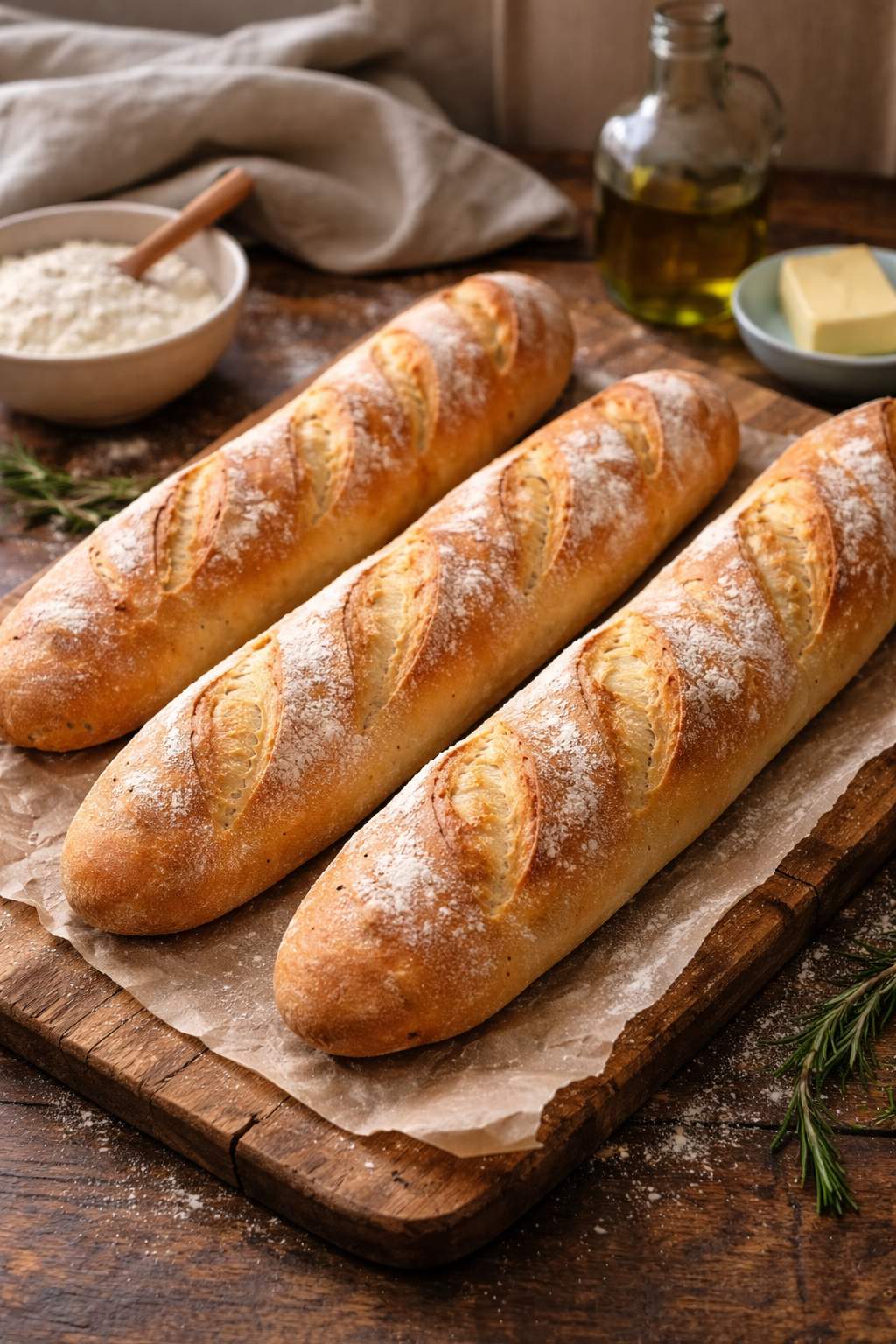
Picture a Parisian walking home with a long loaf tucked under one arm. That scene happens millions of times every day in France, where people buy fresh baguettes daily.
The crust should crackle when you squeeze it, and the inside should be airy and soft. In 2022, UNESCO even added baguette baking to its list of cultural treasures.
Tip: eat it the same day, because a baguette goes stale fast.
2. Italian Ciabatta
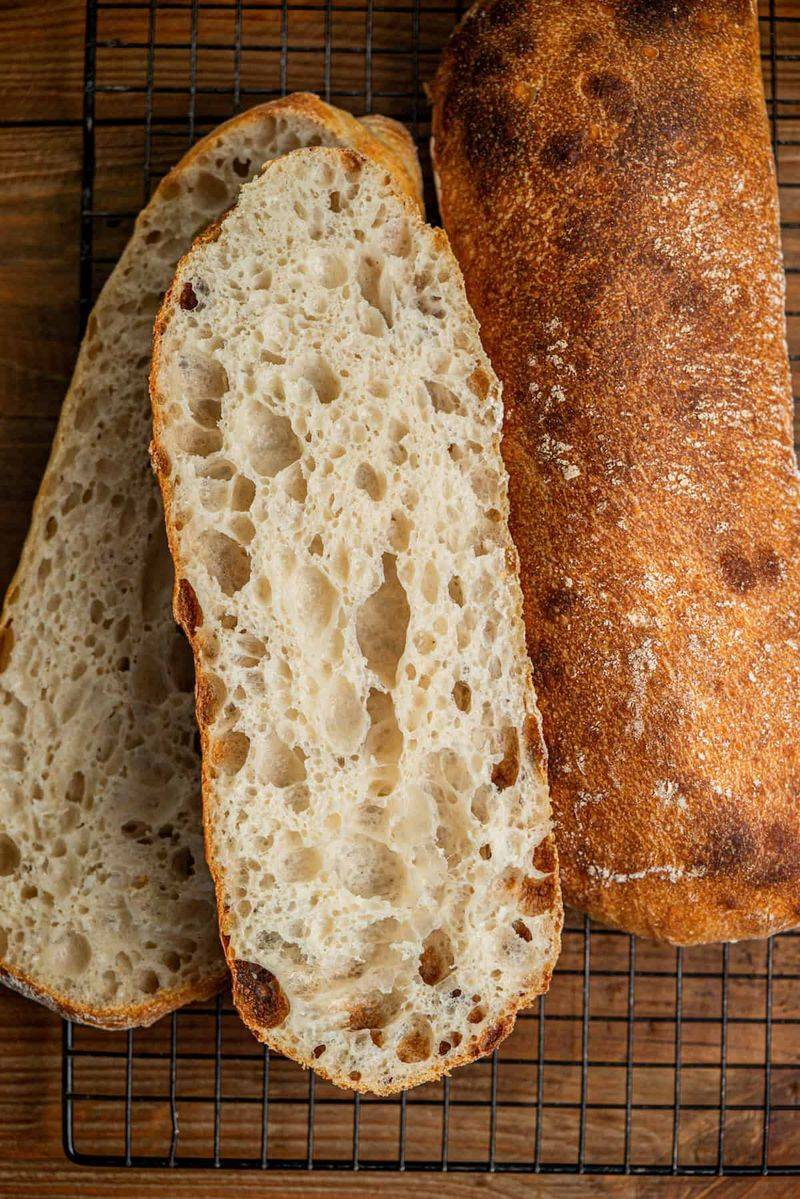
Believe it or not, ciabatta is younger than your grandparents. A baker in northern Italy invented it in 1982 to compete with the popular French baguette.
The name means slipper, thanks to its flat, wide shape. Its wet dough creates big, uneven holes inside, which are perfect for soaking up olive oil.
Slice it sideways and fill it with mozzarella, tomato, and basil for a sandwich that tastes like an Italian summer.
3. German Pumpernickel
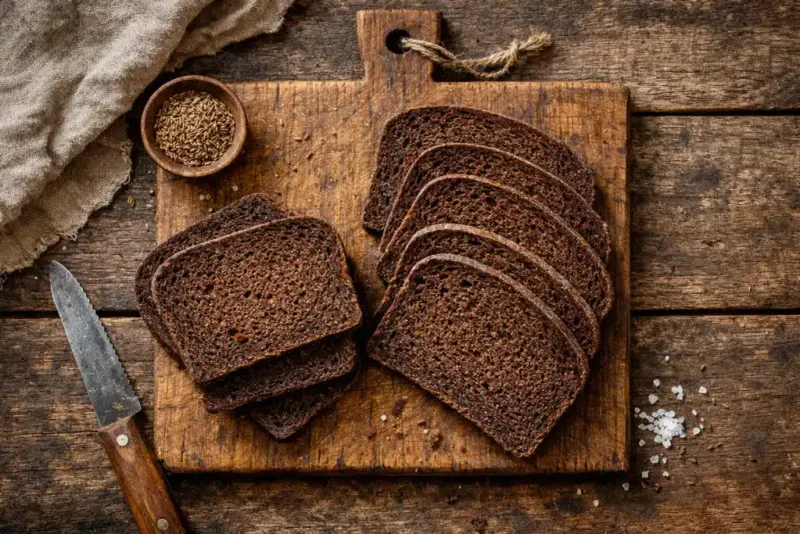
Dark, dense, and a little mysterious, pumpernickel comes from the Westphalia region of Germany. Bakers there steam it for up to 24 hours at low heat.
No food coloring is needed. The long, slow baking turns the sugars in the rye deep brown and gives the bread a slightly sweet, earthy taste.
Try thin slices with cream cheese or smoked fish. A little goes a long way, since it is surprisingly filling.
4. Soft Bavarian Pretzel

Legend says monks twisted the first pretzels to look like arms crossed in prayer. Whether that story is true or not, Bavarians have loved them for centuries.
The secret is a quick dip in a lye solution before baking. That step gives the pretzel its shiny, mahogany skin and a flavor you cannot fake.
Tear off a chunk, dip it in sweet mustard, and you will understand why Munich festivals always smell so good.
5. Irish Soda Bread
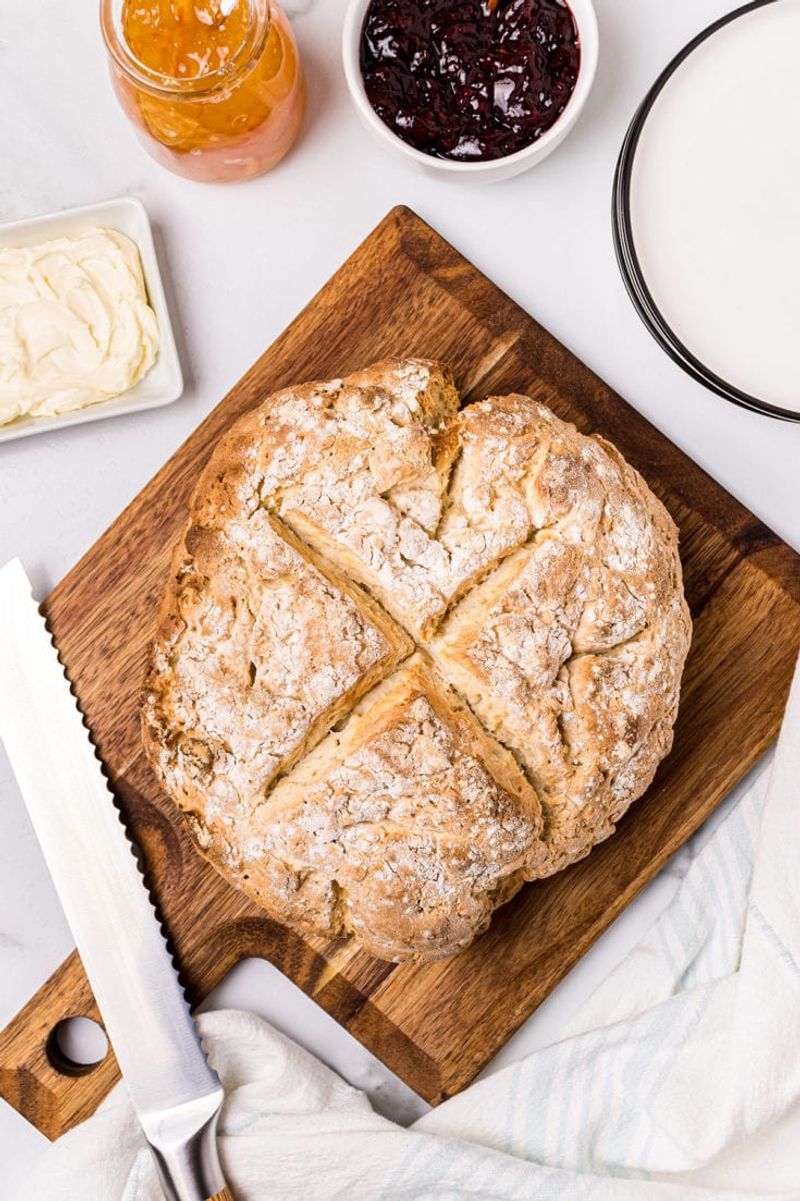
No yeast? No problem.
Irish families in the 1800s often had only flour, buttermilk, salt, and baking soda, so they made bread with just that.
The cross cut on top helps the loaf bake evenly. Some folks say it also lets the fairies out!
Soda bread is one of the easiest breads for beginners. You can mix and bake it in under an hour, then enjoy it warm with salted butter.
6. Greek Pita
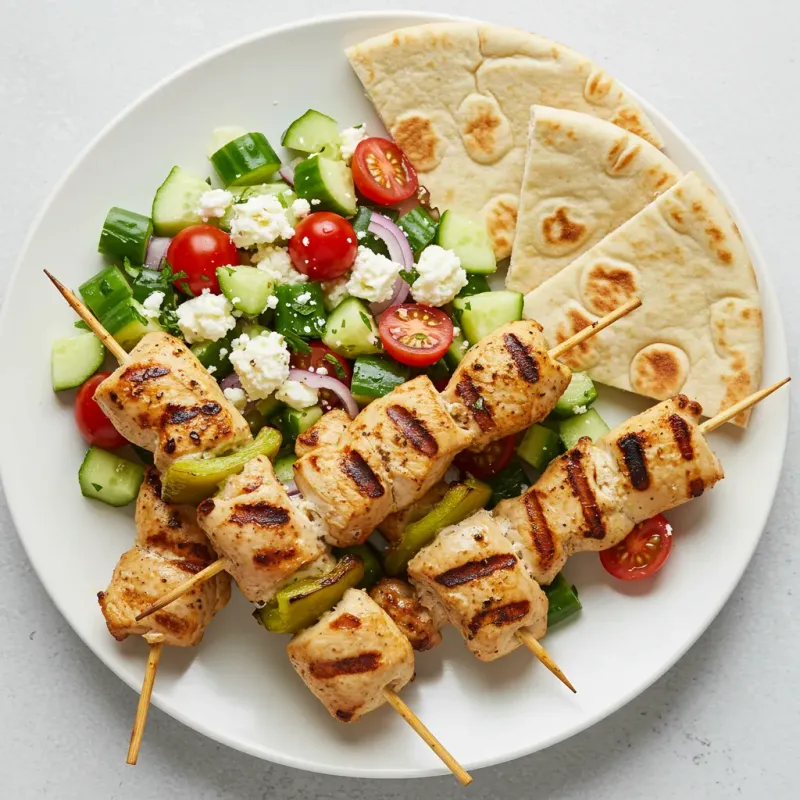
Grilled meat, creamy tzatziki, and juicy tomatoes all need something to hold them together. In Greece, that job belongs to soft, thick pita.
Greek pita is fluffier than the pocket kind sold in many stores. It usually gets warmed on a grill with a little oil, so it turns slightly crispy outside.
Roll it around souvlaki for a classic street snack. Keep extra napkins nearby, because things get delightfully messy.
7. Italian Focaccia
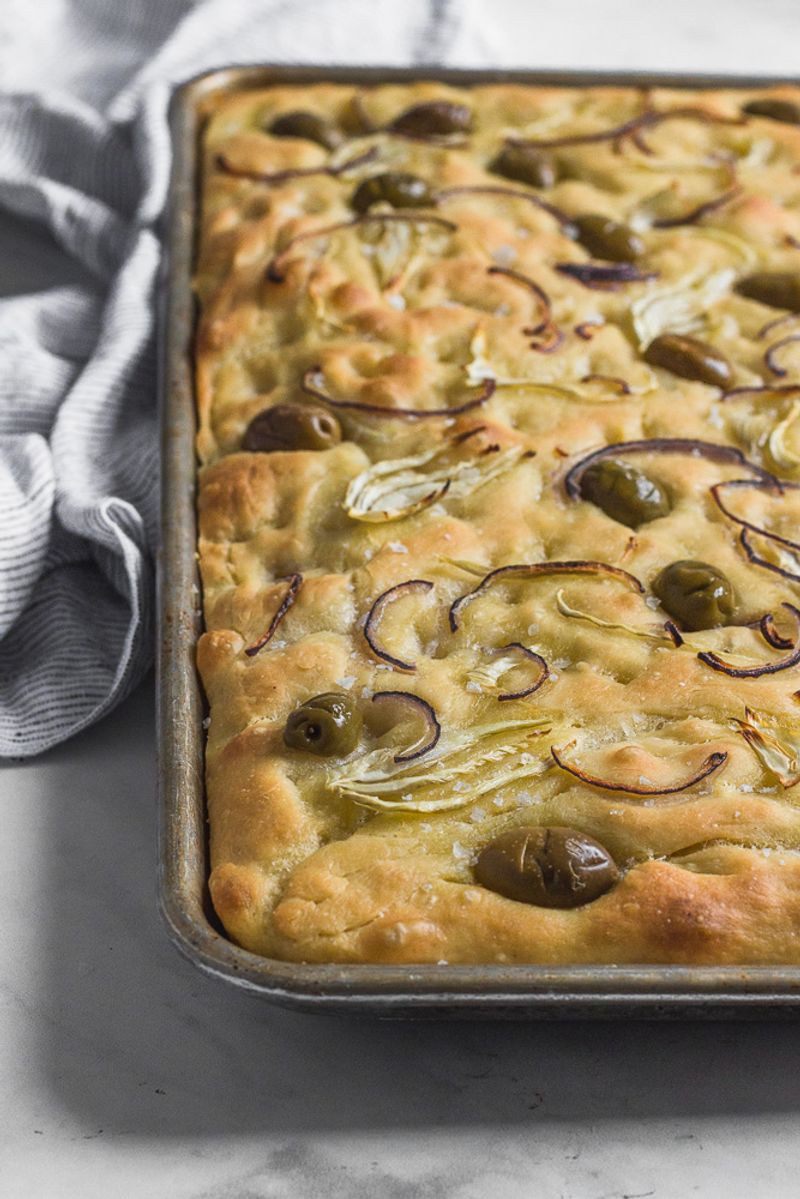
Poke, drizzle, sprinkle, bake. That is basically the recipe for focaccia, the flat oven bread from Liguria in Italy.
Bakers press their fingers into the dough to make little dimples. Those dips catch puddles of olive oil, which makes every bite rich and golden.
In Genoa, people even dunk focaccia into milky coffee for breakfast. Toppings like rosemary, olives, or cherry tomatoes make it easy to customize at home.
8. Swedish Knäckebröd
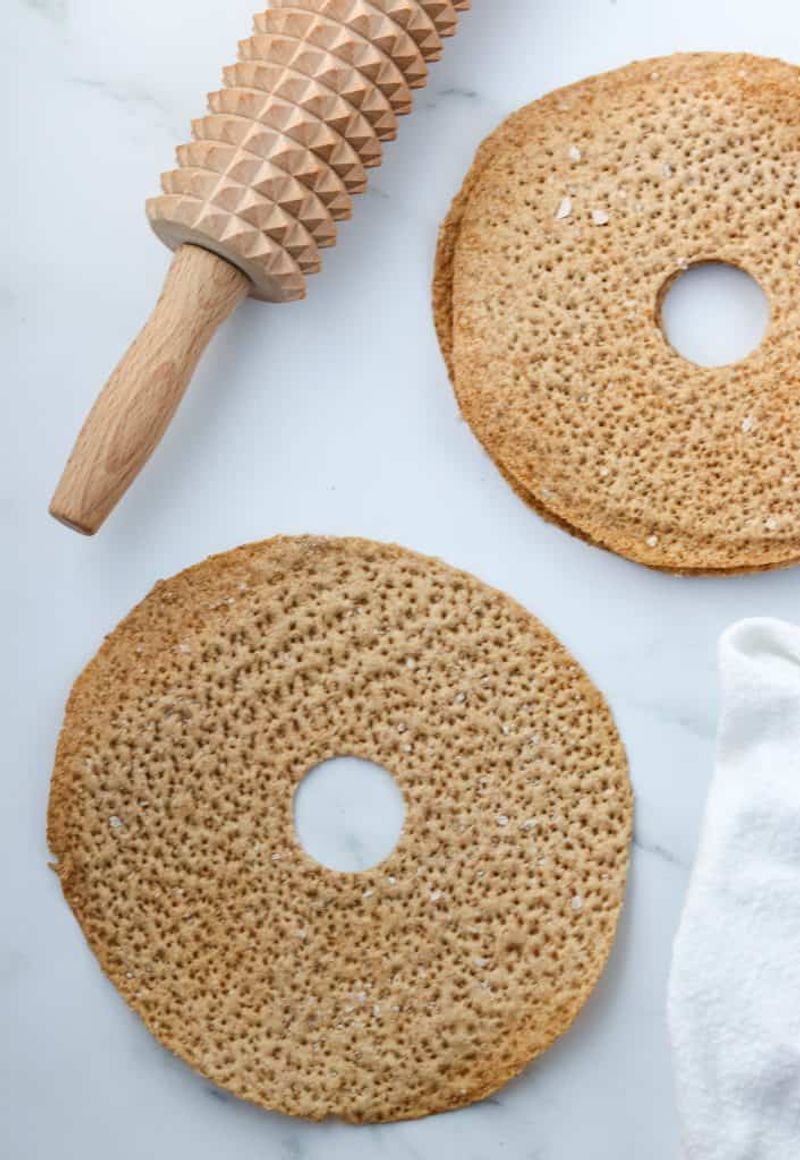
Crunch! Swedish crispbread is so dry it can last for months, which made it a lifesaver during long northern winters.
Long ago, families baked big round crispbreads with a hole in the middle. They hung them on poles near the ceiling to keep them away from moisture and mice.
Today, Swedes top it with butter, cheese, and cucumber. It is a light, wholesome snack you can keep in the pantry anytime.
9. French Brioche
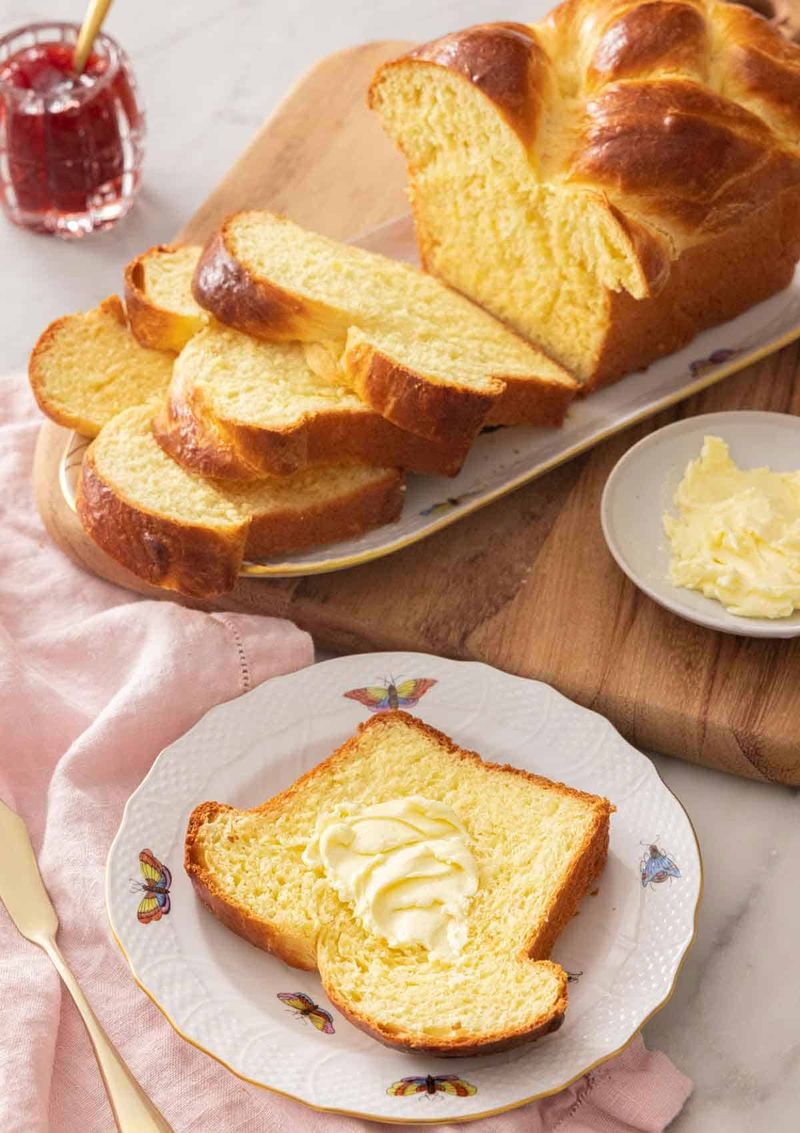
Is it bread or is it cake? Brioche happily lives somewhere in between, thanks to lots of butter and eggs in the dough.
The crumb is soft, yellow, and feathery. Its top shines because bakers brush it with egg before baking.
Leftover brioche makes the best French toast you will ever eat. Slice it thick, soak it in milk and egg, then fry until golden for a weekend treat.
10. Portuguese Broa
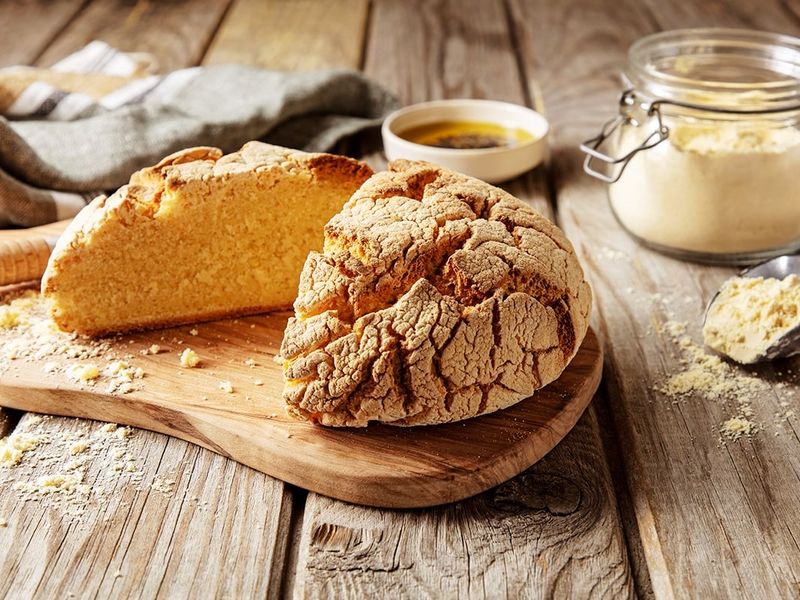
Grandmothers in northern Portugal have baked broa in wood-fired ovens for generations. Made with cornmeal and rye, it has a rugged, cracked crust that looks almost like stone.
Inside, the bread is dense and slightly sweet from the corn. It pairs wonderfully with caldo verde, a green soup made with kale and sausage.
If you visit Portugal, look for it at village markets, where loaves are often still warm.
11. Lithuanian and Latvian Black Rye
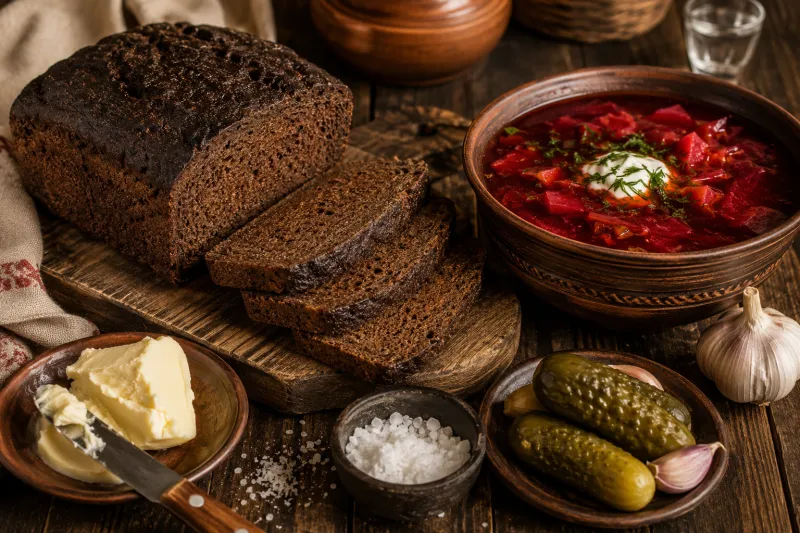
In the Baltic countries, dropping a slice of bread used to mean you should pick it up and kiss it. That shows how much people there respect their black rye.
Made with sourdough starter and sometimes caraway seeds, this bread is tangy, chewy, and deeply flavorful. Many loaves stay fresh for a week.
Try it toasted with garlic, a popular snack in Lithuania that tastes great alongside soup.
12. Spanish Pan de Cristal
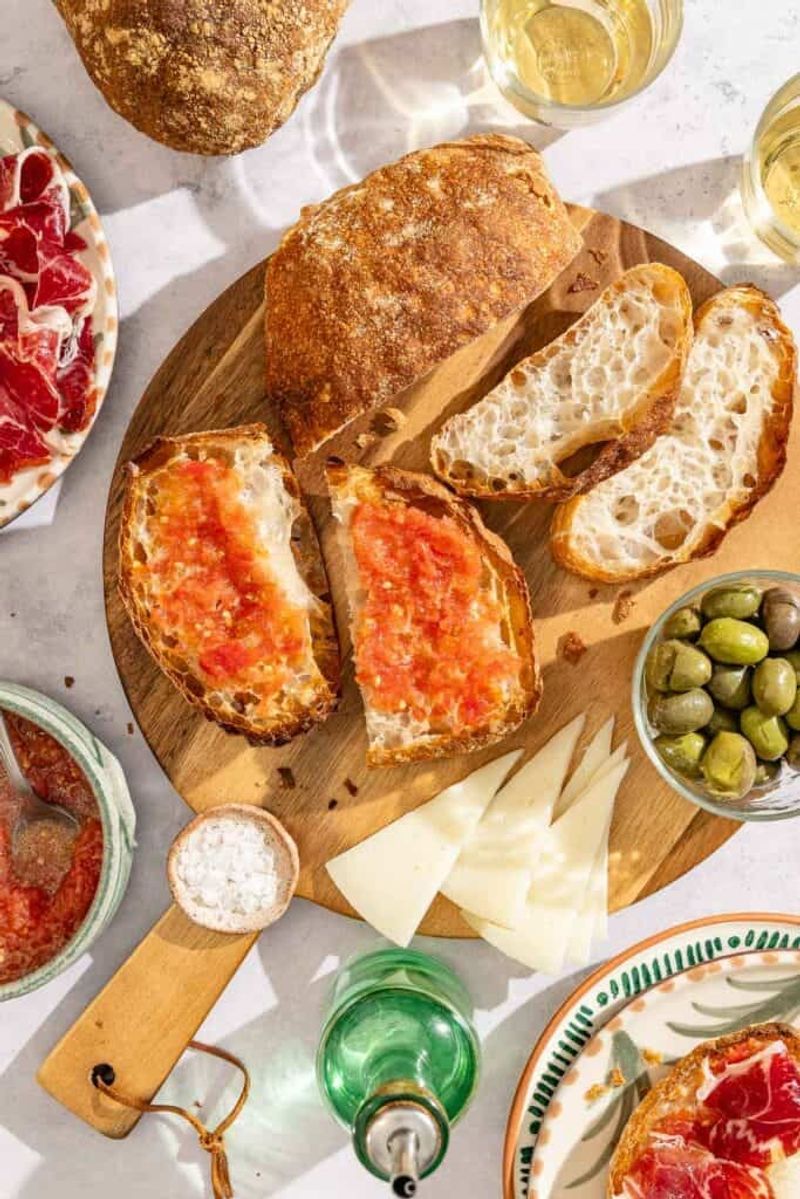
Glass bread sounds strange, yet that is exactly what pan de cristal means. Created in Catalonia, it has a crust so thin it shatters like glass.
The dough contains tons of water, which creates a light, hollow inside. Bakers handle it carefully because it is quite tricky to shape.
Locals rub it with ripe tomato, olive oil, and salt to make pa amb tomàquet, a simple and delicious Spanish snack.
13. Danish Rugbrød
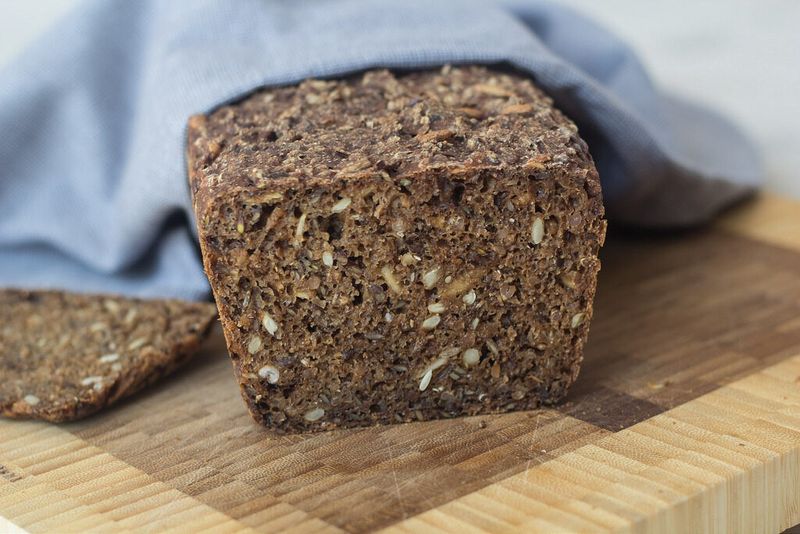
Danish kids grow up eating rugbrød in their lunchboxes almost every school day. It is a sour, seedy rye bread packed with whole grains.
Danes use it as the base for smørrebrød, fancy open-faced sandwiches. Toppings range from pickled herring to boiled eggs and shrimp.
A slice keeps you full for hours thanks to all that fiber. Baking it at home takes patience, though, since the loaf needs time to rest.
14. Italian Panettone
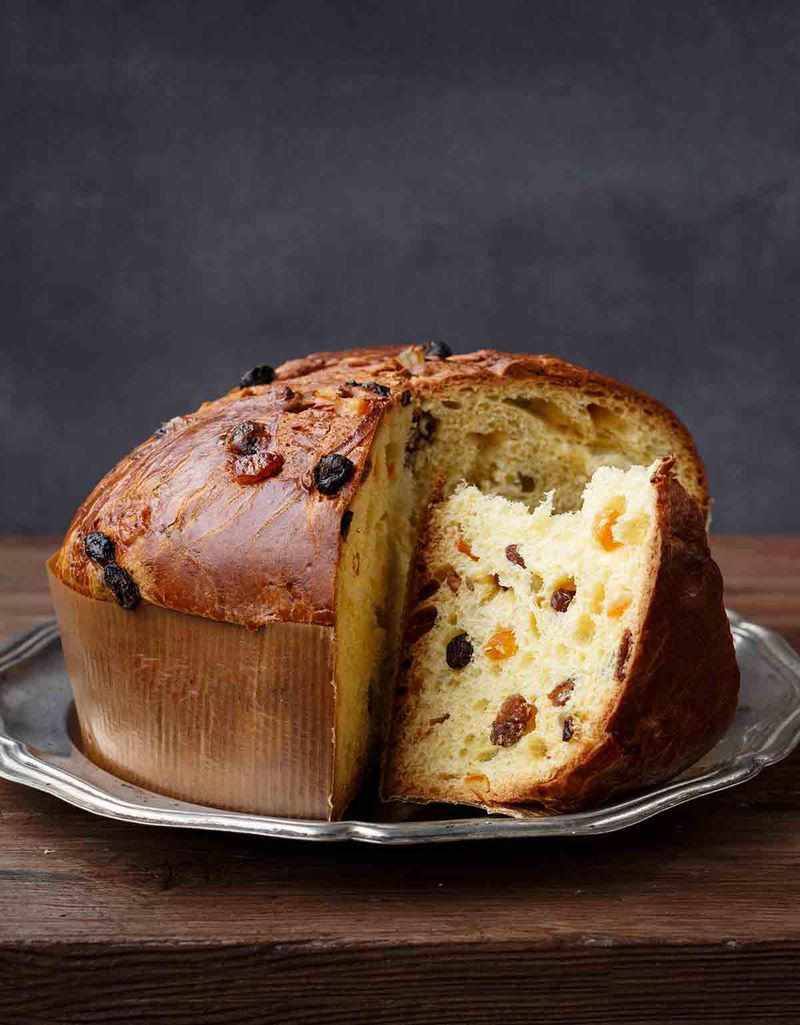
Every December, tall boxes of panettone fill Italian stores. This sweet bread from Milan is a must-have at Christmas.
Making it takes days. The dough rises slowly with natural yeast, then gets studded with raisins and candied orange peel.
Fun fact: bakers hang finished panettone upside down to cool so the fluffy dome does not collapse. Serve slices with hot chocolate for a cozy holiday morning.
15. German Stollen
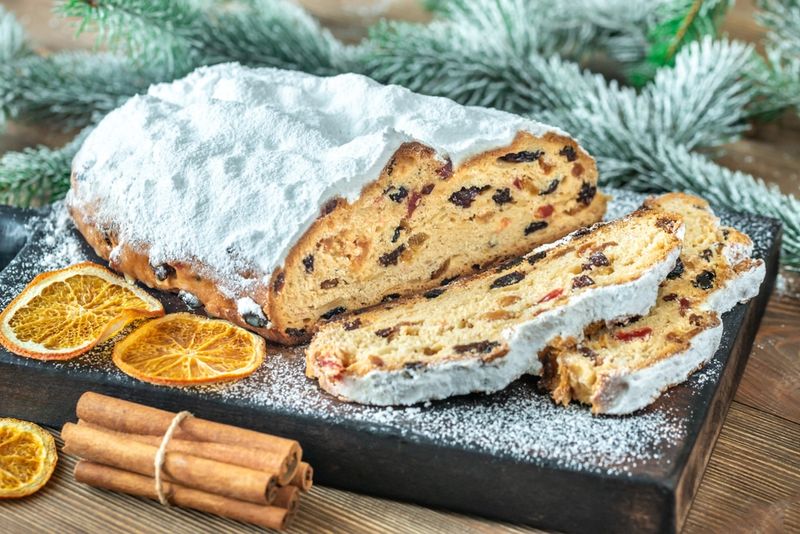
Covered in a snowy blanket of powdered sugar, stollen is said to look like baby Jesus wrapped in white cloth. It has been baked in Dresden since the 1400s.
The loaf is heavy with dried fruit, nuts, and sometimes a marzipan center. Butter and sugar help it stay fresh for weeks.
Many families slice a little each day during Advent. The flavor actually gets better as it rests.
16. English Crumpets
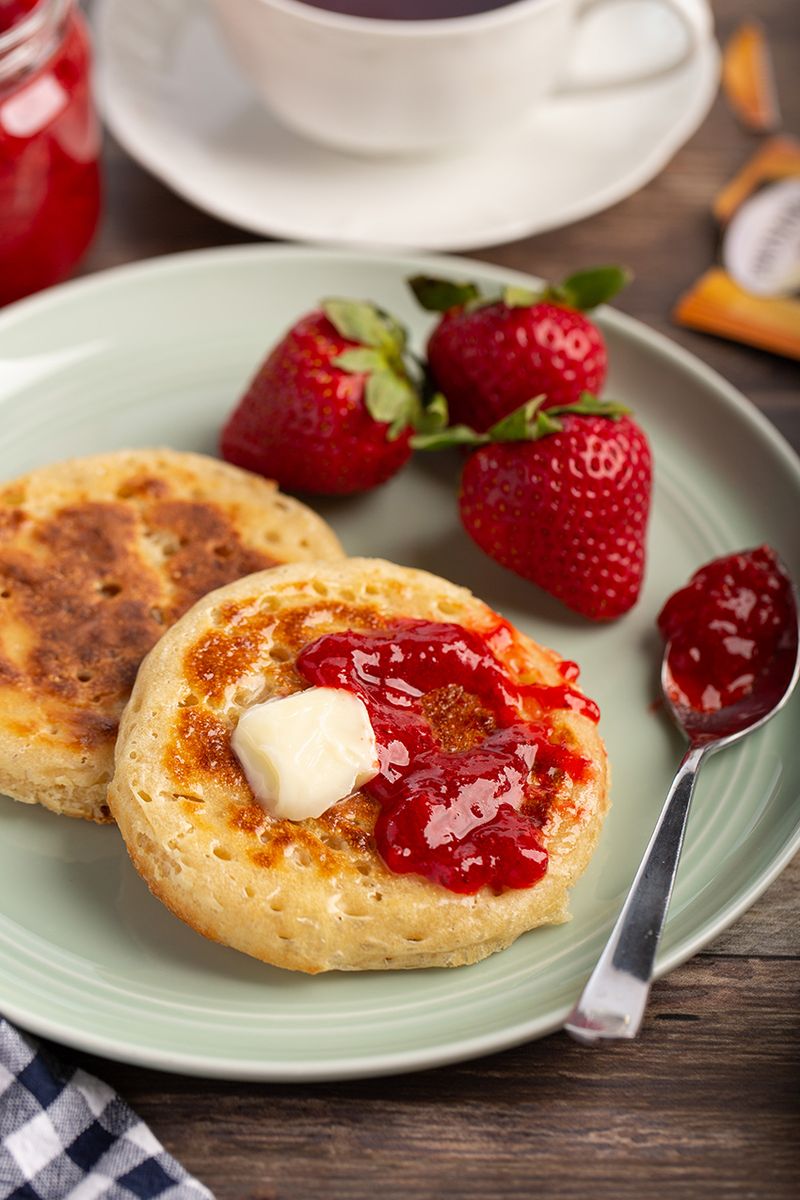
Crumpets are full of holes, and that is the whole point. Those little tunnels soak up melted butter like a sponge.
Cooked in metal rings on a hot griddle, crumpets are spongy and chewy rather than crusty. The British usually toast them for breakfast or afternoon tea.
Top them with butter and honey, or try cheese for something savory. Once you taste one, regular toast may feel a little boring.
17. Georgian Khachapuri
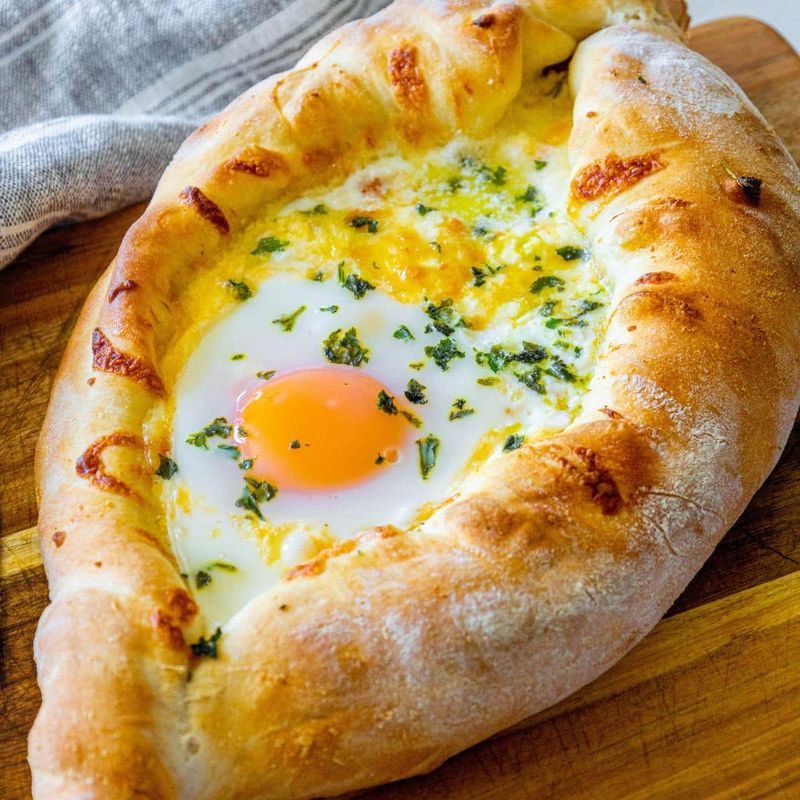
Imagine a bread boat filled with bubbling cheese, a pat of butter, and a runny egg. Meet Adjarian khachapuri, the pride of Georgia.
To eat it, you stir the egg and butter into the hot cheese. Then you tear off pieces of crust and dunk them in.
Georgia sits where Europe meets Asia, and its food blends both worlds. This cheesy treat is pure comfort.
18. Finnish Ruisleipä
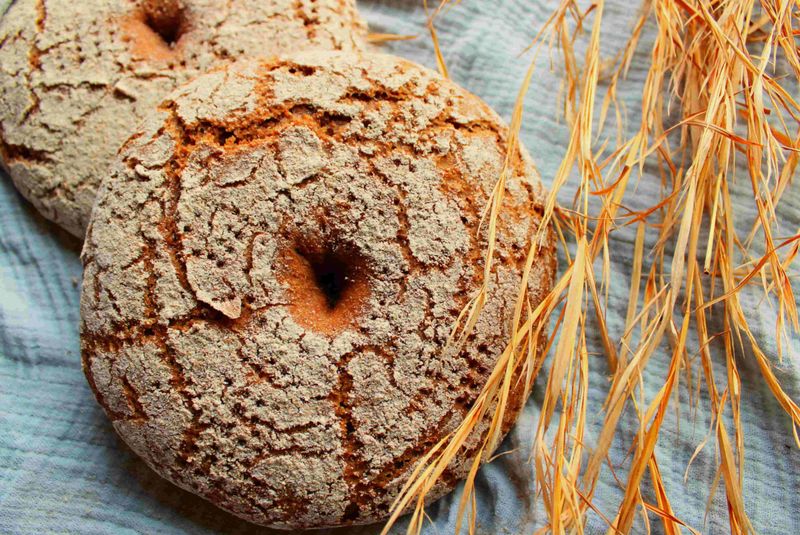
Finland voted ruisleipä its national food in 2017. That tells you how much Finns adore this sour rye loaf.
Made with 100 percent rye, it is often flat and round with a hole in the middle. The taste is sharp and tangy, a bit like sourdough with more attitude.
Enjoy it with butter and cheese, or alongside a bowl of salmon soup on a chilly evening.
19. Polish Bajgiel
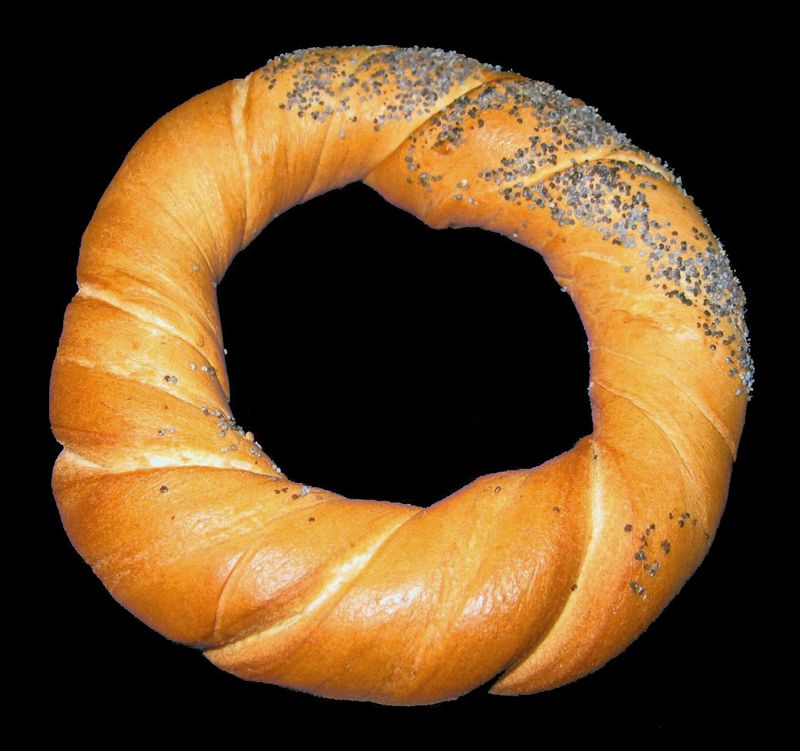
Long before New York made bagels famous, bakers in Kraków, Poland were boiling and baking bread rings. Records mention them back in the 1600s.
Today, you will also see obwarzanek, a twisted cousin sold from little blue street carts. It is topped with poppy seeds, sesame, or salt.
Grab one while walking through the old town square. It is cheap, chewy, and a tasty piece of history.
20. Swiss Zopf
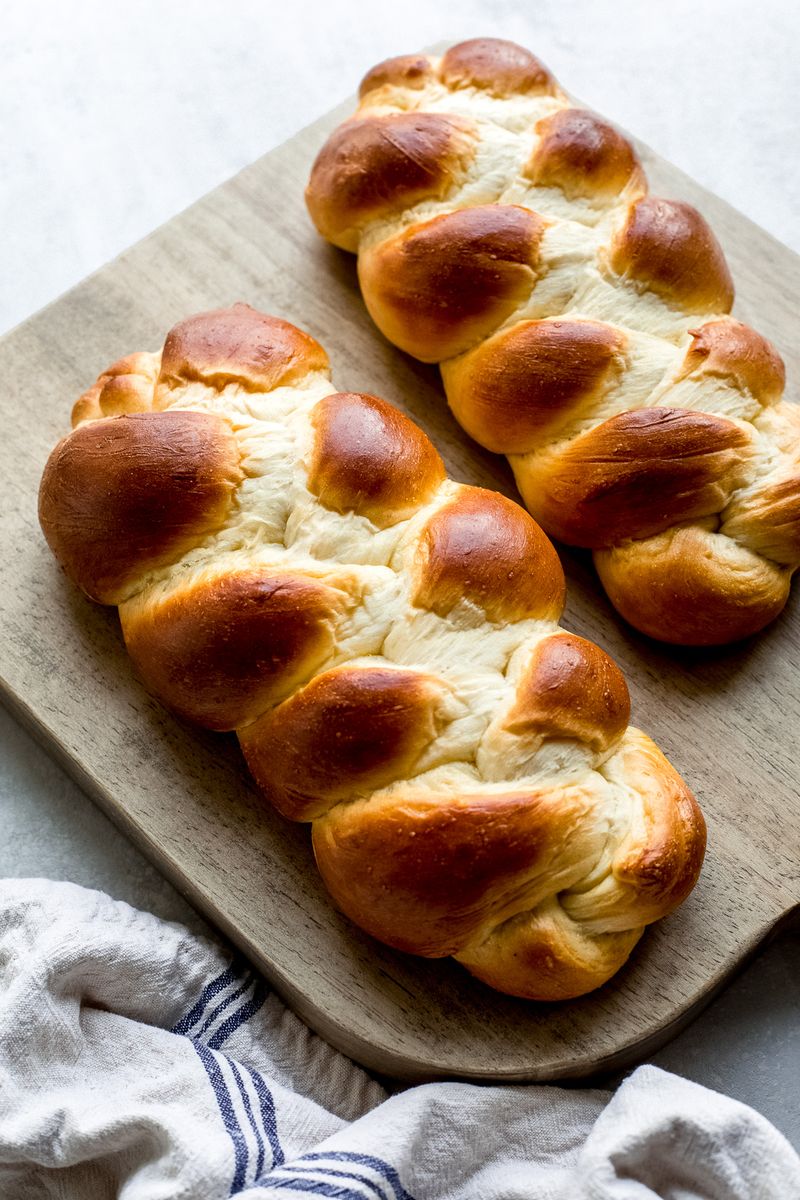
Sunday mornings in Switzerland often begin with zopf, a golden braided loaf. Its name simply means braid.
The dough is made with milk and butter, so it tastes rich but not too sweet. An egg wash gives it a lovely shine.
Braiding the dough is a fun kitchen project for kids. Serve slices with butter and apricot jam, and you have a breakfast fit for the Alps.
21. French Pain de Campagne
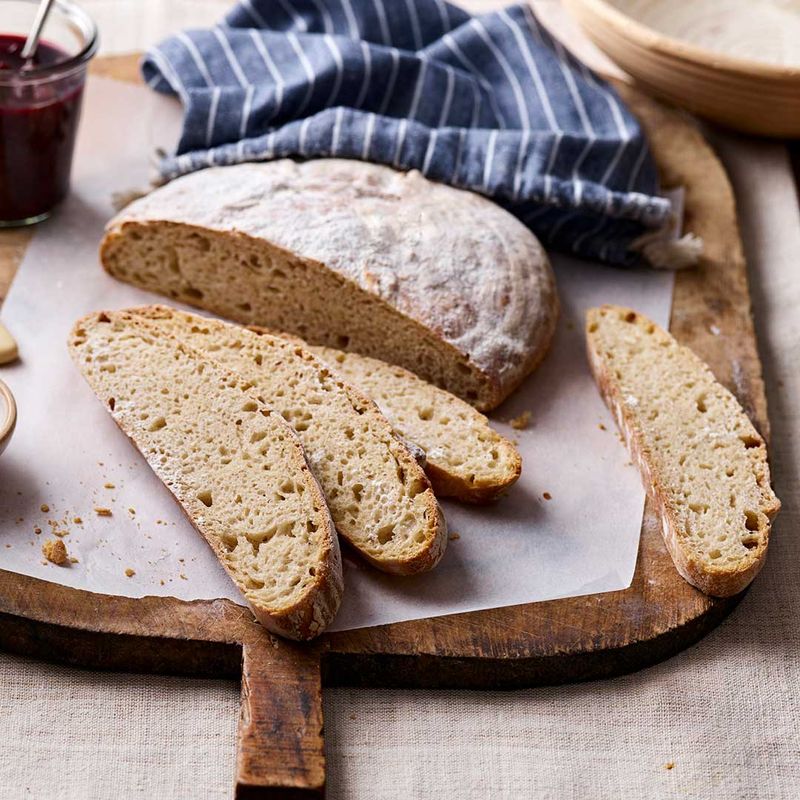
Country bread was made to last. Farm families in France baked big round loaves of pain de campagne once a week and ate them for days.
It uses sourdough and a mix of white, wheat, or rye flour. The result is a thick crust, a chewy center, and a mild tangy flavor.
Slice it for hearty sandwiches or soups. It is the perfect loaf for anyone curious about sourdough.