
Feeling full without overeating is something many people struggle with every day. The good news is that certain foods can help you feel satisfied while actually eating fewer calories.
These foods are often packed with fiber, water, or protein, which help your stomach feel full longer. Choosing the right foods can make healthy eating feel much easier and more enjoyable.
1. Oatmeal
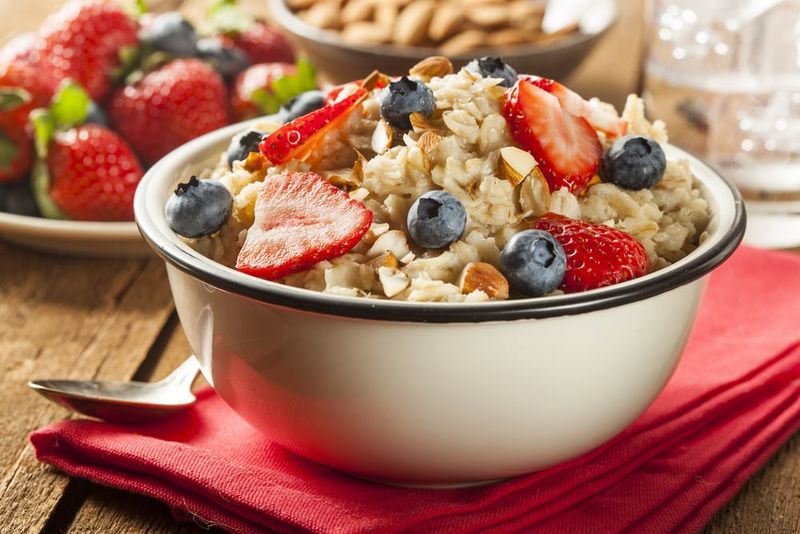
There is a reason oatmeal has been a breakfast staple for centuries. It is packed with soluble fiber, especially a type called beta-glucan, which slows digestion and keeps you feeling full for hours.
Studies show people who eat oatmeal for breakfast tend to eat less at their next meal.
It is also surprisingly versatile. Add fruit, nuts, or a sprinkle of cinnamon to make it more exciting without adding too many extra calories.
2. Eggs
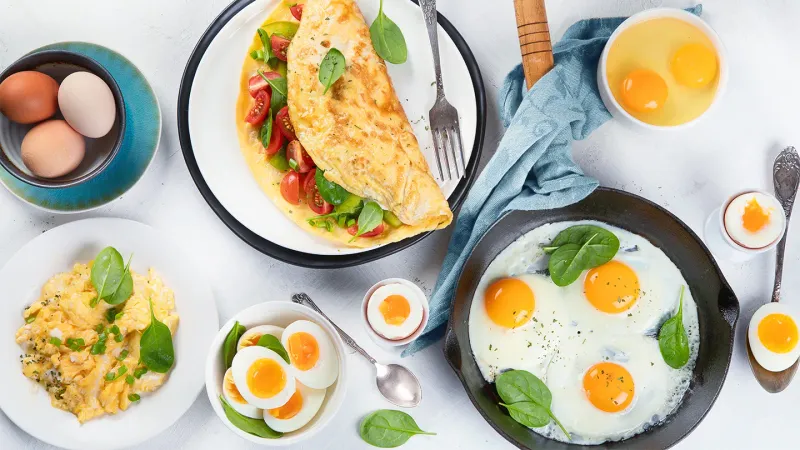
Eggs are one of the most filling foods you can eat, calorie for calorie. They are loaded with high-quality protein, which signals your brain that you have had enough to eat.
Research has found that people who eat eggs for breakfast consume fewer calories throughout the rest of the day.
Hard-boiled, scrambled, or poached, eggs work in almost any meal. They are affordable, quick to prepare, and genuinely satisfying in a way few foods can match.
3. Greek Yogurt
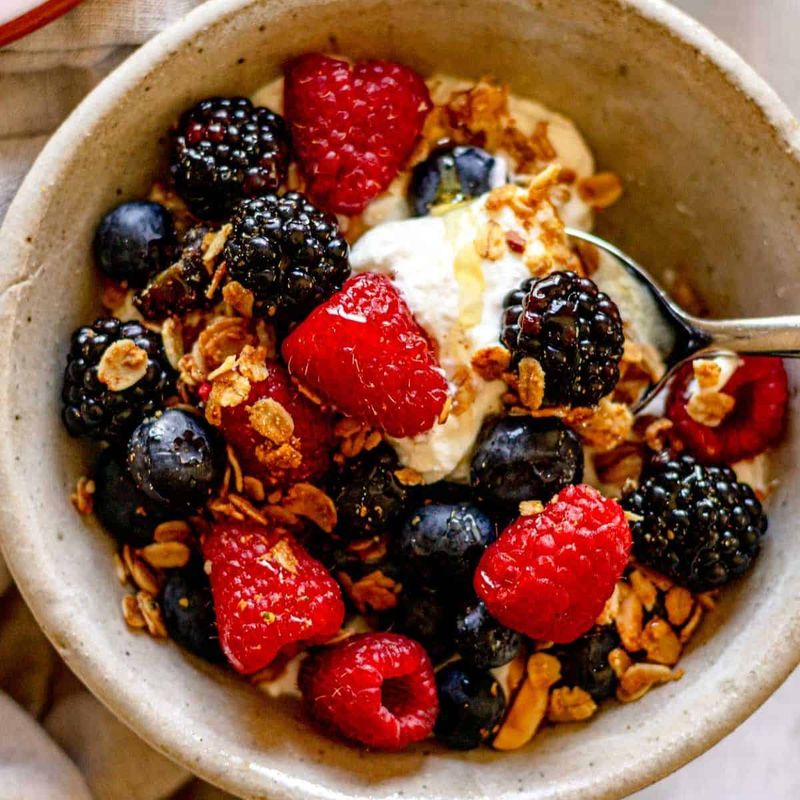
Thick, creamy, and packed with protein, Greek yogurt is a snack that actually keeps hunger at bay. It contains roughly twice the protein of regular yogurt, which helps slow digestion and reduce appetite.
Some research even suggests that eating high-protein dairy can help people eat less overall during the day.
Choose plain varieties to avoid added sugar, and top it with fresh fruit for natural sweetness. It works beautifully as a breakfast, snack, or even a dessert substitute.
4. Apples
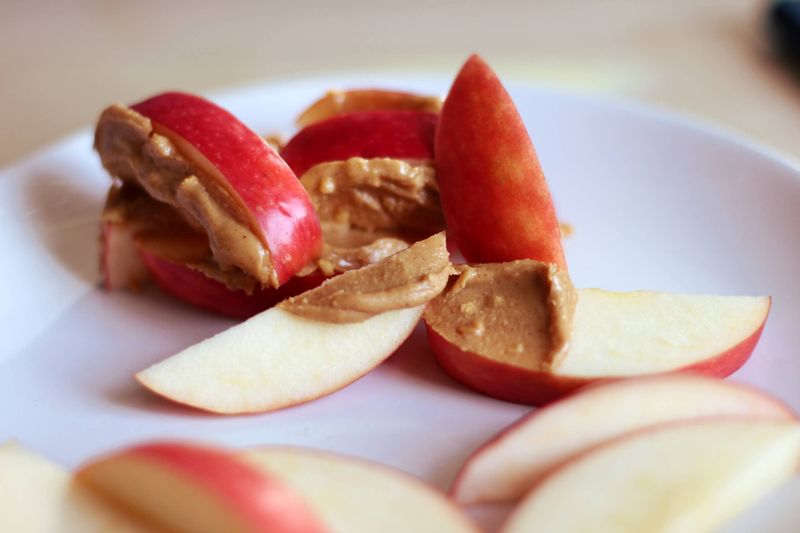
Crunchy, sweet, and surprisingly filling, apples are a go-to snack for good reason. Each apple contains a fiber called pectin, which slows digestion and helps you feel satisfied longer.
The high water content also adds volume to your snack without piling on calories.
Chewing an apple takes time, which naturally slows down eating and gives your body a chance to register fullness. Pair one with a small amount of nut butter for an even more satisfying mini-meal.
5. Legumes
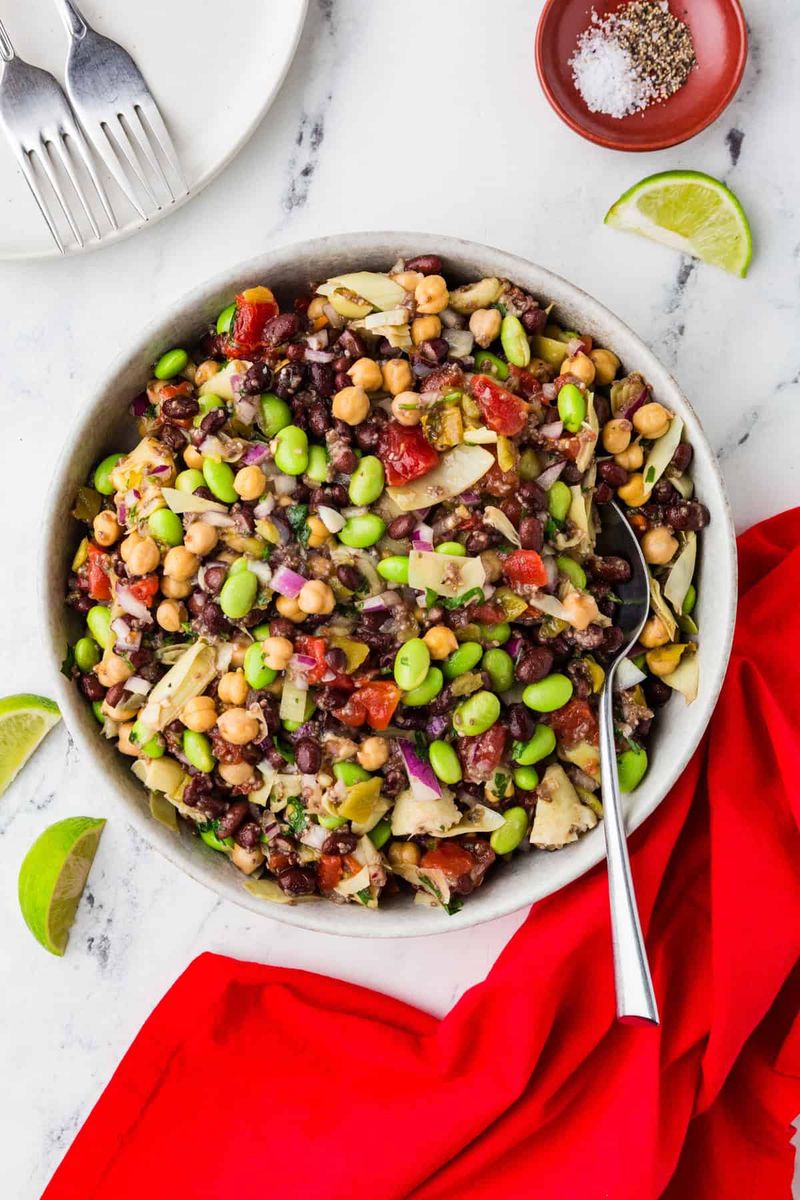
Beans, lentils, and chickpeas might be humble, but they are nutritional powerhouses when it comes to keeping hunger away. They combine protein and fiber in one package, a combination that is incredibly effective at making you feel full.
A single cup of lentils has about 18 grams of protein and 16 grams of fiber.
Adding legumes to soups, salads, or grain bowls is an easy way to stretch a meal further while eating fewer calories overall. Budget-friendly too.
6. Soup
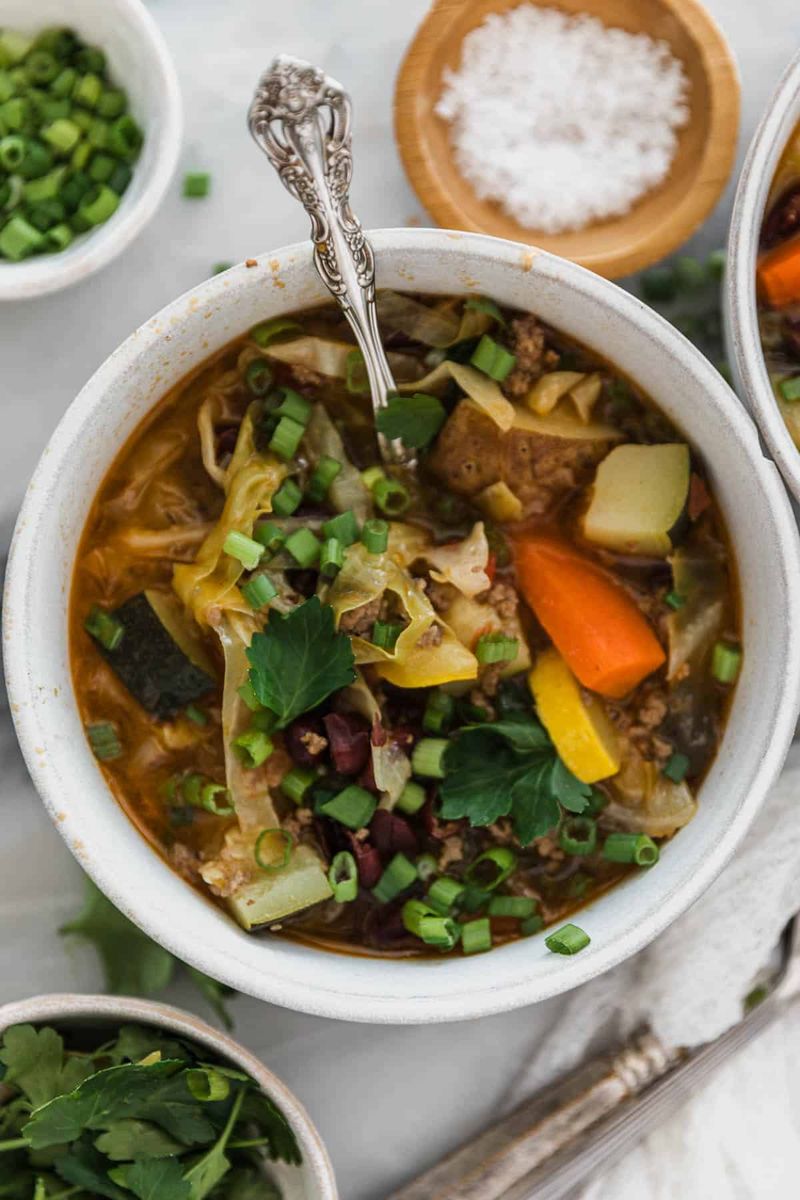
Starting a meal with a broth-based soup is one of the oldest tricks for eating less without feeling deprived. Research from Penn State University found that eating soup before a meal reduced total calorie intake by around 20 percent.
The liquid fills space in your stomach and slows down how quickly you eat.
Stick to clear or vegetable-based soups rather than creamy ones to keep calories low. A simple vegetable or chicken broth soup is all you need.
7. Cottage Cheese
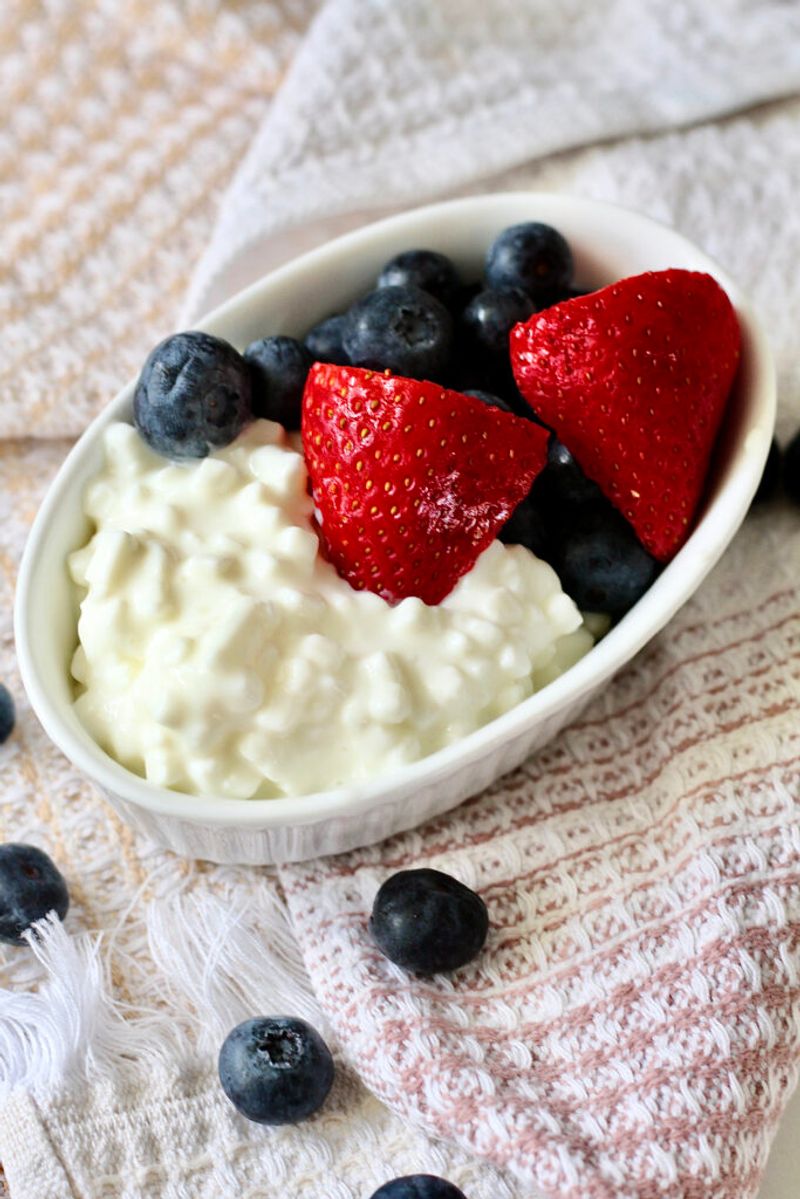
Cottage cheese is quietly one of the best high-protein, low-calorie foods available. A half-cup serving packs around 14 grams of protein while staying under 100 calories.
Protein takes longer to digest than carbohydrates, which means you stay full for a good stretch of time after eating it.
Its mild flavor makes it easy to pair with almost anything, from fresh fruit to tomatoes and herbs. Many people are surprised by how satisfying a small portion actually feels.
8. Boiled Potatoes
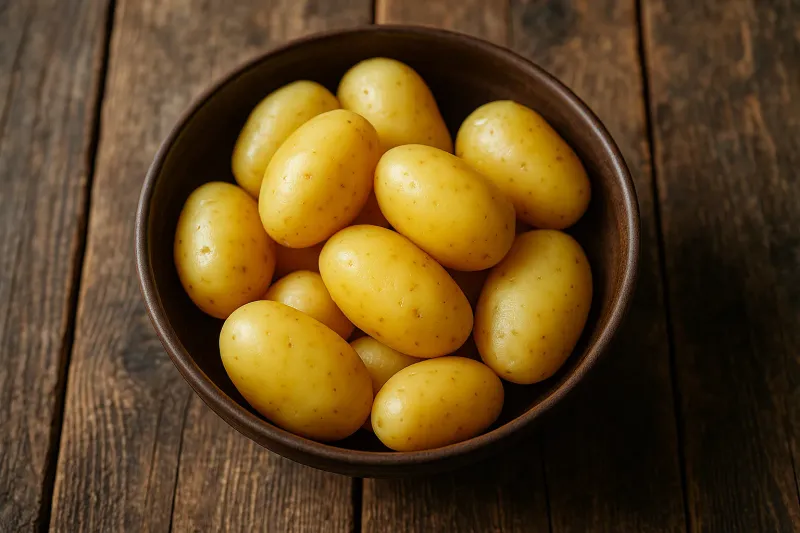
Potatoes have gotten an unfair reputation, but boiled potatoes are actually among the most filling foods studied by nutrition researchers. Scientists created a “Satiety Index” ranking how full different foods make people feel, and boiled potatoes ranked number one.
They contain a type of starch that resists digestion, helping you feel satisfied longer.
The key is keeping them simple. Skip the butter and sour cream, and enjoy them seasoned with herbs and a touch of olive oil instead.
9. Popcorn
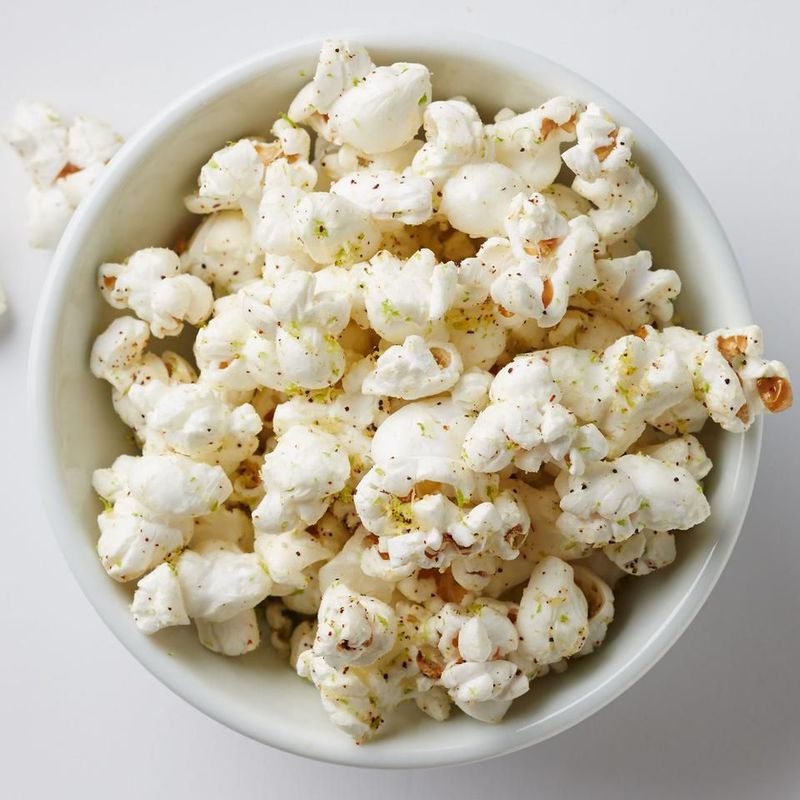
Air-popped popcorn is one of those rare snacks that feels indulgent but is actually quite low in calories. Three whole cups of air-popped popcorn contain only about 90 calories, yet all that volume takes up real space in your stomach.
The fiber in popcorn also contributes to the feeling of fullness.
The trick is keeping it simple. Skip the heavy butter and salt.
A light sprinkle of nutritional yeast or a dash of paprika can add flavor without derailing your calorie goals.
10. Chia Seeds
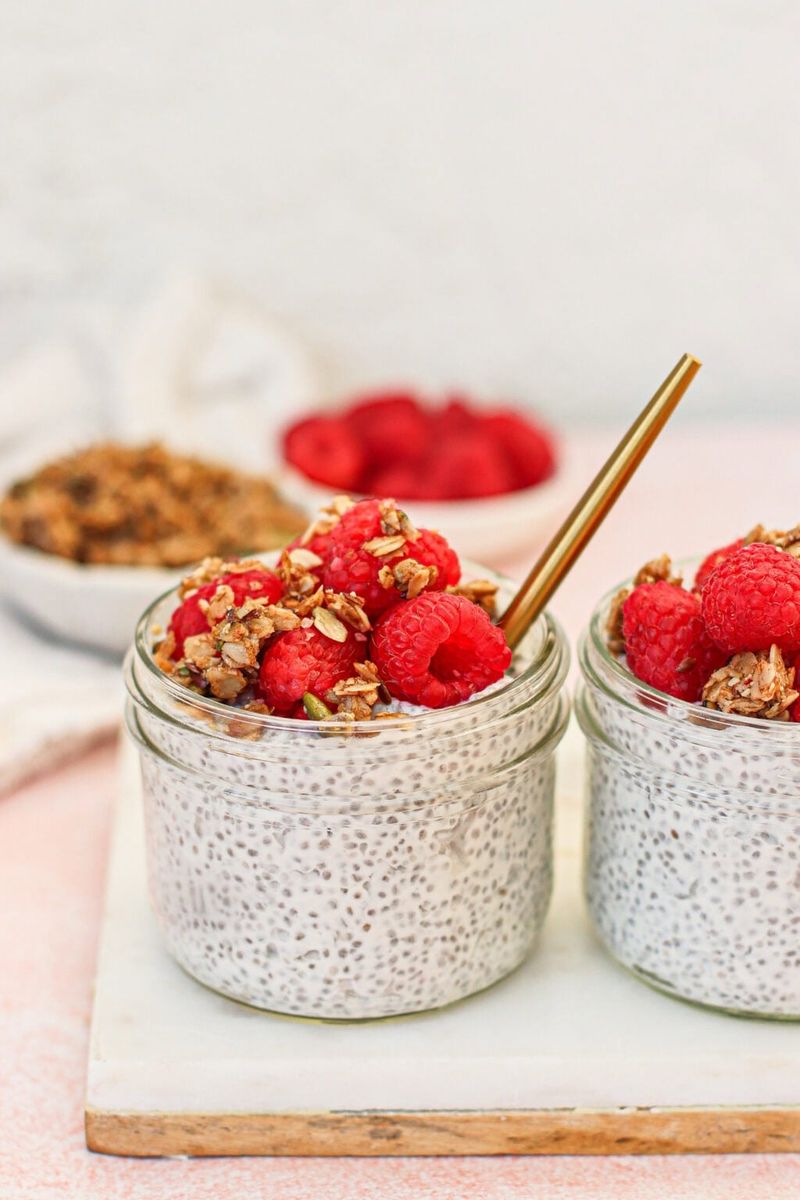
Tiny but mighty, chia seeds expand dramatically when they absorb liquid, forming a gel-like substance in your stomach. This expansion helps you feel full without consuming many calories.
Just two tablespoons of chia seeds contain about 10 grams of fiber, nearly a third of the daily recommended amount.
Mix them into yogurt, smoothies, or make a simple chia pudding overnight. The texture might take some getting used to, but the fullness they provide is genuinely impressive for such a small food.
11. Salmon
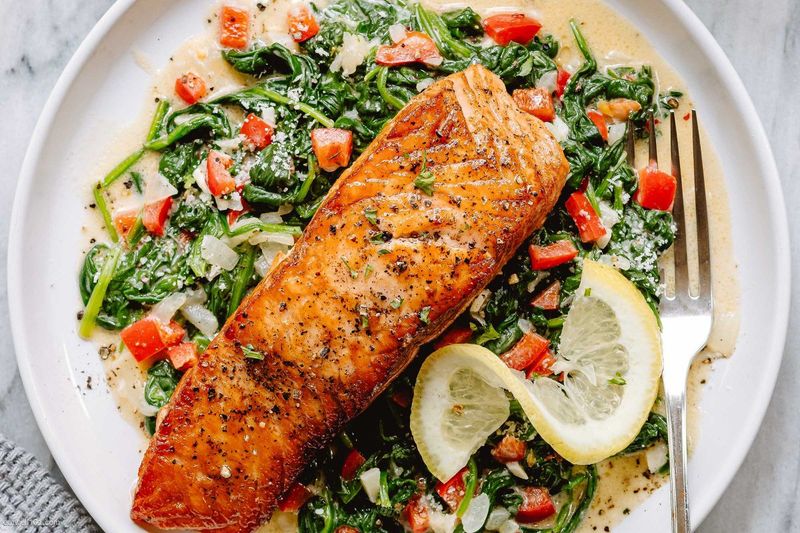
Salmon is one of the most satisfying proteins you can put on your plate. It is rich in omega-3 fatty acids, which research suggests may actually increase feelings of fullness by interacting with hunger hormones.
Plus, the high protein content keeps your appetite in check well after the meal is over.
A standard serving of salmon is around 200 calories but leaves you feeling genuinely well-fed. Pair it with vegetables for a complete meal that is low in calories and high in nutrients.
12. Cucumbers
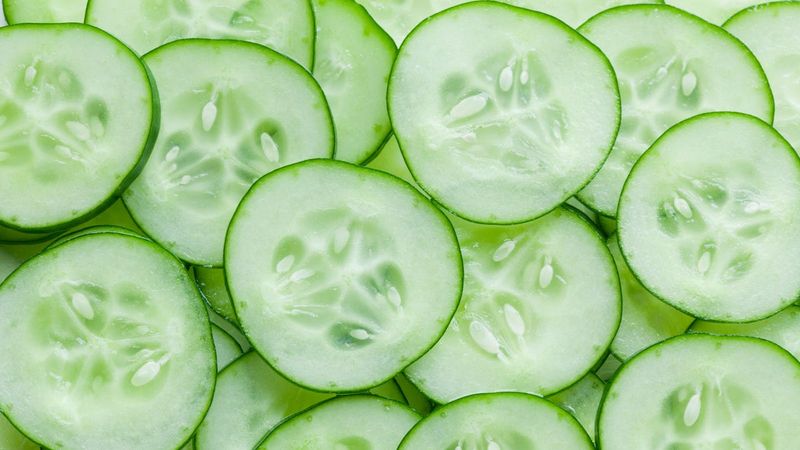
Few vegetables are as refreshing and low in calories as the cucumber. About 95 percent of a cucumber is water, meaning you can eat a large amount without consuming more than a handful of calories.
That high water content adds real bulk to your meal, helping your stomach feel fuller faster.
Slice them up as a snack with hummus, toss them into salads, or add them to water for a refreshing twist. Cucumbers are one of the easiest ways to add volume to your diet.
13. Watermelon
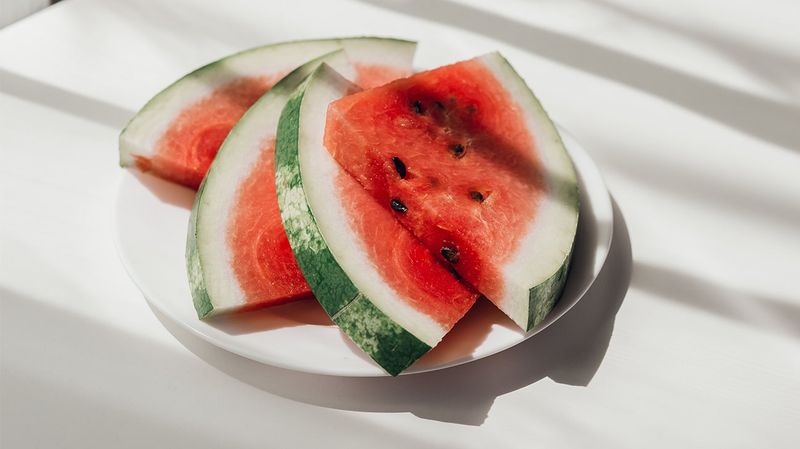
Watermelon is basically nature’s hydration snack wrapped in sweetness. It is made up of over 90 percent water, which means you can eat a generous portion for very few calories.
The natural sweetness also satisfies sugar cravings in a way that feels genuinely indulgent, even though it is not.
A two-cup serving of watermelon has only about 80 calories. Eating it slowly and savoring each bite allows your body time to register fullness, making it a smart choice for warm days or afternoon snack cravings.
14. Leafy Greens
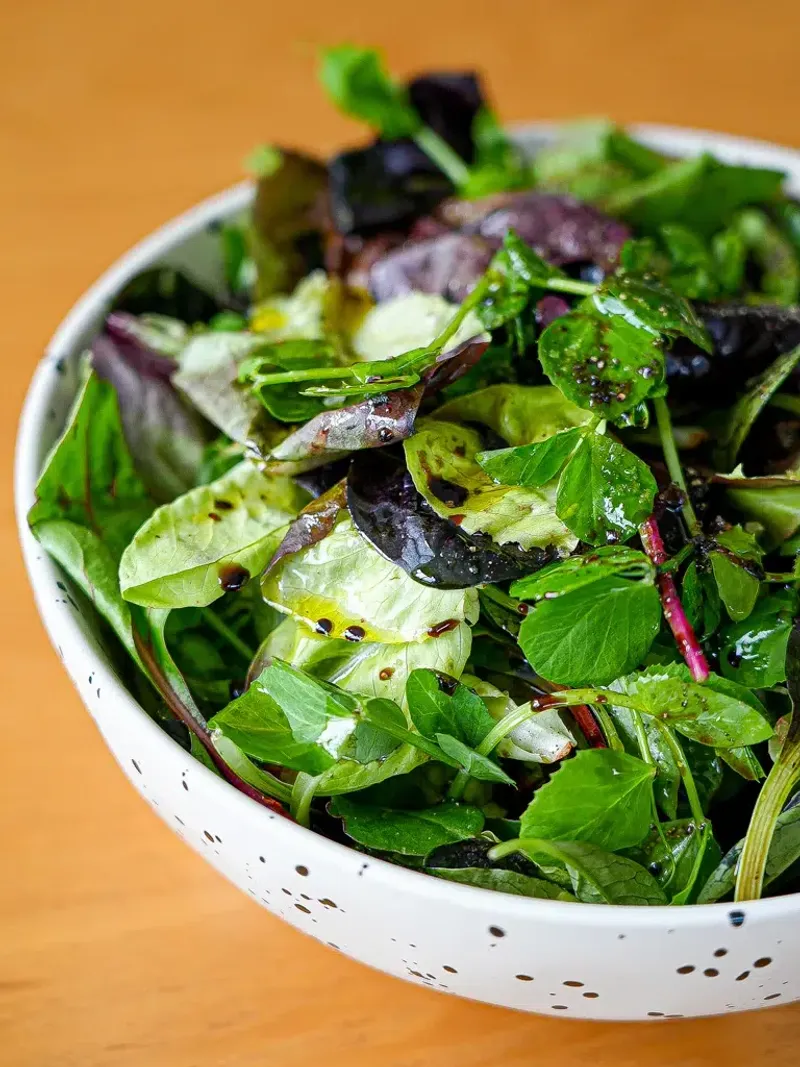
Spinach, kale, arugula, and romaine lettuce are among the lowest-calorie foods on the planet. You can pile your plate with leafy greens and barely register a dent in your daily calorie count.
What they lack in calories, they more than make up for in fiber, vitamins, and minerals that support overall health.
Adding a large handful of greens to any meal instantly increases the volume without the calories. They are a brilliant base for salads, stir-fries, and even smoothies when you want to eat more and feel full.
15. Almonds
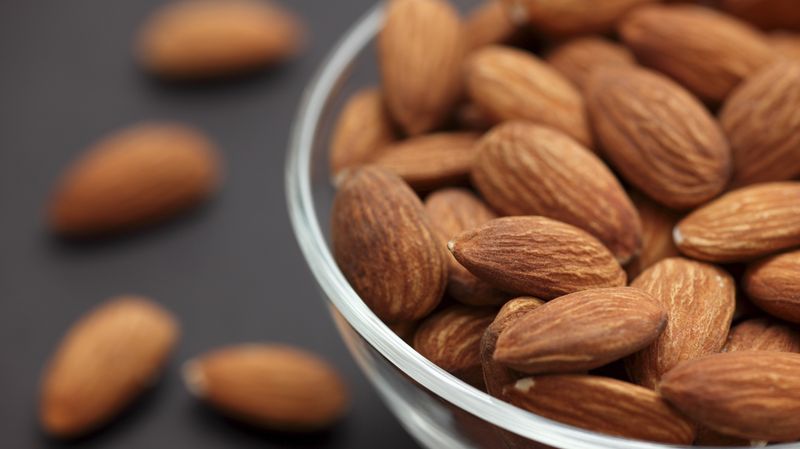
Almonds are calorie-dense, but surprisingly, research shows that people who snack on them tend not to overeat later. The combination of protein, healthy fat, and fiber creates a slow, steady feeling of fullness that lasts much longer than most snacks.
Studies also suggest the body does not absorb all the fat in almonds, meaning the effective calorie count may be lower than listed.
A small handful, about 23 almonds, is the right portion. Keep a bag nearby for moments when hunger strikes between meals.
16. Broccoli
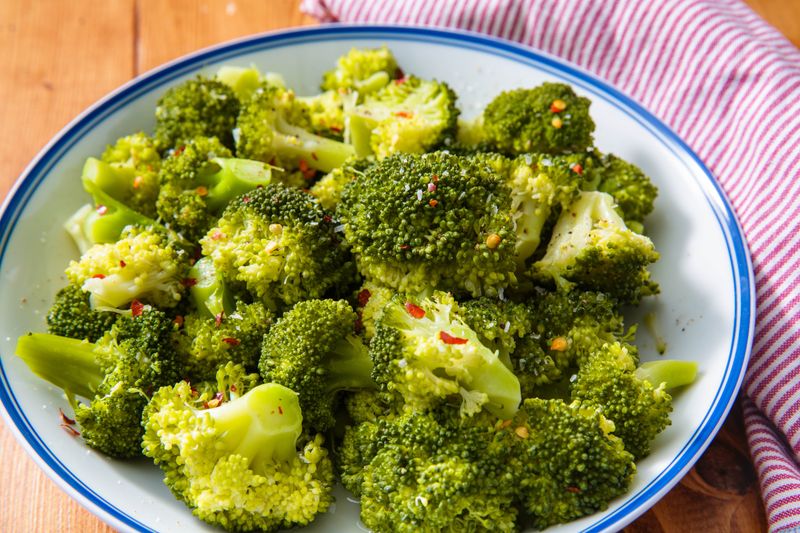
Broccoli is the kind of vegetable that earns its reputation. A full two cups of steamed broccoli contains only about 55 calories, yet it provides a solid dose of fiber, vitamin C, and even a small amount of protein.
That combination makes it one of the most filling low-calorie vegetables available.
Roasting broccoli brings out a slightly nutty, caramelized flavor that even picky eaters tend to enjoy. It works as a side dish, a stir-fry ingredient, or even a snack dipped in hummus or light dressing.
17. Lentil Soup
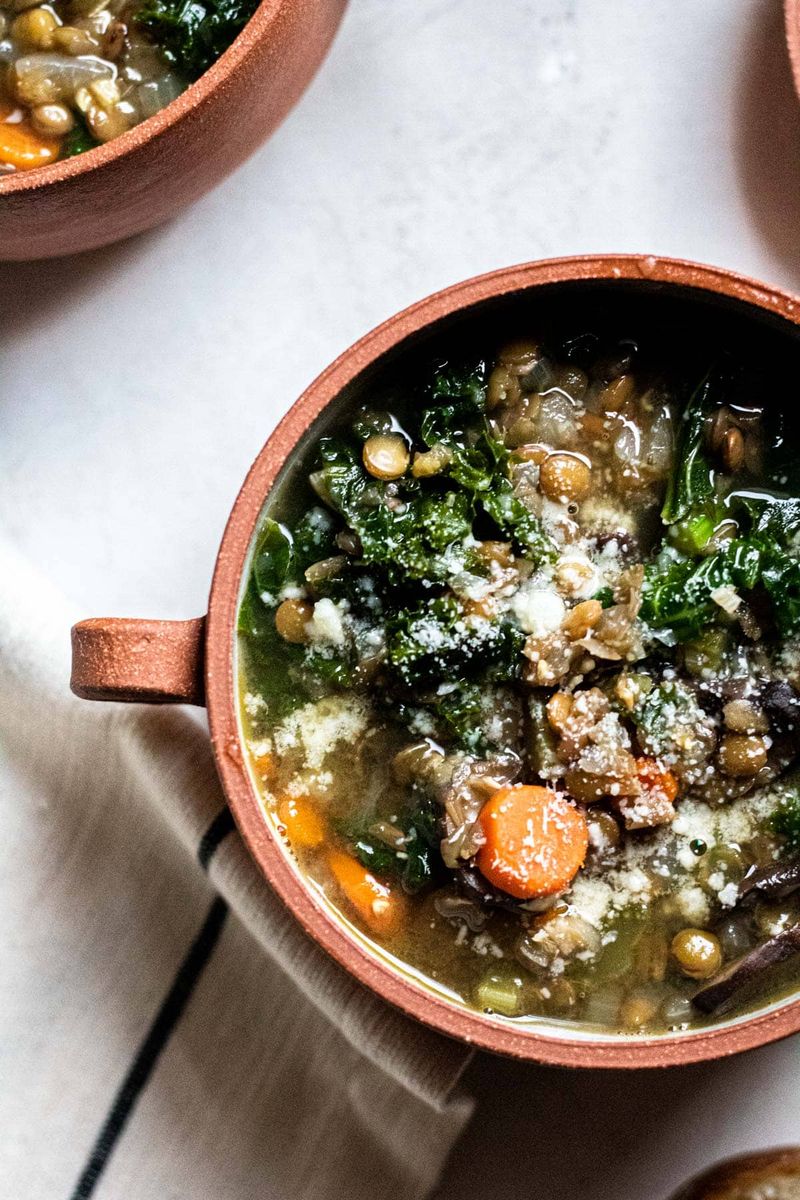
Lentil soup manages to be hearty, warming, and surprisingly low in calories all at once. The combination of lentils and liquid creates a thick, filling meal that keeps hunger away for hours.
A single bowl provides fiber, plant-based protein, and complex carbohydrates that digest slowly and steadily.
It is also one of the most budget-friendly meals you can make. A big pot of lentil soup costs very little and lasts several days, making it practical as well as genuinely satisfying for anyone watching their calorie intake.
18. Berries
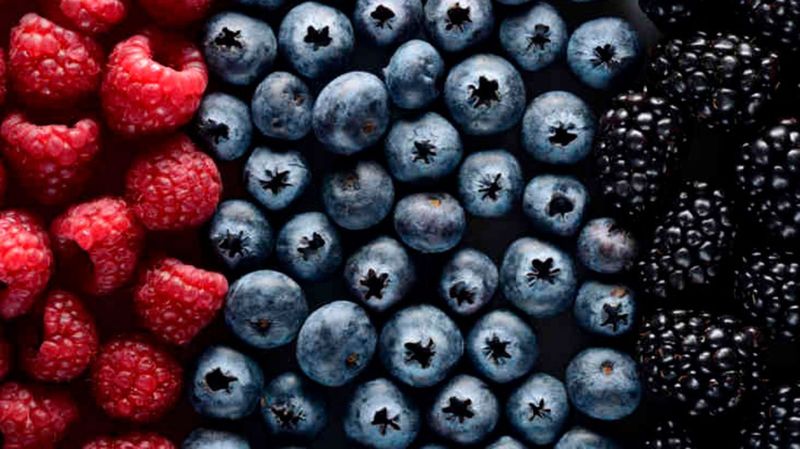
Blueberries, raspberries, and strawberries are among the lowest-sugar fruits available, yet they taste naturally sweet and satisfying. Raspberries in particular are incredibly high in fiber, with about 8 grams per cup, which is exceptional for a fruit.
That fiber slows digestion and keeps you feeling full well after eating.
Berries also satisfy sweet cravings without the calorie load of desserts or processed snacks. Toss them into yogurt, oatmeal, or eat them plain as a refreshing snack that supports your goals without any guilt involved.
19. Avocado
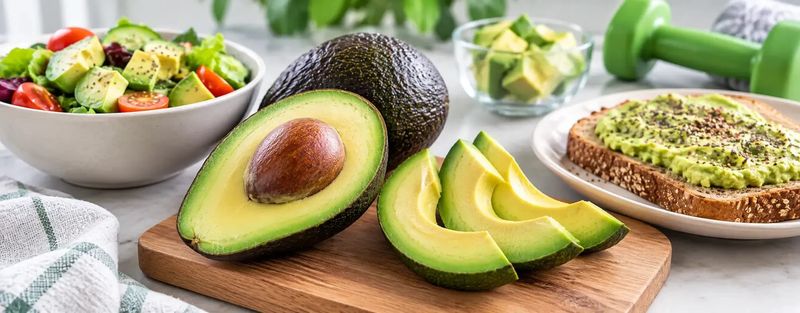
Avocados are calorie-rich by nature, but the healthy monounsaturated fats they contain are remarkably effective at reducing hunger. Research has found that adding avocado to a meal significantly increases feelings of fullness for up to five hours afterward.
A little goes a long way, both in flavor and in keeping appetite under control.
Half an avocado on whole-grain toast or sliced into a salad adds richness and creaminess that makes a simple meal feel genuinely indulgent. It is one of the more luxurious ways to eat fewer calories overall.
20. Whole Grain Bread
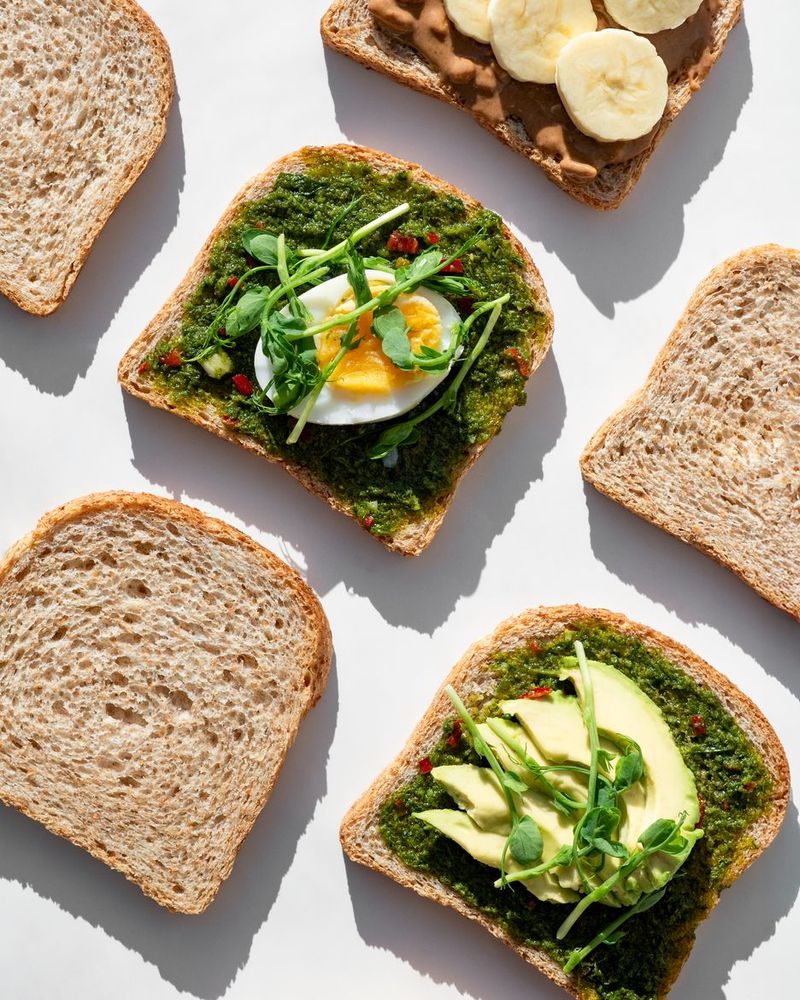
Not all bread is created equal, and whole grain bread is genuinely different from its white counterpart. Made from the entire grain kernel, it retains fiber and nutrients that are stripped away in refined white bread.
That extra fiber slows digestion, keeping blood sugar stable and hunger at bay for longer periods after eating.
Swapping white bread for whole grain in sandwiches and toast is one of the easiest dietary changes you can make. The difference in how full you feel afterward is often noticeable within just a few days of switching.
21. Water-Rich Vegetables
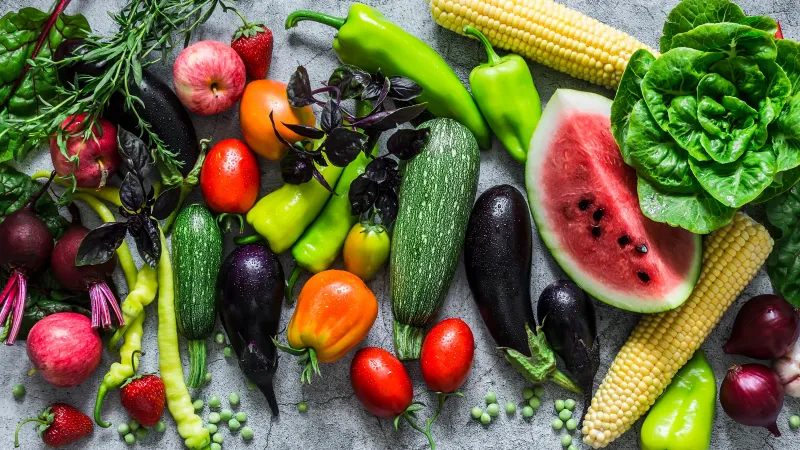
Celery, zucchini, bell peppers, and tomatoes share one powerful quality: they are mostly water. Eating vegetables with high water content adds real volume to your meals without adding many calories at all.
This volume stretches your stomach slightly, which sends fullness signals to your brain much sooner than eating calorie-dense foods would.
Snacking on these vegetables throughout the day is one of the simplest strategies for managing hunger. Keep a container of pre-cut veggies in the fridge so reaching for something crunchy and satisfying is always the easiest option available.