
Have you ever ordered a meal and wondered why on earth it was called that? Plenty of famous foods have names that seem silly, confusing, or just plain wrong.
Learning the stories behind them can make you a smarter eater and a better dinner guest. Get ready to laugh, scratch your head, and maybe feel a little hungry.
1. Buffalo Wings
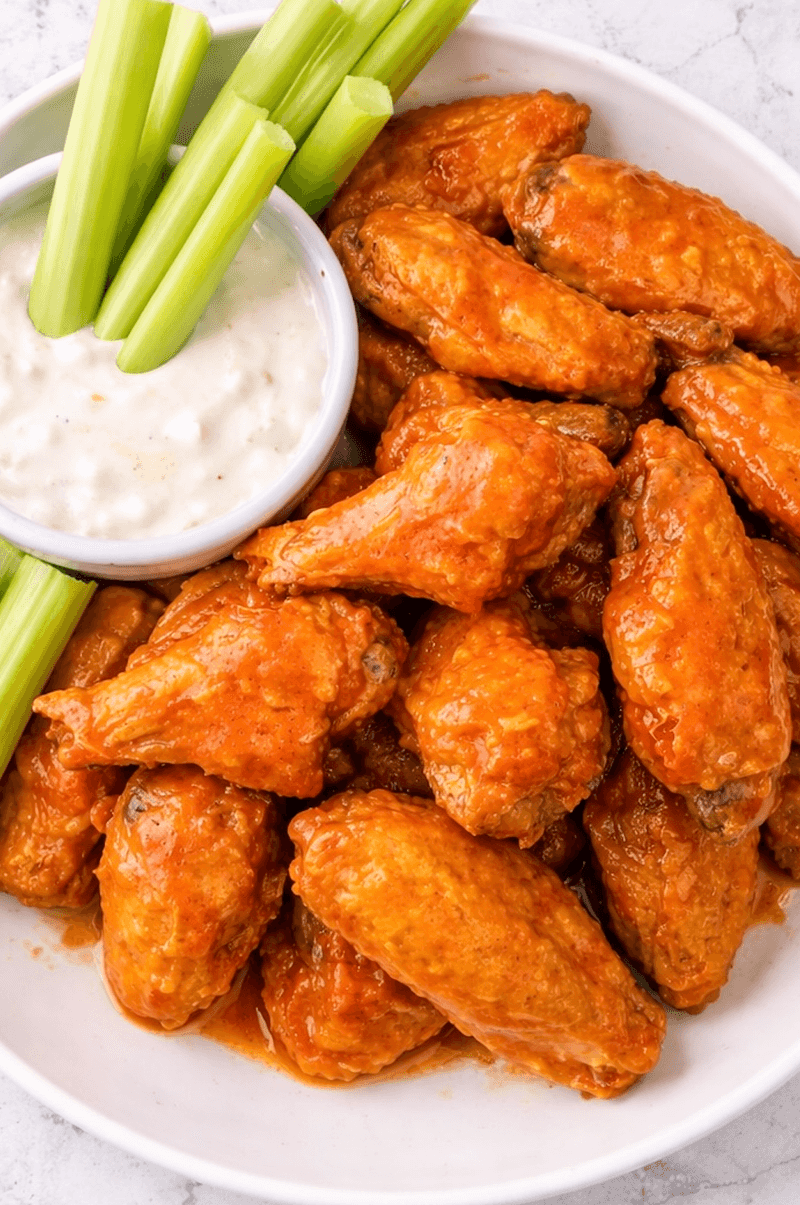
No buffalo was harmed in the making of these wings. They are chicken, plain and simple, tossed in a spicy, buttery hot sauce.
The name comes from Buffalo, New York, where the Anchor Bar supposedly served them first in 1964. Legend says the owner’s family needed a quick late-night snack.
Next time you order, try them with celery and blue cheese dip. Those cool sides help calm the fiery heat.
2. Hot Dogs
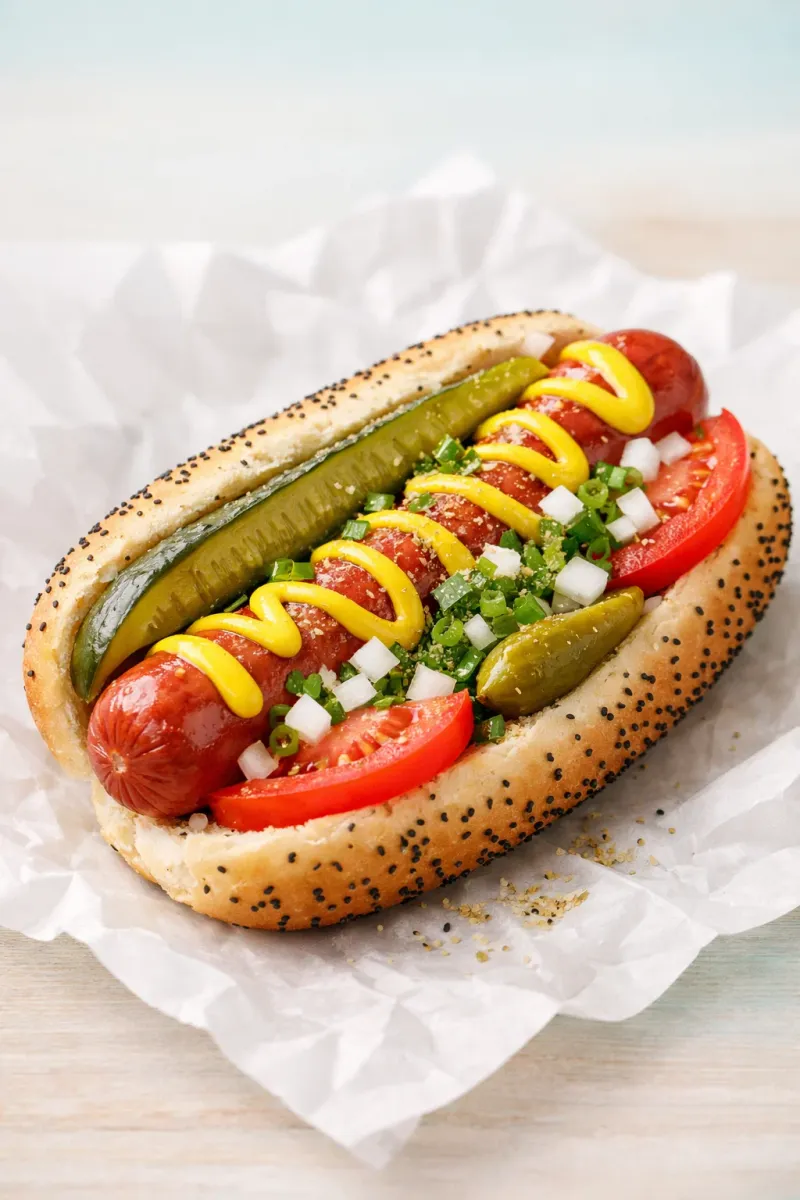
Picture a baseball game in the early 1900s. Vendors shouted about red-hot sausages, and jokes spread that the meat came from dogs.
Thankfully, that rumor was never true. Hot dogs are usually made from beef, pork, or chicken.
German immigrants called them dachshund sausages because they looked long and skinny like the little dog breed.
Over time, people shortened the nickname. Now nobody blinks when ordering one with mustard.
3. Toad in the Hole
Brace yourself, frog fans. There are zero toads in this classic British meal.
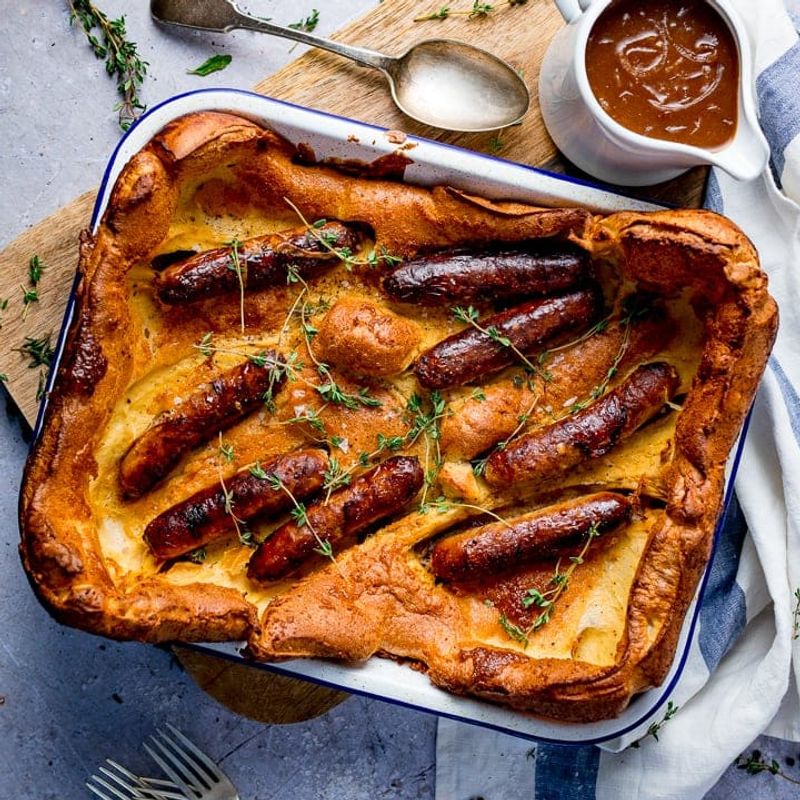
Instead, you get juicy sausages baked inside a puffy batter called Yorkshire pudding. The sausages peek out of the golden crust, a bit like toads poking their heads from a burrow.
That cute image probably inspired the name.
Families in England often serve it with onion gravy on chilly evenings. It is cozy, filling, and surprisingly easy to make at home.
4. Sweetbreads
Sweet? Nope.
Bread? Not even close.
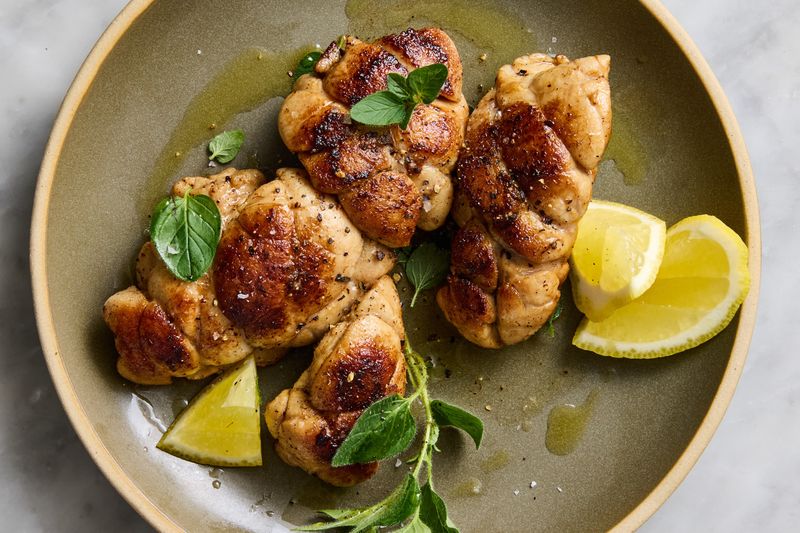
Sweetbreads are actually organ meat, usually the thymus gland or pancreas of a calf or lamb.
Historians think the word sweet once meant rich or tasty, while bread came from an old English word for flesh. Put together, the name sounded far more appealing than the truth.
Chefs love them seared until crispy. Curious eaters should try a small bite before deciding.
5. Rocky Mountain Oysters
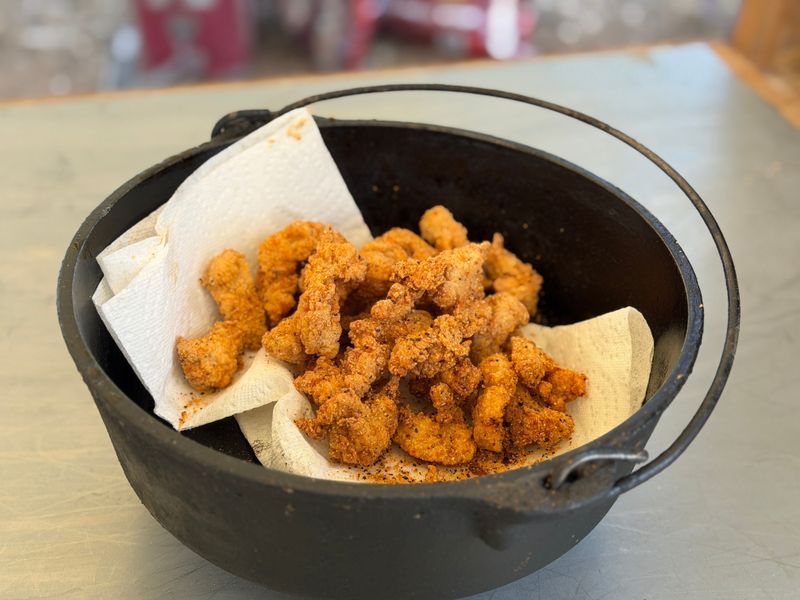
Here is a fun prank to know about before visiting Colorado. Rocky Mountain oysters are not seafood at all.
They are deep-fried bull testicles, a ranch food that cowboys started eating to avoid wasting anything. Calling them oysters made the dish sound fancier and less shocking.
Many people say they taste like chewy fried chicken. Brave travelers can find them at festivals and old-school steakhouses across the American West.
6. Spotted Dick
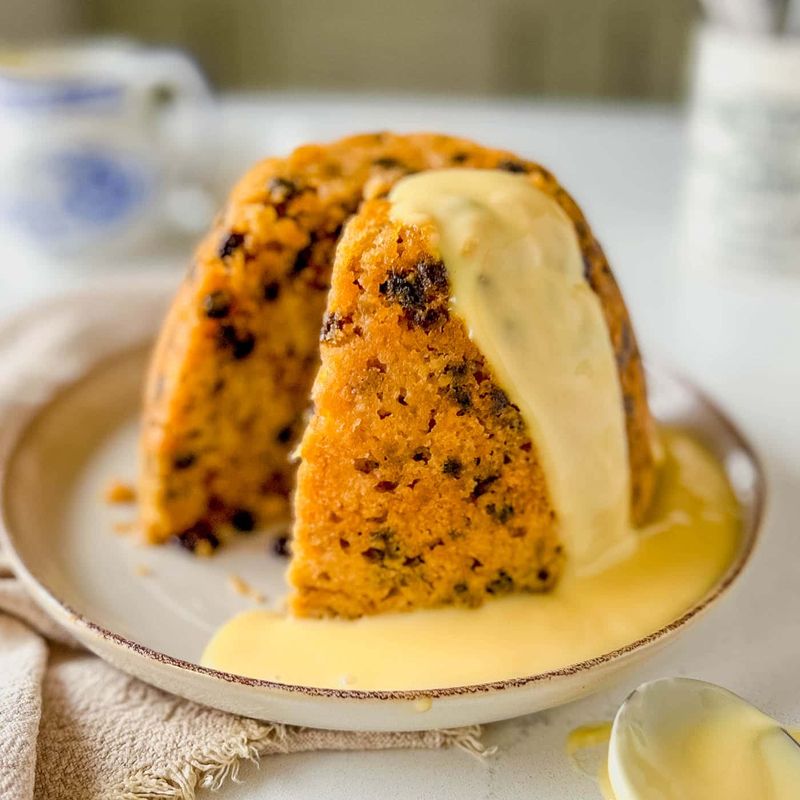
Giggles are almost guaranteed when British kids hear this dessert name for the first time. Spotted dick is a steamed sponge pudding dotted with currants or raisins.
The spots make sense. The second word likely came from an old regional term for pudding or dough.
Fun fact: one hospital cafeteria once renamed it Spotted Richard to avoid jokes. Try it smothered in warm custard for the full experience.
7. Egg Cream
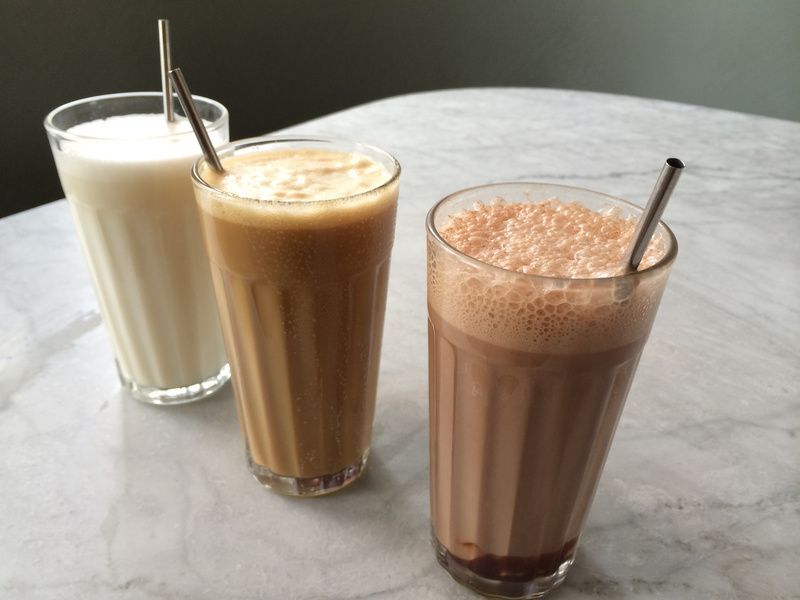
Walk into an old New York diner and order an egg cream. You will get a fizzy drink with zero eggs and zero cream.
It is made from milk, seltzer water, and chocolate syrup. Nobody knows exactly why it got this name.
Some say early versions used eggs, while others think it came from a Yiddish word.
Stir it quickly for a thick, frothy top. Delicious mystery!
8. Head Cheese
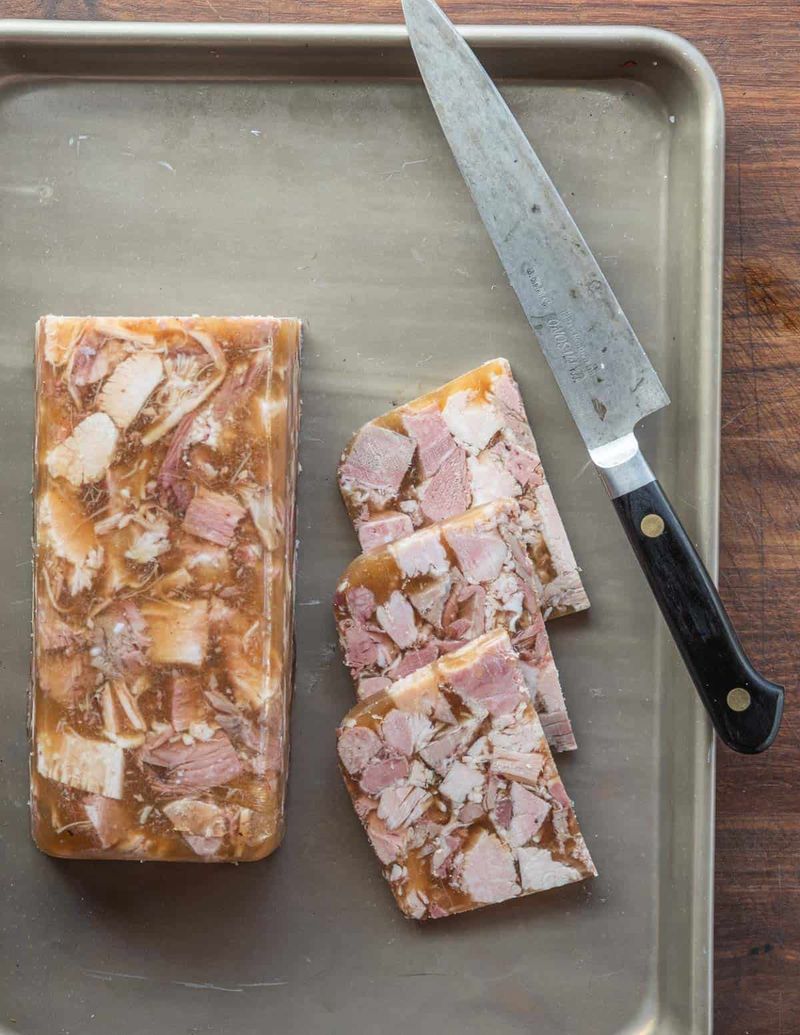
Cheese lovers, step back slowly. Head cheese has no milk in it whatsoever.
Instead, it is a cold meat jelly made from parts of a pig’s or cow’s head, simmered for hours until everything sets into a loaf. The cheese part probably comes from its shape, since it was pressed in molds like cheese.
Slice it thin and serve with mustard and crackers. Many European grandparents still swear by it.
9. Welsh Rarebit
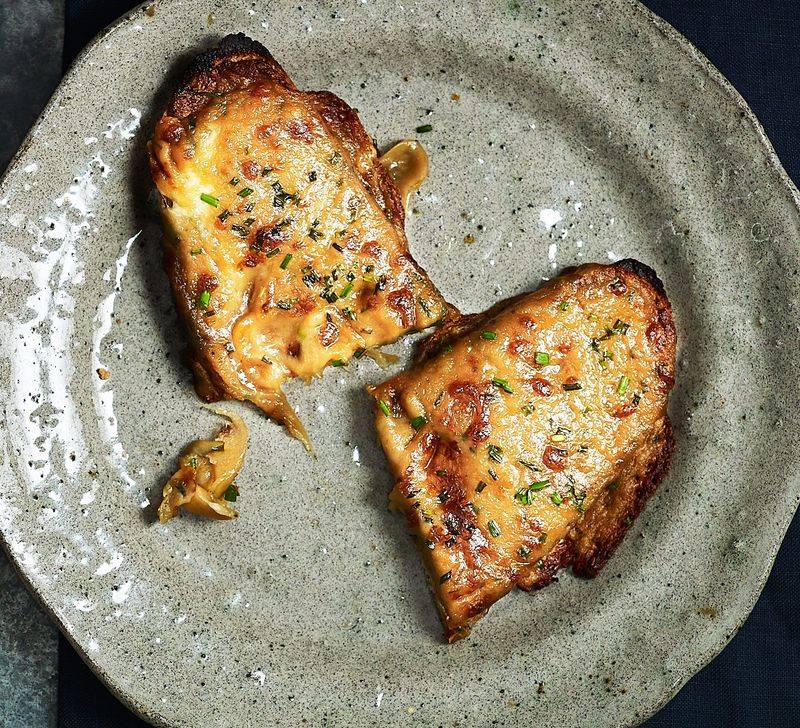
Hungry for rabbit? Too bad, because Welsh rarebit is really fancy cheese on toast.
The original name was Welsh rabbit, likely an old English joke suggesting poor Welsh folks could only afford cheese instead of meat. Later, people changed it to rarebit to sound classier.
To make it, melt cheddar with mustard and a splash of milk, then pour it over toast and broil. Simple comfort food at its finest.
10. Bombay Duck
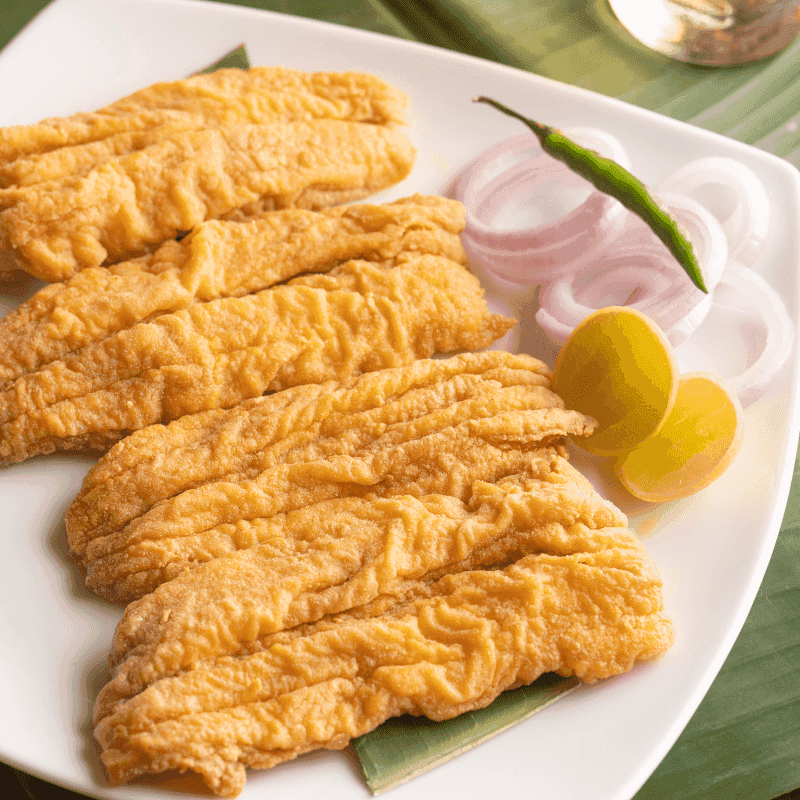
Ducks quack. Bombay duck swims.
This popular Indian dish is actually a lizardfish, often dried or fried until crispy.
One theory says the name came from the Bombay Mail train, which carried the smelly dried fish. British soldiers supposedly twisted the word dak, meaning mail, into duck.
In Mumbai, locals call it bombil. Fried with spices, it is soft inside and crunchy outside, a true coastal treat.
11. Bubble and Squeak
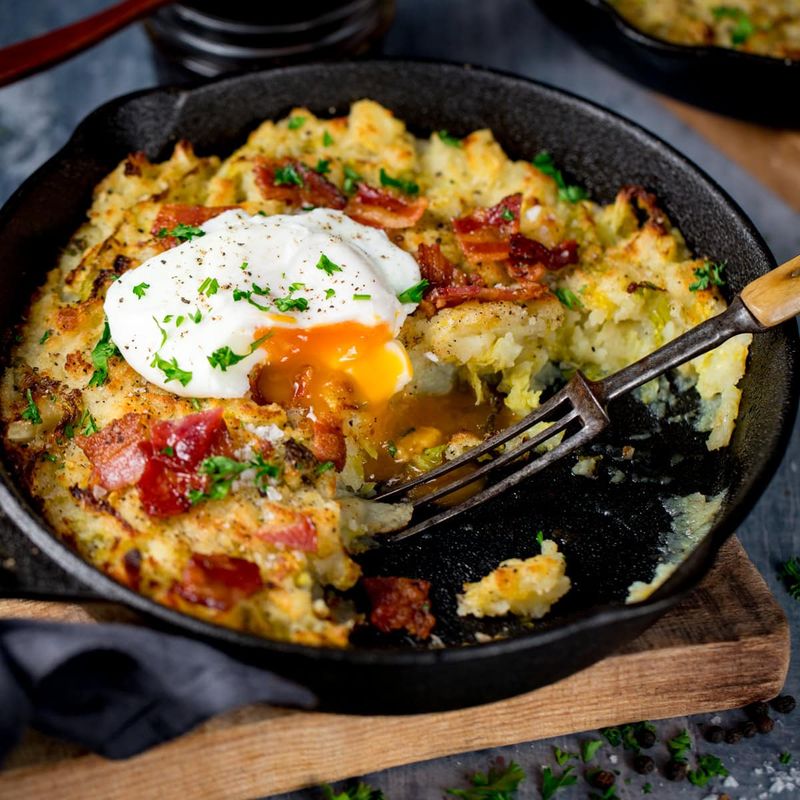
Listen closely while it cooks. That is the secret behind this delightfully goofy British name.
Bubble and squeak is fried leftover potatoes and cabbage, often made the day after a big roast dinner. As the veggies sizzle in the pan, they bubble and squeak, so the name is basically a sound effect.
Got leftovers from a holiday meal? Mash them together, fry until crispy, and enjoy a thrifty breakfast.
12. Hush Puppies
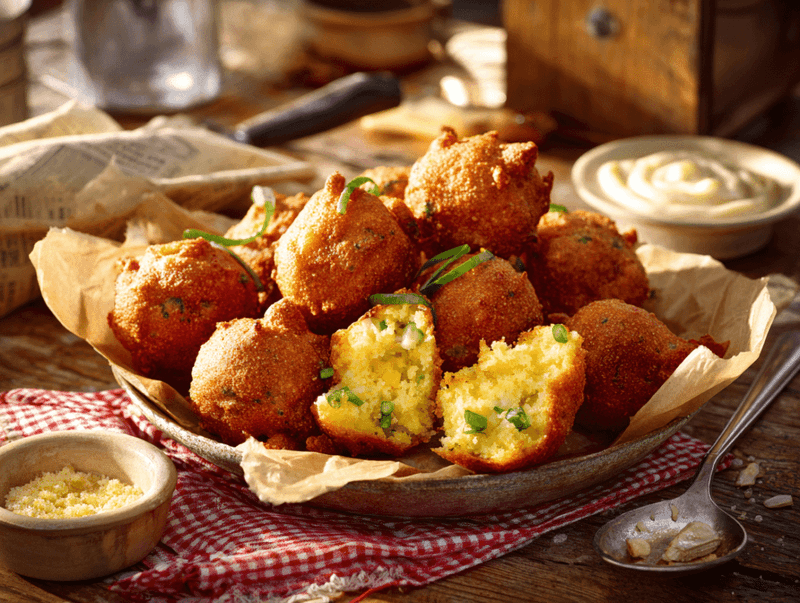
Southern storytellers love this one. Legend says cooks tossed fried cornmeal balls to barking dogs and yelled, Hush, puppies!
Whether that tale is true or not, the name stuck. Hush puppies are small, crunchy cornmeal fritters, often served beside fried catfish at Southern fish fries.
Want a tasty twist? Add chopped onion or jalapeno to the batter.
Dip them in honey butter for a sweet and salty bite.
13. Pigs in a Blanket
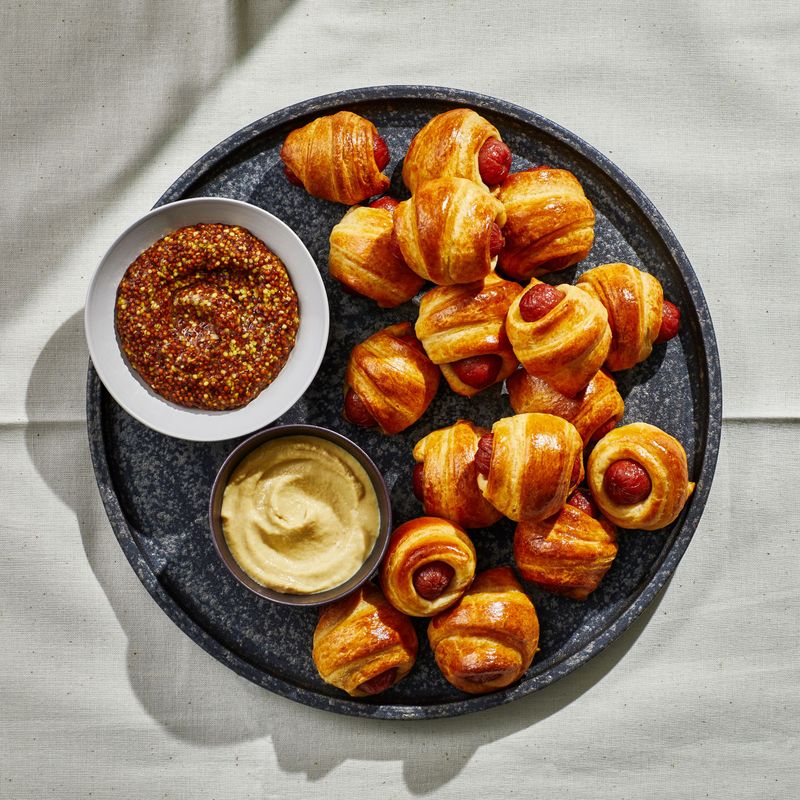
Cozy, right? Little pigs tucked into warm blankets sounds like a bedtime story, not a party snack.
In reality, these are mini sausages wrapped in dough and baked until golden. The name is cute but kind of strange, since the pigs are already sausages.
In Britain, the same name means sausages wrapped in bacon. Either way, they vanish fast at parties, so make a double batch.
14. Ants Climbing a Tree
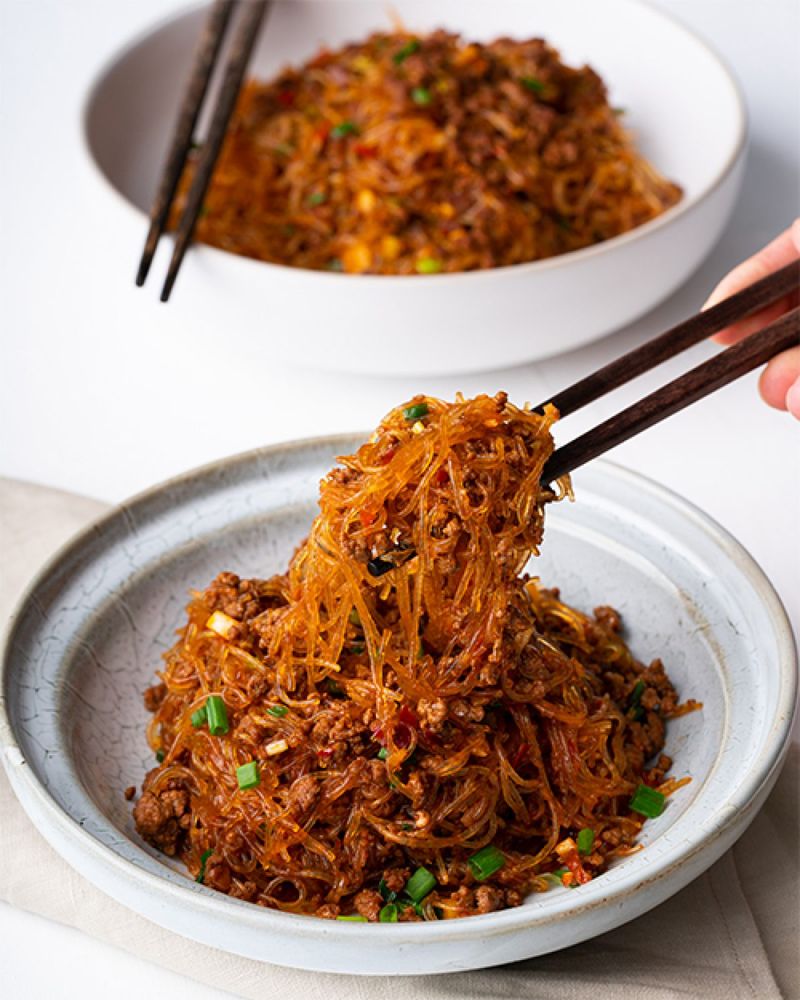
Relax, bug haters. No ants were invited to this Sichuan dinner.
Ants climbing a tree is a spicy Chinese dish of glass noodles and ground pork. The tiny bits of meat cling to the noodles, looking like ants crawling up branches.
It is a perfect example of poetic food naming.
The dish is quick to cook and full of savory flavor. Try it with a little chili bean paste.
15. Monkey Bread
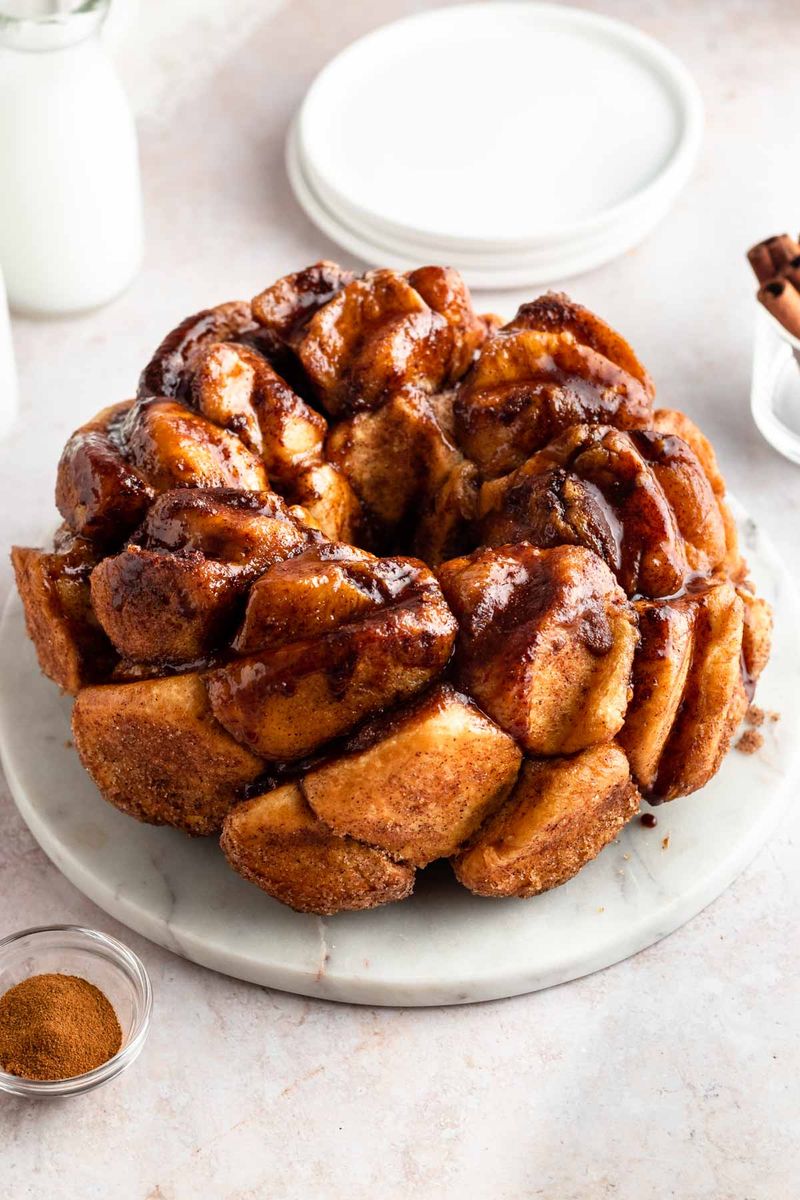
Monkeys have nothing to do with this sticky, sweet treat. Monkey bread is made from small balls of dough rolled in cinnamon sugar and baked in a ring pan.
One popular theory? You eat it by pulling pieces off with your fingers, like a monkey picking fruit.
Others think it simply sounded playful.
Kids love helping make it. Rolling dough balls is messy, fun, and totally worth the cleanup.
16. Sloppy Joe
Who was Joe, and why was he so sloppy? Nobody knows for sure.
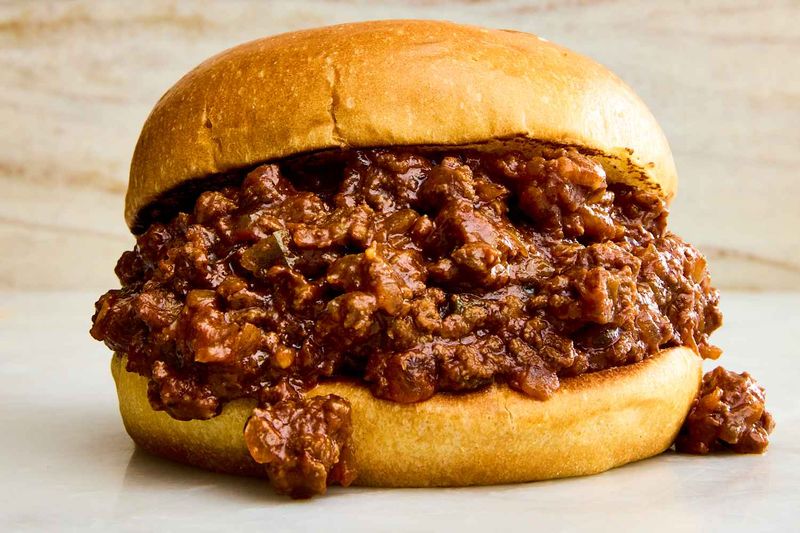
One story points to a cook named Joe in Sioux City, Iowa, who added tomato sauce to loose-meat sandwiches in the 1930s. The sandwich itself is ground beef in a sweet, tangy sauce on a bun.
Keep extra napkins nearby. Living up to its name, this sandwich drips everywhere, and that is half the fun.
17. Scotch Eggs
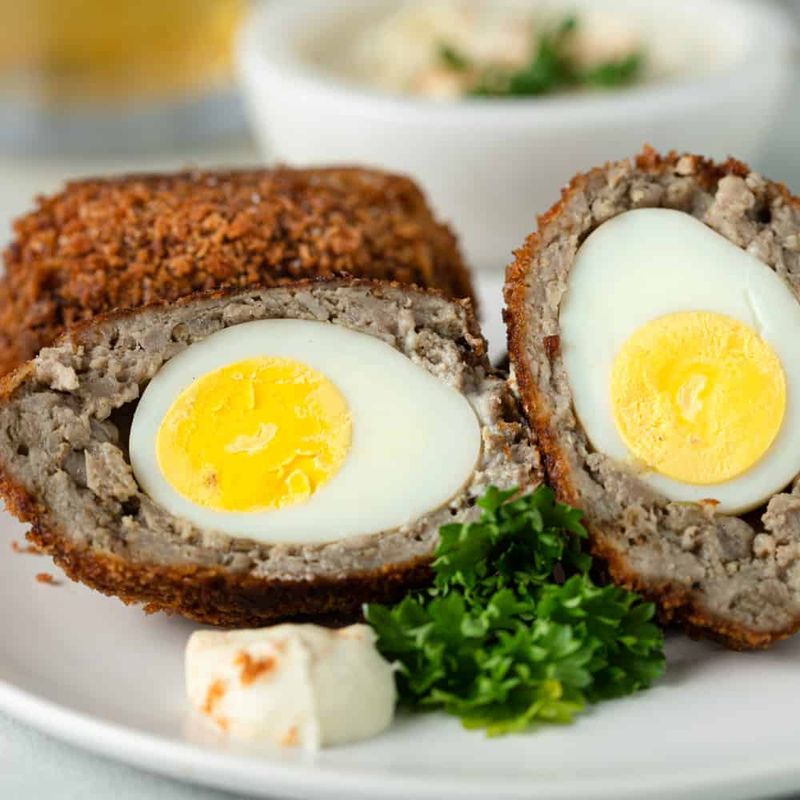
Scotland did not invent the Scotch egg. Surprised?
Most food historians credit the London store Fortnum and Mason in 1738.
A Scotch egg is a boiled egg wrapped in sausage, rolled in breadcrumbs, and fried. The name might come from the word scorched, or from an old cooking method called scotching.
They make an awesome picnic food. Pack one in your lunch for a protein-packed snack that travels well.
18. French Toast
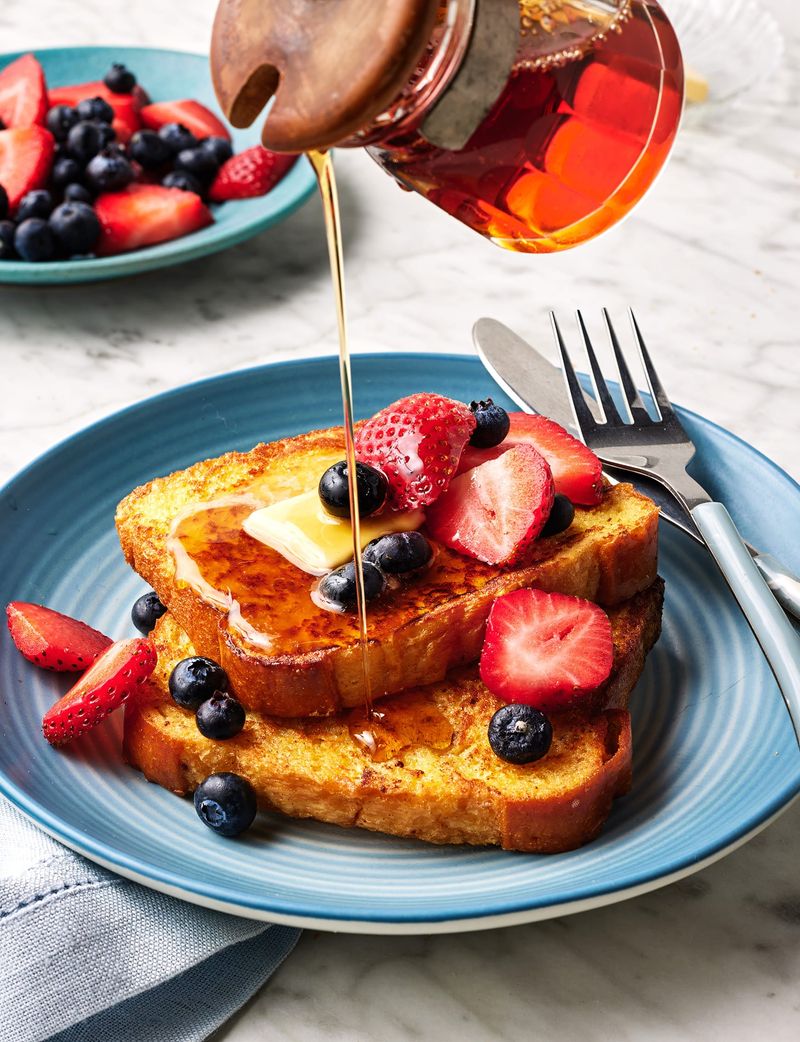
Bonjour, breakfast lovers! Sorry to break it to you, but French toast probably did not start in France.
Romans were soaking bread in milk and eggs nearly 2,000 years ago. One American legend says an innkeeper named Joseph French made it popular, but he forgot the apostrophe.
The French call it pain perdu, meaning lost bread, because it saves stale slices. Day-old bread actually works best for soaking.
19. Cowboy Caviar
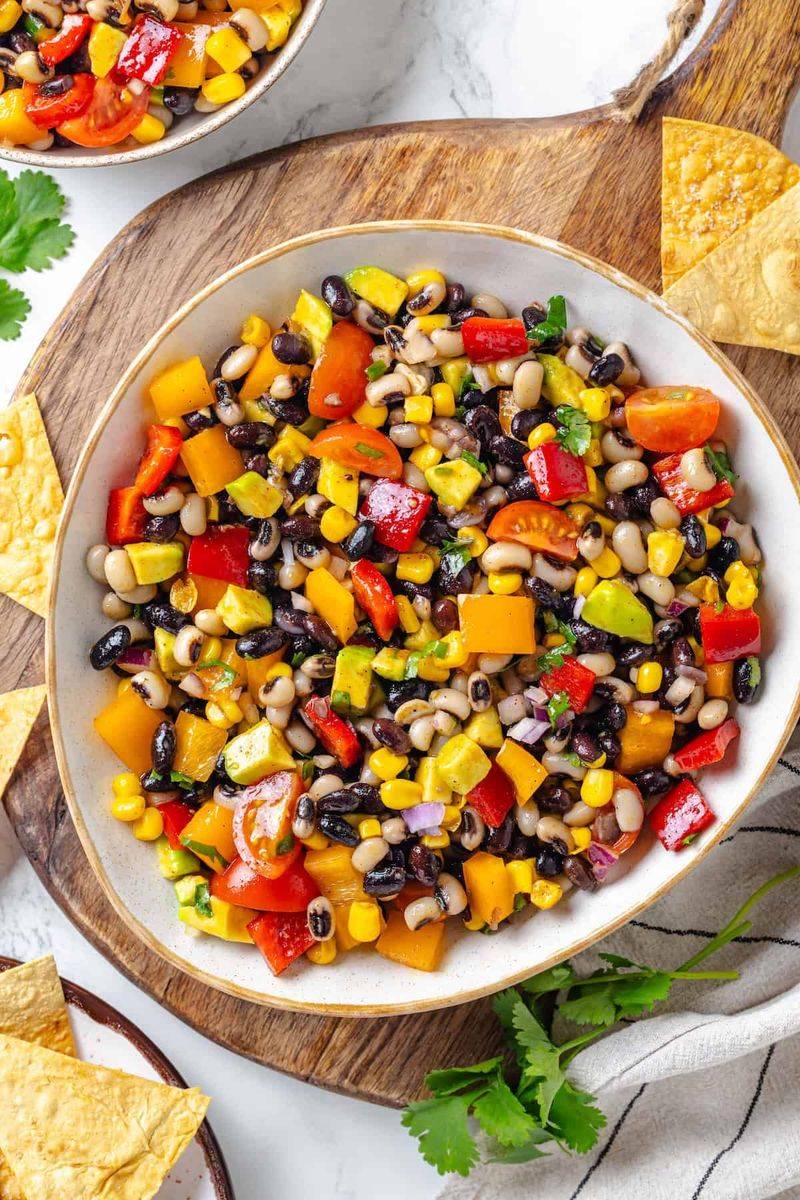
Real caviar comes from fish eggs and costs a fortune. Cowboy caviar?
Just beans, corn, peppers, and onions tossed in zesty dressing.
A Texas cook named Helen Corbitt created it in the 1940s, serving black-eyed peas at a fancy New Year party. Guests joked it was Texas caviar, and the playful name spread.
Scoop it up with tortilla chips. It is cheap, healthy, and perfect for summer potlucks.
20. Chicken Fried Steak
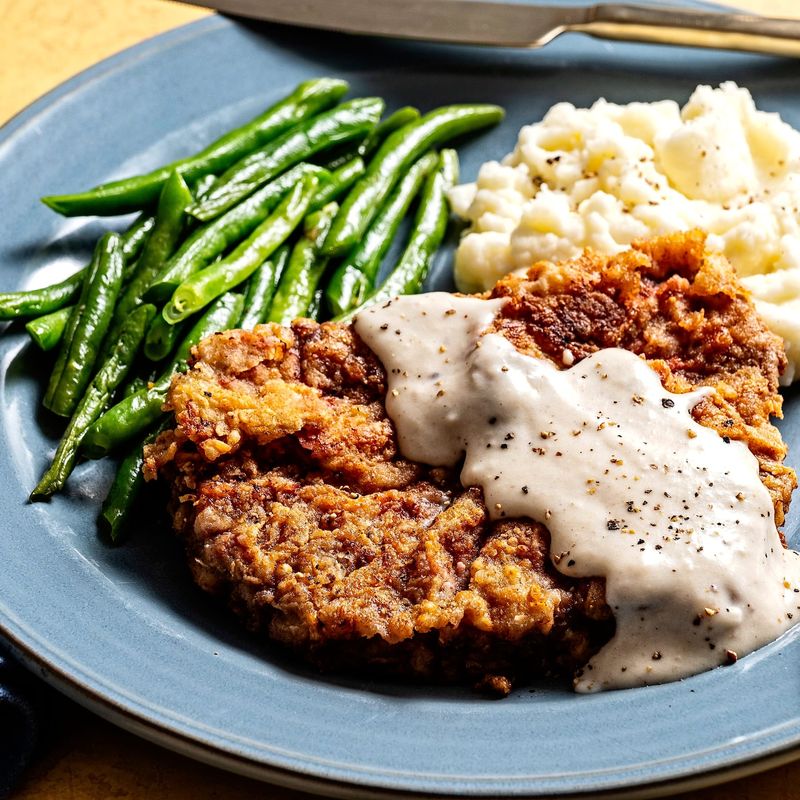
Chicken or steak? Turns out the answer is steak, cooked the way you would fry chicken.
Thin beef cutlets are breaded, fried until crunchy, and smothered in creamy peppered gravy. German and Austrian immigrants in Texas likely brought the idea from schnitzel recipes back home.
Order it at almost any Southern diner and expect a huge portion. Mashed potatoes on the side make it a true comfort classic.
21. Mock Turtle Soup
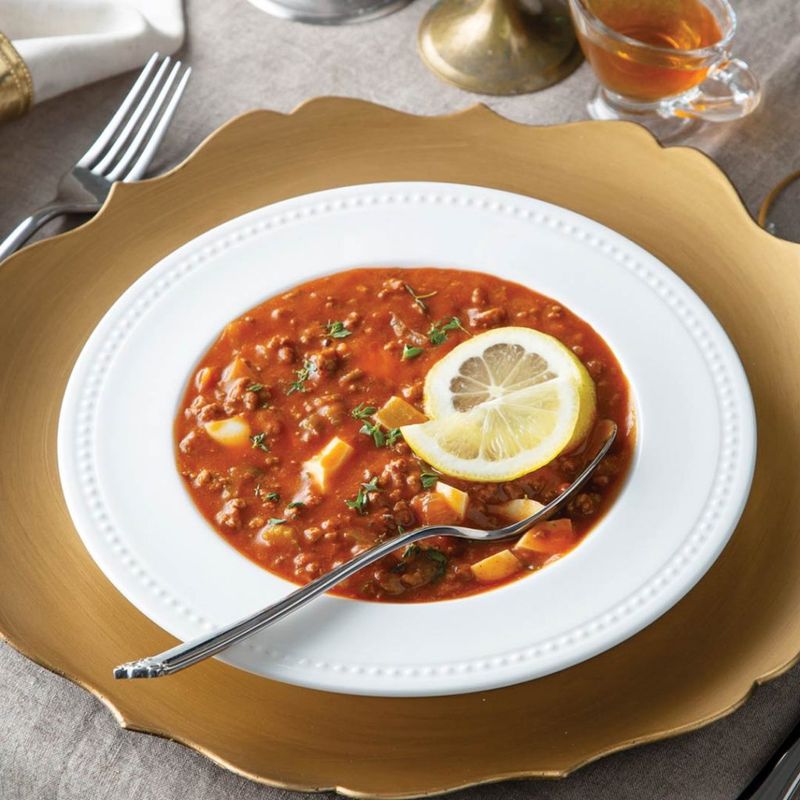
Remember the weepy Mock Turtle in Alice in Wonderland? Lewis Carroll was poking fun at a real British soup.
Green turtle soup was a pricey luxury in the 1700s. Cooks who could not afford turtles made a copycat version using calf’s head and organ meats instead.
They honestly named it mock turtle.
Today, the soup is rare. Still, it is a cool reminder that cooks have always been creative.